



Washington DC
New York
Toronto
Distribution: (800) 510 9863
Press ID
  • Login
Binghamton Herald
Advertisement
Sunday, May 10, 2026
  • Home
  • World
  • Politics
  • Business
  • Technology
  • Culture
  • Health
  • Entertainment
  • Trending
No Result
View All Result
Binghamton Herald
No Result
View All Result
Home Trending

BBC Documentary Row: Russia Accuses Broadcaster Of Waging ‘Information War’ On Global Powers

by Binghamton Herald Report
January 30, 2023
in Trending
Share on FacebookShare on Twitter

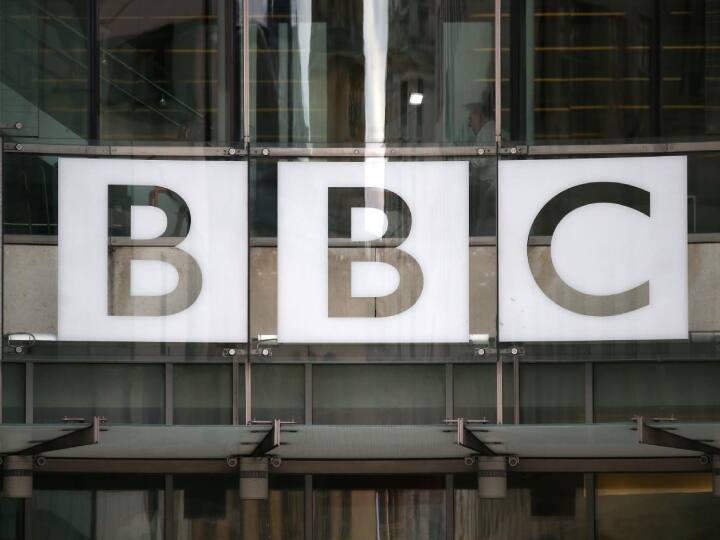
The Russian Foreign Ministry has accused the British Broadcasting Corporation (BBC) of “waging an information war” not only against Russia but also against other global centres of power that pursue an independent policy. The comments were made by the ministry’s spokesperson, Maria Zakharova, in response to the recent release of a controversial two-part BBC documentary about Prime Minister Narendra Modi.

Zakharova stated that the documentary is just another example of the BBC’s ongoing information war and claimed that the broadcaster is not independent, but rather dependent and often fails to meet basic journalistic requirements. She also stated that the BBC is fighting even within the British establishment and is being used as a tool of some groups against others.

The Ministry of External Affairs earlier slammed the BBC documentary as a “propaganda piece” that lacks objectivity and reflects a colonial mindset. The BBC, however, has defended the programme, claiming that it was rigorously researched according to the highest editorial standards.

British Prime Minister Rishi Sunak also defended Prime Minister Modi, stating that he does not agree with the characterisation of his Indian counterpart in the documentary.

The documentary has sparked a massive political war back home, with the government banning the film and Opposition leaders sharing alternative links for the same. The battle over the ban has spilled on to the legal arena. The Supreme Court on Monday agreed to hear the petition challenging the Centre’s decision to ban the BBC documentary on Prime Minister Narendra Modi and the 2002 Gujarat riots on February 6.

The PIL has been filed by advocate ML Sharma in the Supreme Court asking to quash the order dated January 21, 2023, of the Ministry of the Information and Broadcasting and termed the ban “malafide, arbitrary and unconstitutional.”

Sharma requested the top court to call and examine the BBC documentary, both parts I and II, and take action against people who were responsible and were involved directly and indirectly with the 2002 Gujarat riots.

The Russian Foreign Ministry has accused the British Broadcasting Corporation (BBC) of “waging an information war” not only against Russia but also against other global centres of power that pursue an independent policy. The comments were made by the ministry’s spokesperson, Maria Zakharova, in response to the recent release of a controversial two-part BBC documentary about Prime Minister Narendra Modi.

Zakharova stated that the documentary is just another example of the BBC’s ongoing information war and claimed that the broadcaster is not independent, but rather dependent and often fails to meet basic journalistic requirements. She also stated that the BBC is fighting even within the British establishment and is being used as a tool of some groups against others.

The Ministry of External Affairs earlier slammed the BBC documentary as a “propaganda piece” that lacks objectivity and reflects a colonial mindset. The BBC, however, has defended the programme, claiming that it was rigorously researched according to the highest editorial standards.

British Prime Minister Rishi Sunak also defended Prime Minister Modi, stating that he does not agree with the characterisation of his Indian counterpart in the documentary.

The documentary has sparked a massive political war back home, with the government banning the film and Opposition leaders sharing alternative links for the same. The battle over the ban has spilled on to the legal arena. The Supreme Court on Monday agreed to hear the petition challenging the Centre’s decision to ban the BBC documentary on Prime Minister Narendra Modi and the 2002 Gujarat riots on February 6.

The PIL has been filed by advocate ML Sharma in the Supreme Court asking to quash the order dated January 21, 2023, of the Ministry of the Information and Broadcasting and termed the ban “malafide, arbitrary and unconstitutional.”

Sharma requested the top court to call and examine the BBC documentary, both parts I and II, and take action against people who were responsible and were involved directly and indirectly with the 2002 Gujarat riots.

The Russian Foreign Ministry has accused the British Broadcasting Corporation (BBC) of “waging an information war” not only against Russia but also against other global centres of power that pursue an independent policy. The comments were made by the ministry’s spokesperson, Maria Zakharova, in response to the recent release of a controversial two-part BBC documentary about Prime Minister Narendra Modi.

Zakharova stated that the documentary is just another example of the BBC’s ongoing information war and claimed that the broadcaster is not independent, but rather dependent and often fails to meet basic journalistic requirements. She also stated that the BBC is fighting even within the British establishment and is being used as a tool of some groups against others.

The Ministry of External Affairs earlier slammed the BBC documentary as a “propaganda piece” that lacks objectivity and reflects a colonial mindset. The BBC, however, has defended the programme, claiming that it was rigorously researched according to the highest editorial standards.

British Prime Minister Rishi Sunak also defended Prime Minister Modi, stating that he does not agree with the characterisation of his Indian counterpart in the documentary.

The documentary has sparked a massive political war back home, with the government banning the film and Opposition leaders sharing alternative links for the same. The battle over the ban has spilled on to the legal arena. The Supreme Court on Monday agreed to hear the petition challenging the Centre’s decision to ban the BBC documentary on Prime Minister Narendra Modi and the 2002 Gujarat riots on February 6.

The PIL has been filed by advocate ML Sharma in the Supreme Court asking to quash the order dated January 21, 2023, of the Ministry of the Information and Broadcasting and termed the ban “malafide, arbitrary and unconstitutional.”

Sharma requested the top court to call and examine the BBC documentary, both parts I and II, and take action against people who were responsible and were involved directly and indirectly with the 2002 Gujarat riots.


The Russian Foreign Ministry has accused the British Broadcasting Corporation (BBC) of “waging an information war” not only against Russia but also against other global centres of power that pursue an independent policy. The comments were made by the ministry’s spokesperson, Maria Zakharova, in response to the recent release of a controversial two-part BBC documentary about Prime Minister Narendra Modi.

Zakharova stated that the documentary is just another example of the BBC’s ongoing information war and claimed that the broadcaster is not independent, but rather dependent and often fails to meet basic journalistic requirements. She also stated that the BBC is fighting even within the British establishment and is being used as a tool of some groups against others.

The Ministry of External Affairs earlier slammed the BBC documentary as a “propaganda piece” that lacks objectivity and reflects a colonial mindset. The BBC, however, has defended the programme, claiming that it was rigorously researched according to the highest editorial standards.

British Prime Minister Rishi Sunak also defended Prime Minister Modi, stating that he does not agree with the characterisation of his Indian counterpart in the documentary.

The documentary has sparked a massive political war back home, with the government banning the film and Opposition leaders sharing alternative links for the same. The battle over the ban has spilled on to the legal arena. The Supreme Court on Monday agreed to hear the petition challenging the Centre’s decision to ban the BBC documentary on Prime Minister Narendra Modi and the 2002 Gujarat riots on February 6.

The PIL has been filed by advocate ML Sharma in the Supreme Court asking to quash the order dated January 21, 2023, of the Ministry of the Information and Broadcasting and termed the ban “malafide, arbitrary and unconstitutional.”

Sharma requested the top court to call and examine the BBC documentary, both parts I and II, and take action against people who were responsible and were involved directly and indirectly with the 2002 Gujarat riots.

The Russian Foreign Ministry has accused the British Broadcasting Corporation (BBC) of “waging an information war” not only against Russia but also against other global centres of power that pursue an independent policy. The comments were made by the ministry’s spokesperson, Maria Zakharova, in response to the recent release of a controversial two-part BBC documentary about Prime Minister Narendra Modi.

Zakharova stated that the documentary is just another example of the BBC’s ongoing information war and claimed that the broadcaster is not independent, but rather dependent and often fails to meet basic journalistic requirements. She also stated that the BBC is fighting even within the British establishment and is being used as a tool of some groups against others.

The Ministry of External Affairs earlier slammed the BBC documentary as a “propaganda piece” that lacks objectivity and reflects a colonial mindset. The BBC, however, has defended the programme, claiming that it was rigorously researched according to the highest editorial standards.

British Prime Minister Rishi Sunak also defended Prime Minister Modi, stating that he does not agree with the characterisation of his Indian counterpart in the documentary.

The documentary has sparked a massive political war back home, with the government banning the film and Opposition leaders sharing alternative links for the same. The battle over the ban has spilled on to the legal arena. The Supreme Court on Monday agreed to hear the petition challenging the Centre’s decision to ban the BBC documentary on Prime Minister Narendra Modi and the 2002 Gujarat riots on February 6.

The PIL has been filed by advocate ML Sharma in the Supreme Court asking to quash the order dated January 21, 2023, of the Ministry of the Information and Broadcasting and termed the ban “malafide, arbitrary and unconstitutional.”

Sharma requested the top court to call and examine the BBC documentary, both parts I and II, and take action against people who were responsible and were involved directly and indirectly with the 2002 Gujarat riots.

The Russian Foreign Ministry has accused the British Broadcasting Corporation (BBC) of “waging an information war” not only against Russia but also against other global centres of power that pursue an independent policy. The comments were made by the ministry’s spokesperson, Maria Zakharova, in response to the recent release of a controversial two-part BBC documentary about Prime Minister Narendra Modi.

Zakharova stated that the documentary is just another example of the BBC’s ongoing information war and claimed that the broadcaster is not independent, but rather dependent and often fails to meet basic journalistic requirements. She also stated that the BBC is fighting even within the British establishment and is being used as a tool of some groups against others.

The Ministry of External Affairs earlier slammed the BBC documentary as a “propaganda piece” that lacks objectivity and reflects a colonial mindset. The BBC, however, has defended the programme, claiming that it was rigorously researched according to the highest editorial standards.

British Prime Minister Rishi Sunak also defended Prime Minister Modi, stating that he does not agree with the characterisation of his Indian counterpart in the documentary.

The documentary has sparked a massive political war back home, with the government banning the film and Opposition leaders sharing alternative links for the same. The battle over the ban has spilled on to the legal arena. The Supreme Court on Monday agreed to hear the petition challenging the Centre’s decision to ban the BBC documentary on Prime Minister Narendra Modi and the 2002 Gujarat riots on February 6.

The PIL has been filed by advocate ML Sharma in the Supreme Court asking to quash the order dated January 21, 2023, of the Ministry of the Information and Broadcasting and termed the ban “malafide, arbitrary and unconstitutional.”

Sharma requested the top court to call and examine the BBC documentary, both parts I and II, and take action against people who were responsible and were involved directly and indirectly with the 2002 Gujarat riots.

The Russian Foreign Ministry has accused the British Broadcasting Corporation (BBC) of “waging an information war” not only against Russia but also against other global centres of power that pursue an independent policy. The comments were made by the ministry’s spokesperson, Maria Zakharova, in response to the recent release of a controversial two-part BBC documentary about Prime Minister Narendra Modi.

Zakharova stated that the documentary is just another example of the BBC’s ongoing information war and claimed that the broadcaster is not independent, but rather dependent and often fails to meet basic journalistic requirements. She also stated that the BBC is fighting even within the British establishment and is being used as a tool of some groups against others.

The Ministry of External Affairs earlier slammed the BBC documentary as a “propaganda piece” that lacks objectivity and reflects a colonial mindset. The BBC, however, has defended the programme, claiming that it was rigorously researched according to the highest editorial standards.

British Prime Minister Rishi Sunak also defended Prime Minister Modi, stating that he does not agree with the characterisation of his Indian counterpart in the documentary.

The documentary has sparked a massive political war back home, with the government banning the film and Opposition leaders sharing alternative links for the same. The battle over the ban has spilled on to the legal arena. The Supreme Court on Monday agreed to hear the petition challenging the Centre’s decision to ban the BBC documentary on Prime Minister Narendra Modi and the 2002 Gujarat riots on February 6.

The PIL has been filed by advocate ML Sharma in the Supreme Court asking to quash the order dated January 21, 2023, of the Ministry of the Information and Broadcasting and termed the ban “malafide, arbitrary and unconstitutional.”

Sharma requested the top court to call and examine the BBC documentary, both parts I and II, and take action against people who were responsible and were involved directly and indirectly with the 2002 Gujarat riots.

The Russian Foreign Ministry has accused the British Broadcasting Corporation (BBC) of “waging an information war” not only against Russia but also against other global centres of power that pursue an independent policy. The comments were made by the ministry’s spokesperson, Maria Zakharova, in response to the recent release of a controversial two-part BBC documentary about Prime Minister Narendra Modi.

Zakharova stated that the documentary is just another example of the BBC’s ongoing information war and claimed that the broadcaster is not independent, but rather dependent and often fails to meet basic journalistic requirements. She also stated that the BBC is fighting even within the British establishment and is being used as a tool of some groups against others.

The Ministry of External Affairs earlier slammed the BBC documentary as a “propaganda piece” that lacks objectivity and reflects a colonial mindset. The BBC, however, has defended the programme, claiming that it was rigorously researched according to the highest editorial standards.

British Prime Minister Rishi Sunak also defended Prime Minister Modi, stating that he does not agree with the characterisation of his Indian counterpart in the documentary.

The documentary has sparked a massive political war back home, with the government banning the film and Opposition leaders sharing alternative links for the same. The battle over the ban has spilled on to the legal arena. The Supreme Court on Monday agreed to hear the petition challenging the Centre’s decision to ban the BBC documentary on Prime Minister Narendra Modi and the 2002 Gujarat riots on February 6.

The PIL has been filed by advocate ML Sharma in the Supreme Court asking to quash the order dated January 21, 2023, of the Ministry of the Information and Broadcasting and termed the ban “malafide, arbitrary and unconstitutional.”

Sharma requested the top court to call and examine the BBC documentary, both parts I and II, and take action against people who were responsible and were involved directly and indirectly with the 2002 Gujarat riots.

Tags: BBC documentaryBBC Documentary rowBBC Film On PM ModiGujarat Riots 2002PM Modi
Previous Post

The only place I’ll go for Super Bowl wings (and the ‘Boss Sauce’)

Next Post

Made us look! Meghan Trainor is expecting baby No. 2 this summer

Leave a Reply Cancel reply

Your email address will not be published. Required fields are marked *

BROWSE BY CATEGORIES

  • Business
  • Culture
  • Entertainment
  • Health
  • Politics
  • Technology
  • Trending
  • Uncategorized
  • World
Binghamton Herald

© 2024 Binghamton Herald or its affiliated companies.

Navigate Site

  • About
  • Advertise
  • Terms & Conditions
  • Privacy Policy
  • Disclaimer
  • Contact

Follow Us

No Result
View All Result
  • Home
  • World
  • Politics
  • Business
  • Technology
  • Culture
  • Health
  • Entertainment
  • Trending

© 2024 Binghamton Herald or its affiliated companies.

Welcome Back!

Login to your account below

Forgotten Password?

Retrieve your password

Please enter your username or email address to reset your password.

Log In