

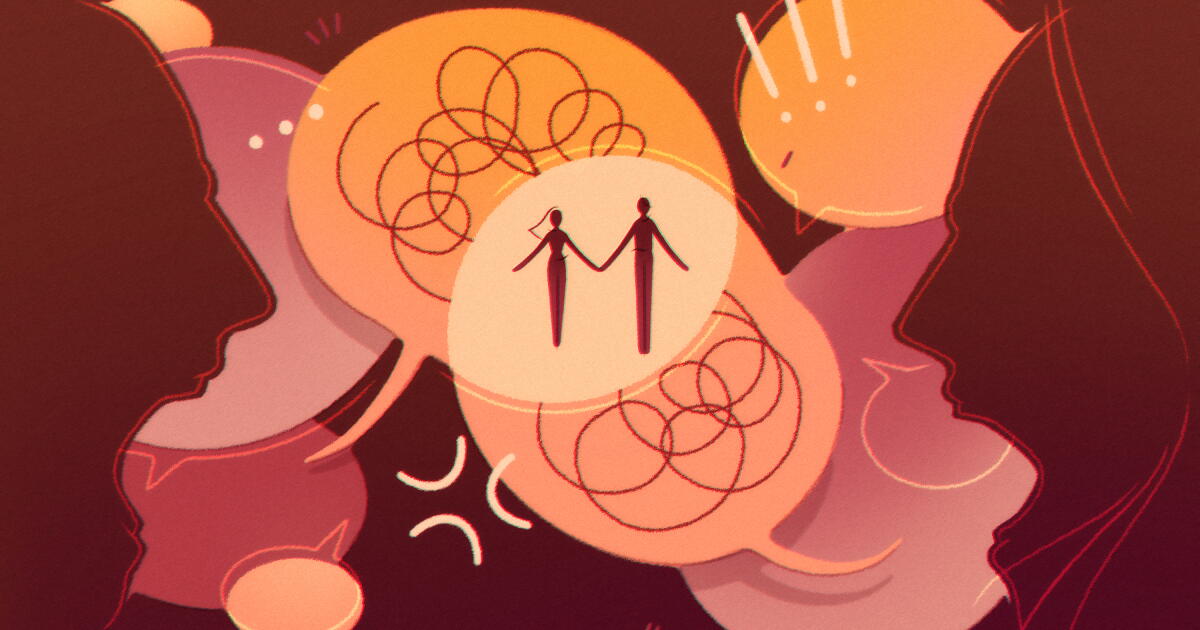

We’re not fighting enough, says Priya Parker.
Really? Open social media and a million keyboard warriors are waging war. Yet Parker, a conflict facilitator, says Americans aren’t facing conflict enough. At least, not the right way.

Shelf Help is a wellness column where we interview researchers, thinkers and writers about their latest books — all with the aim of learning how to live a more complete life.
Her new book, “The Art of Fighting: The Transformative Power of Conflict,” hopes to teach us how to fight not for the sake of winning or dragging or the perfect zinger — but to help our communities flourish. It’s not shameful to fight, an idea many of us have internalized, she says. Instead, healthy conflict turns tension into clarity. Clearing the air, artfully, is an opportunity to draw a group closer together. “Healthy communities have healthy conflicts,” she says.
“The Art of Fighting” is a continuation on Parker’s curricula for all humans. In her first book, the 2018 national bestseller “The Art of Gathering: How We Meet and Why It Matters,” Parker taught us to rethink how to make meaningful community. “That was what I’d call Humaning 101,” Parker says. Now that we’re together (or trying to be), it’s time to tackle what Parker calls “Humaning 301.”

“The Art of Fighting” author Priya Parker.
(Fernando Palafox)

The problem is that we’re out of practice. We’ve forgotten how to squabble or storm in-person. “We need to rebuild our fighting muscle,” Parker says. Part of that rebuilding is learning to assess what kind of fight we’re having. Is it a rift, kerfuffle, brawl or hairline fracture? Parker says one clue is to measure how intense the fight is (kerfuffles are low-key; brawls not so much) and how much the fight reveals about differences in the existential ideas about the group, like who we are and what is our shared purpose.
Parker has been mending rifts professionally for 25 years, but she insists that her skill set shouldn’t be special. Learning how to fight “isn’t just for negotiators or mediators. These skills should be the building blocks of everyday life.”
This interview has been condensed and edited for clarity.
Is “The Art of Fighting” a follow-up to your first book, “The Art of Gathering”? It’s like you’re saying “OK, I taught you how to get together. Now you’ve got to know how to weather the inevitable conflict that will arise from being in community.”
Yes, I wrote two books about community. “The Art of Gathering” is trying to demystify how anyone can create meaningful experiences with other people without having to all be the same. I think of both books as group-help books. We have an industry of books, apps and tools to help the individual and they’re useful, but we need more tools to help us with the questions of shared life. Both books attempt to provide tools for how to help groups and communities be more connected, more resilient, more vibrant and frankly, more fun.
Why have our in-person fighting skills atrophied so much? Did we ever have those skills to begin with?
Robert Putnam, the political scientist, has long tracked this. He says that starting with the invention of television in the early ‘50s, you can see a massive decline in Americans doing what he calls “associating.” And by the time he wrote the book “Bowling Alone” in 2000, we were already in decline in terms of being in community with other people. Fast-forward to the pandemic, and that exacerbated our lack of community. The surgeon general declared a loneliness epidemic in 2023, but it was already happening. The reasons are complex; some of it is technology and social media. Some of it is efficiency; DoorDashing instead of going to a restaurant where you run into each other. Some of it is inequality and having to work too many jobs to make a living, much less have an argument.
Many of us have shame around conflict. Why is that?
I grew up in a conflict-averse household. At my grandfather’s funeral, the minister said in his eulogy, “In 50 years of marriage, Ruth and Lyle Parker never fought.” My astute stepmother leaned over and whispered to me, “Oh, dear.” We’ve been taught in our culture that good people don’t fight, and that if you are going to get into a fight, it’s not with the people you love. You fight with the people you hate. As a conflict resolution facilitator for the last 25 years, I can say that healthy community needs healthy conflict. You change and you grow through conflict.
And yet so many of us think of fighting as antisocial behavior to be avoided at all costs.
I studied a lot of church literature because churches have a lot of reckonings and internal rifts. There’s a Christian minister, Michael Hare, who’s also a consultant to churches experiencing those rifts. He said one of the biggest challenges in churches is the misbelief that conflict is sin, so part of the first chapter of my book is trying to just locate our unspoken beliefs about conflict, including my own. Yeah, some conflicts are antisocial for sure, but there are conflicts that are prosocial. Where the purpose is to actually get through it, to become closer to each other, to protect and connect the group.
In order to decide whether you should face a conflict, you recommend asking yourself: Do I want to be closer to this person? That is a surprising metric for deciding whether you want to fight or not.
That question is from Michael Head, a facilitator and playwright, and I was so struck by it. Asking yourself that question helps you figure out what kind of conflict you’re in, and whether it’s worth it. We have different communities and different groups; not all conflict should or can be faced. What I hope with the book is that I’m helping to grow our discernment over which ones to face and which ones to just let be. Asking about the connection you want with a person is a way of figuring it out. What kind of relationship do I want to have with this person? Why am I confronting this fight? What is my intent?

What are some concrete strategies for getting better at fighting?
Try growing heat — not friction, but warmth. One of the most surprising findings I had researching this book was the importance of banter, of humor, of fun, of doing things that waters the garden of the community. A church in North Carolina was experiencing a reckoning, and someone on the staff was like, ‘No one wants to talk. We haven’t even worshiped together because of the pandemic.’ So they suggested that they start by hosting a parking lot party. And then someone else joked on Slack, “Dunk the Deacon?” They got the dunk tank, and they threw this party, and they found a way through fun to attract their community back out into the sun together.
What advice would you give to folks who might feel it’s their moral duty to confront a family member at a gathering like Thanksgiving?
Sometimes that iconic annual gathering and drinking for hours is actually the worst forum. I’m not telling you whether to face or not to face the conflict; only you can decide that, but you can do it in a way that will increase your likelihood of success and of helping the person hear you. Seed stories over opinions. Don’t ask people what they think; ask them to share a story instead. Opinions are a dime a dozen, but personal stories are precious and much harder to argue with. A story complicates a person in a way an opinion never can.
I love that you validate gossip as part of the excavation process for making sure you’re having the right fight with the right information.
Just like there’s antisocial conflict and prosocial conflict, there is a prosocial form of gossip. This type of gossip is protecting the weak. It’s protecting against bad behavior, and when we throw the baby of insight out with the bathwater of gossip, we are leaving a lot of information on the table. Gossip is also how communities figure out what they believe and what they value. I write about a writing residency that was finally able to end a program that was problematic to a lot of people who experienced it because some of the members within that program were willing to “gossip” about it. They were able to share negative experiences and say, “Is this also happening to you?” Let’s not forget that the #MeToo movement took off because of whisper networks. People connected with one another to be able to say, “Hey, this is happening to me too.”
I found your book particularly helpful as a parent. I’ve never valued the art of healthy conflict more than with my son, especially the value of repair.
Yes, it’s so valuable to teach our children to normalize repair and accountability, and to make it not such a massive deal to apologize. It doesn’t mean that the fight or the messing up or whatever is the end of the story. It’s about building resilient relationships. None of this is about getting good at conflict just to get good at conflict. It’s an invitation to get good at conflict so that we can have better, more vibrant, closer relationships in our life.

We’re not fighting enough, says Priya Parker.
Really? Open social media and a million keyboard warriors are waging war. Yet Parker, a conflict facilitator, says Americans aren’t facing conflict enough. At least, not the right way.
Shelf Help is a wellness column where we interview researchers, thinkers and writers about their latest books — all with the aim of learning how to live a more complete life.
Her new book, “The Art of Fighting: The Transformative Power of Conflict,” hopes to teach us how to fight not for the sake of winning or dragging or the perfect zinger — but to help our communities flourish. It’s not shameful to fight, an idea many of us have internalized, she says. Instead, healthy conflict turns tension into clarity. Clearing the air, artfully, is an opportunity to draw a group closer together. “Healthy communities have healthy conflicts,” she says.
“The Art of Fighting” is a continuation on Parker’s curricula for all humans. In her first book, the 2018 national bestseller “The Art of Gathering: How We Meet and Why It Matters,” Parker taught us to rethink how to make meaningful community. “That was what I’d call Humaning 101,” Parker says. Now that we’re together (or trying to be), it’s time to tackle what Parker calls “Humaning 301.”
“The Art of Fighting” author Priya Parker.
(Fernando Palafox)
The problem is that we’re out of practice. We’ve forgotten how to squabble or storm in-person. “We need to rebuild our fighting muscle,” Parker says. Part of that rebuilding is learning to assess what kind of fight we’re having. Is it a rift, kerfuffle, brawl or hairline fracture? Parker says one clue is to measure how intense the fight is (kerfuffles are low-key; brawls not so much) and how much the fight reveals about differences in the existential ideas about the group, like who we are and what is our shared purpose.
Parker has been mending rifts professionally for 25 years, but she insists that her skill set shouldn’t be special. Learning how to fight “isn’t just for negotiators or mediators. These skills should be the building blocks of everyday life.”
This interview has been condensed and edited for clarity.
Is “The Art of Fighting” a follow-up to your first book, “The Art of Gathering”? It’s like you’re saying “OK, I taught you how to get together. Now you’ve got to know how to weather the inevitable conflict that will arise from being in community.”
Yes, I wrote two books about community. “The Art of Gathering” is trying to demystify how anyone can create meaningful experiences with other people without having to all be the same. I think of both books as group-help books. We have an industry of books, apps and tools to help the individual and they’re useful, but we need more tools to help us with the questions of shared life. Both books attempt to provide tools for how to help groups and communities be more connected, more resilient, more vibrant and frankly, more fun.
Why have our in-person fighting skills atrophied so much? Did we ever have those skills to begin with?
Robert Putnam, the political scientist, has long tracked this. He says that starting with the invention of television in the early ‘50s, you can see a massive decline in Americans doing what he calls “associating.” And by the time he wrote the book “Bowling Alone” in 2000, we were already in decline in terms of being in community with other people. Fast-forward to the pandemic, and that exacerbated our lack of community. The surgeon general declared a loneliness epidemic in 2023, but it was already happening. The reasons are complex; some of it is technology and social media. Some of it is efficiency; DoorDashing instead of going to a restaurant where you run into each other. Some of it is inequality and having to work too many jobs to make a living, much less have an argument.
Many of us have shame around conflict. Why is that?
I grew up in a conflict-averse household. At my grandfather’s funeral, the minister said in his eulogy, “In 50 years of marriage, Ruth and Lyle Parker never fought.” My astute stepmother leaned over and whispered to me, “Oh, dear.” We’ve been taught in our culture that good people don’t fight, and that if you are going to get into a fight, it’s not with the people you love. You fight with the people you hate. As a conflict resolution facilitator for the last 25 years, I can say that healthy community needs healthy conflict. You change and you grow through conflict.
And yet so many of us think of fighting as antisocial behavior to be avoided at all costs.
I studied a lot of church literature because churches have a lot of reckonings and internal rifts. There’s a Christian minister, Michael Hare, who’s also a consultant to churches experiencing those rifts. He said one of the biggest challenges in churches is the misbelief that conflict is sin, so part of the first chapter of my book is trying to just locate our unspoken beliefs about conflict, including my own. Yeah, some conflicts are antisocial for sure, but there are conflicts that are prosocial. Where the purpose is to actually get through it, to become closer to each other, to protect and connect the group.
In order to decide whether you should face a conflict, you recommend asking yourself: Do I want to be closer to this person? That is a surprising metric for deciding whether you want to fight or not.
That question is from Michael Head, a facilitator and playwright, and I was so struck by it. Asking yourself that question helps you figure out what kind of conflict you’re in, and whether it’s worth it. We have different communities and different groups; not all conflict should or can be faced. What I hope with the book is that I’m helping to grow our discernment over which ones to face and which ones to just let be. Asking about the connection you want with a person is a way of figuring it out. What kind of relationship do I want to have with this person? Why am I confronting this fight? What is my intent?
What are some concrete strategies for getting better at fighting?
Try growing heat — not friction, but warmth. One of the most surprising findings I had researching this book was the importance of banter, of humor, of fun, of doing things that waters the garden of the community. A church in North Carolina was experiencing a reckoning, and someone on the staff was like, ‘No one wants to talk. We haven’t even worshiped together because of the pandemic.’ So they suggested that they start by hosting a parking lot party. And then someone else joked on Slack, “Dunk the Deacon?” They got the dunk tank, and they threw this party, and they found a way through fun to attract their community back out into the sun together.
What advice would you give to folks who might feel it’s their moral duty to confront a family member at a gathering like Thanksgiving?
Sometimes that iconic annual gathering and drinking for hours is actually the worst forum. I’m not telling you whether to face or not to face the conflict; only you can decide that, but you can do it in a way that will increase your likelihood of success and of helping the person hear you. Seed stories over opinions. Don’t ask people what they think; ask them to share a story instead. Opinions are a dime a dozen, but personal stories are precious and much harder to argue with. A story complicates a person in a way an opinion never can.
I love that you validate gossip as part of the excavation process for making sure you’re having the right fight with the right information.
Just like there’s antisocial conflict and prosocial conflict, there is a prosocial form of gossip. This type of gossip is protecting the weak. It’s protecting against bad behavior, and when we throw the baby of insight out with the bathwater of gossip, we are leaving a lot of information on the table. Gossip is also how communities figure out what they believe and what they value. I write about a writing residency that was finally able to end a program that was problematic to a lot of people who experienced it because some of the members within that program were willing to “gossip” about it. They were able to share negative experiences and say, “Is this also happening to you?” Let’s not forget that the #MeToo movement took off because of whisper networks. People connected with one another to be able to say, “Hey, this is happening to me too.”
I found your book particularly helpful as a parent. I’ve never valued the art of healthy conflict more than with my son, especially the value of repair.
Yes, it’s so valuable to teach our children to normalize repair and accountability, and to make it not such a massive deal to apologize. It doesn’t mean that the fight or the messing up or whatever is the end of the story. It’s about building resilient relationships. None of this is about getting good at conflict just to get good at conflict. It’s an invitation to get good at conflict so that we can have better, more vibrant, closer relationships in our life.

We’re not fighting enough, says Priya Parker.
Really? Open social media and a million keyboard warriors are waging war. Yet Parker, a conflict facilitator, says Americans aren’t facing conflict enough. At least, not the right way.
Shelf Help is a wellness column where we interview researchers, thinkers and writers about their latest books — all with the aim of learning how to live a more complete life.
Her new book, “The Art of Fighting: The Transformative Power of Conflict,” hopes to teach us how to fight not for the sake of winning or dragging or the perfect zinger — but to help our communities flourish. It’s not shameful to fight, an idea many of us have internalized, she says. Instead, healthy conflict turns tension into clarity. Clearing the air, artfully, is an opportunity to draw a group closer together. “Healthy communities have healthy conflicts,” she says.
“The Art of Fighting” is a continuation on Parker’s curricula for all humans. In her first book, the 2018 national bestseller “The Art of Gathering: How We Meet and Why It Matters,” Parker taught us to rethink how to make meaningful community. “That was what I’d call Humaning 101,” Parker says. Now that we’re together (or trying to be), it’s time to tackle what Parker calls “Humaning 301.”
“The Art of Fighting” author Priya Parker.
(Fernando Palafox)
The problem is that we’re out of practice. We’ve forgotten how to squabble or storm in-person. “We need to rebuild our fighting muscle,” Parker says. Part of that rebuilding is learning to assess what kind of fight we’re having. Is it a rift, kerfuffle, brawl or hairline fracture? Parker says one clue is to measure how intense the fight is (kerfuffles are low-key; brawls not so much) and how much the fight reveals about differences in the existential ideas about the group, like who we are and what is our shared purpose.
Parker has been mending rifts professionally for 25 years, but she insists that her skill set shouldn’t be special. Learning how to fight “isn’t just for negotiators or mediators. These skills should be the building blocks of everyday life.”
This interview has been condensed and edited for clarity.
Is “The Art of Fighting” a follow-up to your first book, “The Art of Gathering”? It’s like you’re saying “OK, I taught you how to get together. Now you’ve got to know how to weather the inevitable conflict that will arise from being in community.”
Yes, I wrote two books about community. “The Art of Gathering” is trying to demystify how anyone can create meaningful experiences with other people without having to all be the same. I think of both books as group-help books. We have an industry of books, apps and tools to help the individual and they’re useful, but we need more tools to help us with the questions of shared life. Both books attempt to provide tools for how to help groups and communities be more connected, more resilient, more vibrant and frankly, more fun.
Why have our in-person fighting skills atrophied so much? Did we ever have those skills to begin with?
Robert Putnam, the political scientist, has long tracked this. He says that starting with the invention of television in the early ‘50s, you can see a massive decline in Americans doing what he calls “associating.” And by the time he wrote the book “Bowling Alone” in 2000, we were already in decline in terms of being in community with other people. Fast-forward to the pandemic, and that exacerbated our lack of community. The surgeon general declared a loneliness epidemic in 2023, but it was already happening. The reasons are complex; some of it is technology and social media. Some of it is efficiency; DoorDashing instead of going to a restaurant where you run into each other. Some of it is inequality and having to work too many jobs to make a living, much less have an argument.
Many of us have shame around conflict. Why is that?
I grew up in a conflict-averse household. At my grandfather’s funeral, the minister said in his eulogy, “In 50 years of marriage, Ruth and Lyle Parker never fought.” My astute stepmother leaned over and whispered to me, “Oh, dear.” We’ve been taught in our culture that good people don’t fight, and that if you are going to get into a fight, it’s not with the people you love. You fight with the people you hate. As a conflict resolution facilitator for the last 25 years, I can say that healthy community needs healthy conflict. You change and you grow through conflict.
And yet so many of us think of fighting as antisocial behavior to be avoided at all costs.
I studied a lot of church literature because churches have a lot of reckonings and internal rifts. There’s a Christian minister, Michael Hare, who’s also a consultant to churches experiencing those rifts. He said one of the biggest challenges in churches is the misbelief that conflict is sin, so part of the first chapter of my book is trying to just locate our unspoken beliefs about conflict, including my own. Yeah, some conflicts are antisocial for sure, but there are conflicts that are prosocial. Where the purpose is to actually get through it, to become closer to each other, to protect and connect the group.
In order to decide whether you should face a conflict, you recommend asking yourself: Do I want to be closer to this person? That is a surprising metric for deciding whether you want to fight or not.
That question is from Michael Head, a facilitator and playwright, and I was so struck by it. Asking yourself that question helps you figure out what kind of conflict you’re in, and whether it’s worth it. We have different communities and different groups; not all conflict should or can be faced. What I hope with the book is that I’m helping to grow our discernment over which ones to face and which ones to just let be. Asking about the connection you want with a person is a way of figuring it out. What kind of relationship do I want to have with this person? Why am I confronting this fight? What is my intent?
What are some concrete strategies for getting better at fighting?
Try growing heat — not friction, but warmth. One of the most surprising findings I had researching this book was the importance of banter, of humor, of fun, of doing things that waters the garden of the community. A church in North Carolina was experiencing a reckoning, and someone on the staff was like, ‘No one wants to talk. We haven’t even worshiped together because of the pandemic.’ So they suggested that they start by hosting a parking lot party. And then someone else joked on Slack, “Dunk the Deacon?” They got the dunk tank, and they threw this party, and they found a way through fun to attract their community back out into the sun together.
What advice would you give to folks who might feel it’s their moral duty to confront a family member at a gathering like Thanksgiving?
Sometimes that iconic annual gathering and drinking for hours is actually the worst forum. I’m not telling you whether to face or not to face the conflict; only you can decide that, but you can do it in a way that will increase your likelihood of success and of helping the person hear you. Seed stories over opinions. Don’t ask people what they think; ask them to share a story instead. Opinions are a dime a dozen, but personal stories are precious and much harder to argue with. A story complicates a person in a way an opinion never can.
I love that you validate gossip as part of the excavation process for making sure you’re having the right fight with the right information.
Just like there’s antisocial conflict and prosocial conflict, there is a prosocial form of gossip. This type of gossip is protecting the weak. It’s protecting against bad behavior, and when we throw the baby of insight out with the bathwater of gossip, we are leaving a lot of information on the table. Gossip is also how communities figure out what they believe and what they value. I write about a writing residency that was finally able to end a program that was problematic to a lot of people who experienced it because some of the members within that program were willing to “gossip” about it. They were able to share negative experiences and say, “Is this also happening to you?” Let’s not forget that the #MeToo movement took off because of whisper networks. People connected with one another to be able to say, “Hey, this is happening to me too.”
I found your book particularly helpful as a parent. I’ve never valued the art of healthy conflict more than with my son, especially the value of repair.
Yes, it’s so valuable to teach our children to normalize repair and accountability, and to make it not such a massive deal to apologize. It doesn’t mean that the fight or the messing up or whatever is the end of the story. It’s about building resilient relationships. None of this is about getting good at conflict just to get good at conflict. It’s an invitation to get good at conflict so that we can have better, more vibrant, closer relationships in our life.
We’re not fighting enough, says Priya Parker.
Really? Open social media and a million keyboard warriors are waging war. Yet Parker, a conflict facilitator, says Americans aren’t facing conflict enough. At least, not the right way.
Shelf Help is a wellness column where we interview researchers, thinkers and writers about their latest books — all with the aim of learning how to live a more complete life.
Her new book, “The Art of Fighting: The Transformative Power of Conflict,” hopes to teach us how to fight not for the sake of winning or dragging or the perfect zinger — but to help our communities flourish. It’s not shameful to fight, an idea many of us have internalized, she says. Instead, healthy conflict turns tension into clarity. Clearing the air, artfully, is an opportunity to draw a group closer together. “Healthy communities have healthy conflicts,” she says.
“The Art of Fighting” is a continuation on Parker’s curricula for all humans. In her first book, the 2018 national bestseller “The Art of Gathering: How We Meet and Why It Matters,” Parker taught us to rethink how to make meaningful community. “That was what I’d call Humaning 101,” Parker says. Now that we’re together (or trying to be), it’s time to tackle what Parker calls “Humaning 301.”
“The Art of Fighting” author Priya Parker.
(Fernando Palafox)
The problem is that we’re out of practice. We’ve forgotten how to squabble or storm in-person. “We need to rebuild our fighting muscle,” Parker says. Part of that rebuilding is learning to assess what kind of fight we’re having. Is it a rift, kerfuffle, brawl or hairline fracture? Parker says one clue is to measure how intense the fight is (kerfuffles are low-key; brawls not so much) and how much the fight reveals about differences in the existential ideas about the group, like who we are and what is our shared purpose.
Parker has been mending rifts professionally for 25 years, but she insists that her skill set shouldn’t be special. Learning how to fight “isn’t just for negotiators or mediators. These skills should be the building blocks of everyday life.”
This interview has been condensed and edited for clarity.
Is “The Art of Fighting” a follow-up to your first book, “The Art of Gathering”? It’s like you’re saying “OK, I taught you how to get together. Now you’ve got to know how to weather the inevitable conflict that will arise from being in community.”
Yes, I wrote two books about community. “The Art of Gathering” is trying to demystify how anyone can create meaningful experiences with other people without having to all be the same. I think of both books as group-help books. We have an industry of books, apps and tools to help the individual and they’re useful, but we need more tools to help us with the questions of shared life. Both books attempt to provide tools for how to help groups and communities be more connected, more resilient, more vibrant and frankly, more fun.
Why have our in-person fighting skills atrophied so much? Did we ever have those skills to begin with?
Robert Putnam, the political scientist, has long tracked this. He says that starting with the invention of television in the early ‘50s, you can see a massive decline in Americans doing what he calls “associating.” And by the time he wrote the book “Bowling Alone” in 2000, we were already in decline in terms of being in community with other people. Fast-forward to the pandemic, and that exacerbated our lack of community. The surgeon general declared a loneliness epidemic in 2023, but it was already happening. The reasons are complex; some of it is technology and social media. Some of it is efficiency; DoorDashing instead of going to a restaurant where you run into each other. Some of it is inequality and having to work too many jobs to make a living, much less have an argument.
Many of us have shame around conflict. Why is that?
I grew up in a conflict-averse household. At my grandfather’s funeral, the minister said in his eulogy, “In 50 years of marriage, Ruth and Lyle Parker never fought.” My astute stepmother leaned over and whispered to me, “Oh, dear.” We’ve been taught in our culture that good people don’t fight, and that if you are going to get into a fight, it’s not with the people you love. You fight with the people you hate. As a conflict resolution facilitator for the last 25 years, I can say that healthy community needs healthy conflict. You change and you grow through conflict.
And yet so many of us think of fighting as antisocial behavior to be avoided at all costs.
I studied a lot of church literature because churches have a lot of reckonings and internal rifts. There’s a Christian minister, Michael Hare, who’s also a consultant to churches experiencing those rifts. He said one of the biggest challenges in churches is the misbelief that conflict is sin, so part of the first chapter of my book is trying to just locate our unspoken beliefs about conflict, including my own. Yeah, some conflicts are antisocial for sure, but there are conflicts that are prosocial. Where the purpose is to actually get through it, to become closer to each other, to protect and connect the group.
In order to decide whether you should face a conflict, you recommend asking yourself: Do I want to be closer to this person? That is a surprising metric for deciding whether you want to fight or not.
That question is from Michael Head, a facilitator and playwright, and I was so struck by it. Asking yourself that question helps you figure out what kind of conflict you’re in, and whether it’s worth it. We have different communities and different groups; not all conflict should or can be faced. What I hope with the book is that I’m helping to grow our discernment over which ones to face and which ones to just let be. Asking about the connection you want with a person is a way of figuring it out. What kind of relationship do I want to have with this person? Why am I confronting this fight? What is my intent?
What are some concrete strategies for getting better at fighting?
Try growing heat — not friction, but warmth. One of the most surprising findings I had researching this book was the importance of banter, of humor, of fun, of doing things that waters the garden of the community. A church in North Carolina was experiencing a reckoning, and someone on the staff was like, ‘No one wants to talk. We haven’t even worshiped together because of the pandemic.’ So they suggested that they start by hosting a parking lot party. And then someone else joked on Slack, “Dunk the Deacon?” They got the dunk tank, and they threw this party, and they found a way through fun to attract their community back out into the sun together.
What advice would you give to folks who might feel it’s their moral duty to confront a family member at a gathering like Thanksgiving?
Sometimes that iconic annual gathering and drinking for hours is actually the worst forum. I’m not telling you whether to face or not to face the conflict; only you can decide that, but you can do it in a way that will increase your likelihood of success and of helping the person hear you. Seed stories over opinions. Don’t ask people what they think; ask them to share a story instead. Opinions are a dime a dozen, but personal stories are precious and much harder to argue with. A story complicates a person in a way an opinion never can.
I love that you validate gossip as part of the excavation process for making sure you’re having the right fight with the right information.
Just like there’s antisocial conflict and prosocial conflict, there is a prosocial form of gossip. This type of gossip is protecting the weak. It’s protecting against bad behavior, and when we throw the baby of insight out with the bathwater of gossip, we are leaving a lot of information on the table. Gossip is also how communities figure out what they believe and what they value. I write about a writing residency that was finally able to end a program that was problematic to a lot of people who experienced it because some of the members within that program were willing to “gossip” about it. They were able to share negative experiences and say, “Is this also happening to you?” Let’s not forget that the #MeToo movement took off because of whisper networks. People connected with one another to be able to say, “Hey, this is happening to me too.”
I found your book particularly helpful as a parent. I’ve never valued the art of healthy conflict more than with my son, especially the value of repair.
Yes, it’s so valuable to teach our children to normalize repair and accountability, and to make it not such a massive deal to apologize. It doesn’t mean that the fight or the messing up or whatever is the end of the story. It’s about building resilient relationships. None of this is about getting good at conflict just to get good at conflict. It’s an invitation to get good at conflict so that we can have better, more vibrant, closer relationships in our life.

We’re not fighting enough, says Priya Parker.
Really? Open social media and a million keyboard warriors are waging war. Yet Parker, a conflict facilitator, says Americans aren’t facing conflict enough. At least, not the right way.
Shelf Help is a wellness column where we interview researchers, thinkers and writers about their latest books — all with the aim of learning how to live a more complete life.
Her new book, “The Art of Fighting: The Transformative Power of Conflict,” hopes to teach us how to fight not for the sake of winning or dragging or the perfect zinger — but to help our communities flourish. It’s not shameful to fight, an idea many of us have internalized, she says. Instead, healthy conflict turns tension into clarity. Clearing the air, artfully, is an opportunity to draw a group closer together. “Healthy communities have healthy conflicts,” she says.
“The Art of Fighting” is a continuation on Parker’s curricula for all humans. In her first book, the 2018 national bestseller “The Art of Gathering: How We Meet and Why It Matters,” Parker taught us to rethink how to make meaningful community. “That was what I’d call Humaning 101,” Parker says. Now that we’re together (or trying to be), it’s time to tackle what Parker calls “Humaning 301.”
“The Art of Fighting” author Priya Parker.
(Fernando Palafox)
The problem is that we’re out of practice. We’ve forgotten how to squabble or storm in-person. “We need to rebuild our fighting muscle,” Parker says. Part of that rebuilding is learning to assess what kind of fight we’re having. Is it a rift, kerfuffle, brawl or hairline fracture? Parker says one clue is to measure how intense the fight is (kerfuffles are low-key; brawls not so much) and how much the fight reveals about differences in the existential ideas about the group, like who we are and what is our shared purpose.
Parker has been mending rifts professionally for 25 years, but she insists that her skill set shouldn’t be special. Learning how to fight “isn’t just for negotiators or mediators. These skills should be the building blocks of everyday life.”
This interview has been condensed and edited for clarity.
Is “The Art of Fighting” a follow-up to your first book, “The Art of Gathering”? It’s like you’re saying “OK, I taught you how to get together. Now you’ve got to know how to weather the inevitable conflict that will arise from being in community.”
Yes, I wrote two books about community. “The Art of Gathering” is trying to demystify how anyone can create meaningful experiences with other people without having to all be the same. I think of both books as group-help books. We have an industry of books, apps and tools to help the individual and they’re useful, but we need more tools to help us with the questions of shared life. Both books attempt to provide tools for how to help groups and communities be more connected, more resilient, more vibrant and frankly, more fun.
Why have our in-person fighting skills atrophied so much? Did we ever have those skills to begin with?
Robert Putnam, the political scientist, has long tracked this. He says that starting with the invention of television in the early ‘50s, you can see a massive decline in Americans doing what he calls “associating.” And by the time he wrote the book “Bowling Alone” in 2000, we were already in decline in terms of being in community with other people. Fast-forward to the pandemic, and that exacerbated our lack of community. The surgeon general declared a loneliness epidemic in 2023, but it was already happening. The reasons are complex; some of it is technology and social media. Some of it is efficiency; DoorDashing instead of going to a restaurant where you run into each other. Some of it is inequality and having to work too many jobs to make a living, much less have an argument.
Many of us have shame around conflict. Why is that?
I grew up in a conflict-averse household. At my grandfather’s funeral, the minister said in his eulogy, “In 50 years of marriage, Ruth and Lyle Parker never fought.” My astute stepmother leaned over and whispered to me, “Oh, dear.” We’ve been taught in our culture that good people don’t fight, and that if you are going to get into a fight, it’s not with the people you love. You fight with the people you hate. As a conflict resolution facilitator for the last 25 years, I can say that healthy community needs healthy conflict. You change and you grow through conflict.
And yet so many of us think of fighting as antisocial behavior to be avoided at all costs.
I studied a lot of church literature because churches have a lot of reckonings and internal rifts. There’s a Christian minister, Michael Hare, who’s also a consultant to churches experiencing those rifts. He said one of the biggest challenges in churches is the misbelief that conflict is sin, so part of the first chapter of my book is trying to just locate our unspoken beliefs about conflict, including my own. Yeah, some conflicts are antisocial for sure, but there are conflicts that are prosocial. Where the purpose is to actually get through it, to become closer to each other, to protect and connect the group.
In order to decide whether you should face a conflict, you recommend asking yourself: Do I want to be closer to this person? That is a surprising metric for deciding whether you want to fight or not.
That question is from Michael Head, a facilitator and playwright, and I was so struck by it. Asking yourself that question helps you figure out what kind of conflict you’re in, and whether it’s worth it. We have different communities and different groups; not all conflict should or can be faced. What I hope with the book is that I’m helping to grow our discernment over which ones to face and which ones to just let be. Asking about the connection you want with a person is a way of figuring it out. What kind of relationship do I want to have with this person? Why am I confronting this fight? What is my intent?
What are some concrete strategies for getting better at fighting?
Try growing heat — not friction, but warmth. One of the most surprising findings I had researching this book was the importance of banter, of humor, of fun, of doing things that waters the garden of the community. A church in North Carolina was experiencing a reckoning, and someone on the staff was like, ‘No one wants to talk. We haven’t even worshiped together because of the pandemic.’ So they suggested that they start by hosting a parking lot party. And then someone else joked on Slack, “Dunk the Deacon?” They got the dunk tank, and they threw this party, and they found a way through fun to attract their community back out into the sun together.
What advice would you give to folks who might feel it’s their moral duty to confront a family member at a gathering like Thanksgiving?
Sometimes that iconic annual gathering and drinking for hours is actually the worst forum. I’m not telling you whether to face or not to face the conflict; only you can decide that, but you can do it in a way that will increase your likelihood of success and of helping the person hear you. Seed stories over opinions. Don’t ask people what they think; ask them to share a story instead. Opinions are a dime a dozen, but personal stories are precious and much harder to argue with. A story complicates a person in a way an opinion never can.
I love that you validate gossip as part of the excavation process for making sure you’re having the right fight with the right information.
Just like there’s antisocial conflict and prosocial conflict, there is a prosocial form of gossip. This type of gossip is protecting the weak. It’s protecting against bad behavior, and when we throw the baby of insight out with the bathwater of gossip, we are leaving a lot of information on the table. Gossip is also how communities figure out what they believe and what they value. I write about a writing residency that was finally able to end a program that was problematic to a lot of people who experienced it because some of the members within that program were willing to “gossip” about it. They were able to share negative experiences and say, “Is this also happening to you?” Let’s not forget that the #MeToo movement took off because of whisper networks. People connected with one another to be able to say, “Hey, this is happening to me too.”
I found your book particularly helpful as a parent. I’ve never valued the art of healthy conflict more than with my son, especially the value of repair.
Yes, it’s so valuable to teach our children to normalize repair and accountability, and to make it not such a massive deal to apologize. It doesn’t mean that the fight or the messing up or whatever is the end of the story. It’s about building resilient relationships. None of this is about getting good at conflict just to get good at conflict. It’s an invitation to get good at conflict so that we can have better, more vibrant, closer relationships in our life.
We’re not fighting enough, says Priya Parker.
Really? Open social media and a million keyboard warriors are waging war. Yet Parker, a conflict facilitator, says Americans aren’t facing conflict enough. At least, not the right way.
Shelf Help is a wellness column where we interview researchers, thinkers and writers about their latest books — all with the aim of learning how to live a more complete life.
Her new book, “The Art of Fighting: The Transformative Power of Conflict,” hopes to teach us how to fight not for the sake of winning or dragging or the perfect zinger — but to help our communities flourish. It’s not shameful to fight, an idea many of us have internalized, she says. Instead, healthy conflict turns tension into clarity. Clearing the air, artfully, is an opportunity to draw a group closer together. “Healthy communities have healthy conflicts,” she says.
“The Art of Fighting” is a continuation on Parker’s curricula for all humans. In her first book, the 2018 national bestseller “The Art of Gathering: How We Meet and Why It Matters,” Parker taught us to rethink how to make meaningful community. “That was what I’d call Humaning 101,” Parker says. Now that we’re together (or trying to be), it’s time to tackle what Parker calls “Humaning 301.”
“The Art of Fighting” author Priya Parker.
(Fernando Palafox)
The problem is that we’re out of practice. We’ve forgotten how to squabble or storm in-person. “We need to rebuild our fighting muscle,” Parker says. Part of that rebuilding is learning to assess what kind of fight we’re having. Is it a rift, kerfuffle, brawl or hairline fracture? Parker says one clue is to measure how intense the fight is (kerfuffles are low-key; brawls not so much) and how much the fight reveals about differences in the existential ideas about the group, like who we are and what is our shared purpose.
Parker has been mending rifts professionally for 25 years, but she insists that her skill set shouldn’t be special. Learning how to fight “isn’t just for negotiators or mediators. These skills should be the building blocks of everyday life.”
This interview has been condensed and edited for clarity.
Is “The Art of Fighting” a follow-up to your first book, “The Art of Gathering”? It’s like you’re saying “OK, I taught you how to get together. Now you’ve got to know how to weather the inevitable conflict that will arise from being in community.”
Yes, I wrote two books about community. “The Art of Gathering” is trying to demystify how anyone can create meaningful experiences with other people without having to all be the same. I think of both books as group-help books. We have an industry of books, apps and tools to help the individual and they’re useful, but we need more tools to help us with the questions of shared life. Both books attempt to provide tools for how to help groups and communities be more connected, more resilient, more vibrant and frankly, more fun.
Why have our in-person fighting skills atrophied so much? Did we ever have those skills to begin with?
Robert Putnam, the political scientist, has long tracked this. He says that starting with the invention of television in the early ‘50s, you can see a massive decline in Americans doing what he calls “associating.” And by the time he wrote the book “Bowling Alone” in 2000, we were already in decline in terms of being in community with other people. Fast-forward to the pandemic, and that exacerbated our lack of community. The surgeon general declared a loneliness epidemic in 2023, but it was already happening. The reasons are complex; some of it is technology and social media. Some of it is efficiency; DoorDashing instead of going to a restaurant where you run into each other. Some of it is inequality and having to work too many jobs to make a living, much less have an argument.
Many of us have shame around conflict. Why is that?
I grew up in a conflict-averse household. At my grandfather’s funeral, the minister said in his eulogy, “In 50 years of marriage, Ruth and Lyle Parker never fought.” My astute stepmother leaned over and whispered to me, “Oh, dear.” We’ve been taught in our culture that good people don’t fight, and that if you are going to get into a fight, it’s not with the people you love. You fight with the people you hate. As a conflict resolution facilitator for the last 25 years, I can say that healthy community needs healthy conflict. You change and you grow through conflict.
And yet so many of us think of fighting as antisocial behavior to be avoided at all costs.
I studied a lot of church literature because churches have a lot of reckonings and internal rifts. There’s a Christian minister, Michael Hare, who’s also a consultant to churches experiencing those rifts. He said one of the biggest challenges in churches is the misbelief that conflict is sin, so part of the first chapter of my book is trying to just locate our unspoken beliefs about conflict, including my own. Yeah, some conflicts are antisocial for sure, but there are conflicts that are prosocial. Where the purpose is to actually get through it, to become closer to each other, to protect and connect the group.
In order to decide whether you should face a conflict, you recommend asking yourself: Do I want to be closer to this person? That is a surprising metric for deciding whether you want to fight or not.
That question is from Michael Head, a facilitator and playwright, and I was so struck by it. Asking yourself that question helps you figure out what kind of conflict you’re in, and whether it’s worth it. We have different communities and different groups; not all conflict should or can be faced. What I hope with the book is that I’m helping to grow our discernment over which ones to face and which ones to just let be. Asking about the connection you want with a person is a way of figuring it out. What kind of relationship do I want to have with this person? Why am I confronting this fight? What is my intent?
What are some concrete strategies for getting better at fighting?
Try growing heat — not friction, but warmth. One of the most surprising findings I had researching this book was the importance of banter, of humor, of fun, of doing things that waters the garden of the community. A church in North Carolina was experiencing a reckoning, and someone on the staff was like, ‘No one wants to talk. We haven’t even worshiped together because of the pandemic.’ So they suggested that they start by hosting a parking lot party. And then someone else joked on Slack, “Dunk the Deacon?” They got the dunk tank, and they threw this party, and they found a way through fun to attract their community back out into the sun together.
What advice would you give to folks who might feel it’s their moral duty to confront a family member at a gathering like Thanksgiving?
Sometimes that iconic annual gathering and drinking for hours is actually the worst forum. I’m not telling you whether to face or not to face the conflict; only you can decide that, but you can do it in a way that will increase your likelihood of success and of helping the person hear you. Seed stories over opinions. Don’t ask people what they think; ask them to share a story instead. Opinions are a dime a dozen, but personal stories are precious and much harder to argue with. A story complicates a person in a way an opinion never can.
I love that you validate gossip as part of the excavation process for making sure you’re having the right fight with the right information.
Just like there’s antisocial conflict and prosocial conflict, there is a prosocial form of gossip. This type of gossip is protecting the weak. It’s protecting against bad behavior, and when we throw the baby of insight out with the bathwater of gossip, we are leaving a lot of information on the table. Gossip is also how communities figure out what they believe and what they value. I write about a writing residency that was finally able to end a program that was problematic to a lot of people who experienced it because some of the members within that program were willing to “gossip” about it. They were able to share negative experiences and say, “Is this also happening to you?” Let’s not forget that the #MeToo movement took off because of whisper networks. People connected with one another to be able to say, “Hey, this is happening to me too.”
I found your book particularly helpful as a parent. I’ve never valued the art of healthy conflict more than with my son, especially the value of repair.
Yes, it’s so valuable to teach our children to normalize repair and accountability, and to make it not such a massive deal to apologize. It doesn’t mean that the fight or the messing up or whatever is the end of the story. It’s about building resilient relationships. None of this is about getting good at conflict just to get good at conflict. It’s an invitation to get good at conflict so that we can have better, more vibrant, closer relationships in our life.
We’re not fighting enough, says Priya Parker.
Really? Open social media and a million keyboard warriors are waging war. Yet Parker, a conflict facilitator, says Americans aren’t facing conflict enough. At least, not the right way.
Shelf Help is a wellness column where we interview researchers, thinkers and writers about their latest books — all with the aim of learning how to live a more complete life.
Her new book, “The Art of Fighting: The Transformative Power of Conflict,” hopes to teach us how to fight not for the sake of winning or dragging or the perfect zinger — but to help our communities flourish. It’s not shameful to fight, an idea many of us have internalized, she says. Instead, healthy conflict turns tension into clarity. Clearing the air, artfully, is an opportunity to draw a group closer together. “Healthy communities have healthy conflicts,” she says.
“The Art of Fighting” is a continuation on Parker’s curricula for all humans. In her first book, the 2018 national bestseller “The Art of Gathering: How We Meet and Why It Matters,” Parker taught us to rethink how to make meaningful community. “That was what I’d call Humaning 101,” Parker says. Now that we’re together (or trying to be), it’s time to tackle what Parker calls “Humaning 301.”
“The Art of Fighting” author Priya Parker.
(Fernando Palafox)
The problem is that we’re out of practice. We’ve forgotten how to squabble or storm in-person. “We need to rebuild our fighting muscle,” Parker says. Part of that rebuilding is learning to assess what kind of fight we’re having. Is it a rift, kerfuffle, brawl or hairline fracture? Parker says one clue is to measure how intense the fight is (kerfuffles are low-key; brawls not so much) and how much the fight reveals about differences in the existential ideas about the group, like who we are and what is our shared purpose.
Parker has been mending rifts professionally for 25 years, but she insists that her skill set shouldn’t be special. Learning how to fight “isn’t just for negotiators or mediators. These skills should be the building blocks of everyday life.”
This interview has been condensed and edited for clarity.
Is “The Art of Fighting” a follow-up to your first book, “The Art of Gathering”? It’s like you’re saying “OK, I taught you how to get together. Now you’ve got to know how to weather the inevitable conflict that will arise from being in community.”
Yes, I wrote two books about community. “The Art of Gathering” is trying to demystify how anyone can create meaningful experiences with other people without having to all be the same. I think of both books as group-help books. We have an industry of books, apps and tools to help the individual and they’re useful, but we need more tools to help us with the questions of shared life. Both books attempt to provide tools for how to help groups and communities be more connected, more resilient, more vibrant and frankly, more fun.
Why have our in-person fighting skills atrophied so much? Did we ever have those skills to begin with?
Robert Putnam, the political scientist, has long tracked this. He says that starting with the invention of television in the early ‘50s, you can see a massive decline in Americans doing what he calls “associating.” And by the time he wrote the book “Bowling Alone” in 2000, we were already in decline in terms of being in community with other people. Fast-forward to the pandemic, and that exacerbated our lack of community. The surgeon general declared a loneliness epidemic in 2023, but it was already happening. The reasons are complex; some of it is technology and social media. Some of it is efficiency; DoorDashing instead of going to a restaurant where you run into each other. Some of it is inequality and having to work too many jobs to make a living, much less have an argument.
Many of us have shame around conflict. Why is that?
I grew up in a conflict-averse household. At my grandfather’s funeral, the minister said in his eulogy, “In 50 years of marriage, Ruth and Lyle Parker never fought.” My astute stepmother leaned over and whispered to me, “Oh, dear.” We’ve been taught in our culture that good people don’t fight, and that if you are going to get into a fight, it’s not with the people you love. You fight with the people you hate. As a conflict resolution facilitator for the last 25 years, I can say that healthy community needs healthy conflict. You change and you grow through conflict.
And yet so many of us think of fighting as antisocial behavior to be avoided at all costs.
I studied a lot of church literature because churches have a lot of reckonings and internal rifts. There’s a Christian minister, Michael Hare, who’s also a consultant to churches experiencing those rifts. He said one of the biggest challenges in churches is the misbelief that conflict is sin, so part of the first chapter of my book is trying to just locate our unspoken beliefs about conflict, including my own. Yeah, some conflicts are antisocial for sure, but there are conflicts that are prosocial. Where the purpose is to actually get through it, to become closer to each other, to protect and connect the group.
In order to decide whether you should face a conflict, you recommend asking yourself: Do I want to be closer to this person? That is a surprising metric for deciding whether you want to fight or not.
That question is from Michael Head, a facilitator and playwright, and I was so struck by it. Asking yourself that question helps you figure out what kind of conflict you’re in, and whether it’s worth it. We have different communities and different groups; not all conflict should or can be faced. What I hope with the book is that I’m helping to grow our discernment over which ones to face and which ones to just let be. Asking about the connection you want with a person is a way of figuring it out. What kind of relationship do I want to have with this person? Why am I confronting this fight? What is my intent?
What are some concrete strategies for getting better at fighting?
Try growing heat — not friction, but warmth. One of the most surprising findings I had researching this book was the importance of banter, of humor, of fun, of doing things that waters the garden of the community. A church in North Carolina was experiencing a reckoning, and someone on the staff was like, ‘No one wants to talk. We haven’t even worshiped together because of the pandemic.’ So they suggested that they start by hosting a parking lot party. And then someone else joked on Slack, “Dunk the Deacon?” They got the dunk tank, and they threw this party, and they found a way through fun to attract their community back out into the sun together.
What advice would you give to folks who might feel it’s their moral duty to confront a family member at a gathering like Thanksgiving?
Sometimes that iconic annual gathering and drinking for hours is actually the worst forum. I’m not telling you whether to face or not to face the conflict; only you can decide that, but you can do it in a way that will increase your likelihood of success and of helping the person hear you. Seed stories over opinions. Don’t ask people what they think; ask them to share a story instead. Opinions are a dime a dozen, but personal stories are precious and much harder to argue with. A story complicates a person in a way an opinion never can.
I love that you validate gossip as part of the excavation process for making sure you’re having the right fight with the right information.
Just like there’s antisocial conflict and prosocial conflict, there is a prosocial form of gossip. This type of gossip is protecting the weak. It’s protecting against bad behavior, and when we throw the baby of insight out with the bathwater of gossip, we are leaving a lot of information on the table. Gossip is also how communities figure out what they believe and what they value. I write about a writing residency that was finally able to end a program that was problematic to a lot of people who experienced it because some of the members within that program were willing to “gossip” about it. They were able to share negative experiences and say, “Is this also happening to you?” Let’s not forget that the #MeToo movement took off because of whisper networks. People connected with one another to be able to say, “Hey, this is happening to me too.”
I found your book particularly helpful as a parent. I’ve never valued the art of healthy conflict more than with my son, especially the value of repair.
Yes, it’s so valuable to teach our children to normalize repair and accountability, and to make it not such a massive deal to apologize. It doesn’t mean that the fight or the messing up or whatever is the end of the story. It’s about building resilient relationships. None of this is about getting good at conflict just to get good at conflict. It’s an invitation to get good at conflict so that we can have better, more vibrant, closer relationships in our life.
We’re not fighting enough, says Priya Parker.
Really? Open social media and a million keyboard warriors are waging war. Yet Parker, a conflict facilitator, says Americans aren’t facing conflict enough. At least, not the right way.
Shelf Help is a wellness column where we interview researchers, thinkers and writers about their latest books — all with the aim of learning how to live a more complete life.
Her new book, “The Art of Fighting: The Transformative Power of Conflict,” hopes to teach us how to fight not for the sake of winning or dragging or the perfect zinger — but to help our communities flourish. It’s not shameful to fight, an idea many of us have internalized, she says. Instead, healthy conflict turns tension into clarity. Clearing the air, artfully, is an opportunity to draw a group closer together. “Healthy communities have healthy conflicts,” she says.
“The Art of Fighting” is a continuation on Parker’s curricula for all humans. In her first book, the 2018 national bestseller “The Art of Gathering: How We Meet and Why It Matters,” Parker taught us to rethink how to make meaningful community. “That was what I’d call Humaning 101,” Parker says. Now that we’re together (or trying to be), it’s time to tackle what Parker calls “Humaning 301.”
“The Art of Fighting” author Priya Parker.
(Fernando Palafox)
The problem is that we’re out of practice. We’ve forgotten how to squabble or storm in-person. “We need to rebuild our fighting muscle,” Parker says. Part of that rebuilding is learning to assess what kind of fight we’re having. Is it a rift, kerfuffle, brawl or hairline fracture? Parker says one clue is to measure how intense the fight is (kerfuffles are low-key; brawls not so much) and how much the fight reveals about differences in the existential ideas about the group, like who we are and what is our shared purpose.
Parker has been mending rifts professionally for 25 years, but she insists that her skill set shouldn’t be special. Learning how to fight “isn’t just for negotiators or mediators. These skills should be the building blocks of everyday life.”
This interview has been condensed and edited for clarity.
Is “The Art of Fighting” a follow-up to your first book, “The Art of Gathering”? It’s like you’re saying “OK, I taught you how to get together. Now you’ve got to know how to weather the inevitable conflict that will arise from being in community.”
Yes, I wrote two books about community. “The Art of Gathering” is trying to demystify how anyone can create meaningful experiences with other people without having to all be the same. I think of both books as group-help books. We have an industry of books, apps and tools to help the individual and they’re useful, but we need more tools to help us with the questions of shared life. Both books attempt to provide tools for how to help groups and communities be more connected, more resilient, more vibrant and frankly, more fun.
Why have our in-person fighting skills atrophied so much? Did we ever have those skills to begin with?
Robert Putnam, the political scientist, has long tracked this. He says that starting with the invention of television in the early ‘50s, you can see a massive decline in Americans doing what he calls “associating.” And by the time he wrote the book “Bowling Alone” in 2000, we were already in decline in terms of being in community with other people. Fast-forward to the pandemic, and that exacerbated our lack of community. The surgeon general declared a loneliness epidemic in 2023, but it was already happening. The reasons are complex; some of it is technology and social media. Some of it is efficiency; DoorDashing instead of going to a restaurant where you run into each other. Some of it is inequality and having to work too many jobs to make a living, much less have an argument.
Many of us have shame around conflict. Why is that?
I grew up in a conflict-averse household. At my grandfather’s funeral, the minister said in his eulogy, “In 50 years of marriage, Ruth and Lyle Parker never fought.” My astute stepmother leaned over and whispered to me, “Oh, dear.” We’ve been taught in our culture that good people don’t fight, and that if you are going to get into a fight, it’s not with the people you love. You fight with the people you hate. As a conflict resolution facilitator for the last 25 years, I can say that healthy community needs healthy conflict. You change and you grow through conflict.
And yet so many of us think of fighting as antisocial behavior to be avoided at all costs.
I studied a lot of church literature because churches have a lot of reckonings and internal rifts. There’s a Christian minister, Michael Hare, who’s also a consultant to churches experiencing those rifts. He said one of the biggest challenges in churches is the misbelief that conflict is sin, so part of the first chapter of my book is trying to just locate our unspoken beliefs about conflict, including my own. Yeah, some conflicts are antisocial for sure, but there are conflicts that are prosocial. Where the purpose is to actually get through it, to become closer to each other, to protect and connect the group.
In order to decide whether you should face a conflict, you recommend asking yourself: Do I want to be closer to this person? That is a surprising metric for deciding whether you want to fight or not.
That question is from Michael Head, a facilitator and playwright, and I was so struck by it. Asking yourself that question helps you figure out what kind of conflict you’re in, and whether it’s worth it. We have different communities and different groups; not all conflict should or can be faced. What I hope with the book is that I’m helping to grow our discernment over which ones to face and which ones to just let be. Asking about the connection you want with a person is a way of figuring it out. What kind of relationship do I want to have with this person? Why am I confronting this fight? What is my intent?
What are some concrete strategies for getting better at fighting?
Try growing heat — not friction, but warmth. One of the most surprising findings I had researching this book was the importance of banter, of humor, of fun, of doing things that waters the garden of the community. A church in North Carolina was experiencing a reckoning, and someone on the staff was like, ‘No one wants to talk. We haven’t even worshiped together because of the pandemic.’ So they suggested that they start by hosting a parking lot party. And then someone else joked on Slack, “Dunk the Deacon?” They got the dunk tank, and they threw this party, and they found a way through fun to attract their community back out into the sun together.
What advice would you give to folks who might feel it’s their moral duty to confront a family member at a gathering like Thanksgiving?
Sometimes that iconic annual gathering and drinking for hours is actually the worst forum. I’m not telling you whether to face or not to face the conflict; only you can decide that, but you can do it in a way that will increase your likelihood of success and of helping the person hear you. Seed stories over opinions. Don’t ask people what they think; ask them to share a story instead. Opinions are a dime a dozen, but personal stories are precious and much harder to argue with. A story complicates a person in a way an opinion never can.
I love that you validate gossip as part of the excavation process for making sure you’re having the right fight with the right information.
Just like there’s antisocial conflict and prosocial conflict, there is a prosocial form of gossip. This type of gossip is protecting the weak. It’s protecting against bad behavior, and when we throw the baby of insight out with the bathwater of gossip, we are leaving a lot of information on the table. Gossip is also how communities figure out what they believe and what they value. I write about a writing residency that was finally able to end a program that was problematic to a lot of people who experienced it because some of the members within that program were willing to “gossip” about it. They were able to share negative experiences and say, “Is this also happening to you?” Let’s not forget that the #MeToo movement took off because of whisper networks. People connected with one another to be able to say, “Hey, this is happening to me too.”
I found your book particularly helpful as a parent. I’ve never valued the art of healthy conflict more than with my son, especially the value of repair.
Yes, it’s so valuable to teach our children to normalize repair and accountability, and to make it not such a massive deal to apologize. It doesn’t mean that the fight or the messing up or whatever is the end of the story. It’s about building resilient relationships. None of this is about getting good at conflict just to get good at conflict. It’s an invitation to get good at conflict so that we can have better, more vibrant, closer relationships in our life.

