

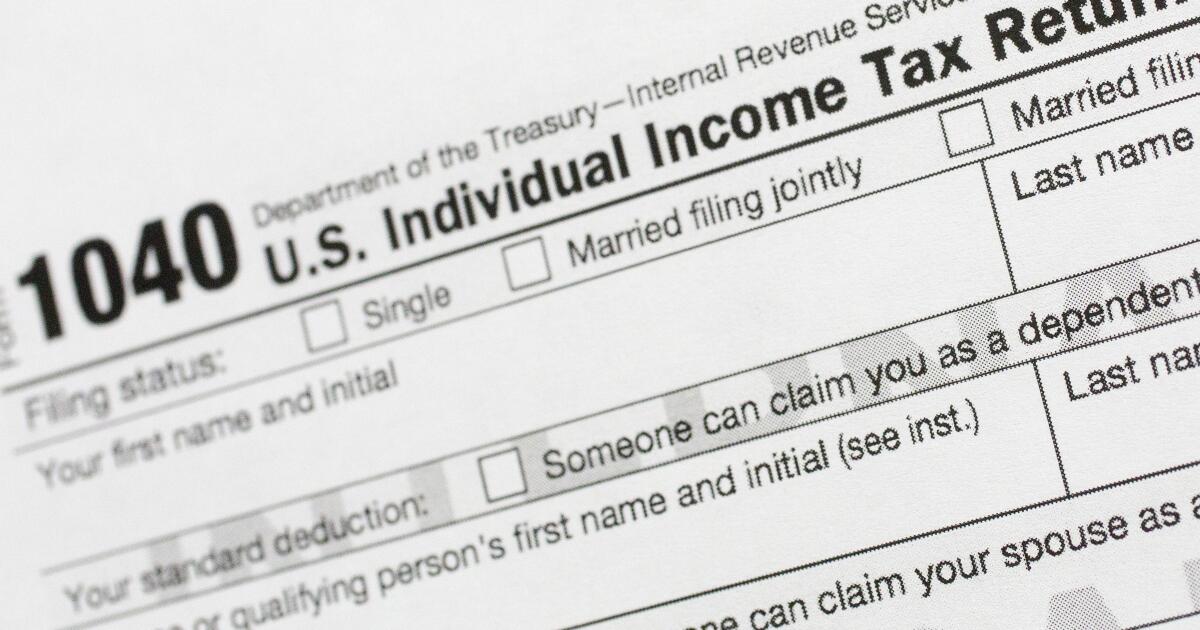
More Californians may be able to file their federal tax returns directly to the IRS online for free next year through a new program that federal officials pledged Thursday to expand significantly in 2025.
After a trial run in California and 11 other states, the IRS’ Direct File program will be made available to all 50 states next year, Treasury Secretary Janet Yellen announced. And over the next few years, the program’s capabilities will be expanded so that more taxpayers in participating states will be able to use it, she said.
The IRS has offered free tax-filing services to lower-income household for years, and limited free services are also available from such companies as H&R Block and Intuit that make tax-preparation software. Direct File, though, had two distinguishing features: It offered step-by-step guidance directly from the IRS, not a third party, and it was available to taxpayers regardless of their household income.
As introduced, however, Direct File was not an option for numerous Californians because the system was equipped to handle returns with only the most basic types of income — wages, retirement benefits from Social Security or the Railroad Retirement Board, unemployment benefits and interest income of $1,500 or less. That excluded self-employed people, business owners, contractors, gig workers and anyone who received premium subsides for Obamacare policies, among others.
Ultimately, the agency wants “to create a fully digital experience for taxpayers if they choose,” so they can do all their business with the IRS online, IRS Commissioner Danny Werfel said. As the initial version of Direct File shows, the agency isn’t there yet.
“We have a lot of work to do,” Werfel said.
Yellen said that over the next few years, the IRS will expand Direct File “to support all of the most common tax situations.” Those include the premium tax credit, refundable tax credits (such as the Earned Income Tax Credit) and more types of retirement income, Werfel said.
Officials estimated that 5.2 million taxpayers in California, or about 30% of the state’s total, would be able to use Direct File in 2024. According to the IRS, only 33,328 did. Across all 12 states in the pilot, 19 million taxpayers were eligible, and 140,803 used it to file returns.
A trade group representing tax-preparation companies has called Direct File wasteful and unnecessary, pointing to the low participation rate and the high cost of the program. Werfel said the pilot cost $31.8 million and has a $75-million budget for next year, although the actual cost will depend in part on how many states participate.
It will be up to states to opt in, Werfel said. One factor, he said, is whether the state’s tax system is prepared to incorporate information handed off from Direct File.
Yellen and Werfel called the pilot a success, saying the IRS had expected only 100,000 people to use it. They also pointed to surveys of users that showed satisfaction with the system to be extremely high, as well as the requests from taxpayer advocates and taxpayers in other states for access to the program.

More Californians may be able to file their federal tax returns directly to the IRS online for free next year through a new program that federal officials pledged Thursday to expand significantly in 2025.
After a trial run in California and 11 other states, the IRS’ Direct File program will be made available to all 50 states next year, Treasury Secretary Janet Yellen announced. And over the next few years, the program’s capabilities will be expanded so that more taxpayers in participating states will be able to use it, she said.
The IRS has offered free tax-filing services to lower-income household for years, and limited free services are also available from such companies as H&R Block and Intuit that make tax-preparation software. Direct File, though, had two distinguishing features: It offered step-by-step guidance directly from the IRS, not a third party, and it was available to taxpayers regardless of their household income.
As introduced, however, Direct File was not an option for numerous Californians because the system was equipped to handle returns with only the most basic types of income — wages, retirement benefits from Social Security or the Railroad Retirement Board, unemployment benefits and interest income of $1,500 or less. That excluded self-employed people, business owners, contractors, gig workers and anyone who received premium subsides for Obamacare policies, among others.
Ultimately, the agency wants “to create a fully digital experience for taxpayers if they choose,” so they can do all their business with the IRS online, IRS Commissioner Danny Werfel said. As the initial version of Direct File shows, the agency isn’t there yet.
“We have a lot of work to do,” Werfel said.
Yellen said that over the next few years, the IRS will expand Direct File “to support all of the most common tax situations.” Those include the premium tax credit, refundable tax credits (such as the Earned Income Tax Credit) and more types of retirement income, Werfel said.
Officials estimated that 5.2 million taxpayers in California, or about 30% of the state’s total, would be able to use Direct File in 2024. According to the IRS, only 33,328 did. Across all 12 states in the pilot, 19 million taxpayers were eligible, and 140,803 used it to file returns.
A trade group representing tax-preparation companies has called Direct File wasteful and unnecessary, pointing to the low participation rate and the high cost of the program. Werfel said the pilot cost $31.8 million and has a $75-million budget for next year, although the actual cost will depend in part on how many states participate.
It will be up to states to opt in, Werfel said. One factor, he said, is whether the state’s tax system is prepared to incorporate information handed off from Direct File.
Yellen and Werfel called the pilot a success, saying the IRS had expected only 100,000 people to use it. They also pointed to surveys of users that showed satisfaction with the system to be extremely high, as well as the requests from taxpayer advocates and taxpayers in other states for access to the program.

More Californians may be able to file their federal tax returns directly to the IRS online for free next year through a new program that federal officials pledged Thursday to expand significantly in 2025.
After a trial run in California and 11 other states, the IRS’ Direct File program will be made available to all 50 states next year, Treasury Secretary Janet Yellen announced. And over the next few years, the program’s capabilities will be expanded so that more taxpayers in participating states will be able to use it, she said.
The IRS has offered free tax-filing services to lower-income household for years, and limited free services are also available from such companies as H&R Block and Intuit that make tax-preparation software. Direct File, though, had two distinguishing features: It offered step-by-step guidance directly from the IRS, not a third party, and it was available to taxpayers regardless of their household income.
As introduced, however, Direct File was not an option for numerous Californians because the system was equipped to handle returns with only the most basic types of income — wages, retirement benefits from Social Security or the Railroad Retirement Board, unemployment benefits and interest income of $1,500 or less. That excluded self-employed people, business owners, contractors, gig workers and anyone who received premium subsides for Obamacare policies, among others.
Ultimately, the agency wants “to create a fully digital experience for taxpayers if they choose,” so they can do all their business with the IRS online, IRS Commissioner Danny Werfel said. As the initial version of Direct File shows, the agency isn’t there yet.
“We have a lot of work to do,” Werfel said.
Yellen said that over the next few years, the IRS will expand Direct File “to support all of the most common tax situations.” Those include the premium tax credit, refundable tax credits (such as the Earned Income Tax Credit) and more types of retirement income, Werfel said.
Officials estimated that 5.2 million taxpayers in California, or about 30% of the state’s total, would be able to use Direct File in 2024. According to the IRS, only 33,328 did. Across all 12 states in the pilot, 19 million taxpayers were eligible, and 140,803 used it to file returns.
A trade group representing tax-preparation companies has called Direct File wasteful and unnecessary, pointing to the low participation rate and the high cost of the program. Werfel said the pilot cost $31.8 million and has a $75-million budget for next year, although the actual cost will depend in part on how many states participate.
It will be up to states to opt in, Werfel said. One factor, he said, is whether the state’s tax system is prepared to incorporate information handed off from Direct File.
Yellen and Werfel called the pilot a success, saying the IRS had expected only 100,000 people to use it. They also pointed to surveys of users that showed satisfaction with the system to be extremely high, as well as the requests from taxpayer advocates and taxpayers in other states for access to the program.
More Californians may be able to file their federal tax returns directly to the IRS online for free next year through a new program that federal officials pledged Thursday to expand significantly in 2025.
After a trial run in California and 11 other states, the IRS’ Direct File program will be made available to all 50 states next year, Treasury Secretary Janet Yellen announced. And over the next few years, the program’s capabilities will be expanded so that more taxpayers in participating states will be able to use it, she said.
The IRS has offered free tax-filing services to lower-income household for years, and limited free services are also available from such companies as H&R Block and Intuit that make tax-preparation software. Direct File, though, had two distinguishing features: It offered step-by-step guidance directly from the IRS, not a third party, and it was available to taxpayers regardless of their household income.
As introduced, however, Direct File was not an option for numerous Californians because the system was equipped to handle returns with only the most basic types of income — wages, retirement benefits from Social Security or the Railroad Retirement Board, unemployment benefits and interest income of $1,500 or less. That excluded self-employed people, business owners, contractors, gig workers and anyone who received premium subsides for Obamacare policies, among others.
Ultimately, the agency wants “to create a fully digital experience for taxpayers if they choose,” so they can do all their business with the IRS online, IRS Commissioner Danny Werfel said. As the initial version of Direct File shows, the agency isn’t there yet.
“We have a lot of work to do,” Werfel said.
Yellen said that over the next few years, the IRS will expand Direct File “to support all of the most common tax situations.” Those include the premium tax credit, refundable tax credits (such as the Earned Income Tax Credit) and more types of retirement income, Werfel said.
Officials estimated that 5.2 million taxpayers in California, or about 30% of the state’s total, would be able to use Direct File in 2024. According to the IRS, only 33,328 did. Across all 12 states in the pilot, 19 million taxpayers were eligible, and 140,803 used it to file returns.
A trade group representing tax-preparation companies has called Direct File wasteful and unnecessary, pointing to the low participation rate and the high cost of the program. Werfel said the pilot cost $31.8 million and has a $75-million budget for next year, although the actual cost will depend in part on how many states participate.
It will be up to states to opt in, Werfel said. One factor, he said, is whether the state’s tax system is prepared to incorporate information handed off from Direct File.
Yellen and Werfel called the pilot a success, saying the IRS had expected only 100,000 people to use it. They also pointed to surveys of users that showed satisfaction with the system to be extremely high, as well as the requests from taxpayer advocates and taxpayers in other states for access to the program.

More Californians may be able to file their federal tax returns directly to the IRS online for free next year through a new program that federal officials pledged Thursday to expand significantly in 2025.
After a trial run in California and 11 other states, the IRS’ Direct File program will be made available to all 50 states next year, Treasury Secretary Janet Yellen announced. And over the next few years, the program’s capabilities will be expanded so that more taxpayers in participating states will be able to use it, she said.
The IRS has offered free tax-filing services to lower-income household for years, and limited free services are also available from such companies as H&R Block and Intuit that make tax-preparation software. Direct File, though, had two distinguishing features: It offered step-by-step guidance directly from the IRS, not a third party, and it was available to taxpayers regardless of their household income.
As introduced, however, Direct File was not an option for numerous Californians because the system was equipped to handle returns with only the most basic types of income — wages, retirement benefits from Social Security or the Railroad Retirement Board, unemployment benefits and interest income of $1,500 or less. That excluded self-employed people, business owners, contractors, gig workers and anyone who received premium subsides for Obamacare policies, among others.
Ultimately, the agency wants “to create a fully digital experience for taxpayers if they choose,” so they can do all their business with the IRS online, IRS Commissioner Danny Werfel said. As the initial version of Direct File shows, the agency isn’t there yet.
“We have a lot of work to do,” Werfel said.
Yellen said that over the next few years, the IRS will expand Direct File “to support all of the most common tax situations.” Those include the premium tax credit, refundable tax credits (such as the Earned Income Tax Credit) and more types of retirement income, Werfel said.
Officials estimated that 5.2 million taxpayers in California, or about 30% of the state’s total, would be able to use Direct File in 2024. According to the IRS, only 33,328 did. Across all 12 states in the pilot, 19 million taxpayers were eligible, and 140,803 used it to file returns.
A trade group representing tax-preparation companies has called Direct File wasteful and unnecessary, pointing to the low participation rate and the high cost of the program. Werfel said the pilot cost $31.8 million and has a $75-million budget for next year, although the actual cost will depend in part on how many states participate.
It will be up to states to opt in, Werfel said. One factor, he said, is whether the state’s tax system is prepared to incorporate information handed off from Direct File.
Yellen and Werfel called the pilot a success, saying the IRS had expected only 100,000 people to use it. They also pointed to surveys of users that showed satisfaction with the system to be extremely high, as well as the requests from taxpayer advocates and taxpayers in other states for access to the program.
More Californians may be able to file their federal tax returns directly to the IRS online for free next year through a new program that federal officials pledged Thursday to expand significantly in 2025.
After a trial run in California and 11 other states, the IRS’ Direct File program will be made available to all 50 states next year, Treasury Secretary Janet Yellen announced. And over the next few years, the program’s capabilities will be expanded so that more taxpayers in participating states will be able to use it, she said.
The IRS has offered free tax-filing services to lower-income household for years, and limited free services are also available from such companies as H&R Block and Intuit that make tax-preparation software. Direct File, though, had two distinguishing features: It offered step-by-step guidance directly from the IRS, not a third party, and it was available to taxpayers regardless of their household income.
As introduced, however, Direct File was not an option for numerous Californians because the system was equipped to handle returns with only the most basic types of income — wages, retirement benefits from Social Security or the Railroad Retirement Board, unemployment benefits and interest income of $1,500 or less. That excluded self-employed people, business owners, contractors, gig workers and anyone who received premium subsides for Obamacare policies, among others.
Ultimately, the agency wants “to create a fully digital experience for taxpayers if they choose,” so they can do all their business with the IRS online, IRS Commissioner Danny Werfel said. As the initial version of Direct File shows, the agency isn’t there yet.
“We have a lot of work to do,” Werfel said.
Yellen said that over the next few years, the IRS will expand Direct File “to support all of the most common tax situations.” Those include the premium tax credit, refundable tax credits (such as the Earned Income Tax Credit) and more types of retirement income, Werfel said.
Officials estimated that 5.2 million taxpayers in California, or about 30% of the state’s total, would be able to use Direct File in 2024. According to the IRS, only 33,328 did. Across all 12 states in the pilot, 19 million taxpayers were eligible, and 140,803 used it to file returns.
A trade group representing tax-preparation companies has called Direct File wasteful and unnecessary, pointing to the low participation rate and the high cost of the program. Werfel said the pilot cost $31.8 million and has a $75-million budget for next year, although the actual cost will depend in part on how many states participate.
It will be up to states to opt in, Werfel said. One factor, he said, is whether the state’s tax system is prepared to incorporate information handed off from Direct File.
Yellen and Werfel called the pilot a success, saying the IRS had expected only 100,000 people to use it. They also pointed to surveys of users that showed satisfaction with the system to be extremely high, as well as the requests from taxpayer advocates and taxpayers in other states for access to the program.
More Californians may be able to file their federal tax returns directly to the IRS online for free next year through a new program that federal officials pledged Thursday to expand significantly in 2025.
After a trial run in California and 11 other states, the IRS’ Direct File program will be made available to all 50 states next year, Treasury Secretary Janet Yellen announced. And over the next few years, the program’s capabilities will be expanded so that more taxpayers in participating states will be able to use it, she said.
The IRS has offered free tax-filing services to lower-income household for years, and limited free services are also available from such companies as H&R Block and Intuit that make tax-preparation software. Direct File, though, had two distinguishing features: It offered step-by-step guidance directly from the IRS, not a third party, and it was available to taxpayers regardless of their household income.
As introduced, however, Direct File was not an option for numerous Californians because the system was equipped to handle returns with only the most basic types of income — wages, retirement benefits from Social Security or the Railroad Retirement Board, unemployment benefits and interest income of $1,500 or less. That excluded self-employed people, business owners, contractors, gig workers and anyone who received premium subsides for Obamacare policies, among others.
Ultimately, the agency wants “to create a fully digital experience for taxpayers if they choose,” so they can do all their business with the IRS online, IRS Commissioner Danny Werfel said. As the initial version of Direct File shows, the agency isn’t there yet.
“We have a lot of work to do,” Werfel said.
Yellen said that over the next few years, the IRS will expand Direct File “to support all of the most common tax situations.” Those include the premium tax credit, refundable tax credits (such as the Earned Income Tax Credit) and more types of retirement income, Werfel said.
Officials estimated that 5.2 million taxpayers in California, or about 30% of the state’s total, would be able to use Direct File in 2024. According to the IRS, only 33,328 did. Across all 12 states in the pilot, 19 million taxpayers were eligible, and 140,803 used it to file returns.
A trade group representing tax-preparation companies has called Direct File wasteful and unnecessary, pointing to the low participation rate and the high cost of the program. Werfel said the pilot cost $31.8 million and has a $75-million budget for next year, although the actual cost will depend in part on how many states participate.
It will be up to states to opt in, Werfel said. One factor, he said, is whether the state’s tax system is prepared to incorporate information handed off from Direct File.
Yellen and Werfel called the pilot a success, saying the IRS had expected only 100,000 people to use it. They also pointed to surveys of users that showed satisfaction with the system to be extremely high, as well as the requests from taxpayer advocates and taxpayers in other states for access to the program.
More Californians may be able to file their federal tax returns directly to the IRS online for free next year through a new program that federal officials pledged Thursday to expand significantly in 2025.
After a trial run in California and 11 other states, the IRS’ Direct File program will be made available to all 50 states next year, Treasury Secretary Janet Yellen announced. And over the next few years, the program’s capabilities will be expanded so that more taxpayers in participating states will be able to use it, she said.
The IRS has offered free tax-filing services to lower-income household for years, and limited free services are also available from such companies as H&R Block and Intuit that make tax-preparation software. Direct File, though, had two distinguishing features: It offered step-by-step guidance directly from the IRS, not a third party, and it was available to taxpayers regardless of their household income.
As introduced, however, Direct File was not an option for numerous Californians because the system was equipped to handle returns with only the most basic types of income — wages, retirement benefits from Social Security or the Railroad Retirement Board, unemployment benefits and interest income of $1,500 or less. That excluded self-employed people, business owners, contractors, gig workers and anyone who received premium subsides for Obamacare policies, among others.
Ultimately, the agency wants “to create a fully digital experience for taxpayers if they choose,” so they can do all their business with the IRS online, IRS Commissioner Danny Werfel said. As the initial version of Direct File shows, the agency isn’t there yet.
“We have a lot of work to do,” Werfel said.
Yellen said that over the next few years, the IRS will expand Direct File “to support all of the most common tax situations.” Those include the premium tax credit, refundable tax credits (such as the Earned Income Tax Credit) and more types of retirement income, Werfel said.
Officials estimated that 5.2 million taxpayers in California, or about 30% of the state’s total, would be able to use Direct File in 2024. According to the IRS, only 33,328 did. Across all 12 states in the pilot, 19 million taxpayers were eligible, and 140,803 used it to file returns.
A trade group representing tax-preparation companies has called Direct File wasteful and unnecessary, pointing to the low participation rate and the high cost of the program. Werfel said the pilot cost $31.8 million and has a $75-million budget for next year, although the actual cost will depend in part on how many states participate.
It will be up to states to opt in, Werfel said. One factor, he said, is whether the state’s tax system is prepared to incorporate information handed off from Direct File.
Yellen and Werfel called the pilot a success, saying the IRS had expected only 100,000 people to use it. They also pointed to surveys of users that showed satisfaction with the system to be extremely high, as well as the requests from taxpayer advocates and taxpayers in other states for access to the program.

More Californians may be able to file their federal tax returns directly to the IRS online for free next year through a new program that federal officials pledged Thursday to expand significantly in 2025.
After a trial run in California and 11 other states, the IRS’ Direct File program will be made available to all 50 states next year, Treasury Secretary Janet Yellen announced. And over the next few years, the program’s capabilities will be expanded so that more taxpayers in participating states will be able to use it, she said.
The IRS has offered free tax-filing services to lower-income household for years, and limited free services are also available from such companies as H&R Block and Intuit that make tax-preparation software. Direct File, though, had two distinguishing features: It offered step-by-step guidance directly from the IRS, not a third party, and it was available to taxpayers regardless of their household income.
As introduced, however, Direct File was not an option for numerous Californians because the system was equipped to handle returns with only the most basic types of income — wages, retirement benefits from Social Security or the Railroad Retirement Board, unemployment benefits and interest income of $1,500 or less. That excluded self-employed people, business owners, contractors, gig workers and anyone who received premium subsides for Obamacare policies, among others.
Ultimately, the agency wants “to create a fully digital experience for taxpayers if they choose,” so they can do all their business with the IRS online, IRS Commissioner Danny Werfel said. As the initial version of Direct File shows, the agency isn’t there yet.
“We have a lot of work to do,” Werfel said.
Yellen said that over the next few years, the IRS will expand Direct File “to support all of the most common tax situations.” Those include the premium tax credit, refundable tax credits (such as the Earned Income Tax Credit) and more types of retirement income, Werfel said.
Officials estimated that 5.2 million taxpayers in California, or about 30% of the state’s total, would be able to use Direct File in 2024. According to the IRS, only 33,328 did. Across all 12 states in the pilot, 19 million taxpayers were eligible, and 140,803 used it to file returns.
A trade group representing tax-preparation companies has called Direct File wasteful and unnecessary, pointing to the low participation rate and the high cost of the program. Werfel said the pilot cost $31.8 million and has a $75-million budget for next year, although the actual cost will depend in part on how many states participate.
It will be up to states to opt in, Werfel said. One factor, he said, is whether the state’s tax system is prepared to incorporate information handed off from Direct File.
Yellen and Werfel called the pilot a success, saying the IRS had expected only 100,000 people to use it. They also pointed to surveys of users that showed satisfaction with the system to be extremely high, as well as the requests from taxpayer advocates and taxpayers in other states for access to the program.
More Californians may be able to file their federal tax returns directly to the IRS online for free next year through a new program that federal officials pledged Thursday to expand significantly in 2025.
After a trial run in California and 11 other states, the IRS’ Direct File program will be made available to all 50 states next year, Treasury Secretary Janet Yellen announced. And over the next few years, the program’s capabilities will be expanded so that more taxpayers in participating states will be able to use it, she said.
The IRS has offered free tax-filing services to lower-income household for years, and limited free services are also available from such companies as H&R Block and Intuit that make tax-preparation software. Direct File, though, had two distinguishing features: It offered step-by-step guidance directly from the IRS, not a third party, and it was available to taxpayers regardless of their household income.
As introduced, however, Direct File was not an option for numerous Californians because the system was equipped to handle returns with only the most basic types of income — wages, retirement benefits from Social Security or the Railroad Retirement Board, unemployment benefits and interest income of $1,500 or less. That excluded self-employed people, business owners, contractors, gig workers and anyone who received premium subsides for Obamacare policies, among others.
Ultimately, the agency wants “to create a fully digital experience for taxpayers if they choose,” so they can do all their business with the IRS online, IRS Commissioner Danny Werfel said. As the initial version of Direct File shows, the agency isn’t there yet.
“We have a lot of work to do,” Werfel said.
Yellen said that over the next few years, the IRS will expand Direct File “to support all of the most common tax situations.” Those include the premium tax credit, refundable tax credits (such as the Earned Income Tax Credit) and more types of retirement income, Werfel said.
Officials estimated that 5.2 million taxpayers in California, or about 30% of the state’s total, would be able to use Direct File in 2024. According to the IRS, only 33,328 did. Across all 12 states in the pilot, 19 million taxpayers were eligible, and 140,803 used it to file returns.
A trade group representing tax-preparation companies has called Direct File wasteful and unnecessary, pointing to the low participation rate and the high cost of the program. Werfel said the pilot cost $31.8 million and has a $75-million budget for next year, although the actual cost will depend in part on how many states participate.
It will be up to states to opt in, Werfel said. One factor, he said, is whether the state’s tax system is prepared to incorporate information handed off from Direct File.
Yellen and Werfel called the pilot a success, saying the IRS had expected only 100,000 people to use it. They also pointed to surveys of users that showed satisfaction with the system to be extremely high, as well as the requests from taxpayer advocates and taxpayers in other states for access to the program.
More Californians may be able to file their federal tax returns directly to the IRS online for free next year through a new program that federal officials pledged Thursday to expand significantly in 2025.
After a trial run in California and 11 other states, the IRS’ Direct File program will be made available to all 50 states next year, Treasury Secretary Janet Yellen announced. And over the next few years, the program’s capabilities will be expanded so that more taxpayers in participating states will be able to use it, she said.
The IRS has offered free tax-filing services to lower-income household for years, and limited free services are also available from such companies as H&R Block and Intuit that make tax-preparation software. Direct File, though, had two distinguishing features: It offered step-by-step guidance directly from the IRS, not a third party, and it was available to taxpayers regardless of their household income.
As introduced, however, Direct File was not an option for numerous Californians because the system was equipped to handle returns with only the most basic types of income — wages, retirement benefits from Social Security or the Railroad Retirement Board, unemployment benefits and interest income of $1,500 or less. That excluded self-employed people, business owners, contractors, gig workers and anyone who received premium subsides for Obamacare policies, among others.
Ultimately, the agency wants “to create a fully digital experience for taxpayers if they choose,” so they can do all their business with the IRS online, IRS Commissioner Danny Werfel said. As the initial version of Direct File shows, the agency isn’t there yet.
“We have a lot of work to do,” Werfel said.
Yellen said that over the next few years, the IRS will expand Direct File “to support all of the most common tax situations.” Those include the premium tax credit, refundable tax credits (such as the Earned Income Tax Credit) and more types of retirement income, Werfel said.
Officials estimated that 5.2 million taxpayers in California, or about 30% of the state’s total, would be able to use Direct File in 2024. According to the IRS, only 33,328 did. Across all 12 states in the pilot, 19 million taxpayers were eligible, and 140,803 used it to file returns.
A trade group representing tax-preparation companies has called Direct File wasteful and unnecessary, pointing to the low participation rate and the high cost of the program. Werfel said the pilot cost $31.8 million and has a $75-million budget for next year, although the actual cost will depend in part on how many states participate.
It will be up to states to opt in, Werfel said. One factor, he said, is whether the state’s tax system is prepared to incorporate information handed off from Direct File.
Yellen and Werfel called the pilot a success, saying the IRS had expected only 100,000 people to use it. They also pointed to surveys of users that showed satisfaction with the system to be extremely high, as well as the requests from taxpayer advocates and taxpayers in other states for access to the program.
More Californians may be able to file their federal tax returns directly to the IRS online for free next year through a new program that federal officials pledged Thursday to expand significantly in 2025.
After a trial run in California and 11 other states, the IRS’ Direct File program will be made available to all 50 states next year, Treasury Secretary Janet Yellen announced. And over the next few years, the program’s capabilities will be expanded so that more taxpayers in participating states will be able to use it, she said.
The IRS has offered free tax-filing services to lower-income household for years, and limited free services are also available from such companies as H&R Block and Intuit that make tax-preparation software. Direct File, though, had two distinguishing features: It offered step-by-step guidance directly from the IRS, not a third party, and it was available to taxpayers regardless of their household income.
As introduced, however, Direct File was not an option for numerous Californians because the system was equipped to handle returns with only the most basic types of income — wages, retirement benefits from Social Security or the Railroad Retirement Board, unemployment benefits and interest income of $1,500 or less. That excluded self-employed people, business owners, contractors, gig workers and anyone who received premium subsides for Obamacare policies, among others.
Ultimately, the agency wants “to create a fully digital experience for taxpayers if they choose,” so they can do all their business with the IRS online, IRS Commissioner Danny Werfel said. As the initial version of Direct File shows, the agency isn’t there yet.
“We have a lot of work to do,” Werfel said.
Yellen said that over the next few years, the IRS will expand Direct File “to support all of the most common tax situations.” Those include the premium tax credit, refundable tax credits (such as the Earned Income Tax Credit) and more types of retirement income, Werfel said.
Officials estimated that 5.2 million taxpayers in California, or about 30% of the state’s total, would be able to use Direct File in 2024. According to the IRS, only 33,328 did. Across all 12 states in the pilot, 19 million taxpayers were eligible, and 140,803 used it to file returns.
A trade group representing tax-preparation companies has called Direct File wasteful and unnecessary, pointing to the low participation rate and the high cost of the program. Werfel said the pilot cost $31.8 million and has a $75-million budget for next year, although the actual cost will depend in part on how many states participate.
It will be up to states to opt in, Werfel said. One factor, he said, is whether the state’s tax system is prepared to incorporate information handed off from Direct File.
Yellen and Werfel called the pilot a success, saying the IRS had expected only 100,000 people to use it. They also pointed to surveys of users that showed satisfaction with the system to be extremely high, as well as the requests from taxpayer advocates and taxpayers in other states for access to the program.
More Californians may be able to file their federal tax returns directly to the IRS online for free next year through a new program that federal officials pledged Thursday to expand significantly in 2025.
After a trial run in California and 11 other states, the IRS’ Direct File program will be made available to all 50 states next year, Treasury Secretary Janet Yellen announced. And over the next few years, the program’s capabilities will be expanded so that more taxpayers in participating states will be able to use it, she said.
The IRS has offered free tax-filing services to lower-income household for years, and limited free services are also available from such companies as H&R Block and Intuit that make tax-preparation software. Direct File, though, had two distinguishing features: It offered step-by-step guidance directly from the IRS, not a third party, and it was available to taxpayers regardless of their household income.
As introduced, however, Direct File was not an option for numerous Californians because the system was equipped to handle returns with only the most basic types of income — wages, retirement benefits from Social Security or the Railroad Retirement Board, unemployment benefits and interest income of $1,500 or less. That excluded self-employed people, business owners, contractors, gig workers and anyone who received premium subsides for Obamacare policies, among others.
Ultimately, the agency wants “to create a fully digital experience for taxpayers if they choose,” so they can do all their business with the IRS online, IRS Commissioner Danny Werfel said. As the initial version of Direct File shows, the agency isn’t there yet.
“We have a lot of work to do,” Werfel said.
Yellen said that over the next few years, the IRS will expand Direct File “to support all of the most common tax situations.” Those include the premium tax credit, refundable tax credits (such as the Earned Income Tax Credit) and more types of retirement income, Werfel said.
Officials estimated that 5.2 million taxpayers in California, or about 30% of the state’s total, would be able to use Direct File in 2024. According to the IRS, only 33,328 did. Across all 12 states in the pilot, 19 million taxpayers were eligible, and 140,803 used it to file returns.
A trade group representing tax-preparation companies has called Direct File wasteful and unnecessary, pointing to the low participation rate and the high cost of the program. Werfel said the pilot cost $31.8 million and has a $75-million budget for next year, although the actual cost will depend in part on how many states participate.
It will be up to states to opt in, Werfel said. One factor, he said, is whether the state’s tax system is prepared to incorporate information handed off from Direct File.
Yellen and Werfel called the pilot a success, saying the IRS had expected only 100,000 people to use it. They also pointed to surveys of users that showed satisfaction with the system to be extremely high, as well as the requests from taxpayer advocates and taxpayers in other states for access to the program.
More Californians may be able to file their federal tax returns directly to the IRS online for free next year through a new program that federal officials pledged Thursday to expand significantly in 2025.
After a trial run in California and 11 other states, the IRS’ Direct File program will be made available to all 50 states next year, Treasury Secretary Janet Yellen announced. And over the next few years, the program’s capabilities will be expanded so that more taxpayers in participating states will be able to use it, she said.
The IRS has offered free tax-filing services to lower-income household for years, and limited free services are also available from such companies as H&R Block and Intuit that make tax-preparation software. Direct File, though, had two distinguishing features: It offered step-by-step guidance directly from the IRS, not a third party, and it was available to taxpayers regardless of their household income.
As introduced, however, Direct File was not an option for numerous Californians because the system was equipped to handle returns with only the most basic types of income — wages, retirement benefits from Social Security or the Railroad Retirement Board, unemployment benefits and interest income of $1,500 or less. That excluded self-employed people, business owners, contractors, gig workers and anyone who received premium subsides for Obamacare policies, among others.
Ultimately, the agency wants “to create a fully digital experience for taxpayers if they choose,” so they can do all their business with the IRS online, IRS Commissioner Danny Werfel said. As the initial version of Direct File shows, the agency isn’t there yet.
“We have a lot of work to do,” Werfel said.
Yellen said that over the next few years, the IRS will expand Direct File “to support all of the most common tax situations.” Those include the premium tax credit, refundable tax credits (such as the Earned Income Tax Credit) and more types of retirement income, Werfel said.
Officials estimated that 5.2 million taxpayers in California, or about 30% of the state’s total, would be able to use Direct File in 2024. According to the IRS, only 33,328 did. Across all 12 states in the pilot, 19 million taxpayers were eligible, and 140,803 used it to file returns.
A trade group representing tax-preparation companies has called Direct File wasteful and unnecessary, pointing to the low participation rate and the high cost of the program. Werfel said the pilot cost $31.8 million and has a $75-million budget for next year, although the actual cost will depend in part on how many states participate.
It will be up to states to opt in, Werfel said. One factor, he said, is whether the state’s tax system is prepared to incorporate information handed off from Direct File.
Yellen and Werfel called the pilot a success, saying the IRS had expected only 100,000 people to use it. They also pointed to surveys of users that showed satisfaction with the system to be extremely high, as well as the requests from taxpayer advocates and taxpayers in other states for access to the program.
More Californians may be able to file their federal tax returns directly to the IRS online for free next year through a new program that federal officials pledged Thursday to expand significantly in 2025.
After a trial run in California and 11 other states, the IRS’ Direct File program will be made available to all 50 states next year, Treasury Secretary Janet Yellen announced. And over the next few years, the program’s capabilities will be expanded so that more taxpayers in participating states will be able to use it, she said.
The IRS has offered free tax-filing services to lower-income household for years, and limited free services are also available from such companies as H&R Block and Intuit that make tax-preparation software. Direct File, though, had two distinguishing features: It offered step-by-step guidance directly from the IRS, not a third party, and it was available to taxpayers regardless of their household income.
As introduced, however, Direct File was not an option for numerous Californians because the system was equipped to handle returns with only the most basic types of income — wages, retirement benefits from Social Security or the Railroad Retirement Board, unemployment benefits and interest income of $1,500 or less. That excluded self-employed people, business owners, contractors, gig workers and anyone who received premium subsides for Obamacare policies, among others.
Ultimately, the agency wants “to create a fully digital experience for taxpayers if they choose,” so they can do all their business with the IRS online, IRS Commissioner Danny Werfel said. As the initial version of Direct File shows, the agency isn’t there yet.
“We have a lot of work to do,” Werfel said.
Yellen said that over the next few years, the IRS will expand Direct File “to support all of the most common tax situations.” Those include the premium tax credit, refundable tax credits (such as the Earned Income Tax Credit) and more types of retirement income, Werfel said.
Officials estimated that 5.2 million taxpayers in California, or about 30% of the state’s total, would be able to use Direct File in 2024. According to the IRS, only 33,328 did. Across all 12 states in the pilot, 19 million taxpayers were eligible, and 140,803 used it to file returns.
A trade group representing tax-preparation companies has called Direct File wasteful and unnecessary, pointing to the low participation rate and the high cost of the program. Werfel said the pilot cost $31.8 million and has a $75-million budget for next year, although the actual cost will depend in part on how many states participate.
It will be up to states to opt in, Werfel said. One factor, he said, is whether the state’s tax system is prepared to incorporate information handed off from Direct File.
Yellen and Werfel called the pilot a success, saying the IRS had expected only 100,000 people to use it. They also pointed to surveys of users that showed satisfaction with the system to be extremely high, as well as the requests from taxpayer advocates and taxpayers in other states for access to the program.
More Californians may be able to file their federal tax returns directly to the IRS online for free next year through a new program that federal officials pledged Thursday to expand significantly in 2025.
After a trial run in California and 11 other states, the IRS’ Direct File program will be made available to all 50 states next year, Treasury Secretary Janet Yellen announced. And over the next few years, the program’s capabilities will be expanded so that more taxpayers in participating states will be able to use it, she said.
The IRS has offered free tax-filing services to lower-income household for years, and limited free services are also available from such companies as H&R Block and Intuit that make tax-preparation software. Direct File, though, had two distinguishing features: It offered step-by-step guidance directly from the IRS, not a third party, and it was available to taxpayers regardless of their household income.
As introduced, however, Direct File was not an option for numerous Californians because the system was equipped to handle returns with only the most basic types of income — wages, retirement benefits from Social Security or the Railroad Retirement Board, unemployment benefits and interest income of $1,500 or less. That excluded self-employed people, business owners, contractors, gig workers and anyone who received premium subsides for Obamacare policies, among others.
Ultimately, the agency wants “to create a fully digital experience for taxpayers if they choose,” so they can do all their business with the IRS online, IRS Commissioner Danny Werfel said. As the initial version of Direct File shows, the agency isn’t there yet.
“We have a lot of work to do,” Werfel said.
Yellen said that over the next few years, the IRS will expand Direct File “to support all of the most common tax situations.” Those include the premium tax credit, refundable tax credits (such as the Earned Income Tax Credit) and more types of retirement income, Werfel said.
Officials estimated that 5.2 million taxpayers in California, or about 30% of the state’s total, would be able to use Direct File in 2024. According to the IRS, only 33,328 did. Across all 12 states in the pilot, 19 million taxpayers were eligible, and 140,803 used it to file returns.
A trade group representing tax-preparation companies has called Direct File wasteful and unnecessary, pointing to the low participation rate and the high cost of the program. Werfel said the pilot cost $31.8 million and has a $75-million budget for next year, although the actual cost will depend in part on how many states participate.
It will be up to states to opt in, Werfel said. One factor, he said, is whether the state’s tax system is prepared to incorporate information handed off from Direct File.
Yellen and Werfel called the pilot a success, saying the IRS had expected only 100,000 people to use it. They also pointed to surveys of users that showed satisfaction with the system to be extremely high, as well as the requests from taxpayer advocates and taxpayers in other states for access to the program.

