

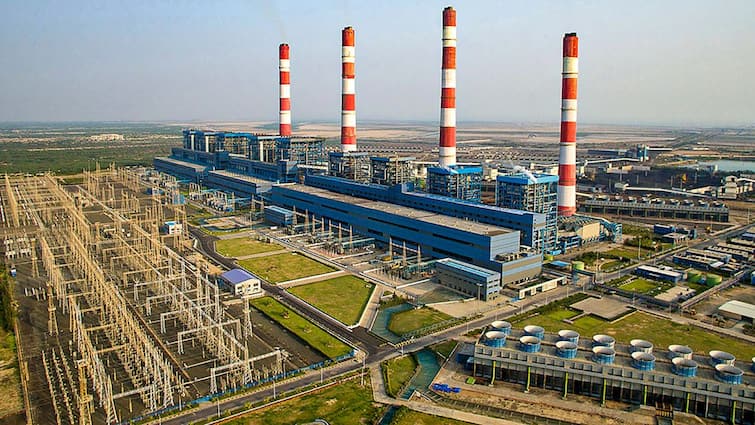
Adani Power’s 1,600 MW coal-fired Godda power plant in Jharkhand, previously dedicated to supplying electricity exclusively to Bangladesh, can now divert output to India, following a significant amendment to the country’s power export rules, according to a report by Reuters. An internal memo from India’s federal power ministry, dated August 12 and seen by the news agency, revises 2018 guidelines that restricted certain power plants to selling electricity solely to neighbouring countries.
With this change, Adani Power’s Godda plant is now permitted to supply power domestically, particularly in situations where there is a sustained halt in scheduled exports.
This development comes amid political turmoil in Bangladesh, where Prime Minister Sheikh Hasina recently fled following deadly protests linked to government job quotas. As the country grapples with lawlessness and unrest, the amendment serves as a strategic hedge for Adani Power against the risks of political instability in Bangladesh, where delays in payments or disruptions to the grid may occur.
The amendment also opens the door for future export-oriented power projects to connect to the Indian grid in times of need. An Adani Group spokesperson welcomed the move, stating that it will bolster power availability in India, which faces rising electricity demand.
Previously, the Godda plant was hailed as a symbol of strong India-Bangladesh cooperation by the conglomerate, particularly after the plant reached full-load commissioning in July 2023, shortly after Gautam Adani, chairman of Adani Group, met with Prime Minister Hasina.
With Bangladesh’s caretaker government vowing to restore order, Adani Power’s newfound flexibility to sell domestically could help mitigate financial risks posed by the country’s ongoing instability.
The Adani-Hindenburg controversy has resurfaced in the Supreme Court following a new plea urging the Securities and Exchange Board of India (SEBI) to finalise its ongoing investigations into Adani Group. This application follows recent allegations from the short seller accusing SEBI chairperson Madhabi Puri Buch of a ‘conflict of interest.’

Adani Power’s 1,600 MW coal-fired Godda power plant in Jharkhand, previously dedicated to supplying electricity exclusively to Bangladesh, can now divert output to India, following a significant amendment to the country’s power export rules, according to a report by Reuters. An internal memo from India’s federal power ministry, dated August 12 and seen by the news agency, revises 2018 guidelines that restricted certain power plants to selling electricity solely to neighbouring countries.
With this change, Adani Power’s Godda plant is now permitted to supply power domestically, particularly in situations where there is a sustained halt in scheduled exports.
This development comes amid political turmoil in Bangladesh, where Prime Minister Sheikh Hasina recently fled following deadly protests linked to government job quotas. As the country grapples with lawlessness and unrest, the amendment serves as a strategic hedge for Adani Power against the risks of political instability in Bangladesh, where delays in payments or disruptions to the grid may occur.
The amendment also opens the door for future export-oriented power projects to connect to the Indian grid in times of need. An Adani Group spokesperson welcomed the move, stating that it will bolster power availability in India, which faces rising electricity demand.
Previously, the Godda plant was hailed as a symbol of strong India-Bangladesh cooperation by the conglomerate, particularly after the plant reached full-load commissioning in July 2023, shortly after Gautam Adani, chairman of Adani Group, met with Prime Minister Hasina.
With Bangladesh’s caretaker government vowing to restore order, Adani Power’s newfound flexibility to sell domestically could help mitigate financial risks posed by the country’s ongoing instability.
The Adani-Hindenburg controversy has resurfaced in the Supreme Court following a new plea urging the Securities and Exchange Board of India (SEBI) to finalise its ongoing investigations into Adani Group. This application follows recent allegations from the short seller accusing SEBI chairperson Madhabi Puri Buch of a ‘conflict of interest.’

Adani Power’s 1,600 MW coal-fired Godda power plant in Jharkhand, previously dedicated to supplying electricity exclusively to Bangladesh, can now divert output to India, following a significant amendment to the country’s power export rules, according to a report by Reuters. An internal memo from India’s federal power ministry, dated August 12 and seen by the news agency, revises 2018 guidelines that restricted certain power plants to selling electricity solely to neighbouring countries.
With this change, Adani Power’s Godda plant is now permitted to supply power domestically, particularly in situations where there is a sustained halt in scheduled exports.
This development comes amid political turmoil in Bangladesh, where Prime Minister Sheikh Hasina recently fled following deadly protests linked to government job quotas. As the country grapples with lawlessness and unrest, the amendment serves as a strategic hedge for Adani Power against the risks of political instability in Bangladesh, where delays in payments or disruptions to the grid may occur.
The amendment also opens the door for future export-oriented power projects to connect to the Indian grid in times of need. An Adani Group spokesperson welcomed the move, stating that it will bolster power availability in India, which faces rising electricity demand.
Previously, the Godda plant was hailed as a symbol of strong India-Bangladesh cooperation by the conglomerate, particularly after the plant reached full-load commissioning in July 2023, shortly after Gautam Adani, chairman of Adani Group, met with Prime Minister Hasina.
With Bangladesh’s caretaker government vowing to restore order, Adani Power’s newfound flexibility to sell domestically could help mitigate financial risks posed by the country’s ongoing instability.
The Adani-Hindenburg controversy has resurfaced in the Supreme Court following a new plea urging the Securities and Exchange Board of India (SEBI) to finalise its ongoing investigations into Adani Group. This application follows recent allegations from the short seller accusing SEBI chairperson Madhabi Puri Buch of a ‘conflict of interest.’
Adani Power’s 1,600 MW coal-fired Godda power plant in Jharkhand, previously dedicated to supplying electricity exclusively to Bangladesh, can now divert output to India, following a significant amendment to the country’s power export rules, according to a report by Reuters. An internal memo from India’s federal power ministry, dated August 12 and seen by the news agency, revises 2018 guidelines that restricted certain power plants to selling electricity solely to neighbouring countries.
With this change, Adani Power’s Godda plant is now permitted to supply power domestically, particularly in situations where there is a sustained halt in scheduled exports.
This development comes amid political turmoil in Bangladesh, where Prime Minister Sheikh Hasina recently fled following deadly protests linked to government job quotas. As the country grapples with lawlessness and unrest, the amendment serves as a strategic hedge for Adani Power against the risks of political instability in Bangladesh, where delays in payments or disruptions to the grid may occur.
The amendment also opens the door for future export-oriented power projects to connect to the Indian grid in times of need. An Adani Group spokesperson welcomed the move, stating that it will bolster power availability in India, which faces rising electricity demand.
Previously, the Godda plant was hailed as a symbol of strong India-Bangladesh cooperation by the conglomerate, particularly after the plant reached full-load commissioning in July 2023, shortly after Gautam Adani, chairman of Adani Group, met with Prime Minister Hasina.
With Bangladesh’s caretaker government vowing to restore order, Adani Power’s newfound flexibility to sell domestically could help mitigate financial risks posed by the country’s ongoing instability.
The Adani-Hindenburg controversy has resurfaced in the Supreme Court following a new plea urging the Securities and Exchange Board of India (SEBI) to finalise its ongoing investigations into Adani Group. This application follows recent allegations from the short seller accusing SEBI chairperson Madhabi Puri Buch of a ‘conflict of interest.’

Adani Power’s 1,600 MW coal-fired Godda power plant in Jharkhand, previously dedicated to supplying electricity exclusively to Bangladesh, can now divert output to India, following a significant amendment to the country’s power export rules, according to a report by Reuters. An internal memo from India’s federal power ministry, dated August 12 and seen by the news agency, revises 2018 guidelines that restricted certain power plants to selling electricity solely to neighbouring countries.
With this change, Adani Power’s Godda plant is now permitted to supply power domestically, particularly in situations where there is a sustained halt in scheduled exports.
This development comes amid political turmoil in Bangladesh, where Prime Minister Sheikh Hasina recently fled following deadly protests linked to government job quotas. As the country grapples with lawlessness and unrest, the amendment serves as a strategic hedge for Adani Power against the risks of political instability in Bangladesh, where delays in payments or disruptions to the grid may occur.
The amendment also opens the door for future export-oriented power projects to connect to the Indian grid in times of need. An Adani Group spokesperson welcomed the move, stating that it will bolster power availability in India, which faces rising electricity demand.
Previously, the Godda plant was hailed as a symbol of strong India-Bangladesh cooperation by the conglomerate, particularly after the plant reached full-load commissioning in July 2023, shortly after Gautam Adani, chairman of Adani Group, met with Prime Minister Hasina.
With Bangladesh’s caretaker government vowing to restore order, Adani Power’s newfound flexibility to sell domestically could help mitigate financial risks posed by the country’s ongoing instability.
The Adani-Hindenburg controversy has resurfaced in the Supreme Court following a new plea urging the Securities and Exchange Board of India (SEBI) to finalise its ongoing investigations into Adani Group. This application follows recent allegations from the short seller accusing SEBI chairperson Madhabi Puri Buch of a ‘conflict of interest.’
Adani Power’s 1,600 MW coal-fired Godda power plant in Jharkhand, previously dedicated to supplying electricity exclusively to Bangladesh, can now divert output to India, following a significant amendment to the country’s power export rules, according to a report by Reuters. An internal memo from India’s federal power ministry, dated August 12 and seen by the news agency, revises 2018 guidelines that restricted certain power plants to selling electricity solely to neighbouring countries.
With this change, Adani Power’s Godda plant is now permitted to supply power domestically, particularly in situations where there is a sustained halt in scheduled exports.
This development comes amid political turmoil in Bangladesh, where Prime Minister Sheikh Hasina recently fled following deadly protests linked to government job quotas. As the country grapples with lawlessness and unrest, the amendment serves as a strategic hedge for Adani Power against the risks of political instability in Bangladesh, where delays in payments or disruptions to the grid may occur.
The amendment also opens the door for future export-oriented power projects to connect to the Indian grid in times of need. An Adani Group spokesperson welcomed the move, stating that it will bolster power availability in India, which faces rising electricity demand.
Previously, the Godda plant was hailed as a symbol of strong India-Bangladesh cooperation by the conglomerate, particularly after the plant reached full-load commissioning in July 2023, shortly after Gautam Adani, chairman of Adani Group, met with Prime Minister Hasina.
With Bangladesh’s caretaker government vowing to restore order, Adani Power’s newfound flexibility to sell domestically could help mitigate financial risks posed by the country’s ongoing instability.
The Adani-Hindenburg controversy has resurfaced in the Supreme Court following a new plea urging the Securities and Exchange Board of India (SEBI) to finalise its ongoing investigations into Adani Group. This application follows recent allegations from the short seller accusing SEBI chairperson Madhabi Puri Buch of a ‘conflict of interest.’
Adani Power’s 1,600 MW coal-fired Godda power plant in Jharkhand, previously dedicated to supplying electricity exclusively to Bangladesh, can now divert output to India, following a significant amendment to the country’s power export rules, according to a report by Reuters. An internal memo from India’s federal power ministry, dated August 12 and seen by the news agency, revises 2018 guidelines that restricted certain power plants to selling electricity solely to neighbouring countries.
With this change, Adani Power’s Godda plant is now permitted to supply power domestically, particularly in situations where there is a sustained halt in scheduled exports.
This development comes amid political turmoil in Bangladesh, where Prime Minister Sheikh Hasina recently fled following deadly protests linked to government job quotas. As the country grapples with lawlessness and unrest, the amendment serves as a strategic hedge for Adani Power against the risks of political instability in Bangladesh, where delays in payments or disruptions to the grid may occur.
The amendment also opens the door for future export-oriented power projects to connect to the Indian grid in times of need. An Adani Group spokesperson welcomed the move, stating that it will bolster power availability in India, which faces rising electricity demand.
Previously, the Godda plant was hailed as a symbol of strong India-Bangladesh cooperation by the conglomerate, particularly after the plant reached full-load commissioning in July 2023, shortly after Gautam Adani, chairman of Adani Group, met with Prime Minister Hasina.
With Bangladesh’s caretaker government vowing to restore order, Adani Power’s newfound flexibility to sell domestically could help mitigate financial risks posed by the country’s ongoing instability.
The Adani-Hindenburg controversy has resurfaced in the Supreme Court following a new plea urging the Securities and Exchange Board of India (SEBI) to finalise its ongoing investigations into Adani Group. This application follows recent allegations from the short seller accusing SEBI chairperson Madhabi Puri Buch of a ‘conflict of interest.’
Adani Power’s 1,600 MW coal-fired Godda power plant in Jharkhand, previously dedicated to supplying electricity exclusively to Bangladesh, can now divert output to India, following a significant amendment to the country’s power export rules, according to a report by Reuters. An internal memo from India’s federal power ministry, dated August 12 and seen by the news agency, revises 2018 guidelines that restricted certain power plants to selling electricity solely to neighbouring countries.
With this change, Adani Power’s Godda plant is now permitted to supply power domestically, particularly in situations where there is a sustained halt in scheduled exports.
This development comes amid political turmoil in Bangladesh, where Prime Minister Sheikh Hasina recently fled following deadly protests linked to government job quotas. As the country grapples with lawlessness and unrest, the amendment serves as a strategic hedge for Adani Power against the risks of political instability in Bangladesh, where delays in payments or disruptions to the grid may occur.
The amendment also opens the door for future export-oriented power projects to connect to the Indian grid in times of need. An Adani Group spokesperson welcomed the move, stating that it will bolster power availability in India, which faces rising electricity demand.
Previously, the Godda plant was hailed as a symbol of strong India-Bangladesh cooperation by the conglomerate, particularly after the plant reached full-load commissioning in July 2023, shortly after Gautam Adani, chairman of Adani Group, met with Prime Minister Hasina.
With Bangladesh’s caretaker government vowing to restore order, Adani Power’s newfound flexibility to sell domestically could help mitigate financial risks posed by the country’s ongoing instability.
The Adani-Hindenburg controversy has resurfaced in the Supreme Court following a new plea urging the Securities and Exchange Board of India (SEBI) to finalise its ongoing investigations into Adani Group. This application follows recent allegations from the short seller accusing SEBI chairperson Madhabi Puri Buch of a ‘conflict of interest.’

Adani Power’s 1,600 MW coal-fired Godda power plant in Jharkhand, previously dedicated to supplying electricity exclusively to Bangladesh, can now divert output to India, following a significant amendment to the country’s power export rules, according to a report by Reuters. An internal memo from India’s federal power ministry, dated August 12 and seen by the news agency, revises 2018 guidelines that restricted certain power plants to selling electricity solely to neighbouring countries.
With this change, Adani Power’s Godda plant is now permitted to supply power domestically, particularly in situations where there is a sustained halt in scheduled exports.
This development comes amid political turmoil in Bangladesh, where Prime Minister Sheikh Hasina recently fled following deadly protests linked to government job quotas. As the country grapples with lawlessness and unrest, the amendment serves as a strategic hedge for Adani Power against the risks of political instability in Bangladesh, where delays in payments or disruptions to the grid may occur.
The amendment also opens the door for future export-oriented power projects to connect to the Indian grid in times of need. An Adani Group spokesperson welcomed the move, stating that it will bolster power availability in India, which faces rising electricity demand.
Previously, the Godda plant was hailed as a symbol of strong India-Bangladesh cooperation by the conglomerate, particularly after the plant reached full-load commissioning in July 2023, shortly after Gautam Adani, chairman of Adani Group, met with Prime Minister Hasina.
With Bangladesh’s caretaker government vowing to restore order, Adani Power’s newfound flexibility to sell domestically could help mitigate financial risks posed by the country’s ongoing instability.
The Adani-Hindenburg controversy has resurfaced in the Supreme Court following a new plea urging the Securities and Exchange Board of India (SEBI) to finalise its ongoing investigations into Adani Group. This application follows recent allegations from the short seller accusing SEBI chairperson Madhabi Puri Buch of a ‘conflict of interest.’
Adani Power’s 1,600 MW coal-fired Godda power plant in Jharkhand, previously dedicated to supplying electricity exclusively to Bangladesh, can now divert output to India, following a significant amendment to the country’s power export rules, according to a report by Reuters. An internal memo from India’s federal power ministry, dated August 12 and seen by the news agency, revises 2018 guidelines that restricted certain power plants to selling electricity solely to neighbouring countries.
With this change, Adani Power’s Godda plant is now permitted to supply power domestically, particularly in situations where there is a sustained halt in scheduled exports.
This development comes amid political turmoil in Bangladesh, where Prime Minister Sheikh Hasina recently fled following deadly protests linked to government job quotas. As the country grapples with lawlessness and unrest, the amendment serves as a strategic hedge for Adani Power against the risks of political instability in Bangladesh, where delays in payments or disruptions to the grid may occur.
The amendment also opens the door for future export-oriented power projects to connect to the Indian grid in times of need. An Adani Group spokesperson welcomed the move, stating that it will bolster power availability in India, which faces rising electricity demand.
Previously, the Godda plant was hailed as a symbol of strong India-Bangladesh cooperation by the conglomerate, particularly after the plant reached full-load commissioning in July 2023, shortly after Gautam Adani, chairman of Adani Group, met with Prime Minister Hasina.
With Bangladesh’s caretaker government vowing to restore order, Adani Power’s newfound flexibility to sell domestically could help mitigate financial risks posed by the country’s ongoing instability.
The Adani-Hindenburg controversy has resurfaced in the Supreme Court following a new plea urging the Securities and Exchange Board of India (SEBI) to finalise its ongoing investigations into Adani Group. This application follows recent allegations from the short seller accusing SEBI chairperson Madhabi Puri Buch of a ‘conflict of interest.’
Adani Power’s 1,600 MW coal-fired Godda power plant in Jharkhand, previously dedicated to supplying electricity exclusively to Bangladesh, can now divert output to India, following a significant amendment to the country’s power export rules, according to a report by Reuters. An internal memo from India’s federal power ministry, dated August 12 and seen by the news agency, revises 2018 guidelines that restricted certain power plants to selling electricity solely to neighbouring countries.
With this change, Adani Power’s Godda plant is now permitted to supply power domestically, particularly in situations where there is a sustained halt in scheduled exports.
This development comes amid political turmoil in Bangladesh, where Prime Minister Sheikh Hasina recently fled following deadly protests linked to government job quotas. As the country grapples with lawlessness and unrest, the amendment serves as a strategic hedge for Adani Power against the risks of political instability in Bangladesh, where delays in payments or disruptions to the grid may occur.
The amendment also opens the door for future export-oriented power projects to connect to the Indian grid in times of need. An Adani Group spokesperson welcomed the move, stating that it will bolster power availability in India, which faces rising electricity demand.
Previously, the Godda plant was hailed as a symbol of strong India-Bangladesh cooperation by the conglomerate, particularly after the plant reached full-load commissioning in July 2023, shortly after Gautam Adani, chairman of Adani Group, met with Prime Minister Hasina.
With Bangladesh’s caretaker government vowing to restore order, Adani Power’s newfound flexibility to sell domestically could help mitigate financial risks posed by the country’s ongoing instability.
The Adani-Hindenburg controversy has resurfaced in the Supreme Court following a new plea urging the Securities and Exchange Board of India (SEBI) to finalise its ongoing investigations into Adani Group. This application follows recent allegations from the short seller accusing SEBI chairperson Madhabi Puri Buch of a ‘conflict of interest.’
Adani Power’s 1,600 MW coal-fired Godda power plant in Jharkhand, previously dedicated to supplying electricity exclusively to Bangladesh, can now divert output to India, following a significant amendment to the country’s power export rules, according to a report by Reuters. An internal memo from India’s federal power ministry, dated August 12 and seen by the news agency, revises 2018 guidelines that restricted certain power plants to selling electricity solely to neighbouring countries.
With this change, Adani Power’s Godda plant is now permitted to supply power domestically, particularly in situations where there is a sustained halt in scheduled exports.
This development comes amid political turmoil in Bangladesh, where Prime Minister Sheikh Hasina recently fled following deadly protests linked to government job quotas. As the country grapples with lawlessness and unrest, the amendment serves as a strategic hedge for Adani Power against the risks of political instability in Bangladesh, where delays in payments or disruptions to the grid may occur.
The amendment also opens the door for future export-oriented power projects to connect to the Indian grid in times of need. An Adani Group spokesperson welcomed the move, stating that it will bolster power availability in India, which faces rising electricity demand.
Previously, the Godda plant was hailed as a symbol of strong India-Bangladesh cooperation by the conglomerate, particularly after the plant reached full-load commissioning in July 2023, shortly after Gautam Adani, chairman of Adani Group, met with Prime Minister Hasina.
With Bangladesh’s caretaker government vowing to restore order, Adani Power’s newfound flexibility to sell domestically could help mitigate financial risks posed by the country’s ongoing instability.
The Adani-Hindenburg controversy has resurfaced in the Supreme Court following a new plea urging the Securities and Exchange Board of India (SEBI) to finalise its ongoing investigations into Adani Group. This application follows recent allegations from the short seller accusing SEBI chairperson Madhabi Puri Buch of a ‘conflict of interest.’
Adani Power’s 1,600 MW coal-fired Godda power plant in Jharkhand, previously dedicated to supplying electricity exclusively to Bangladesh, can now divert output to India, following a significant amendment to the country’s power export rules, according to a report by Reuters. An internal memo from India’s federal power ministry, dated August 12 and seen by the news agency, revises 2018 guidelines that restricted certain power plants to selling electricity solely to neighbouring countries.
With this change, Adani Power’s Godda plant is now permitted to supply power domestically, particularly in situations where there is a sustained halt in scheduled exports.
This development comes amid political turmoil in Bangladesh, where Prime Minister Sheikh Hasina recently fled following deadly protests linked to government job quotas. As the country grapples with lawlessness and unrest, the amendment serves as a strategic hedge for Adani Power against the risks of political instability in Bangladesh, where delays in payments or disruptions to the grid may occur.
The amendment also opens the door for future export-oriented power projects to connect to the Indian grid in times of need. An Adani Group spokesperson welcomed the move, stating that it will bolster power availability in India, which faces rising electricity demand.
Previously, the Godda plant was hailed as a symbol of strong India-Bangladesh cooperation by the conglomerate, particularly after the plant reached full-load commissioning in July 2023, shortly after Gautam Adani, chairman of Adani Group, met with Prime Minister Hasina.
With Bangladesh’s caretaker government vowing to restore order, Adani Power’s newfound flexibility to sell domestically could help mitigate financial risks posed by the country’s ongoing instability.
The Adani-Hindenburg controversy has resurfaced in the Supreme Court following a new plea urging the Securities and Exchange Board of India (SEBI) to finalise its ongoing investigations into Adani Group. This application follows recent allegations from the short seller accusing SEBI chairperson Madhabi Puri Buch of a ‘conflict of interest.’
Adani Power’s 1,600 MW coal-fired Godda power plant in Jharkhand, previously dedicated to supplying electricity exclusively to Bangladesh, can now divert output to India, following a significant amendment to the country’s power export rules, according to a report by Reuters. An internal memo from India’s federal power ministry, dated August 12 and seen by the news agency, revises 2018 guidelines that restricted certain power plants to selling electricity solely to neighbouring countries.
With this change, Adani Power’s Godda plant is now permitted to supply power domestically, particularly in situations where there is a sustained halt in scheduled exports.
This development comes amid political turmoil in Bangladesh, where Prime Minister Sheikh Hasina recently fled following deadly protests linked to government job quotas. As the country grapples with lawlessness and unrest, the amendment serves as a strategic hedge for Adani Power against the risks of political instability in Bangladesh, where delays in payments or disruptions to the grid may occur.
The amendment also opens the door for future export-oriented power projects to connect to the Indian grid in times of need. An Adani Group spokesperson welcomed the move, stating that it will bolster power availability in India, which faces rising electricity demand.
Previously, the Godda plant was hailed as a symbol of strong India-Bangladesh cooperation by the conglomerate, particularly after the plant reached full-load commissioning in July 2023, shortly after Gautam Adani, chairman of Adani Group, met with Prime Minister Hasina.
With Bangladesh’s caretaker government vowing to restore order, Adani Power’s newfound flexibility to sell domestically could help mitigate financial risks posed by the country’s ongoing instability.
The Adani-Hindenburg controversy has resurfaced in the Supreme Court following a new plea urging the Securities and Exchange Board of India (SEBI) to finalise its ongoing investigations into Adani Group. This application follows recent allegations from the short seller accusing SEBI chairperson Madhabi Puri Buch of a ‘conflict of interest.’
Adani Power’s 1,600 MW coal-fired Godda power plant in Jharkhand, previously dedicated to supplying electricity exclusively to Bangladesh, can now divert output to India, following a significant amendment to the country’s power export rules, according to a report by Reuters. An internal memo from India’s federal power ministry, dated August 12 and seen by the news agency, revises 2018 guidelines that restricted certain power plants to selling electricity solely to neighbouring countries.
With this change, Adani Power’s Godda plant is now permitted to supply power domestically, particularly in situations where there is a sustained halt in scheduled exports.
This development comes amid political turmoil in Bangladesh, where Prime Minister Sheikh Hasina recently fled following deadly protests linked to government job quotas. As the country grapples with lawlessness and unrest, the amendment serves as a strategic hedge for Adani Power against the risks of political instability in Bangladesh, where delays in payments or disruptions to the grid may occur.
The amendment also opens the door for future export-oriented power projects to connect to the Indian grid in times of need. An Adani Group spokesperson welcomed the move, stating that it will bolster power availability in India, which faces rising electricity demand.
Previously, the Godda plant was hailed as a symbol of strong India-Bangladesh cooperation by the conglomerate, particularly after the plant reached full-load commissioning in July 2023, shortly after Gautam Adani, chairman of Adani Group, met with Prime Minister Hasina.
With Bangladesh’s caretaker government vowing to restore order, Adani Power’s newfound flexibility to sell domestically could help mitigate financial risks posed by the country’s ongoing instability.
The Adani-Hindenburg controversy has resurfaced in the Supreme Court following a new plea urging the Securities and Exchange Board of India (SEBI) to finalise its ongoing investigations into Adani Group. This application follows recent allegations from the short seller accusing SEBI chairperson Madhabi Puri Buch of a ‘conflict of interest.’
Adani Power’s 1,600 MW coal-fired Godda power plant in Jharkhand, previously dedicated to supplying electricity exclusively to Bangladesh, can now divert output to India, following a significant amendment to the country’s power export rules, according to a report by Reuters. An internal memo from India’s federal power ministry, dated August 12 and seen by the news agency, revises 2018 guidelines that restricted certain power plants to selling electricity solely to neighbouring countries.
With this change, Adani Power’s Godda plant is now permitted to supply power domestically, particularly in situations where there is a sustained halt in scheduled exports.
This development comes amid political turmoil in Bangladesh, where Prime Minister Sheikh Hasina recently fled following deadly protests linked to government job quotas. As the country grapples with lawlessness and unrest, the amendment serves as a strategic hedge for Adani Power against the risks of political instability in Bangladesh, where delays in payments or disruptions to the grid may occur.
The amendment also opens the door for future export-oriented power projects to connect to the Indian grid in times of need. An Adani Group spokesperson welcomed the move, stating that it will bolster power availability in India, which faces rising electricity demand.
Previously, the Godda plant was hailed as a symbol of strong India-Bangladesh cooperation by the conglomerate, particularly after the plant reached full-load commissioning in July 2023, shortly after Gautam Adani, chairman of Adani Group, met with Prime Minister Hasina.
With Bangladesh’s caretaker government vowing to restore order, Adani Power’s newfound flexibility to sell domestically could help mitigate financial risks posed by the country’s ongoing instability.
The Adani-Hindenburg controversy has resurfaced in the Supreme Court following a new plea urging the Securities and Exchange Board of India (SEBI) to finalise its ongoing investigations into Adani Group. This application follows recent allegations from the short seller accusing SEBI chairperson Madhabi Puri Buch of a ‘conflict of interest.’

