

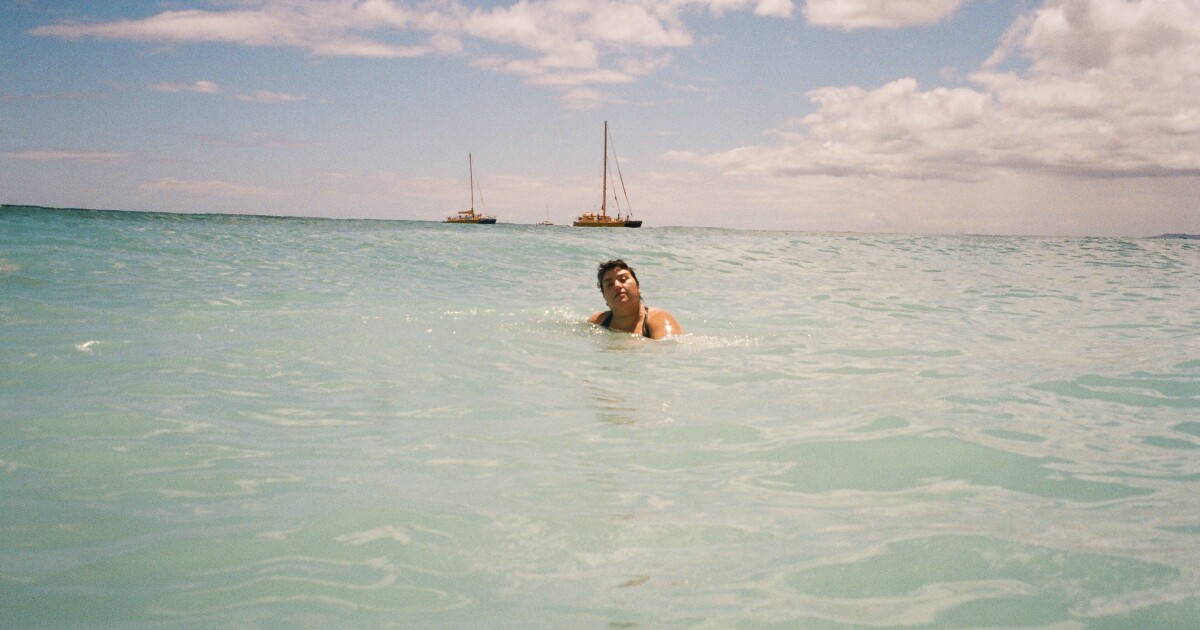
I’ve been thinking a lot about what, exactly, does summer mean to somebody who is immunocompromised? To a lot of us who are immunocompromised, we feel like we’re being left behind, so we kind of have to manage our existence in isolation.
Prior to the pandemic, I was really known for capturing community. In the pandemic, it’s the complete opposite. What does that mean, as somebody who‘s so used to being within family and community that I have to actually push away from all that? And how do you visually represent that?
A lot of these places are places that I’ve gone to for many years. I go and I reflect, I think about existence.
(Star Montana/For The Times)
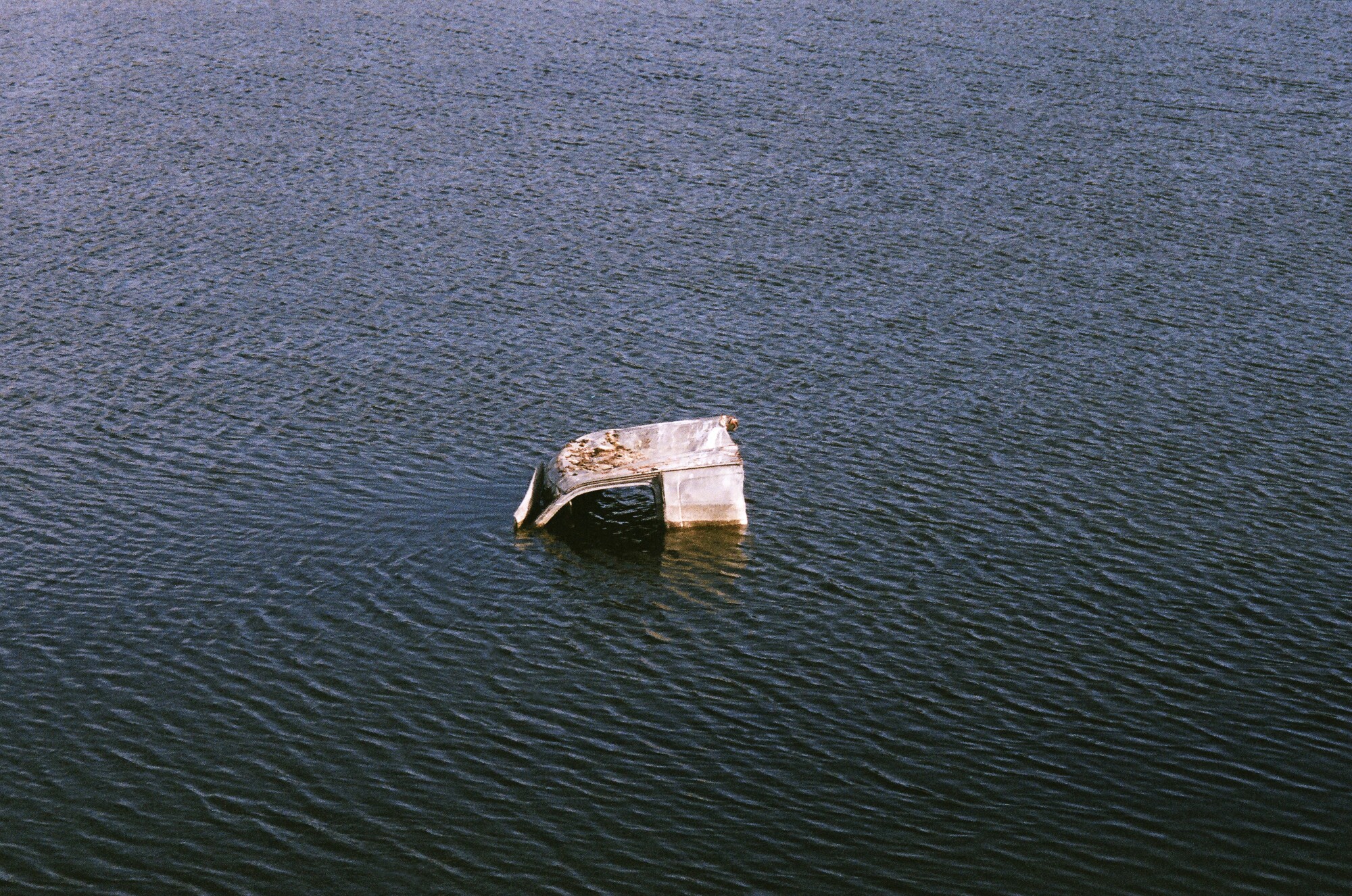
To a lot of us who are immunocompromised, we feel like we’re being left behind.
(Star Montana/For The Times)
I think, mentally, if I want to go somewhere, it takes a lot to think about a place where I don’t think I’m going to catch COVID, or even just any type of disease, like the flu. I have to think about where the isolated places are. It takes a lot of mental planning and physical planning to be in these spaces.
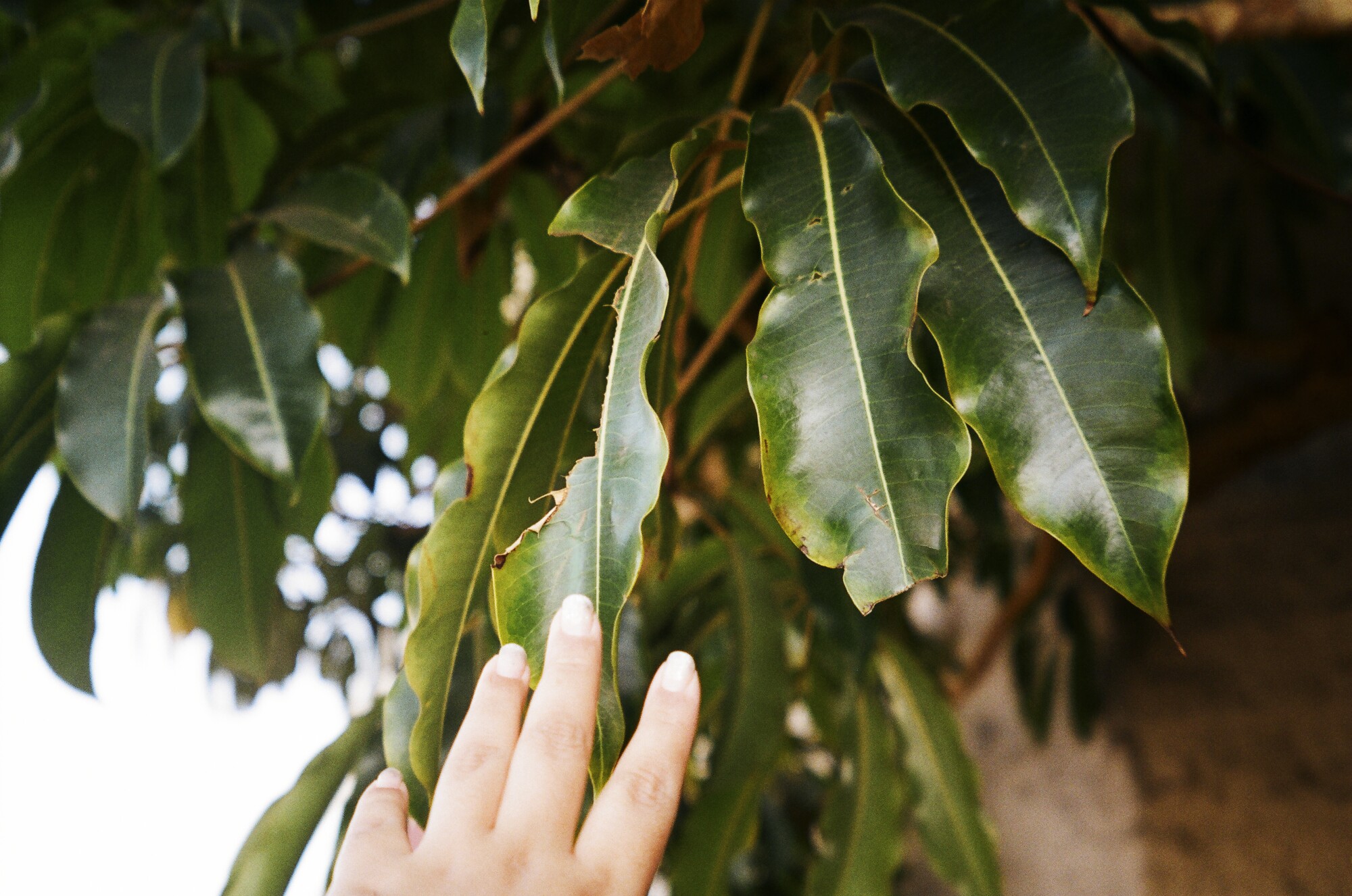
I like to take a moment away from all the chaos.
(Star Montana/For The Times)
The places that you’ll see in the photo essay, a lot of them are places that I’ve gone to for many years. I go and I reflect, I think about existence. They’re not tourist places. I would say they’re where locals go, or they’re a little more isolated during the times I go to them. Some are in downtown — I go to them during the weekdays, when you’ll see more government employees. I go to more rivers than beaches, even though one of them is a beach. When there was racial segregation, these were the beaches for people of color, when they could only go to rivers and not necessarily the beaches of California.
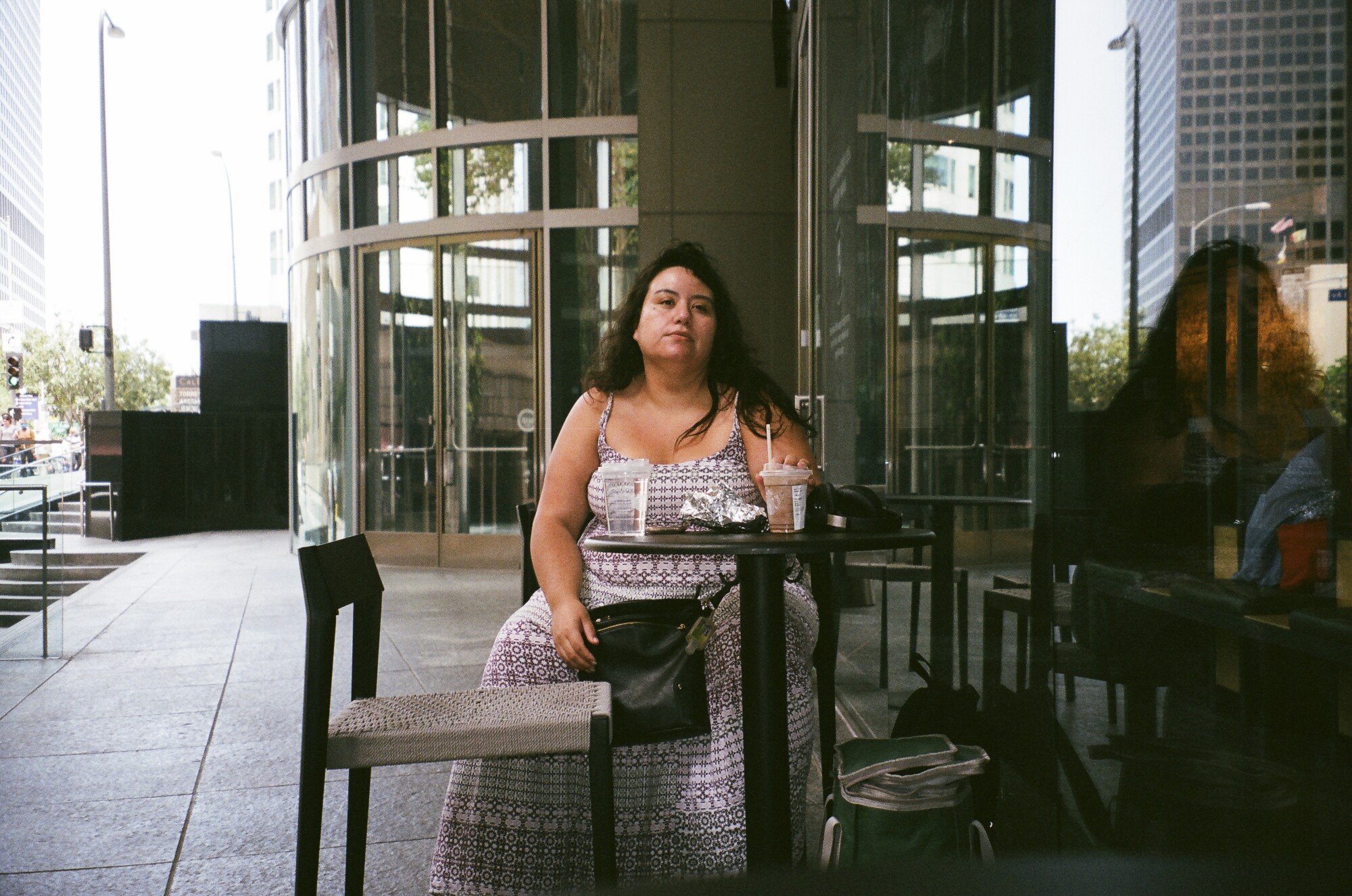
I have to think about where the isolated places are. It takes a lot of mental planning to be in these spaces.
(Star Montana/For The Times)
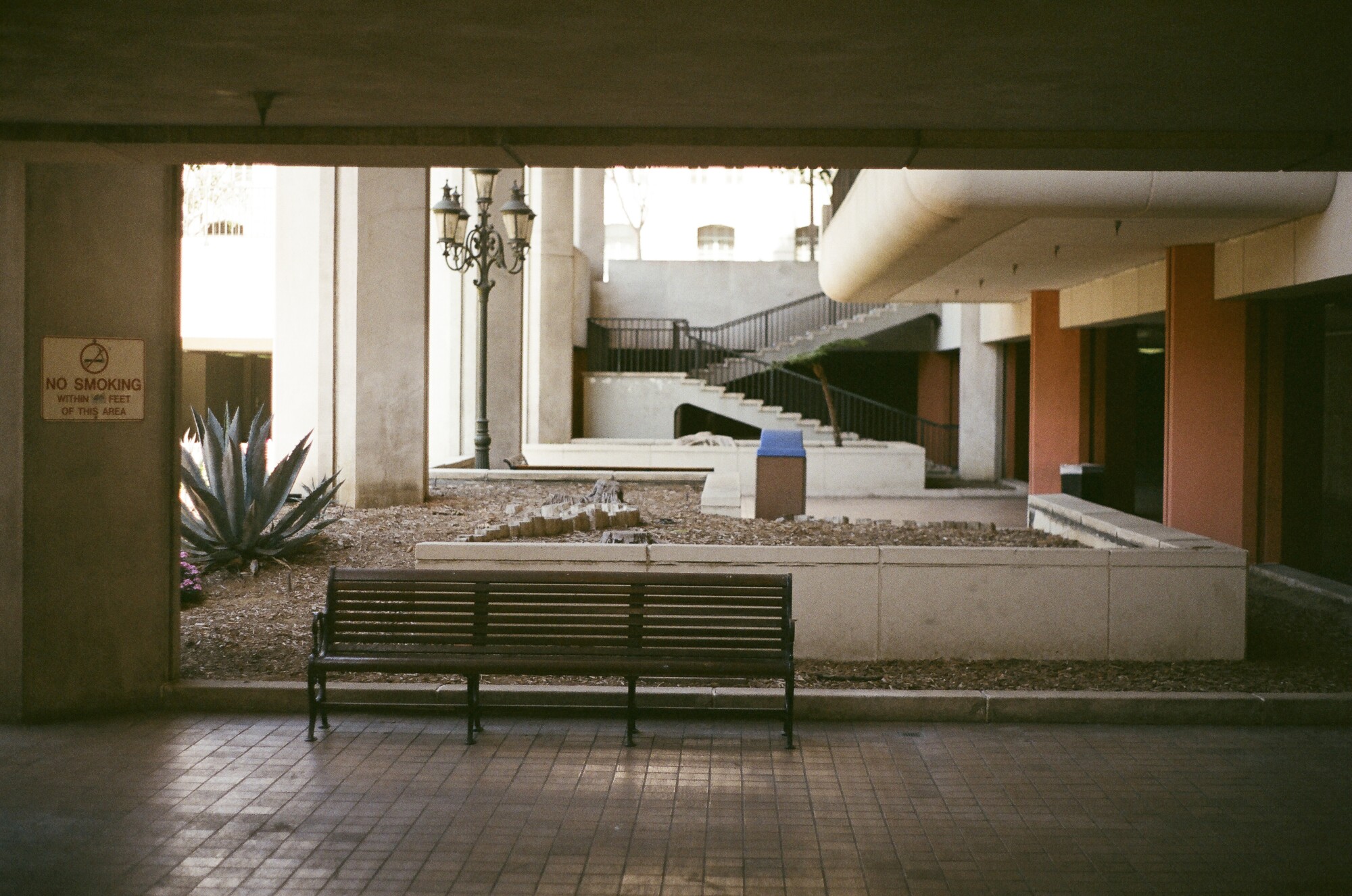
I grew up going to the Los Angeles Mall. It’s a beautiful public space.
(Star Montana/For The Times)
I grew up going to the Los Angeles Mall. And I always thought that was such an interesting name. Because you don’t really think of Los Angeles as having a mall. But it’s kind of dead now. It’s an underground mall, and federal workers and state workers and city workers — my grandmother was a federal worker, she worked for the VA — they would all get lunch, and there was a post office and there was a CVS. It’s a beautiful public space. I like to go there and take a moment away from all the chaos.
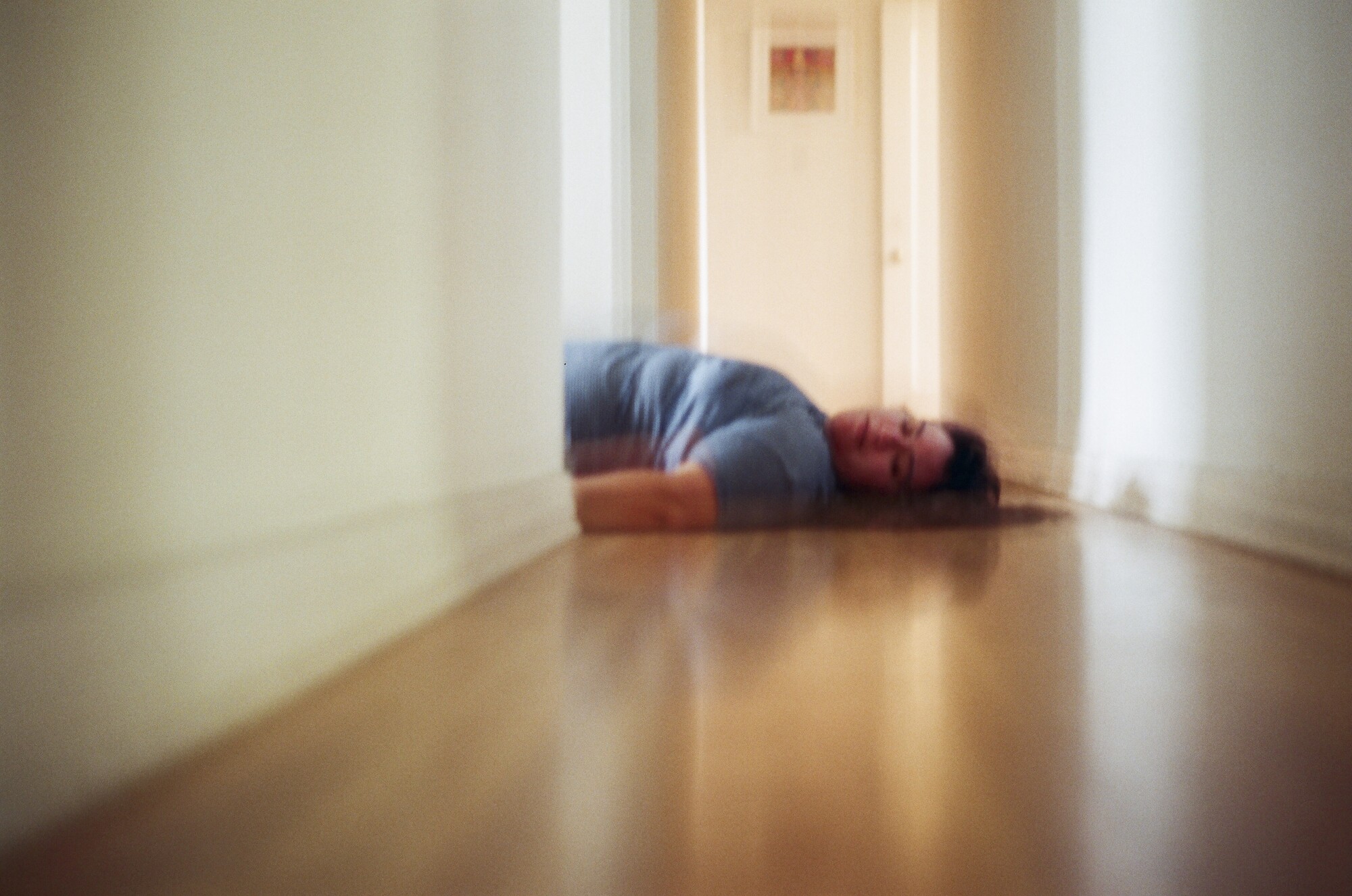
Home is probably the No.1 place I’m trapped, where I’ve spent like 90% of my existence.
(Star Montana/For The Times)
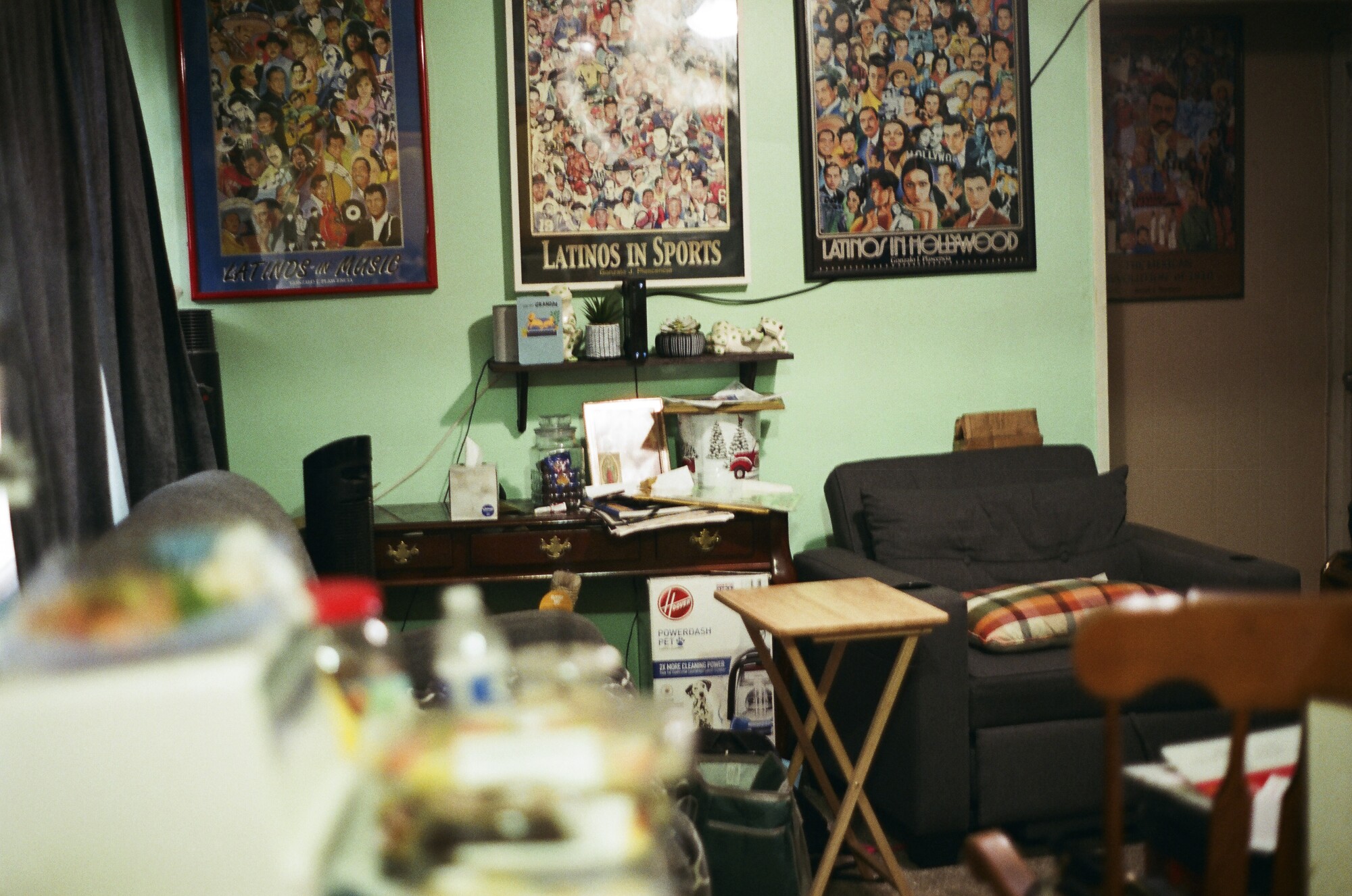
I spend time by myself at my family home because I feel safe.
(Star Montana/For The Times)
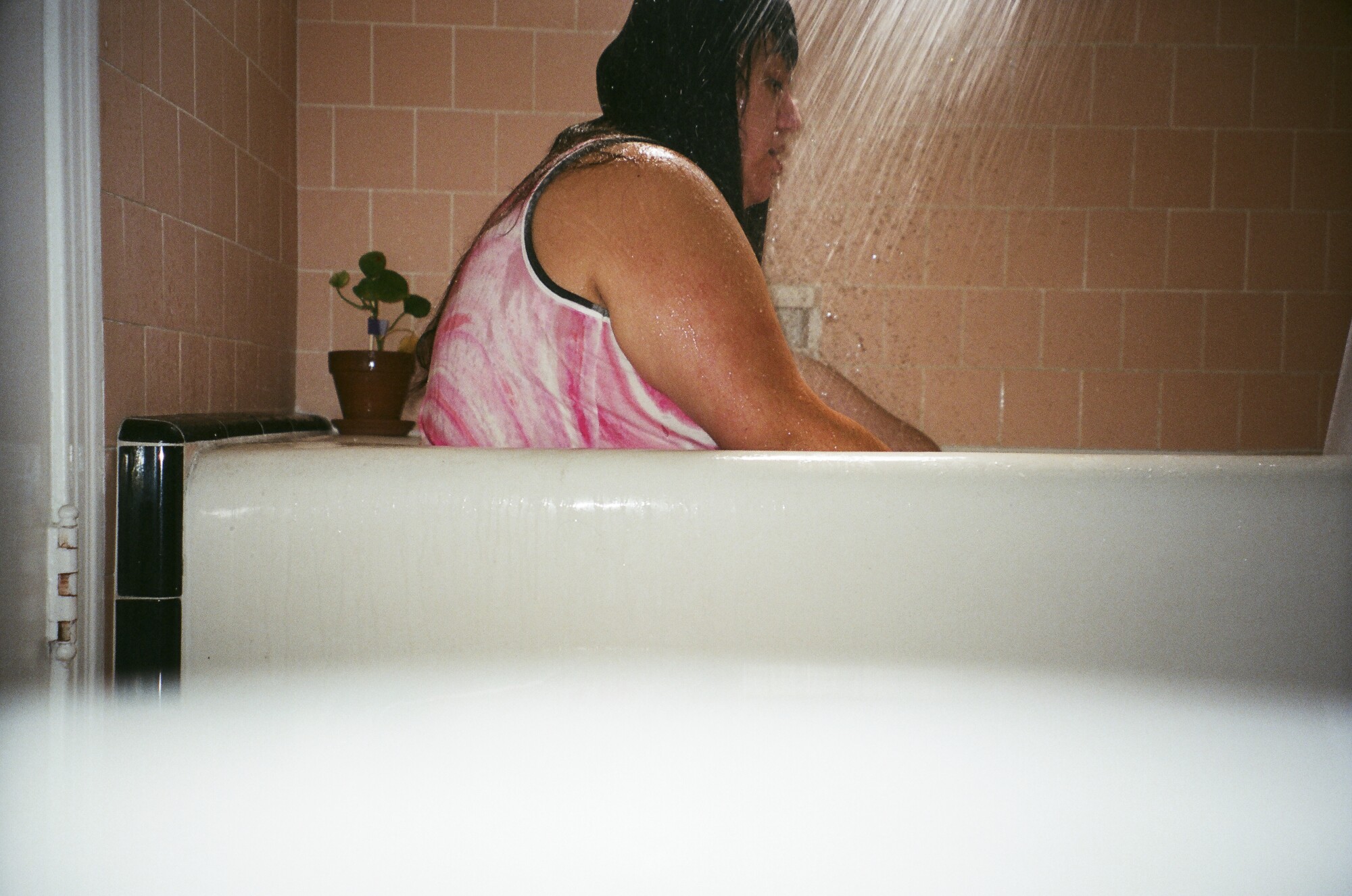
Home is where I just occupy space and hold in my feelings or let them out.
(Star Montana/For The Times)
Home is probably the No. 1 place I’m trapped, where I’ve spent like 90% of my existence in the last 2½ years. It’s where I just occupy space and hold in my feelings or let them out. I’ve also photographed my family home. I’ll just spend time by myself there because I feel safe.

I felt more emotional with my camera, just trying to capture as much of my environment and my existence and my everyday life.
(Star Montana/For The Times)

I would say these are portraits of a moment in time. I think, in a few years, I’ll just be like, God, this was so lonely.
(Star Montana/For The Times)
I used my 35-millimeter camera, which is much different than when I’m using my medium format. I was much looser and in the moment. I felt more emotional with my camera, just trying to capture as much of my environment and my existence and my everyday life. I would say they’re portraits of a moment in time. I think, in a few years, I’ll just be like, God, this was so lonely. I was able to kind of get out, and I was able to show how lonely this was for me. I was able to document this and try to push and show that.
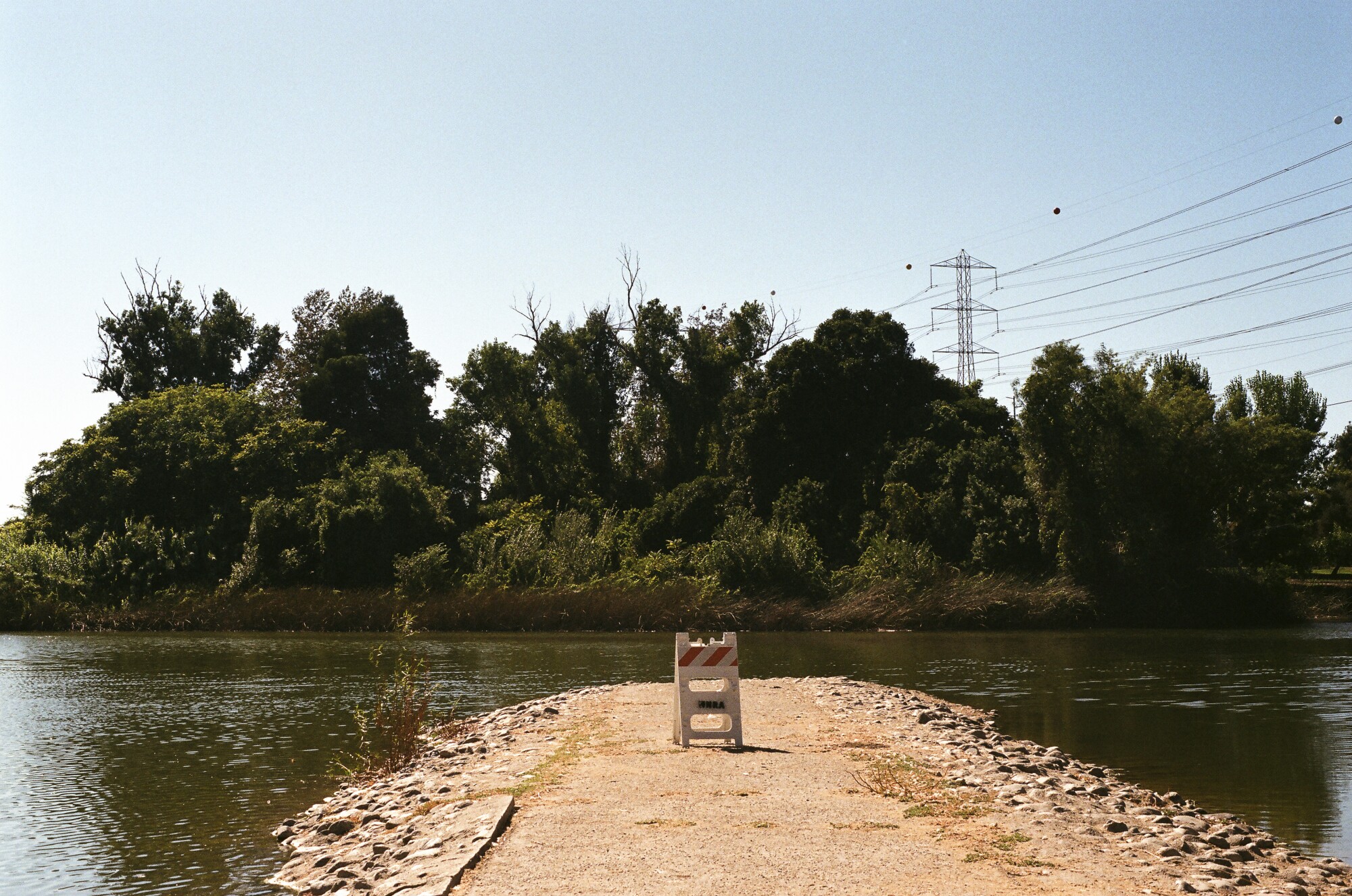
I think that’s always what my stories are trying to say: We exist in Los Angeles, don’t erase us.
(Star Montana / For The Times)
I’m constantly dealing with Los Angeles in the personal. I deal with Los Angeles through migration, through multigenerational storylines. When somebody is looking at this and they’re thinking about Los Angeles, I would just hope that they would take a moment and think about Los Angeles not just as this facade of glitz and glamour and happiness. When you’re seeing people, the labor, when you see people having a sad moment — you see that we are just human. I think that’s always what my stories are trying to say: We exist in Los Angeles, don’t erase us. So with this one, about isolation in summer, it’s the same thing: I exist, don’t erase me because I’m immunocompromised and I’m hidden in my house. I’m still here in Los Angeles.

I’ve been thinking a lot about what, exactly, does summer mean to somebody who is immunocompromised? To a lot of us who are immunocompromised, we feel like we’re being left behind, so we kind of have to manage our existence in isolation.
Prior to the pandemic, I was really known for capturing community. In the pandemic, it’s the complete opposite. What does that mean, as somebody who‘s so used to being within family and community that I have to actually push away from all that? And how do you visually represent that?
A lot of these places are places that I’ve gone to for many years. I go and I reflect, I think about existence.
(Star Montana/For The Times)
To a lot of us who are immunocompromised, we feel like we’re being left behind.
(Star Montana/For The Times)
I think, mentally, if I want to go somewhere, it takes a lot to think about a place where I don’t think I’m going to catch COVID, or even just any type of disease, like the flu. I have to think about where the isolated places are. It takes a lot of mental planning and physical planning to be in these spaces.
I like to take a moment away from all the chaos.
(Star Montana/For The Times)
The places that you’ll see in the photo essay, a lot of them are places that I’ve gone to for many years. I go and I reflect, I think about existence. They’re not tourist places. I would say they’re where locals go, or they’re a little more isolated during the times I go to them. Some are in downtown — I go to them during the weekdays, when you’ll see more government employees. I go to more rivers than beaches, even though one of them is a beach. When there was racial segregation, these were the beaches for people of color, when they could only go to rivers and not necessarily the beaches of California.
I have to think about where the isolated places are. It takes a lot of mental planning to be in these spaces.
(Star Montana/For The Times)
I grew up going to the Los Angeles Mall. It’s a beautiful public space.
(Star Montana/For The Times)
I grew up going to the Los Angeles Mall. And I always thought that was such an interesting name. Because you don’t really think of Los Angeles as having a mall. But it’s kind of dead now. It’s an underground mall, and federal workers and state workers and city workers — my grandmother was a federal worker, she worked for the VA — they would all get lunch, and there was a post office and there was a CVS. It’s a beautiful public space. I like to go there and take a moment away from all the chaos.
Home is probably the No.1 place I’m trapped, where I’ve spent like 90% of my existence.
(Star Montana/For The Times)
I spend time by myself at my family home because I feel safe.
(Star Montana/For The Times)
Home is where I just occupy space and hold in my feelings or let them out.
(Star Montana/For The Times)
Home is probably the No. 1 place I’m trapped, where I’ve spent like 90% of my existence in the last 2½ years. It’s where I just occupy space and hold in my feelings or let them out. I’ve also photographed my family home. I’ll just spend time by myself there because I feel safe.
I felt more emotional with my camera, just trying to capture as much of my environment and my existence and my everyday life.
(Star Montana/For The Times)
I would say these are portraits of a moment in time. I think, in a few years, I’ll just be like, God, this was so lonely.
(Star Montana/For The Times)
I used my 35-millimeter camera, which is much different than when I’m using my medium format. I was much looser and in the moment. I felt more emotional with my camera, just trying to capture as much of my environment and my existence and my everyday life. I would say they’re portraits of a moment in time. I think, in a few years, I’ll just be like, God, this was so lonely. I was able to kind of get out, and I was able to show how lonely this was for me. I was able to document this and try to push and show that.
I think that’s always what my stories are trying to say: We exist in Los Angeles, don’t erase us.
(Star Montana / For The Times)
I’m constantly dealing with Los Angeles in the personal. I deal with Los Angeles through migration, through multigenerational storylines. When somebody is looking at this and they’re thinking about Los Angeles, I would just hope that they would take a moment and think about Los Angeles not just as this facade of glitz and glamour and happiness. When you’re seeing people, the labor, when you see people having a sad moment — you see that we are just human. I think that’s always what my stories are trying to say: We exist in Los Angeles, don’t erase us. So with this one, about isolation in summer, it’s the same thing: I exist, don’t erase me because I’m immunocompromised and I’m hidden in my house. I’m still here in Los Angeles.

I’ve been thinking a lot about what, exactly, does summer mean to somebody who is immunocompromised? To a lot of us who are immunocompromised, we feel like we’re being left behind, so we kind of have to manage our existence in isolation.
Prior to the pandemic, I was really known for capturing community. In the pandemic, it’s the complete opposite. What does that mean, as somebody who‘s so used to being within family and community that I have to actually push away from all that? And how do you visually represent that?
A lot of these places are places that I’ve gone to for many years. I go and I reflect, I think about existence.
(Star Montana/For The Times)
To a lot of us who are immunocompromised, we feel like we’re being left behind.
(Star Montana/For The Times)
I think, mentally, if I want to go somewhere, it takes a lot to think about a place where I don’t think I’m going to catch COVID, or even just any type of disease, like the flu. I have to think about where the isolated places are. It takes a lot of mental planning and physical planning to be in these spaces.
I like to take a moment away from all the chaos.
(Star Montana/For The Times)
The places that you’ll see in the photo essay, a lot of them are places that I’ve gone to for many years. I go and I reflect, I think about existence. They’re not tourist places. I would say they’re where locals go, or they’re a little more isolated during the times I go to them. Some are in downtown — I go to them during the weekdays, when you’ll see more government employees. I go to more rivers than beaches, even though one of them is a beach. When there was racial segregation, these were the beaches for people of color, when they could only go to rivers and not necessarily the beaches of California.
I have to think about where the isolated places are. It takes a lot of mental planning to be in these spaces.
(Star Montana/For The Times)
I grew up going to the Los Angeles Mall. It’s a beautiful public space.
(Star Montana/For The Times)
I grew up going to the Los Angeles Mall. And I always thought that was such an interesting name. Because you don’t really think of Los Angeles as having a mall. But it’s kind of dead now. It’s an underground mall, and federal workers and state workers and city workers — my grandmother was a federal worker, she worked for the VA — they would all get lunch, and there was a post office and there was a CVS. It’s a beautiful public space. I like to go there and take a moment away from all the chaos.
Home is probably the No.1 place I’m trapped, where I’ve spent like 90% of my existence.
(Star Montana/For The Times)
I spend time by myself at my family home because I feel safe.
(Star Montana/For The Times)
Home is where I just occupy space and hold in my feelings or let them out.
(Star Montana/For The Times)
Home is probably the No. 1 place I’m trapped, where I’ve spent like 90% of my existence in the last 2½ years. It’s where I just occupy space and hold in my feelings or let them out. I’ve also photographed my family home. I’ll just spend time by myself there because I feel safe.
I felt more emotional with my camera, just trying to capture as much of my environment and my existence and my everyday life.
(Star Montana/For The Times)
I would say these are portraits of a moment in time. I think, in a few years, I’ll just be like, God, this was so lonely.
(Star Montana/For The Times)
I used my 35-millimeter camera, which is much different than when I’m using my medium format. I was much looser and in the moment. I felt more emotional with my camera, just trying to capture as much of my environment and my existence and my everyday life. I would say they’re portraits of a moment in time. I think, in a few years, I’ll just be like, God, this was so lonely. I was able to kind of get out, and I was able to show how lonely this was for me. I was able to document this and try to push and show that.
I think that’s always what my stories are trying to say: We exist in Los Angeles, don’t erase us.
(Star Montana / For The Times)
I’m constantly dealing with Los Angeles in the personal. I deal with Los Angeles through migration, through multigenerational storylines. When somebody is looking at this and they’re thinking about Los Angeles, I would just hope that they would take a moment and think about Los Angeles not just as this facade of glitz and glamour and happiness. When you’re seeing people, the labor, when you see people having a sad moment — you see that we are just human. I think that’s always what my stories are trying to say: We exist in Los Angeles, don’t erase us. So with this one, about isolation in summer, it’s the same thing: I exist, don’t erase me because I’m immunocompromised and I’m hidden in my house. I’m still here in Los Angeles.
I’ve been thinking a lot about what, exactly, does summer mean to somebody who is immunocompromised? To a lot of us who are immunocompromised, we feel like we’re being left behind, so we kind of have to manage our existence in isolation.
Prior to the pandemic, I was really known for capturing community. In the pandemic, it’s the complete opposite. What does that mean, as somebody who‘s so used to being within family and community that I have to actually push away from all that? And how do you visually represent that?
A lot of these places are places that I’ve gone to for many years. I go and I reflect, I think about existence.
(Star Montana/For The Times)
To a lot of us who are immunocompromised, we feel like we’re being left behind.
(Star Montana/For The Times)
I think, mentally, if I want to go somewhere, it takes a lot to think about a place where I don’t think I’m going to catch COVID, or even just any type of disease, like the flu. I have to think about where the isolated places are. It takes a lot of mental planning and physical planning to be in these spaces.
I like to take a moment away from all the chaos.
(Star Montana/For The Times)
The places that you’ll see in the photo essay, a lot of them are places that I’ve gone to for many years. I go and I reflect, I think about existence. They’re not tourist places. I would say they’re where locals go, or they’re a little more isolated during the times I go to them. Some are in downtown — I go to them during the weekdays, when you’ll see more government employees. I go to more rivers than beaches, even though one of them is a beach. When there was racial segregation, these were the beaches for people of color, when they could only go to rivers and not necessarily the beaches of California.
I have to think about where the isolated places are. It takes a lot of mental planning to be in these spaces.
(Star Montana/For The Times)
I grew up going to the Los Angeles Mall. It’s a beautiful public space.
(Star Montana/For The Times)
I grew up going to the Los Angeles Mall. And I always thought that was such an interesting name. Because you don’t really think of Los Angeles as having a mall. But it’s kind of dead now. It’s an underground mall, and federal workers and state workers and city workers — my grandmother was a federal worker, she worked for the VA — they would all get lunch, and there was a post office and there was a CVS. It’s a beautiful public space. I like to go there and take a moment away from all the chaos.
Home is probably the No.1 place I’m trapped, where I’ve spent like 90% of my existence.
(Star Montana/For The Times)
I spend time by myself at my family home because I feel safe.
(Star Montana/For The Times)
Home is where I just occupy space and hold in my feelings or let them out.
(Star Montana/For The Times)
Home is probably the No. 1 place I’m trapped, where I’ve spent like 90% of my existence in the last 2½ years. It’s where I just occupy space and hold in my feelings or let them out. I’ve also photographed my family home. I’ll just spend time by myself there because I feel safe.
I felt more emotional with my camera, just trying to capture as much of my environment and my existence and my everyday life.
(Star Montana/For The Times)
I would say these are portraits of a moment in time. I think, in a few years, I’ll just be like, God, this was so lonely.
(Star Montana/For The Times)
I used my 35-millimeter camera, which is much different than when I’m using my medium format. I was much looser and in the moment. I felt more emotional with my camera, just trying to capture as much of my environment and my existence and my everyday life. I would say they’re portraits of a moment in time. I think, in a few years, I’ll just be like, God, this was so lonely. I was able to kind of get out, and I was able to show how lonely this was for me. I was able to document this and try to push and show that.
I think that’s always what my stories are trying to say: We exist in Los Angeles, don’t erase us.
(Star Montana / For The Times)
I’m constantly dealing with Los Angeles in the personal. I deal with Los Angeles through migration, through multigenerational storylines. When somebody is looking at this and they’re thinking about Los Angeles, I would just hope that they would take a moment and think about Los Angeles not just as this facade of glitz and glamour and happiness. When you’re seeing people, the labor, when you see people having a sad moment — you see that we are just human. I think that’s always what my stories are trying to say: We exist in Los Angeles, don’t erase us. So with this one, about isolation in summer, it’s the same thing: I exist, don’t erase me because I’m immunocompromised and I’m hidden in my house. I’m still here in Los Angeles.

I’ve been thinking a lot about what, exactly, does summer mean to somebody who is immunocompromised? To a lot of us who are immunocompromised, we feel like we’re being left behind, so we kind of have to manage our existence in isolation.
Prior to the pandemic, I was really known for capturing community. In the pandemic, it’s the complete opposite. What does that mean, as somebody who‘s so used to being within family and community that I have to actually push away from all that? And how do you visually represent that?
A lot of these places are places that I’ve gone to for many years. I go and I reflect, I think about existence.
(Star Montana/For The Times)
To a lot of us who are immunocompromised, we feel like we’re being left behind.
(Star Montana/For The Times)
I think, mentally, if I want to go somewhere, it takes a lot to think about a place where I don’t think I’m going to catch COVID, or even just any type of disease, like the flu. I have to think about where the isolated places are. It takes a lot of mental planning and physical planning to be in these spaces.
I like to take a moment away from all the chaos.
(Star Montana/For The Times)
The places that you’ll see in the photo essay, a lot of them are places that I’ve gone to for many years. I go and I reflect, I think about existence. They’re not tourist places. I would say they’re where locals go, or they’re a little more isolated during the times I go to them. Some are in downtown — I go to them during the weekdays, when you’ll see more government employees. I go to more rivers than beaches, even though one of them is a beach. When there was racial segregation, these were the beaches for people of color, when they could only go to rivers and not necessarily the beaches of California.
I have to think about where the isolated places are. It takes a lot of mental planning to be in these spaces.
(Star Montana/For The Times)
I grew up going to the Los Angeles Mall. It’s a beautiful public space.
(Star Montana/For The Times)
I grew up going to the Los Angeles Mall. And I always thought that was such an interesting name. Because you don’t really think of Los Angeles as having a mall. But it’s kind of dead now. It’s an underground mall, and federal workers and state workers and city workers — my grandmother was a federal worker, she worked for the VA — they would all get lunch, and there was a post office and there was a CVS. It’s a beautiful public space. I like to go there and take a moment away from all the chaos.
Home is probably the No.1 place I’m trapped, where I’ve spent like 90% of my existence.
(Star Montana/For The Times)
I spend time by myself at my family home because I feel safe.
(Star Montana/For The Times)
Home is where I just occupy space and hold in my feelings or let them out.
(Star Montana/For The Times)
Home is probably the No. 1 place I’m trapped, where I’ve spent like 90% of my existence in the last 2½ years. It’s where I just occupy space and hold in my feelings or let them out. I’ve also photographed my family home. I’ll just spend time by myself there because I feel safe.
I felt more emotional with my camera, just trying to capture as much of my environment and my existence and my everyday life.
(Star Montana/For The Times)
I would say these are portraits of a moment in time. I think, in a few years, I’ll just be like, God, this was so lonely.
(Star Montana/For The Times)
I used my 35-millimeter camera, which is much different than when I’m using my medium format. I was much looser and in the moment. I felt more emotional with my camera, just trying to capture as much of my environment and my existence and my everyday life. I would say they’re portraits of a moment in time. I think, in a few years, I’ll just be like, God, this was so lonely. I was able to kind of get out, and I was able to show how lonely this was for me. I was able to document this and try to push and show that.
I think that’s always what my stories are trying to say: We exist in Los Angeles, don’t erase us.
(Star Montana / For The Times)
I’m constantly dealing with Los Angeles in the personal. I deal with Los Angeles through migration, through multigenerational storylines. When somebody is looking at this and they’re thinking about Los Angeles, I would just hope that they would take a moment and think about Los Angeles not just as this facade of glitz and glamour and happiness. When you’re seeing people, the labor, when you see people having a sad moment — you see that we are just human. I think that’s always what my stories are trying to say: We exist in Los Angeles, don’t erase us. So with this one, about isolation in summer, it’s the same thing: I exist, don’t erase me because I’m immunocompromised and I’m hidden in my house. I’m still here in Los Angeles.
I’ve been thinking a lot about what, exactly, does summer mean to somebody who is immunocompromised? To a lot of us who are immunocompromised, we feel like we’re being left behind, so we kind of have to manage our existence in isolation.
Prior to the pandemic, I was really known for capturing community. In the pandemic, it’s the complete opposite. What does that mean, as somebody who‘s so used to being within family and community that I have to actually push away from all that? And how do you visually represent that?
A lot of these places are places that I’ve gone to for many years. I go and I reflect, I think about existence.
(Star Montana/For The Times)
To a lot of us who are immunocompromised, we feel like we’re being left behind.
(Star Montana/For The Times)
I think, mentally, if I want to go somewhere, it takes a lot to think about a place where I don’t think I’m going to catch COVID, or even just any type of disease, like the flu. I have to think about where the isolated places are. It takes a lot of mental planning and physical planning to be in these spaces.
I like to take a moment away from all the chaos.
(Star Montana/For The Times)
The places that you’ll see in the photo essay, a lot of them are places that I’ve gone to for many years. I go and I reflect, I think about existence. They’re not tourist places. I would say they’re where locals go, or they’re a little more isolated during the times I go to them. Some are in downtown — I go to them during the weekdays, when you’ll see more government employees. I go to more rivers than beaches, even though one of them is a beach. When there was racial segregation, these were the beaches for people of color, when they could only go to rivers and not necessarily the beaches of California.
I have to think about where the isolated places are. It takes a lot of mental planning to be in these spaces.
(Star Montana/For The Times)
I grew up going to the Los Angeles Mall. It’s a beautiful public space.
(Star Montana/For The Times)
I grew up going to the Los Angeles Mall. And I always thought that was such an interesting name. Because you don’t really think of Los Angeles as having a mall. But it’s kind of dead now. It’s an underground mall, and federal workers and state workers and city workers — my grandmother was a federal worker, she worked for the VA — they would all get lunch, and there was a post office and there was a CVS. It’s a beautiful public space. I like to go there and take a moment away from all the chaos.
Home is probably the No.1 place I’m trapped, where I’ve spent like 90% of my existence.
(Star Montana/For The Times)
I spend time by myself at my family home because I feel safe.
(Star Montana/For The Times)
Home is where I just occupy space and hold in my feelings or let them out.
(Star Montana/For The Times)
Home is probably the No. 1 place I’m trapped, where I’ve spent like 90% of my existence in the last 2½ years. It’s where I just occupy space and hold in my feelings or let them out. I’ve also photographed my family home. I’ll just spend time by myself there because I feel safe.
I felt more emotional with my camera, just trying to capture as much of my environment and my existence and my everyday life.
(Star Montana/For The Times)
I would say these are portraits of a moment in time. I think, in a few years, I’ll just be like, God, this was so lonely.
(Star Montana/For The Times)
I used my 35-millimeter camera, which is much different than when I’m using my medium format. I was much looser and in the moment. I felt more emotional with my camera, just trying to capture as much of my environment and my existence and my everyday life. I would say they’re portraits of a moment in time. I think, in a few years, I’ll just be like, God, this was so lonely. I was able to kind of get out, and I was able to show how lonely this was for me. I was able to document this and try to push and show that.
I think that’s always what my stories are trying to say: We exist in Los Angeles, don’t erase us.
(Star Montana / For The Times)
I’m constantly dealing with Los Angeles in the personal. I deal with Los Angeles through migration, through multigenerational storylines. When somebody is looking at this and they’re thinking about Los Angeles, I would just hope that they would take a moment and think about Los Angeles not just as this facade of glitz and glamour and happiness. When you’re seeing people, the labor, when you see people having a sad moment — you see that we are just human. I think that’s always what my stories are trying to say: We exist in Los Angeles, don’t erase us. So with this one, about isolation in summer, it’s the same thing: I exist, don’t erase me because I’m immunocompromised and I’m hidden in my house. I’m still here in Los Angeles.
I’ve been thinking a lot about what, exactly, does summer mean to somebody who is immunocompromised? To a lot of us who are immunocompromised, we feel like we’re being left behind, so we kind of have to manage our existence in isolation.
Prior to the pandemic, I was really known for capturing community. In the pandemic, it’s the complete opposite. What does that mean, as somebody who‘s so used to being within family and community that I have to actually push away from all that? And how do you visually represent that?
A lot of these places are places that I’ve gone to for many years. I go and I reflect, I think about existence.
(Star Montana/For The Times)
To a lot of us who are immunocompromised, we feel like we’re being left behind.
(Star Montana/For The Times)
I think, mentally, if I want to go somewhere, it takes a lot to think about a place where I don’t think I’m going to catch COVID, or even just any type of disease, like the flu. I have to think about where the isolated places are. It takes a lot of mental planning and physical planning to be in these spaces.
I like to take a moment away from all the chaos.
(Star Montana/For The Times)
The places that you’ll see in the photo essay, a lot of them are places that I’ve gone to for many years. I go and I reflect, I think about existence. They’re not tourist places. I would say they’re where locals go, or they’re a little more isolated during the times I go to them. Some are in downtown — I go to them during the weekdays, when you’ll see more government employees. I go to more rivers than beaches, even though one of them is a beach. When there was racial segregation, these were the beaches for people of color, when they could only go to rivers and not necessarily the beaches of California.
I have to think about where the isolated places are. It takes a lot of mental planning to be in these spaces.
(Star Montana/For The Times)
I grew up going to the Los Angeles Mall. It’s a beautiful public space.
(Star Montana/For The Times)
I grew up going to the Los Angeles Mall. And I always thought that was such an interesting name. Because you don’t really think of Los Angeles as having a mall. But it’s kind of dead now. It’s an underground mall, and federal workers and state workers and city workers — my grandmother was a federal worker, she worked for the VA — they would all get lunch, and there was a post office and there was a CVS. It’s a beautiful public space. I like to go there and take a moment away from all the chaos.
Home is probably the No.1 place I’m trapped, where I’ve spent like 90% of my existence.
(Star Montana/For The Times)
I spend time by myself at my family home because I feel safe.
(Star Montana/For The Times)
Home is where I just occupy space and hold in my feelings or let them out.
(Star Montana/For The Times)
Home is probably the No. 1 place I’m trapped, where I’ve spent like 90% of my existence in the last 2½ years. It’s where I just occupy space and hold in my feelings or let them out. I’ve also photographed my family home. I’ll just spend time by myself there because I feel safe.
I felt more emotional with my camera, just trying to capture as much of my environment and my existence and my everyday life.
(Star Montana/For The Times)
I would say these are portraits of a moment in time. I think, in a few years, I’ll just be like, God, this was so lonely.
(Star Montana/For The Times)
I used my 35-millimeter camera, which is much different than when I’m using my medium format. I was much looser and in the moment. I felt more emotional with my camera, just trying to capture as much of my environment and my existence and my everyday life. I would say they’re portraits of a moment in time. I think, in a few years, I’ll just be like, God, this was so lonely. I was able to kind of get out, and I was able to show how lonely this was for me. I was able to document this and try to push and show that.
I think that’s always what my stories are trying to say: We exist in Los Angeles, don’t erase us.
(Star Montana / For The Times)
I’m constantly dealing with Los Angeles in the personal. I deal with Los Angeles through migration, through multigenerational storylines. When somebody is looking at this and they’re thinking about Los Angeles, I would just hope that they would take a moment and think about Los Angeles not just as this facade of glitz and glamour and happiness. When you’re seeing people, the labor, when you see people having a sad moment — you see that we are just human. I think that’s always what my stories are trying to say: We exist in Los Angeles, don’t erase us. So with this one, about isolation in summer, it’s the same thing: I exist, don’t erase me because I’m immunocompromised and I’m hidden in my house. I’m still here in Los Angeles.
I’ve been thinking a lot about what, exactly, does summer mean to somebody who is immunocompromised? To a lot of us who are immunocompromised, we feel like we’re being left behind, so we kind of have to manage our existence in isolation.
Prior to the pandemic, I was really known for capturing community. In the pandemic, it’s the complete opposite. What does that mean, as somebody who‘s so used to being within family and community that I have to actually push away from all that? And how do you visually represent that?
A lot of these places are places that I’ve gone to for many years. I go and I reflect, I think about existence.
(Star Montana/For The Times)
To a lot of us who are immunocompromised, we feel like we’re being left behind.
(Star Montana/For The Times)
I think, mentally, if I want to go somewhere, it takes a lot to think about a place where I don’t think I’m going to catch COVID, or even just any type of disease, like the flu. I have to think about where the isolated places are. It takes a lot of mental planning and physical planning to be in these spaces.
I like to take a moment away from all the chaos.
(Star Montana/For The Times)
The places that you’ll see in the photo essay, a lot of them are places that I’ve gone to for many years. I go and I reflect, I think about existence. They’re not tourist places. I would say they’re where locals go, or they’re a little more isolated during the times I go to them. Some are in downtown — I go to them during the weekdays, when you’ll see more government employees. I go to more rivers than beaches, even though one of them is a beach. When there was racial segregation, these were the beaches for people of color, when they could only go to rivers and not necessarily the beaches of California.
I have to think about where the isolated places are. It takes a lot of mental planning to be in these spaces.
(Star Montana/For The Times)
I grew up going to the Los Angeles Mall. It’s a beautiful public space.
(Star Montana/For The Times)
I grew up going to the Los Angeles Mall. And I always thought that was such an interesting name. Because you don’t really think of Los Angeles as having a mall. But it’s kind of dead now. It’s an underground mall, and federal workers and state workers and city workers — my grandmother was a federal worker, she worked for the VA — they would all get lunch, and there was a post office and there was a CVS. It’s a beautiful public space. I like to go there and take a moment away from all the chaos.
Home is probably the No.1 place I’m trapped, where I’ve spent like 90% of my existence.
(Star Montana/For The Times)
I spend time by myself at my family home because I feel safe.
(Star Montana/For The Times)
Home is where I just occupy space and hold in my feelings or let them out.
(Star Montana/For The Times)
Home is probably the No. 1 place I’m trapped, where I’ve spent like 90% of my existence in the last 2½ years. It’s where I just occupy space and hold in my feelings or let them out. I’ve also photographed my family home. I’ll just spend time by myself there because I feel safe.
I felt more emotional with my camera, just trying to capture as much of my environment and my existence and my everyday life.
(Star Montana/For The Times)
I would say these are portraits of a moment in time. I think, in a few years, I’ll just be like, God, this was so lonely.
(Star Montana/For The Times)
I used my 35-millimeter camera, which is much different than when I’m using my medium format. I was much looser and in the moment. I felt more emotional with my camera, just trying to capture as much of my environment and my existence and my everyday life. I would say they’re portraits of a moment in time. I think, in a few years, I’ll just be like, God, this was so lonely. I was able to kind of get out, and I was able to show how lonely this was for me. I was able to document this and try to push and show that.
I think that’s always what my stories are trying to say: We exist in Los Angeles, don’t erase us.
(Star Montana / For The Times)
I’m constantly dealing with Los Angeles in the personal. I deal with Los Angeles through migration, through multigenerational storylines. When somebody is looking at this and they’re thinking about Los Angeles, I would just hope that they would take a moment and think about Los Angeles not just as this facade of glitz and glamour and happiness. When you’re seeing people, the labor, when you see people having a sad moment — you see that we are just human. I think that’s always what my stories are trying to say: We exist in Los Angeles, don’t erase us. So with this one, about isolation in summer, it’s the same thing: I exist, don’t erase me because I’m immunocompromised and I’m hidden in my house. I’m still here in Los Angeles.

I’ve been thinking a lot about what, exactly, does summer mean to somebody who is immunocompromised? To a lot of us who are immunocompromised, we feel like we’re being left behind, so we kind of have to manage our existence in isolation.
Prior to the pandemic, I was really known for capturing community. In the pandemic, it’s the complete opposite. What does that mean, as somebody who‘s so used to being within family and community that I have to actually push away from all that? And how do you visually represent that?
A lot of these places are places that I’ve gone to for many years. I go and I reflect, I think about existence.
(Star Montana/For The Times)
To a lot of us who are immunocompromised, we feel like we’re being left behind.
(Star Montana/For The Times)
I think, mentally, if I want to go somewhere, it takes a lot to think about a place where I don’t think I’m going to catch COVID, or even just any type of disease, like the flu. I have to think about where the isolated places are. It takes a lot of mental planning and physical planning to be in these spaces.
I like to take a moment away from all the chaos.
(Star Montana/For The Times)
The places that you’ll see in the photo essay, a lot of them are places that I’ve gone to for many years. I go and I reflect, I think about existence. They’re not tourist places. I would say they’re where locals go, or they’re a little more isolated during the times I go to them. Some are in downtown — I go to them during the weekdays, when you’ll see more government employees. I go to more rivers than beaches, even though one of them is a beach. When there was racial segregation, these were the beaches for people of color, when they could only go to rivers and not necessarily the beaches of California.
I have to think about where the isolated places are. It takes a lot of mental planning to be in these spaces.
(Star Montana/For The Times)
I grew up going to the Los Angeles Mall. It’s a beautiful public space.
(Star Montana/For The Times)
I grew up going to the Los Angeles Mall. And I always thought that was such an interesting name. Because you don’t really think of Los Angeles as having a mall. But it’s kind of dead now. It’s an underground mall, and federal workers and state workers and city workers — my grandmother was a federal worker, she worked for the VA — they would all get lunch, and there was a post office and there was a CVS. It’s a beautiful public space. I like to go there and take a moment away from all the chaos.
Home is probably the No.1 place I’m trapped, where I’ve spent like 90% of my existence.
(Star Montana/For The Times)
I spend time by myself at my family home because I feel safe.
(Star Montana/For The Times)
Home is where I just occupy space and hold in my feelings or let them out.
(Star Montana/For The Times)
Home is probably the No. 1 place I’m trapped, where I’ve spent like 90% of my existence in the last 2½ years. It’s where I just occupy space and hold in my feelings or let them out. I’ve also photographed my family home. I’ll just spend time by myself there because I feel safe.
I felt more emotional with my camera, just trying to capture as much of my environment and my existence and my everyday life.
(Star Montana/For The Times)
I would say these are portraits of a moment in time. I think, in a few years, I’ll just be like, God, this was so lonely.
(Star Montana/For The Times)
I used my 35-millimeter camera, which is much different than when I’m using my medium format. I was much looser and in the moment. I felt more emotional with my camera, just trying to capture as much of my environment and my existence and my everyday life. I would say they’re portraits of a moment in time. I think, in a few years, I’ll just be like, God, this was so lonely. I was able to kind of get out, and I was able to show how lonely this was for me. I was able to document this and try to push and show that.
I think that’s always what my stories are trying to say: We exist in Los Angeles, don’t erase us.
(Star Montana / For The Times)
I’m constantly dealing with Los Angeles in the personal. I deal with Los Angeles through migration, through multigenerational storylines. When somebody is looking at this and they’re thinking about Los Angeles, I would just hope that they would take a moment and think about Los Angeles not just as this facade of glitz and glamour and happiness. When you’re seeing people, the labor, when you see people having a sad moment — you see that we are just human. I think that’s always what my stories are trying to say: We exist in Los Angeles, don’t erase us. So with this one, about isolation in summer, it’s the same thing: I exist, don’t erase me because I’m immunocompromised and I’m hidden in my house. I’m still here in Los Angeles.
I’ve been thinking a lot about what, exactly, does summer mean to somebody who is immunocompromised? To a lot of us who are immunocompromised, we feel like we’re being left behind, so we kind of have to manage our existence in isolation.
Prior to the pandemic, I was really known for capturing community. In the pandemic, it’s the complete opposite. What does that mean, as somebody who‘s so used to being within family and community that I have to actually push away from all that? And how do you visually represent that?
A lot of these places are places that I’ve gone to for many years. I go and I reflect, I think about existence.
(Star Montana/For The Times)
To a lot of us who are immunocompromised, we feel like we’re being left behind.
(Star Montana/For The Times)
I think, mentally, if I want to go somewhere, it takes a lot to think about a place where I don’t think I’m going to catch COVID, or even just any type of disease, like the flu. I have to think about where the isolated places are. It takes a lot of mental planning and physical planning to be in these spaces.
I like to take a moment away from all the chaos.
(Star Montana/For The Times)
The places that you’ll see in the photo essay, a lot of them are places that I’ve gone to for many years. I go and I reflect, I think about existence. They’re not tourist places. I would say they’re where locals go, or they’re a little more isolated during the times I go to them. Some are in downtown — I go to them during the weekdays, when you’ll see more government employees. I go to more rivers than beaches, even though one of them is a beach. When there was racial segregation, these were the beaches for people of color, when they could only go to rivers and not necessarily the beaches of California.
I have to think about where the isolated places are. It takes a lot of mental planning to be in these spaces.
(Star Montana/For The Times)
I grew up going to the Los Angeles Mall. It’s a beautiful public space.
(Star Montana/For The Times)
I grew up going to the Los Angeles Mall. And I always thought that was such an interesting name. Because you don’t really think of Los Angeles as having a mall. But it’s kind of dead now. It’s an underground mall, and federal workers and state workers and city workers — my grandmother was a federal worker, she worked for the VA — they would all get lunch, and there was a post office and there was a CVS. It’s a beautiful public space. I like to go there and take a moment away from all the chaos.
Home is probably the No.1 place I’m trapped, where I’ve spent like 90% of my existence.
(Star Montana/For The Times)
I spend time by myself at my family home because I feel safe.
(Star Montana/For The Times)
Home is where I just occupy space and hold in my feelings or let them out.
(Star Montana/For The Times)
Home is probably the No. 1 place I’m trapped, where I’ve spent like 90% of my existence in the last 2½ years. It’s where I just occupy space and hold in my feelings or let them out. I’ve also photographed my family home. I’ll just spend time by myself there because I feel safe.
I felt more emotional with my camera, just trying to capture as much of my environment and my existence and my everyday life.
(Star Montana/For The Times)
I would say these are portraits of a moment in time. I think, in a few years, I’ll just be like, God, this was so lonely.
(Star Montana/For The Times)
I used my 35-millimeter camera, which is much different than when I’m using my medium format. I was much looser and in the moment. I felt more emotional with my camera, just trying to capture as much of my environment and my existence and my everyday life. I would say they’re portraits of a moment in time. I think, in a few years, I’ll just be like, God, this was so lonely. I was able to kind of get out, and I was able to show how lonely this was for me. I was able to document this and try to push and show that.
I think that’s always what my stories are trying to say: We exist in Los Angeles, don’t erase us.
(Star Montana / For The Times)
I’m constantly dealing with Los Angeles in the personal. I deal with Los Angeles through migration, through multigenerational storylines. When somebody is looking at this and they’re thinking about Los Angeles, I would just hope that they would take a moment and think about Los Angeles not just as this facade of glitz and glamour and happiness. When you’re seeing people, the labor, when you see people having a sad moment — you see that we are just human. I think that’s always what my stories are trying to say: We exist in Los Angeles, don’t erase us. So with this one, about isolation in summer, it’s the same thing: I exist, don’t erase me because I’m immunocompromised and I’m hidden in my house. I’m still here in Los Angeles.
I’ve been thinking a lot about what, exactly, does summer mean to somebody who is immunocompromised? To a lot of us who are immunocompromised, we feel like we’re being left behind, so we kind of have to manage our existence in isolation.
Prior to the pandemic, I was really known for capturing community. In the pandemic, it’s the complete opposite. What does that mean, as somebody who‘s so used to being within family and community that I have to actually push away from all that? And how do you visually represent that?
A lot of these places are places that I’ve gone to for many years. I go and I reflect, I think about existence.
(Star Montana/For The Times)
To a lot of us who are immunocompromised, we feel like we’re being left behind.
(Star Montana/For The Times)
I think, mentally, if I want to go somewhere, it takes a lot to think about a place where I don’t think I’m going to catch COVID, or even just any type of disease, like the flu. I have to think about where the isolated places are. It takes a lot of mental planning and physical planning to be in these spaces.
I like to take a moment away from all the chaos.
(Star Montana/For The Times)
The places that you’ll see in the photo essay, a lot of them are places that I’ve gone to for many years. I go and I reflect, I think about existence. They’re not tourist places. I would say they’re where locals go, or they’re a little more isolated during the times I go to them. Some are in downtown — I go to them during the weekdays, when you’ll see more government employees. I go to more rivers than beaches, even though one of them is a beach. When there was racial segregation, these were the beaches for people of color, when they could only go to rivers and not necessarily the beaches of California.
I have to think about where the isolated places are. It takes a lot of mental planning to be in these spaces.
(Star Montana/For The Times)
I grew up going to the Los Angeles Mall. It’s a beautiful public space.
(Star Montana/For The Times)
I grew up going to the Los Angeles Mall. And I always thought that was such an interesting name. Because you don’t really think of Los Angeles as having a mall. But it’s kind of dead now. It’s an underground mall, and federal workers and state workers and city workers — my grandmother was a federal worker, she worked for the VA — they would all get lunch, and there was a post office and there was a CVS. It’s a beautiful public space. I like to go there and take a moment away from all the chaos.
Home is probably the No.1 place I’m trapped, where I’ve spent like 90% of my existence.
(Star Montana/For The Times)
I spend time by myself at my family home because I feel safe.
(Star Montana/For The Times)
Home is where I just occupy space and hold in my feelings or let them out.
(Star Montana/For The Times)
Home is probably the No. 1 place I’m trapped, where I’ve spent like 90% of my existence in the last 2½ years. It’s where I just occupy space and hold in my feelings or let them out. I’ve also photographed my family home. I’ll just spend time by myself there because I feel safe.
I felt more emotional with my camera, just trying to capture as much of my environment and my existence and my everyday life.
(Star Montana/For The Times)
I would say these are portraits of a moment in time. I think, in a few years, I’ll just be like, God, this was so lonely.
(Star Montana/For The Times)
I used my 35-millimeter camera, which is much different than when I’m using my medium format. I was much looser and in the moment. I felt more emotional with my camera, just trying to capture as much of my environment and my existence and my everyday life. I would say they’re portraits of a moment in time. I think, in a few years, I’ll just be like, God, this was so lonely. I was able to kind of get out, and I was able to show how lonely this was for me. I was able to document this and try to push and show that.
I think that’s always what my stories are trying to say: We exist in Los Angeles, don’t erase us.
(Star Montana / For The Times)
I’m constantly dealing with Los Angeles in the personal. I deal with Los Angeles through migration, through multigenerational storylines. When somebody is looking at this and they’re thinking about Los Angeles, I would just hope that they would take a moment and think about Los Angeles not just as this facade of glitz and glamour and happiness. When you’re seeing people, the labor, when you see people having a sad moment — you see that we are just human. I think that’s always what my stories are trying to say: We exist in Los Angeles, don’t erase us. So with this one, about isolation in summer, it’s the same thing: I exist, don’t erase me because I’m immunocompromised and I’m hidden in my house. I’m still here in Los Angeles.
I’ve been thinking a lot about what, exactly, does summer mean to somebody who is immunocompromised? To a lot of us who are immunocompromised, we feel like we’re being left behind, so we kind of have to manage our existence in isolation.
Prior to the pandemic, I was really known for capturing community. In the pandemic, it’s the complete opposite. What does that mean, as somebody who‘s so used to being within family and community that I have to actually push away from all that? And how do you visually represent that?
A lot of these places are places that I’ve gone to for many years. I go and I reflect, I think about existence.
(Star Montana/For The Times)
To a lot of us who are immunocompromised, we feel like we’re being left behind.
(Star Montana/For The Times)
I think, mentally, if I want to go somewhere, it takes a lot to think about a place where I don’t think I’m going to catch COVID, or even just any type of disease, like the flu. I have to think about where the isolated places are. It takes a lot of mental planning and physical planning to be in these spaces.
I like to take a moment away from all the chaos.
(Star Montana/For The Times)
The places that you’ll see in the photo essay, a lot of them are places that I’ve gone to for many years. I go and I reflect, I think about existence. They’re not tourist places. I would say they’re where locals go, or they’re a little more isolated during the times I go to them. Some are in downtown — I go to them during the weekdays, when you’ll see more government employees. I go to more rivers than beaches, even though one of them is a beach. When there was racial segregation, these were the beaches for people of color, when they could only go to rivers and not necessarily the beaches of California.
I have to think about where the isolated places are. It takes a lot of mental planning to be in these spaces.
(Star Montana/For The Times)
I grew up going to the Los Angeles Mall. It’s a beautiful public space.
(Star Montana/For The Times)
I grew up going to the Los Angeles Mall. And I always thought that was such an interesting name. Because you don’t really think of Los Angeles as having a mall. But it’s kind of dead now. It’s an underground mall, and federal workers and state workers and city workers — my grandmother was a federal worker, she worked for the VA — they would all get lunch, and there was a post office and there was a CVS. It’s a beautiful public space. I like to go there and take a moment away from all the chaos.
Home is probably the No.1 place I’m trapped, where I’ve spent like 90% of my existence.
(Star Montana/For The Times)
I spend time by myself at my family home because I feel safe.
(Star Montana/For The Times)
Home is where I just occupy space and hold in my feelings or let them out.
(Star Montana/For The Times)
Home is probably the No. 1 place I’m trapped, where I’ve spent like 90% of my existence in the last 2½ years. It’s where I just occupy space and hold in my feelings or let them out. I’ve also photographed my family home. I’ll just spend time by myself there because I feel safe.
I felt more emotional with my camera, just trying to capture as much of my environment and my existence and my everyday life.
(Star Montana/For The Times)
I would say these are portraits of a moment in time. I think, in a few years, I’ll just be like, God, this was so lonely.
(Star Montana/For The Times)
I used my 35-millimeter camera, which is much different than when I’m using my medium format. I was much looser and in the moment. I felt more emotional with my camera, just trying to capture as much of my environment and my existence and my everyday life. I would say they’re portraits of a moment in time. I think, in a few years, I’ll just be like, God, this was so lonely. I was able to kind of get out, and I was able to show how lonely this was for me. I was able to document this and try to push and show that.
I think that’s always what my stories are trying to say: We exist in Los Angeles, don’t erase us.
(Star Montana / For The Times)
I’m constantly dealing with Los Angeles in the personal. I deal with Los Angeles through migration, through multigenerational storylines. When somebody is looking at this and they’re thinking about Los Angeles, I would just hope that they would take a moment and think about Los Angeles not just as this facade of glitz and glamour and happiness. When you’re seeing people, the labor, when you see people having a sad moment — you see that we are just human. I think that’s always what my stories are trying to say: We exist in Los Angeles, don’t erase us. So with this one, about isolation in summer, it’s the same thing: I exist, don’t erase me because I’m immunocompromised and I’m hidden in my house. I’m still here in Los Angeles.
I’ve been thinking a lot about what, exactly, does summer mean to somebody who is immunocompromised? To a lot of us who are immunocompromised, we feel like we’re being left behind, so we kind of have to manage our existence in isolation.
Prior to the pandemic, I was really known for capturing community. In the pandemic, it’s the complete opposite. What does that mean, as somebody who‘s so used to being within family and community that I have to actually push away from all that? And how do you visually represent that?
A lot of these places are places that I’ve gone to for many years. I go and I reflect, I think about existence.
(Star Montana/For The Times)
To a lot of us who are immunocompromised, we feel like we’re being left behind.
(Star Montana/For The Times)
I think, mentally, if I want to go somewhere, it takes a lot to think about a place where I don’t think I’m going to catch COVID, or even just any type of disease, like the flu. I have to think about where the isolated places are. It takes a lot of mental planning and physical planning to be in these spaces.
I like to take a moment away from all the chaos.
(Star Montana/For The Times)
The places that you’ll see in the photo essay, a lot of them are places that I’ve gone to for many years. I go and I reflect, I think about existence. They’re not tourist places. I would say they’re where locals go, or they’re a little more isolated during the times I go to them. Some are in downtown — I go to them during the weekdays, when you’ll see more government employees. I go to more rivers than beaches, even though one of them is a beach. When there was racial segregation, these were the beaches for people of color, when they could only go to rivers and not necessarily the beaches of California.
I have to think about where the isolated places are. It takes a lot of mental planning to be in these spaces.
(Star Montana/For The Times)
I grew up going to the Los Angeles Mall. It’s a beautiful public space.
(Star Montana/For The Times)
I grew up going to the Los Angeles Mall. And I always thought that was such an interesting name. Because you don’t really think of Los Angeles as having a mall. But it’s kind of dead now. It’s an underground mall, and federal workers and state workers and city workers — my grandmother was a federal worker, she worked for the VA — they would all get lunch, and there was a post office and there was a CVS. It’s a beautiful public space. I like to go there and take a moment away from all the chaos.
Home is probably the No.1 place I’m trapped, where I’ve spent like 90% of my existence.
(Star Montana/For The Times)
I spend time by myself at my family home because I feel safe.
(Star Montana/For The Times)
Home is where I just occupy space and hold in my feelings or let them out.
(Star Montana/For The Times)
Home is probably the No. 1 place I’m trapped, where I’ve spent like 90% of my existence in the last 2½ years. It’s where I just occupy space and hold in my feelings or let them out. I’ve also photographed my family home. I’ll just spend time by myself there because I feel safe.
I felt more emotional with my camera, just trying to capture as much of my environment and my existence and my everyday life.
(Star Montana/For The Times)
I would say these are portraits of a moment in time. I think, in a few years, I’ll just be like, God, this was so lonely.
(Star Montana/For The Times)
I used my 35-millimeter camera, which is much different than when I’m using my medium format. I was much looser and in the moment. I felt more emotional with my camera, just trying to capture as much of my environment and my existence and my everyday life. I would say they’re portraits of a moment in time. I think, in a few years, I’ll just be like, God, this was so lonely. I was able to kind of get out, and I was able to show how lonely this was for me. I was able to document this and try to push and show that.
I think that’s always what my stories are trying to say: We exist in Los Angeles, don’t erase us.
(Star Montana / For The Times)
I’m constantly dealing with Los Angeles in the personal. I deal with Los Angeles through migration, through multigenerational storylines. When somebody is looking at this and they’re thinking about Los Angeles, I would just hope that they would take a moment and think about Los Angeles not just as this facade of glitz and glamour and happiness. When you’re seeing people, the labor, when you see people having a sad moment — you see that we are just human. I think that’s always what my stories are trying to say: We exist in Los Angeles, don’t erase us. So with this one, about isolation in summer, it’s the same thing: I exist, don’t erase me because I’m immunocompromised and I’m hidden in my house. I’m still here in Los Angeles.
I’ve been thinking a lot about what, exactly, does summer mean to somebody who is immunocompromised? To a lot of us who are immunocompromised, we feel like we’re being left behind, so we kind of have to manage our existence in isolation.
Prior to the pandemic, I was really known for capturing community. In the pandemic, it’s the complete opposite. What does that mean, as somebody who‘s so used to being within family and community that I have to actually push away from all that? And how do you visually represent that?
A lot of these places are places that I’ve gone to for many years. I go and I reflect, I think about existence.
(Star Montana/For The Times)
To a lot of us who are immunocompromised, we feel like we’re being left behind.
(Star Montana/For The Times)
I think, mentally, if I want to go somewhere, it takes a lot to think about a place where I don’t think I’m going to catch COVID, or even just any type of disease, like the flu. I have to think about where the isolated places are. It takes a lot of mental planning and physical planning to be in these spaces.
I like to take a moment away from all the chaos.
(Star Montana/For The Times)
The places that you’ll see in the photo essay, a lot of them are places that I’ve gone to for many years. I go and I reflect, I think about existence. They’re not tourist places. I would say they’re where locals go, or they’re a little more isolated during the times I go to them. Some are in downtown — I go to them during the weekdays, when you’ll see more government employees. I go to more rivers than beaches, even though one of them is a beach. When there was racial segregation, these were the beaches for people of color, when they could only go to rivers and not necessarily the beaches of California.
I have to think about where the isolated places are. It takes a lot of mental planning to be in these spaces.
(Star Montana/For The Times)
I grew up going to the Los Angeles Mall. It’s a beautiful public space.
(Star Montana/For The Times)
I grew up going to the Los Angeles Mall. And I always thought that was such an interesting name. Because you don’t really think of Los Angeles as having a mall. But it’s kind of dead now. It’s an underground mall, and federal workers and state workers and city workers — my grandmother was a federal worker, she worked for the VA — they would all get lunch, and there was a post office and there was a CVS. It’s a beautiful public space. I like to go there and take a moment away from all the chaos.
Home is probably the No.1 place I’m trapped, where I’ve spent like 90% of my existence.
(Star Montana/For The Times)
I spend time by myself at my family home because I feel safe.
(Star Montana/For The Times)
Home is where I just occupy space and hold in my feelings or let them out.
(Star Montana/For The Times)
Home is probably the No. 1 place I’m trapped, where I’ve spent like 90% of my existence in the last 2½ years. It’s where I just occupy space and hold in my feelings or let them out. I’ve also photographed my family home. I’ll just spend time by myself there because I feel safe.
I felt more emotional with my camera, just trying to capture as much of my environment and my existence and my everyday life.
(Star Montana/For The Times)
I would say these are portraits of a moment in time. I think, in a few years, I’ll just be like, God, this was so lonely.
(Star Montana/For The Times)
I used my 35-millimeter camera, which is much different than when I’m using my medium format. I was much looser and in the moment. I felt more emotional with my camera, just trying to capture as much of my environment and my existence and my everyday life. I would say they’re portraits of a moment in time. I think, in a few years, I’ll just be like, God, this was so lonely. I was able to kind of get out, and I was able to show how lonely this was for me. I was able to document this and try to push and show that.
I think that’s always what my stories are trying to say: We exist in Los Angeles, don’t erase us.
(Star Montana / For The Times)
I’m constantly dealing with Los Angeles in the personal. I deal with Los Angeles through migration, through multigenerational storylines. When somebody is looking at this and they’re thinking about Los Angeles, I would just hope that they would take a moment and think about Los Angeles not just as this facade of glitz and glamour and happiness. When you’re seeing people, the labor, when you see people having a sad moment — you see that we are just human. I think that’s always what my stories are trying to say: We exist in Los Angeles, don’t erase us. So with this one, about isolation in summer, it’s the same thing: I exist, don’t erase me because I’m immunocompromised and I’m hidden in my house. I’m still here in Los Angeles.
I’ve been thinking a lot about what, exactly, does summer mean to somebody who is immunocompromised? To a lot of us who are immunocompromised, we feel like we’re being left behind, so we kind of have to manage our existence in isolation.
Prior to the pandemic, I was really known for capturing community. In the pandemic, it’s the complete opposite. What does that mean, as somebody who‘s so used to being within family and community that I have to actually push away from all that? And how do you visually represent that?
A lot of these places are places that I’ve gone to for many years. I go and I reflect, I think about existence.
(Star Montana/For The Times)
To a lot of us who are immunocompromised, we feel like we’re being left behind.
(Star Montana/For The Times)
I think, mentally, if I want to go somewhere, it takes a lot to think about a place where I don’t think I’m going to catch COVID, or even just any type of disease, like the flu. I have to think about where the isolated places are. It takes a lot of mental planning and physical planning to be in these spaces.
I like to take a moment away from all the chaos.
(Star Montana/For The Times)
The places that you’ll see in the photo essay, a lot of them are places that I’ve gone to for many years. I go and I reflect, I think about existence. They’re not tourist places. I would say they’re where locals go, or they’re a little more isolated during the times I go to them. Some are in downtown — I go to them during the weekdays, when you’ll see more government employees. I go to more rivers than beaches, even though one of them is a beach. When there was racial segregation, these were the beaches for people of color, when they could only go to rivers and not necessarily the beaches of California.
I have to think about where the isolated places are. It takes a lot of mental planning to be in these spaces.
(Star Montana/For The Times)
I grew up going to the Los Angeles Mall. It’s a beautiful public space.
(Star Montana/For The Times)
I grew up going to the Los Angeles Mall. And I always thought that was such an interesting name. Because you don’t really think of Los Angeles as having a mall. But it’s kind of dead now. It’s an underground mall, and federal workers and state workers and city workers — my grandmother was a federal worker, she worked for the VA — they would all get lunch, and there was a post office and there was a CVS. It’s a beautiful public space. I like to go there and take a moment away from all the chaos.
Home is probably the No.1 place I’m trapped, where I’ve spent like 90% of my existence.
(Star Montana/For The Times)
I spend time by myself at my family home because I feel safe.
(Star Montana/For The Times)
Home is where I just occupy space and hold in my feelings or let them out.
(Star Montana/For The Times)
Home is probably the No. 1 place I’m trapped, where I’ve spent like 90% of my existence in the last 2½ years. It’s where I just occupy space and hold in my feelings or let them out. I’ve also photographed my family home. I’ll just spend time by myself there because I feel safe.
I felt more emotional with my camera, just trying to capture as much of my environment and my existence and my everyday life.
(Star Montana/For The Times)
I would say these are portraits of a moment in time. I think, in a few years, I’ll just be like, God, this was so lonely.
(Star Montana/For The Times)
I used my 35-millimeter camera, which is much different than when I’m using my medium format. I was much looser and in the moment. I felt more emotional with my camera, just trying to capture as much of my environment and my existence and my everyday life. I would say they’re portraits of a moment in time. I think, in a few years, I’ll just be like, God, this was so lonely. I was able to kind of get out, and I was able to show how lonely this was for me. I was able to document this and try to push and show that.
I think that’s always what my stories are trying to say: We exist in Los Angeles, don’t erase us.
(Star Montana / For The Times)
I’m constantly dealing with Los Angeles in the personal. I deal with Los Angeles through migration, through multigenerational storylines. When somebody is looking at this and they’re thinking about Los Angeles, I would just hope that they would take a moment and think about Los Angeles not just as this facade of glitz and glamour and happiness. When you’re seeing people, the labor, when you see people having a sad moment — you see that we are just human. I think that’s always what my stories are trying to say: We exist in Los Angeles, don’t erase us. So with this one, about isolation in summer, it’s the same thing: I exist, don’t erase me because I’m immunocompromised and I’m hidden in my house. I’m still here in Los Angeles.
I’ve been thinking a lot about what, exactly, does summer mean to somebody who is immunocompromised? To a lot of us who are immunocompromised, we feel like we’re being left behind, so we kind of have to manage our existence in isolation.
Prior to the pandemic, I was really known for capturing community. In the pandemic, it’s the complete opposite. What does that mean, as somebody who‘s so used to being within family and community that I have to actually push away from all that? And how do you visually represent that?
A lot of these places are places that I’ve gone to for many years. I go and I reflect, I think about existence.
(Star Montana/For The Times)
To a lot of us who are immunocompromised, we feel like we’re being left behind.
(Star Montana/For The Times)
I think, mentally, if I want to go somewhere, it takes a lot to think about a place where I don’t think I’m going to catch COVID, or even just any type of disease, like the flu. I have to think about where the isolated places are. It takes a lot of mental planning and physical planning to be in these spaces.
I like to take a moment away from all the chaos.
(Star Montana/For The Times)
The places that you’ll see in the photo essay, a lot of them are places that I’ve gone to for many years. I go and I reflect, I think about existence. They’re not tourist places. I would say they’re where locals go, or they’re a little more isolated during the times I go to them. Some are in downtown — I go to them during the weekdays, when you’ll see more government employees. I go to more rivers than beaches, even though one of them is a beach. When there was racial segregation, these were the beaches for people of color, when they could only go to rivers and not necessarily the beaches of California.
I have to think about where the isolated places are. It takes a lot of mental planning to be in these spaces.
(Star Montana/For The Times)
I grew up going to the Los Angeles Mall. It’s a beautiful public space.
(Star Montana/For The Times)
I grew up going to the Los Angeles Mall. And I always thought that was such an interesting name. Because you don’t really think of Los Angeles as having a mall. But it’s kind of dead now. It’s an underground mall, and federal workers and state workers and city workers — my grandmother was a federal worker, she worked for the VA — they would all get lunch, and there was a post office and there was a CVS. It’s a beautiful public space. I like to go there and take a moment away from all the chaos.
Home is probably the No.1 place I’m trapped, where I’ve spent like 90% of my existence.
(Star Montana/For The Times)
I spend time by myself at my family home because I feel safe.
(Star Montana/For The Times)
Home is where I just occupy space and hold in my feelings or let them out.
(Star Montana/For The Times)
Home is probably the No. 1 place I’m trapped, where I’ve spent like 90% of my existence in the last 2½ years. It’s where I just occupy space and hold in my feelings or let them out. I’ve also photographed my family home. I’ll just spend time by myself there because I feel safe.
I felt more emotional with my camera, just trying to capture as much of my environment and my existence and my everyday life.
(Star Montana/For The Times)
I would say these are portraits of a moment in time. I think, in a few years, I’ll just be like, God, this was so lonely.
(Star Montana/For The Times)
I used my 35-millimeter camera, which is much different than when I’m using my medium format. I was much looser and in the moment. I felt more emotional with my camera, just trying to capture as much of my environment and my existence and my everyday life. I would say they’re portraits of a moment in time. I think, in a few years, I’ll just be like, God, this was so lonely. I was able to kind of get out, and I was able to show how lonely this was for me. I was able to document this and try to push and show that.
I think that’s always what my stories are trying to say: We exist in Los Angeles, don’t erase us.
(Star Montana / For The Times)
I’m constantly dealing with Los Angeles in the personal. I deal with Los Angeles through migration, through multigenerational storylines. When somebody is looking at this and they’re thinking about Los Angeles, I would just hope that they would take a moment and think about Los Angeles not just as this facade of glitz and glamour and happiness. When you’re seeing people, the labor, when you see people having a sad moment — you see that we are just human. I think that’s always what my stories are trying to say: We exist in Los Angeles, don’t erase us. So with this one, about isolation in summer, it’s the same thing: I exist, don’t erase me because I’m immunocompromised and I’m hidden in my house. I’m still here in Los Angeles.

