

WASHINGTON — The Trump administration is deferring an additional $1.2 billion in Medicaid reimbursements to California, citing concerns about potential fraud in a state program that helps older adults and people with disabilities with everyday tasks.
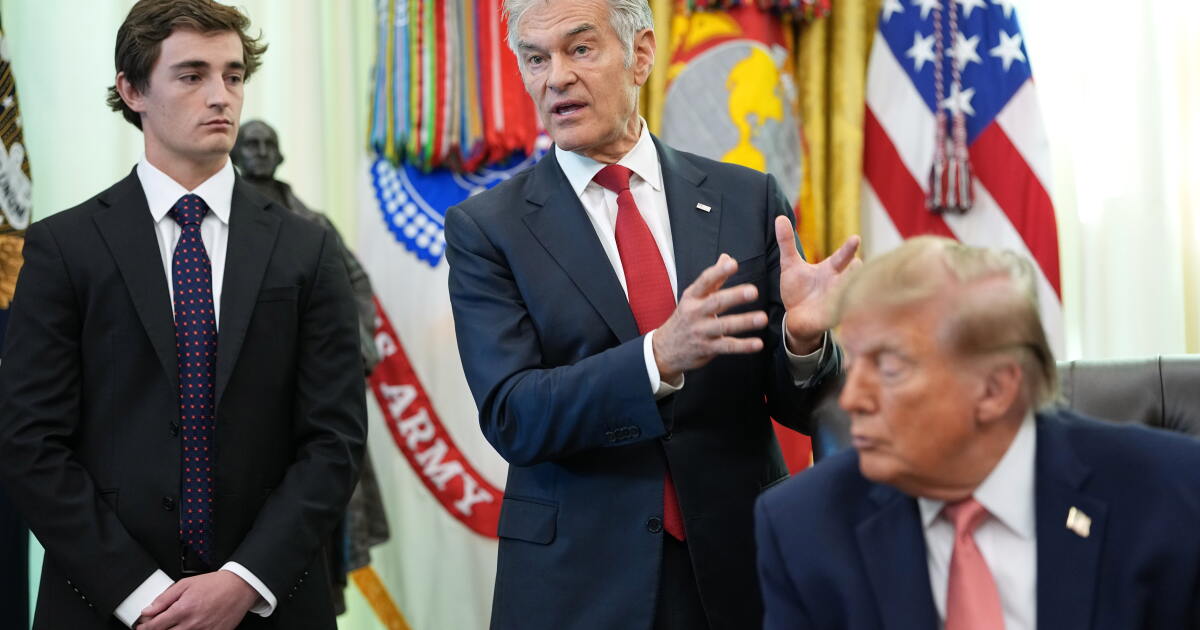
Dr. Mehmet Oz, the administrator for the Centers for Medicare and Medicaid Services, said federal officials took action after they grew concerned about the rapid expansion of California’s personal care services program in recent years. State officials were notified of the decision Tuesday, he said.
“California has been growing that program 24% in the last three years. That is twice the rate of every other state average in the country,” Oz said. “Impossible for us to understand how that could be so we are taking major action in California.”
Oz did not provide any evidence of fraud, but suggested the state was paying people too much taxpayer money to help with services that could be offered for free, like “paying somebody to carry groceries upstairs for your mom.”
“Many of you would carry groceries upstairs for your mom for free, but in California, they will pay you a lot of money for it,” he said.
The move is the latest in a series of effort by the administration to withhold federal money from California. In May, the administration held back $1.3 billion in Medicaid reimbursements to the state over concerns about “fraudsters” in the state’s hospice and in-home care programs. The efforts have been part of a broad effort by the administration to rein in fraud in federal healthcare benefits programs, particularly in Democrat-led states.
Gov. Gavin Newsom’s office did not immediately respond to a request seeking comment. But the office has been critical of the administration’s past efforts.
In May, Newsom’s office called the action to withhold funds for in-home care programs a “sick” and politically motivated attack on services that are meant to “keep seniors and people with disabilities OUT of nursing homes.”
Those services usually cover assistants who help people with daily tasks such as bathing, laundry or cooking. They also provide needed care such as injections under the direction of a medical professional. A 2020 report by the California state auditor found that nearly three-quarters of In-home Supportive Services caregivers assist a family member.
Newsom’s office, however, has argued that the program saves taxpayers money, saying IHSS care costs $30,000 a year, while nursing home care costs $137,000 a year.
California’s hospice industry has had problems in the past and authorities have tried to crack down on the issue. A Times investigation in 2020 found that providers were billing Medicare for hospice services and equipment for patients who were not actually dying while the industry boomed.
The Trump administration, led by Vice President JD Vance, have tried to focus attention on the issue of waste, fraud and abuse as a centerpiece policy platform to bring down healthcare costs.
On Tuesday, Trump and Vance announced a $25-million whistle-blower program designed to pay out cash to people who tip off the federal government about fraudsters. the program will offer a 1% commission to tip that lead to a successful conviction. Trump said he would be the sole arbitrator of who gets to keep the money.
“I’ll determine whether or not the person is deserving, and I will be very generous believe me. We are not looking to save on that,” Trump said. “I promise you I will be fair.”
Trump said the money will be handed out “expeditiously and fairly.”
“I promise there is nothing in this for me,” he said.
The White House referred comment about the decision to the Centers for Medicare & Medicaid Services. The federal agency did not immediately respond to a request for comment.

WASHINGTON — The Trump administration is deferring an additional $1.2 billion in Medicaid reimbursements to California, citing concerns about potential fraud in a state program that helps older adults and people with disabilities with everyday tasks.
Dr. Mehmet Oz, the administrator for the Centers for Medicare and Medicaid Services, said federal officials took action after they grew concerned about the rapid expansion of California’s personal care services program in recent years. State officials were notified of the decision Tuesday, he said.
“California has been growing that program 24% in the last three years. That is twice the rate of every other state average in the country,” Oz said. “Impossible for us to understand how that could be so we are taking major action in California.”
Oz did not provide any evidence of fraud, but suggested the state was paying people too much taxpayer money to help with services that could be offered for free, like “paying somebody to carry groceries upstairs for your mom.”
“Many of you would carry groceries upstairs for your mom for free, but in California, they will pay you a lot of money for it,” he said.
The move is the latest in a series of effort by the administration to withhold federal money from California. In May, the administration held back $1.3 billion in Medicaid reimbursements to the state over concerns about “fraudsters” in the state’s hospice and in-home care programs. The efforts have been part of a broad effort by the administration to rein in fraud in federal healthcare benefits programs, particularly in Democrat-led states.
Gov. Gavin Newsom’s office did not immediately respond to a request seeking comment. But the office has been critical of the administration’s past efforts.
In May, Newsom’s office called the action to withhold funds for in-home care programs a “sick” and politically motivated attack on services that are meant to “keep seniors and people with disabilities OUT of nursing homes.”
Those services usually cover assistants who help people with daily tasks such as bathing, laundry or cooking. They also provide needed care such as injections under the direction of a medical professional. A 2020 report by the California state auditor found that nearly three-quarters of In-home Supportive Services caregivers assist a family member.
Newsom’s office, however, has argued that the program saves taxpayers money, saying IHSS care costs $30,000 a year, while nursing home care costs $137,000 a year.
California’s hospice industry has had problems in the past and authorities have tried to crack down on the issue. A Times investigation in 2020 found that providers were billing Medicare for hospice services and equipment for patients who were not actually dying while the industry boomed.
The Trump administration, led by Vice President JD Vance, have tried to focus attention on the issue of waste, fraud and abuse as a centerpiece policy platform to bring down healthcare costs.
On Tuesday, Trump and Vance announced a $25-million whistle-blower program designed to pay out cash to people who tip off the federal government about fraudsters. the program will offer a 1% commission to tip that lead to a successful conviction. Trump said he would be the sole arbitrator of who gets to keep the money.
“I’ll determine whether or not the person is deserving, and I will be very generous believe me. We are not looking to save on that,” Trump said. “I promise you I will be fair.”
Trump said the money will be handed out “expeditiously and fairly.”
“I promise there is nothing in this for me,” he said.
The White House referred comment about the decision to the Centers for Medicare & Medicaid Services. The federal agency did not immediately respond to a request for comment.

WASHINGTON — The Trump administration is deferring an additional $1.2 billion in Medicaid reimbursements to California, citing concerns about potential fraud in a state program that helps older adults and people with disabilities with everyday tasks.
Dr. Mehmet Oz, the administrator for the Centers for Medicare and Medicaid Services, said federal officials took action after they grew concerned about the rapid expansion of California’s personal care services program in recent years. State officials were notified of the decision Tuesday, he said.
“California has been growing that program 24% in the last three years. That is twice the rate of every other state average in the country,” Oz said. “Impossible for us to understand how that could be so we are taking major action in California.”
Oz did not provide any evidence of fraud, but suggested the state was paying people too much taxpayer money to help with services that could be offered for free, like “paying somebody to carry groceries upstairs for your mom.”
“Many of you would carry groceries upstairs for your mom for free, but in California, they will pay you a lot of money for it,” he said.
The move is the latest in a series of effort by the administration to withhold federal money from California. In May, the administration held back $1.3 billion in Medicaid reimbursements to the state over concerns about “fraudsters” in the state’s hospice and in-home care programs. The efforts have been part of a broad effort by the administration to rein in fraud in federal healthcare benefits programs, particularly in Democrat-led states.
Gov. Gavin Newsom’s office did not immediately respond to a request seeking comment. But the office has been critical of the administration’s past efforts.
In May, Newsom’s office called the action to withhold funds for in-home care programs a “sick” and politically motivated attack on services that are meant to “keep seniors and people with disabilities OUT of nursing homes.”
Those services usually cover assistants who help people with daily tasks such as bathing, laundry or cooking. They also provide needed care such as injections under the direction of a medical professional. A 2020 report by the California state auditor found that nearly three-quarters of In-home Supportive Services caregivers assist a family member.
Newsom’s office, however, has argued that the program saves taxpayers money, saying IHSS care costs $30,000 a year, while nursing home care costs $137,000 a year.
California’s hospice industry has had problems in the past and authorities have tried to crack down on the issue. A Times investigation in 2020 found that providers were billing Medicare for hospice services and equipment for patients who were not actually dying while the industry boomed.
The Trump administration, led by Vice President JD Vance, have tried to focus attention on the issue of waste, fraud and abuse as a centerpiece policy platform to bring down healthcare costs.
On Tuesday, Trump and Vance announced a $25-million whistle-blower program designed to pay out cash to people who tip off the federal government about fraudsters. the program will offer a 1% commission to tip that lead to a successful conviction. Trump said he would be the sole arbitrator of who gets to keep the money.
“I’ll determine whether or not the person is deserving, and I will be very generous believe me. We are not looking to save on that,” Trump said. “I promise you I will be fair.”
Trump said the money will be handed out “expeditiously and fairly.”
“I promise there is nothing in this for me,” he said.
The White House referred comment about the decision to the Centers for Medicare & Medicaid Services. The federal agency did not immediately respond to a request for comment.

WASHINGTON — The Trump administration is deferring an additional $1.2 billion in Medicaid reimbursements to California, citing concerns about potential fraud in a state program that helps older adults and people with disabilities with everyday tasks.
Dr. Mehmet Oz, the administrator for the Centers for Medicare and Medicaid Services, said federal officials took action after they grew concerned about the rapid expansion of California’s personal care services program in recent years. State officials were notified of the decision Tuesday, he said.
“California has been growing that program 24% in the last three years. That is twice the rate of every other state average in the country,” Oz said. “Impossible for us to understand how that could be so we are taking major action in California.”
Oz did not provide any evidence of fraud, but suggested the state was paying people too much taxpayer money to help with services that could be offered for free, like “paying somebody to carry groceries upstairs for your mom.”
“Many of you would carry groceries upstairs for your mom for free, but in California, they will pay you a lot of money for it,” he said.
The move is the latest in a series of effort by the administration to withhold federal money from California. In May, the administration held back $1.3 billion in Medicaid reimbursements to the state over concerns about “fraudsters” in the state’s hospice and in-home care programs. The efforts have been part of a broad effort by the administration to rein in fraud in federal healthcare benefits programs, particularly in Democrat-led states.
Gov. Gavin Newsom’s office did not immediately respond to a request seeking comment. But the office has been critical of the administration’s past efforts.
In May, Newsom’s office called the action to withhold funds for in-home care programs a “sick” and politically motivated attack on services that are meant to “keep seniors and people with disabilities OUT of nursing homes.”
Those services usually cover assistants who help people with daily tasks such as bathing, laundry or cooking. They also provide needed care such as injections under the direction of a medical professional. A 2020 report by the California state auditor found that nearly three-quarters of In-home Supportive Services caregivers assist a family member.
Newsom’s office, however, has argued that the program saves taxpayers money, saying IHSS care costs $30,000 a year, while nursing home care costs $137,000 a year.
California’s hospice industry has had problems in the past and authorities have tried to crack down on the issue. A Times investigation in 2020 found that providers were billing Medicare for hospice services and equipment for patients who were not actually dying while the industry boomed.
The Trump administration, led by Vice President JD Vance, have tried to focus attention on the issue of waste, fraud and abuse as a centerpiece policy platform to bring down healthcare costs.
On Tuesday, Trump and Vance announced a $25-million whistle-blower program designed to pay out cash to people who tip off the federal government about fraudsters. the program will offer a 1% commission to tip that lead to a successful conviction. Trump said he would be the sole arbitrator of who gets to keep the money.
“I’ll determine whether or not the person is deserving, and I will be very generous believe me. We are not looking to save on that,” Trump said. “I promise you I will be fair.”
Trump said the money will be handed out “expeditiously and fairly.”
“I promise there is nothing in this for me,” he said.
The White House referred comment about the decision to the Centers for Medicare & Medicaid Services. The federal agency did not immediately respond to a request for comment.

WASHINGTON — The Trump administration is deferring an additional $1.2 billion in Medicaid reimbursements to California, citing concerns about potential fraud in a state program that helps older adults and people with disabilities with everyday tasks.
Dr. Mehmet Oz, the administrator for the Centers for Medicare and Medicaid Services, said federal officials took action after they grew concerned about the rapid expansion of California’s personal care services program in recent years. State officials were notified of the decision Tuesday, he said.
“California has been growing that program 24% in the last three years. That is twice the rate of every other state average in the country,” Oz said. “Impossible for us to understand how that could be so we are taking major action in California.”
Oz did not provide any evidence of fraud, but suggested the state was paying people too much taxpayer money to help with services that could be offered for free, like “paying somebody to carry groceries upstairs for your mom.”
“Many of you would carry groceries upstairs for your mom for free, but in California, they will pay you a lot of money for it,” he said.
The move is the latest in a series of effort by the administration to withhold federal money from California. In May, the administration held back $1.3 billion in Medicaid reimbursements to the state over concerns about “fraudsters” in the state’s hospice and in-home care programs. The efforts have been part of a broad effort by the administration to rein in fraud in federal healthcare benefits programs, particularly in Democrat-led states.
Gov. Gavin Newsom’s office did not immediately respond to a request seeking comment. But the office has been critical of the administration’s past efforts.
In May, Newsom’s office called the action to withhold funds for in-home care programs a “sick” and politically motivated attack on services that are meant to “keep seniors and people with disabilities OUT of nursing homes.”
Those services usually cover assistants who help people with daily tasks such as bathing, laundry or cooking. They also provide needed care such as injections under the direction of a medical professional. A 2020 report by the California state auditor found that nearly three-quarters of In-home Supportive Services caregivers assist a family member.
Newsom’s office, however, has argued that the program saves taxpayers money, saying IHSS care costs $30,000 a year, while nursing home care costs $137,000 a year.
California’s hospice industry has had problems in the past and authorities have tried to crack down on the issue. A Times investigation in 2020 found that providers were billing Medicare for hospice services and equipment for patients who were not actually dying while the industry boomed.
The Trump administration, led by Vice President JD Vance, have tried to focus attention on the issue of waste, fraud and abuse as a centerpiece policy platform to bring down healthcare costs.
On Tuesday, Trump and Vance announced a $25-million whistle-blower program designed to pay out cash to people who tip off the federal government about fraudsters. the program will offer a 1% commission to tip that lead to a successful conviction. Trump said he would be the sole arbitrator of who gets to keep the money.
“I’ll determine whether or not the person is deserving, and I will be very generous believe me. We are not looking to save on that,” Trump said. “I promise you I will be fair.”
Trump said the money will be handed out “expeditiously and fairly.”
“I promise there is nothing in this for me,” he said.
The White House referred comment about the decision to the Centers for Medicare & Medicaid Services. The federal agency did not immediately respond to a request for comment.

