

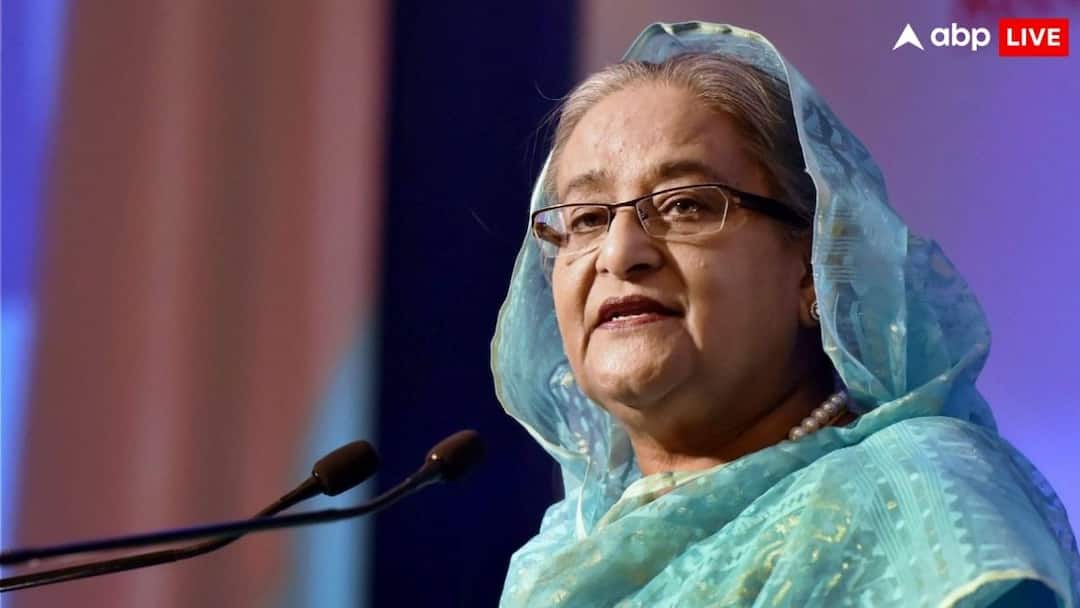
Former Prime Minister Sheikh Hasina has demanded that the death sentence handed to her last year be set aside as “legally void”, and that any further proceedings comply with international fair trial standards.
The demands were conveyed in a letter dated March 30, sent by her London-based solicitors Kingsley Napley to the International Crimes Tribunal (ICT) in Dhaka.
Hasina has been living in self-exile in India since August 2024, following the fall of her government after weeks of student-led protests.
Background Of Conviction
The ICT, a domestic war crimes court, sentenced Hasina to death on November 17 last year after convicting her of crimes against humanity during the 2024 crackdown on student-led protests.
She was also given a separate sentence of imprisonment until death for facilitating and failing to prevent crimes against civilians by law enforcement and Awami League cadres.
Key Demands In Letter
The letter included five demands, including that the verdict and sentence be “immediately set aside as legally void” and that no steps be taken to execute the death sentence, which it said would “constitute summary execution in violation of international law”.
It further stated that any proceedings must comply with international fair trial standards, including proper notification, disclosure of evidence, the opportunity for Hasina to defend herself with legal representation of her choosing, and a “trial before an independent and impartial tribunal”.
Concerns Over Safety And Legal Compliance
The letter called on the Bangladesh government to ensure the safety and security of lawyers and others associated with the Awami League who “face intimidation and violence”.
It also urged remedial action to ensure compliance with Bangladesh’s obligations under the International Covenant on Civil and Political Rights (ICCPR) and other international human rights instruments.
Objections To Trial Process
The letter cited “unlawful conduct of proceedings” in the ICT, stating that Hasina was “prosecuted and sentenced in absentia for capital offences in proceedings that are fundamentally incompatible with basic international standards for fairness and due process”.
It argued that the tribunal lacked judicial independence due to the reconstitution of its bench with judges having “overt political affiliations to opposition parties”. It also alleged “prosecutorial bias”, noting that the chief prosecutor had “clear political opposition ties”.
Further concerns included denial of due process, including failure to disclose evidence and provide an opportunity for defence, and a lack of jurisdiction, as the tribunal was originally set up to prosecute crimes linked to the 1971 liberation war.
Political Context And Extradition Issue
The development comes over a month after a new government led by Tarique Rahman of the Bangladesh Nationalist Party (BNP) took office in Dhaka.
Some Awami League leaders in self-exile in India and Europe are reportedly considering returning as part of efforts to revive the party.
India has not yet responded to several requests from Bangladesh seeking Hasina’s extradition.

Former Prime Minister Sheikh Hasina has demanded that the death sentence handed to her last year be set aside as “legally void”, and that any further proceedings comply with international fair trial standards.
The demands were conveyed in a letter dated March 30, sent by her London-based solicitors Kingsley Napley to the International Crimes Tribunal (ICT) in Dhaka.
Hasina has been living in self-exile in India since August 2024, following the fall of her government after weeks of student-led protests.
Background Of Conviction
The ICT, a domestic war crimes court, sentenced Hasina to death on November 17 last year after convicting her of crimes against humanity during the 2024 crackdown on student-led protests.
She was also given a separate sentence of imprisonment until death for facilitating and failing to prevent crimes against civilians by law enforcement and Awami League cadres.
Key Demands In Letter
The letter included five demands, including that the verdict and sentence be “immediately set aside as legally void” and that no steps be taken to execute the death sentence, which it said would “constitute summary execution in violation of international law”.
It further stated that any proceedings must comply with international fair trial standards, including proper notification, disclosure of evidence, the opportunity for Hasina to defend herself with legal representation of her choosing, and a “trial before an independent and impartial tribunal”.
Concerns Over Safety And Legal Compliance
The letter called on the Bangladesh government to ensure the safety and security of lawyers and others associated with the Awami League who “face intimidation and violence”.
It also urged remedial action to ensure compliance with Bangladesh’s obligations under the International Covenant on Civil and Political Rights (ICCPR) and other international human rights instruments.
Objections To Trial Process
The letter cited “unlawful conduct of proceedings” in the ICT, stating that Hasina was “prosecuted and sentenced in absentia for capital offences in proceedings that are fundamentally incompatible with basic international standards for fairness and due process”.
It argued that the tribunal lacked judicial independence due to the reconstitution of its bench with judges having “overt political affiliations to opposition parties”. It also alleged “prosecutorial bias”, noting that the chief prosecutor had “clear political opposition ties”.
Further concerns included denial of due process, including failure to disclose evidence and provide an opportunity for defence, and a lack of jurisdiction, as the tribunal was originally set up to prosecute crimes linked to the 1971 liberation war.
Political Context And Extradition Issue
The development comes over a month after a new government led by Tarique Rahman of the Bangladesh Nationalist Party (BNP) took office in Dhaka.
Some Awami League leaders in self-exile in India and Europe are reportedly considering returning as part of efforts to revive the party.
India has not yet responded to several requests from Bangladesh seeking Hasina’s extradition.

Former Prime Minister Sheikh Hasina has demanded that the death sentence handed to her last year be set aside as “legally void”, and that any further proceedings comply with international fair trial standards.
The demands were conveyed in a letter dated March 30, sent by her London-based solicitors Kingsley Napley to the International Crimes Tribunal (ICT) in Dhaka.
Hasina has been living in self-exile in India since August 2024, following the fall of her government after weeks of student-led protests.
Background Of Conviction
The ICT, a domestic war crimes court, sentenced Hasina to death on November 17 last year after convicting her of crimes against humanity during the 2024 crackdown on student-led protests.
She was also given a separate sentence of imprisonment until death for facilitating and failing to prevent crimes against civilians by law enforcement and Awami League cadres.
Key Demands In Letter
The letter included five demands, including that the verdict and sentence be “immediately set aside as legally void” and that no steps be taken to execute the death sentence, which it said would “constitute summary execution in violation of international law”.
It further stated that any proceedings must comply with international fair trial standards, including proper notification, disclosure of evidence, the opportunity for Hasina to defend herself with legal representation of her choosing, and a “trial before an independent and impartial tribunal”.
Concerns Over Safety And Legal Compliance
The letter called on the Bangladesh government to ensure the safety and security of lawyers and others associated with the Awami League who “face intimidation and violence”.
It also urged remedial action to ensure compliance with Bangladesh’s obligations under the International Covenant on Civil and Political Rights (ICCPR) and other international human rights instruments.
Objections To Trial Process
The letter cited “unlawful conduct of proceedings” in the ICT, stating that Hasina was “prosecuted and sentenced in absentia for capital offences in proceedings that are fundamentally incompatible with basic international standards for fairness and due process”.
It argued that the tribunal lacked judicial independence due to the reconstitution of its bench with judges having “overt political affiliations to opposition parties”. It also alleged “prosecutorial bias”, noting that the chief prosecutor had “clear political opposition ties”.
Further concerns included denial of due process, including failure to disclose evidence and provide an opportunity for defence, and a lack of jurisdiction, as the tribunal was originally set up to prosecute crimes linked to the 1971 liberation war.
Political Context And Extradition Issue
The development comes over a month after a new government led by Tarique Rahman of the Bangladesh Nationalist Party (BNP) took office in Dhaka.
Some Awami League leaders in self-exile in India and Europe are reportedly considering returning as part of efforts to revive the party.
India has not yet responded to several requests from Bangladesh seeking Hasina’s extradition.
Former Prime Minister Sheikh Hasina has demanded that the death sentence handed to her last year be set aside as “legally void”, and that any further proceedings comply with international fair trial standards.
The demands were conveyed in a letter dated March 30, sent by her London-based solicitors Kingsley Napley to the International Crimes Tribunal (ICT) in Dhaka.
Hasina has been living in self-exile in India since August 2024, following the fall of her government after weeks of student-led protests.
Background Of Conviction
The ICT, a domestic war crimes court, sentenced Hasina to death on November 17 last year after convicting her of crimes against humanity during the 2024 crackdown on student-led protests.
She was also given a separate sentence of imprisonment until death for facilitating and failing to prevent crimes against civilians by law enforcement and Awami League cadres.
Key Demands In Letter
The letter included five demands, including that the verdict and sentence be “immediately set aside as legally void” and that no steps be taken to execute the death sentence, which it said would “constitute summary execution in violation of international law”.
It further stated that any proceedings must comply with international fair trial standards, including proper notification, disclosure of evidence, the opportunity for Hasina to defend herself with legal representation of her choosing, and a “trial before an independent and impartial tribunal”.
Concerns Over Safety And Legal Compliance
The letter called on the Bangladesh government to ensure the safety and security of lawyers and others associated with the Awami League who “face intimidation and violence”.
It also urged remedial action to ensure compliance with Bangladesh’s obligations under the International Covenant on Civil and Political Rights (ICCPR) and other international human rights instruments.
Objections To Trial Process
The letter cited “unlawful conduct of proceedings” in the ICT, stating that Hasina was “prosecuted and sentenced in absentia for capital offences in proceedings that are fundamentally incompatible with basic international standards for fairness and due process”.
It argued that the tribunal lacked judicial independence due to the reconstitution of its bench with judges having “overt political affiliations to opposition parties”. It also alleged “prosecutorial bias”, noting that the chief prosecutor had “clear political opposition ties”.
Further concerns included denial of due process, including failure to disclose evidence and provide an opportunity for defence, and a lack of jurisdiction, as the tribunal was originally set up to prosecute crimes linked to the 1971 liberation war.
Political Context And Extradition Issue
The development comes over a month after a new government led by Tarique Rahman of the Bangladesh Nationalist Party (BNP) took office in Dhaka.
Some Awami League leaders in self-exile in India and Europe are reportedly considering returning as part of efforts to revive the party.
India has not yet responded to several requests from Bangladesh seeking Hasina’s extradition.

Former Prime Minister Sheikh Hasina has demanded that the death sentence handed to her last year be set aside as “legally void”, and that any further proceedings comply with international fair trial standards.
The demands were conveyed in a letter dated March 30, sent by her London-based solicitors Kingsley Napley to the International Crimes Tribunal (ICT) in Dhaka.
Hasina has been living in self-exile in India since August 2024, following the fall of her government after weeks of student-led protests.
Background Of Conviction
The ICT, a domestic war crimes court, sentenced Hasina to death on November 17 last year after convicting her of crimes against humanity during the 2024 crackdown on student-led protests.
She was also given a separate sentence of imprisonment until death for facilitating and failing to prevent crimes against civilians by law enforcement and Awami League cadres.
Key Demands In Letter
The letter included five demands, including that the verdict and sentence be “immediately set aside as legally void” and that no steps be taken to execute the death sentence, which it said would “constitute summary execution in violation of international law”.
It further stated that any proceedings must comply with international fair trial standards, including proper notification, disclosure of evidence, the opportunity for Hasina to defend herself with legal representation of her choosing, and a “trial before an independent and impartial tribunal”.
Concerns Over Safety And Legal Compliance
The letter called on the Bangladesh government to ensure the safety and security of lawyers and others associated with the Awami League who “face intimidation and violence”.
It also urged remedial action to ensure compliance with Bangladesh’s obligations under the International Covenant on Civil and Political Rights (ICCPR) and other international human rights instruments.
Objections To Trial Process
The letter cited “unlawful conduct of proceedings” in the ICT, stating that Hasina was “prosecuted and sentenced in absentia for capital offences in proceedings that are fundamentally incompatible with basic international standards for fairness and due process”.
It argued that the tribunal lacked judicial independence due to the reconstitution of its bench with judges having “overt political affiliations to opposition parties”. It also alleged “prosecutorial bias”, noting that the chief prosecutor had “clear political opposition ties”.
Further concerns included denial of due process, including failure to disclose evidence and provide an opportunity for defence, and a lack of jurisdiction, as the tribunal was originally set up to prosecute crimes linked to the 1971 liberation war.
Political Context And Extradition Issue
The development comes over a month after a new government led by Tarique Rahman of the Bangladesh Nationalist Party (BNP) took office in Dhaka.
Some Awami League leaders in self-exile in India and Europe are reportedly considering returning as part of efforts to revive the party.
India has not yet responded to several requests from Bangladesh seeking Hasina’s extradition.
Former Prime Minister Sheikh Hasina has demanded that the death sentence handed to her last year be set aside as “legally void”, and that any further proceedings comply with international fair trial standards.
The demands were conveyed in a letter dated March 30, sent by her London-based solicitors Kingsley Napley to the International Crimes Tribunal (ICT) in Dhaka.
Hasina has been living in self-exile in India since August 2024, following the fall of her government after weeks of student-led protests.
Background Of Conviction
The ICT, a domestic war crimes court, sentenced Hasina to death on November 17 last year after convicting her of crimes against humanity during the 2024 crackdown on student-led protests.
She was also given a separate sentence of imprisonment until death for facilitating and failing to prevent crimes against civilians by law enforcement and Awami League cadres.
Key Demands In Letter
The letter included five demands, including that the verdict and sentence be “immediately set aside as legally void” and that no steps be taken to execute the death sentence, which it said would “constitute summary execution in violation of international law”.
It further stated that any proceedings must comply with international fair trial standards, including proper notification, disclosure of evidence, the opportunity for Hasina to defend herself with legal representation of her choosing, and a “trial before an independent and impartial tribunal”.
Concerns Over Safety And Legal Compliance
The letter called on the Bangladesh government to ensure the safety and security of lawyers and others associated with the Awami League who “face intimidation and violence”.
It also urged remedial action to ensure compliance with Bangladesh’s obligations under the International Covenant on Civil and Political Rights (ICCPR) and other international human rights instruments.
Objections To Trial Process
The letter cited “unlawful conduct of proceedings” in the ICT, stating that Hasina was “prosecuted and sentenced in absentia for capital offences in proceedings that are fundamentally incompatible with basic international standards for fairness and due process”.
It argued that the tribunal lacked judicial independence due to the reconstitution of its bench with judges having “overt political affiliations to opposition parties”. It also alleged “prosecutorial bias”, noting that the chief prosecutor had “clear political opposition ties”.
Further concerns included denial of due process, including failure to disclose evidence and provide an opportunity for defence, and a lack of jurisdiction, as the tribunal was originally set up to prosecute crimes linked to the 1971 liberation war.
Political Context And Extradition Issue
The development comes over a month after a new government led by Tarique Rahman of the Bangladesh Nationalist Party (BNP) took office in Dhaka.
Some Awami League leaders in self-exile in India and Europe are reportedly considering returning as part of efforts to revive the party.
India has not yet responded to several requests from Bangladesh seeking Hasina’s extradition.
Former Prime Minister Sheikh Hasina has demanded that the death sentence handed to her last year be set aside as “legally void”, and that any further proceedings comply with international fair trial standards.
The demands were conveyed in a letter dated March 30, sent by her London-based solicitors Kingsley Napley to the International Crimes Tribunal (ICT) in Dhaka.
Hasina has been living in self-exile in India since August 2024, following the fall of her government after weeks of student-led protests.
Background Of Conviction
The ICT, a domestic war crimes court, sentenced Hasina to death on November 17 last year after convicting her of crimes against humanity during the 2024 crackdown on student-led protests.
She was also given a separate sentence of imprisonment until death for facilitating and failing to prevent crimes against civilians by law enforcement and Awami League cadres.
Key Demands In Letter
The letter included five demands, including that the verdict and sentence be “immediately set aside as legally void” and that no steps be taken to execute the death sentence, which it said would “constitute summary execution in violation of international law”.
It further stated that any proceedings must comply with international fair trial standards, including proper notification, disclosure of evidence, the opportunity for Hasina to defend herself with legal representation of her choosing, and a “trial before an independent and impartial tribunal”.
Concerns Over Safety And Legal Compliance
The letter called on the Bangladesh government to ensure the safety and security of lawyers and others associated with the Awami League who “face intimidation and violence”.
It also urged remedial action to ensure compliance with Bangladesh’s obligations under the International Covenant on Civil and Political Rights (ICCPR) and other international human rights instruments.
Objections To Trial Process
The letter cited “unlawful conduct of proceedings” in the ICT, stating that Hasina was “prosecuted and sentenced in absentia for capital offences in proceedings that are fundamentally incompatible with basic international standards for fairness and due process”.
It argued that the tribunal lacked judicial independence due to the reconstitution of its bench with judges having “overt political affiliations to opposition parties”. It also alleged “prosecutorial bias”, noting that the chief prosecutor had “clear political opposition ties”.
Further concerns included denial of due process, including failure to disclose evidence and provide an opportunity for defence, and a lack of jurisdiction, as the tribunal was originally set up to prosecute crimes linked to the 1971 liberation war.
Political Context And Extradition Issue
The development comes over a month after a new government led by Tarique Rahman of the Bangladesh Nationalist Party (BNP) took office in Dhaka.
Some Awami League leaders in self-exile in India and Europe are reportedly considering returning as part of efforts to revive the party.
India has not yet responded to several requests from Bangladesh seeking Hasina’s extradition.
Former Prime Minister Sheikh Hasina has demanded that the death sentence handed to her last year be set aside as “legally void”, and that any further proceedings comply with international fair trial standards.
The demands were conveyed in a letter dated March 30, sent by her London-based solicitors Kingsley Napley to the International Crimes Tribunal (ICT) in Dhaka.
Hasina has been living in self-exile in India since August 2024, following the fall of her government after weeks of student-led protests.
Background Of Conviction
The ICT, a domestic war crimes court, sentenced Hasina to death on November 17 last year after convicting her of crimes against humanity during the 2024 crackdown on student-led protests.
She was also given a separate sentence of imprisonment until death for facilitating and failing to prevent crimes against civilians by law enforcement and Awami League cadres.
Key Demands In Letter
The letter included five demands, including that the verdict and sentence be “immediately set aside as legally void” and that no steps be taken to execute the death sentence, which it said would “constitute summary execution in violation of international law”.
It further stated that any proceedings must comply with international fair trial standards, including proper notification, disclosure of evidence, the opportunity for Hasina to defend herself with legal representation of her choosing, and a “trial before an independent and impartial tribunal”.
Concerns Over Safety And Legal Compliance
The letter called on the Bangladesh government to ensure the safety and security of lawyers and others associated with the Awami League who “face intimidation and violence”.
It also urged remedial action to ensure compliance with Bangladesh’s obligations under the International Covenant on Civil and Political Rights (ICCPR) and other international human rights instruments.
Objections To Trial Process
The letter cited “unlawful conduct of proceedings” in the ICT, stating that Hasina was “prosecuted and sentenced in absentia for capital offences in proceedings that are fundamentally incompatible with basic international standards for fairness and due process”.
It argued that the tribunal lacked judicial independence due to the reconstitution of its bench with judges having “overt political affiliations to opposition parties”. It also alleged “prosecutorial bias”, noting that the chief prosecutor had “clear political opposition ties”.
Further concerns included denial of due process, including failure to disclose evidence and provide an opportunity for defence, and a lack of jurisdiction, as the tribunal was originally set up to prosecute crimes linked to the 1971 liberation war.
Political Context And Extradition Issue
The development comes over a month after a new government led by Tarique Rahman of the Bangladesh Nationalist Party (BNP) took office in Dhaka.
Some Awami League leaders in self-exile in India and Europe are reportedly considering returning as part of efforts to revive the party.
India has not yet responded to several requests from Bangladesh seeking Hasina’s extradition.

Former Prime Minister Sheikh Hasina has demanded that the death sentence handed to her last year be set aside as “legally void”, and that any further proceedings comply with international fair trial standards.
The demands were conveyed in a letter dated March 30, sent by her London-based solicitors Kingsley Napley to the International Crimes Tribunal (ICT) in Dhaka.
Hasina has been living in self-exile in India since August 2024, following the fall of her government after weeks of student-led protests.
Background Of Conviction
The ICT, a domestic war crimes court, sentenced Hasina to death on November 17 last year after convicting her of crimes against humanity during the 2024 crackdown on student-led protests.
She was also given a separate sentence of imprisonment until death for facilitating and failing to prevent crimes against civilians by law enforcement and Awami League cadres.
Key Demands In Letter
The letter included five demands, including that the verdict and sentence be “immediately set aside as legally void” and that no steps be taken to execute the death sentence, which it said would “constitute summary execution in violation of international law”.
It further stated that any proceedings must comply with international fair trial standards, including proper notification, disclosure of evidence, the opportunity for Hasina to defend herself with legal representation of her choosing, and a “trial before an independent and impartial tribunal”.
Concerns Over Safety And Legal Compliance
The letter called on the Bangladesh government to ensure the safety and security of lawyers and others associated with the Awami League who “face intimidation and violence”.
It also urged remedial action to ensure compliance with Bangladesh’s obligations under the International Covenant on Civil and Political Rights (ICCPR) and other international human rights instruments.
Objections To Trial Process
The letter cited “unlawful conduct of proceedings” in the ICT, stating that Hasina was “prosecuted and sentenced in absentia for capital offences in proceedings that are fundamentally incompatible with basic international standards for fairness and due process”.
It argued that the tribunal lacked judicial independence due to the reconstitution of its bench with judges having “overt political affiliations to opposition parties”. It also alleged “prosecutorial bias”, noting that the chief prosecutor had “clear political opposition ties”.
Further concerns included denial of due process, including failure to disclose evidence and provide an opportunity for defence, and a lack of jurisdiction, as the tribunal was originally set up to prosecute crimes linked to the 1971 liberation war.
Political Context And Extradition Issue
The development comes over a month after a new government led by Tarique Rahman of the Bangladesh Nationalist Party (BNP) took office in Dhaka.
Some Awami League leaders in self-exile in India and Europe are reportedly considering returning as part of efforts to revive the party.
India has not yet responded to several requests from Bangladesh seeking Hasina’s extradition.
Former Prime Minister Sheikh Hasina has demanded that the death sentence handed to her last year be set aside as “legally void”, and that any further proceedings comply with international fair trial standards.
The demands were conveyed in a letter dated March 30, sent by her London-based solicitors Kingsley Napley to the International Crimes Tribunal (ICT) in Dhaka.
Hasina has been living in self-exile in India since August 2024, following the fall of her government after weeks of student-led protests.
Background Of Conviction
The ICT, a domestic war crimes court, sentenced Hasina to death on November 17 last year after convicting her of crimes against humanity during the 2024 crackdown on student-led protests.
She was also given a separate sentence of imprisonment until death for facilitating and failing to prevent crimes against civilians by law enforcement and Awami League cadres.
Key Demands In Letter
The letter included five demands, including that the verdict and sentence be “immediately set aside as legally void” and that no steps be taken to execute the death sentence, which it said would “constitute summary execution in violation of international law”.
It further stated that any proceedings must comply with international fair trial standards, including proper notification, disclosure of evidence, the opportunity for Hasina to defend herself with legal representation of her choosing, and a “trial before an independent and impartial tribunal”.
Concerns Over Safety And Legal Compliance
The letter called on the Bangladesh government to ensure the safety and security of lawyers and others associated with the Awami League who “face intimidation and violence”.
It also urged remedial action to ensure compliance with Bangladesh’s obligations under the International Covenant on Civil and Political Rights (ICCPR) and other international human rights instruments.
Objections To Trial Process
The letter cited “unlawful conduct of proceedings” in the ICT, stating that Hasina was “prosecuted and sentenced in absentia for capital offences in proceedings that are fundamentally incompatible with basic international standards for fairness and due process”.
It argued that the tribunal lacked judicial independence due to the reconstitution of its bench with judges having “overt political affiliations to opposition parties”. It also alleged “prosecutorial bias”, noting that the chief prosecutor had “clear political opposition ties”.
Further concerns included denial of due process, including failure to disclose evidence and provide an opportunity for defence, and a lack of jurisdiction, as the tribunal was originally set up to prosecute crimes linked to the 1971 liberation war.
Political Context And Extradition Issue
The development comes over a month after a new government led by Tarique Rahman of the Bangladesh Nationalist Party (BNP) took office in Dhaka.
Some Awami League leaders in self-exile in India and Europe are reportedly considering returning as part of efforts to revive the party.
India has not yet responded to several requests from Bangladesh seeking Hasina’s extradition.
Former Prime Minister Sheikh Hasina has demanded that the death sentence handed to her last year be set aside as “legally void”, and that any further proceedings comply with international fair trial standards.
The demands were conveyed in a letter dated March 30, sent by her London-based solicitors Kingsley Napley to the International Crimes Tribunal (ICT) in Dhaka.
Hasina has been living in self-exile in India since August 2024, following the fall of her government after weeks of student-led protests.
Background Of Conviction
The ICT, a domestic war crimes court, sentenced Hasina to death on November 17 last year after convicting her of crimes against humanity during the 2024 crackdown on student-led protests.
She was also given a separate sentence of imprisonment until death for facilitating and failing to prevent crimes against civilians by law enforcement and Awami League cadres.
Key Demands In Letter
The letter included five demands, including that the verdict and sentence be “immediately set aside as legally void” and that no steps be taken to execute the death sentence, which it said would “constitute summary execution in violation of international law”.
It further stated that any proceedings must comply with international fair trial standards, including proper notification, disclosure of evidence, the opportunity for Hasina to defend herself with legal representation of her choosing, and a “trial before an independent and impartial tribunal”.
Concerns Over Safety And Legal Compliance
The letter called on the Bangladesh government to ensure the safety and security of lawyers and others associated with the Awami League who “face intimidation and violence”.
It also urged remedial action to ensure compliance with Bangladesh’s obligations under the International Covenant on Civil and Political Rights (ICCPR) and other international human rights instruments.
Objections To Trial Process
The letter cited “unlawful conduct of proceedings” in the ICT, stating that Hasina was “prosecuted and sentenced in absentia for capital offences in proceedings that are fundamentally incompatible with basic international standards for fairness and due process”.
It argued that the tribunal lacked judicial independence due to the reconstitution of its bench with judges having “overt political affiliations to opposition parties”. It also alleged “prosecutorial bias”, noting that the chief prosecutor had “clear political opposition ties”.
Further concerns included denial of due process, including failure to disclose evidence and provide an opportunity for defence, and a lack of jurisdiction, as the tribunal was originally set up to prosecute crimes linked to the 1971 liberation war.
Political Context And Extradition Issue
The development comes over a month after a new government led by Tarique Rahman of the Bangladesh Nationalist Party (BNP) took office in Dhaka.
Some Awami League leaders in self-exile in India and Europe are reportedly considering returning as part of efforts to revive the party.
India has not yet responded to several requests from Bangladesh seeking Hasina’s extradition.
Former Prime Minister Sheikh Hasina has demanded that the death sentence handed to her last year be set aside as “legally void”, and that any further proceedings comply with international fair trial standards.
The demands were conveyed in a letter dated March 30, sent by her London-based solicitors Kingsley Napley to the International Crimes Tribunal (ICT) in Dhaka.
Hasina has been living in self-exile in India since August 2024, following the fall of her government after weeks of student-led protests.
Background Of Conviction
The ICT, a domestic war crimes court, sentenced Hasina to death on November 17 last year after convicting her of crimes against humanity during the 2024 crackdown on student-led protests.
She was also given a separate sentence of imprisonment until death for facilitating and failing to prevent crimes against civilians by law enforcement and Awami League cadres.
Key Demands In Letter
The letter included five demands, including that the verdict and sentence be “immediately set aside as legally void” and that no steps be taken to execute the death sentence, which it said would “constitute summary execution in violation of international law”.
It further stated that any proceedings must comply with international fair trial standards, including proper notification, disclosure of evidence, the opportunity for Hasina to defend herself with legal representation of her choosing, and a “trial before an independent and impartial tribunal”.
Concerns Over Safety And Legal Compliance
The letter called on the Bangladesh government to ensure the safety and security of lawyers and others associated with the Awami League who “face intimidation and violence”.
It also urged remedial action to ensure compliance with Bangladesh’s obligations under the International Covenant on Civil and Political Rights (ICCPR) and other international human rights instruments.
Objections To Trial Process
The letter cited “unlawful conduct of proceedings” in the ICT, stating that Hasina was “prosecuted and sentenced in absentia for capital offences in proceedings that are fundamentally incompatible with basic international standards for fairness and due process”.
It argued that the tribunal lacked judicial independence due to the reconstitution of its bench with judges having “overt political affiliations to opposition parties”. It also alleged “prosecutorial bias”, noting that the chief prosecutor had “clear political opposition ties”.
Further concerns included denial of due process, including failure to disclose evidence and provide an opportunity for defence, and a lack of jurisdiction, as the tribunal was originally set up to prosecute crimes linked to the 1971 liberation war.
Political Context And Extradition Issue
The development comes over a month after a new government led by Tarique Rahman of the Bangladesh Nationalist Party (BNP) took office in Dhaka.
Some Awami League leaders in self-exile in India and Europe are reportedly considering returning as part of efforts to revive the party.
India has not yet responded to several requests from Bangladesh seeking Hasina’s extradition.
Former Prime Minister Sheikh Hasina has demanded that the death sentence handed to her last year be set aside as “legally void”, and that any further proceedings comply with international fair trial standards.
The demands were conveyed in a letter dated March 30, sent by her London-based solicitors Kingsley Napley to the International Crimes Tribunal (ICT) in Dhaka.
Hasina has been living in self-exile in India since August 2024, following the fall of her government after weeks of student-led protests.
Background Of Conviction
The ICT, a domestic war crimes court, sentenced Hasina to death on November 17 last year after convicting her of crimes against humanity during the 2024 crackdown on student-led protests.
She was also given a separate sentence of imprisonment until death for facilitating and failing to prevent crimes against civilians by law enforcement and Awami League cadres.
Key Demands In Letter
The letter included five demands, including that the verdict and sentence be “immediately set aside as legally void” and that no steps be taken to execute the death sentence, which it said would “constitute summary execution in violation of international law”.
It further stated that any proceedings must comply with international fair trial standards, including proper notification, disclosure of evidence, the opportunity for Hasina to defend herself with legal representation of her choosing, and a “trial before an independent and impartial tribunal”.
Concerns Over Safety And Legal Compliance
The letter called on the Bangladesh government to ensure the safety and security of lawyers and others associated with the Awami League who “face intimidation and violence”.
It also urged remedial action to ensure compliance with Bangladesh’s obligations under the International Covenant on Civil and Political Rights (ICCPR) and other international human rights instruments.
Objections To Trial Process
The letter cited “unlawful conduct of proceedings” in the ICT, stating that Hasina was “prosecuted and sentenced in absentia for capital offences in proceedings that are fundamentally incompatible with basic international standards for fairness and due process”.
It argued that the tribunal lacked judicial independence due to the reconstitution of its bench with judges having “overt political affiliations to opposition parties”. It also alleged “prosecutorial bias”, noting that the chief prosecutor had “clear political opposition ties”.
Further concerns included denial of due process, including failure to disclose evidence and provide an opportunity for defence, and a lack of jurisdiction, as the tribunal was originally set up to prosecute crimes linked to the 1971 liberation war.
Political Context And Extradition Issue
The development comes over a month after a new government led by Tarique Rahman of the Bangladesh Nationalist Party (BNP) took office in Dhaka.
Some Awami League leaders in self-exile in India and Europe are reportedly considering returning as part of efforts to revive the party.
India has not yet responded to several requests from Bangladesh seeking Hasina’s extradition.
Former Prime Minister Sheikh Hasina has demanded that the death sentence handed to her last year be set aside as “legally void”, and that any further proceedings comply with international fair trial standards.
The demands were conveyed in a letter dated March 30, sent by her London-based solicitors Kingsley Napley to the International Crimes Tribunal (ICT) in Dhaka.
Hasina has been living in self-exile in India since August 2024, following the fall of her government after weeks of student-led protests.
Background Of Conviction
The ICT, a domestic war crimes court, sentenced Hasina to death on November 17 last year after convicting her of crimes against humanity during the 2024 crackdown on student-led protests.
She was also given a separate sentence of imprisonment until death for facilitating and failing to prevent crimes against civilians by law enforcement and Awami League cadres.
Key Demands In Letter
The letter included five demands, including that the verdict and sentence be “immediately set aside as legally void” and that no steps be taken to execute the death sentence, which it said would “constitute summary execution in violation of international law”.
It further stated that any proceedings must comply with international fair trial standards, including proper notification, disclosure of evidence, the opportunity for Hasina to defend herself with legal representation of her choosing, and a “trial before an independent and impartial tribunal”.
Concerns Over Safety And Legal Compliance
The letter called on the Bangladesh government to ensure the safety and security of lawyers and others associated with the Awami League who “face intimidation and violence”.
It also urged remedial action to ensure compliance with Bangladesh’s obligations under the International Covenant on Civil and Political Rights (ICCPR) and other international human rights instruments.
Objections To Trial Process
The letter cited “unlawful conduct of proceedings” in the ICT, stating that Hasina was “prosecuted and sentenced in absentia for capital offences in proceedings that are fundamentally incompatible with basic international standards for fairness and due process”.
It argued that the tribunal lacked judicial independence due to the reconstitution of its bench with judges having “overt political affiliations to opposition parties”. It also alleged “prosecutorial bias”, noting that the chief prosecutor had “clear political opposition ties”.
Further concerns included denial of due process, including failure to disclose evidence and provide an opportunity for defence, and a lack of jurisdiction, as the tribunal was originally set up to prosecute crimes linked to the 1971 liberation war.
Political Context And Extradition Issue
The development comes over a month after a new government led by Tarique Rahman of the Bangladesh Nationalist Party (BNP) took office in Dhaka.
Some Awami League leaders in self-exile in India and Europe are reportedly considering returning as part of efforts to revive the party.
India has not yet responded to several requests from Bangladesh seeking Hasina’s extradition.
Former Prime Minister Sheikh Hasina has demanded that the death sentence handed to her last year be set aside as “legally void”, and that any further proceedings comply with international fair trial standards.
The demands were conveyed in a letter dated March 30, sent by her London-based solicitors Kingsley Napley to the International Crimes Tribunal (ICT) in Dhaka.
Hasina has been living in self-exile in India since August 2024, following the fall of her government after weeks of student-led protests.
Background Of Conviction
The ICT, a domestic war crimes court, sentenced Hasina to death on November 17 last year after convicting her of crimes against humanity during the 2024 crackdown on student-led protests.
She was also given a separate sentence of imprisonment until death for facilitating and failing to prevent crimes against civilians by law enforcement and Awami League cadres.
Key Demands In Letter
The letter included five demands, including that the verdict and sentence be “immediately set aside as legally void” and that no steps be taken to execute the death sentence, which it said would “constitute summary execution in violation of international law”.
It further stated that any proceedings must comply with international fair trial standards, including proper notification, disclosure of evidence, the opportunity for Hasina to defend herself with legal representation of her choosing, and a “trial before an independent and impartial tribunal”.
Concerns Over Safety And Legal Compliance
The letter called on the Bangladesh government to ensure the safety and security of lawyers and others associated with the Awami League who “face intimidation and violence”.
It also urged remedial action to ensure compliance with Bangladesh’s obligations under the International Covenant on Civil and Political Rights (ICCPR) and other international human rights instruments.
Objections To Trial Process
The letter cited “unlawful conduct of proceedings” in the ICT, stating that Hasina was “prosecuted and sentenced in absentia for capital offences in proceedings that are fundamentally incompatible with basic international standards for fairness and due process”.
It argued that the tribunal lacked judicial independence due to the reconstitution of its bench with judges having “overt political affiliations to opposition parties”. It also alleged “prosecutorial bias”, noting that the chief prosecutor had “clear political opposition ties”.
Further concerns included denial of due process, including failure to disclose evidence and provide an opportunity for defence, and a lack of jurisdiction, as the tribunal was originally set up to prosecute crimes linked to the 1971 liberation war.
Political Context And Extradition Issue
The development comes over a month after a new government led by Tarique Rahman of the Bangladesh Nationalist Party (BNP) took office in Dhaka.
Some Awami League leaders in self-exile in India and Europe are reportedly considering returning as part of efforts to revive the party.
India has not yet responded to several requests from Bangladesh seeking Hasina’s extradition.
Former Prime Minister Sheikh Hasina has demanded that the death sentence handed to her last year be set aside as “legally void”, and that any further proceedings comply with international fair trial standards.
The demands were conveyed in a letter dated March 30, sent by her London-based solicitors Kingsley Napley to the International Crimes Tribunal (ICT) in Dhaka.
Hasina has been living in self-exile in India since August 2024, following the fall of her government after weeks of student-led protests.
Background Of Conviction
The ICT, a domestic war crimes court, sentenced Hasina to death on November 17 last year after convicting her of crimes against humanity during the 2024 crackdown on student-led protests.
She was also given a separate sentence of imprisonment until death for facilitating and failing to prevent crimes against civilians by law enforcement and Awami League cadres.
Key Demands In Letter
The letter included five demands, including that the verdict and sentence be “immediately set aside as legally void” and that no steps be taken to execute the death sentence, which it said would “constitute summary execution in violation of international law”.
It further stated that any proceedings must comply with international fair trial standards, including proper notification, disclosure of evidence, the opportunity for Hasina to defend herself with legal representation of her choosing, and a “trial before an independent and impartial tribunal”.
Concerns Over Safety And Legal Compliance
The letter called on the Bangladesh government to ensure the safety and security of lawyers and others associated with the Awami League who “face intimidation and violence”.
It also urged remedial action to ensure compliance with Bangladesh’s obligations under the International Covenant on Civil and Political Rights (ICCPR) and other international human rights instruments.
Objections To Trial Process
The letter cited “unlawful conduct of proceedings” in the ICT, stating that Hasina was “prosecuted and sentenced in absentia for capital offences in proceedings that are fundamentally incompatible with basic international standards for fairness and due process”.
It argued that the tribunal lacked judicial independence due to the reconstitution of its bench with judges having “overt political affiliations to opposition parties”. It also alleged “prosecutorial bias”, noting that the chief prosecutor had “clear political opposition ties”.
Further concerns included denial of due process, including failure to disclose evidence and provide an opportunity for defence, and a lack of jurisdiction, as the tribunal was originally set up to prosecute crimes linked to the 1971 liberation war.
Political Context And Extradition Issue
The development comes over a month after a new government led by Tarique Rahman of the Bangladesh Nationalist Party (BNP) took office in Dhaka.
Some Awami League leaders in self-exile in India and Europe are reportedly considering returning as part of efforts to revive the party.
India has not yet responded to several requests from Bangladesh seeking Hasina’s extradition.

