

WASHINGTON — The Supreme Court announced Friday it will rule on President Trump’s ban on asylum claims at the southern border, testing a key part of his hard-line policy on immigration.
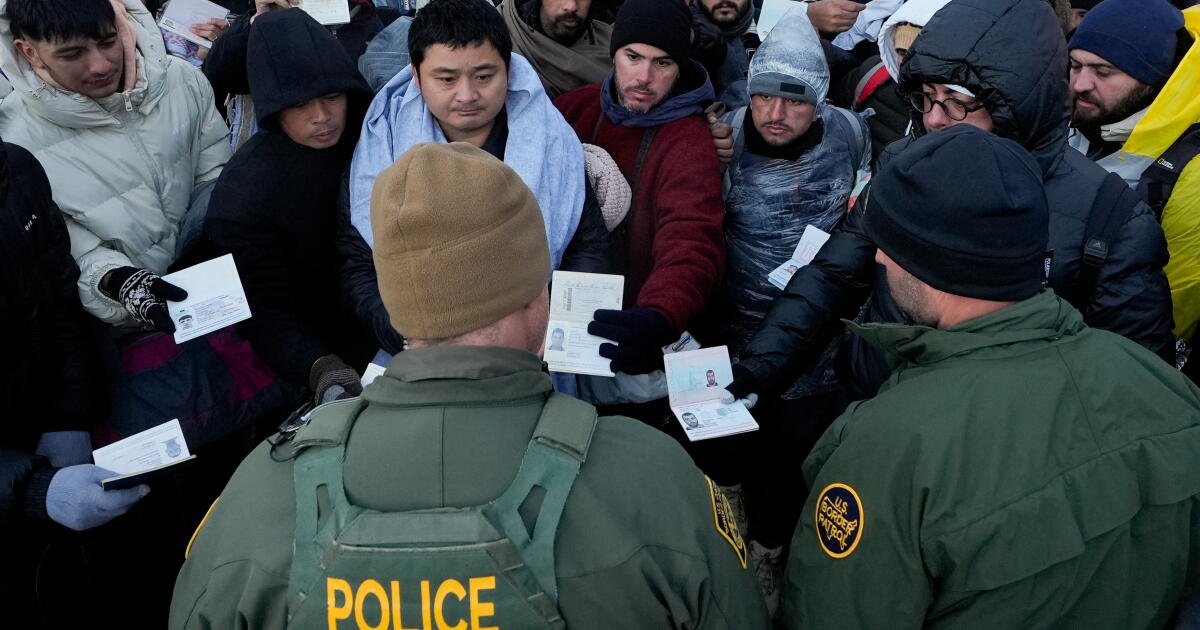
At issue is a clash between the promise of asylum for those fleeing persecution and the reality of a border overwhelmed by hundreds of thousands who arrived seeking to apply.
Trump’s lawyers said his ban on asylum claims in January 2025 was his “single most effective policy” in ending the chaos along the border.
“Over preceding four years, at least eight million illegal aliens were encountered along the southern border,” Solicitor Gen. D. John Sauer told the court, “and countless millions more evaded detection and illegally entered the United States.”
The sheer numbers of people coming to the border had “overwhelmed the system,” making it impossible for U.S. officials to screen and interview asylum seekers, he said. Lacking facilities to detain applicants, most were released into the country.
But the American Civil Liberties Union and other immigration rights advocates said the right of individuals to seek asylum was recognized in U.S. law and could not be abolished.
The law authorizes asylum for people who can demonstrate they are fleeing persecution based on race, religion, nationality or belonging to a particular social or political group.
Federal judges in Washington agreed that asylum must be preserved. They said immigration officials were free to reject claims for asylum but they could not eliminate the right for the entire category of potential applicants.
However, their ruling was put on hold while the administration appealed to the Supreme Court.
“The president does not have the right to unilaterally override the protections Congress has afforded those fleeing danger,” said Lee Gelernt, lead counsel and deputy director of the ACLU’s Immigrants’ Rights Project. “The courts are right to reject this unprecedented power grab that would put countless lives in danger. We look forward to making our case before the Supreme Court.”
Keren Zwick, executive director of the National Immigrant Justice Center, said the plaintiffs in the case “fled persecution and torture, including political imprisonment and threats from the Taliban. Yet, the Trump administration refused to honor its obligation to consider them for asylum.”
Instead, some of them “were removed to third countries and then pushed back to the very place they fled. This vicious attack on due process and human rights has put thousands of lives in danger.”
Federal immigration law gives the president broad authority to close the border to most migrants.
It says he “may by proclamation, and for such period as he shall deem necessary, suspend the entry of all aliens or any class of aliens as immigrants or nonimmigrants, or impose on the entry of aliens any restrictions he may deem to be appropriate.”
The court said it would hear the case of Mullin vs. Refugee and Immigrant Center early next year and rule by June.

WASHINGTON — The Supreme Court announced Friday it will rule on President Trump’s ban on asylum claims at the southern border, testing a key part of his hard-line policy on immigration.
At issue is a clash between the promise of asylum for those fleeing persecution and the reality of a border overwhelmed by hundreds of thousands who arrived seeking to apply.
Trump’s lawyers said his ban on asylum claims in January 2025 was his “single most effective policy” in ending the chaos along the border.
“Over preceding four years, at least eight million illegal aliens were encountered along the southern border,” Solicitor Gen. D. John Sauer told the court, “and countless millions more evaded detection and illegally entered the United States.”
The sheer numbers of people coming to the border had “overwhelmed the system,” making it impossible for U.S. officials to screen and interview asylum seekers, he said. Lacking facilities to detain applicants, most were released into the country.
But the American Civil Liberties Union and other immigration rights advocates said the right of individuals to seek asylum was recognized in U.S. law and could not be abolished.
The law authorizes asylum for people who can demonstrate they are fleeing persecution based on race, religion, nationality or belonging to a particular social or political group.
Federal judges in Washington agreed that asylum must be preserved. They said immigration officials were free to reject claims for asylum but they could not eliminate the right for the entire category of potential applicants.
However, their ruling was put on hold while the administration appealed to the Supreme Court.
“The president does not have the right to unilaterally override the protections Congress has afforded those fleeing danger,” said Lee Gelernt, lead counsel and deputy director of the ACLU’s Immigrants’ Rights Project. “The courts are right to reject this unprecedented power grab that would put countless lives in danger. We look forward to making our case before the Supreme Court.”
Keren Zwick, executive director of the National Immigrant Justice Center, said the plaintiffs in the case “fled persecution and torture, including political imprisonment and threats from the Taliban. Yet, the Trump administration refused to honor its obligation to consider them for asylum.”
Instead, some of them “were removed to third countries and then pushed back to the very place they fled. This vicious attack on due process and human rights has put thousands of lives in danger.”
Federal immigration law gives the president broad authority to close the border to most migrants.
It says he “may by proclamation, and for such period as he shall deem necessary, suspend the entry of all aliens or any class of aliens as immigrants or nonimmigrants, or impose on the entry of aliens any restrictions he may deem to be appropriate.”
The court said it would hear the case of Mullin vs. Refugee and Immigrant Center early next year and rule by June.

WASHINGTON — The Supreme Court announced Friday it will rule on President Trump’s ban on asylum claims at the southern border, testing a key part of his hard-line policy on immigration.
At issue is a clash between the promise of asylum for those fleeing persecution and the reality of a border overwhelmed by hundreds of thousands who arrived seeking to apply.
Trump’s lawyers said his ban on asylum claims in January 2025 was his “single most effective policy” in ending the chaos along the border.
“Over preceding four years, at least eight million illegal aliens were encountered along the southern border,” Solicitor Gen. D. John Sauer told the court, “and countless millions more evaded detection and illegally entered the United States.”
The sheer numbers of people coming to the border had “overwhelmed the system,” making it impossible for U.S. officials to screen and interview asylum seekers, he said. Lacking facilities to detain applicants, most were released into the country.
But the American Civil Liberties Union and other immigration rights advocates said the right of individuals to seek asylum was recognized in U.S. law and could not be abolished.
The law authorizes asylum for people who can demonstrate they are fleeing persecution based on race, religion, nationality or belonging to a particular social or political group.
Federal judges in Washington agreed that asylum must be preserved. They said immigration officials were free to reject claims for asylum but they could not eliminate the right for the entire category of potential applicants.
However, their ruling was put on hold while the administration appealed to the Supreme Court.
“The president does not have the right to unilaterally override the protections Congress has afforded those fleeing danger,” said Lee Gelernt, lead counsel and deputy director of the ACLU’s Immigrants’ Rights Project. “The courts are right to reject this unprecedented power grab that would put countless lives in danger. We look forward to making our case before the Supreme Court.”
Keren Zwick, executive director of the National Immigrant Justice Center, said the plaintiffs in the case “fled persecution and torture, including political imprisonment and threats from the Taliban. Yet, the Trump administration refused to honor its obligation to consider them for asylum.”
Instead, some of them “were removed to third countries and then pushed back to the very place they fled. This vicious attack on due process and human rights has put thousands of lives in danger.”
Federal immigration law gives the president broad authority to close the border to most migrants.
It says he “may by proclamation, and for such period as he shall deem necessary, suspend the entry of all aliens or any class of aliens as immigrants or nonimmigrants, or impose on the entry of aliens any restrictions he may deem to be appropriate.”
The court said it would hear the case of Mullin vs. Refugee and Immigrant Center early next year and rule by June.

WASHINGTON — The Supreme Court announced Friday it will rule on President Trump’s ban on asylum claims at the southern border, testing a key part of his hard-line policy on immigration.
At issue is a clash between the promise of asylum for those fleeing persecution and the reality of a border overwhelmed by hundreds of thousands who arrived seeking to apply.
Trump’s lawyers said his ban on asylum claims in January 2025 was his “single most effective policy” in ending the chaos along the border.
“Over preceding four years, at least eight million illegal aliens were encountered along the southern border,” Solicitor Gen. D. John Sauer told the court, “and countless millions more evaded detection and illegally entered the United States.”
The sheer numbers of people coming to the border had “overwhelmed the system,” making it impossible for U.S. officials to screen and interview asylum seekers, he said. Lacking facilities to detain applicants, most were released into the country.
But the American Civil Liberties Union and other immigration rights advocates said the right of individuals to seek asylum was recognized in U.S. law and could not be abolished.
The law authorizes asylum for people who can demonstrate they are fleeing persecution based on race, religion, nationality or belonging to a particular social or political group.
Federal judges in Washington agreed that asylum must be preserved. They said immigration officials were free to reject claims for asylum but they could not eliminate the right for the entire category of potential applicants.
However, their ruling was put on hold while the administration appealed to the Supreme Court.
“The president does not have the right to unilaterally override the protections Congress has afforded those fleeing danger,” said Lee Gelernt, lead counsel and deputy director of the ACLU’s Immigrants’ Rights Project. “The courts are right to reject this unprecedented power grab that would put countless lives in danger. We look forward to making our case before the Supreme Court.”
Keren Zwick, executive director of the National Immigrant Justice Center, said the plaintiffs in the case “fled persecution and torture, including political imprisonment and threats from the Taliban. Yet, the Trump administration refused to honor its obligation to consider them for asylum.”
Instead, some of them “were removed to third countries and then pushed back to the very place they fled. This vicious attack on due process and human rights has put thousands of lives in danger.”
Federal immigration law gives the president broad authority to close the border to most migrants.
It says he “may by proclamation, and for such period as he shall deem necessary, suspend the entry of all aliens or any class of aliens as immigrants or nonimmigrants, or impose on the entry of aliens any restrictions he may deem to be appropriate.”
The court said it would hear the case of Mullin vs. Refugee and Immigrant Center early next year and rule by June.

WASHINGTON — The Supreme Court announced Friday it will rule on President Trump’s ban on asylum claims at the southern border, testing a key part of his hard-line policy on immigration.
At issue is a clash between the promise of asylum for those fleeing persecution and the reality of a border overwhelmed by hundreds of thousands who arrived seeking to apply.
Trump’s lawyers said his ban on asylum claims in January 2025 was his “single most effective policy” in ending the chaos along the border.
“Over preceding four years, at least eight million illegal aliens were encountered along the southern border,” Solicitor Gen. D. John Sauer told the court, “and countless millions more evaded detection and illegally entered the United States.”
The sheer numbers of people coming to the border had “overwhelmed the system,” making it impossible for U.S. officials to screen and interview asylum seekers, he said. Lacking facilities to detain applicants, most were released into the country.
But the American Civil Liberties Union and other immigration rights advocates said the right of individuals to seek asylum was recognized in U.S. law and could not be abolished.
The law authorizes asylum for people who can demonstrate they are fleeing persecution based on race, religion, nationality or belonging to a particular social or political group.
Federal judges in Washington agreed that asylum must be preserved. They said immigration officials were free to reject claims for asylum but they could not eliminate the right for the entire category of potential applicants.
However, their ruling was put on hold while the administration appealed to the Supreme Court.
“The president does not have the right to unilaterally override the protections Congress has afforded those fleeing danger,” said Lee Gelernt, lead counsel and deputy director of the ACLU’s Immigrants’ Rights Project. “The courts are right to reject this unprecedented power grab that would put countless lives in danger. We look forward to making our case before the Supreme Court.”
Keren Zwick, executive director of the National Immigrant Justice Center, said the plaintiffs in the case “fled persecution and torture, including political imprisonment and threats from the Taliban. Yet, the Trump administration refused to honor its obligation to consider them for asylum.”
Instead, some of them “were removed to third countries and then pushed back to the very place they fled. This vicious attack on due process and human rights has put thousands of lives in danger.”
Federal immigration law gives the president broad authority to close the border to most migrants.
It says he “may by proclamation, and for such period as he shall deem necessary, suspend the entry of all aliens or any class of aliens as immigrants or nonimmigrants, or impose on the entry of aliens any restrictions he may deem to be appropriate.”
The court said it would hear the case of Mullin vs. Refugee and Immigrant Center early next year and rule by June.

