

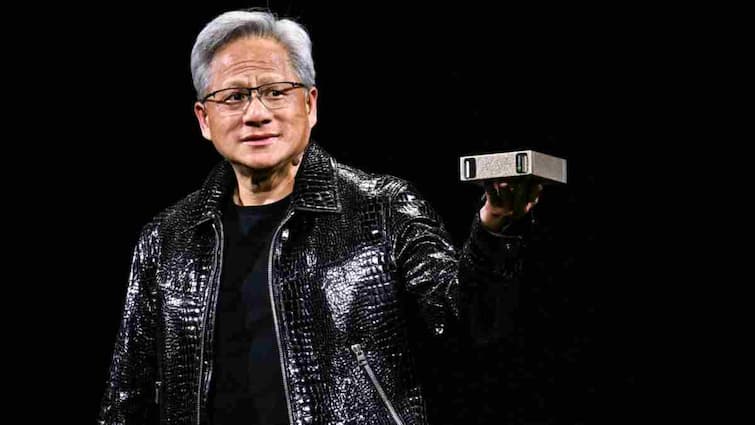
- Chinese university bought restricted Nvidia AI chips via reseller.
- Purchase raises questions about US export control effectiveness.
- University blacklisted since 2001 for military research links.
- Nvidia CEO faces scrutiny regarding China AI chip exports.
A Chinese university with links to the country’s military has purchased two of Nvidia’s powerful H200 artificial intelligence chips despite being on a US export blacklist, according to procurement records. The transaction has raised questions about the effectiveness of Washington’s restrictions on China’s access to advanced technology.
Northwestern Polytechnical University bought the two processors for 874,700 yuan ($123,000) through a local reseller, according to a procurement record dated October 21. The purchase comes as Nvidia CEO Jensen Huang faces growing scrutiny in Washington over his push for easing restrictions on AI chip exports to China.
University Acquired H200 Chips Through Local Reseller
The university purchased the processors for its management school from Shaanxi Bosuan Network Technology, rather than directly from Nvidia, the records show.

The H200 is among Nvidia’s most powerful processors for training and running advanced AI systems. Exports to China require US approval, with licences generally denied for institutions on the country’s Entity List.
The latest purchase was not the university’s only route to accessing the restricted chips. Procurement records show it also obtained access to H200 processors and other high-performance Nvidia chips through five contracts this year with Chinese companies offering rented computing capacity.

ALSO READ: Nvidia Hires Top US Law Firm To Investigate CEO Jensen Huang’s Alleged Affair With Chinese Spy
Why Is Northwestern Polytechnical University Blacklisted?
Based in Xi’an, Northwestern Polytechnical University is part of China’s ‘Seven Sons of National Defense’, a group of universities with close links to the country’s defence sector.

Its research includes military aircraft, missiles and satellites. The US Commerce Department added the institution to its Entity List in 2001 over alleged involvement in missile proliferation and military research.
Restrictions were tightened in 2019, making exports of controlled American technology to the university subject to a policy of denial in most circumstances.
US Export Rules And H200 Sales To China
The administration of US President Donald Trump began permitting certain H200 exports to China on a case-by-case basis in January. However, the policy did not lift the separate restrictions applicable to entities on the US blacklist.
The licensing framework also requires safeguards to prevent blacklisted organisations and military end-users from remotely accessing chips exported under the policy.
Jensen Huang Faces Congressional Scrutiny
The development comes as Nvidia CEO Jensen Huang faces pressure from US lawmakers over his support for easing restrictions on AI chip sales to China.
Huang has argued that allowing American companies to continue selling chips to Chinese customers would help preserve US technological leadership and keep those customers dependent on American technology.

However, lawmakers from both parties have raised concerns that access to advanced Nvidia processors could accelerate China’s development of AI systems for weapons design, intelligence analysis and military modernisation.
Three Republican congressional committee chairmen have sought a briefing with Huang on November 18 over his reported contacts with an alleged Chinese intelligence operative. Lawmakers have also called for stronger safeguards, including chip-tracking requirements and greater congressional oversight of exports.
ALSO READ: OPINION | India Flexes Muscle In South China Sea
Reuters Finds Wider Access Through Chinese Suppliers
A Reuters review of 26 Chinese procurement and corporate records from this year found several instances of universities and research institutions obtaining US-restricted Nvidia chips or renting computing services powered by them through domestic suppliers.
Some of the institutions had links to China’s defence industry or military research.
Northwestern Polytechnical University, Nvidia and the US Commerce Department’s Bureau of Industry and Security, which oversees export controls, did not respond to Reuters’ requests for comment. Reuters said it could not establish contact details for Shaanxi Bosuan Network Technology, the reseller involved in the direct purchase.

