


Washington DC
New York
Toronto
Distribution: (800) 510 9863
Press ID
  • Login
Binghamton Herald
Advertisement
Thursday, September 3, 2026
  • Home
  • World
  • Politics
  • Business
  • Technology
  • Culture
  • Health
  • Entertainment
  • Trending
No Result
View All Result
Binghamton Herald
No Result
View All Result
Home Business

Apple, Google rename Lake Ontario to Lake America after Trump order

by Binghamton Herald Report
September 2, 2026
in Business
Share on FacebookShare on Twitter

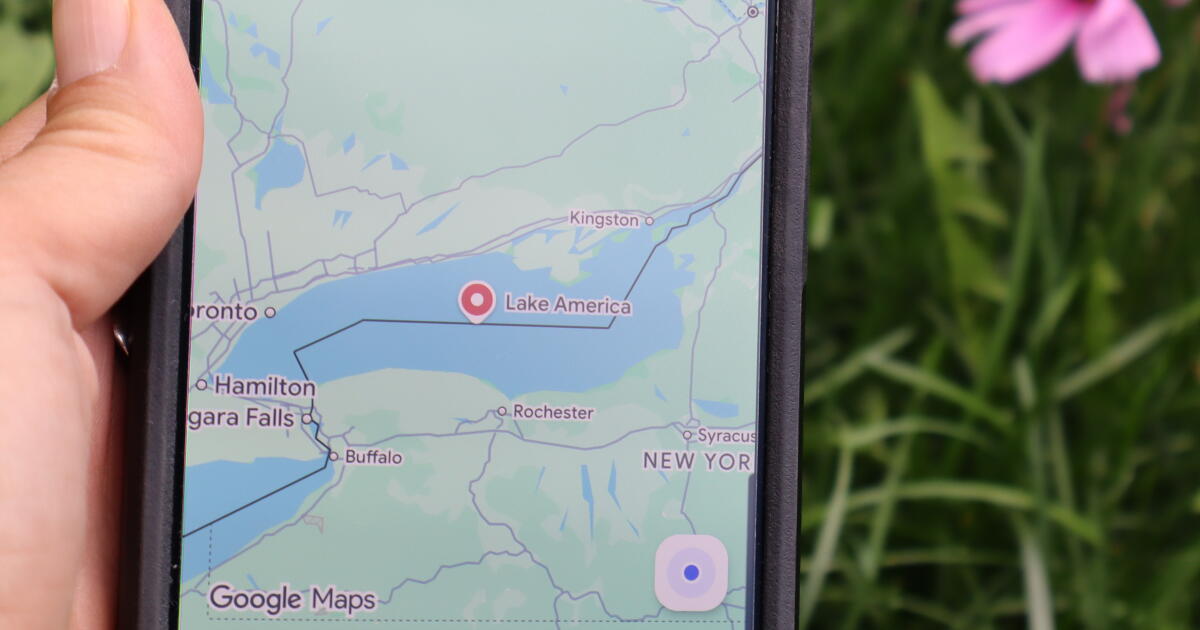
Silicon Valley tech companies Apple and Google changed the name of Lake Ontario to Lake America on their maps after an executive order from President Trump.

Last week, Trump signed an executive order to rename the lake amid the escalating U.S.-Canada trade war.

Google, followed by Apple, renamed the Great Lake, which borders New York state and Canada’s Ontario province, for U.S. users. Canadian users of the two map services still will see the name Lake Ontario. Both names are displayed for the rest of the world.

MapQuest decided not to rename the lake, stating in a viral social media post that it is “aware that Lake Ontario is being correctly labeled on our map.”

MapQuest — a navigation app that describes itself as the “OG of online mapping” — shot up to the top of Apple’s charts for free apps as more people downloaded it. MapQuest is based in Denver, Colo., but it’s owned by Marina del Rey-based advertising platform System1.

The decisions highlight how Silicon Valley companies, which publicly pushed back against Trump on issues such as immigration during his first term, are trying to forge a more cordial relationship with the president. They face a tricky dilemma because their moves can upset their customers.

During his second term, the Trump administration has sparred with tech companies, but many tech titan executives have tried to dial down tensions. Trump threatened Apple with tariffs last year if the iPhone maker didn’t shift more manufacturing to the United States. His administration clashed with Amazon over a proposal to show tariff costs next to the price of some products, and the e-commerce giant didn’t move forward with the idea.

This year, artificial intelligence company Anthropic clashed with the Trump administration over concerns that the U.S. military would use its AI tools for mass surveillance or fully autonomous weapons.

Silicon Valley’s influence over federal politics has been growing as tech moguls such as Elon Musk, who leads SpaceX and Tesla, and venture capitalist David Sacks advise the president and pour millions into Trump’s campaign.

Apple didn’t respond to a request for comment. When asked about the different decisions by map apps, the White House responded by blasting Canada.

“President Trump promised voters that he would not allow our country to be taken advantage of anymore, which is why he is fighting so hard to protect American industries and workers. Thanks to the President’s bold leadership, we are putting America back on the map,” White House spokeswoman Taylor Rogers said in a statement.

Its own move put MapQuest back on the map.

MapQuest has seen usage surge since Thursday when Trump announced the renaming. There have been more than 1.5 million installs to date, said Doug Berger, general manager of MapQuest.

“MapQuest focused on maintaining a name that people are familiar with. Millions of people have shown us they agree across social media and by installing our app. When people need directions, they seek familiarity — it was an easy decision,” Berger said.

In an explanation about renaming Lake Ontario on its maps, Google said it made the decision because the U.S. Geographic Names Information System formally renamed Lake Ontario.

“These updates follow our long-standing policy for bodies of water with names that vary from country to country,” Google said in a blog post.

Map apps have grappled with name changes since Trump took office again.

Last year, Trump signed an executive order to rename the Gulf of Mexico to the Gulf of America. Apple and Google complied; MapQuest didn’t.

On Wednesday, Trump floated the idea of changing the name of the Strait of Hormuz, the Middle East’s critical maritime choke point at the center of the Iran war, to Trump Strait.

Silicon Valley tech companies Apple and Google changed the name of Lake Ontario to Lake America on their maps after an executive order from President Trump.

Last week, Trump signed an executive order to rename the lake amid the escalating U.S.-Canada trade war.

Google, followed by Apple, renamed the Great Lake, which borders New York state and Canada’s Ontario province, for U.S. users. Canadian users of the two map services still will see the name Lake Ontario. Both names are displayed for the rest of the world.

MapQuest decided not to rename the lake, stating in a viral social media post that it is “aware that Lake Ontario is being correctly labeled on our map.”

MapQuest — a navigation app that describes itself as the “OG of online mapping” — shot up to the top of Apple’s charts for free apps as more people downloaded it. MapQuest is based in Denver, Colo., but it’s owned by Marina del Rey-based advertising platform System1.

The decisions highlight how Silicon Valley companies, which publicly pushed back against Trump on issues such as immigration during his first term, are trying to forge a more cordial relationship with the president. They face a tricky dilemma because their moves can upset their customers.

During his second term, the Trump administration has sparred with tech companies, but many tech titan executives have tried to dial down tensions. Trump threatened Apple with tariffs last year if the iPhone maker didn’t shift more manufacturing to the United States. His administration clashed with Amazon over a proposal to show tariff costs next to the price of some products, and the e-commerce giant didn’t move forward with the idea.

This year, artificial intelligence company Anthropic clashed with the Trump administration over concerns that the U.S. military would use its AI tools for mass surveillance or fully autonomous weapons.

Silicon Valley’s influence over federal politics has been growing as tech moguls such as Elon Musk, who leads SpaceX and Tesla, and venture capitalist David Sacks advise the president and pour millions into Trump’s campaign.

Apple didn’t respond to a request for comment. When asked about the different decisions by map apps, the White House responded by blasting Canada.

“President Trump promised voters that he would not allow our country to be taken advantage of anymore, which is why he is fighting so hard to protect American industries and workers. Thanks to the President’s bold leadership, we are putting America back on the map,” White House spokeswoman Taylor Rogers said in a statement.

Its own move put MapQuest back on the map.

MapQuest has seen usage surge since Thursday when Trump announced the renaming. There have been more than 1.5 million installs to date, said Doug Berger, general manager of MapQuest.

“MapQuest focused on maintaining a name that people are familiar with. Millions of people have shown us they agree across social media and by installing our app. When people need directions, they seek familiarity — it was an easy decision,” Berger said.

In an explanation about renaming Lake Ontario on its maps, Google said it made the decision because the U.S. Geographic Names Information System formally renamed Lake Ontario.

“These updates follow our long-standing policy for bodies of water with names that vary from country to country,” Google said in a blog post.

Map apps have grappled with name changes since Trump took office again.

Last year, Trump signed an executive order to rename the Gulf of Mexico to the Gulf of America. Apple and Google complied; MapQuest didn’t.

On Wednesday, Trump floated the idea of changing the name of the Strait of Hormuz, the Middle East’s critical maritime choke point at the center of the Iran war, to Trump Strait.

Silicon Valley tech companies Apple and Google changed the name of Lake Ontario to Lake America on their maps after an executive order from President Trump.

Last week, Trump signed an executive order to rename the lake amid the escalating U.S.-Canada trade war.

Google, followed by Apple, renamed the Great Lake, which borders New York state and Canada’s Ontario province, for U.S. users. Canadian users of the two map services still will see the name Lake Ontario. Both names are displayed for the rest of the world.

MapQuest decided not to rename the lake, stating in a viral social media post that it is “aware that Lake Ontario is being correctly labeled on our map.”

MapQuest — a navigation app that describes itself as the “OG of online mapping” — shot up to the top of Apple’s charts for free apps as more people downloaded it. MapQuest is based in Denver, Colo., but it’s owned by Marina del Rey-based advertising platform System1.

The decisions highlight how Silicon Valley companies, which publicly pushed back against Trump on issues such as immigration during his first term, are trying to forge a more cordial relationship with the president. They face a tricky dilemma because their moves can upset their customers.

During his second term, the Trump administration has sparred with tech companies, but many tech titan executives have tried to dial down tensions. Trump threatened Apple with tariffs last year if the iPhone maker didn’t shift more manufacturing to the United States. His administration clashed with Amazon over a proposal to show tariff costs next to the price of some products, and the e-commerce giant didn’t move forward with the idea.

This year, artificial intelligence company Anthropic clashed with the Trump administration over concerns that the U.S. military would use its AI tools for mass surveillance or fully autonomous weapons.

Silicon Valley’s influence over federal politics has been growing as tech moguls such as Elon Musk, who leads SpaceX and Tesla, and venture capitalist David Sacks advise the president and pour millions into Trump’s campaign.

Apple didn’t respond to a request for comment. When asked about the different decisions by map apps, the White House responded by blasting Canada.

“President Trump promised voters that he would not allow our country to be taken advantage of anymore, which is why he is fighting so hard to protect American industries and workers. Thanks to the President’s bold leadership, we are putting America back on the map,” White House spokeswoman Taylor Rogers said in a statement.

Its own move put MapQuest back on the map.

MapQuest has seen usage surge since Thursday when Trump announced the renaming. There have been more than 1.5 million installs to date, said Doug Berger, general manager of MapQuest.

“MapQuest focused on maintaining a name that people are familiar with. Millions of people have shown us they agree across social media and by installing our app. When people need directions, they seek familiarity — it was an easy decision,” Berger said.

In an explanation about renaming Lake Ontario on its maps, Google said it made the decision because the U.S. Geographic Names Information System formally renamed Lake Ontario.

“These updates follow our long-standing policy for bodies of water with names that vary from country to country,” Google said in a blog post.

Map apps have grappled with name changes since Trump took office again.

Last year, Trump signed an executive order to rename the Gulf of Mexico to the Gulf of America. Apple and Google complied; MapQuest didn’t.

On Wednesday, Trump floated the idea of changing the name of the Strait of Hormuz, the Middle East’s critical maritime choke point at the center of the Iran war, to Trump Strait.

Silicon Valley tech companies Apple and Google changed the name of Lake Ontario to Lake America on their maps after an executive order from President Trump.

Last week, Trump signed an executive order to rename the lake amid the escalating U.S.-Canada trade war.

Google, followed by Apple, renamed the Great Lake, which borders New York state and Canada’s Ontario province, for U.S. users. Canadian users of the two map services still will see the name Lake Ontario. Both names are displayed for the rest of the world.

MapQuest decided not to rename the lake, stating in a viral social media post that it is “aware that Lake Ontario is being correctly labeled on our map.”

MapQuest — a navigation app that describes itself as the “OG of online mapping” — shot up to the top of Apple’s charts for free apps as more people downloaded it. MapQuest is based in Denver, Colo., but it’s owned by Marina del Rey-based advertising platform System1.

The decisions highlight how Silicon Valley companies, which publicly pushed back against Trump on issues such as immigration during his first term, are trying to forge a more cordial relationship with the president. They face a tricky dilemma because their moves can upset their customers.

During his second term, the Trump administration has sparred with tech companies, but many tech titan executives have tried to dial down tensions. Trump threatened Apple with tariffs last year if the iPhone maker didn’t shift more manufacturing to the United States. His administration clashed with Amazon over a proposal to show tariff costs next to the price of some products, and the e-commerce giant didn’t move forward with the idea.

This year, artificial intelligence company Anthropic clashed with the Trump administration over concerns that the U.S. military would use its AI tools for mass surveillance or fully autonomous weapons.

Silicon Valley’s influence over federal politics has been growing as tech moguls such as Elon Musk, who leads SpaceX and Tesla, and venture capitalist David Sacks advise the president and pour millions into Trump’s campaign.

Apple didn’t respond to a request for comment. When asked about the different decisions by map apps, the White House responded by blasting Canada.

“President Trump promised voters that he would not allow our country to be taken advantage of anymore, which is why he is fighting so hard to protect American industries and workers. Thanks to the President’s bold leadership, we are putting America back on the map,” White House spokeswoman Taylor Rogers said in a statement.

Its own move put MapQuest back on the map.

MapQuest has seen usage surge since Thursday when Trump announced the renaming. There have been more than 1.5 million installs to date, said Doug Berger, general manager of MapQuest.

“MapQuest focused on maintaining a name that people are familiar with. Millions of people have shown us they agree across social media and by installing our app. When people need directions, they seek familiarity — it was an easy decision,” Berger said.

In an explanation about renaming Lake Ontario on its maps, Google said it made the decision because the U.S. Geographic Names Information System formally renamed Lake Ontario.

“These updates follow our long-standing policy for bodies of water with names that vary from country to country,” Google said in a blog post.

Map apps have grappled with name changes since Trump took office again.

Last year, Trump signed an executive order to rename the Gulf of Mexico to the Gulf of America. Apple and Google complied; MapQuest didn’t.

On Wednesday, Trump floated the idea of changing the name of the Strait of Hormuz, the Middle East’s critical maritime choke point at the center of the Iran war, to Trump Strait.


Silicon Valley tech companies Apple and Google changed the name of Lake Ontario to Lake America on their maps after an executive order from President Trump.

Last week, Trump signed an executive order to rename the lake amid the escalating U.S.-Canada trade war.

Google, followed by Apple, renamed the Great Lake, which borders New York state and Canada’s Ontario province, for U.S. users. Canadian users of the two map services still will see the name Lake Ontario. Both names are displayed for the rest of the world.

MapQuest decided not to rename the lake, stating in a viral social media post that it is “aware that Lake Ontario is being correctly labeled on our map.”

MapQuest — a navigation app that describes itself as the “OG of online mapping” — shot up to the top of Apple’s charts for free apps as more people downloaded it. MapQuest is based in Denver, Colo., but it’s owned by Marina del Rey-based advertising platform System1.

The decisions highlight how Silicon Valley companies, which publicly pushed back against Trump on issues such as immigration during his first term, are trying to forge a more cordial relationship with the president. They face a tricky dilemma because their moves can upset their customers.

During his second term, the Trump administration has sparred with tech companies, but many tech titan executives have tried to dial down tensions. Trump threatened Apple with tariffs last year if the iPhone maker didn’t shift more manufacturing to the United States. His administration clashed with Amazon over a proposal to show tariff costs next to the price of some products, and the e-commerce giant didn’t move forward with the idea.

This year, artificial intelligence company Anthropic clashed with the Trump administration over concerns that the U.S. military would use its AI tools for mass surveillance or fully autonomous weapons.

Silicon Valley’s influence over federal politics has been growing as tech moguls such as Elon Musk, who leads SpaceX and Tesla, and venture capitalist David Sacks advise the president and pour millions into Trump’s campaign.

Apple didn’t respond to a request for comment. When asked about the different decisions by map apps, the White House responded by blasting Canada.

“President Trump promised voters that he would not allow our country to be taken advantage of anymore, which is why he is fighting so hard to protect American industries and workers. Thanks to the President’s bold leadership, we are putting America back on the map,” White House spokeswoman Taylor Rogers said in a statement.

Its own move put MapQuest back on the map.

MapQuest has seen usage surge since Thursday when Trump announced the renaming. There have been more than 1.5 million installs to date, said Doug Berger, general manager of MapQuest.

“MapQuest focused on maintaining a name that people are familiar with. Millions of people have shown us they agree across social media and by installing our app. When people need directions, they seek familiarity — it was an easy decision,” Berger said.

In an explanation about renaming Lake Ontario on its maps, Google said it made the decision because the U.S. Geographic Names Information System formally renamed Lake Ontario.

“These updates follow our long-standing policy for bodies of water with names that vary from country to country,” Google said in a blog post.

Map apps have grappled with name changes since Trump took office again.

Last year, Trump signed an executive order to rename the Gulf of Mexico to the Gulf of America. Apple and Google complied; MapQuest didn’t.

On Wednesday, Trump floated the idea of changing the name of the Strait of Hormuz, the Middle East’s critical maritime choke point at the center of the Iran war, to Trump Strait.

Silicon Valley tech companies Apple and Google changed the name of Lake Ontario to Lake America on their maps after an executive order from President Trump.

Last week, Trump signed an executive order to rename the lake amid the escalating U.S.-Canada trade war.

Google, followed by Apple, renamed the Great Lake, which borders New York state and Canada’s Ontario province, for U.S. users. Canadian users of the two map services still will see the name Lake Ontario. Both names are displayed for the rest of the world.

MapQuest decided not to rename the lake, stating in a viral social media post that it is “aware that Lake Ontario is being correctly labeled on our map.”

MapQuest — a navigation app that describes itself as the “OG of online mapping” — shot up to the top of Apple’s charts for free apps as more people downloaded it. MapQuest is based in Denver, Colo., but it’s owned by Marina del Rey-based advertising platform System1.

The decisions highlight how Silicon Valley companies, which publicly pushed back against Trump on issues such as immigration during his first term, are trying to forge a more cordial relationship with the president. They face a tricky dilemma because their moves can upset their customers.

During his second term, the Trump administration has sparred with tech companies, but many tech titan executives have tried to dial down tensions. Trump threatened Apple with tariffs last year if the iPhone maker didn’t shift more manufacturing to the United States. His administration clashed with Amazon over a proposal to show tariff costs next to the price of some products, and the e-commerce giant didn’t move forward with the idea.

This year, artificial intelligence company Anthropic clashed with the Trump administration over concerns that the U.S. military would use its AI tools for mass surveillance or fully autonomous weapons.

Silicon Valley’s influence over federal politics has been growing as tech moguls such as Elon Musk, who leads SpaceX and Tesla, and venture capitalist David Sacks advise the president and pour millions into Trump’s campaign.

Apple didn’t respond to a request for comment. When asked about the different decisions by map apps, the White House responded by blasting Canada.

“President Trump promised voters that he would not allow our country to be taken advantage of anymore, which is why he is fighting so hard to protect American industries and workers. Thanks to the President’s bold leadership, we are putting America back on the map,” White House spokeswoman Taylor Rogers said in a statement.

Its own move put MapQuest back on the map.

MapQuest has seen usage surge since Thursday when Trump announced the renaming. There have been more than 1.5 million installs to date, said Doug Berger, general manager of MapQuest.

“MapQuest focused on maintaining a name that people are familiar with. Millions of people have shown us they agree across social media and by installing our app. When people need directions, they seek familiarity — it was an easy decision,” Berger said.

In an explanation about renaming Lake Ontario on its maps, Google said it made the decision because the U.S. Geographic Names Information System formally renamed Lake Ontario.

“These updates follow our long-standing policy for bodies of water with names that vary from country to country,” Google said in a blog post.

Map apps have grappled with name changes since Trump took office again.

Last year, Trump signed an executive order to rename the Gulf of Mexico to the Gulf of America. Apple and Google complied; MapQuest didn’t.

On Wednesday, Trump floated the idea of changing the name of the Strait of Hormuz, the Middle East’s critical maritime choke point at the center of the Iran war, to Trump Strait.

Silicon Valley tech companies Apple and Google changed the name of Lake Ontario to Lake America on their maps after an executive order from President Trump.

Last week, Trump signed an executive order to rename the lake amid the escalating U.S.-Canada trade war.

Google, followed by Apple, renamed the Great Lake, which borders New York state and Canada’s Ontario province, for U.S. users. Canadian users of the two map services still will see the name Lake Ontario. Both names are displayed for the rest of the world.

MapQuest decided not to rename the lake, stating in a viral social media post that it is “aware that Lake Ontario is being correctly labeled on our map.”

MapQuest — a navigation app that describes itself as the “OG of online mapping” — shot up to the top of Apple’s charts for free apps as more people downloaded it. MapQuest is based in Denver, Colo., but it’s owned by Marina del Rey-based advertising platform System1.

The decisions highlight how Silicon Valley companies, which publicly pushed back against Trump on issues such as immigration during his first term, are trying to forge a more cordial relationship with the president. They face a tricky dilemma because their moves can upset their customers.

During his second term, the Trump administration has sparred with tech companies, but many tech titan executives have tried to dial down tensions. Trump threatened Apple with tariffs last year if the iPhone maker didn’t shift more manufacturing to the United States. His administration clashed with Amazon over a proposal to show tariff costs next to the price of some products, and the e-commerce giant didn’t move forward with the idea.

This year, artificial intelligence company Anthropic clashed with the Trump administration over concerns that the U.S. military would use its AI tools for mass surveillance or fully autonomous weapons.

Silicon Valley’s influence over federal politics has been growing as tech moguls such as Elon Musk, who leads SpaceX and Tesla, and venture capitalist David Sacks advise the president and pour millions into Trump’s campaign.

Apple didn’t respond to a request for comment. When asked about the different decisions by map apps, the White House responded by blasting Canada.

“President Trump promised voters that he would not allow our country to be taken advantage of anymore, which is why he is fighting so hard to protect American industries and workers. Thanks to the President’s bold leadership, we are putting America back on the map,” White House spokeswoman Taylor Rogers said in a statement.

Its own move put MapQuest back on the map.

MapQuest has seen usage surge since Thursday when Trump announced the renaming. There have been more than 1.5 million installs to date, said Doug Berger, general manager of MapQuest.

“MapQuest focused on maintaining a name that people are familiar with. Millions of people have shown us they agree across social media and by installing our app. When people need directions, they seek familiarity — it was an easy decision,” Berger said.

In an explanation about renaming Lake Ontario on its maps, Google said it made the decision because the U.S. Geographic Names Information System formally renamed Lake Ontario.

“These updates follow our long-standing policy for bodies of water with names that vary from country to country,” Google said in a blog post.

Map apps have grappled with name changes since Trump took office again.

Last year, Trump signed an executive order to rename the Gulf of Mexico to the Gulf of America. Apple and Google complied; MapQuest didn’t.

On Wednesday, Trump floated the idea of changing the name of the Strait of Hormuz, the Middle East’s critical maritime choke point at the center of the Iran war, to Trump Strait.

Silicon Valley tech companies Apple and Google changed the name of Lake Ontario to Lake America on their maps after an executive order from President Trump.

Last week, Trump signed an executive order to rename the lake amid the escalating U.S.-Canada trade war.

Google, followed by Apple, renamed the Great Lake, which borders New York state and Canada’s Ontario province, for U.S. users. Canadian users of the two map services still will see the name Lake Ontario. Both names are displayed for the rest of the world.

MapQuest decided not to rename the lake, stating in a viral social media post that it is “aware that Lake Ontario is being correctly labeled on our map.”

MapQuest — a navigation app that describes itself as the “OG of online mapping” — shot up to the top of Apple’s charts for free apps as more people downloaded it. MapQuest is based in Denver, Colo., but it’s owned by Marina del Rey-based advertising platform System1.

The decisions highlight how Silicon Valley companies, which publicly pushed back against Trump on issues such as immigration during his first term, are trying to forge a more cordial relationship with the president. They face a tricky dilemma because their moves can upset their customers.

During his second term, the Trump administration has sparred with tech companies, but many tech titan executives have tried to dial down tensions. Trump threatened Apple with tariffs last year if the iPhone maker didn’t shift more manufacturing to the United States. His administration clashed with Amazon over a proposal to show tariff costs next to the price of some products, and the e-commerce giant didn’t move forward with the idea.

This year, artificial intelligence company Anthropic clashed with the Trump administration over concerns that the U.S. military would use its AI tools for mass surveillance or fully autonomous weapons.

Silicon Valley’s influence over federal politics has been growing as tech moguls such as Elon Musk, who leads SpaceX and Tesla, and venture capitalist David Sacks advise the president and pour millions into Trump’s campaign.

Apple didn’t respond to a request for comment. When asked about the different decisions by map apps, the White House responded by blasting Canada.

“President Trump promised voters that he would not allow our country to be taken advantage of anymore, which is why he is fighting so hard to protect American industries and workers. Thanks to the President’s bold leadership, we are putting America back on the map,” White House spokeswoman Taylor Rogers said in a statement.

Its own move put MapQuest back on the map.

MapQuest has seen usage surge since Thursday when Trump announced the renaming. There have been more than 1.5 million installs to date, said Doug Berger, general manager of MapQuest.

“MapQuest focused on maintaining a name that people are familiar with. Millions of people have shown us they agree across social media and by installing our app. When people need directions, they seek familiarity — it was an easy decision,” Berger said.

In an explanation about renaming Lake Ontario on its maps, Google said it made the decision because the U.S. Geographic Names Information System formally renamed Lake Ontario.

“These updates follow our long-standing policy for bodies of water with names that vary from country to country,” Google said in a blog post.

Map apps have grappled with name changes since Trump took office again.

Last year, Trump signed an executive order to rename the Gulf of Mexico to the Gulf of America. Apple and Google complied; MapQuest didn’t.

On Wednesday, Trump floated the idea of changing the name of the Strait of Hormuz, the Middle East’s critical maritime choke point at the center of the Iran war, to Trump Strait.

Silicon Valley tech companies Apple and Google changed the name of Lake Ontario to Lake America on their maps after an executive order from President Trump.

Last week, Trump signed an executive order to rename the lake amid the escalating U.S.-Canada trade war.

Google, followed by Apple, renamed the Great Lake, which borders New York state and Canada’s Ontario province, for U.S. users. Canadian users of the two map services still will see the name Lake Ontario. Both names are displayed for the rest of the world.

MapQuest decided not to rename the lake, stating in a viral social media post that it is “aware that Lake Ontario is being correctly labeled on our map.”

MapQuest — a navigation app that describes itself as the “OG of online mapping” — shot up to the top of Apple’s charts for free apps as more people downloaded it. MapQuest is based in Denver, Colo., but it’s owned by Marina del Rey-based advertising platform System1.

The decisions highlight how Silicon Valley companies, which publicly pushed back against Trump on issues such as immigration during his first term, are trying to forge a more cordial relationship with the president. They face a tricky dilemma because their moves can upset their customers.

During his second term, the Trump administration has sparred with tech companies, but many tech titan executives have tried to dial down tensions. Trump threatened Apple with tariffs last year if the iPhone maker didn’t shift more manufacturing to the United States. His administration clashed with Amazon over a proposal to show tariff costs next to the price of some products, and the e-commerce giant didn’t move forward with the idea.

This year, artificial intelligence company Anthropic clashed with the Trump administration over concerns that the U.S. military would use its AI tools for mass surveillance or fully autonomous weapons.

Silicon Valley’s influence over federal politics has been growing as tech moguls such as Elon Musk, who leads SpaceX and Tesla, and venture capitalist David Sacks advise the president and pour millions into Trump’s campaign.

Apple didn’t respond to a request for comment. When asked about the different decisions by map apps, the White House responded by blasting Canada.

“President Trump promised voters that he would not allow our country to be taken advantage of anymore, which is why he is fighting so hard to protect American industries and workers. Thanks to the President’s bold leadership, we are putting America back on the map,” White House spokeswoman Taylor Rogers said in a statement.

Its own move put MapQuest back on the map.

MapQuest has seen usage surge since Thursday when Trump announced the renaming. There have been more than 1.5 million installs to date, said Doug Berger, general manager of MapQuest.

“MapQuest focused on maintaining a name that people are familiar with. Millions of people have shown us they agree across social media and by installing our app. When people need directions, they seek familiarity — it was an easy decision,” Berger said.

In an explanation about renaming Lake Ontario on its maps, Google said it made the decision because the U.S. Geographic Names Information System formally renamed Lake Ontario.

“These updates follow our long-standing policy for bodies of water with names that vary from country to country,” Google said in a blog post.

Map apps have grappled with name changes since Trump took office again.

Last year, Trump signed an executive order to rename the Gulf of Mexico to the Gulf of America. Apple and Google complied; MapQuest didn’t.

On Wednesday, Trump floated the idea of changing the name of the Strait of Hormuz, the Middle East’s critical maritime choke point at the center of the Iran war, to Trump Strait.

Silicon Valley tech companies Apple and Google changed the name of Lake Ontario to Lake America on their maps after an executive order from President Trump.

Last week, Trump signed an executive order to rename the lake amid the escalating U.S.-Canada trade war.

Google, followed by Apple, renamed the Great Lake, which borders New York state and Canada’s Ontario province, for U.S. users. Canadian users of the two map services still will see the name Lake Ontario. Both names are displayed for the rest of the world.

MapQuest decided not to rename the lake, stating in a viral social media post that it is “aware that Lake Ontario is being correctly labeled on our map.”

MapQuest — a navigation app that describes itself as the “OG of online mapping” — shot up to the top of Apple’s charts for free apps as more people downloaded it. MapQuest is based in Denver, Colo., but it’s owned by Marina del Rey-based advertising platform System1.

The decisions highlight how Silicon Valley companies, which publicly pushed back against Trump on issues such as immigration during his first term, are trying to forge a more cordial relationship with the president. They face a tricky dilemma because their moves can upset their customers.

During his second term, the Trump administration has sparred with tech companies, but many tech titan executives have tried to dial down tensions. Trump threatened Apple with tariffs last year if the iPhone maker didn’t shift more manufacturing to the United States. His administration clashed with Amazon over a proposal to show tariff costs next to the price of some products, and the e-commerce giant didn’t move forward with the idea.

This year, artificial intelligence company Anthropic clashed with the Trump administration over concerns that the U.S. military would use its AI tools for mass surveillance or fully autonomous weapons.

Silicon Valley’s influence over federal politics has been growing as tech moguls such as Elon Musk, who leads SpaceX and Tesla, and venture capitalist David Sacks advise the president and pour millions into Trump’s campaign.

Apple didn’t respond to a request for comment. When asked about the different decisions by map apps, the White House responded by blasting Canada.

“President Trump promised voters that he would not allow our country to be taken advantage of anymore, which is why he is fighting so hard to protect American industries and workers. Thanks to the President’s bold leadership, we are putting America back on the map,” White House spokeswoman Taylor Rogers said in a statement.

Its own move put MapQuest back on the map.

MapQuest has seen usage surge since Thursday when Trump announced the renaming. There have been more than 1.5 million installs to date, said Doug Berger, general manager of MapQuest.

“MapQuest focused on maintaining a name that people are familiar with. Millions of people have shown us they agree across social media and by installing our app. When people need directions, they seek familiarity — it was an easy decision,” Berger said.

In an explanation about renaming Lake Ontario on its maps, Google said it made the decision because the U.S. Geographic Names Information System formally renamed Lake Ontario.

“These updates follow our long-standing policy for bodies of water with names that vary from country to country,” Google said in a blog post.

Map apps have grappled with name changes since Trump took office again.

Last year, Trump signed an executive order to rename the Gulf of Mexico to the Gulf of America. Apple and Google complied; MapQuest didn’t.

On Wednesday, Trump floated the idea of changing the name of the Strait of Hormuz, the Middle East’s critical maritime choke point at the center of the Iran war, to Trump Strait.

Silicon Valley tech companies Apple and Google changed the name of Lake Ontario to Lake America on their maps after an executive order from President Trump.

Last week, Trump signed an executive order to rename the lake amid the escalating U.S.-Canada trade war.

Google, followed by Apple, renamed the Great Lake, which borders New York state and Canada’s Ontario province, for U.S. users. Canadian users of the two map services still will see the name Lake Ontario. Both names are displayed for the rest of the world.

MapQuest decided not to rename the lake, stating in a viral social media post that it is “aware that Lake Ontario is being correctly labeled on our map.”

MapQuest — a navigation app that describes itself as the “OG of online mapping” — shot up to the top of Apple’s charts for free apps as more people downloaded it. MapQuest is based in Denver, Colo., but it’s owned by Marina del Rey-based advertising platform System1.

The decisions highlight how Silicon Valley companies, which publicly pushed back against Trump on issues such as immigration during his first term, are trying to forge a more cordial relationship with the president. They face a tricky dilemma because their moves can upset their customers.

During his second term, the Trump administration has sparred with tech companies, but many tech titan executives have tried to dial down tensions. Trump threatened Apple with tariffs last year if the iPhone maker didn’t shift more manufacturing to the United States. His administration clashed with Amazon over a proposal to show tariff costs next to the price of some products, and the e-commerce giant didn’t move forward with the idea.

This year, artificial intelligence company Anthropic clashed with the Trump administration over concerns that the U.S. military would use its AI tools for mass surveillance or fully autonomous weapons.

Silicon Valley’s influence over federal politics has been growing as tech moguls such as Elon Musk, who leads SpaceX and Tesla, and venture capitalist David Sacks advise the president and pour millions into Trump’s campaign.

Apple didn’t respond to a request for comment. When asked about the different decisions by map apps, the White House responded by blasting Canada.

“President Trump promised voters that he would not allow our country to be taken advantage of anymore, which is why he is fighting so hard to protect American industries and workers. Thanks to the President’s bold leadership, we are putting America back on the map,” White House spokeswoman Taylor Rogers said in a statement.

Its own move put MapQuest back on the map.

MapQuest has seen usage surge since Thursday when Trump announced the renaming. There have been more than 1.5 million installs to date, said Doug Berger, general manager of MapQuest.

“MapQuest focused on maintaining a name that people are familiar with. Millions of people have shown us they agree across social media and by installing our app. When people need directions, they seek familiarity — it was an easy decision,” Berger said.

In an explanation about renaming Lake Ontario on its maps, Google said it made the decision because the U.S. Geographic Names Information System formally renamed Lake Ontario.

“These updates follow our long-standing policy for bodies of water with names that vary from country to country,” Google said in a blog post.

Map apps have grappled with name changes since Trump took office again.

Last year, Trump signed an executive order to rename the Gulf of Mexico to the Gulf of America. Apple and Google complied; MapQuest didn’t.

On Wednesday, Trump floated the idea of changing the name of the Strait of Hormuz, the Middle East’s critical maritime choke point at the center of the Iran war, to Trump Strait.

Silicon Valley tech companies Apple and Google changed the name of Lake Ontario to Lake America on their maps after an executive order from President Trump.

Last week, Trump signed an executive order to rename the lake amid the escalating U.S.-Canada trade war.

Google, followed by Apple, renamed the Great Lake, which borders New York state and Canada’s Ontario province, for U.S. users. Canadian users of the two map services still will see the name Lake Ontario. Both names are displayed for the rest of the world.

MapQuest decided not to rename the lake, stating in a viral social media post that it is “aware that Lake Ontario is being correctly labeled on our map.”

MapQuest — a navigation app that describes itself as the “OG of online mapping” — shot up to the top of Apple’s charts for free apps as more people downloaded it. MapQuest is based in Denver, Colo., but it’s owned by Marina del Rey-based advertising platform System1.

The decisions highlight how Silicon Valley companies, which publicly pushed back against Trump on issues such as immigration during his first term, are trying to forge a more cordial relationship with the president. They face a tricky dilemma because their moves can upset their customers.

During his second term, the Trump administration has sparred with tech companies, but many tech titan executives have tried to dial down tensions. Trump threatened Apple with tariffs last year if the iPhone maker didn’t shift more manufacturing to the United States. His administration clashed with Amazon over a proposal to show tariff costs next to the price of some products, and the e-commerce giant didn’t move forward with the idea.

This year, artificial intelligence company Anthropic clashed with the Trump administration over concerns that the U.S. military would use its AI tools for mass surveillance or fully autonomous weapons.

Silicon Valley’s influence over federal politics has been growing as tech moguls such as Elon Musk, who leads SpaceX and Tesla, and venture capitalist David Sacks advise the president and pour millions into Trump’s campaign.

Apple didn’t respond to a request for comment. When asked about the different decisions by map apps, the White House responded by blasting Canada.

“President Trump promised voters that he would not allow our country to be taken advantage of anymore, which is why he is fighting so hard to protect American industries and workers. Thanks to the President’s bold leadership, we are putting America back on the map,” White House spokeswoman Taylor Rogers said in a statement.

Its own move put MapQuest back on the map.

MapQuest has seen usage surge since Thursday when Trump announced the renaming. There have been more than 1.5 million installs to date, said Doug Berger, general manager of MapQuest.

“MapQuest focused on maintaining a name that people are familiar with. Millions of people have shown us they agree across social media and by installing our app. When people need directions, they seek familiarity — it was an easy decision,” Berger said.

In an explanation about renaming Lake Ontario on its maps, Google said it made the decision because the U.S. Geographic Names Information System formally renamed Lake Ontario.

“These updates follow our long-standing policy for bodies of water with names that vary from country to country,” Google said in a blog post.

Map apps have grappled with name changes since Trump took office again.

Last year, Trump signed an executive order to rename the Gulf of Mexico to the Gulf of America. Apple and Google complied; MapQuest didn’t.

On Wednesday, Trump floated the idea of changing the name of the Strait of Hormuz, the Middle East’s critical maritime choke point at the center of the Iran war, to Trump Strait.

Silicon Valley tech companies Apple and Google changed the name of Lake Ontario to Lake America on their maps after an executive order from President Trump.

Last week, Trump signed an executive order to rename the lake amid the escalating U.S.-Canada trade war.

Google, followed by Apple, renamed the Great Lake, which borders New York state and Canada’s Ontario province, for U.S. users. Canadian users of the two map services still will see the name Lake Ontario. Both names are displayed for the rest of the world.

MapQuest decided not to rename the lake, stating in a viral social media post that it is “aware that Lake Ontario is being correctly labeled on our map.”

MapQuest — a navigation app that describes itself as the “OG of online mapping” — shot up to the top of Apple’s charts for free apps as more people downloaded it. MapQuest is based in Denver, Colo., but it’s owned by Marina del Rey-based advertising platform System1.

The decisions highlight how Silicon Valley companies, which publicly pushed back against Trump on issues such as immigration during his first term, are trying to forge a more cordial relationship with the president. They face a tricky dilemma because their moves can upset their customers.

During his second term, the Trump administration has sparred with tech companies, but many tech titan executives have tried to dial down tensions. Trump threatened Apple with tariffs last year if the iPhone maker didn’t shift more manufacturing to the United States. His administration clashed with Amazon over a proposal to show tariff costs next to the price of some products, and the e-commerce giant didn’t move forward with the idea.

This year, artificial intelligence company Anthropic clashed with the Trump administration over concerns that the U.S. military would use its AI tools for mass surveillance or fully autonomous weapons.

Silicon Valley’s influence over federal politics has been growing as tech moguls such as Elon Musk, who leads SpaceX and Tesla, and venture capitalist David Sacks advise the president and pour millions into Trump’s campaign.

Apple didn’t respond to a request for comment. When asked about the different decisions by map apps, the White House responded by blasting Canada.

“President Trump promised voters that he would not allow our country to be taken advantage of anymore, which is why he is fighting so hard to protect American industries and workers. Thanks to the President’s bold leadership, we are putting America back on the map,” White House spokeswoman Taylor Rogers said in a statement.

Its own move put MapQuest back on the map.

MapQuest has seen usage surge since Thursday when Trump announced the renaming. There have been more than 1.5 million installs to date, said Doug Berger, general manager of MapQuest.

“MapQuest focused on maintaining a name that people are familiar with. Millions of people have shown us they agree across social media and by installing our app. When people need directions, they seek familiarity — it was an easy decision,” Berger said.

In an explanation about renaming Lake Ontario on its maps, Google said it made the decision because the U.S. Geographic Names Information System formally renamed Lake Ontario.

“These updates follow our long-standing policy for bodies of water with names that vary from country to country,” Google said in a blog post.

Map apps have grappled with name changes since Trump took office again.

Last year, Trump signed an executive order to rename the Gulf of Mexico to the Gulf of America. Apple and Google complied; MapQuest didn’t.

On Wednesday, Trump floated the idea of changing the name of the Strait of Hormuz, the Middle East’s critical maritime choke point at the center of the Iran war, to Trump Strait.

Silicon Valley tech companies Apple and Google changed the name of Lake Ontario to Lake America on their maps after an executive order from President Trump.

Last week, Trump signed an executive order to rename the lake amid the escalating U.S.-Canada trade war.

Google, followed by Apple, renamed the Great Lake, which borders New York state and Canada’s Ontario province, for U.S. users. Canadian users of the two map services still will see the name Lake Ontario. Both names are displayed for the rest of the world.

MapQuest decided not to rename the lake, stating in a viral social media post that it is “aware that Lake Ontario is being correctly labeled on our map.”

MapQuest — a navigation app that describes itself as the “OG of online mapping” — shot up to the top of Apple’s charts for free apps as more people downloaded it. MapQuest is based in Denver, Colo., but it’s owned by Marina del Rey-based advertising platform System1.

The decisions highlight how Silicon Valley companies, which publicly pushed back against Trump on issues such as immigration during his first term, are trying to forge a more cordial relationship with the president. They face a tricky dilemma because their moves can upset their customers.

During his second term, the Trump administration has sparred with tech companies, but many tech titan executives have tried to dial down tensions. Trump threatened Apple with tariffs last year if the iPhone maker didn’t shift more manufacturing to the United States. His administration clashed with Amazon over a proposal to show tariff costs next to the price of some products, and the e-commerce giant didn’t move forward with the idea.

This year, artificial intelligence company Anthropic clashed with the Trump administration over concerns that the U.S. military would use its AI tools for mass surveillance or fully autonomous weapons.

Silicon Valley’s influence over federal politics has been growing as tech moguls such as Elon Musk, who leads SpaceX and Tesla, and venture capitalist David Sacks advise the president and pour millions into Trump’s campaign.

Apple didn’t respond to a request for comment. When asked about the different decisions by map apps, the White House responded by blasting Canada.

“President Trump promised voters that he would not allow our country to be taken advantage of anymore, which is why he is fighting so hard to protect American industries and workers. Thanks to the President’s bold leadership, we are putting America back on the map,” White House spokeswoman Taylor Rogers said in a statement.

Its own move put MapQuest back on the map.

MapQuest has seen usage surge since Thursday when Trump announced the renaming. There have been more than 1.5 million installs to date, said Doug Berger, general manager of MapQuest.

“MapQuest focused on maintaining a name that people are familiar with. Millions of people have shown us they agree across social media and by installing our app. When people need directions, they seek familiarity — it was an easy decision,” Berger said.

In an explanation about renaming Lake Ontario on its maps, Google said it made the decision because the U.S. Geographic Names Information System formally renamed Lake Ontario.

“These updates follow our long-standing policy for bodies of water with names that vary from country to country,” Google said in a blog post.

Map apps have grappled with name changes since Trump took office again.

Last year, Trump signed an executive order to rename the Gulf of Mexico to the Gulf of America. Apple and Google complied; MapQuest didn’t.

On Wednesday, Trump floated the idea of changing the name of the Strait of Hormuz, the Middle East’s critical maritime choke point at the center of the Iran war, to Trump Strait.

Silicon Valley tech companies Apple and Google changed the name of Lake Ontario to Lake America on their maps after an executive order from President Trump.

Last week, Trump signed an executive order to rename the lake amid the escalating U.S.-Canada trade war.

Google, followed by Apple, renamed the Great Lake, which borders New York state and Canada’s Ontario province, for U.S. users. Canadian users of the two map services still will see the name Lake Ontario. Both names are displayed for the rest of the world.

MapQuest decided not to rename the lake, stating in a viral social media post that it is “aware that Lake Ontario is being correctly labeled on our map.”

MapQuest — a navigation app that describes itself as the “OG of online mapping” — shot up to the top of Apple’s charts for free apps as more people downloaded it. MapQuest is based in Denver, Colo., but it’s owned by Marina del Rey-based advertising platform System1.

The decisions highlight how Silicon Valley companies, which publicly pushed back against Trump on issues such as immigration during his first term, are trying to forge a more cordial relationship with the president. They face a tricky dilemma because their moves can upset their customers.

During his second term, the Trump administration has sparred with tech companies, but many tech titan executives have tried to dial down tensions. Trump threatened Apple with tariffs last year if the iPhone maker didn’t shift more manufacturing to the United States. His administration clashed with Amazon over a proposal to show tariff costs next to the price of some products, and the e-commerce giant didn’t move forward with the idea.

This year, artificial intelligence company Anthropic clashed with the Trump administration over concerns that the U.S. military would use its AI tools for mass surveillance or fully autonomous weapons.

Silicon Valley’s influence over federal politics has been growing as tech moguls such as Elon Musk, who leads SpaceX and Tesla, and venture capitalist David Sacks advise the president and pour millions into Trump’s campaign.

Apple didn’t respond to a request for comment. When asked about the different decisions by map apps, the White House responded by blasting Canada.

“President Trump promised voters that he would not allow our country to be taken advantage of anymore, which is why he is fighting so hard to protect American industries and workers. Thanks to the President’s bold leadership, we are putting America back on the map,” White House spokeswoman Taylor Rogers said in a statement.

Its own move put MapQuest back on the map.

MapQuest has seen usage surge since Thursday when Trump announced the renaming. There have been more than 1.5 million installs to date, said Doug Berger, general manager of MapQuest.

“MapQuest focused on maintaining a name that people are familiar with. Millions of people have shown us they agree across social media and by installing our app. When people need directions, they seek familiarity — it was an easy decision,” Berger said.

In an explanation about renaming Lake Ontario on its maps, Google said it made the decision because the U.S. Geographic Names Information System formally renamed Lake Ontario.

“These updates follow our long-standing policy for bodies of water with names that vary from country to country,” Google said in a blog post.

Map apps have grappled with name changes since Trump took office again.

Last year, Trump signed an executive order to rename the Gulf of Mexico to the Gulf of America. Apple and Google complied; MapQuest didn’t.

On Wednesday, Trump floated the idea of changing the name of the Strait of Hormuz, the Middle East’s critical maritime choke point at the center of the Iran war, to Trump Strait.

Silicon Valley tech companies Apple and Google changed the name of Lake Ontario to Lake America on their maps after an executive order from President Trump.

Last week, Trump signed an executive order to rename the lake amid the escalating U.S.-Canada trade war.

Google, followed by Apple, renamed the Great Lake, which borders New York state and Canada’s Ontario province, for U.S. users. Canadian users of the two map services still will see the name Lake Ontario. Both names are displayed for the rest of the world.

MapQuest decided not to rename the lake, stating in a viral social media post that it is “aware that Lake Ontario is being correctly labeled on our map.”

MapQuest — a navigation app that describes itself as the “OG of online mapping” — shot up to the top of Apple’s charts for free apps as more people downloaded it. MapQuest is based in Denver, Colo., but it’s owned by Marina del Rey-based advertising platform System1.

The decisions highlight how Silicon Valley companies, which publicly pushed back against Trump on issues such as immigration during his first term, are trying to forge a more cordial relationship with the president. They face a tricky dilemma because their moves can upset their customers.

During his second term, the Trump administration has sparred with tech companies, but many tech titan executives have tried to dial down tensions. Trump threatened Apple with tariffs last year if the iPhone maker didn’t shift more manufacturing to the United States. His administration clashed with Amazon over a proposal to show tariff costs next to the price of some products, and the e-commerce giant didn’t move forward with the idea.

This year, artificial intelligence company Anthropic clashed with the Trump administration over concerns that the U.S. military would use its AI tools for mass surveillance or fully autonomous weapons.

Silicon Valley’s influence over federal politics has been growing as tech moguls such as Elon Musk, who leads SpaceX and Tesla, and venture capitalist David Sacks advise the president and pour millions into Trump’s campaign.

Apple didn’t respond to a request for comment. When asked about the different decisions by map apps, the White House responded by blasting Canada.

“President Trump promised voters that he would not allow our country to be taken advantage of anymore, which is why he is fighting so hard to protect American industries and workers. Thanks to the President’s bold leadership, we are putting America back on the map,” White House spokeswoman Taylor Rogers said in a statement.

Its own move put MapQuest back on the map.

MapQuest has seen usage surge since Thursday when Trump announced the renaming. There have been more than 1.5 million installs to date, said Doug Berger, general manager of MapQuest.

“MapQuest focused on maintaining a name that people are familiar with. Millions of people have shown us they agree across social media and by installing our app. When people need directions, they seek familiarity — it was an easy decision,” Berger said.

In an explanation about renaming Lake Ontario on its maps, Google said it made the decision because the U.S. Geographic Names Information System formally renamed Lake Ontario.

“These updates follow our long-standing policy for bodies of water with names that vary from country to country,” Google said in a blog post.

Map apps have grappled with name changes since Trump took office again.

Last year, Trump signed an executive order to rename the Gulf of Mexico to the Gulf of America. Apple and Google complied; MapQuest didn’t.

On Wednesday, Trump floated the idea of changing the name of the Strait of Hormuz, the Middle East’s critical maritime choke point at the center of the Iran war, to Trump Strait.

Previous Post

Uber lays off 10% of its workforce in biggest cut since 2020

Next Post

Bill that would have allowed insurers to track driving habits dies in California Legislature

Leave a Reply Cancel reply

Your email address will not be published. Required fields are marked *

BROWSE BY CATEGORIES

  • Business
  • Culture
  • Entertainment
  • Health
  • Politics
  • Technology
  • Trending
  • Uncategorized
  • World
Binghamton Herald

© 2024 Binghamton Herald or its affiliated companies.

Navigate Site

  • About
  • Advertise
  • Terms & Conditions
  • Privacy Policy
  • Disclaimer
  • Contact

Follow Us

No Result
View All Result
  • Home
  • World
  • Politics
  • Business
  • Technology
  • Culture
  • Health
  • Entertainment
  • Trending

© 2024 Binghamton Herald or its affiliated companies.

Welcome Back!

Login to your account below

Forgotten Password?

Retrieve your password

Please enter your username or email address to reset your password.

Log In