

Over the last five years, efforts to make social networks Facebook and Instagram safer for young people have erupted across courts, classrooms and capitals.
Now Meta Platforms, the parent company of the world’s most popular social networks, faces another big moment of reckoning.
On Wednesday, Meta agreed to pay up to $17 billion over 10 years and make changes to Facebook and Instagram to try to make the platforms safer for teens and those younger. The settlement would resolve a multistate lawsuit that alleged Meta designed and deployed addictive features that harmed young people and misled the public about the potential dangers.
Although politicians, advocacy groups and others applauded the settlement, the battle over child safety is far from over. Many are worried that social media continues to increase the risks of depression, anxiety, eating disorders, bullying and other harms.
“This is an industrywide problem,” California Atty. Gen. Rob Bonta said at a news conference Wednesday. “Meta is part of the industry, a major player in the industry, but there’s a bigger, bigger ecosystem.”
Shielding children from harm on social media is complex, as teens use the platforms to chat with family and friends as well as for entertainment.
Meanwhile, tech industry groups have sued to stop the enforcement of new child safety laws. Every day, the technology continues to evolve, introducing new ways for people to interact with online content. It is still unclear whether artificial intelligence will do more to help or hinder efforts to create a healthier relationship with technology.
“These are really difficult problems to solve, and no country, state, school, or family has figured it all out,” said Bethany Teachman, a professor of psychology at the University of Virginia.
Among other changes outlined in the settlement, Meta said it would have a default two-hour daily time limit that teens can turn off only with parental permission, mute notifications during school hours and implement a Night Access Mode that blocks its apps from midnight to 6 a.m.
Some parents who say they lost their children because of social media say the restrictions could help.
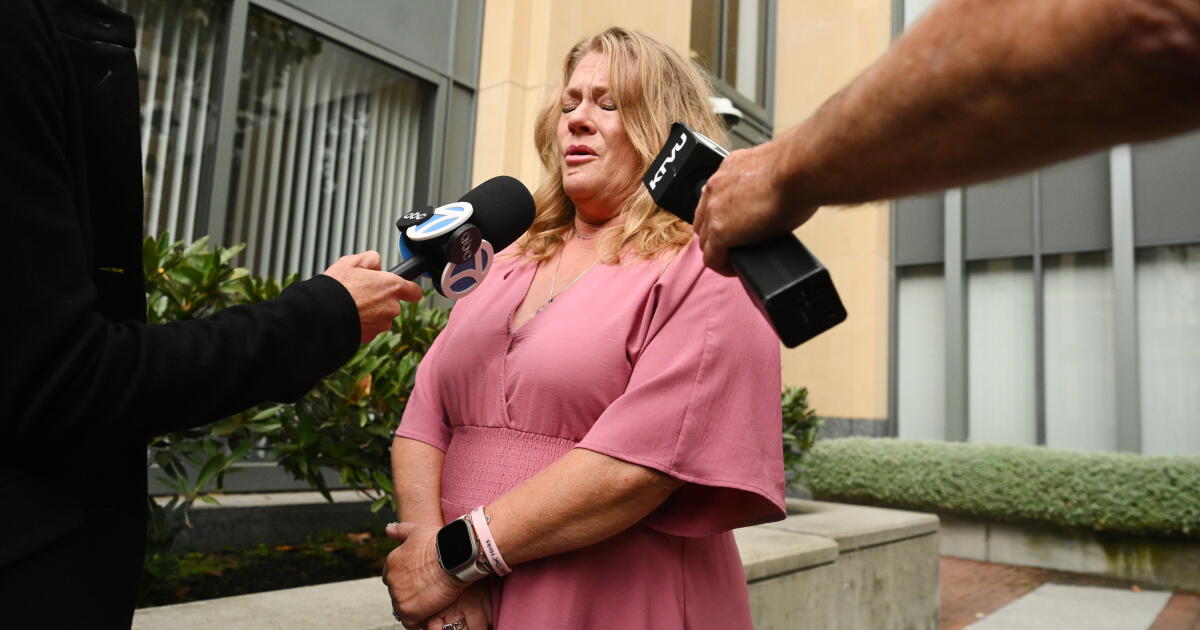
South Carolina Rep. Brandon Guffey’s 17-year-old son Gavin died by suicide in 2022 after becoming a victim of online sextortion on Instagram. What began as a flirtatious game of truth or dare initiated by an unknown account quickly spiraled into extortion. Scammers received nude photos and subsequently demanded money, driving the teenager to take his own life.
Suicide prevention and crisis counseling resources
If you or someone you know is struggling with suicidal thoughts, seek help from a professional or call 988. The nationwide three-digit mental health crisis hotline will connect callers with trained mental health counselors. Or text “HOME” to 741741 in the U.S. and Canada to reach the Crisis Text Line.
“My son was contacted at midnight on July 27, and by 1:40 a.m. he had taken his life. So if it was shut off at midnight, then he would still be here,” Guffey said.
Nighttime restrictions, he said, would have given him more time to have a daytime conversation with his teenager.
After his son’s death, the Republican lawmaker spearheaded legislation in 2023 that made sexual extortion a felony offense in South Carolina and has advocated for online safety.
A narrow focus on screen time or social media restrictions alone isn’t enough, Teachman said.
“The real goal is to improve youth healthy development, and when we look at the biggest predictors of young people’s mental health, screen time is not one of the big ones,” Teachman said.
Although social media platforms say they’re focused on protecting young people, they’ve been repeatedly accused of putting profits ahead of safety.
Meta said it would put stronger protections in place and pay more money if its rivals TikTok and YouTube jump on board.
Meta said it would reduce the default time limit from two hours to one hour if TikTok and YouTube do the same “because teens move fluidly across dozens of apps.” TikTok and YouTube didn’t respond to a request for comment.
The settlement would include protections beyond screen-time limits. Teens wouldn’t be able to use extreme makeup filters. They would be able to prevent videos from automatically playing and choose a social media feed that doesn’t display recommended content.
Australia became the first major Western nation to ban social media use for those under 16. But one early research study published in June shows the ban, which took effect in December 2025, has been ineffective.
Meta said in August that it removed access to more than 750,000 accounts on Facebook and Instagram in Australia that belonged to people under age 16.
“Enforcement is ongoing, and these numbers will continue to grow,” Meta said in a blog post about the Australia ban.
Although some under-16 accounts were initially deleted, Teachman said, children figured out ways to bypass age-verification checks.
“Daily social media use among many young people has stayed high,” she said.
Data from Qustodio, which offers parental controls, also found that usage of TikTok, Instagram and Snapchat has started to increase after initially falling after the Australia ban, signaling that young people might be finding ways to circumvent age checks.
Momentum to restrict or ban social media altogether has been building up globally. More than half a dozen countries, including France, the United Kingdom and Brazil, have either enforced laws that ban social media or taken steps to restrict the use of Instagram, Facebook and YouTube.
Politicians and activists pushing for safety changes have compared the addictive nature of social media to gambling and smoking cigarettes.
“This settlement is social media’s Big Tobacco moment. The message to the tech industry is clear: build child safety in, or courts and legislatures will make you,” Jim Steyer, founder and chief executive of child safety group Common Sense Media, said in a statement.
In 2025, California enacted a law that required social media platforms to display mental health warning labels to users under 18 starting in January 2027. State lawmakers are trying to pass new bills this year, including legislation to restrict social media use for teens and children under 16.
As for parents and activists such as Guffey, Meta’s settlement is a “watershed moment” that shows the public is fed up.
“Too many of us have lost children. Too many of us have had to deal with it,” he said. “Our entire country has a mental health crisis right now, and we’re finding out that a lot of this is caused by social media.”

Over the last five years, efforts to make social networks Facebook and Instagram safer for young people have erupted across courts, classrooms and capitals.
Now Meta Platforms, the parent company of the world’s most popular social networks, faces another big moment of reckoning.
On Wednesday, Meta agreed to pay up to $17 billion over 10 years and make changes to Facebook and Instagram to try to make the platforms safer for teens and those younger. The settlement would resolve a multistate lawsuit that alleged Meta designed and deployed addictive features that harmed young people and misled the public about the potential dangers.
Although politicians, advocacy groups and others applauded the settlement, the battle over child safety is far from over. Many are worried that social media continues to increase the risks of depression, anxiety, eating disorders, bullying and other harms.
“This is an industrywide problem,” California Atty. Gen. Rob Bonta said at a news conference Wednesday. “Meta is part of the industry, a major player in the industry, but there’s a bigger, bigger ecosystem.”
Shielding children from harm on social media is complex, as teens use the platforms to chat with family and friends as well as for entertainment.
Meanwhile, tech industry groups have sued to stop the enforcement of new child safety laws. Every day, the technology continues to evolve, introducing new ways for people to interact with online content. It is still unclear whether artificial intelligence will do more to help or hinder efforts to create a healthier relationship with technology.
“These are really difficult problems to solve, and no country, state, school, or family has figured it all out,” said Bethany Teachman, a professor of psychology at the University of Virginia.
Among other changes outlined in the settlement, Meta said it would have a default two-hour daily time limit that teens can turn off only with parental permission, mute notifications during school hours and implement a Night Access Mode that blocks its apps from midnight to 6 a.m.
Some parents who say they lost their children because of social media say the restrictions could help.
South Carolina Rep. Brandon Guffey’s 17-year-old son Gavin died by suicide in 2022 after becoming a victim of online sextortion on Instagram. What began as a flirtatious game of truth or dare initiated by an unknown account quickly spiraled into extortion. Scammers received nude photos and subsequently demanded money, driving the teenager to take his own life.
Suicide prevention and crisis counseling resources
If you or someone you know is struggling with suicidal thoughts, seek help from a professional or call 988. The nationwide three-digit mental health crisis hotline will connect callers with trained mental health counselors. Or text “HOME” to 741741 in the U.S. and Canada to reach the Crisis Text Line.
“My son was contacted at midnight on July 27, and by 1:40 a.m. he had taken his life. So if it was shut off at midnight, then he would still be here,” Guffey said.
Nighttime restrictions, he said, would have given him more time to have a daytime conversation with his teenager.
After his son’s death, the Republican lawmaker spearheaded legislation in 2023 that made sexual extortion a felony offense in South Carolina and has advocated for online safety.
A narrow focus on screen time or social media restrictions alone isn’t enough, Teachman said.
“The real goal is to improve youth healthy development, and when we look at the biggest predictors of young people’s mental health, screen time is not one of the big ones,” Teachman said.
Although social media platforms say they’re focused on protecting young people, they’ve been repeatedly accused of putting profits ahead of safety.
Meta said it would put stronger protections in place and pay more money if its rivals TikTok and YouTube jump on board.
Meta said it would reduce the default time limit from two hours to one hour if TikTok and YouTube do the same “because teens move fluidly across dozens of apps.” TikTok and YouTube didn’t respond to a request for comment.
The settlement would include protections beyond screen-time limits. Teens wouldn’t be able to use extreme makeup filters. They would be able to prevent videos from automatically playing and choose a social media feed that doesn’t display recommended content.
Australia became the first major Western nation to ban social media use for those under 16. But one early research study published in June shows the ban, which took effect in December 2025, has been ineffective.
Meta said in August that it removed access to more than 750,000 accounts on Facebook and Instagram in Australia that belonged to people under age 16.
“Enforcement is ongoing, and these numbers will continue to grow,” Meta said in a blog post about the Australia ban.
Although some under-16 accounts were initially deleted, Teachman said, children figured out ways to bypass age-verification checks.
“Daily social media use among many young people has stayed high,” she said.
Data from Qustodio, which offers parental controls, also found that usage of TikTok, Instagram and Snapchat has started to increase after initially falling after the Australia ban, signaling that young people might be finding ways to circumvent age checks.
Momentum to restrict or ban social media altogether has been building up globally. More than half a dozen countries, including France, the United Kingdom and Brazil, have either enforced laws that ban social media or taken steps to restrict the use of Instagram, Facebook and YouTube.
Politicians and activists pushing for safety changes have compared the addictive nature of social media to gambling and smoking cigarettes.
“This settlement is social media’s Big Tobacco moment. The message to the tech industry is clear: build child safety in, or courts and legislatures will make you,” Jim Steyer, founder and chief executive of child safety group Common Sense Media, said in a statement.
In 2025, California enacted a law that required social media platforms to display mental health warning labels to users under 18 starting in January 2027. State lawmakers are trying to pass new bills this year, including legislation to restrict social media use for teens and children under 16.
As for parents and activists such as Guffey, Meta’s settlement is a “watershed moment” that shows the public is fed up.
“Too many of us have lost children. Too many of us have had to deal with it,” he said. “Our entire country has a mental health crisis right now, and we’re finding out that a lot of this is caused by social media.”

Over the last five years, efforts to make social networks Facebook and Instagram safer for young people have erupted across courts, classrooms and capitals.
Now Meta Platforms, the parent company of the world’s most popular social networks, faces another big moment of reckoning.
On Wednesday, Meta agreed to pay up to $17 billion over 10 years and make changes to Facebook and Instagram to try to make the platforms safer for teens and those younger. The settlement would resolve a multistate lawsuit that alleged Meta designed and deployed addictive features that harmed young people and misled the public about the potential dangers.
Although politicians, advocacy groups and others applauded the settlement, the battle over child safety is far from over. Many are worried that social media continues to increase the risks of depression, anxiety, eating disorders, bullying and other harms.
“This is an industrywide problem,” California Atty. Gen. Rob Bonta said at a news conference Wednesday. “Meta is part of the industry, a major player in the industry, but there’s a bigger, bigger ecosystem.”
Shielding children from harm on social media is complex, as teens use the platforms to chat with family and friends as well as for entertainment.
Meanwhile, tech industry groups have sued to stop the enforcement of new child safety laws. Every day, the technology continues to evolve, introducing new ways for people to interact with online content. It is still unclear whether artificial intelligence will do more to help or hinder efforts to create a healthier relationship with technology.
“These are really difficult problems to solve, and no country, state, school, or family has figured it all out,” said Bethany Teachman, a professor of psychology at the University of Virginia.
Among other changes outlined in the settlement, Meta said it would have a default two-hour daily time limit that teens can turn off only with parental permission, mute notifications during school hours and implement a Night Access Mode that blocks its apps from midnight to 6 a.m.
Some parents who say they lost their children because of social media say the restrictions could help.
South Carolina Rep. Brandon Guffey’s 17-year-old son Gavin died by suicide in 2022 after becoming a victim of online sextortion on Instagram. What began as a flirtatious game of truth or dare initiated by an unknown account quickly spiraled into extortion. Scammers received nude photos and subsequently demanded money, driving the teenager to take his own life.
Suicide prevention and crisis counseling resources
If you or someone you know is struggling with suicidal thoughts, seek help from a professional or call 988. The nationwide three-digit mental health crisis hotline will connect callers with trained mental health counselors. Or text “HOME” to 741741 in the U.S. and Canada to reach the Crisis Text Line.
“My son was contacted at midnight on July 27, and by 1:40 a.m. he had taken his life. So if it was shut off at midnight, then he would still be here,” Guffey said.
Nighttime restrictions, he said, would have given him more time to have a daytime conversation with his teenager.
After his son’s death, the Republican lawmaker spearheaded legislation in 2023 that made sexual extortion a felony offense in South Carolina and has advocated for online safety.
A narrow focus on screen time or social media restrictions alone isn’t enough, Teachman said.
“The real goal is to improve youth healthy development, and when we look at the biggest predictors of young people’s mental health, screen time is not one of the big ones,” Teachman said.
Although social media platforms say they’re focused on protecting young people, they’ve been repeatedly accused of putting profits ahead of safety.
Meta said it would put stronger protections in place and pay more money if its rivals TikTok and YouTube jump on board.
Meta said it would reduce the default time limit from two hours to one hour if TikTok and YouTube do the same “because teens move fluidly across dozens of apps.” TikTok and YouTube didn’t respond to a request for comment.
The settlement would include protections beyond screen-time limits. Teens wouldn’t be able to use extreme makeup filters. They would be able to prevent videos from automatically playing and choose a social media feed that doesn’t display recommended content.
Australia became the first major Western nation to ban social media use for those under 16. But one early research study published in June shows the ban, which took effect in December 2025, has been ineffective.
Meta said in August that it removed access to more than 750,000 accounts on Facebook and Instagram in Australia that belonged to people under age 16.
“Enforcement is ongoing, and these numbers will continue to grow,” Meta said in a blog post about the Australia ban.
Although some under-16 accounts were initially deleted, Teachman said, children figured out ways to bypass age-verification checks.
“Daily social media use among many young people has stayed high,” she said.
Data from Qustodio, which offers parental controls, also found that usage of TikTok, Instagram and Snapchat has started to increase after initially falling after the Australia ban, signaling that young people might be finding ways to circumvent age checks.
Momentum to restrict or ban social media altogether has been building up globally. More than half a dozen countries, including France, the United Kingdom and Brazil, have either enforced laws that ban social media or taken steps to restrict the use of Instagram, Facebook and YouTube.
Politicians and activists pushing for safety changes have compared the addictive nature of social media to gambling and smoking cigarettes.
“This settlement is social media’s Big Tobacco moment. The message to the tech industry is clear: build child safety in, or courts and legislatures will make you,” Jim Steyer, founder and chief executive of child safety group Common Sense Media, said in a statement.
In 2025, California enacted a law that required social media platforms to display mental health warning labels to users under 18 starting in January 2027. State lawmakers are trying to pass new bills this year, including legislation to restrict social media use for teens and children under 16.
As for parents and activists such as Guffey, Meta’s settlement is a “watershed moment” that shows the public is fed up.
“Too many of us have lost children. Too many of us have had to deal with it,” he said. “Our entire country has a mental health crisis right now, and we’re finding out that a lot of this is caused by social media.”
Over the last five years, efforts to make social networks Facebook and Instagram safer for young people have erupted across courts, classrooms and capitals.
Now Meta Platforms, the parent company of the world’s most popular social networks, faces another big moment of reckoning.
On Wednesday, Meta agreed to pay up to $17 billion over 10 years and make changes to Facebook and Instagram to try to make the platforms safer for teens and those younger. The settlement would resolve a multistate lawsuit that alleged Meta designed and deployed addictive features that harmed young people and misled the public about the potential dangers.
Although politicians, advocacy groups and others applauded the settlement, the battle over child safety is far from over. Many are worried that social media continues to increase the risks of depression, anxiety, eating disorders, bullying and other harms.
“This is an industrywide problem,” California Atty. Gen. Rob Bonta said at a news conference Wednesday. “Meta is part of the industry, a major player in the industry, but there’s a bigger, bigger ecosystem.”
Shielding children from harm on social media is complex, as teens use the platforms to chat with family and friends as well as for entertainment.
Meanwhile, tech industry groups have sued to stop the enforcement of new child safety laws. Every day, the technology continues to evolve, introducing new ways for people to interact with online content. It is still unclear whether artificial intelligence will do more to help or hinder efforts to create a healthier relationship with technology.
“These are really difficult problems to solve, and no country, state, school, or family has figured it all out,” said Bethany Teachman, a professor of psychology at the University of Virginia.
Among other changes outlined in the settlement, Meta said it would have a default two-hour daily time limit that teens can turn off only with parental permission, mute notifications during school hours and implement a Night Access Mode that blocks its apps from midnight to 6 a.m.
Some parents who say they lost their children because of social media say the restrictions could help.
South Carolina Rep. Brandon Guffey’s 17-year-old son Gavin died by suicide in 2022 after becoming a victim of online sextortion on Instagram. What began as a flirtatious game of truth or dare initiated by an unknown account quickly spiraled into extortion. Scammers received nude photos and subsequently demanded money, driving the teenager to take his own life.
Suicide prevention and crisis counseling resources
If you or someone you know is struggling with suicidal thoughts, seek help from a professional or call 988. The nationwide three-digit mental health crisis hotline will connect callers with trained mental health counselors. Or text “HOME” to 741741 in the U.S. and Canada to reach the Crisis Text Line.
“My son was contacted at midnight on July 27, and by 1:40 a.m. he had taken his life. So if it was shut off at midnight, then he would still be here,” Guffey said.
Nighttime restrictions, he said, would have given him more time to have a daytime conversation with his teenager.
After his son’s death, the Republican lawmaker spearheaded legislation in 2023 that made sexual extortion a felony offense in South Carolina and has advocated for online safety.
A narrow focus on screen time or social media restrictions alone isn’t enough, Teachman said.
“The real goal is to improve youth healthy development, and when we look at the biggest predictors of young people’s mental health, screen time is not one of the big ones,” Teachman said.
Although social media platforms say they’re focused on protecting young people, they’ve been repeatedly accused of putting profits ahead of safety.
Meta said it would put stronger protections in place and pay more money if its rivals TikTok and YouTube jump on board.
Meta said it would reduce the default time limit from two hours to one hour if TikTok and YouTube do the same “because teens move fluidly across dozens of apps.” TikTok and YouTube didn’t respond to a request for comment.
The settlement would include protections beyond screen-time limits. Teens wouldn’t be able to use extreme makeup filters. They would be able to prevent videos from automatically playing and choose a social media feed that doesn’t display recommended content.
Australia became the first major Western nation to ban social media use for those under 16. But one early research study published in June shows the ban, which took effect in December 2025, has been ineffective.
Meta said in August that it removed access to more than 750,000 accounts on Facebook and Instagram in Australia that belonged to people under age 16.
“Enforcement is ongoing, and these numbers will continue to grow,” Meta said in a blog post about the Australia ban.
Although some under-16 accounts were initially deleted, Teachman said, children figured out ways to bypass age-verification checks.
“Daily social media use among many young people has stayed high,” she said.
Data from Qustodio, which offers parental controls, also found that usage of TikTok, Instagram and Snapchat has started to increase after initially falling after the Australia ban, signaling that young people might be finding ways to circumvent age checks.
Momentum to restrict or ban social media altogether has been building up globally. More than half a dozen countries, including France, the United Kingdom and Brazil, have either enforced laws that ban social media or taken steps to restrict the use of Instagram, Facebook and YouTube.
Politicians and activists pushing for safety changes have compared the addictive nature of social media to gambling and smoking cigarettes.
“This settlement is social media’s Big Tobacco moment. The message to the tech industry is clear: build child safety in, or courts and legislatures will make you,” Jim Steyer, founder and chief executive of child safety group Common Sense Media, said in a statement.
In 2025, California enacted a law that required social media platforms to display mental health warning labels to users under 18 starting in January 2027. State lawmakers are trying to pass new bills this year, including legislation to restrict social media use for teens and children under 16.
As for parents and activists such as Guffey, Meta’s settlement is a “watershed moment” that shows the public is fed up.
“Too many of us have lost children. Too many of us have had to deal with it,” he said. “Our entire country has a mental health crisis right now, and we’re finding out that a lot of this is caused by social media.”

Over the last five years, efforts to make social networks Facebook and Instagram safer for young people have erupted across courts, classrooms and capitals.
Now Meta Platforms, the parent company of the world’s most popular social networks, faces another big moment of reckoning.
On Wednesday, Meta agreed to pay up to $17 billion over 10 years and make changes to Facebook and Instagram to try to make the platforms safer for teens and those younger. The settlement would resolve a multistate lawsuit that alleged Meta designed and deployed addictive features that harmed young people and misled the public about the potential dangers.
Although politicians, advocacy groups and others applauded the settlement, the battle over child safety is far from over. Many are worried that social media continues to increase the risks of depression, anxiety, eating disorders, bullying and other harms.
“This is an industrywide problem,” California Atty. Gen. Rob Bonta said at a news conference Wednesday. “Meta is part of the industry, a major player in the industry, but there’s a bigger, bigger ecosystem.”
Shielding children from harm on social media is complex, as teens use the platforms to chat with family and friends as well as for entertainment.
Meanwhile, tech industry groups have sued to stop the enforcement of new child safety laws. Every day, the technology continues to evolve, introducing new ways for people to interact with online content. It is still unclear whether artificial intelligence will do more to help or hinder efforts to create a healthier relationship with technology.
“These are really difficult problems to solve, and no country, state, school, or family has figured it all out,” said Bethany Teachman, a professor of psychology at the University of Virginia.
Among other changes outlined in the settlement, Meta said it would have a default two-hour daily time limit that teens can turn off only with parental permission, mute notifications during school hours and implement a Night Access Mode that blocks its apps from midnight to 6 a.m.
Some parents who say they lost their children because of social media say the restrictions could help.
South Carolina Rep. Brandon Guffey’s 17-year-old son Gavin died by suicide in 2022 after becoming a victim of online sextortion on Instagram. What began as a flirtatious game of truth or dare initiated by an unknown account quickly spiraled into extortion. Scammers received nude photos and subsequently demanded money, driving the teenager to take his own life.
Suicide prevention and crisis counseling resources
If you or someone you know is struggling with suicidal thoughts, seek help from a professional or call 988. The nationwide three-digit mental health crisis hotline will connect callers with trained mental health counselors. Or text “HOME” to 741741 in the U.S. and Canada to reach the Crisis Text Line.
“My son was contacted at midnight on July 27, and by 1:40 a.m. he had taken his life. So if it was shut off at midnight, then he would still be here,” Guffey said.
Nighttime restrictions, he said, would have given him more time to have a daytime conversation with his teenager.
After his son’s death, the Republican lawmaker spearheaded legislation in 2023 that made sexual extortion a felony offense in South Carolina and has advocated for online safety.
A narrow focus on screen time or social media restrictions alone isn’t enough, Teachman said.
“The real goal is to improve youth healthy development, and when we look at the biggest predictors of young people’s mental health, screen time is not one of the big ones,” Teachman said.
Although social media platforms say they’re focused on protecting young people, they’ve been repeatedly accused of putting profits ahead of safety.
Meta said it would put stronger protections in place and pay more money if its rivals TikTok and YouTube jump on board.
Meta said it would reduce the default time limit from two hours to one hour if TikTok and YouTube do the same “because teens move fluidly across dozens of apps.” TikTok and YouTube didn’t respond to a request for comment.
The settlement would include protections beyond screen-time limits. Teens wouldn’t be able to use extreme makeup filters. They would be able to prevent videos from automatically playing and choose a social media feed that doesn’t display recommended content.
Australia became the first major Western nation to ban social media use for those under 16. But one early research study published in June shows the ban, which took effect in December 2025, has been ineffective.
Meta said in August that it removed access to more than 750,000 accounts on Facebook and Instagram in Australia that belonged to people under age 16.
“Enforcement is ongoing, and these numbers will continue to grow,” Meta said in a blog post about the Australia ban.
Although some under-16 accounts were initially deleted, Teachman said, children figured out ways to bypass age-verification checks.
“Daily social media use among many young people has stayed high,” she said.
Data from Qustodio, which offers parental controls, also found that usage of TikTok, Instagram and Snapchat has started to increase after initially falling after the Australia ban, signaling that young people might be finding ways to circumvent age checks.
Momentum to restrict or ban social media altogether has been building up globally. More than half a dozen countries, including France, the United Kingdom and Brazil, have either enforced laws that ban social media or taken steps to restrict the use of Instagram, Facebook and YouTube.
Politicians and activists pushing for safety changes have compared the addictive nature of social media to gambling and smoking cigarettes.
“This settlement is social media’s Big Tobacco moment. The message to the tech industry is clear: build child safety in, or courts and legislatures will make you,” Jim Steyer, founder and chief executive of child safety group Common Sense Media, said in a statement.
In 2025, California enacted a law that required social media platforms to display mental health warning labels to users under 18 starting in January 2027. State lawmakers are trying to pass new bills this year, including legislation to restrict social media use for teens and children under 16.
As for parents and activists such as Guffey, Meta’s settlement is a “watershed moment” that shows the public is fed up.
“Too many of us have lost children. Too many of us have had to deal with it,” he said. “Our entire country has a mental health crisis right now, and we’re finding out that a lot of this is caused by social media.”
Over the last five years, efforts to make social networks Facebook and Instagram safer for young people have erupted across courts, classrooms and capitals.
Now Meta Platforms, the parent company of the world’s most popular social networks, faces another big moment of reckoning.
On Wednesday, Meta agreed to pay up to $17 billion over 10 years and make changes to Facebook and Instagram to try to make the platforms safer for teens and those younger. The settlement would resolve a multistate lawsuit that alleged Meta designed and deployed addictive features that harmed young people and misled the public about the potential dangers.
Although politicians, advocacy groups and others applauded the settlement, the battle over child safety is far from over. Many are worried that social media continues to increase the risks of depression, anxiety, eating disorders, bullying and other harms.
“This is an industrywide problem,” California Atty. Gen. Rob Bonta said at a news conference Wednesday. “Meta is part of the industry, a major player in the industry, but there’s a bigger, bigger ecosystem.”
Shielding children from harm on social media is complex, as teens use the platforms to chat with family and friends as well as for entertainment.
Meanwhile, tech industry groups have sued to stop the enforcement of new child safety laws. Every day, the technology continues to evolve, introducing new ways for people to interact with online content. It is still unclear whether artificial intelligence will do more to help or hinder efforts to create a healthier relationship with technology.
“These are really difficult problems to solve, and no country, state, school, or family has figured it all out,” said Bethany Teachman, a professor of psychology at the University of Virginia.
Among other changes outlined in the settlement, Meta said it would have a default two-hour daily time limit that teens can turn off only with parental permission, mute notifications during school hours and implement a Night Access Mode that blocks its apps from midnight to 6 a.m.
Some parents who say they lost their children because of social media say the restrictions could help.
South Carolina Rep. Brandon Guffey’s 17-year-old son Gavin died by suicide in 2022 after becoming a victim of online sextortion on Instagram. What began as a flirtatious game of truth or dare initiated by an unknown account quickly spiraled into extortion. Scammers received nude photos and subsequently demanded money, driving the teenager to take his own life.
Suicide prevention and crisis counseling resources
If you or someone you know is struggling with suicidal thoughts, seek help from a professional or call 988. The nationwide three-digit mental health crisis hotline will connect callers with trained mental health counselors. Or text “HOME” to 741741 in the U.S. and Canada to reach the Crisis Text Line.
“My son was contacted at midnight on July 27, and by 1:40 a.m. he had taken his life. So if it was shut off at midnight, then he would still be here,” Guffey said.
Nighttime restrictions, he said, would have given him more time to have a daytime conversation with his teenager.
After his son’s death, the Republican lawmaker spearheaded legislation in 2023 that made sexual extortion a felony offense in South Carolina and has advocated for online safety.
A narrow focus on screen time or social media restrictions alone isn’t enough, Teachman said.
“The real goal is to improve youth healthy development, and when we look at the biggest predictors of young people’s mental health, screen time is not one of the big ones,” Teachman said.
Although social media platforms say they’re focused on protecting young people, they’ve been repeatedly accused of putting profits ahead of safety.
Meta said it would put stronger protections in place and pay more money if its rivals TikTok and YouTube jump on board.
Meta said it would reduce the default time limit from two hours to one hour if TikTok and YouTube do the same “because teens move fluidly across dozens of apps.” TikTok and YouTube didn’t respond to a request for comment.
The settlement would include protections beyond screen-time limits. Teens wouldn’t be able to use extreme makeup filters. They would be able to prevent videos from automatically playing and choose a social media feed that doesn’t display recommended content.
Australia became the first major Western nation to ban social media use for those under 16. But one early research study published in June shows the ban, which took effect in December 2025, has been ineffective.
Meta said in August that it removed access to more than 750,000 accounts on Facebook and Instagram in Australia that belonged to people under age 16.
“Enforcement is ongoing, and these numbers will continue to grow,” Meta said in a blog post about the Australia ban.
Although some under-16 accounts were initially deleted, Teachman said, children figured out ways to bypass age-verification checks.
“Daily social media use among many young people has stayed high,” she said.
Data from Qustodio, which offers parental controls, also found that usage of TikTok, Instagram and Snapchat has started to increase after initially falling after the Australia ban, signaling that young people might be finding ways to circumvent age checks.
Momentum to restrict or ban social media altogether has been building up globally. More than half a dozen countries, including France, the United Kingdom and Brazil, have either enforced laws that ban social media or taken steps to restrict the use of Instagram, Facebook and YouTube.
Politicians and activists pushing for safety changes have compared the addictive nature of social media to gambling and smoking cigarettes.
“This settlement is social media’s Big Tobacco moment. The message to the tech industry is clear: build child safety in, or courts and legislatures will make you,” Jim Steyer, founder and chief executive of child safety group Common Sense Media, said in a statement.
In 2025, California enacted a law that required social media platforms to display mental health warning labels to users under 18 starting in January 2027. State lawmakers are trying to pass new bills this year, including legislation to restrict social media use for teens and children under 16.
As for parents and activists such as Guffey, Meta’s settlement is a “watershed moment” that shows the public is fed up.
“Too many of us have lost children. Too many of us have had to deal with it,” he said. “Our entire country has a mental health crisis right now, and we’re finding out that a lot of this is caused by social media.”
Over the last five years, efforts to make social networks Facebook and Instagram safer for young people have erupted across courts, classrooms and capitals.
Now Meta Platforms, the parent company of the world’s most popular social networks, faces another big moment of reckoning.
On Wednesday, Meta agreed to pay up to $17 billion over 10 years and make changes to Facebook and Instagram to try to make the platforms safer for teens and those younger. The settlement would resolve a multistate lawsuit that alleged Meta designed and deployed addictive features that harmed young people and misled the public about the potential dangers.
Although politicians, advocacy groups and others applauded the settlement, the battle over child safety is far from over. Many are worried that social media continues to increase the risks of depression, anxiety, eating disorders, bullying and other harms.
“This is an industrywide problem,” California Atty. Gen. Rob Bonta said at a news conference Wednesday. “Meta is part of the industry, a major player in the industry, but there’s a bigger, bigger ecosystem.”
Shielding children from harm on social media is complex, as teens use the platforms to chat with family and friends as well as for entertainment.
Meanwhile, tech industry groups have sued to stop the enforcement of new child safety laws. Every day, the technology continues to evolve, introducing new ways for people to interact with online content. It is still unclear whether artificial intelligence will do more to help or hinder efforts to create a healthier relationship with technology.
“These are really difficult problems to solve, and no country, state, school, or family has figured it all out,” said Bethany Teachman, a professor of psychology at the University of Virginia.
Among other changes outlined in the settlement, Meta said it would have a default two-hour daily time limit that teens can turn off only with parental permission, mute notifications during school hours and implement a Night Access Mode that blocks its apps from midnight to 6 a.m.
Some parents who say they lost their children because of social media say the restrictions could help.
South Carolina Rep. Brandon Guffey’s 17-year-old son Gavin died by suicide in 2022 after becoming a victim of online sextortion on Instagram. What began as a flirtatious game of truth or dare initiated by an unknown account quickly spiraled into extortion. Scammers received nude photos and subsequently demanded money, driving the teenager to take his own life.
Suicide prevention and crisis counseling resources
If you or someone you know is struggling with suicidal thoughts, seek help from a professional or call 988. The nationwide three-digit mental health crisis hotline will connect callers with trained mental health counselors. Or text “HOME” to 741741 in the U.S. and Canada to reach the Crisis Text Line.
“My son was contacted at midnight on July 27, and by 1:40 a.m. he had taken his life. So if it was shut off at midnight, then he would still be here,” Guffey said.
Nighttime restrictions, he said, would have given him more time to have a daytime conversation with his teenager.
After his son’s death, the Republican lawmaker spearheaded legislation in 2023 that made sexual extortion a felony offense in South Carolina and has advocated for online safety.
A narrow focus on screen time or social media restrictions alone isn’t enough, Teachman said.
“The real goal is to improve youth healthy development, and when we look at the biggest predictors of young people’s mental health, screen time is not one of the big ones,” Teachman said.
Although social media platforms say they’re focused on protecting young people, they’ve been repeatedly accused of putting profits ahead of safety.
Meta said it would put stronger protections in place and pay more money if its rivals TikTok and YouTube jump on board.
Meta said it would reduce the default time limit from two hours to one hour if TikTok and YouTube do the same “because teens move fluidly across dozens of apps.” TikTok and YouTube didn’t respond to a request for comment.
The settlement would include protections beyond screen-time limits. Teens wouldn’t be able to use extreme makeup filters. They would be able to prevent videos from automatically playing and choose a social media feed that doesn’t display recommended content.
Australia became the first major Western nation to ban social media use for those under 16. But one early research study published in June shows the ban, which took effect in December 2025, has been ineffective.
Meta said in August that it removed access to more than 750,000 accounts on Facebook and Instagram in Australia that belonged to people under age 16.
“Enforcement is ongoing, and these numbers will continue to grow,” Meta said in a blog post about the Australia ban.
Although some under-16 accounts were initially deleted, Teachman said, children figured out ways to bypass age-verification checks.
“Daily social media use among many young people has stayed high,” she said.
Data from Qustodio, which offers parental controls, also found that usage of TikTok, Instagram and Snapchat has started to increase after initially falling after the Australia ban, signaling that young people might be finding ways to circumvent age checks.
Momentum to restrict or ban social media altogether has been building up globally. More than half a dozen countries, including France, the United Kingdom and Brazil, have either enforced laws that ban social media or taken steps to restrict the use of Instagram, Facebook and YouTube.
Politicians and activists pushing for safety changes have compared the addictive nature of social media to gambling and smoking cigarettes.
“This settlement is social media’s Big Tobacco moment. The message to the tech industry is clear: build child safety in, or courts and legislatures will make you,” Jim Steyer, founder and chief executive of child safety group Common Sense Media, said in a statement.
In 2025, California enacted a law that required social media platforms to display mental health warning labels to users under 18 starting in January 2027. State lawmakers are trying to pass new bills this year, including legislation to restrict social media use for teens and children under 16.
As for parents and activists such as Guffey, Meta’s settlement is a “watershed moment” that shows the public is fed up.
“Too many of us have lost children. Too many of us have had to deal with it,” he said. “Our entire country has a mental health crisis right now, and we’re finding out that a lot of this is caused by social media.”
Over the last five years, efforts to make social networks Facebook and Instagram safer for young people have erupted across courts, classrooms and capitals.
Now Meta Platforms, the parent company of the world’s most popular social networks, faces another big moment of reckoning.
On Wednesday, Meta agreed to pay up to $17 billion over 10 years and make changes to Facebook and Instagram to try to make the platforms safer for teens and those younger. The settlement would resolve a multistate lawsuit that alleged Meta designed and deployed addictive features that harmed young people and misled the public about the potential dangers.
Although politicians, advocacy groups and others applauded the settlement, the battle over child safety is far from over. Many are worried that social media continues to increase the risks of depression, anxiety, eating disorders, bullying and other harms.
“This is an industrywide problem,” California Atty. Gen. Rob Bonta said at a news conference Wednesday. “Meta is part of the industry, a major player in the industry, but there’s a bigger, bigger ecosystem.”
Shielding children from harm on social media is complex, as teens use the platforms to chat with family and friends as well as for entertainment.
Meanwhile, tech industry groups have sued to stop the enforcement of new child safety laws. Every day, the technology continues to evolve, introducing new ways for people to interact with online content. It is still unclear whether artificial intelligence will do more to help or hinder efforts to create a healthier relationship with technology.
“These are really difficult problems to solve, and no country, state, school, or family has figured it all out,” said Bethany Teachman, a professor of psychology at the University of Virginia.
Among other changes outlined in the settlement, Meta said it would have a default two-hour daily time limit that teens can turn off only with parental permission, mute notifications during school hours and implement a Night Access Mode that blocks its apps from midnight to 6 a.m.
Some parents who say they lost their children because of social media say the restrictions could help.
South Carolina Rep. Brandon Guffey’s 17-year-old son Gavin died by suicide in 2022 after becoming a victim of online sextortion on Instagram. What began as a flirtatious game of truth or dare initiated by an unknown account quickly spiraled into extortion. Scammers received nude photos and subsequently demanded money, driving the teenager to take his own life.
Suicide prevention and crisis counseling resources
If you or someone you know is struggling with suicidal thoughts, seek help from a professional or call 988. The nationwide three-digit mental health crisis hotline will connect callers with trained mental health counselors. Or text “HOME” to 741741 in the U.S. and Canada to reach the Crisis Text Line.
“My son was contacted at midnight on July 27, and by 1:40 a.m. he had taken his life. So if it was shut off at midnight, then he would still be here,” Guffey said.
Nighttime restrictions, he said, would have given him more time to have a daytime conversation with his teenager.
After his son’s death, the Republican lawmaker spearheaded legislation in 2023 that made sexual extortion a felony offense in South Carolina and has advocated for online safety.
A narrow focus on screen time or social media restrictions alone isn’t enough, Teachman said.
“The real goal is to improve youth healthy development, and when we look at the biggest predictors of young people’s mental health, screen time is not one of the big ones,” Teachman said.
Although social media platforms say they’re focused on protecting young people, they’ve been repeatedly accused of putting profits ahead of safety.
Meta said it would put stronger protections in place and pay more money if its rivals TikTok and YouTube jump on board.
Meta said it would reduce the default time limit from two hours to one hour if TikTok and YouTube do the same “because teens move fluidly across dozens of apps.” TikTok and YouTube didn’t respond to a request for comment.
The settlement would include protections beyond screen-time limits. Teens wouldn’t be able to use extreme makeup filters. They would be able to prevent videos from automatically playing and choose a social media feed that doesn’t display recommended content.
Australia became the first major Western nation to ban social media use for those under 16. But one early research study published in June shows the ban, which took effect in December 2025, has been ineffective.
Meta said in August that it removed access to more than 750,000 accounts on Facebook and Instagram in Australia that belonged to people under age 16.
“Enforcement is ongoing, and these numbers will continue to grow,” Meta said in a blog post about the Australia ban.
Although some under-16 accounts were initially deleted, Teachman said, children figured out ways to bypass age-verification checks.
“Daily social media use among many young people has stayed high,” she said.
Data from Qustodio, which offers parental controls, also found that usage of TikTok, Instagram and Snapchat has started to increase after initially falling after the Australia ban, signaling that young people might be finding ways to circumvent age checks.
Momentum to restrict or ban social media altogether has been building up globally. More than half a dozen countries, including France, the United Kingdom and Brazil, have either enforced laws that ban social media or taken steps to restrict the use of Instagram, Facebook and YouTube.
Politicians and activists pushing for safety changes have compared the addictive nature of social media to gambling and smoking cigarettes.
“This settlement is social media’s Big Tobacco moment. The message to the tech industry is clear: build child safety in, or courts and legislatures will make you,” Jim Steyer, founder and chief executive of child safety group Common Sense Media, said in a statement.
In 2025, California enacted a law that required social media platforms to display mental health warning labels to users under 18 starting in January 2027. State lawmakers are trying to pass new bills this year, including legislation to restrict social media use for teens and children under 16.
As for parents and activists such as Guffey, Meta’s settlement is a “watershed moment” that shows the public is fed up.
“Too many of us have lost children. Too many of us have had to deal with it,” he said. “Our entire country has a mental health crisis right now, and we’re finding out that a lot of this is caused by social media.”

Over the last five years, efforts to make social networks Facebook and Instagram safer for young people have erupted across courts, classrooms and capitals.
Now Meta Platforms, the parent company of the world’s most popular social networks, faces another big moment of reckoning.
On Wednesday, Meta agreed to pay up to $17 billion over 10 years and make changes to Facebook and Instagram to try to make the platforms safer for teens and those younger. The settlement would resolve a multistate lawsuit that alleged Meta designed and deployed addictive features that harmed young people and misled the public about the potential dangers.
Although politicians, advocacy groups and others applauded the settlement, the battle over child safety is far from over. Many are worried that social media continues to increase the risks of depression, anxiety, eating disorders, bullying and other harms.
“This is an industrywide problem,” California Atty. Gen. Rob Bonta said at a news conference Wednesday. “Meta is part of the industry, a major player in the industry, but there’s a bigger, bigger ecosystem.”
Shielding children from harm on social media is complex, as teens use the platforms to chat with family and friends as well as for entertainment.
Meanwhile, tech industry groups have sued to stop the enforcement of new child safety laws. Every day, the technology continues to evolve, introducing new ways for people to interact with online content. It is still unclear whether artificial intelligence will do more to help or hinder efforts to create a healthier relationship with technology.
“These are really difficult problems to solve, and no country, state, school, or family has figured it all out,” said Bethany Teachman, a professor of psychology at the University of Virginia.
Among other changes outlined in the settlement, Meta said it would have a default two-hour daily time limit that teens can turn off only with parental permission, mute notifications during school hours and implement a Night Access Mode that blocks its apps from midnight to 6 a.m.
Some parents who say they lost their children because of social media say the restrictions could help.
South Carolina Rep. Brandon Guffey’s 17-year-old son Gavin died by suicide in 2022 after becoming a victim of online sextortion on Instagram. What began as a flirtatious game of truth or dare initiated by an unknown account quickly spiraled into extortion. Scammers received nude photos and subsequently demanded money, driving the teenager to take his own life.
Suicide prevention and crisis counseling resources
If you or someone you know is struggling with suicidal thoughts, seek help from a professional or call 988. The nationwide three-digit mental health crisis hotline will connect callers with trained mental health counselors. Or text “HOME” to 741741 in the U.S. and Canada to reach the Crisis Text Line.
“My son was contacted at midnight on July 27, and by 1:40 a.m. he had taken his life. So if it was shut off at midnight, then he would still be here,” Guffey said.
Nighttime restrictions, he said, would have given him more time to have a daytime conversation with his teenager.
After his son’s death, the Republican lawmaker spearheaded legislation in 2023 that made sexual extortion a felony offense in South Carolina and has advocated for online safety.
A narrow focus on screen time or social media restrictions alone isn’t enough, Teachman said.
“The real goal is to improve youth healthy development, and when we look at the biggest predictors of young people’s mental health, screen time is not one of the big ones,” Teachman said.
Although social media platforms say they’re focused on protecting young people, they’ve been repeatedly accused of putting profits ahead of safety.
Meta said it would put stronger protections in place and pay more money if its rivals TikTok and YouTube jump on board.
Meta said it would reduce the default time limit from two hours to one hour if TikTok and YouTube do the same “because teens move fluidly across dozens of apps.” TikTok and YouTube didn’t respond to a request for comment.
The settlement would include protections beyond screen-time limits. Teens wouldn’t be able to use extreme makeup filters. They would be able to prevent videos from automatically playing and choose a social media feed that doesn’t display recommended content.
Australia became the first major Western nation to ban social media use for those under 16. But one early research study published in June shows the ban, which took effect in December 2025, has been ineffective.
Meta said in August that it removed access to more than 750,000 accounts on Facebook and Instagram in Australia that belonged to people under age 16.
“Enforcement is ongoing, and these numbers will continue to grow,” Meta said in a blog post about the Australia ban.
Although some under-16 accounts were initially deleted, Teachman said, children figured out ways to bypass age-verification checks.
“Daily social media use among many young people has stayed high,” she said.
Data from Qustodio, which offers parental controls, also found that usage of TikTok, Instagram and Snapchat has started to increase after initially falling after the Australia ban, signaling that young people might be finding ways to circumvent age checks.
Momentum to restrict or ban social media altogether has been building up globally. More than half a dozen countries, including France, the United Kingdom and Brazil, have either enforced laws that ban social media or taken steps to restrict the use of Instagram, Facebook and YouTube.
Politicians and activists pushing for safety changes have compared the addictive nature of social media to gambling and smoking cigarettes.
“This settlement is social media’s Big Tobacco moment. The message to the tech industry is clear: build child safety in, or courts and legislatures will make you,” Jim Steyer, founder and chief executive of child safety group Common Sense Media, said in a statement.
In 2025, California enacted a law that required social media platforms to display mental health warning labels to users under 18 starting in January 2027. State lawmakers are trying to pass new bills this year, including legislation to restrict social media use for teens and children under 16.
As for parents and activists such as Guffey, Meta’s settlement is a “watershed moment” that shows the public is fed up.
“Too many of us have lost children. Too many of us have had to deal with it,” he said. “Our entire country has a mental health crisis right now, and we’re finding out that a lot of this is caused by social media.”
Over the last five years, efforts to make social networks Facebook and Instagram safer for young people have erupted across courts, classrooms and capitals.
Now Meta Platforms, the parent company of the world’s most popular social networks, faces another big moment of reckoning.
On Wednesday, Meta agreed to pay up to $17 billion over 10 years and make changes to Facebook and Instagram to try to make the platforms safer for teens and those younger. The settlement would resolve a multistate lawsuit that alleged Meta designed and deployed addictive features that harmed young people and misled the public about the potential dangers.
Although politicians, advocacy groups and others applauded the settlement, the battle over child safety is far from over. Many are worried that social media continues to increase the risks of depression, anxiety, eating disorders, bullying and other harms.
“This is an industrywide problem,” California Atty. Gen. Rob Bonta said at a news conference Wednesday. “Meta is part of the industry, a major player in the industry, but there’s a bigger, bigger ecosystem.”
Shielding children from harm on social media is complex, as teens use the platforms to chat with family and friends as well as for entertainment.
Meanwhile, tech industry groups have sued to stop the enforcement of new child safety laws. Every day, the technology continues to evolve, introducing new ways for people to interact with online content. It is still unclear whether artificial intelligence will do more to help or hinder efforts to create a healthier relationship with technology.
“These are really difficult problems to solve, and no country, state, school, or family has figured it all out,” said Bethany Teachman, a professor of psychology at the University of Virginia.
Among other changes outlined in the settlement, Meta said it would have a default two-hour daily time limit that teens can turn off only with parental permission, mute notifications during school hours and implement a Night Access Mode that blocks its apps from midnight to 6 a.m.
Some parents who say they lost their children because of social media say the restrictions could help.
South Carolina Rep. Brandon Guffey’s 17-year-old son Gavin died by suicide in 2022 after becoming a victim of online sextortion on Instagram. What began as a flirtatious game of truth or dare initiated by an unknown account quickly spiraled into extortion. Scammers received nude photos and subsequently demanded money, driving the teenager to take his own life.
Suicide prevention and crisis counseling resources
If you or someone you know is struggling with suicidal thoughts, seek help from a professional or call 988. The nationwide three-digit mental health crisis hotline will connect callers with trained mental health counselors. Or text “HOME” to 741741 in the U.S. and Canada to reach the Crisis Text Line.
“My son was contacted at midnight on July 27, and by 1:40 a.m. he had taken his life. So if it was shut off at midnight, then he would still be here,” Guffey said.
Nighttime restrictions, he said, would have given him more time to have a daytime conversation with his teenager.
After his son’s death, the Republican lawmaker spearheaded legislation in 2023 that made sexual extortion a felony offense in South Carolina and has advocated for online safety.
A narrow focus on screen time or social media restrictions alone isn’t enough, Teachman said.
“The real goal is to improve youth healthy development, and when we look at the biggest predictors of young people’s mental health, screen time is not one of the big ones,” Teachman said.
Although social media platforms say they’re focused on protecting young people, they’ve been repeatedly accused of putting profits ahead of safety.
Meta said it would put stronger protections in place and pay more money if its rivals TikTok and YouTube jump on board.
Meta said it would reduce the default time limit from two hours to one hour if TikTok and YouTube do the same “because teens move fluidly across dozens of apps.” TikTok and YouTube didn’t respond to a request for comment.
The settlement would include protections beyond screen-time limits. Teens wouldn’t be able to use extreme makeup filters. They would be able to prevent videos from automatically playing and choose a social media feed that doesn’t display recommended content.
Australia became the first major Western nation to ban social media use for those under 16. But one early research study published in June shows the ban, which took effect in December 2025, has been ineffective.
Meta said in August that it removed access to more than 750,000 accounts on Facebook and Instagram in Australia that belonged to people under age 16.
“Enforcement is ongoing, and these numbers will continue to grow,” Meta said in a blog post about the Australia ban.
Although some under-16 accounts were initially deleted, Teachman said, children figured out ways to bypass age-verification checks.
“Daily social media use among many young people has stayed high,” she said.
Data from Qustodio, which offers parental controls, also found that usage of TikTok, Instagram and Snapchat has started to increase after initially falling after the Australia ban, signaling that young people might be finding ways to circumvent age checks.
Momentum to restrict or ban social media altogether has been building up globally. More than half a dozen countries, including France, the United Kingdom and Brazil, have either enforced laws that ban social media or taken steps to restrict the use of Instagram, Facebook and YouTube.
Politicians and activists pushing for safety changes have compared the addictive nature of social media to gambling and smoking cigarettes.
“This settlement is social media’s Big Tobacco moment. The message to the tech industry is clear: build child safety in, or courts and legislatures will make you,” Jim Steyer, founder and chief executive of child safety group Common Sense Media, said in a statement.
In 2025, California enacted a law that required social media platforms to display mental health warning labels to users under 18 starting in January 2027. State lawmakers are trying to pass new bills this year, including legislation to restrict social media use for teens and children under 16.
As for parents and activists such as Guffey, Meta’s settlement is a “watershed moment” that shows the public is fed up.
“Too many of us have lost children. Too many of us have had to deal with it,” he said. “Our entire country has a mental health crisis right now, and we’re finding out that a lot of this is caused by social media.”
Over the last five years, efforts to make social networks Facebook and Instagram safer for young people have erupted across courts, classrooms and capitals.
Now Meta Platforms, the parent company of the world’s most popular social networks, faces another big moment of reckoning.
On Wednesday, Meta agreed to pay up to $17 billion over 10 years and make changes to Facebook and Instagram to try to make the platforms safer for teens and those younger. The settlement would resolve a multistate lawsuit that alleged Meta designed and deployed addictive features that harmed young people and misled the public about the potential dangers.
Although politicians, advocacy groups and others applauded the settlement, the battle over child safety is far from over. Many are worried that social media continues to increase the risks of depression, anxiety, eating disorders, bullying and other harms.
“This is an industrywide problem,” California Atty. Gen. Rob Bonta said at a news conference Wednesday. “Meta is part of the industry, a major player in the industry, but there’s a bigger, bigger ecosystem.”
Shielding children from harm on social media is complex, as teens use the platforms to chat with family and friends as well as for entertainment.
Meanwhile, tech industry groups have sued to stop the enforcement of new child safety laws. Every day, the technology continues to evolve, introducing new ways for people to interact with online content. It is still unclear whether artificial intelligence will do more to help or hinder efforts to create a healthier relationship with technology.
“These are really difficult problems to solve, and no country, state, school, or family has figured it all out,” said Bethany Teachman, a professor of psychology at the University of Virginia.
Among other changes outlined in the settlement, Meta said it would have a default two-hour daily time limit that teens can turn off only with parental permission, mute notifications during school hours and implement a Night Access Mode that blocks its apps from midnight to 6 a.m.
Some parents who say they lost their children because of social media say the restrictions could help.
South Carolina Rep. Brandon Guffey’s 17-year-old son Gavin died by suicide in 2022 after becoming a victim of online sextortion on Instagram. What began as a flirtatious game of truth or dare initiated by an unknown account quickly spiraled into extortion. Scammers received nude photos and subsequently demanded money, driving the teenager to take his own life.
Suicide prevention and crisis counseling resources
If you or someone you know is struggling with suicidal thoughts, seek help from a professional or call 988. The nationwide three-digit mental health crisis hotline will connect callers with trained mental health counselors. Or text “HOME” to 741741 in the U.S. and Canada to reach the Crisis Text Line.
“My son was contacted at midnight on July 27, and by 1:40 a.m. he had taken his life. So if it was shut off at midnight, then he would still be here,” Guffey said.
Nighttime restrictions, he said, would have given him more time to have a daytime conversation with his teenager.
After his son’s death, the Republican lawmaker spearheaded legislation in 2023 that made sexual extortion a felony offense in South Carolina and has advocated for online safety.
A narrow focus on screen time or social media restrictions alone isn’t enough, Teachman said.
“The real goal is to improve youth healthy development, and when we look at the biggest predictors of young people’s mental health, screen time is not one of the big ones,” Teachman said.
Although social media platforms say they’re focused on protecting young people, they’ve been repeatedly accused of putting profits ahead of safety.
Meta said it would put stronger protections in place and pay more money if its rivals TikTok and YouTube jump on board.
Meta said it would reduce the default time limit from two hours to one hour if TikTok and YouTube do the same “because teens move fluidly across dozens of apps.” TikTok and YouTube didn’t respond to a request for comment.
The settlement would include protections beyond screen-time limits. Teens wouldn’t be able to use extreme makeup filters. They would be able to prevent videos from automatically playing and choose a social media feed that doesn’t display recommended content.
Australia became the first major Western nation to ban social media use for those under 16. But one early research study published in June shows the ban, which took effect in December 2025, has been ineffective.
Meta said in August that it removed access to more than 750,000 accounts on Facebook and Instagram in Australia that belonged to people under age 16.
“Enforcement is ongoing, and these numbers will continue to grow,” Meta said in a blog post about the Australia ban.
Although some under-16 accounts were initially deleted, Teachman said, children figured out ways to bypass age-verification checks.
“Daily social media use among many young people has stayed high,” she said.
Data from Qustodio, which offers parental controls, also found that usage of TikTok, Instagram and Snapchat has started to increase after initially falling after the Australia ban, signaling that young people might be finding ways to circumvent age checks.
Momentum to restrict or ban social media altogether has been building up globally. More than half a dozen countries, including France, the United Kingdom and Brazil, have either enforced laws that ban social media or taken steps to restrict the use of Instagram, Facebook and YouTube.
Politicians and activists pushing for safety changes have compared the addictive nature of social media to gambling and smoking cigarettes.
“This settlement is social media’s Big Tobacco moment. The message to the tech industry is clear: build child safety in, or courts and legislatures will make you,” Jim Steyer, founder and chief executive of child safety group Common Sense Media, said in a statement.
In 2025, California enacted a law that required social media platforms to display mental health warning labels to users under 18 starting in January 2027. State lawmakers are trying to pass new bills this year, including legislation to restrict social media use for teens and children under 16.
As for parents and activists such as Guffey, Meta’s settlement is a “watershed moment” that shows the public is fed up.
“Too many of us have lost children. Too many of us have had to deal with it,” he said. “Our entire country has a mental health crisis right now, and we’re finding out that a lot of this is caused by social media.”
Over the last five years, efforts to make social networks Facebook and Instagram safer for young people have erupted across courts, classrooms and capitals.
Now Meta Platforms, the parent company of the world’s most popular social networks, faces another big moment of reckoning.
On Wednesday, Meta agreed to pay up to $17 billion over 10 years and make changes to Facebook and Instagram to try to make the platforms safer for teens and those younger. The settlement would resolve a multistate lawsuit that alleged Meta designed and deployed addictive features that harmed young people and misled the public about the potential dangers.
Although politicians, advocacy groups and others applauded the settlement, the battle over child safety is far from over. Many are worried that social media continues to increase the risks of depression, anxiety, eating disorders, bullying and other harms.
“This is an industrywide problem,” California Atty. Gen. Rob Bonta said at a news conference Wednesday. “Meta is part of the industry, a major player in the industry, but there’s a bigger, bigger ecosystem.”
Shielding children from harm on social media is complex, as teens use the platforms to chat with family and friends as well as for entertainment.
Meanwhile, tech industry groups have sued to stop the enforcement of new child safety laws. Every day, the technology continues to evolve, introducing new ways for people to interact with online content. It is still unclear whether artificial intelligence will do more to help or hinder efforts to create a healthier relationship with technology.
“These are really difficult problems to solve, and no country, state, school, or family has figured it all out,” said Bethany Teachman, a professor of psychology at the University of Virginia.
Among other changes outlined in the settlement, Meta said it would have a default two-hour daily time limit that teens can turn off only with parental permission, mute notifications during school hours and implement a Night Access Mode that blocks its apps from midnight to 6 a.m.
Some parents who say they lost their children because of social media say the restrictions could help.
South Carolina Rep. Brandon Guffey’s 17-year-old son Gavin died by suicide in 2022 after becoming a victim of online sextortion on Instagram. What began as a flirtatious game of truth or dare initiated by an unknown account quickly spiraled into extortion. Scammers received nude photos and subsequently demanded money, driving the teenager to take his own life.
Suicide prevention and crisis counseling resources
If you or someone you know is struggling with suicidal thoughts, seek help from a professional or call 988. The nationwide three-digit mental health crisis hotline will connect callers with trained mental health counselors. Or text “HOME” to 741741 in the U.S. and Canada to reach the Crisis Text Line.
“My son was contacted at midnight on July 27, and by 1:40 a.m. he had taken his life. So if it was shut off at midnight, then he would still be here,” Guffey said.
Nighttime restrictions, he said, would have given him more time to have a daytime conversation with his teenager.
After his son’s death, the Republican lawmaker spearheaded legislation in 2023 that made sexual extortion a felony offense in South Carolina and has advocated for online safety.
A narrow focus on screen time or social media restrictions alone isn’t enough, Teachman said.
“The real goal is to improve youth healthy development, and when we look at the biggest predictors of young people’s mental health, screen time is not one of the big ones,” Teachman said.
Although social media platforms say they’re focused on protecting young people, they’ve been repeatedly accused of putting profits ahead of safety.
Meta said it would put stronger protections in place and pay more money if its rivals TikTok and YouTube jump on board.
Meta said it would reduce the default time limit from two hours to one hour if TikTok and YouTube do the same “because teens move fluidly across dozens of apps.” TikTok and YouTube didn’t respond to a request for comment.
The settlement would include protections beyond screen-time limits. Teens wouldn’t be able to use extreme makeup filters. They would be able to prevent videos from automatically playing and choose a social media feed that doesn’t display recommended content.
Australia became the first major Western nation to ban social media use for those under 16. But one early research study published in June shows the ban, which took effect in December 2025, has been ineffective.
Meta said in August that it removed access to more than 750,000 accounts on Facebook and Instagram in Australia that belonged to people under age 16.
“Enforcement is ongoing, and these numbers will continue to grow,” Meta said in a blog post about the Australia ban.
Although some under-16 accounts were initially deleted, Teachman said, children figured out ways to bypass age-verification checks.
“Daily social media use among many young people has stayed high,” she said.
Data from Qustodio, which offers parental controls, also found that usage of TikTok, Instagram and Snapchat has started to increase after initially falling after the Australia ban, signaling that young people might be finding ways to circumvent age checks.
Momentum to restrict or ban social media altogether has been building up globally. More than half a dozen countries, including France, the United Kingdom and Brazil, have either enforced laws that ban social media or taken steps to restrict the use of Instagram, Facebook and YouTube.
Politicians and activists pushing for safety changes have compared the addictive nature of social media to gambling and smoking cigarettes.
“This settlement is social media’s Big Tobacco moment. The message to the tech industry is clear: build child safety in, or courts and legislatures will make you,” Jim Steyer, founder and chief executive of child safety group Common Sense Media, said in a statement.
In 2025, California enacted a law that required social media platforms to display mental health warning labels to users under 18 starting in January 2027. State lawmakers are trying to pass new bills this year, including legislation to restrict social media use for teens and children under 16.
As for parents and activists such as Guffey, Meta’s settlement is a “watershed moment” that shows the public is fed up.
“Too many of us have lost children. Too many of us have had to deal with it,” he said. “Our entire country has a mental health crisis right now, and we’re finding out that a lot of this is caused by social media.”
Over the last five years, efforts to make social networks Facebook and Instagram safer for young people have erupted across courts, classrooms and capitals.
Now Meta Platforms, the parent company of the world’s most popular social networks, faces another big moment of reckoning.
On Wednesday, Meta agreed to pay up to $17 billion over 10 years and make changes to Facebook and Instagram to try to make the platforms safer for teens and those younger. The settlement would resolve a multistate lawsuit that alleged Meta designed and deployed addictive features that harmed young people and misled the public about the potential dangers.
Although politicians, advocacy groups and others applauded the settlement, the battle over child safety is far from over. Many are worried that social media continues to increase the risks of depression, anxiety, eating disorders, bullying and other harms.
“This is an industrywide problem,” California Atty. Gen. Rob Bonta said at a news conference Wednesday. “Meta is part of the industry, a major player in the industry, but there’s a bigger, bigger ecosystem.”
Shielding children from harm on social media is complex, as teens use the platforms to chat with family and friends as well as for entertainment.
Meanwhile, tech industry groups have sued to stop the enforcement of new child safety laws. Every day, the technology continues to evolve, introducing new ways for people to interact with online content. It is still unclear whether artificial intelligence will do more to help or hinder efforts to create a healthier relationship with technology.
“These are really difficult problems to solve, and no country, state, school, or family has figured it all out,” said Bethany Teachman, a professor of psychology at the University of Virginia.
Among other changes outlined in the settlement, Meta said it would have a default two-hour daily time limit that teens can turn off only with parental permission, mute notifications during school hours and implement a Night Access Mode that blocks its apps from midnight to 6 a.m.
Some parents who say they lost their children because of social media say the restrictions could help.
South Carolina Rep. Brandon Guffey’s 17-year-old son Gavin died by suicide in 2022 after becoming a victim of online sextortion on Instagram. What began as a flirtatious game of truth or dare initiated by an unknown account quickly spiraled into extortion. Scammers received nude photos and subsequently demanded money, driving the teenager to take his own life.
Suicide prevention and crisis counseling resources
If you or someone you know is struggling with suicidal thoughts, seek help from a professional or call 988. The nationwide three-digit mental health crisis hotline will connect callers with trained mental health counselors. Or text “HOME” to 741741 in the U.S. and Canada to reach the Crisis Text Line.
“My son was contacted at midnight on July 27, and by 1:40 a.m. he had taken his life. So if it was shut off at midnight, then he would still be here,” Guffey said.
Nighttime restrictions, he said, would have given him more time to have a daytime conversation with his teenager.
After his son’s death, the Republican lawmaker spearheaded legislation in 2023 that made sexual extortion a felony offense in South Carolina and has advocated for online safety.
A narrow focus on screen time or social media restrictions alone isn’t enough, Teachman said.
“The real goal is to improve youth healthy development, and when we look at the biggest predictors of young people’s mental health, screen time is not one of the big ones,” Teachman said.
Although social media platforms say they’re focused on protecting young people, they’ve been repeatedly accused of putting profits ahead of safety.
Meta said it would put stronger protections in place and pay more money if its rivals TikTok and YouTube jump on board.
Meta said it would reduce the default time limit from two hours to one hour if TikTok and YouTube do the same “because teens move fluidly across dozens of apps.” TikTok and YouTube didn’t respond to a request for comment.
The settlement would include protections beyond screen-time limits. Teens wouldn’t be able to use extreme makeup filters. They would be able to prevent videos from automatically playing and choose a social media feed that doesn’t display recommended content.
Australia became the first major Western nation to ban social media use for those under 16. But one early research study published in June shows the ban, which took effect in December 2025, has been ineffective.
Meta said in August that it removed access to more than 750,000 accounts on Facebook and Instagram in Australia that belonged to people under age 16.
“Enforcement is ongoing, and these numbers will continue to grow,” Meta said in a blog post about the Australia ban.
Although some under-16 accounts were initially deleted, Teachman said, children figured out ways to bypass age-verification checks.
“Daily social media use among many young people has stayed high,” she said.
Data from Qustodio, which offers parental controls, also found that usage of TikTok, Instagram and Snapchat has started to increase after initially falling after the Australia ban, signaling that young people might be finding ways to circumvent age checks.
Momentum to restrict or ban social media altogether has been building up globally. More than half a dozen countries, including France, the United Kingdom and Brazil, have either enforced laws that ban social media or taken steps to restrict the use of Instagram, Facebook and YouTube.
Politicians and activists pushing for safety changes have compared the addictive nature of social media to gambling and smoking cigarettes.
“This settlement is social media’s Big Tobacco moment. The message to the tech industry is clear: build child safety in, or courts and legislatures will make you,” Jim Steyer, founder and chief executive of child safety group Common Sense Media, said in a statement.
In 2025, California enacted a law that required social media platforms to display mental health warning labels to users under 18 starting in January 2027. State lawmakers are trying to pass new bills this year, including legislation to restrict social media use for teens and children under 16.
As for parents and activists such as Guffey, Meta’s settlement is a “watershed moment” that shows the public is fed up.
“Too many of us have lost children. Too many of us have had to deal with it,” he said. “Our entire country has a mental health crisis right now, and we’re finding out that a lot of this is caused by social media.”
Over the last five years, efforts to make social networks Facebook and Instagram safer for young people have erupted across courts, classrooms and capitals.
Now Meta Platforms, the parent company of the world’s most popular social networks, faces another big moment of reckoning.
On Wednesday, Meta agreed to pay up to $17 billion over 10 years and make changes to Facebook and Instagram to try to make the platforms safer for teens and those younger. The settlement would resolve a multistate lawsuit that alleged Meta designed and deployed addictive features that harmed young people and misled the public about the potential dangers.
Although politicians, advocacy groups and others applauded the settlement, the battle over child safety is far from over. Many are worried that social media continues to increase the risks of depression, anxiety, eating disorders, bullying and other harms.
“This is an industrywide problem,” California Atty. Gen. Rob Bonta said at a news conference Wednesday. “Meta is part of the industry, a major player in the industry, but there’s a bigger, bigger ecosystem.”
Shielding children from harm on social media is complex, as teens use the platforms to chat with family and friends as well as for entertainment.
Meanwhile, tech industry groups have sued to stop the enforcement of new child safety laws. Every day, the technology continues to evolve, introducing new ways for people to interact with online content. It is still unclear whether artificial intelligence will do more to help or hinder efforts to create a healthier relationship with technology.
“These are really difficult problems to solve, and no country, state, school, or family has figured it all out,” said Bethany Teachman, a professor of psychology at the University of Virginia.
Among other changes outlined in the settlement, Meta said it would have a default two-hour daily time limit that teens can turn off only with parental permission, mute notifications during school hours and implement a Night Access Mode that blocks its apps from midnight to 6 a.m.
Some parents who say they lost their children because of social media say the restrictions could help.
South Carolina Rep. Brandon Guffey’s 17-year-old son Gavin died by suicide in 2022 after becoming a victim of online sextortion on Instagram. What began as a flirtatious game of truth or dare initiated by an unknown account quickly spiraled into extortion. Scammers received nude photos and subsequently demanded money, driving the teenager to take his own life.
Suicide prevention and crisis counseling resources
If you or someone you know is struggling with suicidal thoughts, seek help from a professional or call 988. The nationwide three-digit mental health crisis hotline will connect callers with trained mental health counselors. Or text “HOME” to 741741 in the U.S. and Canada to reach the Crisis Text Line.
“My son was contacted at midnight on July 27, and by 1:40 a.m. he had taken his life. So if it was shut off at midnight, then he would still be here,” Guffey said.
Nighttime restrictions, he said, would have given him more time to have a daytime conversation with his teenager.
After his son’s death, the Republican lawmaker spearheaded legislation in 2023 that made sexual extortion a felony offense in South Carolina and has advocated for online safety.
A narrow focus on screen time or social media restrictions alone isn’t enough, Teachman said.
“The real goal is to improve youth healthy development, and when we look at the biggest predictors of young people’s mental health, screen time is not one of the big ones,” Teachman said.
Although social media platforms say they’re focused on protecting young people, they’ve been repeatedly accused of putting profits ahead of safety.
Meta said it would put stronger protections in place and pay more money if its rivals TikTok and YouTube jump on board.
Meta said it would reduce the default time limit from two hours to one hour if TikTok and YouTube do the same “because teens move fluidly across dozens of apps.” TikTok and YouTube didn’t respond to a request for comment.
The settlement would include protections beyond screen-time limits. Teens wouldn’t be able to use extreme makeup filters. They would be able to prevent videos from automatically playing and choose a social media feed that doesn’t display recommended content.
Australia became the first major Western nation to ban social media use for those under 16. But one early research study published in June shows the ban, which took effect in December 2025, has been ineffective.
Meta said in August that it removed access to more than 750,000 accounts on Facebook and Instagram in Australia that belonged to people under age 16.
“Enforcement is ongoing, and these numbers will continue to grow,” Meta said in a blog post about the Australia ban.
Although some under-16 accounts were initially deleted, Teachman said, children figured out ways to bypass age-verification checks.
“Daily social media use among many young people has stayed high,” she said.
Data from Qustodio, which offers parental controls, also found that usage of TikTok, Instagram and Snapchat has started to increase after initially falling after the Australia ban, signaling that young people might be finding ways to circumvent age checks.
Momentum to restrict or ban social media altogether has been building up globally. More than half a dozen countries, including France, the United Kingdom and Brazil, have either enforced laws that ban social media or taken steps to restrict the use of Instagram, Facebook and YouTube.
Politicians and activists pushing for safety changes have compared the addictive nature of social media to gambling and smoking cigarettes.
“This settlement is social media’s Big Tobacco moment. The message to the tech industry is clear: build child safety in, or courts and legislatures will make you,” Jim Steyer, founder and chief executive of child safety group Common Sense Media, said in a statement.
In 2025, California enacted a law that required social media platforms to display mental health warning labels to users under 18 starting in January 2027. State lawmakers are trying to pass new bills this year, including legislation to restrict social media use for teens and children under 16.
As for parents and activists such as Guffey, Meta’s settlement is a “watershed moment” that shows the public is fed up.
“Too many of us have lost children. Too many of us have had to deal with it,” he said. “Our entire country has a mental health crisis right now, and we’re finding out that a lot of this is caused by social media.”
Over the last five years, efforts to make social networks Facebook and Instagram safer for young people have erupted across courts, classrooms and capitals.
Now Meta Platforms, the parent company of the world’s most popular social networks, faces another big moment of reckoning.
On Wednesday, Meta agreed to pay up to $17 billion over 10 years and make changes to Facebook and Instagram to try to make the platforms safer for teens and those younger. The settlement would resolve a multistate lawsuit that alleged Meta designed and deployed addictive features that harmed young people and misled the public about the potential dangers.
Although politicians, advocacy groups and others applauded the settlement, the battle over child safety is far from over. Many are worried that social media continues to increase the risks of depression, anxiety, eating disorders, bullying and other harms.
“This is an industrywide problem,” California Atty. Gen. Rob Bonta said at a news conference Wednesday. “Meta is part of the industry, a major player in the industry, but there’s a bigger, bigger ecosystem.”
Shielding children from harm on social media is complex, as teens use the platforms to chat with family and friends as well as for entertainment.
Meanwhile, tech industry groups have sued to stop the enforcement of new child safety laws. Every day, the technology continues to evolve, introducing new ways for people to interact with online content. It is still unclear whether artificial intelligence will do more to help or hinder efforts to create a healthier relationship with technology.
“These are really difficult problems to solve, and no country, state, school, or family has figured it all out,” said Bethany Teachman, a professor of psychology at the University of Virginia.
Among other changes outlined in the settlement, Meta said it would have a default two-hour daily time limit that teens can turn off only with parental permission, mute notifications during school hours and implement a Night Access Mode that blocks its apps from midnight to 6 a.m.
Some parents who say they lost their children because of social media say the restrictions could help.
South Carolina Rep. Brandon Guffey’s 17-year-old son Gavin died by suicide in 2022 after becoming a victim of online sextortion on Instagram. What began as a flirtatious game of truth or dare initiated by an unknown account quickly spiraled into extortion. Scammers received nude photos and subsequently demanded money, driving the teenager to take his own life.
Suicide prevention and crisis counseling resources
If you or someone you know is struggling with suicidal thoughts, seek help from a professional or call 988. The nationwide three-digit mental health crisis hotline will connect callers with trained mental health counselors. Or text “HOME” to 741741 in the U.S. and Canada to reach the Crisis Text Line.
“My son was contacted at midnight on July 27, and by 1:40 a.m. he had taken his life. So if it was shut off at midnight, then he would still be here,” Guffey said.
Nighttime restrictions, he said, would have given him more time to have a daytime conversation with his teenager.
After his son’s death, the Republican lawmaker spearheaded legislation in 2023 that made sexual extortion a felony offense in South Carolina and has advocated for online safety.
A narrow focus on screen time or social media restrictions alone isn’t enough, Teachman said.
“The real goal is to improve youth healthy development, and when we look at the biggest predictors of young people’s mental health, screen time is not one of the big ones,” Teachman said.
Although social media platforms say they’re focused on protecting young people, they’ve been repeatedly accused of putting profits ahead of safety.
Meta said it would put stronger protections in place and pay more money if its rivals TikTok and YouTube jump on board.
Meta said it would reduce the default time limit from two hours to one hour if TikTok and YouTube do the same “because teens move fluidly across dozens of apps.” TikTok and YouTube didn’t respond to a request for comment.
The settlement would include protections beyond screen-time limits. Teens wouldn’t be able to use extreme makeup filters. They would be able to prevent videos from automatically playing and choose a social media feed that doesn’t display recommended content.
Australia became the first major Western nation to ban social media use for those under 16. But one early research study published in June shows the ban, which took effect in December 2025, has been ineffective.
Meta said in August that it removed access to more than 750,000 accounts on Facebook and Instagram in Australia that belonged to people under age 16.
“Enforcement is ongoing, and these numbers will continue to grow,” Meta said in a blog post about the Australia ban.
Although some under-16 accounts were initially deleted, Teachman said, children figured out ways to bypass age-verification checks.
“Daily social media use among many young people has stayed high,” she said.
Data from Qustodio, which offers parental controls, also found that usage of TikTok, Instagram and Snapchat has started to increase after initially falling after the Australia ban, signaling that young people might be finding ways to circumvent age checks.
Momentum to restrict or ban social media altogether has been building up globally. More than half a dozen countries, including France, the United Kingdom and Brazil, have either enforced laws that ban social media or taken steps to restrict the use of Instagram, Facebook and YouTube.
Politicians and activists pushing for safety changes have compared the addictive nature of social media to gambling and smoking cigarettes.
“This settlement is social media’s Big Tobacco moment. The message to the tech industry is clear: build child safety in, or courts and legislatures will make you,” Jim Steyer, founder and chief executive of child safety group Common Sense Media, said in a statement.
In 2025, California enacted a law that required social media platforms to display mental health warning labels to users under 18 starting in January 2027. State lawmakers are trying to pass new bills this year, including legislation to restrict social media use for teens and children under 16.
As for parents and activists such as Guffey, Meta’s settlement is a “watershed moment” that shows the public is fed up.
“Too many of us have lost children. Too many of us have had to deal with it,” he said. “Our entire country has a mental health crisis right now, and we’re finding out that a lot of this is caused by social media.”
Over the last five years, efforts to make social networks Facebook and Instagram safer for young people have erupted across courts, classrooms and capitals.
Now Meta Platforms, the parent company of the world’s most popular social networks, faces another big moment of reckoning.
On Wednesday, Meta agreed to pay up to $17 billion over 10 years and make changes to Facebook and Instagram to try to make the platforms safer for teens and those younger. The settlement would resolve a multistate lawsuit that alleged Meta designed and deployed addictive features that harmed young people and misled the public about the potential dangers.
Although politicians, advocacy groups and others applauded the settlement, the battle over child safety is far from over. Many are worried that social media continues to increase the risks of depression, anxiety, eating disorders, bullying and other harms.
“This is an industrywide problem,” California Atty. Gen. Rob Bonta said at a news conference Wednesday. “Meta is part of the industry, a major player in the industry, but there’s a bigger, bigger ecosystem.”
Shielding children from harm on social media is complex, as teens use the platforms to chat with family and friends as well as for entertainment.
Meanwhile, tech industry groups have sued to stop the enforcement of new child safety laws. Every day, the technology continues to evolve, introducing new ways for people to interact with online content. It is still unclear whether artificial intelligence will do more to help or hinder efforts to create a healthier relationship with technology.
“These are really difficult problems to solve, and no country, state, school, or family has figured it all out,” said Bethany Teachman, a professor of psychology at the University of Virginia.
Among other changes outlined in the settlement, Meta said it would have a default two-hour daily time limit that teens can turn off only with parental permission, mute notifications during school hours and implement a Night Access Mode that blocks its apps from midnight to 6 a.m.
Some parents who say they lost their children because of social media say the restrictions could help.
South Carolina Rep. Brandon Guffey’s 17-year-old son Gavin died by suicide in 2022 after becoming a victim of online sextortion on Instagram. What began as a flirtatious game of truth or dare initiated by an unknown account quickly spiraled into extortion. Scammers received nude photos and subsequently demanded money, driving the teenager to take his own life.
Suicide prevention and crisis counseling resources
If you or someone you know is struggling with suicidal thoughts, seek help from a professional or call 988. The nationwide three-digit mental health crisis hotline will connect callers with trained mental health counselors. Or text “HOME” to 741741 in the U.S. and Canada to reach the Crisis Text Line.
“My son was contacted at midnight on July 27, and by 1:40 a.m. he had taken his life. So if it was shut off at midnight, then he would still be here,” Guffey said.
Nighttime restrictions, he said, would have given him more time to have a daytime conversation with his teenager.
After his son’s death, the Republican lawmaker spearheaded legislation in 2023 that made sexual extortion a felony offense in South Carolina and has advocated for online safety.
A narrow focus on screen time or social media restrictions alone isn’t enough, Teachman said.
“The real goal is to improve youth healthy development, and when we look at the biggest predictors of young people’s mental health, screen time is not one of the big ones,” Teachman said.
Although social media platforms say they’re focused on protecting young people, they’ve been repeatedly accused of putting profits ahead of safety.
Meta said it would put stronger protections in place and pay more money if its rivals TikTok and YouTube jump on board.
Meta said it would reduce the default time limit from two hours to one hour if TikTok and YouTube do the same “because teens move fluidly across dozens of apps.” TikTok and YouTube didn’t respond to a request for comment.
The settlement would include protections beyond screen-time limits. Teens wouldn’t be able to use extreme makeup filters. They would be able to prevent videos from automatically playing and choose a social media feed that doesn’t display recommended content.
Australia became the first major Western nation to ban social media use for those under 16. But one early research study published in June shows the ban, which took effect in December 2025, has been ineffective.
Meta said in August that it removed access to more than 750,000 accounts on Facebook and Instagram in Australia that belonged to people under age 16.
“Enforcement is ongoing, and these numbers will continue to grow,” Meta said in a blog post about the Australia ban.
Although some under-16 accounts were initially deleted, Teachman said, children figured out ways to bypass age-verification checks.
“Daily social media use among many young people has stayed high,” she said.
Data from Qustodio, which offers parental controls, also found that usage of TikTok, Instagram and Snapchat has started to increase after initially falling after the Australia ban, signaling that young people might be finding ways to circumvent age checks.
Momentum to restrict or ban social media altogether has been building up globally. More than half a dozen countries, including France, the United Kingdom and Brazil, have either enforced laws that ban social media or taken steps to restrict the use of Instagram, Facebook and YouTube.
Politicians and activists pushing for safety changes have compared the addictive nature of social media to gambling and smoking cigarettes.
“This settlement is social media’s Big Tobacco moment. The message to the tech industry is clear: build child safety in, or courts and legislatures will make you,” Jim Steyer, founder and chief executive of child safety group Common Sense Media, said in a statement.
In 2025, California enacted a law that required social media platforms to display mental health warning labels to users under 18 starting in January 2027. State lawmakers are trying to pass new bills this year, including legislation to restrict social media use for teens and children under 16.
As for parents and activists such as Guffey, Meta’s settlement is a “watershed moment” that shows the public is fed up.
“Too many of us have lost children. Too many of us have had to deal with it,” he said. “Our entire country has a mental health crisis right now, and we’re finding out that a lot of this is caused by social media.”

