

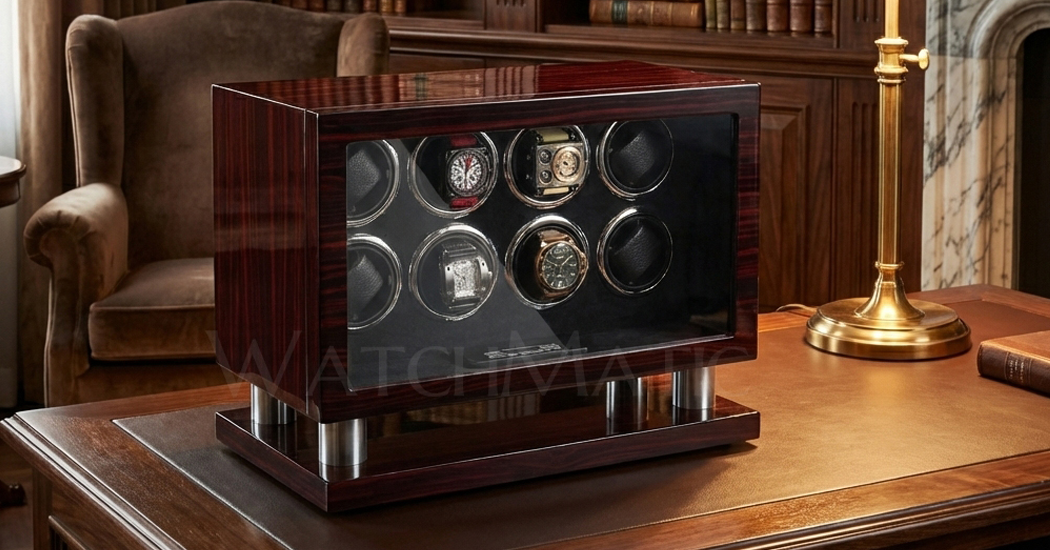
For many first-time buyers, a watch winder can feel like a confusing purchase. Some people are told it’s essential for automatic watches, while others hear warnings that it’s unnecessary or even harmful. The truth sits somewhere in the middle.
A watch winder can be useful — but only when it fits how you actually wear and store your watches. Before buying your first one, it helps to understand what a watch winder does, who benefits from it, and what really matters when choosing the right model.

Start With Your Wearing Habits

The most important factor has nothing to do with motors or settings. It’s about how often you wear your watch.
If you wear the same automatic watch every day, a watch winder likely isn’t necessary. Daily wrist movement usually keeps the watch wound naturally. In this case, a winder is a convenience, not a requirement.
However, if you rotate between multiple watches during the week, a winder can save time and effort. Instead of resetting the time and date each time you switch watches, your pieces remain ready to wear.
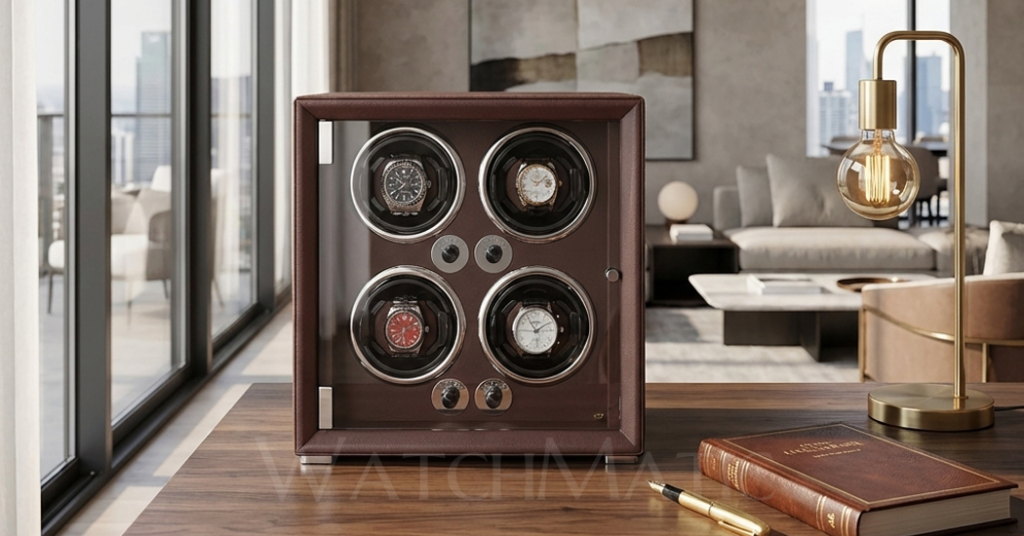
A watch winder is designed to maintain the power reserve of an automatic watch by gently rotating it when it’s not being worn.
What it does well:
- Keeps automatic watches running
- Reduces frequent manual winding
- Maintains complicated settings like date and calendar functions
What it does not do:
- Improve accuracy
- Prevent mechanical wear
- Replace regular servicing
- Increase the lifespan of the movement
Understanding these limits helps buyers avoid unrealistic expectations — and unnecessary purchases.
Adjustable Settings Matter More Than You Think
One common mistake first-time buyers make is choosing a winder that spins continuously. Automatic watches are designed to wind efficiently, not endlessly.
Different watches require different rotation directions and amounts of daily movement. A good entry-level winder should offer adjustable rotation cycles and rest periods, even if the settings are simple.
Collectors who want to understand these basics often turn to educational resources such as watch winder basics to better match their watch with appropriate settings.
Noise and Placement Are Often Overlooked
Another practical consideration is where the watch winder will be placed. A motor that seems quiet during the day can become noticeable at night, especially in a bedroom or home office.
Before buying, think about:
- Where the winder will sit
- How sensitive you are to background noise
- Whether the unit will be visible or stored away
A compact, quiet design is often better for first-time buyers than a large multi-watch unit.
Think About Your Collection — Not Just One Watch
Many buyers start with one automatic watch but gradually add more over time. Choosing a winder with future growth in mind can prevent the need to upgrade too quickly.
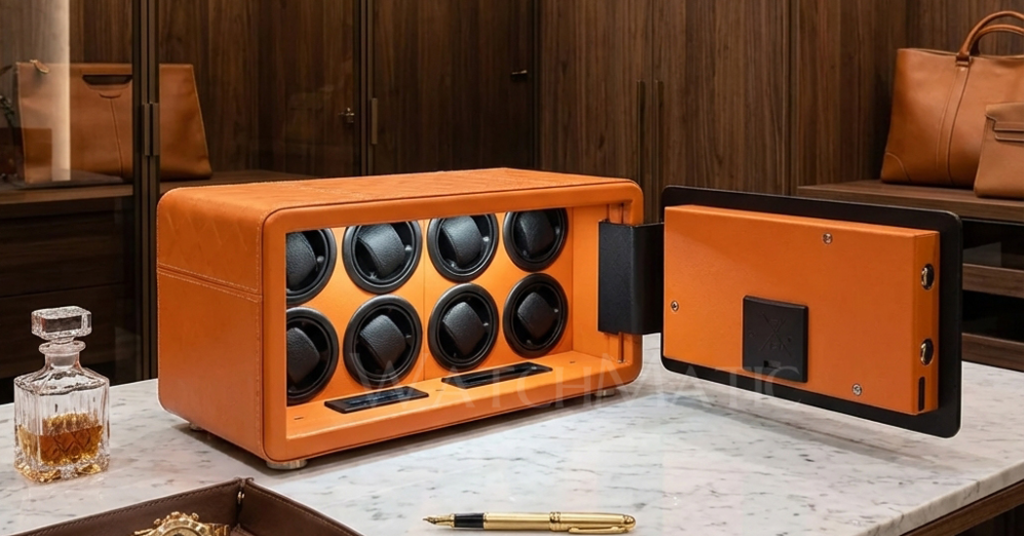
At the same time, buying a large unit “just in case” isn’t always practical. A single or double winder is often enough for beginners, while larger collections benefit from more flexible options like multi-watch winders.

A Convenience Tool, Not a Requirement

Perhaps the most important thing to remember is that a watch winder is not mandatory. Many watch owners enjoy manually winding their watches or resetting them when needed. Others prefer the simplicity of having a watch ready to wear at any moment.
Brands such as WatchMatic position watch winders as optional ownership tools rather than necessities — a mindset that helps first-time buyers make more confident choices.
Making a Thoughtful First Purchase
Buying your first watch winder doesn’t require deep technical knowledge. It requires understanding your routine, your space, and how much convenience you want from your watches.
If you rotate watches often or own pieces with date and calendar functions, a watch winder can simplify daily wear. If not, it’s perfectly reasonable to wait or skip one altogether.
Knowing the difference is what turns a watch winder from an impulse buy into a practical, well-considered addition.

