


Washington DC
New York
Toronto
Distribution: (800) 510 9863
Press ID
  • Login
Binghamton Herald
Advertisement
Wednesday, April 22, 2026
  • Home
  • World
  • Politics
  • Business
  • Technology
  • Culture
  • Health
  • Entertainment
  • Trending
No Result
View All Result
Binghamton Herald
No Result
View All Result
Home Trending

Rising Living Costs Changes Breakfast Habits Of Turks

by Binghamton Herald Report
November 24, 2022
in Trending
Share on FacebookShare on Twitter

ANKARA, Nov. 23 (Xinhua) — For Turks, breakfast is a ritual that cannot be missed, but the rising living cost is now compelling locals to spend less on this meal of the day.

“The purchasing power of citizens has dropped considerably compared to previous years and this has changed their breakfast habits,” Burak Yalcin, a bee farmer from the eastern province of Sivas, told Xinhua.

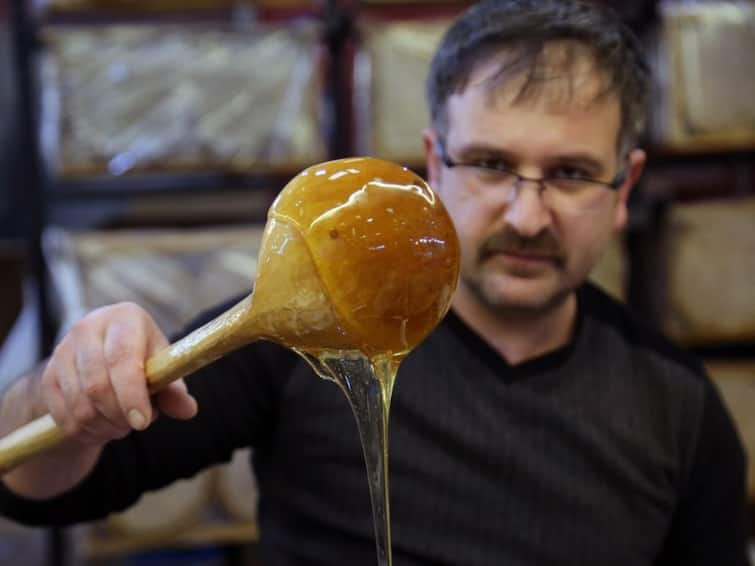
Yalcin was displaying many honey products of the family company at a “Breakfast Festival” in the capital city of Ankara that highlighted the importance of this essential meal of the day, even in times of economic crisis.

Honey used to be an indispensable part of the traditional Turkish breakfast, said Yalcin, but now its rising prices are pushing people away from the golden nectar.

“Compared to last year, the price of honey increased by 300 percent because of production and transportation costs,” the experienced bee farmer said.

Another must-have ingredient of the Turkish breakfast, the olives, is also falling from grace amid price hikes.

“In our region, people used to consume 4 or 5 different types of olives in the morning, but nowadays, it’s only one type of olive,” said Tulay Zor from the western province of Aydin, which is famous for its olive trees.

The producer said that olive prices have more than doubled in the past year, and there seems to be no reprieve in sight for the basic food inflation.

In fact, the costs of every key ingredient of the Turkish breakfast, such as eggs, milk, honey, fermented beef sausages, butter, olives, tomato bread, tea, and coffee, have all soared in the past year.

Official data released in early November by the Turkish Statistical Institute indicated that the cost of living in Türkiye has risen dramatically with food prices climbing 99 percent year-on-year.

The annual inflation rate is at 85.5 percent, the highest since 1998, leaving many Turks struggling to make ends meet.

The “poverty threshold” was set at 24,185 Turkish liras (1,300 U.S. dollars) for a family of four by the Confederation of Trade Unions in October, while the minimum wage applied to millions of workers stands currently at 5,500 liras (296 dollars).

According to estimations by the Turkish government, the annual inflation will drop sharply in the first trimester of 2023, but it will remain at around 50 percent until the mid-year.

(No editing has been done by ABP Live in the headline or the body copy of this report.)

ANKARA, Nov. 23 (Xinhua) — For Turks, breakfast is a ritual that cannot be missed, but the rising living cost is now compelling locals to spend less on this meal of the day.

“The purchasing power of citizens has dropped considerably compared to previous years and this has changed their breakfast habits,” Burak Yalcin, a bee farmer from the eastern province of Sivas, told Xinhua.

Yalcin was displaying many honey products of the family company at a “Breakfast Festival” in the capital city of Ankara that highlighted the importance of this essential meal of the day, even in times of economic crisis.

Honey used to be an indispensable part of the traditional Turkish breakfast, said Yalcin, but now its rising prices are pushing people away from the golden nectar.

“Compared to last year, the price of honey increased by 300 percent because of production and transportation costs,” the experienced bee farmer said.

Another must-have ingredient of the Turkish breakfast, the olives, is also falling from grace amid price hikes.

“In our region, people used to consume 4 or 5 different types of olives in the morning, but nowadays, it’s only one type of olive,” said Tulay Zor from the western province of Aydin, which is famous for its olive trees.

The producer said that olive prices have more than doubled in the past year, and there seems to be no reprieve in sight for the basic food inflation.

In fact, the costs of every key ingredient of the Turkish breakfast, such as eggs, milk, honey, fermented beef sausages, butter, olives, tomato bread, tea, and coffee, have all soared in the past year.

Official data released in early November by the Turkish Statistical Institute indicated that the cost of living in Türkiye has risen dramatically with food prices climbing 99 percent year-on-year.

The annual inflation rate is at 85.5 percent, the highest since 1998, leaving many Turks struggling to make ends meet.

The “poverty threshold” was set at 24,185 Turkish liras (1,300 U.S. dollars) for a family of four by the Confederation of Trade Unions in October, while the minimum wage applied to millions of workers stands currently at 5,500 liras (296 dollars).

According to estimations by the Turkish government, the annual inflation will drop sharply in the first trimester of 2023, but it will remain at around 50 percent until the mid-year.

(No editing has been done by ABP Live in the headline or the body copy of this report.)

ANKARA, Nov. 23 (Xinhua) — For Turks, breakfast is a ritual that cannot be missed, but the rising living cost is now compelling locals to spend less on this meal of the day.

“The purchasing power of citizens has dropped considerably compared to previous years and this has changed their breakfast habits,” Burak Yalcin, a bee farmer from the eastern province of Sivas, told Xinhua.

Yalcin was displaying many honey products of the family company at a “Breakfast Festival” in the capital city of Ankara that highlighted the importance of this essential meal of the day, even in times of economic crisis.

Honey used to be an indispensable part of the traditional Turkish breakfast, said Yalcin, but now its rising prices are pushing people away from the golden nectar.

“Compared to last year, the price of honey increased by 300 percent because of production and transportation costs,” the experienced bee farmer said.

Another must-have ingredient of the Turkish breakfast, the olives, is also falling from grace amid price hikes.

“In our region, people used to consume 4 or 5 different types of olives in the morning, but nowadays, it’s only one type of olive,” said Tulay Zor from the western province of Aydin, which is famous for its olive trees.

The producer said that olive prices have more than doubled in the past year, and there seems to be no reprieve in sight for the basic food inflation.

In fact, the costs of every key ingredient of the Turkish breakfast, such as eggs, milk, honey, fermented beef sausages, butter, olives, tomato bread, tea, and coffee, have all soared in the past year.

Official data released in early November by the Turkish Statistical Institute indicated that the cost of living in Türkiye has risen dramatically with food prices climbing 99 percent year-on-year.

The annual inflation rate is at 85.5 percent, the highest since 1998, leaving many Turks struggling to make ends meet.

The “poverty threshold” was set at 24,185 Turkish liras (1,300 U.S. dollars) for a family of four by the Confederation of Trade Unions in October, while the minimum wage applied to millions of workers stands currently at 5,500 liras (296 dollars).

According to estimations by the Turkish government, the annual inflation will drop sharply in the first trimester of 2023, but it will remain at around 50 percent until the mid-year.

(No editing has been done by ABP Live in the headline or the body copy of this report.)

ANKARA, Nov. 23 (Xinhua) — For Turks, breakfast is a ritual that cannot be missed, but the rising living cost is now compelling locals to spend less on this meal of the day.

“The purchasing power of citizens has dropped considerably compared to previous years and this has changed their breakfast habits,” Burak Yalcin, a bee farmer from the eastern province of Sivas, told Xinhua.

Yalcin was displaying many honey products of the family company at a “Breakfast Festival” in the capital city of Ankara that highlighted the importance of this essential meal of the day, even in times of economic crisis.

Honey used to be an indispensable part of the traditional Turkish breakfast, said Yalcin, but now its rising prices are pushing people away from the golden nectar.

“Compared to last year, the price of honey increased by 300 percent because of production and transportation costs,” the experienced bee farmer said.

Another must-have ingredient of the Turkish breakfast, the olives, is also falling from grace amid price hikes.

“In our region, people used to consume 4 or 5 different types of olives in the morning, but nowadays, it’s only one type of olive,” said Tulay Zor from the western province of Aydin, which is famous for its olive trees.

The producer said that olive prices have more than doubled in the past year, and there seems to be no reprieve in sight for the basic food inflation.

In fact, the costs of every key ingredient of the Turkish breakfast, such as eggs, milk, honey, fermented beef sausages, butter, olives, tomato bread, tea, and coffee, have all soared in the past year.

Official data released in early November by the Turkish Statistical Institute indicated that the cost of living in Türkiye has risen dramatically with food prices climbing 99 percent year-on-year.

The annual inflation rate is at 85.5 percent, the highest since 1998, leaving many Turks struggling to make ends meet.

The “poverty threshold” was set at 24,185 Turkish liras (1,300 U.S. dollars) for a family of four by the Confederation of Trade Unions in October, while the minimum wage applied to millions of workers stands currently at 5,500 liras (296 dollars).

According to estimations by the Turkish government, the annual inflation will drop sharply in the first trimester of 2023, but it will remain at around 50 percent until the mid-year.

(No editing has been done by ABP Live in the headline or the body copy of this report.)

ANKARA, Nov. 23 (Xinhua) — For Turks, breakfast is a ritual that cannot be missed, but the rising living cost is now compelling locals to spend less on this meal of the day.

“The purchasing power of citizens has dropped considerably compared to previous years and this has changed their breakfast habits,” Burak Yalcin, a bee farmer from the eastern province of Sivas, told Xinhua.

Yalcin was displaying many honey products of the family company at a “Breakfast Festival” in the capital city of Ankara that highlighted the importance of this essential meal of the day, even in times of economic crisis.

Honey used to be an indispensable part of the traditional Turkish breakfast, said Yalcin, but now its rising prices are pushing people away from the golden nectar.

“Compared to last year, the price of honey increased by 300 percent because of production and transportation costs,” the experienced bee farmer said.

Another must-have ingredient of the Turkish breakfast, the olives, is also falling from grace amid price hikes.

“In our region, people used to consume 4 or 5 different types of olives in the morning, but nowadays, it’s only one type of olive,” said Tulay Zor from the western province of Aydin, which is famous for its olive trees.

The producer said that olive prices have more than doubled in the past year, and there seems to be no reprieve in sight for the basic food inflation.

In fact, the costs of every key ingredient of the Turkish breakfast, such as eggs, milk, honey, fermented beef sausages, butter, olives, tomato bread, tea, and coffee, have all soared in the past year.

Official data released in early November by the Turkish Statistical Institute indicated that the cost of living in Türkiye has risen dramatically with food prices climbing 99 percent year-on-year.

The annual inflation rate is at 85.5 percent, the highest since 1998, leaving many Turks struggling to make ends meet.

The “poverty threshold” was set at 24,185 Turkish liras (1,300 U.S. dollars) for a family of four by the Confederation of Trade Unions in October, while the minimum wage applied to millions of workers stands currently at 5,500 liras (296 dollars).

According to estimations by the Turkish government, the annual inflation will drop sharply in the first trimester of 2023, but it will remain at around 50 percent until the mid-year.

(No editing has been done by ABP Live in the headline or the body copy of this report.)

ANKARA, Nov. 23 (Xinhua) — For Turks, breakfast is a ritual that cannot be missed, but the rising living cost is now compelling locals to spend less on this meal of the day.

“The purchasing power of citizens has dropped considerably compared to previous years and this has changed their breakfast habits,” Burak Yalcin, a bee farmer from the eastern province of Sivas, told Xinhua.

Yalcin was displaying many honey products of the family company at a “Breakfast Festival” in the capital city of Ankara that highlighted the importance of this essential meal of the day, even in times of economic crisis.

Honey used to be an indispensable part of the traditional Turkish breakfast, said Yalcin, but now its rising prices are pushing people away from the golden nectar.

“Compared to last year, the price of honey increased by 300 percent because of production and transportation costs,” the experienced bee farmer said.

Another must-have ingredient of the Turkish breakfast, the olives, is also falling from grace amid price hikes.

“In our region, people used to consume 4 or 5 different types of olives in the morning, but nowadays, it’s only one type of olive,” said Tulay Zor from the western province of Aydin, which is famous for its olive trees.

The producer said that olive prices have more than doubled in the past year, and there seems to be no reprieve in sight for the basic food inflation.

In fact, the costs of every key ingredient of the Turkish breakfast, such as eggs, milk, honey, fermented beef sausages, butter, olives, tomato bread, tea, and coffee, have all soared in the past year.

Official data released in early November by the Turkish Statistical Institute indicated that the cost of living in Türkiye has risen dramatically with food prices climbing 99 percent year-on-year.

The annual inflation rate is at 85.5 percent, the highest since 1998, leaving many Turks struggling to make ends meet.

The “poverty threshold” was set at 24,185 Turkish liras (1,300 U.S. dollars) for a family of four by the Confederation of Trade Unions in October, while the minimum wage applied to millions of workers stands currently at 5,500 liras (296 dollars).

According to estimations by the Turkish government, the annual inflation will drop sharply in the first trimester of 2023, but it will remain at around 50 percent until the mid-year.

(No editing has been done by ABP Live in the headline or the body copy of this report.)

ANKARA, Nov. 23 (Xinhua) — For Turks, breakfast is a ritual that cannot be missed, but the rising living cost is now compelling locals to spend less on this meal of the day.

“The purchasing power of citizens has dropped considerably compared to previous years and this has changed their breakfast habits,” Burak Yalcin, a bee farmer from the eastern province of Sivas, told Xinhua.

Yalcin was displaying many honey products of the family company at a “Breakfast Festival” in the capital city of Ankara that highlighted the importance of this essential meal of the day, even in times of economic crisis.

Honey used to be an indispensable part of the traditional Turkish breakfast, said Yalcin, but now its rising prices are pushing people away from the golden nectar.

“Compared to last year, the price of honey increased by 300 percent because of production and transportation costs,” the experienced bee farmer said.

Another must-have ingredient of the Turkish breakfast, the olives, is also falling from grace amid price hikes.

“In our region, people used to consume 4 or 5 different types of olives in the morning, but nowadays, it’s only one type of olive,” said Tulay Zor from the western province of Aydin, which is famous for its olive trees.

The producer said that olive prices have more than doubled in the past year, and there seems to be no reprieve in sight for the basic food inflation.

In fact, the costs of every key ingredient of the Turkish breakfast, such as eggs, milk, honey, fermented beef sausages, butter, olives, tomato bread, tea, and coffee, have all soared in the past year.

Official data released in early November by the Turkish Statistical Institute indicated that the cost of living in Türkiye has risen dramatically with food prices climbing 99 percent year-on-year.

The annual inflation rate is at 85.5 percent, the highest since 1998, leaving many Turks struggling to make ends meet.

The “poverty threshold” was set at 24,185 Turkish liras (1,300 U.S. dollars) for a family of four by the Confederation of Trade Unions in October, while the minimum wage applied to millions of workers stands currently at 5,500 liras (296 dollars).

According to estimations by the Turkish government, the annual inflation will drop sharply in the first trimester of 2023, but it will remain at around 50 percent until the mid-year.

(No editing has been done by ABP Live in the headline or the body copy of this report.)

ANKARA, Nov. 23 (Xinhua) — For Turks, breakfast is a ritual that cannot be missed, but the rising living cost is now compelling locals to spend less on this meal of the day.

“The purchasing power of citizens has dropped considerably compared to previous years and this has changed their breakfast habits,” Burak Yalcin, a bee farmer from the eastern province of Sivas, told Xinhua.

Yalcin was displaying many honey products of the family company at a “Breakfast Festival” in the capital city of Ankara that highlighted the importance of this essential meal of the day, even in times of economic crisis.

Honey used to be an indispensable part of the traditional Turkish breakfast, said Yalcin, but now its rising prices are pushing people away from the golden nectar.

“Compared to last year, the price of honey increased by 300 percent because of production and transportation costs,” the experienced bee farmer said.

Another must-have ingredient of the Turkish breakfast, the olives, is also falling from grace amid price hikes.

“In our region, people used to consume 4 or 5 different types of olives in the morning, but nowadays, it’s only one type of olive,” said Tulay Zor from the western province of Aydin, which is famous for its olive trees.

The producer said that olive prices have more than doubled in the past year, and there seems to be no reprieve in sight for the basic food inflation.

In fact, the costs of every key ingredient of the Turkish breakfast, such as eggs, milk, honey, fermented beef sausages, butter, olives, tomato bread, tea, and coffee, have all soared in the past year.

Official data released in early November by the Turkish Statistical Institute indicated that the cost of living in Türkiye has risen dramatically with food prices climbing 99 percent year-on-year.

The annual inflation rate is at 85.5 percent, the highest since 1998, leaving many Turks struggling to make ends meet.

The “poverty threshold” was set at 24,185 Turkish liras (1,300 U.S. dollars) for a family of four by the Confederation of Trade Unions in October, while the minimum wage applied to millions of workers stands currently at 5,500 liras (296 dollars).

According to estimations by the Turkish government, the annual inflation will drop sharply in the first trimester of 2023, but it will remain at around 50 percent until the mid-year.

(No editing has been done by ABP Live in the headline or the body copy of this report.)

ANKARA, Nov. 23 (Xinhua) — For Turks, breakfast is a ritual that cannot be missed, but the rising living cost is now compelling locals to spend less on this meal of the day.

“The purchasing power of citizens has dropped considerably compared to previous years and this has changed their breakfast habits,” Burak Yalcin, a bee farmer from the eastern province of Sivas, told Xinhua.

Yalcin was displaying many honey products of the family company at a “Breakfast Festival” in the capital city of Ankara that highlighted the importance of this essential meal of the day, even in times of economic crisis.

Honey used to be an indispensable part of the traditional Turkish breakfast, said Yalcin, but now its rising prices are pushing people away from the golden nectar.

“Compared to last year, the price of honey increased by 300 percent because of production and transportation costs,” the experienced bee farmer said.

Another must-have ingredient of the Turkish breakfast, the olives, is also falling from grace amid price hikes.

“In our region, people used to consume 4 or 5 different types of olives in the morning, but nowadays, it’s only one type of olive,” said Tulay Zor from the western province of Aydin, which is famous for its olive trees.

The producer said that olive prices have more than doubled in the past year, and there seems to be no reprieve in sight for the basic food inflation.

In fact, the costs of every key ingredient of the Turkish breakfast, such as eggs, milk, honey, fermented beef sausages, butter, olives, tomato bread, tea, and coffee, have all soared in the past year.

Official data released in early November by the Turkish Statistical Institute indicated that the cost of living in Türkiye has risen dramatically with food prices climbing 99 percent year-on-year.

The annual inflation rate is at 85.5 percent, the highest since 1998, leaving many Turks struggling to make ends meet.

The “poverty threshold” was set at 24,185 Turkish liras (1,300 U.S. dollars) for a family of four by the Confederation of Trade Unions in October, while the minimum wage applied to millions of workers stands currently at 5,500 liras (296 dollars).

According to estimations by the Turkish government, the annual inflation will drop sharply in the first trimester of 2023, but it will remain at around 50 percent until the mid-year.

(No editing has been done by ABP Live in the headline or the body copy of this report.)

ANKARA, Nov. 23 (Xinhua) — For Turks, breakfast is a ritual that cannot be missed, but the rising living cost is now compelling locals to spend less on this meal of the day.

“The purchasing power of citizens has dropped considerably compared to previous years and this has changed their breakfast habits,” Burak Yalcin, a bee farmer from the eastern province of Sivas, told Xinhua.

Yalcin was displaying many honey products of the family company at a “Breakfast Festival” in the capital city of Ankara that highlighted the importance of this essential meal of the day, even in times of economic crisis.

Honey used to be an indispensable part of the traditional Turkish breakfast, said Yalcin, but now its rising prices are pushing people away from the golden nectar.

“Compared to last year, the price of honey increased by 300 percent because of production and transportation costs,” the experienced bee farmer said.

Another must-have ingredient of the Turkish breakfast, the olives, is also falling from grace amid price hikes.

“In our region, people used to consume 4 or 5 different types of olives in the morning, but nowadays, it’s only one type of olive,” said Tulay Zor from the western province of Aydin, which is famous for its olive trees.

The producer said that olive prices have more than doubled in the past year, and there seems to be no reprieve in sight for the basic food inflation.

In fact, the costs of every key ingredient of the Turkish breakfast, such as eggs, milk, honey, fermented beef sausages, butter, olives, tomato bread, tea, and coffee, have all soared in the past year.

Official data released in early November by the Turkish Statistical Institute indicated that the cost of living in Türkiye has risen dramatically with food prices climbing 99 percent year-on-year.

The annual inflation rate is at 85.5 percent, the highest since 1998, leaving many Turks struggling to make ends meet.

The “poverty threshold” was set at 24,185 Turkish liras (1,300 U.S. dollars) for a family of four by the Confederation of Trade Unions in October, while the minimum wage applied to millions of workers stands currently at 5,500 liras (296 dollars).

According to estimations by the Turkish government, the annual inflation will drop sharply in the first trimester of 2023, but it will remain at around 50 percent until the mid-year.

(No editing has been done by ABP Live in the headline or the body copy of this report.)

ANKARA, Nov. 23 (Xinhua) — For Turks, breakfast is a ritual that cannot be missed, but the rising living cost is now compelling locals to spend less on this meal of the day.

“The purchasing power of citizens has dropped considerably compared to previous years and this has changed their breakfast habits,” Burak Yalcin, a bee farmer from the eastern province of Sivas, told Xinhua.

Yalcin was displaying many honey products of the family company at a “Breakfast Festival” in the capital city of Ankara that highlighted the importance of this essential meal of the day, even in times of economic crisis.

Honey used to be an indispensable part of the traditional Turkish breakfast, said Yalcin, but now its rising prices are pushing people away from the golden nectar.

“Compared to last year, the price of honey increased by 300 percent because of production and transportation costs,” the experienced bee farmer said.

Another must-have ingredient of the Turkish breakfast, the olives, is also falling from grace amid price hikes.

“In our region, people used to consume 4 or 5 different types of olives in the morning, but nowadays, it’s only one type of olive,” said Tulay Zor from the western province of Aydin, which is famous for its olive trees.

The producer said that olive prices have more than doubled in the past year, and there seems to be no reprieve in sight for the basic food inflation.

In fact, the costs of every key ingredient of the Turkish breakfast, such as eggs, milk, honey, fermented beef sausages, butter, olives, tomato bread, tea, and coffee, have all soared in the past year.

Official data released in early November by the Turkish Statistical Institute indicated that the cost of living in Türkiye has risen dramatically with food prices climbing 99 percent year-on-year.

The annual inflation rate is at 85.5 percent, the highest since 1998, leaving many Turks struggling to make ends meet.

The “poverty threshold” was set at 24,185 Turkish liras (1,300 U.S. dollars) for a family of four by the Confederation of Trade Unions in October, while the minimum wage applied to millions of workers stands currently at 5,500 liras (296 dollars).

According to estimations by the Turkish government, the annual inflation will drop sharply in the first trimester of 2023, but it will remain at around 50 percent until the mid-year.

(No editing has been done by ABP Live in the headline or the body copy of this report.)

ANKARA, Nov. 23 (Xinhua) — For Turks, breakfast is a ritual that cannot be missed, but the rising living cost is now compelling locals to spend less on this meal of the day.

“The purchasing power of citizens has dropped considerably compared to previous years and this has changed their breakfast habits,” Burak Yalcin, a bee farmer from the eastern province of Sivas, told Xinhua.

Yalcin was displaying many honey products of the family company at a “Breakfast Festival” in the capital city of Ankara that highlighted the importance of this essential meal of the day, even in times of economic crisis.

Honey used to be an indispensable part of the traditional Turkish breakfast, said Yalcin, but now its rising prices are pushing people away from the golden nectar.

“Compared to last year, the price of honey increased by 300 percent because of production and transportation costs,” the experienced bee farmer said.

Another must-have ingredient of the Turkish breakfast, the olives, is also falling from grace amid price hikes.

“In our region, people used to consume 4 or 5 different types of olives in the morning, but nowadays, it’s only one type of olive,” said Tulay Zor from the western province of Aydin, which is famous for its olive trees.

The producer said that olive prices have more than doubled in the past year, and there seems to be no reprieve in sight for the basic food inflation.

In fact, the costs of every key ingredient of the Turkish breakfast, such as eggs, milk, honey, fermented beef sausages, butter, olives, tomato bread, tea, and coffee, have all soared in the past year.

Official data released in early November by the Turkish Statistical Institute indicated that the cost of living in Türkiye has risen dramatically with food prices climbing 99 percent year-on-year.

The annual inflation rate is at 85.5 percent, the highest since 1998, leaving many Turks struggling to make ends meet.

The “poverty threshold” was set at 24,185 Turkish liras (1,300 U.S. dollars) for a family of four by the Confederation of Trade Unions in October, while the minimum wage applied to millions of workers stands currently at 5,500 liras (296 dollars).

According to estimations by the Turkish government, the annual inflation will drop sharply in the first trimester of 2023, but it will remain at around 50 percent until the mid-year.

(No editing has been done by ABP Live in the headline or the body copy of this report.)

ANKARA, Nov. 23 (Xinhua) — For Turks, breakfast is a ritual that cannot be missed, but the rising living cost is now compelling locals to spend less on this meal of the day.

“The purchasing power of citizens has dropped considerably compared to previous years and this has changed their breakfast habits,” Burak Yalcin, a bee farmer from the eastern province of Sivas, told Xinhua.

Yalcin was displaying many honey products of the family company at a “Breakfast Festival” in the capital city of Ankara that highlighted the importance of this essential meal of the day, even in times of economic crisis.

Honey used to be an indispensable part of the traditional Turkish breakfast, said Yalcin, but now its rising prices are pushing people away from the golden nectar.

“Compared to last year, the price of honey increased by 300 percent because of production and transportation costs,” the experienced bee farmer said.

Another must-have ingredient of the Turkish breakfast, the olives, is also falling from grace amid price hikes.

“In our region, people used to consume 4 or 5 different types of olives in the morning, but nowadays, it’s only one type of olive,” said Tulay Zor from the western province of Aydin, which is famous for its olive trees.

The producer said that olive prices have more than doubled in the past year, and there seems to be no reprieve in sight for the basic food inflation.

In fact, the costs of every key ingredient of the Turkish breakfast, such as eggs, milk, honey, fermented beef sausages, butter, olives, tomato bread, tea, and coffee, have all soared in the past year.

Official data released in early November by the Turkish Statistical Institute indicated that the cost of living in Türkiye has risen dramatically with food prices climbing 99 percent year-on-year.

The annual inflation rate is at 85.5 percent, the highest since 1998, leaving many Turks struggling to make ends meet.

The “poverty threshold” was set at 24,185 Turkish liras (1,300 U.S. dollars) for a family of four by the Confederation of Trade Unions in October, while the minimum wage applied to millions of workers stands currently at 5,500 liras (296 dollars).

According to estimations by the Turkish government, the annual inflation will drop sharply in the first trimester of 2023, but it will remain at around 50 percent until the mid-year.

(No editing has been done by ABP Live in the headline or the body copy of this report.)

ANKARA, Nov. 23 (Xinhua) — For Turks, breakfast is a ritual that cannot be missed, but the rising living cost is now compelling locals to spend less on this meal of the day.

“The purchasing power of citizens has dropped considerably compared to previous years and this has changed their breakfast habits,” Burak Yalcin, a bee farmer from the eastern province of Sivas, told Xinhua.

Yalcin was displaying many honey products of the family company at a “Breakfast Festival” in the capital city of Ankara that highlighted the importance of this essential meal of the day, even in times of economic crisis.

Honey used to be an indispensable part of the traditional Turkish breakfast, said Yalcin, but now its rising prices are pushing people away from the golden nectar.

“Compared to last year, the price of honey increased by 300 percent because of production and transportation costs,” the experienced bee farmer said.

Another must-have ingredient of the Turkish breakfast, the olives, is also falling from grace amid price hikes.

“In our region, people used to consume 4 or 5 different types of olives in the morning, but nowadays, it’s only one type of olive,” said Tulay Zor from the western province of Aydin, which is famous for its olive trees.

The producer said that olive prices have more than doubled in the past year, and there seems to be no reprieve in sight for the basic food inflation.

In fact, the costs of every key ingredient of the Turkish breakfast, such as eggs, milk, honey, fermented beef sausages, butter, olives, tomato bread, tea, and coffee, have all soared in the past year.

Official data released in early November by the Turkish Statistical Institute indicated that the cost of living in Türkiye has risen dramatically with food prices climbing 99 percent year-on-year.

The annual inflation rate is at 85.5 percent, the highest since 1998, leaving many Turks struggling to make ends meet.

The “poverty threshold” was set at 24,185 Turkish liras (1,300 U.S. dollars) for a family of four by the Confederation of Trade Unions in October, while the minimum wage applied to millions of workers stands currently at 5,500 liras (296 dollars).

According to estimations by the Turkish government, the annual inflation will drop sharply in the first trimester of 2023, but it will remain at around 50 percent until the mid-year.

(No editing has been done by ABP Live in the headline or the body copy of this report.)

ANKARA, Nov. 23 (Xinhua) — For Turks, breakfast is a ritual that cannot be missed, but the rising living cost is now compelling locals to spend less on this meal of the day.

“The purchasing power of citizens has dropped considerably compared to previous years and this has changed their breakfast habits,” Burak Yalcin, a bee farmer from the eastern province of Sivas, told Xinhua.

Yalcin was displaying many honey products of the family company at a “Breakfast Festival” in the capital city of Ankara that highlighted the importance of this essential meal of the day, even in times of economic crisis.

Honey used to be an indispensable part of the traditional Turkish breakfast, said Yalcin, but now its rising prices are pushing people away from the golden nectar.

“Compared to last year, the price of honey increased by 300 percent because of production and transportation costs,” the experienced bee farmer said.

Another must-have ingredient of the Turkish breakfast, the olives, is also falling from grace amid price hikes.

“In our region, people used to consume 4 or 5 different types of olives in the morning, but nowadays, it’s only one type of olive,” said Tulay Zor from the western province of Aydin, which is famous for its olive trees.

The producer said that olive prices have more than doubled in the past year, and there seems to be no reprieve in sight for the basic food inflation.

In fact, the costs of every key ingredient of the Turkish breakfast, such as eggs, milk, honey, fermented beef sausages, butter, olives, tomato bread, tea, and coffee, have all soared in the past year.

Official data released in early November by the Turkish Statistical Institute indicated that the cost of living in Türkiye has risen dramatically with food prices climbing 99 percent year-on-year.

The annual inflation rate is at 85.5 percent, the highest since 1998, leaving many Turks struggling to make ends meet.

The “poverty threshold” was set at 24,185 Turkish liras (1,300 U.S. dollars) for a family of four by the Confederation of Trade Unions in October, while the minimum wage applied to millions of workers stands currently at 5,500 liras (296 dollars).

According to estimations by the Turkish government, the annual inflation will drop sharply in the first trimester of 2023, but it will remain at around 50 percent until the mid-year.

(No editing has been done by ABP Live in the headline or the body copy of this report.)

ANKARA, Nov. 23 (Xinhua) — For Turks, breakfast is a ritual that cannot be missed, but the rising living cost is now compelling locals to spend less on this meal of the day.

“The purchasing power of citizens has dropped considerably compared to previous years and this has changed their breakfast habits,” Burak Yalcin, a bee farmer from the eastern province of Sivas, told Xinhua.

Yalcin was displaying many honey products of the family company at a “Breakfast Festival” in the capital city of Ankara that highlighted the importance of this essential meal of the day, even in times of economic crisis.

Honey used to be an indispensable part of the traditional Turkish breakfast, said Yalcin, but now its rising prices are pushing people away from the golden nectar.

“Compared to last year, the price of honey increased by 300 percent because of production and transportation costs,” the experienced bee farmer said.

Another must-have ingredient of the Turkish breakfast, the olives, is also falling from grace amid price hikes.

“In our region, people used to consume 4 or 5 different types of olives in the morning, but nowadays, it’s only one type of olive,” said Tulay Zor from the western province of Aydin, which is famous for its olive trees.

The producer said that olive prices have more than doubled in the past year, and there seems to be no reprieve in sight for the basic food inflation.

In fact, the costs of every key ingredient of the Turkish breakfast, such as eggs, milk, honey, fermented beef sausages, butter, olives, tomato bread, tea, and coffee, have all soared in the past year.

Official data released in early November by the Turkish Statistical Institute indicated that the cost of living in Türkiye has risen dramatically with food prices climbing 99 percent year-on-year.

The annual inflation rate is at 85.5 percent, the highest since 1998, leaving many Turks struggling to make ends meet.

The “poverty threshold” was set at 24,185 Turkish liras (1,300 U.S. dollars) for a family of four by the Confederation of Trade Unions in October, while the minimum wage applied to millions of workers stands currently at 5,500 liras (296 dollars).

According to estimations by the Turkish government, the annual inflation will drop sharply in the first trimester of 2023, but it will remain at around 50 percent until the mid-year.

(No editing has been done by ABP Live in the headline or the body copy of this report.)

Tags: Turkey BreakfastTurkey LiraTurkish Tradition
Previous Post

Nepal Polls: Nepali Congress-Led Coalition Leads In Counting

Next Post

China-Supported ICT Project Completed In Bangladesh

Leave a Reply Cancel reply

Your email address will not be published. Required fields are marked *

BROWSE BY CATEGORIES

  • Business
  • Culture
  • Entertainment
  • Health
  • Politics
  • Technology
  • Trending
  • Uncategorized
  • World
Binghamton Herald

© 2024 Binghamton Herald or its affiliated companies.

Navigate Site

  • About
  • Advertise
  • Terms & Conditions
  • Privacy Policy
  • Disclaimer
  • Contact

Follow Us

No Result
View All Result
  • Home
  • World
  • Politics
  • Business
  • Technology
  • Culture
  • Health
  • Entertainment
  • Trending

© 2024 Binghamton Herald or its affiliated companies.

Welcome Back!

Login to your account below

Forgotten Password?

Retrieve your password

Please enter your username or email address to reset your password.

Log In