

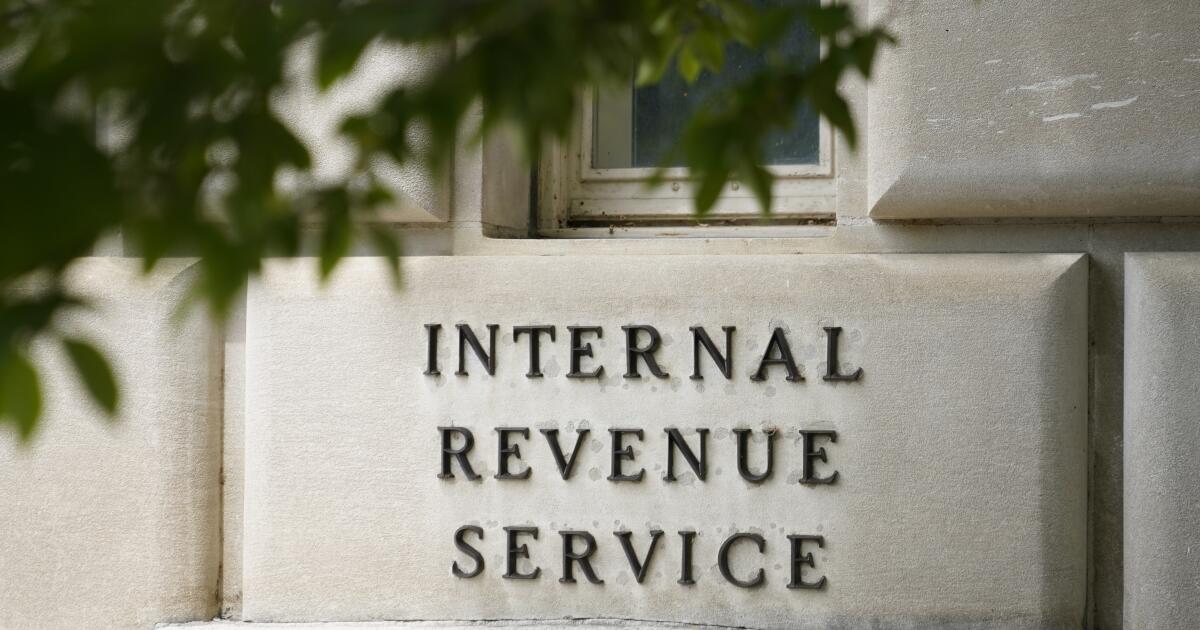
Dear Liz: I lived in a house for 45 years. During that time, my daughter and her family moved in due to the 2008 financial crisis. I have not charged her rent. However, I moved out five years ago, and her family is still there rent-free. I understand that when I sell, I will owe capital gains tax because it is no longer my primary residence. Are there any hardship rules that may help me?
Answer: Unfortunately, the IRS doesn’t consider freeloading relatives as one of the hardships that can modify the home sales exclusion rules.
Your capital gain will be calculated by subtracting your tax basis in the home from the sales proceeds, minus selling costs. Your tax basis is generally what you paid for the house, plus the cost of qualifying upgrades.
You can exclude up to $250,000 of home sale capital gains (or $500,000 if married filing jointly), but only if you’ve owned and lived in the property as your primary residence for at least two of the past five years. There is a partial exclusion for people who fall short of the two-year mark because of certain reasons, such as a work- or health-related move.
Dear Liz: My mother recently passed and my sister is handling all the legalities. At one point, my sister mentioned our mother had a sizable savings account plus two retirement accounts valued at $400,000, and that I would receive something. Now she is simply saying, “I don’t know where the money has gone.” She handled all my mother’s finances for years before her death. How is this possible? I can’t hire an attorney, nor do I want to alienate my sister or seem greedy. What should I do?
Answer: If your sister handled your mother’s finances for years and she’s settling the estate, then she almost certainly knows where the money went. Why she won’t tell you is the mystery.
Your mother’s money may have been eaten up by long-term care expenses, which can be breathtakingly expensive. That’s especially true if there was a long gap between your sister’s disclosure about the accounts and your mother’s death.
If that were the case, though, your sister could just say so.
There are many other possibilities. Your mother could have been scammed, or gambled away the money, or been the victim of financial elder abuse. Abusers are often people the elders know, including relatives and caregivers.
Perhaps your sister didn’t help herself during your mother’s lifetime, but arranged to be the beneficiary of all the accounts, either with or without your mother’s consent.
You don’t have many options if you aren’t willing or able to consult an attorney, but you wouldn’t be greedy to ask for some clarity from your sister.
Dear Liz: I read your column about the parent who unexpectedly had to take over for their incapacitated son. You suggested every adult have a power of attorney and healthcare proxy. Excellent advice! However, as I discovered in dealing with my father’s illness and estate, these general documents are not always recognized by the very institutions they were designed for. His bank, mortgage company and health insurance company would only recognize their versions of these documents.
Fortunately, while he was still able to, I was able to procure each of these documents with his signatures on them but it was very stressful at a difficult time for all of us. I would suggest you amend your advice to people to check to see if their banks and so on also require their specific forms.
Answer: Financial institutions are supposed to accept properly drafted powers of attorney, but some of them insist on their own forms, agrees Burton Mitchell, an estate planning attorney in Los Angeles.
“Sometimes one can get around these rules by appealing to higher ups in the organization, but it is unnecessarily difficult, time-consuming and complicated,” Mitchell says.
Checking with your financial institutions now could avoid hassles later.
Liz Weston, Certified Financial Planner®, is a personal finance columnist. Questions may be sent to her at 3940 Laurel Canyon, No. 238, Studio City, CA 91604, or by using the “Contact” form at asklizweston.com.

Dear Liz: I lived in a house for 45 years. During that time, my daughter and her family moved in due to the 2008 financial crisis. I have not charged her rent. However, I moved out five years ago, and her family is still there rent-free. I understand that when I sell, I will owe capital gains tax because it is no longer my primary residence. Are there any hardship rules that may help me?
Answer: Unfortunately, the IRS doesn’t consider freeloading relatives as one of the hardships that can modify the home sales exclusion rules.
Your capital gain will be calculated by subtracting your tax basis in the home from the sales proceeds, minus selling costs. Your tax basis is generally what you paid for the house, plus the cost of qualifying upgrades.
You can exclude up to $250,000 of home sale capital gains (or $500,000 if married filing jointly), but only if you’ve owned and lived in the property as your primary residence for at least two of the past five years. There is a partial exclusion for people who fall short of the two-year mark because of certain reasons, such as a work- or health-related move.
Dear Liz: My mother recently passed and my sister is handling all the legalities. At one point, my sister mentioned our mother had a sizable savings account plus two retirement accounts valued at $400,000, and that I would receive something. Now she is simply saying, “I don’t know where the money has gone.” She handled all my mother’s finances for years before her death. How is this possible? I can’t hire an attorney, nor do I want to alienate my sister or seem greedy. What should I do?
Answer: If your sister handled your mother’s finances for years and she’s settling the estate, then she almost certainly knows where the money went. Why she won’t tell you is the mystery.
Your mother’s money may have been eaten up by long-term care expenses, which can be breathtakingly expensive. That’s especially true if there was a long gap between your sister’s disclosure about the accounts and your mother’s death.
If that were the case, though, your sister could just say so.
There are many other possibilities. Your mother could have been scammed, or gambled away the money, or been the victim of financial elder abuse. Abusers are often people the elders know, including relatives and caregivers.
Perhaps your sister didn’t help herself during your mother’s lifetime, but arranged to be the beneficiary of all the accounts, either with or without your mother’s consent.
You don’t have many options if you aren’t willing or able to consult an attorney, but you wouldn’t be greedy to ask for some clarity from your sister.
Dear Liz: I read your column about the parent who unexpectedly had to take over for their incapacitated son. You suggested every adult have a power of attorney and healthcare proxy. Excellent advice! However, as I discovered in dealing with my father’s illness and estate, these general documents are not always recognized by the very institutions they were designed for. His bank, mortgage company and health insurance company would only recognize their versions of these documents.
Fortunately, while he was still able to, I was able to procure each of these documents with his signatures on them but it was very stressful at a difficult time for all of us. I would suggest you amend your advice to people to check to see if their banks and so on also require their specific forms.
Answer: Financial institutions are supposed to accept properly drafted powers of attorney, but some of them insist on their own forms, agrees Burton Mitchell, an estate planning attorney in Los Angeles.
“Sometimes one can get around these rules by appealing to higher ups in the organization, but it is unnecessarily difficult, time-consuming and complicated,” Mitchell says.
Checking with your financial institutions now could avoid hassles later.
Liz Weston, Certified Financial Planner®, is a personal finance columnist. Questions may be sent to her at 3940 Laurel Canyon, No. 238, Studio City, CA 91604, or by using the “Contact” form at asklizweston.com.

Dear Liz: I lived in a house for 45 years. During that time, my daughter and her family moved in due to the 2008 financial crisis. I have not charged her rent. However, I moved out five years ago, and her family is still there rent-free. I understand that when I sell, I will owe capital gains tax because it is no longer my primary residence. Are there any hardship rules that may help me?
Answer: Unfortunately, the IRS doesn’t consider freeloading relatives as one of the hardships that can modify the home sales exclusion rules.
Your capital gain will be calculated by subtracting your tax basis in the home from the sales proceeds, minus selling costs. Your tax basis is generally what you paid for the house, plus the cost of qualifying upgrades.
You can exclude up to $250,000 of home sale capital gains (or $500,000 if married filing jointly), but only if you’ve owned and lived in the property as your primary residence for at least two of the past five years. There is a partial exclusion for people who fall short of the two-year mark because of certain reasons, such as a work- or health-related move.
Dear Liz: My mother recently passed and my sister is handling all the legalities. At one point, my sister mentioned our mother had a sizable savings account plus two retirement accounts valued at $400,000, and that I would receive something. Now she is simply saying, “I don’t know where the money has gone.” She handled all my mother’s finances for years before her death. How is this possible? I can’t hire an attorney, nor do I want to alienate my sister or seem greedy. What should I do?
Answer: If your sister handled your mother’s finances for years and she’s settling the estate, then she almost certainly knows where the money went. Why she won’t tell you is the mystery.
Your mother’s money may have been eaten up by long-term care expenses, which can be breathtakingly expensive. That’s especially true if there was a long gap between your sister’s disclosure about the accounts and your mother’s death.
If that were the case, though, your sister could just say so.
There are many other possibilities. Your mother could have been scammed, or gambled away the money, or been the victim of financial elder abuse. Abusers are often people the elders know, including relatives and caregivers.
Perhaps your sister didn’t help herself during your mother’s lifetime, but arranged to be the beneficiary of all the accounts, either with or without your mother’s consent.
You don’t have many options if you aren’t willing or able to consult an attorney, but you wouldn’t be greedy to ask for some clarity from your sister.
Dear Liz: I read your column about the parent who unexpectedly had to take over for their incapacitated son. You suggested every adult have a power of attorney and healthcare proxy. Excellent advice! However, as I discovered in dealing with my father’s illness and estate, these general documents are not always recognized by the very institutions they were designed for. His bank, mortgage company and health insurance company would only recognize their versions of these documents.
Fortunately, while he was still able to, I was able to procure each of these documents with his signatures on them but it was very stressful at a difficult time for all of us. I would suggest you amend your advice to people to check to see if their banks and so on also require their specific forms.
Answer: Financial institutions are supposed to accept properly drafted powers of attorney, but some of them insist on their own forms, agrees Burton Mitchell, an estate planning attorney in Los Angeles.
“Sometimes one can get around these rules by appealing to higher ups in the organization, but it is unnecessarily difficult, time-consuming and complicated,” Mitchell says.
Checking with your financial institutions now could avoid hassles later.
Liz Weston, Certified Financial Planner®, is a personal finance columnist. Questions may be sent to her at 3940 Laurel Canyon, No. 238, Studio City, CA 91604, or by using the “Contact” form at asklizweston.com.
Dear Liz: I lived in a house for 45 years. During that time, my daughter and her family moved in due to the 2008 financial crisis. I have not charged her rent. However, I moved out five years ago, and her family is still there rent-free. I understand that when I sell, I will owe capital gains tax because it is no longer my primary residence. Are there any hardship rules that may help me?
Answer: Unfortunately, the IRS doesn’t consider freeloading relatives as one of the hardships that can modify the home sales exclusion rules.
Your capital gain will be calculated by subtracting your tax basis in the home from the sales proceeds, minus selling costs. Your tax basis is generally what you paid for the house, plus the cost of qualifying upgrades.
You can exclude up to $250,000 of home sale capital gains (or $500,000 if married filing jointly), but only if you’ve owned and lived in the property as your primary residence for at least two of the past five years. There is a partial exclusion for people who fall short of the two-year mark because of certain reasons, such as a work- or health-related move.
Dear Liz: My mother recently passed and my sister is handling all the legalities. At one point, my sister mentioned our mother had a sizable savings account plus two retirement accounts valued at $400,000, and that I would receive something. Now she is simply saying, “I don’t know where the money has gone.” She handled all my mother’s finances for years before her death. How is this possible? I can’t hire an attorney, nor do I want to alienate my sister or seem greedy. What should I do?
Answer: If your sister handled your mother’s finances for years and she’s settling the estate, then she almost certainly knows where the money went. Why she won’t tell you is the mystery.
Your mother’s money may have been eaten up by long-term care expenses, which can be breathtakingly expensive. That’s especially true if there was a long gap between your sister’s disclosure about the accounts and your mother’s death.
If that were the case, though, your sister could just say so.
There are many other possibilities. Your mother could have been scammed, or gambled away the money, or been the victim of financial elder abuse. Abusers are often people the elders know, including relatives and caregivers.
Perhaps your sister didn’t help herself during your mother’s lifetime, but arranged to be the beneficiary of all the accounts, either with or without your mother’s consent.
You don’t have many options if you aren’t willing or able to consult an attorney, but you wouldn’t be greedy to ask for some clarity from your sister.
Dear Liz: I read your column about the parent who unexpectedly had to take over for their incapacitated son. You suggested every adult have a power of attorney and healthcare proxy. Excellent advice! However, as I discovered in dealing with my father’s illness and estate, these general documents are not always recognized by the very institutions they were designed for. His bank, mortgage company and health insurance company would only recognize their versions of these documents.
Fortunately, while he was still able to, I was able to procure each of these documents with his signatures on them but it was very stressful at a difficult time for all of us. I would suggest you amend your advice to people to check to see if their banks and so on also require their specific forms.
Answer: Financial institutions are supposed to accept properly drafted powers of attorney, but some of them insist on their own forms, agrees Burton Mitchell, an estate planning attorney in Los Angeles.
“Sometimes one can get around these rules by appealing to higher ups in the organization, but it is unnecessarily difficult, time-consuming and complicated,” Mitchell says.
Checking with your financial institutions now could avoid hassles later.
Liz Weston, Certified Financial Planner®, is a personal finance columnist. Questions may be sent to her at 3940 Laurel Canyon, No. 238, Studio City, CA 91604, or by using the “Contact” form at asklizweston.com.

Dear Liz: I lived in a house for 45 years. During that time, my daughter and her family moved in due to the 2008 financial crisis. I have not charged her rent. However, I moved out five years ago, and her family is still there rent-free. I understand that when I sell, I will owe capital gains tax because it is no longer my primary residence. Are there any hardship rules that may help me?
Answer: Unfortunately, the IRS doesn’t consider freeloading relatives as one of the hardships that can modify the home sales exclusion rules.
Your capital gain will be calculated by subtracting your tax basis in the home from the sales proceeds, minus selling costs. Your tax basis is generally what you paid for the house, plus the cost of qualifying upgrades.
You can exclude up to $250,000 of home sale capital gains (or $500,000 if married filing jointly), but only if you’ve owned and lived in the property as your primary residence for at least two of the past five years. There is a partial exclusion for people who fall short of the two-year mark because of certain reasons, such as a work- or health-related move.
Dear Liz: My mother recently passed and my sister is handling all the legalities. At one point, my sister mentioned our mother had a sizable savings account plus two retirement accounts valued at $400,000, and that I would receive something. Now she is simply saying, “I don’t know where the money has gone.” She handled all my mother’s finances for years before her death. How is this possible? I can’t hire an attorney, nor do I want to alienate my sister or seem greedy. What should I do?
Answer: If your sister handled your mother’s finances for years and she’s settling the estate, then she almost certainly knows where the money went. Why she won’t tell you is the mystery.
Your mother’s money may have been eaten up by long-term care expenses, which can be breathtakingly expensive. That’s especially true if there was a long gap between your sister’s disclosure about the accounts and your mother’s death.
If that were the case, though, your sister could just say so.
There are many other possibilities. Your mother could have been scammed, or gambled away the money, or been the victim of financial elder abuse. Abusers are often people the elders know, including relatives and caregivers.
Perhaps your sister didn’t help herself during your mother’s lifetime, but arranged to be the beneficiary of all the accounts, either with or without your mother’s consent.
You don’t have many options if you aren’t willing or able to consult an attorney, but you wouldn’t be greedy to ask for some clarity from your sister.
Dear Liz: I read your column about the parent who unexpectedly had to take over for their incapacitated son. You suggested every adult have a power of attorney and healthcare proxy. Excellent advice! However, as I discovered in dealing with my father’s illness and estate, these general documents are not always recognized by the very institutions they were designed for. His bank, mortgage company and health insurance company would only recognize their versions of these documents.
Fortunately, while he was still able to, I was able to procure each of these documents with his signatures on them but it was very stressful at a difficult time for all of us. I would suggest you amend your advice to people to check to see if their banks and so on also require their specific forms.
Answer: Financial institutions are supposed to accept properly drafted powers of attorney, but some of them insist on their own forms, agrees Burton Mitchell, an estate planning attorney in Los Angeles.
“Sometimes one can get around these rules by appealing to higher ups in the organization, but it is unnecessarily difficult, time-consuming and complicated,” Mitchell says.
Checking with your financial institutions now could avoid hassles later.
Liz Weston, Certified Financial Planner®, is a personal finance columnist. Questions may be sent to her at 3940 Laurel Canyon, No. 238, Studio City, CA 91604, or by using the “Contact” form at asklizweston.com.
Dear Liz: I lived in a house for 45 years. During that time, my daughter and her family moved in due to the 2008 financial crisis. I have not charged her rent. However, I moved out five years ago, and her family is still there rent-free. I understand that when I sell, I will owe capital gains tax because it is no longer my primary residence. Are there any hardship rules that may help me?
Answer: Unfortunately, the IRS doesn’t consider freeloading relatives as one of the hardships that can modify the home sales exclusion rules.
Your capital gain will be calculated by subtracting your tax basis in the home from the sales proceeds, minus selling costs. Your tax basis is generally what you paid for the house, plus the cost of qualifying upgrades.
You can exclude up to $250,000 of home sale capital gains (or $500,000 if married filing jointly), but only if you’ve owned and lived in the property as your primary residence for at least two of the past five years. There is a partial exclusion for people who fall short of the two-year mark because of certain reasons, such as a work- or health-related move.
Dear Liz: My mother recently passed and my sister is handling all the legalities. At one point, my sister mentioned our mother had a sizable savings account plus two retirement accounts valued at $400,000, and that I would receive something. Now she is simply saying, “I don’t know where the money has gone.” She handled all my mother’s finances for years before her death. How is this possible? I can’t hire an attorney, nor do I want to alienate my sister or seem greedy. What should I do?
Answer: If your sister handled your mother’s finances for years and she’s settling the estate, then she almost certainly knows where the money went. Why she won’t tell you is the mystery.
Your mother’s money may have been eaten up by long-term care expenses, which can be breathtakingly expensive. That’s especially true if there was a long gap between your sister’s disclosure about the accounts and your mother’s death.
If that were the case, though, your sister could just say so.
There are many other possibilities. Your mother could have been scammed, or gambled away the money, or been the victim of financial elder abuse. Abusers are often people the elders know, including relatives and caregivers.
Perhaps your sister didn’t help herself during your mother’s lifetime, but arranged to be the beneficiary of all the accounts, either with or without your mother’s consent.
You don’t have many options if you aren’t willing or able to consult an attorney, but you wouldn’t be greedy to ask for some clarity from your sister.
Dear Liz: I read your column about the parent who unexpectedly had to take over for their incapacitated son. You suggested every adult have a power of attorney and healthcare proxy. Excellent advice! However, as I discovered in dealing with my father’s illness and estate, these general documents are not always recognized by the very institutions they were designed for. His bank, mortgage company and health insurance company would only recognize their versions of these documents.
Fortunately, while he was still able to, I was able to procure each of these documents with his signatures on them but it was very stressful at a difficult time for all of us. I would suggest you amend your advice to people to check to see if their banks and so on also require their specific forms.
Answer: Financial institutions are supposed to accept properly drafted powers of attorney, but some of them insist on their own forms, agrees Burton Mitchell, an estate planning attorney in Los Angeles.
“Sometimes one can get around these rules by appealing to higher ups in the organization, but it is unnecessarily difficult, time-consuming and complicated,” Mitchell says.
Checking with your financial institutions now could avoid hassles later.
Liz Weston, Certified Financial Planner®, is a personal finance columnist. Questions may be sent to her at 3940 Laurel Canyon, No. 238, Studio City, CA 91604, or by using the “Contact” form at asklizweston.com.
Dear Liz: I lived in a house for 45 years. During that time, my daughter and her family moved in due to the 2008 financial crisis. I have not charged her rent. However, I moved out five years ago, and her family is still there rent-free. I understand that when I sell, I will owe capital gains tax because it is no longer my primary residence. Are there any hardship rules that may help me?
Answer: Unfortunately, the IRS doesn’t consider freeloading relatives as one of the hardships that can modify the home sales exclusion rules.
Your capital gain will be calculated by subtracting your tax basis in the home from the sales proceeds, minus selling costs. Your tax basis is generally what you paid for the house, plus the cost of qualifying upgrades.
You can exclude up to $250,000 of home sale capital gains (or $500,000 if married filing jointly), but only if you’ve owned and lived in the property as your primary residence for at least two of the past five years. There is a partial exclusion for people who fall short of the two-year mark because of certain reasons, such as a work- or health-related move.
Dear Liz: My mother recently passed and my sister is handling all the legalities. At one point, my sister mentioned our mother had a sizable savings account plus two retirement accounts valued at $400,000, and that I would receive something. Now she is simply saying, “I don’t know where the money has gone.” She handled all my mother’s finances for years before her death. How is this possible? I can’t hire an attorney, nor do I want to alienate my sister or seem greedy. What should I do?
Answer: If your sister handled your mother’s finances for years and she’s settling the estate, then she almost certainly knows where the money went. Why she won’t tell you is the mystery.
Your mother’s money may have been eaten up by long-term care expenses, which can be breathtakingly expensive. That’s especially true if there was a long gap between your sister’s disclosure about the accounts and your mother’s death.
If that were the case, though, your sister could just say so.
There are many other possibilities. Your mother could have been scammed, or gambled away the money, or been the victim of financial elder abuse. Abusers are often people the elders know, including relatives and caregivers.
Perhaps your sister didn’t help herself during your mother’s lifetime, but arranged to be the beneficiary of all the accounts, either with or without your mother’s consent.
You don’t have many options if you aren’t willing or able to consult an attorney, but you wouldn’t be greedy to ask for some clarity from your sister.
Dear Liz: I read your column about the parent who unexpectedly had to take over for their incapacitated son. You suggested every adult have a power of attorney and healthcare proxy. Excellent advice! However, as I discovered in dealing with my father’s illness and estate, these general documents are not always recognized by the very institutions they were designed for. His bank, mortgage company and health insurance company would only recognize their versions of these documents.
Fortunately, while he was still able to, I was able to procure each of these documents with his signatures on them but it was very stressful at a difficult time for all of us. I would suggest you amend your advice to people to check to see if their banks and so on also require their specific forms.
Answer: Financial institutions are supposed to accept properly drafted powers of attorney, but some of them insist on their own forms, agrees Burton Mitchell, an estate planning attorney in Los Angeles.
“Sometimes one can get around these rules by appealing to higher ups in the organization, but it is unnecessarily difficult, time-consuming and complicated,” Mitchell says.
Checking with your financial institutions now could avoid hassles later.
Liz Weston, Certified Financial Planner®, is a personal finance columnist. Questions may be sent to her at 3940 Laurel Canyon, No. 238, Studio City, CA 91604, or by using the “Contact” form at asklizweston.com.
Dear Liz: I lived in a house for 45 years. During that time, my daughter and her family moved in due to the 2008 financial crisis. I have not charged her rent. However, I moved out five years ago, and her family is still there rent-free. I understand that when I sell, I will owe capital gains tax because it is no longer my primary residence. Are there any hardship rules that may help me?
Answer: Unfortunately, the IRS doesn’t consider freeloading relatives as one of the hardships that can modify the home sales exclusion rules.
Your capital gain will be calculated by subtracting your tax basis in the home from the sales proceeds, minus selling costs. Your tax basis is generally what you paid for the house, plus the cost of qualifying upgrades.
You can exclude up to $250,000 of home sale capital gains (or $500,000 if married filing jointly), but only if you’ve owned and lived in the property as your primary residence for at least two of the past five years. There is a partial exclusion for people who fall short of the two-year mark because of certain reasons, such as a work- or health-related move.
Dear Liz: My mother recently passed and my sister is handling all the legalities. At one point, my sister mentioned our mother had a sizable savings account plus two retirement accounts valued at $400,000, and that I would receive something. Now she is simply saying, “I don’t know where the money has gone.” She handled all my mother’s finances for years before her death. How is this possible? I can’t hire an attorney, nor do I want to alienate my sister or seem greedy. What should I do?
Answer: If your sister handled your mother’s finances for years and she’s settling the estate, then she almost certainly knows where the money went. Why she won’t tell you is the mystery.
Your mother’s money may have been eaten up by long-term care expenses, which can be breathtakingly expensive. That’s especially true if there was a long gap between your sister’s disclosure about the accounts and your mother’s death.
If that were the case, though, your sister could just say so.
There are many other possibilities. Your mother could have been scammed, or gambled away the money, or been the victim of financial elder abuse. Abusers are often people the elders know, including relatives and caregivers.
Perhaps your sister didn’t help herself during your mother’s lifetime, but arranged to be the beneficiary of all the accounts, either with or without your mother’s consent.
You don’t have many options if you aren’t willing or able to consult an attorney, but you wouldn’t be greedy to ask for some clarity from your sister.
Dear Liz: I read your column about the parent who unexpectedly had to take over for their incapacitated son. You suggested every adult have a power of attorney and healthcare proxy. Excellent advice! However, as I discovered in dealing with my father’s illness and estate, these general documents are not always recognized by the very institutions they were designed for. His bank, mortgage company and health insurance company would only recognize their versions of these documents.
Fortunately, while he was still able to, I was able to procure each of these documents with his signatures on them but it was very stressful at a difficult time for all of us. I would suggest you amend your advice to people to check to see if their banks and so on also require their specific forms.
Answer: Financial institutions are supposed to accept properly drafted powers of attorney, but some of them insist on their own forms, agrees Burton Mitchell, an estate planning attorney in Los Angeles.
“Sometimes one can get around these rules by appealing to higher ups in the organization, but it is unnecessarily difficult, time-consuming and complicated,” Mitchell says.
Checking with your financial institutions now could avoid hassles later.
Liz Weston, Certified Financial Planner®, is a personal finance columnist. Questions may be sent to her at 3940 Laurel Canyon, No. 238, Studio City, CA 91604, or by using the “Contact” form at asklizweston.com.

Dear Liz: I lived in a house for 45 years. During that time, my daughter and her family moved in due to the 2008 financial crisis. I have not charged her rent. However, I moved out five years ago, and her family is still there rent-free. I understand that when I sell, I will owe capital gains tax because it is no longer my primary residence. Are there any hardship rules that may help me?
Answer: Unfortunately, the IRS doesn’t consider freeloading relatives as one of the hardships that can modify the home sales exclusion rules.
Your capital gain will be calculated by subtracting your tax basis in the home from the sales proceeds, minus selling costs. Your tax basis is generally what you paid for the house, plus the cost of qualifying upgrades.
You can exclude up to $250,000 of home sale capital gains (or $500,000 if married filing jointly), but only if you’ve owned and lived in the property as your primary residence for at least two of the past five years. There is a partial exclusion for people who fall short of the two-year mark because of certain reasons, such as a work- or health-related move.
Dear Liz: My mother recently passed and my sister is handling all the legalities. At one point, my sister mentioned our mother had a sizable savings account plus two retirement accounts valued at $400,000, and that I would receive something. Now she is simply saying, “I don’t know where the money has gone.” She handled all my mother’s finances for years before her death. How is this possible? I can’t hire an attorney, nor do I want to alienate my sister or seem greedy. What should I do?
Answer: If your sister handled your mother’s finances for years and she’s settling the estate, then she almost certainly knows where the money went. Why she won’t tell you is the mystery.
Your mother’s money may have been eaten up by long-term care expenses, which can be breathtakingly expensive. That’s especially true if there was a long gap between your sister’s disclosure about the accounts and your mother’s death.
If that were the case, though, your sister could just say so.
There are many other possibilities. Your mother could have been scammed, or gambled away the money, or been the victim of financial elder abuse. Abusers are often people the elders know, including relatives and caregivers.
Perhaps your sister didn’t help herself during your mother’s lifetime, but arranged to be the beneficiary of all the accounts, either with or without your mother’s consent.
You don’t have many options if you aren’t willing or able to consult an attorney, but you wouldn’t be greedy to ask for some clarity from your sister.
Dear Liz: I read your column about the parent who unexpectedly had to take over for their incapacitated son. You suggested every adult have a power of attorney and healthcare proxy. Excellent advice! However, as I discovered in dealing with my father’s illness and estate, these general documents are not always recognized by the very institutions they were designed for. His bank, mortgage company and health insurance company would only recognize their versions of these documents.
Fortunately, while he was still able to, I was able to procure each of these documents with his signatures on them but it was very stressful at a difficult time for all of us. I would suggest you amend your advice to people to check to see if their banks and so on also require their specific forms.
Answer: Financial institutions are supposed to accept properly drafted powers of attorney, but some of them insist on their own forms, agrees Burton Mitchell, an estate planning attorney in Los Angeles.
“Sometimes one can get around these rules by appealing to higher ups in the organization, but it is unnecessarily difficult, time-consuming and complicated,” Mitchell says.
Checking with your financial institutions now could avoid hassles later.
Liz Weston, Certified Financial Planner®, is a personal finance columnist. Questions may be sent to her at 3940 Laurel Canyon, No. 238, Studio City, CA 91604, or by using the “Contact” form at asklizweston.com.
Dear Liz: I lived in a house for 45 years. During that time, my daughter and her family moved in due to the 2008 financial crisis. I have not charged her rent. However, I moved out five years ago, and her family is still there rent-free. I understand that when I sell, I will owe capital gains tax because it is no longer my primary residence. Are there any hardship rules that may help me?
Answer: Unfortunately, the IRS doesn’t consider freeloading relatives as one of the hardships that can modify the home sales exclusion rules.
Your capital gain will be calculated by subtracting your tax basis in the home from the sales proceeds, minus selling costs. Your tax basis is generally what you paid for the house, plus the cost of qualifying upgrades.
You can exclude up to $250,000 of home sale capital gains (or $500,000 if married filing jointly), but only if you’ve owned and lived in the property as your primary residence for at least two of the past five years. There is a partial exclusion for people who fall short of the two-year mark because of certain reasons, such as a work- or health-related move.
Dear Liz: My mother recently passed and my sister is handling all the legalities. At one point, my sister mentioned our mother had a sizable savings account plus two retirement accounts valued at $400,000, and that I would receive something. Now she is simply saying, “I don’t know where the money has gone.” She handled all my mother’s finances for years before her death. How is this possible? I can’t hire an attorney, nor do I want to alienate my sister or seem greedy. What should I do?
Answer: If your sister handled your mother’s finances for years and she’s settling the estate, then she almost certainly knows where the money went. Why she won’t tell you is the mystery.
Your mother’s money may have been eaten up by long-term care expenses, which can be breathtakingly expensive. That’s especially true if there was a long gap between your sister’s disclosure about the accounts and your mother’s death.
If that were the case, though, your sister could just say so.
There are many other possibilities. Your mother could have been scammed, or gambled away the money, or been the victim of financial elder abuse. Abusers are often people the elders know, including relatives and caregivers.
Perhaps your sister didn’t help herself during your mother’s lifetime, but arranged to be the beneficiary of all the accounts, either with or without your mother’s consent.
You don’t have many options if you aren’t willing or able to consult an attorney, but you wouldn’t be greedy to ask for some clarity from your sister.
Dear Liz: I read your column about the parent who unexpectedly had to take over for their incapacitated son. You suggested every adult have a power of attorney and healthcare proxy. Excellent advice! However, as I discovered in dealing with my father’s illness and estate, these general documents are not always recognized by the very institutions they were designed for. His bank, mortgage company and health insurance company would only recognize their versions of these documents.
Fortunately, while he was still able to, I was able to procure each of these documents with his signatures on them but it was very stressful at a difficult time for all of us. I would suggest you amend your advice to people to check to see if their banks and so on also require their specific forms.
Answer: Financial institutions are supposed to accept properly drafted powers of attorney, but some of them insist on their own forms, agrees Burton Mitchell, an estate planning attorney in Los Angeles.
“Sometimes one can get around these rules by appealing to higher ups in the organization, but it is unnecessarily difficult, time-consuming and complicated,” Mitchell says.
Checking with your financial institutions now could avoid hassles later.
Liz Weston, Certified Financial Planner®, is a personal finance columnist. Questions may be sent to her at 3940 Laurel Canyon, No. 238, Studio City, CA 91604, or by using the “Contact” form at asklizweston.com.
Dear Liz: I lived in a house for 45 years. During that time, my daughter and her family moved in due to the 2008 financial crisis. I have not charged her rent. However, I moved out five years ago, and her family is still there rent-free. I understand that when I sell, I will owe capital gains tax because it is no longer my primary residence. Are there any hardship rules that may help me?
Answer: Unfortunately, the IRS doesn’t consider freeloading relatives as one of the hardships that can modify the home sales exclusion rules.
Your capital gain will be calculated by subtracting your tax basis in the home from the sales proceeds, minus selling costs. Your tax basis is generally what you paid for the house, plus the cost of qualifying upgrades.
You can exclude up to $250,000 of home sale capital gains (or $500,000 if married filing jointly), but only if you’ve owned and lived in the property as your primary residence for at least two of the past five years. There is a partial exclusion for people who fall short of the two-year mark because of certain reasons, such as a work- or health-related move.
Dear Liz: My mother recently passed and my sister is handling all the legalities. At one point, my sister mentioned our mother had a sizable savings account plus two retirement accounts valued at $400,000, and that I would receive something. Now she is simply saying, “I don’t know where the money has gone.” She handled all my mother’s finances for years before her death. How is this possible? I can’t hire an attorney, nor do I want to alienate my sister or seem greedy. What should I do?
Answer: If your sister handled your mother’s finances for years and she’s settling the estate, then she almost certainly knows where the money went. Why she won’t tell you is the mystery.
Your mother’s money may have been eaten up by long-term care expenses, which can be breathtakingly expensive. That’s especially true if there was a long gap between your sister’s disclosure about the accounts and your mother’s death.
If that were the case, though, your sister could just say so.
There are many other possibilities. Your mother could have been scammed, or gambled away the money, or been the victim of financial elder abuse. Abusers are often people the elders know, including relatives and caregivers.
Perhaps your sister didn’t help herself during your mother’s lifetime, but arranged to be the beneficiary of all the accounts, either with or without your mother’s consent.
You don’t have many options if you aren’t willing or able to consult an attorney, but you wouldn’t be greedy to ask for some clarity from your sister.
Dear Liz: I read your column about the parent who unexpectedly had to take over for their incapacitated son. You suggested every adult have a power of attorney and healthcare proxy. Excellent advice! However, as I discovered in dealing with my father’s illness and estate, these general documents are not always recognized by the very institutions they were designed for. His bank, mortgage company and health insurance company would only recognize their versions of these documents.
Fortunately, while he was still able to, I was able to procure each of these documents with his signatures on them but it was very stressful at a difficult time for all of us. I would suggest you amend your advice to people to check to see if their banks and so on also require their specific forms.
Answer: Financial institutions are supposed to accept properly drafted powers of attorney, but some of them insist on their own forms, agrees Burton Mitchell, an estate planning attorney in Los Angeles.
“Sometimes one can get around these rules by appealing to higher ups in the organization, but it is unnecessarily difficult, time-consuming and complicated,” Mitchell says.
Checking with your financial institutions now could avoid hassles later.
Liz Weston, Certified Financial Planner®, is a personal finance columnist. Questions may be sent to her at 3940 Laurel Canyon, No. 238, Studio City, CA 91604, or by using the “Contact” form at asklizweston.com.
Dear Liz: I lived in a house for 45 years. During that time, my daughter and her family moved in due to the 2008 financial crisis. I have not charged her rent. However, I moved out five years ago, and her family is still there rent-free. I understand that when I sell, I will owe capital gains tax because it is no longer my primary residence. Are there any hardship rules that may help me?
Answer: Unfortunately, the IRS doesn’t consider freeloading relatives as one of the hardships that can modify the home sales exclusion rules.
Your capital gain will be calculated by subtracting your tax basis in the home from the sales proceeds, minus selling costs. Your tax basis is generally what you paid for the house, plus the cost of qualifying upgrades.
You can exclude up to $250,000 of home sale capital gains (or $500,000 if married filing jointly), but only if you’ve owned and lived in the property as your primary residence for at least two of the past five years. There is a partial exclusion for people who fall short of the two-year mark because of certain reasons, such as a work- or health-related move.
Dear Liz: My mother recently passed and my sister is handling all the legalities. At one point, my sister mentioned our mother had a sizable savings account plus two retirement accounts valued at $400,000, and that I would receive something. Now she is simply saying, “I don’t know where the money has gone.” She handled all my mother’s finances for years before her death. How is this possible? I can’t hire an attorney, nor do I want to alienate my sister or seem greedy. What should I do?
Answer: If your sister handled your mother’s finances for years and she’s settling the estate, then she almost certainly knows where the money went. Why she won’t tell you is the mystery.
Your mother’s money may have been eaten up by long-term care expenses, which can be breathtakingly expensive. That’s especially true if there was a long gap between your sister’s disclosure about the accounts and your mother’s death.
If that were the case, though, your sister could just say so.
There are many other possibilities. Your mother could have been scammed, or gambled away the money, or been the victim of financial elder abuse. Abusers are often people the elders know, including relatives and caregivers.
Perhaps your sister didn’t help herself during your mother’s lifetime, but arranged to be the beneficiary of all the accounts, either with or without your mother’s consent.
You don’t have many options if you aren’t willing or able to consult an attorney, but you wouldn’t be greedy to ask for some clarity from your sister.
Dear Liz: I read your column about the parent who unexpectedly had to take over for their incapacitated son. You suggested every adult have a power of attorney and healthcare proxy. Excellent advice! However, as I discovered in dealing with my father’s illness and estate, these general documents are not always recognized by the very institutions they were designed for. His bank, mortgage company and health insurance company would only recognize their versions of these documents.
Fortunately, while he was still able to, I was able to procure each of these documents with his signatures on them but it was very stressful at a difficult time for all of us. I would suggest you amend your advice to people to check to see if their banks and so on also require their specific forms.
Answer: Financial institutions are supposed to accept properly drafted powers of attorney, but some of them insist on their own forms, agrees Burton Mitchell, an estate planning attorney in Los Angeles.
“Sometimes one can get around these rules by appealing to higher ups in the organization, but it is unnecessarily difficult, time-consuming and complicated,” Mitchell says.
Checking with your financial institutions now could avoid hassles later.
Liz Weston, Certified Financial Planner®, is a personal finance columnist. Questions may be sent to her at 3940 Laurel Canyon, No. 238, Studio City, CA 91604, or by using the “Contact” form at asklizweston.com.
Dear Liz: I lived in a house for 45 years. During that time, my daughter and her family moved in due to the 2008 financial crisis. I have not charged her rent. However, I moved out five years ago, and her family is still there rent-free. I understand that when I sell, I will owe capital gains tax because it is no longer my primary residence. Are there any hardship rules that may help me?
Answer: Unfortunately, the IRS doesn’t consider freeloading relatives as one of the hardships that can modify the home sales exclusion rules.
Your capital gain will be calculated by subtracting your tax basis in the home from the sales proceeds, minus selling costs. Your tax basis is generally what you paid for the house, plus the cost of qualifying upgrades.
You can exclude up to $250,000 of home sale capital gains (or $500,000 if married filing jointly), but only if you’ve owned and lived in the property as your primary residence for at least two of the past five years. There is a partial exclusion for people who fall short of the two-year mark because of certain reasons, such as a work- or health-related move.
Dear Liz: My mother recently passed and my sister is handling all the legalities. At one point, my sister mentioned our mother had a sizable savings account plus two retirement accounts valued at $400,000, and that I would receive something. Now she is simply saying, “I don’t know where the money has gone.” She handled all my mother’s finances for years before her death. How is this possible? I can’t hire an attorney, nor do I want to alienate my sister or seem greedy. What should I do?
Answer: If your sister handled your mother’s finances for years and she’s settling the estate, then she almost certainly knows where the money went. Why she won’t tell you is the mystery.
Your mother’s money may have been eaten up by long-term care expenses, which can be breathtakingly expensive. That’s especially true if there was a long gap between your sister’s disclosure about the accounts and your mother’s death.
If that were the case, though, your sister could just say so.
There are many other possibilities. Your mother could have been scammed, or gambled away the money, or been the victim of financial elder abuse. Abusers are often people the elders know, including relatives and caregivers.
Perhaps your sister didn’t help herself during your mother’s lifetime, but arranged to be the beneficiary of all the accounts, either with or without your mother’s consent.
You don’t have many options if you aren’t willing or able to consult an attorney, but you wouldn’t be greedy to ask for some clarity from your sister.
Dear Liz: I read your column about the parent who unexpectedly had to take over for their incapacitated son. You suggested every adult have a power of attorney and healthcare proxy. Excellent advice! However, as I discovered in dealing with my father’s illness and estate, these general documents are not always recognized by the very institutions they were designed for. His bank, mortgage company and health insurance company would only recognize their versions of these documents.
Fortunately, while he was still able to, I was able to procure each of these documents with his signatures on them but it was very stressful at a difficult time for all of us. I would suggest you amend your advice to people to check to see if their banks and so on also require their specific forms.
Answer: Financial institutions are supposed to accept properly drafted powers of attorney, but some of them insist on their own forms, agrees Burton Mitchell, an estate planning attorney in Los Angeles.
“Sometimes one can get around these rules by appealing to higher ups in the organization, but it is unnecessarily difficult, time-consuming and complicated,” Mitchell says.
Checking with your financial institutions now could avoid hassles later.
Liz Weston, Certified Financial Planner®, is a personal finance columnist. Questions may be sent to her at 3940 Laurel Canyon, No. 238, Studio City, CA 91604, or by using the “Contact” form at asklizweston.com.
Dear Liz: I lived in a house for 45 years. During that time, my daughter and her family moved in due to the 2008 financial crisis. I have not charged her rent. However, I moved out five years ago, and her family is still there rent-free. I understand that when I sell, I will owe capital gains tax because it is no longer my primary residence. Are there any hardship rules that may help me?
Answer: Unfortunately, the IRS doesn’t consider freeloading relatives as one of the hardships that can modify the home sales exclusion rules.
Your capital gain will be calculated by subtracting your tax basis in the home from the sales proceeds, minus selling costs. Your tax basis is generally what you paid for the house, plus the cost of qualifying upgrades.
You can exclude up to $250,000 of home sale capital gains (or $500,000 if married filing jointly), but only if you’ve owned and lived in the property as your primary residence for at least two of the past five years. There is a partial exclusion for people who fall short of the two-year mark because of certain reasons, such as a work- or health-related move.
Dear Liz: My mother recently passed and my sister is handling all the legalities. At one point, my sister mentioned our mother had a sizable savings account plus two retirement accounts valued at $400,000, and that I would receive something. Now she is simply saying, “I don’t know where the money has gone.” She handled all my mother’s finances for years before her death. How is this possible? I can’t hire an attorney, nor do I want to alienate my sister or seem greedy. What should I do?
Answer: If your sister handled your mother’s finances for years and she’s settling the estate, then she almost certainly knows where the money went. Why she won’t tell you is the mystery.
Your mother’s money may have been eaten up by long-term care expenses, which can be breathtakingly expensive. That’s especially true if there was a long gap between your sister’s disclosure about the accounts and your mother’s death.
If that were the case, though, your sister could just say so.
There are many other possibilities. Your mother could have been scammed, or gambled away the money, or been the victim of financial elder abuse. Abusers are often people the elders know, including relatives and caregivers.
Perhaps your sister didn’t help herself during your mother’s lifetime, but arranged to be the beneficiary of all the accounts, either with or without your mother’s consent.
You don’t have many options if you aren’t willing or able to consult an attorney, but you wouldn’t be greedy to ask for some clarity from your sister.
Dear Liz: I read your column about the parent who unexpectedly had to take over for their incapacitated son. You suggested every adult have a power of attorney and healthcare proxy. Excellent advice! However, as I discovered in dealing with my father’s illness and estate, these general documents are not always recognized by the very institutions they were designed for. His bank, mortgage company and health insurance company would only recognize their versions of these documents.
Fortunately, while he was still able to, I was able to procure each of these documents with his signatures on them but it was very stressful at a difficult time for all of us. I would suggest you amend your advice to people to check to see if their banks and so on also require their specific forms.
Answer: Financial institutions are supposed to accept properly drafted powers of attorney, but some of them insist on their own forms, agrees Burton Mitchell, an estate planning attorney in Los Angeles.
“Sometimes one can get around these rules by appealing to higher ups in the organization, but it is unnecessarily difficult, time-consuming and complicated,” Mitchell says.
Checking with your financial institutions now could avoid hassles later.
Liz Weston, Certified Financial Planner®, is a personal finance columnist. Questions may be sent to her at 3940 Laurel Canyon, No. 238, Studio City, CA 91604, or by using the “Contact” form at asklizweston.com.
Dear Liz: I lived in a house for 45 years. During that time, my daughter and her family moved in due to the 2008 financial crisis. I have not charged her rent. However, I moved out five years ago, and her family is still there rent-free. I understand that when I sell, I will owe capital gains tax because it is no longer my primary residence. Are there any hardship rules that may help me?
Answer: Unfortunately, the IRS doesn’t consider freeloading relatives as one of the hardships that can modify the home sales exclusion rules.
Your capital gain will be calculated by subtracting your tax basis in the home from the sales proceeds, minus selling costs. Your tax basis is generally what you paid for the house, plus the cost of qualifying upgrades.
You can exclude up to $250,000 of home sale capital gains (or $500,000 if married filing jointly), but only if you’ve owned and lived in the property as your primary residence for at least two of the past five years. There is a partial exclusion for people who fall short of the two-year mark because of certain reasons, such as a work- or health-related move.
Dear Liz: My mother recently passed and my sister is handling all the legalities. At one point, my sister mentioned our mother had a sizable savings account plus two retirement accounts valued at $400,000, and that I would receive something. Now she is simply saying, “I don’t know where the money has gone.” She handled all my mother’s finances for years before her death. How is this possible? I can’t hire an attorney, nor do I want to alienate my sister or seem greedy. What should I do?
Answer: If your sister handled your mother’s finances for years and she’s settling the estate, then she almost certainly knows where the money went. Why she won’t tell you is the mystery.
Your mother’s money may have been eaten up by long-term care expenses, which can be breathtakingly expensive. That’s especially true if there was a long gap between your sister’s disclosure about the accounts and your mother’s death.
If that were the case, though, your sister could just say so.
There are many other possibilities. Your mother could have been scammed, or gambled away the money, or been the victim of financial elder abuse. Abusers are often people the elders know, including relatives and caregivers.
Perhaps your sister didn’t help herself during your mother’s lifetime, but arranged to be the beneficiary of all the accounts, either with or without your mother’s consent.
You don’t have many options if you aren’t willing or able to consult an attorney, but you wouldn’t be greedy to ask for some clarity from your sister.
Dear Liz: I read your column about the parent who unexpectedly had to take over for their incapacitated son. You suggested every adult have a power of attorney and healthcare proxy. Excellent advice! However, as I discovered in dealing with my father’s illness and estate, these general documents are not always recognized by the very institutions they were designed for. His bank, mortgage company and health insurance company would only recognize their versions of these documents.
Fortunately, while he was still able to, I was able to procure each of these documents with his signatures on them but it was very stressful at a difficult time for all of us. I would suggest you amend your advice to people to check to see if their banks and so on also require their specific forms.
Answer: Financial institutions are supposed to accept properly drafted powers of attorney, but some of them insist on their own forms, agrees Burton Mitchell, an estate planning attorney in Los Angeles.
“Sometimes one can get around these rules by appealing to higher ups in the organization, but it is unnecessarily difficult, time-consuming and complicated,” Mitchell says.
Checking with your financial institutions now could avoid hassles later.
Liz Weston, Certified Financial Planner®, is a personal finance columnist. Questions may be sent to her at 3940 Laurel Canyon, No. 238, Studio City, CA 91604, or by using the “Contact” form at asklizweston.com.
Dear Liz: I lived in a house for 45 years. During that time, my daughter and her family moved in due to the 2008 financial crisis. I have not charged her rent. However, I moved out five years ago, and her family is still there rent-free. I understand that when I sell, I will owe capital gains tax because it is no longer my primary residence. Are there any hardship rules that may help me?
Answer: Unfortunately, the IRS doesn’t consider freeloading relatives as one of the hardships that can modify the home sales exclusion rules.
Your capital gain will be calculated by subtracting your tax basis in the home from the sales proceeds, minus selling costs. Your tax basis is generally what you paid for the house, plus the cost of qualifying upgrades.
You can exclude up to $250,000 of home sale capital gains (or $500,000 if married filing jointly), but only if you’ve owned and lived in the property as your primary residence for at least two of the past five years. There is a partial exclusion for people who fall short of the two-year mark because of certain reasons, such as a work- or health-related move.
Dear Liz: My mother recently passed and my sister is handling all the legalities. At one point, my sister mentioned our mother had a sizable savings account plus two retirement accounts valued at $400,000, and that I would receive something. Now she is simply saying, “I don’t know where the money has gone.” She handled all my mother’s finances for years before her death. How is this possible? I can’t hire an attorney, nor do I want to alienate my sister or seem greedy. What should I do?
Answer: If your sister handled your mother’s finances for years and she’s settling the estate, then she almost certainly knows where the money went. Why she won’t tell you is the mystery.
Your mother’s money may have been eaten up by long-term care expenses, which can be breathtakingly expensive. That’s especially true if there was a long gap between your sister’s disclosure about the accounts and your mother’s death.
If that were the case, though, your sister could just say so.
There are many other possibilities. Your mother could have been scammed, or gambled away the money, or been the victim of financial elder abuse. Abusers are often people the elders know, including relatives and caregivers.
Perhaps your sister didn’t help herself during your mother’s lifetime, but arranged to be the beneficiary of all the accounts, either with or without your mother’s consent.
You don’t have many options if you aren’t willing or able to consult an attorney, but you wouldn’t be greedy to ask for some clarity from your sister.
Dear Liz: I read your column about the parent who unexpectedly had to take over for their incapacitated son. You suggested every adult have a power of attorney and healthcare proxy. Excellent advice! However, as I discovered in dealing with my father’s illness and estate, these general documents are not always recognized by the very institutions they were designed for. His bank, mortgage company and health insurance company would only recognize their versions of these documents.
Fortunately, while he was still able to, I was able to procure each of these documents with his signatures on them but it was very stressful at a difficult time for all of us. I would suggest you amend your advice to people to check to see if their banks and so on also require their specific forms.
Answer: Financial institutions are supposed to accept properly drafted powers of attorney, but some of them insist on their own forms, agrees Burton Mitchell, an estate planning attorney in Los Angeles.
“Sometimes one can get around these rules by appealing to higher ups in the organization, but it is unnecessarily difficult, time-consuming and complicated,” Mitchell says.
Checking with your financial institutions now could avoid hassles later.
Liz Weston, Certified Financial Planner®, is a personal finance columnist. Questions may be sent to her at 3940 Laurel Canyon, No. 238, Studio City, CA 91604, or by using the “Contact” form at asklizweston.com.

