




Washington DC
New York
Toronto
Distribution: (800) 510 9863
Press ID
  • Login
Binghamton Herald
Advertisement
Wednesday, May 6, 2026
  • Home
  • World
  • Politics
  • Business
  • Technology
  • Culture
  • Health
  • Entertainment
  • Trending
No Result
View All Result
Binghamton Herald
No Result
View All Result
Home Trending

Tariff Relieve On Electronics Temporary, ‘Nobody Is Off The Hook’ Promises Trump

by Binghamton Herald Report
April 14, 2025
in Trending
Share on FacebookShare on Twitter

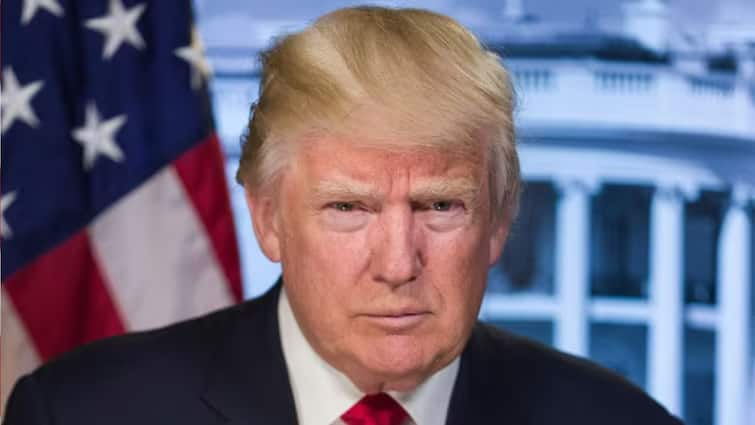
A short-term exemption granted late Friday has given a brief respite to the electronics industry, sparing phones, computers, and other popular devices from steep new tariffs—for now. However, US President Donald Trump made it clear over the weekend that this relief is not a reversal of his broader trade plan, but a procedural shift within it.

The exemption, which spares key electronics from a 125 per cent tariff on Chinese imports and a 10 per cent levy on products from other nations, is part of a strategy to eventually impose a different kind of duty on the electronics sector, reported Bloomberg.

Trump underscored this on Sunday with a post on social media: “NOBODY is getting ‘off the hook,’” he wrote. The products in question are “just moving to a different Tariff ‘bucket,’” as the administration focuses on “Semiconductors and the WHOLE ELECTRONICS SUPPLY CHAIN.”

Sector-Specific Duties Ahead For Electronics

The move sets the stage for weeks, possibly months, without the additional tariffs, giving companies some breathing room before new sector-specific levies are introduced. These upcoming duties are expected to be less severe than the initial 125 per cent tariff on Chinese goods. They also create a window for manufacturers and lobbyists to press for carve-outs or adjustments.

While the pause has been welcomed by major electronics firms like Apple Inc, as well as Chinese authorities, the US administration insists that it’s a temporary measure. “All those products are going to come under semiconductors,” said US Commerce Secretary Howard Lutnick on ABC’s This Week, emphasising that these goods will receive a “special focus-type of tariff” aimed at reshoring manufacturing. Lutnick added that semiconductor tariffs are “coming in probably a month or two,” with a notice set to appear in the federal registry this week.

According to data compiled by Gerard DiPippo, associate director at the Rand China Research Center, the list of exempted items covers nearly $390 billion worth of US imports, including more than $101 billion from China, based on 2024 trade figures.

Also Read : Chips From China To Face National Security Probe, Says Trump; Hints Towards More Tariff

China Responds, But Washington Stands Firm

The Chinese Ministry of Commerce responded positively, calling the exemption “a small step” toward correcting what it sees as unfair US trade practices. “The US should take a big stride in completely abolishing the wrongful action,” the ministry said on its official WeChat channel.

Despite this, US officials continue to frame the move as a calculated transition. US Trade Representative Jamieson Greer noted that affected products are not avoiding tariffs altogether but will be “under a different regime.”

Steel, aluminium, and autos already face sector-specific tariffs, and Trump has indicated similar duties are coming for pharmaceutical drugs, auto parts, lumber, and critical minerals. The administration may also initiate a Section 232 investigation into semiconductors, which could pave the way for more permanent tariffs.

Meanwhile, the separate 20 per cent duty on Chinese imports linked to fentanyl remains in force, as does a slate of pre-existing tariffs. “Everyone pays at least the 20 per cent,” Lutnick confirmed, noting that components under review are now part of a separate Commerce-led process.

A short-term exemption granted late Friday has given a brief respite to the electronics industry, sparing phones, computers, and other popular devices from steep new tariffs—for now. However, US President Donald Trump made it clear over the weekend that this relief is not a reversal of his broader trade plan, but a procedural shift within it.

The exemption, which spares key electronics from a 125 per cent tariff on Chinese imports and a 10 per cent levy on products from other nations, is part of a strategy to eventually impose a different kind of duty on the electronics sector, reported Bloomberg.

Trump underscored this on Sunday with a post on social media: “NOBODY is getting ‘off the hook,’” he wrote. The products in question are “just moving to a different Tariff ‘bucket,’” as the administration focuses on “Semiconductors and the WHOLE ELECTRONICS SUPPLY CHAIN.”

Sector-Specific Duties Ahead For Electronics

The move sets the stage for weeks, possibly months, without the additional tariffs, giving companies some breathing room before new sector-specific levies are introduced. These upcoming duties are expected to be less severe than the initial 125 per cent tariff on Chinese goods. They also create a window for manufacturers and lobbyists to press for carve-outs or adjustments.

While the pause has been welcomed by major electronics firms like Apple Inc, as well as Chinese authorities, the US administration insists that it’s a temporary measure. “All those products are going to come under semiconductors,” said US Commerce Secretary Howard Lutnick on ABC’s This Week, emphasising that these goods will receive a “special focus-type of tariff” aimed at reshoring manufacturing. Lutnick added that semiconductor tariffs are “coming in probably a month or two,” with a notice set to appear in the federal registry this week.

According to data compiled by Gerard DiPippo, associate director at the Rand China Research Center, the list of exempted items covers nearly $390 billion worth of US imports, including more than $101 billion from China, based on 2024 trade figures.

Also Read : Chips From China To Face National Security Probe, Says Trump; Hints Towards More Tariff

China Responds, But Washington Stands Firm

The Chinese Ministry of Commerce responded positively, calling the exemption “a small step” toward correcting what it sees as unfair US trade practices. “The US should take a big stride in completely abolishing the wrongful action,” the ministry said on its official WeChat channel.

Despite this, US officials continue to frame the move as a calculated transition. US Trade Representative Jamieson Greer noted that affected products are not avoiding tariffs altogether but will be “under a different regime.”

Steel, aluminium, and autos already face sector-specific tariffs, and Trump has indicated similar duties are coming for pharmaceutical drugs, auto parts, lumber, and critical minerals. The administration may also initiate a Section 232 investigation into semiconductors, which could pave the way for more permanent tariffs.

Meanwhile, the separate 20 per cent duty on Chinese imports linked to fentanyl remains in force, as does a slate of pre-existing tariffs. “Everyone pays at least the 20 per cent,” Lutnick confirmed, noting that components under review are now part of a separate Commerce-led process.


A short-term exemption granted late Friday has given a brief respite to the electronics industry, sparing phones, computers, and other popular devices from steep new tariffs—for now. However, US President Donald Trump made it clear over the weekend that this relief is not a reversal of his broader trade plan, but a procedural shift within it.

The exemption, which spares key electronics from a 125 per cent tariff on Chinese imports and a 10 per cent levy on products from other nations, is part of a strategy to eventually impose a different kind of duty on the electronics sector, reported Bloomberg.

Trump underscored this on Sunday with a post on social media: “NOBODY is getting ‘off the hook,’” he wrote. The products in question are “just moving to a different Tariff ‘bucket,’” as the administration focuses on “Semiconductors and the WHOLE ELECTRONICS SUPPLY CHAIN.”

Sector-Specific Duties Ahead For Electronics

The move sets the stage for weeks, possibly months, without the additional tariffs, giving companies some breathing room before new sector-specific levies are introduced. These upcoming duties are expected to be less severe than the initial 125 per cent tariff on Chinese goods. They also create a window for manufacturers and lobbyists to press for carve-outs or adjustments.

While the pause has been welcomed by major electronics firms like Apple Inc, as well as Chinese authorities, the US administration insists that it’s a temporary measure. “All those products are going to come under semiconductors,” said US Commerce Secretary Howard Lutnick on ABC’s This Week, emphasising that these goods will receive a “special focus-type of tariff” aimed at reshoring manufacturing. Lutnick added that semiconductor tariffs are “coming in probably a month or two,” with a notice set to appear in the federal registry this week.

According to data compiled by Gerard DiPippo, associate director at the Rand China Research Center, the list of exempted items covers nearly $390 billion worth of US imports, including more than $101 billion from China, based on 2024 trade figures.

Also Read : Chips From China To Face National Security Probe, Says Trump; Hints Towards More Tariff

China Responds, But Washington Stands Firm

The Chinese Ministry of Commerce responded positively, calling the exemption “a small step” toward correcting what it sees as unfair US trade practices. “The US should take a big stride in completely abolishing the wrongful action,” the ministry said on its official WeChat channel.

Despite this, US officials continue to frame the move as a calculated transition. US Trade Representative Jamieson Greer noted that affected products are not avoiding tariffs altogether but will be “under a different regime.”

Steel, aluminium, and autos already face sector-specific tariffs, and Trump has indicated similar duties are coming for pharmaceutical drugs, auto parts, lumber, and critical minerals. The administration may also initiate a Section 232 investigation into semiconductors, which could pave the way for more permanent tariffs.

Meanwhile, the separate 20 per cent duty on Chinese imports linked to fentanyl remains in force, as does a slate of pre-existing tariffs. “Everyone pays at least the 20 per cent,” Lutnick confirmed, noting that components under review are now part of a separate Commerce-led process.

A short-term exemption granted late Friday has given a brief respite to the electronics industry, sparing phones, computers, and other popular devices from steep new tariffs—for now. However, US President Donald Trump made it clear over the weekend that this relief is not a reversal of his broader trade plan, but a procedural shift within it.

The exemption, which spares key electronics from a 125 per cent tariff on Chinese imports and a 10 per cent levy on products from other nations, is part of a strategy to eventually impose a different kind of duty on the electronics sector, reported Bloomberg.

Trump underscored this on Sunday with a post on social media: “NOBODY is getting ‘off the hook,’” he wrote. The products in question are “just moving to a different Tariff ‘bucket,’” as the administration focuses on “Semiconductors and the WHOLE ELECTRONICS SUPPLY CHAIN.”

Sector-Specific Duties Ahead For Electronics

The move sets the stage for weeks, possibly months, without the additional tariffs, giving companies some breathing room before new sector-specific levies are introduced. These upcoming duties are expected to be less severe than the initial 125 per cent tariff on Chinese goods. They also create a window for manufacturers and lobbyists to press for carve-outs or adjustments.

While the pause has been welcomed by major electronics firms like Apple Inc, as well as Chinese authorities, the US administration insists that it’s a temporary measure. “All those products are going to come under semiconductors,” said US Commerce Secretary Howard Lutnick on ABC’s This Week, emphasising that these goods will receive a “special focus-type of tariff” aimed at reshoring manufacturing. Lutnick added that semiconductor tariffs are “coming in probably a month or two,” with a notice set to appear in the federal registry this week.

According to data compiled by Gerard DiPippo, associate director at the Rand China Research Center, the list of exempted items covers nearly $390 billion worth of US imports, including more than $101 billion from China, based on 2024 trade figures.

Also Read : Chips From China To Face National Security Probe, Says Trump; Hints Towards More Tariff

China Responds, But Washington Stands Firm

The Chinese Ministry of Commerce responded positively, calling the exemption “a small step” toward correcting what it sees as unfair US trade practices. “The US should take a big stride in completely abolishing the wrongful action,” the ministry said on its official WeChat channel.

Despite this, US officials continue to frame the move as a calculated transition. US Trade Representative Jamieson Greer noted that affected products are not avoiding tariffs altogether but will be “under a different regime.”

Steel, aluminium, and autos already face sector-specific tariffs, and Trump has indicated similar duties are coming for pharmaceutical drugs, auto parts, lumber, and critical minerals. The administration may also initiate a Section 232 investigation into semiconductors, which could pave the way for more permanent tariffs.

Meanwhile, the separate 20 per cent duty on Chinese imports linked to fentanyl remains in force, as does a slate of pre-existing tariffs. “Everyone pays at least the 20 per cent,” Lutnick confirmed, noting that components under review are now part of a separate Commerce-led process.

A short-term exemption granted late Friday has given a brief respite to the electronics industry, sparing phones, computers, and other popular devices from steep new tariffs—for now. However, US President Donald Trump made it clear over the weekend that this relief is not a reversal of his broader trade plan, but a procedural shift within it.

The exemption, which spares key electronics from a 125 per cent tariff on Chinese imports and a 10 per cent levy on products from other nations, is part of a strategy to eventually impose a different kind of duty on the electronics sector, reported Bloomberg.

Trump underscored this on Sunday with a post on social media: “NOBODY is getting ‘off the hook,’” he wrote. The products in question are “just moving to a different Tariff ‘bucket,’” as the administration focuses on “Semiconductors and the WHOLE ELECTRONICS SUPPLY CHAIN.”

Sector-Specific Duties Ahead For Electronics

The move sets the stage for weeks, possibly months, without the additional tariffs, giving companies some breathing room before new sector-specific levies are introduced. These upcoming duties are expected to be less severe than the initial 125 per cent tariff on Chinese goods. They also create a window for manufacturers and lobbyists to press for carve-outs or adjustments.

While the pause has been welcomed by major electronics firms like Apple Inc, as well as Chinese authorities, the US administration insists that it’s a temporary measure. “All those products are going to come under semiconductors,” said US Commerce Secretary Howard Lutnick on ABC’s This Week, emphasising that these goods will receive a “special focus-type of tariff” aimed at reshoring manufacturing. Lutnick added that semiconductor tariffs are “coming in probably a month or two,” with a notice set to appear in the federal registry this week.

According to data compiled by Gerard DiPippo, associate director at the Rand China Research Center, the list of exempted items covers nearly $390 billion worth of US imports, including more than $101 billion from China, based on 2024 trade figures.

Also Read : Chips From China To Face National Security Probe, Says Trump; Hints Towards More Tariff

China Responds, But Washington Stands Firm

The Chinese Ministry of Commerce responded positively, calling the exemption “a small step” toward correcting what it sees as unfair US trade practices. “The US should take a big stride in completely abolishing the wrongful action,” the ministry said on its official WeChat channel.

Despite this, US officials continue to frame the move as a calculated transition. US Trade Representative Jamieson Greer noted that affected products are not avoiding tariffs altogether but will be “under a different regime.”

Steel, aluminium, and autos already face sector-specific tariffs, and Trump has indicated similar duties are coming for pharmaceutical drugs, auto parts, lumber, and critical minerals. The administration may also initiate a Section 232 investigation into semiconductors, which could pave the way for more permanent tariffs.

Meanwhile, the separate 20 per cent duty on Chinese imports linked to fentanyl remains in force, as does a slate of pre-existing tariffs. “Everyone pays at least the 20 per cent,” Lutnick confirmed, noting that components under review are now part of a separate Commerce-led process.

A short-term exemption granted late Friday has given a brief respite to the electronics industry, sparing phones, computers, and other popular devices from steep new tariffs—for now. However, US President Donald Trump made it clear over the weekend that this relief is not a reversal of his broader trade plan, but a procedural shift within it.

The exemption, which spares key electronics from a 125 per cent tariff on Chinese imports and a 10 per cent levy on products from other nations, is part of a strategy to eventually impose a different kind of duty on the electronics sector, reported Bloomberg.

Trump underscored this on Sunday with a post on social media: “NOBODY is getting ‘off the hook,’” he wrote. The products in question are “just moving to a different Tariff ‘bucket,’” as the administration focuses on “Semiconductors and the WHOLE ELECTRONICS SUPPLY CHAIN.”

Sector-Specific Duties Ahead For Electronics

The move sets the stage for weeks, possibly months, without the additional tariffs, giving companies some breathing room before new sector-specific levies are introduced. These upcoming duties are expected to be less severe than the initial 125 per cent tariff on Chinese goods. They also create a window for manufacturers and lobbyists to press for carve-outs or adjustments.

While the pause has been welcomed by major electronics firms like Apple Inc, as well as Chinese authorities, the US administration insists that it’s a temporary measure. “All those products are going to come under semiconductors,” said US Commerce Secretary Howard Lutnick on ABC’s This Week, emphasising that these goods will receive a “special focus-type of tariff” aimed at reshoring manufacturing. Lutnick added that semiconductor tariffs are “coming in probably a month or two,” with a notice set to appear in the federal registry this week.

According to data compiled by Gerard DiPippo, associate director at the Rand China Research Center, the list of exempted items covers nearly $390 billion worth of US imports, including more than $101 billion from China, based on 2024 trade figures.

Also Read : Chips From China To Face National Security Probe, Says Trump; Hints Towards More Tariff

China Responds, But Washington Stands Firm

The Chinese Ministry of Commerce responded positively, calling the exemption “a small step” toward correcting what it sees as unfair US trade practices. “The US should take a big stride in completely abolishing the wrongful action,” the ministry said on its official WeChat channel.

Despite this, US officials continue to frame the move as a calculated transition. US Trade Representative Jamieson Greer noted that affected products are not avoiding tariffs altogether but will be “under a different regime.”

Steel, aluminium, and autos already face sector-specific tariffs, and Trump has indicated similar duties are coming for pharmaceutical drugs, auto parts, lumber, and critical minerals. The administration may also initiate a Section 232 investigation into semiconductors, which could pave the way for more permanent tariffs.

Meanwhile, the separate 20 per cent duty on Chinese imports linked to fentanyl remains in force, as does a slate of pre-existing tariffs. “Everyone pays at least the 20 per cent,” Lutnick confirmed, noting that components under review are now part of a separate Commerce-led process.

A short-term exemption granted late Friday has given a brief respite to the electronics industry, sparing phones, computers, and other popular devices from steep new tariffs—for now. However, US President Donald Trump made it clear over the weekend that this relief is not a reversal of his broader trade plan, but a procedural shift within it.

The exemption, which spares key electronics from a 125 per cent tariff on Chinese imports and a 10 per cent levy on products from other nations, is part of a strategy to eventually impose a different kind of duty on the electronics sector, reported Bloomberg.

Trump underscored this on Sunday with a post on social media: “NOBODY is getting ‘off the hook,’” he wrote. The products in question are “just moving to a different Tariff ‘bucket,’” as the administration focuses on “Semiconductors and the WHOLE ELECTRONICS SUPPLY CHAIN.”

Sector-Specific Duties Ahead For Electronics

The move sets the stage for weeks, possibly months, without the additional tariffs, giving companies some breathing room before new sector-specific levies are introduced. These upcoming duties are expected to be less severe than the initial 125 per cent tariff on Chinese goods. They also create a window for manufacturers and lobbyists to press for carve-outs or adjustments.

While the pause has been welcomed by major electronics firms like Apple Inc, as well as Chinese authorities, the US administration insists that it’s a temporary measure. “All those products are going to come under semiconductors,” said US Commerce Secretary Howard Lutnick on ABC’s This Week, emphasising that these goods will receive a “special focus-type of tariff” aimed at reshoring manufacturing. Lutnick added that semiconductor tariffs are “coming in probably a month or two,” with a notice set to appear in the federal registry this week.

According to data compiled by Gerard DiPippo, associate director at the Rand China Research Center, the list of exempted items covers nearly $390 billion worth of US imports, including more than $101 billion from China, based on 2024 trade figures.

Also Read : Chips From China To Face National Security Probe, Says Trump; Hints Towards More Tariff

China Responds, But Washington Stands Firm

The Chinese Ministry of Commerce responded positively, calling the exemption “a small step” toward correcting what it sees as unfair US trade practices. “The US should take a big stride in completely abolishing the wrongful action,” the ministry said on its official WeChat channel.

Despite this, US officials continue to frame the move as a calculated transition. US Trade Representative Jamieson Greer noted that affected products are not avoiding tariffs altogether but will be “under a different regime.”

Steel, aluminium, and autos already face sector-specific tariffs, and Trump has indicated similar duties are coming for pharmaceutical drugs, auto parts, lumber, and critical minerals. The administration may also initiate a Section 232 investigation into semiconductors, which could pave the way for more permanent tariffs.

Meanwhile, the separate 20 per cent duty on Chinese imports linked to fentanyl remains in force, as does a slate of pre-existing tariffs. “Everyone pays at least the 20 per cent,” Lutnick confirmed, noting that components under review are now part of a separate Commerce-led process.

A short-term exemption granted late Friday has given a brief respite to the electronics industry, sparing phones, computers, and other popular devices from steep new tariffs—for now. However, US President Donald Trump made it clear over the weekend that this relief is not a reversal of his broader trade plan, but a procedural shift within it.

The exemption, which spares key electronics from a 125 per cent tariff on Chinese imports and a 10 per cent levy on products from other nations, is part of a strategy to eventually impose a different kind of duty on the electronics sector, reported Bloomberg.

Trump underscored this on Sunday with a post on social media: “NOBODY is getting ‘off the hook,’” he wrote. The products in question are “just moving to a different Tariff ‘bucket,’” as the administration focuses on “Semiconductors and the WHOLE ELECTRONICS SUPPLY CHAIN.”

Sector-Specific Duties Ahead For Electronics

The move sets the stage for weeks, possibly months, without the additional tariffs, giving companies some breathing room before new sector-specific levies are introduced. These upcoming duties are expected to be less severe than the initial 125 per cent tariff on Chinese goods. They also create a window for manufacturers and lobbyists to press for carve-outs or adjustments.

While the pause has been welcomed by major electronics firms like Apple Inc, as well as Chinese authorities, the US administration insists that it’s a temporary measure. “All those products are going to come under semiconductors,” said US Commerce Secretary Howard Lutnick on ABC’s This Week, emphasising that these goods will receive a “special focus-type of tariff” aimed at reshoring manufacturing. Lutnick added that semiconductor tariffs are “coming in probably a month or two,” with a notice set to appear in the federal registry this week.

According to data compiled by Gerard DiPippo, associate director at the Rand China Research Center, the list of exempted items covers nearly $390 billion worth of US imports, including more than $101 billion from China, based on 2024 trade figures.

Also Read : Chips From China To Face National Security Probe, Says Trump; Hints Towards More Tariff

China Responds, But Washington Stands Firm

The Chinese Ministry of Commerce responded positively, calling the exemption “a small step” toward correcting what it sees as unfair US trade practices. “The US should take a big stride in completely abolishing the wrongful action,” the ministry said on its official WeChat channel.

Despite this, US officials continue to frame the move as a calculated transition. US Trade Representative Jamieson Greer noted that affected products are not avoiding tariffs altogether but will be “under a different regime.”

Steel, aluminium, and autos already face sector-specific tariffs, and Trump has indicated similar duties are coming for pharmaceutical drugs, auto parts, lumber, and critical minerals. The administration may also initiate a Section 232 investigation into semiconductors, which could pave the way for more permanent tariffs.

Meanwhile, the separate 20 per cent duty on Chinese imports linked to fentanyl remains in force, as does a slate of pre-existing tariffs. “Everyone pays at least the 20 per cent,” Lutnick confirmed, noting that components under review are now part of a separate Commerce-led process.

Tags: Donald TrumpElectronicstariff on electronicsTariff PauseTariff Relieftrump tariffsus chinaUS President Donald Trump
Previous Post

US Teen Charged With Killing Parents To Obtain Money For Trump Assassination Plot

Next Post

Post Malone keeps going country at Coachella

Leave a Reply Cancel reply

Your email address will not be published. Required fields are marked *

BROWSE BY CATEGORIES

  • Business
  • Culture
  • Entertainment
  • Health
  • Politics
  • Technology
  • Trending
  • Uncategorized
  • World
Binghamton Herald

© 2024 Binghamton Herald or its affiliated companies.

Navigate Site

  • About
  • Advertise
  • Terms & Conditions
  • Privacy Policy
  • Disclaimer
  • Contact

Follow Us

No Result
View All Result
  • Home
  • World
  • Politics
  • Business
  • Technology
  • Culture
  • Health
  • Entertainment
  • Trending

© 2024 Binghamton Herald or its affiliated companies.

Welcome Back!

Login to your account below

Forgotten Password?

Retrieve your password

Please enter your username or email address to reset your password.

Log In