

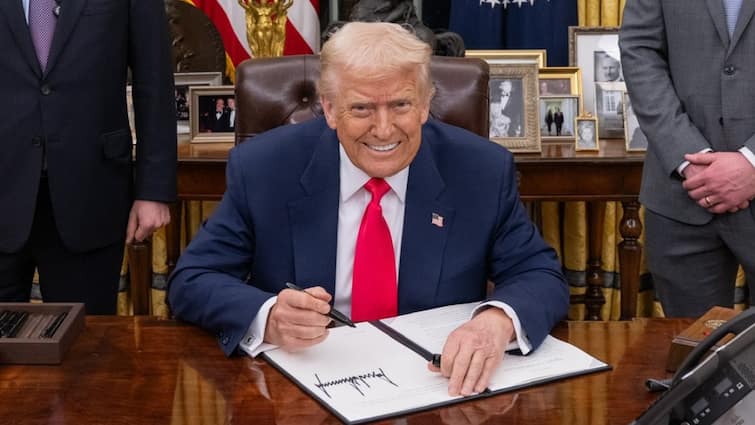
US President Donald Trump will revoke the legal protections for thousands of Cubans, Haitians, Nicaraguans and Venezuelans in the United States, a federal notice said on Friday. In the latest expansion of his crackdown on immigration, the order applies to about 532,000 people from the four countries who came to the United States since October 2022. They will now lose their legal status on April 24, or 30 days after the publication of the notice.
According to Reuters, this cuts short a two-year “parole” granted to the migrants by former President Joe Biden-administration, which allowed them entry into the country by air if they had US sponsors. The new policy impacts people who are already in the US and who came under the humanitarian parole program.
Trump, a Republican, implemented these measures to intensify immigration enforcement after assuming office, including efforts to deport a record number of undocumented migrants in the US. He argued that the legal entry parole programs introduced by his Democratic predecessor overstepped the boundaries of federal law and called for their termination in a January 20 executive order.
Earlier this month, he said that he would decide “very soon” whether to strip the parole status from some 240,000 Ukrainians who fled the country during the conflict with Russia.
In 2022, Biden introduced a parole entry program for Venezuelans, which he expanded in 2023 to include Cubans, Haitians, and Nicaraguans as his administration dealt with elevated levels of illegal immigration from these nationalities. Diplomatic and political relations between the United States and these four countries have remained tense. This was down the number of illegal crossings from the US-Mexico border.
Prior to the new order, beneficiaries of the program were allowed to stay in the US until their parole expired. However, the administration had ceased processing their applications for asylum, visas, and other requests that could enable them to extend their stay, according to a report by the Associated Press (AP).
Must Leave Before Expiration Date
The US Department of Homeland Security (DHS) said that parolees without a lawful basis to remain in the US “must depart” before their parole expiration date. It further said that parole is “inherently temporary” and it “is not an underlying basis for obtaining any immigration status”.
The Trump administration’s decision to strip the legal status could make many vulnerable to deportation if they choose to remain in the US. It remains unclear how many who entered the US on parole now have another form of protection or legal status.
The administration’s decision has already been challenged in federal courts, AP reported.
A group of American citizens and immigrants filed a lawsuit against the Trump administration for terminating humanitarian parole programs. They are seeking to have the programs reinstated for the four affected nationalities.
ALSO READ: Heathrow Airport Partially Resumes Operation, Downing Street Says There Are ‘Questions To Answer’

US President Donald Trump will revoke the legal protections for thousands of Cubans, Haitians, Nicaraguans and Venezuelans in the United States, a federal notice said on Friday. In the latest expansion of his crackdown on immigration, the order applies to about 532,000 people from the four countries who came to the United States since October 2022. They will now lose their legal status on April 24, or 30 days after the publication of the notice.
According to Reuters, this cuts short a two-year “parole” granted to the migrants by former President Joe Biden-administration, which allowed them entry into the country by air if they had US sponsors. The new policy impacts people who are already in the US and who came under the humanitarian parole program.
Trump, a Republican, implemented these measures to intensify immigration enforcement after assuming office, including efforts to deport a record number of undocumented migrants in the US. He argued that the legal entry parole programs introduced by his Democratic predecessor overstepped the boundaries of federal law and called for their termination in a January 20 executive order.
Earlier this month, he said that he would decide “very soon” whether to strip the parole status from some 240,000 Ukrainians who fled the country during the conflict with Russia.
In 2022, Biden introduced a parole entry program for Venezuelans, which he expanded in 2023 to include Cubans, Haitians, and Nicaraguans as his administration dealt with elevated levels of illegal immigration from these nationalities. Diplomatic and political relations between the United States and these four countries have remained tense. This was down the number of illegal crossings from the US-Mexico border.
Prior to the new order, beneficiaries of the program were allowed to stay in the US until their parole expired. However, the administration had ceased processing their applications for asylum, visas, and other requests that could enable them to extend their stay, according to a report by the Associated Press (AP).
Must Leave Before Expiration Date
The US Department of Homeland Security (DHS) said that parolees without a lawful basis to remain in the US “must depart” before their parole expiration date. It further said that parole is “inherently temporary” and it “is not an underlying basis for obtaining any immigration status”.
The Trump administration’s decision to strip the legal status could make many vulnerable to deportation if they choose to remain in the US. It remains unclear how many who entered the US on parole now have another form of protection or legal status.
The administration’s decision has already been challenged in federal courts, AP reported.
A group of American citizens and immigrants filed a lawsuit against the Trump administration for terminating humanitarian parole programs. They are seeking to have the programs reinstated for the four affected nationalities.
ALSO READ: Heathrow Airport Partially Resumes Operation, Downing Street Says There Are ‘Questions To Answer’

US President Donald Trump will revoke the legal protections for thousands of Cubans, Haitians, Nicaraguans and Venezuelans in the United States, a federal notice said on Friday. In the latest expansion of his crackdown on immigration, the order applies to about 532,000 people from the four countries who came to the United States since October 2022. They will now lose their legal status on April 24, or 30 days after the publication of the notice.
According to Reuters, this cuts short a two-year “parole” granted to the migrants by former President Joe Biden-administration, which allowed them entry into the country by air if they had US sponsors. The new policy impacts people who are already in the US and who came under the humanitarian parole program.
Trump, a Republican, implemented these measures to intensify immigration enforcement after assuming office, including efforts to deport a record number of undocumented migrants in the US. He argued that the legal entry parole programs introduced by his Democratic predecessor overstepped the boundaries of federal law and called for their termination in a January 20 executive order.
Earlier this month, he said that he would decide “very soon” whether to strip the parole status from some 240,000 Ukrainians who fled the country during the conflict with Russia.
In 2022, Biden introduced a parole entry program for Venezuelans, which he expanded in 2023 to include Cubans, Haitians, and Nicaraguans as his administration dealt with elevated levels of illegal immigration from these nationalities. Diplomatic and political relations between the United States and these four countries have remained tense. This was down the number of illegal crossings from the US-Mexico border.
Prior to the new order, beneficiaries of the program were allowed to stay in the US until their parole expired. However, the administration had ceased processing their applications for asylum, visas, and other requests that could enable them to extend their stay, according to a report by the Associated Press (AP).
Must Leave Before Expiration Date
The US Department of Homeland Security (DHS) said that parolees without a lawful basis to remain in the US “must depart” before their parole expiration date. It further said that parole is “inherently temporary” and it “is not an underlying basis for obtaining any immigration status”.
The Trump administration’s decision to strip the legal status could make many vulnerable to deportation if they choose to remain in the US. It remains unclear how many who entered the US on parole now have another form of protection or legal status.
The administration’s decision has already been challenged in federal courts, AP reported.
A group of American citizens and immigrants filed a lawsuit against the Trump administration for terminating humanitarian parole programs. They are seeking to have the programs reinstated for the four affected nationalities.
ALSO READ: Heathrow Airport Partially Resumes Operation, Downing Street Says There Are ‘Questions To Answer’
US President Donald Trump will revoke the legal protections for thousands of Cubans, Haitians, Nicaraguans and Venezuelans in the United States, a federal notice said on Friday. In the latest expansion of his crackdown on immigration, the order applies to about 532,000 people from the four countries who came to the United States since October 2022. They will now lose their legal status on April 24, or 30 days after the publication of the notice.
According to Reuters, this cuts short a two-year “parole” granted to the migrants by former President Joe Biden-administration, which allowed them entry into the country by air if they had US sponsors. The new policy impacts people who are already in the US and who came under the humanitarian parole program.
Trump, a Republican, implemented these measures to intensify immigration enforcement after assuming office, including efforts to deport a record number of undocumented migrants in the US. He argued that the legal entry parole programs introduced by his Democratic predecessor overstepped the boundaries of federal law and called for their termination in a January 20 executive order.
Earlier this month, he said that he would decide “very soon” whether to strip the parole status from some 240,000 Ukrainians who fled the country during the conflict with Russia.
In 2022, Biden introduced a parole entry program for Venezuelans, which he expanded in 2023 to include Cubans, Haitians, and Nicaraguans as his administration dealt with elevated levels of illegal immigration from these nationalities. Diplomatic and political relations between the United States and these four countries have remained tense. This was down the number of illegal crossings from the US-Mexico border.
Prior to the new order, beneficiaries of the program were allowed to stay in the US until their parole expired. However, the administration had ceased processing their applications for asylum, visas, and other requests that could enable them to extend their stay, according to a report by the Associated Press (AP).
Must Leave Before Expiration Date
The US Department of Homeland Security (DHS) said that parolees without a lawful basis to remain in the US “must depart” before their parole expiration date. It further said that parole is “inherently temporary” and it “is not an underlying basis for obtaining any immigration status”.
The Trump administration’s decision to strip the legal status could make many vulnerable to deportation if they choose to remain in the US. It remains unclear how many who entered the US on parole now have another form of protection or legal status.
The administration’s decision has already been challenged in federal courts, AP reported.
A group of American citizens and immigrants filed a lawsuit against the Trump administration for terminating humanitarian parole programs. They are seeking to have the programs reinstated for the four affected nationalities.
ALSO READ: Heathrow Airport Partially Resumes Operation, Downing Street Says There Are ‘Questions To Answer’

US President Donald Trump will revoke the legal protections for thousands of Cubans, Haitians, Nicaraguans and Venezuelans in the United States, a federal notice said on Friday. In the latest expansion of his crackdown on immigration, the order applies to about 532,000 people from the four countries who came to the United States since October 2022. They will now lose their legal status on April 24, or 30 days after the publication of the notice.
According to Reuters, this cuts short a two-year “parole” granted to the migrants by former President Joe Biden-administration, which allowed them entry into the country by air if they had US sponsors. The new policy impacts people who are already in the US and who came under the humanitarian parole program.
Trump, a Republican, implemented these measures to intensify immigration enforcement after assuming office, including efforts to deport a record number of undocumented migrants in the US. He argued that the legal entry parole programs introduced by his Democratic predecessor overstepped the boundaries of federal law and called for their termination in a January 20 executive order.
Earlier this month, he said that he would decide “very soon” whether to strip the parole status from some 240,000 Ukrainians who fled the country during the conflict with Russia.
In 2022, Biden introduced a parole entry program for Venezuelans, which he expanded in 2023 to include Cubans, Haitians, and Nicaraguans as his administration dealt with elevated levels of illegal immigration from these nationalities. Diplomatic and political relations between the United States and these four countries have remained tense. This was down the number of illegal crossings from the US-Mexico border.
Prior to the new order, beneficiaries of the program were allowed to stay in the US until their parole expired. However, the administration had ceased processing their applications for asylum, visas, and other requests that could enable them to extend their stay, according to a report by the Associated Press (AP).
Must Leave Before Expiration Date
The US Department of Homeland Security (DHS) said that parolees without a lawful basis to remain in the US “must depart” before their parole expiration date. It further said that parole is “inherently temporary” and it “is not an underlying basis for obtaining any immigration status”.
The Trump administration’s decision to strip the legal status could make many vulnerable to deportation if they choose to remain in the US. It remains unclear how many who entered the US on parole now have another form of protection or legal status.
The administration’s decision has already been challenged in federal courts, AP reported.
A group of American citizens and immigrants filed a lawsuit against the Trump administration for terminating humanitarian parole programs. They are seeking to have the programs reinstated for the four affected nationalities.
ALSO READ: Heathrow Airport Partially Resumes Operation, Downing Street Says There Are ‘Questions To Answer’
US President Donald Trump will revoke the legal protections for thousands of Cubans, Haitians, Nicaraguans and Venezuelans in the United States, a federal notice said on Friday. In the latest expansion of his crackdown on immigration, the order applies to about 532,000 people from the four countries who came to the United States since October 2022. They will now lose their legal status on April 24, or 30 days after the publication of the notice.
According to Reuters, this cuts short a two-year “parole” granted to the migrants by former President Joe Biden-administration, which allowed them entry into the country by air if they had US sponsors. The new policy impacts people who are already in the US and who came under the humanitarian parole program.
Trump, a Republican, implemented these measures to intensify immigration enforcement after assuming office, including efforts to deport a record number of undocumented migrants in the US. He argued that the legal entry parole programs introduced by his Democratic predecessor overstepped the boundaries of federal law and called for their termination in a January 20 executive order.
Earlier this month, he said that he would decide “very soon” whether to strip the parole status from some 240,000 Ukrainians who fled the country during the conflict with Russia.
In 2022, Biden introduced a parole entry program for Venezuelans, which he expanded in 2023 to include Cubans, Haitians, and Nicaraguans as his administration dealt with elevated levels of illegal immigration from these nationalities. Diplomatic and political relations between the United States and these four countries have remained tense. This was down the number of illegal crossings from the US-Mexico border.
Prior to the new order, beneficiaries of the program were allowed to stay in the US until their parole expired. However, the administration had ceased processing their applications for asylum, visas, and other requests that could enable them to extend their stay, according to a report by the Associated Press (AP).
Must Leave Before Expiration Date
The US Department of Homeland Security (DHS) said that parolees without a lawful basis to remain in the US “must depart” before their parole expiration date. It further said that parole is “inherently temporary” and it “is not an underlying basis for obtaining any immigration status”.
The Trump administration’s decision to strip the legal status could make many vulnerable to deportation if they choose to remain in the US. It remains unclear how many who entered the US on parole now have another form of protection or legal status.
The administration’s decision has already been challenged in federal courts, AP reported.
A group of American citizens and immigrants filed a lawsuit against the Trump administration for terminating humanitarian parole programs. They are seeking to have the programs reinstated for the four affected nationalities.
ALSO READ: Heathrow Airport Partially Resumes Operation, Downing Street Says There Are ‘Questions To Answer’
US President Donald Trump will revoke the legal protections for thousands of Cubans, Haitians, Nicaraguans and Venezuelans in the United States, a federal notice said on Friday. In the latest expansion of his crackdown on immigration, the order applies to about 532,000 people from the four countries who came to the United States since October 2022. They will now lose their legal status on April 24, or 30 days after the publication of the notice.
According to Reuters, this cuts short a two-year “parole” granted to the migrants by former President Joe Biden-administration, which allowed them entry into the country by air if they had US sponsors. The new policy impacts people who are already in the US and who came under the humanitarian parole program.
Trump, a Republican, implemented these measures to intensify immigration enforcement after assuming office, including efforts to deport a record number of undocumented migrants in the US. He argued that the legal entry parole programs introduced by his Democratic predecessor overstepped the boundaries of federal law and called for their termination in a January 20 executive order.
Earlier this month, he said that he would decide “very soon” whether to strip the parole status from some 240,000 Ukrainians who fled the country during the conflict with Russia.
In 2022, Biden introduced a parole entry program for Venezuelans, which he expanded in 2023 to include Cubans, Haitians, and Nicaraguans as his administration dealt with elevated levels of illegal immigration from these nationalities. Diplomatic and political relations between the United States and these four countries have remained tense. This was down the number of illegal crossings from the US-Mexico border.
Prior to the new order, beneficiaries of the program were allowed to stay in the US until their parole expired. However, the administration had ceased processing their applications for asylum, visas, and other requests that could enable them to extend their stay, according to a report by the Associated Press (AP).
Must Leave Before Expiration Date
The US Department of Homeland Security (DHS) said that parolees without a lawful basis to remain in the US “must depart” before their parole expiration date. It further said that parole is “inherently temporary” and it “is not an underlying basis for obtaining any immigration status”.
The Trump administration’s decision to strip the legal status could make many vulnerable to deportation if they choose to remain in the US. It remains unclear how many who entered the US on parole now have another form of protection or legal status.
The administration’s decision has already been challenged in federal courts, AP reported.
A group of American citizens and immigrants filed a lawsuit against the Trump administration for terminating humanitarian parole programs. They are seeking to have the programs reinstated for the four affected nationalities.
ALSO READ: Heathrow Airport Partially Resumes Operation, Downing Street Says There Are ‘Questions To Answer’
US President Donald Trump will revoke the legal protections for thousands of Cubans, Haitians, Nicaraguans and Venezuelans in the United States, a federal notice said on Friday. In the latest expansion of his crackdown on immigration, the order applies to about 532,000 people from the four countries who came to the United States since October 2022. They will now lose their legal status on April 24, or 30 days after the publication of the notice.
According to Reuters, this cuts short a two-year “parole” granted to the migrants by former President Joe Biden-administration, which allowed them entry into the country by air if they had US sponsors. The new policy impacts people who are already in the US and who came under the humanitarian parole program.
Trump, a Republican, implemented these measures to intensify immigration enforcement after assuming office, including efforts to deport a record number of undocumented migrants in the US. He argued that the legal entry parole programs introduced by his Democratic predecessor overstepped the boundaries of federal law and called for their termination in a January 20 executive order.
Earlier this month, he said that he would decide “very soon” whether to strip the parole status from some 240,000 Ukrainians who fled the country during the conflict with Russia.
In 2022, Biden introduced a parole entry program for Venezuelans, which he expanded in 2023 to include Cubans, Haitians, and Nicaraguans as his administration dealt with elevated levels of illegal immigration from these nationalities. Diplomatic and political relations between the United States and these four countries have remained tense. This was down the number of illegal crossings from the US-Mexico border.
Prior to the new order, beneficiaries of the program were allowed to stay in the US until their parole expired. However, the administration had ceased processing their applications for asylum, visas, and other requests that could enable them to extend their stay, according to a report by the Associated Press (AP).
Must Leave Before Expiration Date
The US Department of Homeland Security (DHS) said that parolees without a lawful basis to remain in the US “must depart” before their parole expiration date. It further said that parole is “inherently temporary” and it “is not an underlying basis for obtaining any immigration status”.
The Trump administration’s decision to strip the legal status could make many vulnerable to deportation if they choose to remain in the US. It remains unclear how many who entered the US on parole now have another form of protection or legal status.
The administration’s decision has already been challenged in federal courts, AP reported.
A group of American citizens and immigrants filed a lawsuit against the Trump administration for terminating humanitarian parole programs. They are seeking to have the programs reinstated for the four affected nationalities.
ALSO READ: Heathrow Airport Partially Resumes Operation, Downing Street Says There Are ‘Questions To Answer’

US President Donald Trump will revoke the legal protections for thousands of Cubans, Haitians, Nicaraguans and Venezuelans in the United States, a federal notice said on Friday. In the latest expansion of his crackdown on immigration, the order applies to about 532,000 people from the four countries who came to the United States since October 2022. They will now lose their legal status on April 24, or 30 days after the publication of the notice.
According to Reuters, this cuts short a two-year “parole” granted to the migrants by former President Joe Biden-administration, which allowed them entry into the country by air if they had US sponsors. The new policy impacts people who are already in the US and who came under the humanitarian parole program.
Trump, a Republican, implemented these measures to intensify immigration enforcement after assuming office, including efforts to deport a record number of undocumented migrants in the US. He argued that the legal entry parole programs introduced by his Democratic predecessor overstepped the boundaries of federal law and called for their termination in a January 20 executive order.
Earlier this month, he said that he would decide “very soon” whether to strip the parole status from some 240,000 Ukrainians who fled the country during the conflict with Russia.
In 2022, Biden introduced a parole entry program for Venezuelans, which he expanded in 2023 to include Cubans, Haitians, and Nicaraguans as his administration dealt with elevated levels of illegal immigration from these nationalities. Diplomatic and political relations between the United States and these four countries have remained tense. This was down the number of illegal crossings from the US-Mexico border.
Prior to the new order, beneficiaries of the program were allowed to stay in the US until their parole expired. However, the administration had ceased processing their applications for asylum, visas, and other requests that could enable them to extend their stay, according to a report by the Associated Press (AP).
Must Leave Before Expiration Date
The US Department of Homeland Security (DHS) said that parolees without a lawful basis to remain in the US “must depart” before their parole expiration date. It further said that parole is “inherently temporary” and it “is not an underlying basis for obtaining any immigration status”.
The Trump administration’s decision to strip the legal status could make many vulnerable to deportation if they choose to remain in the US. It remains unclear how many who entered the US on parole now have another form of protection or legal status.
The administration’s decision has already been challenged in federal courts, AP reported.
A group of American citizens and immigrants filed a lawsuit against the Trump administration for terminating humanitarian parole programs. They are seeking to have the programs reinstated for the four affected nationalities.
ALSO READ: Heathrow Airport Partially Resumes Operation, Downing Street Says There Are ‘Questions To Answer’
US President Donald Trump will revoke the legal protections for thousands of Cubans, Haitians, Nicaraguans and Venezuelans in the United States, a federal notice said on Friday. In the latest expansion of his crackdown on immigration, the order applies to about 532,000 people from the four countries who came to the United States since October 2022. They will now lose their legal status on April 24, or 30 days after the publication of the notice.
According to Reuters, this cuts short a two-year “parole” granted to the migrants by former President Joe Biden-administration, which allowed them entry into the country by air if they had US sponsors. The new policy impacts people who are already in the US and who came under the humanitarian parole program.
Trump, a Republican, implemented these measures to intensify immigration enforcement after assuming office, including efforts to deport a record number of undocumented migrants in the US. He argued that the legal entry parole programs introduced by his Democratic predecessor overstepped the boundaries of federal law and called for their termination in a January 20 executive order.
Earlier this month, he said that he would decide “very soon” whether to strip the parole status from some 240,000 Ukrainians who fled the country during the conflict with Russia.
In 2022, Biden introduced a parole entry program for Venezuelans, which he expanded in 2023 to include Cubans, Haitians, and Nicaraguans as his administration dealt with elevated levels of illegal immigration from these nationalities. Diplomatic and political relations between the United States and these four countries have remained tense. This was down the number of illegal crossings from the US-Mexico border.
Prior to the new order, beneficiaries of the program were allowed to stay in the US until their parole expired. However, the administration had ceased processing their applications for asylum, visas, and other requests that could enable them to extend their stay, according to a report by the Associated Press (AP).
Must Leave Before Expiration Date
The US Department of Homeland Security (DHS) said that parolees without a lawful basis to remain in the US “must depart” before their parole expiration date. It further said that parole is “inherently temporary” and it “is not an underlying basis for obtaining any immigration status”.
The Trump administration’s decision to strip the legal status could make many vulnerable to deportation if they choose to remain in the US. It remains unclear how many who entered the US on parole now have another form of protection or legal status.
The administration’s decision has already been challenged in federal courts, AP reported.
A group of American citizens and immigrants filed a lawsuit against the Trump administration for terminating humanitarian parole programs. They are seeking to have the programs reinstated for the four affected nationalities.
ALSO READ: Heathrow Airport Partially Resumes Operation, Downing Street Says There Are ‘Questions To Answer’
US President Donald Trump will revoke the legal protections for thousands of Cubans, Haitians, Nicaraguans and Venezuelans in the United States, a federal notice said on Friday. In the latest expansion of his crackdown on immigration, the order applies to about 532,000 people from the four countries who came to the United States since October 2022. They will now lose their legal status on April 24, or 30 days after the publication of the notice.
According to Reuters, this cuts short a two-year “parole” granted to the migrants by former President Joe Biden-administration, which allowed them entry into the country by air if they had US sponsors. The new policy impacts people who are already in the US and who came under the humanitarian parole program.
Trump, a Republican, implemented these measures to intensify immigration enforcement after assuming office, including efforts to deport a record number of undocumented migrants in the US. He argued that the legal entry parole programs introduced by his Democratic predecessor overstepped the boundaries of federal law and called for their termination in a January 20 executive order.
Earlier this month, he said that he would decide “very soon” whether to strip the parole status from some 240,000 Ukrainians who fled the country during the conflict with Russia.
In 2022, Biden introduced a parole entry program for Venezuelans, which he expanded in 2023 to include Cubans, Haitians, and Nicaraguans as his administration dealt with elevated levels of illegal immigration from these nationalities. Diplomatic and political relations between the United States and these four countries have remained tense. This was down the number of illegal crossings from the US-Mexico border.
Prior to the new order, beneficiaries of the program were allowed to stay in the US until their parole expired. However, the administration had ceased processing their applications for asylum, visas, and other requests that could enable them to extend their stay, according to a report by the Associated Press (AP).
Must Leave Before Expiration Date
The US Department of Homeland Security (DHS) said that parolees without a lawful basis to remain in the US “must depart” before their parole expiration date. It further said that parole is “inherently temporary” and it “is not an underlying basis for obtaining any immigration status”.
The Trump administration’s decision to strip the legal status could make many vulnerable to deportation if they choose to remain in the US. It remains unclear how many who entered the US on parole now have another form of protection or legal status.
The administration’s decision has already been challenged in federal courts, AP reported.
A group of American citizens and immigrants filed a lawsuit against the Trump administration for terminating humanitarian parole programs. They are seeking to have the programs reinstated for the four affected nationalities.
ALSO READ: Heathrow Airport Partially Resumes Operation, Downing Street Says There Are ‘Questions To Answer’
US President Donald Trump will revoke the legal protections for thousands of Cubans, Haitians, Nicaraguans and Venezuelans in the United States, a federal notice said on Friday. In the latest expansion of his crackdown on immigration, the order applies to about 532,000 people from the four countries who came to the United States since October 2022. They will now lose their legal status on April 24, or 30 days after the publication of the notice.
According to Reuters, this cuts short a two-year “parole” granted to the migrants by former President Joe Biden-administration, which allowed them entry into the country by air if they had US sponsors. The new policy impacts people who are already in the US and who came under the humanitarian parole program.
Trump, a Republican, implemented these measures to intensify immigration enforcement after assuming office, including efforts to deport a record number of undocumented migrants in the US. He argued that the legal entry parole programs introduced by his Democratic predecessor overstepped the boundaries of federal law and called for their termination in a January 20 executive order.
Earlier this month, he said that he would decide “very soon” whether to strip the parole status from some 240,000 Ukrainians who fled the country during the conflict with Russia.
In 2022, Biden introduced a parole entry program for Venezuelans, which he expanded in 2023 to include Cubans, Haitians, and Nicaraguans as his administration dealt with elevated levels of illegal immigration from these nationalities. Diplomatic and political relations between the United States and these four countries have remained tense. This was down the number of illegal crossings from the US-Mexico border.
Prior to the new order, beneficiaries of the program were allowed to stay in the US until their parole expired. However, the administration had ceased processing their applications for asylum, visas, and other requests that could enable them to extend their stay, according to a report by the Associated Press (AP).
Must Leave Before Expiration Date
The US Department of Homeland Security (DHS) said that parolees without a lawful basis to remain in the US “must depart” before their parole expiration date. It further said that parole is “inherently temporary” and it “is not an underlying basis for obtaining any immigration status”.
The Trump administration’s decision to strip the legal status could make many vulnerable to deportation if they choose to remain in the US. It remains unclear how many who entered the US on parole now have another form of protection or legal status.
The administration’s decision has already been challenged in federal courts, AP reported.
A group of American citizens and immigrants filed a lawsuit against the Trump administration for terminating humanitarian parole programs. They are seeking to have the programs reinstated for the four affected nationalities.
ALSO READ: Heathrow Airport Partially Resumes Operation, Downing Street Says There Are ‘Questions To Answer’
US President Donald Trump will revoke the legal protections for thousands of Cubans, Haitians, Nicaraguans and Venezuelans in the United States, a federal notice said on Friday. In the latest expansion of his crackdown on immigration, the order applies to about 532,000 people from the four countries who came to the United States since October 2022. They will now lose their legal status on April 24, or 30 days after the publication of the notice.
According to Reuters, this cuts short a two-year “parole” granted to the migrants by former President Joe Biden-administration, which allowed them entry into the country by air if they had US sponsors. The new policy impacts people who are already in the US and who came under the humanitarian parole program.
Trump, a Republican, implemented these measures to intensify immigration enforcement after assuming office, including efforts to deport a record number of undocumented migrants in the US. He argued that the legal entry parole programs introduced by his Democratic predecessor overstepped the boundaries of federal law and called for their termination in a January 20 executive order.
Earlier this month, he said that he would decide “very soon” whether to strip the parole status from some 240,000 Ukrainians who fled the country during the conflict with Russia.
In 2022, Biden introduced a parole entry program for Venezuelans, which he expanded in 2023 to include Cubans, Haitians, and Nicaraguans as his administration dealt with elevated levels of illegal immigration from these nationalities. Diplomatic and political relations between the United States and these four countries have remained tense. This was down the number of illegal crossings from the US-Mexico border.
Prior to the new order, beneficiaries of the program were allowed to stay in the US until their parole expired. However, the administration had ceased processing their applications for asylum, visas, and other requests that could enable them to extend their stay, according to a report by the Associated Press (AP).
Must Leave Before Expiration Date
The US Department of Homeland Security (DHS) said that parolees without a lawful basis to remain in the US “must depart” before their parole expiration date. It further said that parole is “inherently temporary” and it “is not an underlying basis for obtaining any immigration status”.
The Trump administration’s decision to strip the legal status could make many vulnerable to deportation if they choose to remain in the US. It remains unclear how many who entered the US on parole now have another form of protection or legal status.
The administration’s decision has already been challenged in federal courts, AP reported.
A group of American citizens and immigrants filed a lawsuit against the Trump administration for terminating humanitarian parole programs. They are seeking to have the programs reinstated for the four affected nationalities.
ALSO READ: Heathrow Airport Partially Resumes Operation, Downing Street Says There Are ‘Questions To Answer’
US President Donald Trump will revoke the legal protections for thousands of Cubans, Haitians, Nicaraguans and Venezuelans in the United States, a federal notice said on Friday. In the latest expansion of his crackdown on immigration, the order applies to about 532,000 people from the four countries who came to the United States since October 2022. They will now lose their legal status on April 24, or 30 days after the publication of the notice.
According to Reuters, this cuts short a two-year “parole” granted to the migrants by former President Joe Biden-administration, which allowed them entry into the country by air if they had US sponsors. The new policy impacts people who are already in the US and who came under the humanitarian parole program.
Trump, a Republican, implemented these measures to intensify immigration enforcement after assuming office, including efforts to deport a record number of undocumented migrants in the US. He argued that the legal entry parole programs introduced by his Democratic predecessor overstepped the boundaries of federal law and called for their termination in a January 20 executive order.
Earlier this month, he said that he would decide “very soon” whether to strip the parole status from some 240,000 Ukrainians who fled the country during the conflict with Russia.
In 2022, Biden introduced a parole entry program for Venezuelans, which he expanded in 2023 to include Cubans, Haitians, and Nicaraguans as his administration dealt with elevated levels of illegal immigration from these nationalities. Diplomatic and political relations between the United States and these four countries have remained tense. This was down the number of illegal crossings from the US-Mexico border.
Prior to the new order, beneficiaries of the program were allowed to stay in the US until their parole expired. However, the administration had ceased processing their applications for asylum, visas, and other requests that could enable them to extend their stay, according to a report by the Associated Press (AP).
Must Leave Before Expiration Date
The US Department of Homeland Security (DHS) said that parolees without a lawful basis to remain in the US “must depart” before their parole expiration date. It further said that parole is “inherently temporary” and it “is not an underlying basis for obtaining any immigration status”.
The Trump administration’s decision to strip the legal status could make many vulnerable to deportation if they choose to remain in the US. It remains unclear how many who entered the US on parole now have another form of protection or legal status.
The administration’s decision has already been challenged in federal courts, AP reported.
A group of American citizens and immigrants filed a lawsuit against the Trump administration for terminating humanitarian parole programs. They are seeking to have the programs reinstated for the four affected nationalities.
ALSO READ: Heathrow Airport Partially Resumes Operation, Downing Street Says There Are ‘Questions To Answer’
US President Donald Trump will revoke the legal protections for thousands of Cubans, Haitians, Nicaraguans and Venezuelans in the United States, a federal notice said on Friday. In the latest expansion of his crackdown on immigration, the order applies to about 532,000 people from the four countries who came to the United States since October 2022. They will now lose their legal status on April 24, or 30 days after the publication of the notice.
According to Reuters, this cuts short a two-year “parole” granted to the migrants by former President Joe Biden-administration, which allowed them entry into the country by air if they had US sponsors. The new policy impacts people who are already in the US and who came under the humanitarian parole program.
Trump, a Republican, implemented these measures to intensify immigration enforcement after assuming office, including efforts to deport a record number of undocumented migrants in the US. He argued that the legal entry parole programs introduced by his Democratic predecessor overstepped the boundaries of federal law and called for their termination in a January 20 executive order.
Earlier this month, he said that he would decide “very soon” whether to strip the parole status from some 240,000 Ukrainians who fled the country during the conflict with Russia.
In 2022, Biden introduced a parole entry program for Venezuelans, which he expanded in 2023 to include Cubans, Haitians, and Nicaraguans as his administration dealt with elevated levels of illegal immigration from these nationalities. Diplomatic and political relations between the United States and these four countries have remained tense. This was down the number of illegal crossings from the US-Mexico border.
Prior to the new order, beneficiaries of the program were allowed to stay in the US until their parole expired. However, the administration had ceased processing their applications for asylum, visas, and other requests that could enable them to extend their stay, according to a report by the Associated Press (AP).
Must Leave Before Expiration Date
The US Department of Homeland Security (DHS) said that parolees without a lawful basis to remain in the US “must depart” before their parole expiration date. It further said that parole is “inherently temporary” and it “is not an underlying basis for obtaining any immigration status”.
The Trump administration’s decision to strip the legal status could make many vulnerable to deportation if they choose to remain in the US. It remains unclear how many who entered the US on parole now have another form of protection or legal status.
The administration’s decision has already been challenged in federal courts, AP reported.
A group of American citizens and immigrants filed a lawsuit against the Trump administration for terminating humanitarian parole programs. They are seeking to have the programs reinstated for the four affected nationalities.
ALSO READ: Heathrow Airport Partially Resumes Operation, Downing Street Says There Are ‘Questions To Answer’
US President Donald Trump will revoke the legal protections for thousands of Cubans, Haitians, Nicaraguans and Venezuelans in the United States, a federal notice said on Friday. In the latest expansion of his crackdown on immigration, the order applies to about 532,000 people from the four countries who came to the United States since October 2022. They will now lose their legal status on April 24, or 30 days after the publication of the notice.
According to Reuters, this cuts short a two-year “parole” granted to the migrants by former President Joe Biden-administration, which allowed them entry into the country by air if they had US sponsors. The new policy impacts people who are already in the US and who came under the humanitarian parole program.
Trump, a Republican, implemented these measures to intensify immigration enforcement after assuming office, including efforts to deport a record number of undocumented migrants in the US. He argued that the legal entry parole programs introduced by his Democratic predecessor overstepped the boundaries of federal law and called for their termination in a January 20 executive order.
Earlier this month, he said that he would decide “very soon” whether to strip the parole status from some 240,000 Ukrainians who fled the country during the conflict with Russia.
In 2022, Biden introduced a parole entry program for Venezuelans, which he expanded in 2023 to include Cubans, Haitians, and Nicaraguans as his administration dealt with elevated levels of illegal immigration from these nationalities. Diplomatic and political relations between the United States and these four countries have remained tense. This was down the number of illegal crossings from the US-Mexico border.
Prior to the new order, beneficiaries of the program were allowed to stay in the US until their parole expired. However, the administration had ceased processing their applications for asylum, visas, and other requests that could enable them to extend their stay, according to a report by the Associated Press (AP).
Must Leave Before Expiration Date
The US Department of Homeland Security (DHS) said that parolees without a lawful basis to remain in the US “must depart” before their parole expiration date. It further said that parole is “inherently temporary” and it “is not an underlying basis for obtaining any immigration status”.
The Trump administration’s decision to strip the legal status could make many vulnerable to deportation if they choose to remain in the US. It remains unclear how many who entered the US on parole now have another form of protection or legal status.
The administration’s decision has already been challenged in federal courts, AP reported.
A group of American citizens and immigrants filed a lawsuit against the Trump administration for terminating humanitarian parole programs. They are seeking to have the programs reinstated for the four affected nationalities.
ALSO READ: Heathrow Airport Partially Resumes Operation, Downing Street Says There Are ‘Questions To Answer’

