

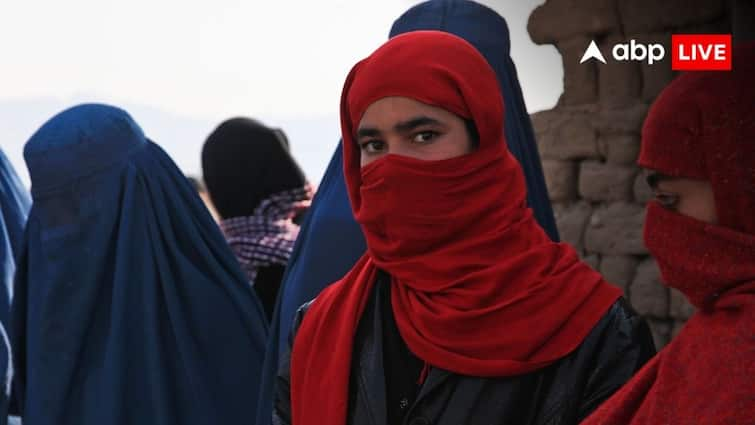

The Iraqi parliament has passed an amendment to the personal status law that activists claim would legalise child marriage.
The amendments give Islamic courts and religious authorities increased authority over family issues, including marriage, divorce and inheritance. The changes allow a previous ban on the marriage of children under the age of 18, which was in place since the 1950s.
The proposed changes on Tuesday would allow clerics to rule according to their interpretation of Islamic law, which some interpret would allow marriage of girls in their early teens or as young as nine under the Jaafari school of Islamic law followed by many Shias.
For Shia Muslims, who make up a majority in the country, the lowest age of marriage for girls will be nine years old, while for the Sunnis, the official age will be 15.
Those in support of the legislation argue that the amendment would allow the country to align the law with Islamic principles and reduce Western influence on Iraqi culture. The development comes even as child marriage remains a longstanding issue in Iraq, where 28 per cent of girls were married before they turned 18, according to a 2023 UN survey.
The Iraqi Parliament has also passed a general amnesty law that would benefit Sunni detainees and will give a pass to those involved in corruption and embezzlement.
Parliament Speaker Mahmoud al-Mashhadani, in a statement, praised the laws’ passage as “an important step in the process of enhancing justice and organising the daily lives of citizens”.
Activists Say Law Would Leave Disastrous Effects On Women Rights
The activists have argued that the legislation would undermines Iraq’s 1959 Personal Status Law, which unified family law and established safeguards for women. They also claimed that the law could now also be applied retroactively to cases filed in courts before it was enacted, affecting rights to alimony and custody.
Intisar al-Mayali, a human rights activist and a member of the Iraqi Women’s League, said that the amendment would leave disastrous effects on the rights of women and girls, adding that the civil status law amendments would violate their right to life.
Meanwhile, Iraqi MPs and women’s rights group have reacted with horror to the Iraqi parliament passing the legislation.
Lawyer Mohammed Juma, one of the most prominent opponents of the law, said, “We have reached the end of women’s rights and the end of children’s rights in Iraq.”
Iindependent MP Sajjad Salem said that Iraq has never witnessed a decline and profanity that harmed the country’s wealth and reputation as the people are witnessing today.

The Iraqi parliament has passed an amendment to the personal status law that activists claim would legalise child marriage.
The amendments give Islamic courts and religious authorities increased authority over family issues, including marriage, divorce and inheritance. The changes allow a previous ban on the marriage of children under the age of 18, which was in place since the 1950s.
The proposed changes on Tuesday would allow clerics to rule according to their interpretation of Islamic law, which some interpret would allow marriage of girls in their early teens or as young as nine under the Jaafari school of Islamic law followed by many Shias.
For Shia Muslims, who make up a majority in the country, the lowest age of marriage for girls will be nine years old, while for the Sunnis, the official age will be 15.
Those in support of the legislation argue that the amendment would allow the country to align the law with Islamic principles and reduce Western influence on Iraqi culture. The development comes even as child marriage remains a longstanding issue in Iraq, where 28 per cent of girls were married before they turned 18, according to a 2023 UN survey.
The Iraqi Parliament has also passed a general amnesty law that would benefit Sunni detainees and will give a pass to those involved in corruption and embezzlement.
Parliament Speaker Mahmoud al-Mashhadani, in a statement, praised the laws’ passage as “an important step in the process of enhancing justice and organising the daily lives of citizens”.
Activists Say Law Would Leave Disastrous Effects On Women Rights
The activists have argued that the legislation would undermines Iraq’s 1959 Personal Status Law, which unified family law and established safeguards for women. They also claimed that the law could now also be applied retroactively to cases filed in courts before it was enacted, affecting rights to alimony and custody.
Intisar al-Mayali, a human rights activist and a member of the Iraqi Women’s League, said that the amendment would leave disastrous effects on the rights of women and girls, adding that the civil status law amendments would violate their right to life.
Meanwhile, Iraqi MPs and women’s rights group have reacted with horror to the Iraqi parliament passing the legislation.
Lawyer Mohammed Juma, one of the most prominent opponents of the law, said, “We have reached the end of women’s rights and the end of children’s rights in Iraq.”
Iindependent MP Sajjad Salem said that Iraq has never witnessed a decline and profanity that harmed the country’s wealth and reputation as the people are witnessing today.

The Iraqi parliament has passed an amendment to the personal status law that activists claim would legalise child marriage.
The amendments give Islamic courts and religious authorities increased authority over family issues, including marriage, divorce and inheritance. The changes allow a previous ban on the marriage of children under the age of 18, which was in place since the 1950s.
The proposed changes on Tuesday would allow clerics to rule according to their interpretation of Islamic law, which some interpret would allow marriage of girls in their early teens or as young as nine under the Jaafari school of Islamic law followed by many Shias.
For Shia Muslims, who make up a majority in the country, the lowest age of marriage for girls will be nine years old, while for the Sunnis, the official age will be 15.
Those in support of the legislation argue that the amendment would allow the country to align the law with Islamic principles and reduce Western influence on Iraqi culture. The development comes even as child marriage remains a longstanding issue in Iraq, where 28 per cent of girls were married before they turned 18, according to a 2023 UN survey.
The Iraqi Parliament has also passed a general amnesty law that would benefit Sunni detainees and will give a pass to those involved in corruption and embezzlement.
Parliament Speaker Mahmoud al-Mashhadani, in a statement, praised the laws’ passage as “an important step in the process of enhancing justice and organising the daily lives of citizens”.
Activists Say Law Would Leave Disastrous Effects On Women Rights
The activists have argued that the legislation would undermines Iraq’s 1959 Personal Status Law, which unified family law and established safeguards for women. They also claimed that the law could now also be applied retroactively to cases filed in courts before it was enacted, affecting rights to alimony and custody.
Intisar al-Mayali, a human rights activist and a member of the Iraqi Women’s League, said that the amendment would leave disastrous effects on the rights of women and girls, adding that the civil status law amendments would violate their right to life.
Meanwhile, Iraqi MPs and women’s rights group have reacted with horror to the Iraqi parliament passing the legislation.
Lawyer Mohammed Juma, one of the most prominent opponents of the law, said, “We have reached the end of women’s rights and the end of children’s rights in Iraq.”
Iindependent MP Sajjad Salem said that Iraq has never witnessed a decline and profanity that harmed the country’s wealth and reputation as the people are witnessing today.
The Iraqi parliament has passed an amendment to the personal status law that activists claim would legalise child marriage.
The amendments give Islamic courts and religious authorities increased authority over family issues, including marriage, divorce and inheritance. The changes allow a previous ban on the marriage of children under the age of 18, which was in place since the 1950s.
The proposed changes on Tuesday would allow clerics to rule according to their interpretation of Islamic law, which some interpret would allow marriage of girls in their early teens or as young as nine under the Jaafari school of Islamic law followed by many Shias.
For Shia Muslims, who make up a majority in the country, the lowest age of marriage for girls will be nine years old, while for the Sunnis, the official age will be 15.
Those in support of the legislation argue that the amendment would allow the country to align the law with Islamic principles and reduce Western influence on Iraqi culture. The development comes even as child marriage remains a longstanding issue in Iraq, where 28 per cent of girls were married before they turned 18, according to a 2023 UN survey.
The Iraqi Parliament has also passed a general amnesty law that would benefit Sunni detainees and will give a pass to those involved in corruption and embezzlement.
Parliament Speaker Mahmoud al-Mashhadani, in a statement, praised the laws’ passage as “an important step in the process of enhancing justice and organising the daily lives of citizens”.
Activists Say Law Would Leave Disastrous Effects On Women Rights
The activists have argued that the legislation would undermines Iraq’s 1959 Personal Status Law, which unified family law and established safeguards for women. They also claimed that the law could now also be applied retroactively to cases filed in courts before it was enacted, affecting rights to alimony and custody.
Intisar al-Mayali, a human rights activist and a member of the Iraqi Women’s League, said that the amendment would leave disastrous effects on the rights of women and girls, adding that the civil status law amendments would violate their right to life.
Meanwhile, Iraqi MPs and women’s rights group have reacted with horror to the Iraqi parliament passing the legislation.
Lawyer Mohammed Juma, one of the most prominent opponents of the law, said, “We have reached the end of women’s rights and the end of children’s rights in Iraq.”
Iindependent MP Sajjad Salem said that Iraq has never witnessed a decline and profanity that harmed the country’s wealth and reputation as the people are witnessing today.

The Iraqi parliament has passed an amendment to the personal status law that activists claim would legalise child marriage.
The amendments give Islamic courts and religious authorities increased authority over family issues, including marriage, divorce and inheritance. The changes allow a previous ban on the marriage of children under the age of 18, which was in place since the 1950s.
The proposed changes on Tuesday would allow clerics to rule according to their interpretation of Islamic law, which some interpret would allow marriage of girls in their early teens or as young as nine under the Jaafari school of Islamic law followed by many Shias.
For Shia Muslims, who make up a majority in the country, the lowest age of marriage for girls will be nine years old, while for the Sunnis, the official age will be 15.
Those in support of the legislation argue that the amendment would allow the country to align the law with Islamic principles and reduce Western influence on Iraqi culture. The development comes even as child marriage remains a longstanding issue in Iraq, where 28 per cent of girls were married before they turned 18, according to a 2023 UN survey.
The Iraqi Parliament has also passed a general amnesty law that would benefit Sunni detainees and will give a pass to those involved in corruption and embezzlement.
Parliament Speaker Mahmoud al-Mashhadani, in a statement, praised the laws’ passage as “an important step in the process of enhancing justice and organising the daily lives of citizens”.
Activists Say Law Would Leave Disastrous Effects On Women Rights
The activists have argued that the legislation would undermines Iraq’s 1959 Personal Status Law, which unified family law and established safeguards for women. They also claimed that the law could now also be applied retroactively to cases filed in courts before it was enacted, affecting rights to alimony and custody.
Intisar al-Mayali, a human rights activist and a member of the Iraqi Women’s League, said that the amendment would leave disastrous effects on the rights of women and girls, adding that the civil status law amendments would violate their right to life.
Meanwhile, Iraqi MPs and women’s rights group have reacted with horror to the Iraqi parliament passing the legislation.
Lawyer Mohammed Juma, one of the most prominent opponents of the law, said, “We have reached the end of women’s rights and the end of children’s rights in Iraq.”
Iindependent MP Sajjad Salem said that Iraq has never witnessed a decline and profanity that harmed the country’s wealth and reputation as the people are witnessing today.
The Iraqi parliament has passed an amendment to the personal status law that activists claim would legalise child marriage.
The amendments give Islamic courts and religious authorities increased authority over family issues, including marriage, divorce and inheritance. The changes allow a previous ban on the marriage of children under the age of 18, which was in place since the 1950s.
The proposed changes on Tuesday would allow clerics to rule according to their interpretation of Islamic law, which some interpret would allow marriage of girls in their early teens or as young as nine under the Jaafari school of Islamic law followed by many Shias.
For Shia Muslims, who make up a majority in the country, the lowest age of marriage for girls will be nine years old, while for the Sunnis, the official age will be 15.
Those in support of the legislation argue that the amendment would allow the country to align the law with Islamic principles and reduce Western influence on Iraqi culture. The development comes even as child marriage remains a longstanding issue in Iraq, where 28 per cent of girls were married before they turned 18, according to a 2023 UN survey.
The Iraqi Parliament has also passed a general amnesty law that would benefit Sunni detainees and will give a pass to those involved in corruption and embezzlement.
Parliament Speaker Mahmoud al-Mashhadani, in a statement, praised the laws’ passage as “an important step in the process of enhancing justice and organising the daily lives of citizens”.
Activists Say Law Would Leave Disastrous Effects On Women Rights
The activists have argued that the legislation would undermines Iraq’s 1959 Personal Status Law, which unified family law and established safeguards for women. They also claimed that the law could now also be applied retroactively to cases filed in courts before it was enacted, affecting rights to alimony and custody.
Intisar al-Mayali, a human rights activist and a member of the Iraqi Women’s League, said that the amendment would leave disastrous effects on the rights of women and girls, adding that the civil status law amendments would violate their right to life.
Meanwhile, Iraqi MPs and women’s rights group have reacted with horror to the Iraqi parliament passing the legislation.
Lawyer Mohammed Juma, one of the most prominent opponents of the law, said, “We have reached the end of women’s rights and the end of children’s rights in Iraq.”
Iindependent MP Sajjad Salem said that Iraq has never witnessed a decline and profanity that harmed the country’s wealth and reputation as the people are witnessing today.
The Iraqi parliament has passed an amendment to the personal status law that activists claim would legalise child marriage.
The amendments give Islamic courts and religious authorities increased authority over family issues, including marriage, divorce and inheritance. The changes allow a previous ban on the marriage of children under the age of 18, which was in place since the 1950s.
The proposed changes on Tuesday would allow clerics to rule according to their interpretation of Islamic law, which some interpret would allow marriage of girls in their early teens or as young as nine under the Jaafari school of Islamic law followed by many Shias.
For Shia Muslims, who make up a majority in the country, the lowest age of marriage for girls will be nine years old, while for the Sunnis, the official age will be 15.
Those in support of the legislation argue that the amendment would allow the country to align the law with Islamic principles and reduce Western influence on Iraqi culture. The development comes even as child marriage remains a longstanding issue in Iraq, where 28 per cent of girls were married before they turned 18, according to a 2023 UN survey.
The Iraqi Parliament has also passed a general amnesty law that would benefit Sunni detainees and will give a pass to those involved in corruption and embezzlement.
Parliament Speaker Mahmoud al-Mashhadani, in a statement, praised the laws’ passage as “an important step in the process of enhancing justice and organising the daily lives of citizens”.
Activists Say Law Would Leave Disastrous Effects On Women Rights
The activists have argued that the legislation would undermines Iraq’s 1959 Personal Status Law, which unified family law and established safeguards for women. They also claimed that the law could now also be applied retroactively to cases filed in courts before it was enacted, affecting rights to alimony and custody.
Intisar al-Mayali, a human rights activist and a member of the Iraqi Women’s League, said that the amendment would leave disastrous effects on the rights of women and girls, adding that the civil status law amendments would violate their right to life.
Meanwhile, Iraqi MPs and women’s rights group have reacted with horror to the Iraqi parliament passing the legislation.
Lawyer Mohammed Juma, one of the most prominent opponents of the law, said, “We have reached the end of women’s rights and the end of children’s rights in Iraq.”
Iindependent MP Sajjad Salem said that Iraq has never witnessed a decline and profanity that harmed the country’s wealth and reputation as the people are witnessing today.
The Iraqi parliament has passed an amendment to the personal status law that activists claim would legalise child marriage.
The amendments give Islamic courts and religious authorities increased authority over family issues, including marriage, divorce and inheritance. The changes allow a previous ban on the marriage of children under the age of 18, which was in place since the 1950s.
The proposed changes on Tuesday would allow clerics to rule according to their interpretation of Islamic law, which some interpret would allow marriage of girls in their early teens or as young as nine under the Jaafari school of Islamic law followed by many Shias.
For Shia Muslims, who make up a majority in the country, the lowest age of marriage for girls will be nine years old, while for the Sunnis, the official age will be 15.
Those in support of the legislation argue that the amendment would allow the country to align the law with Islamic principles and reduce Western influence on Iraqi culture. The development comes even as child marriage remains a longstanding issue in Iraq, where 28 per cent of girls were married before they turned 18, according to a 2023 UN survey.
The Iraqi Parliament has also passed a general amnesty law that would benefit Sunni detainees and will give a pass to those involved in corruption and embezzlement.
Parliament Speaker Mahmoud al-Mashhadani, in a statement, praised the laws’ passage as “an important step in the process of enhancing justice and organising the daily lives of citizens”.
Activists Say Law Would Leave Disastrous Effects On Women Rights
The activists have argued that the legislation would undermines Iraq’s 1959 Personal Status Law, which unified family law and established safeguards for women. They also claimed that the law could now also be applied retroactively to cases filed in courts before it was enacted, affecting rights to alimony and custody.
Intisar al-Mayali, a human rights activist and a member of the Iraqi Women’s League, said that the amendment would leave disastrous effects on the rights of women and girls, adding that the civil status law amendments would violate their right to life.
Meanwhile, Iraqi MPs and women’s rights group have reacted with horror to the Iraqi parliament passing the legislation.
Lawyer Mohammed Juma, one of the most prominent opponents of the law, said, “We have reached the end of women’s rights and the end of children’s rights in Iraq.”
Iindependent MP Sajjad Salem said that Iraq has never witnessed a decline and profanity that harmed the country’s wealth and reputation as the people are witnessing today.

