

WASHINGTON — If President-elect Donald Trump’s assertion that the United States should have control of Greenland sounds familiar, that’s because he’s said it before — during his first term as president.
Back in 2019, Trump’s call caused a brief diplomatic tiff with Denmark, under whose sovereignty the vast island falls. Then as now, the suggestion was met with derision in some quarters, but it spotlighted serious questions about the icy territory’s strategic significance in an era of accelerating climate change.
Trump’s commentary also pointed up a quandary faced by U.S. allies, which will become more pressing within a few weeks, when the Oval Office changes hands: whether smaller and less powerful states ought to greet startling declarations from Washington with silence, conciliation, throat-clearing obfuscation or clearly stated opposition — especially since the issue in question might simply go away anyway.
Sometimes, Trump ultimately defuses such flaps by saying he was only joking. At other times, he hints that those who defy him might face consequences later. Denmark is a member of the European Union, which is already preparing for a potentially tense relationship with the incoming president.
Here is some background about Greenland, why the president-elect is raising the topic again, and what might come next.
What is this place?
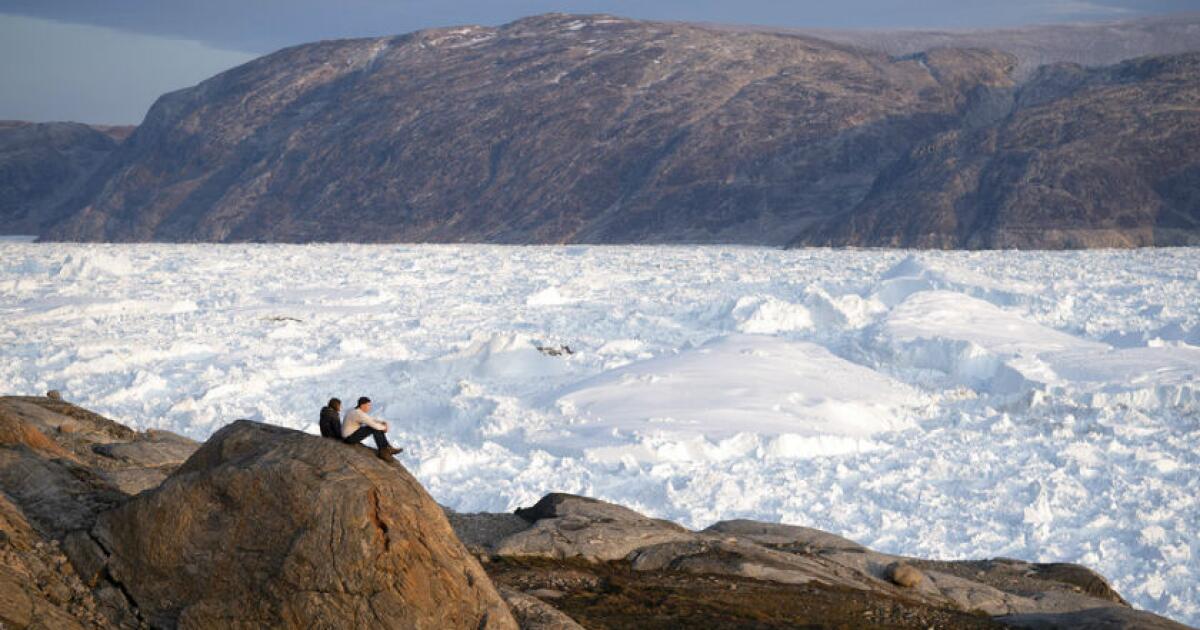
Greenland is an Alaska-sized, self-ruling Danish territory off North America, between the Arctic and Atlantic oceans. It is the world’s biggest island that isn’t a continent, about two-thirds of it lying within the Arctic Circle. It is largely ice-covered and sparsely populated: Fewer than 60,000 people live there. With the exception of foreign nationals, those living there are full citizens of Denmark.
How did this idea even come up?
The president-elect’s unexpected comment came Sunday as he was announcing his choice for U.S. envoy to Copenhagen, PayPal co-founder Ken Howery. In a post on his Truth Social platform, Trump declared that “America feels that the ownership and control of Greenland is an absolute necessity,” citing “purposes of National Security and Freedom throughout the World.”
How did Greenland’s government respond?
Somewhat crisply. On Monday, its elected leader, Prime Minister Mute Egede, said in a statement that Greenland “is not for sale and will never be for sale.” But the prime minister also said Greenland “must continue to be open to cooperation and trade with the whole world, especially our neighbors.”
How did Trump’s 2019 idea play out?
When Trump made his initial real-estate overture, Danish Prime Minister Mette Frederiksen dismissed Trump’s offer as “absurd.” The then-president termed that response “nasty” and called off a planned state visit to Denmark.
Still, the idea of such a purchase was not unprecedented. The United States had made several similar forays, dating to the 1860s, all of them short-lived.
This time around, any headaches for Denmark could be longer-lasting. Trump was already 19 months into his first term when he floated the purchase notion. With his swearing-in still four weeks away, there will be a full four years for the issue to simmer.
Is territorial expansion a theme for Trump’s second presidency?
In this postelection, pre-inauguration phase, Trump has already made waves by musing about the status of Canada, suggesting, in an apparent jab at Prime Minister Justin Trudeau, that the United States’ sovereign northern neighbor could become a 51st state. Also over the weekend, he hinted that Washington could move to seize control of the Panama Canal, ceded back to Panama a quarter of a century ago, over what Trump termed excessive fees to transit the vital waterway.
There has been no indication the president-elect intends to follow up on any of these territorial propositions, or what would be the mechanism for doing so.
Why is Greenland strategically significant?
The island is home to a large U.S. military base. The melting of Greenland’s ice sheet, documented for years and known to be speeding up, could lead to the opening of previously blocked international shipping passages, spurring great-power competition in the Arctic. In addition, Greenland possesses immense mineral riches — gold, silver, copper and uranium — whose potential extraction would be complicated by harsh weather and lack of road access, as well as environmental concerns.

WASHINGTON — If President-elect Donald Trump’s assertion that the United States should have control of Greenland sounds familiar, that’s because he’s said it before — during his first term as president.
Back in 2019, Trump’s call caused a brief diplomatic tiff with Denmark, under whose sovereignty the vast island falls. Then as now, the suggestion was met with derision in some quarters, but it spotlighted serious questions about the icy territory’s strategic significance in an era of accelerating climate change.
Trump’s commentary also pointed up a quandary faced by U.S. allies, which will become more pressing within a few weeks, when the Oval Office changes hands: whether smaller and less powerful states ought to greet startling declarations from Washington with silence, conciliation, throat-clearing obfuscation or clearly stated opposition — especially since the issue in question might simply go away anyway.
Sometimes, Trump ultimately defuses such flaps by saying he was only joking. At other times, he hints that those who defy him might face consequences later. Denmark is a member of the European Union, which is already preparing for a potentially tense relationship with the incoming president.
Here is some background about Greenland, why the president-elect is raising the topic again, and what might come next.
What is this place?
Greenland is an Alaska-sized, self-ruling Danish territory off North America, between the Arctic and Atlantic oceans. It is the world’s biggest island that isn’t a continent, about two-thirds of it lying within the Arctic Circle. It is largely ice-covered and sparsely populated: Fewer than 60,000 people live there. With the exception of foreign nationals, those living there are full citizens of Denmark.
How did this idea even come up?
The president-elect’s unexpected comment came Sunday as he was announcing his choice for U.S. envoy to Copenhagen, PayPal co-founder Ken Howery. In a post on his Truth Social platform, Trump declared that “America feels that the ownership and control of Greenland is an absolute necessity,” citing “purposes of National Security and Freedom throughout the World.”
How did Greenland’s government respond?
Somewhat crisply. On Monday, its elected leader, Prime Minister Mute Egede, said in a statement that Greenland “is not for sale and will never be for sale.” But the prime minister also said Greenland “must continue to be open to cooperation and trade with the whole world, especially our neighbors.”
How did Trump’s 2019 idea play out?
When Trump made his initial real-estate overture, Danish Prime Minister Mette Frederiksen dismissed Trump’s offer as “absurd.” The then-president termed that response “nasty” and called off a planned state visit to Denmark.
Still, the idea of such a purchase was not unprecedented. The United States had made several similar forays, dating to the 1860s, all of them short-lived.
This time around, any headaches for Denmark could be longer-lasting. Trump was already 19 months into his first term when he floated the purchase notion. With his swearing-in still four weeks away, there will be a full four years for the issue to simmer.
Is territorial expansion a theme for Trump’s second presidency?
In this postelection, pre-inauguration phase, Trump has already made waves by musing about the status of Canada, suggesting, in an apparent jab at Prime Minister Justin Trudeau, that the United States’ sovereign northern neighbor could become a 51st state. Also over the weekend, he hinted that Washington could move to seize control of the Panama Canal, ceded back to Panama a quarter of a century ago, over what Trump termed excessive fees to transit the vital waterway.
There has been no indication the president-elect intends to follow up on any of these territorial propositions, or what would be the mechanism for doing so.
Why is Greenland strategically significant?
The island is home to a large U.S. military base. The melting of Greenland’s ice sheet, documented for years and known to be speeding up, could lead to the opening of previously blocked international shipping passages, spurring great-power competition in the Arctic. In addition, Greenland possesses immense mineral riches — gold, silver, copper and uranium — whose potential extraction would be complicated by harsh weather and lack of road access, as well as environmental concerns.

WASHINGTON — If President-elect Donald Trump’s assertion that the United States should have control of Greenland sounds familiar, that’s because he’s said it before — during his first term as president.
Back in 2019, Trump’s call caused a brief diplomatic tiff with Denmark, under whose sovereignty the vast island falls. Then as now, the suggestion was met with derision in some quarters, but it spotlighted serious questions about the icy territory’s strategic significance in an era of accelerating climate change.
Trump’s commentary also pointed up a quandary faced by U.S. allies, which will become more pressing within a few weeks, when the Oval Office changes hands: whether smaller and less powerful states ought to greet startling declarations from Washington with silence, conciliation, throat-clearing obfuscation or clearly stated opposition — especially since the issue in question might simply go away anyway.
Sometimes, Trump ultimately defuses such flaps by saying he was only joking. At other times, he hints that those who defy him might face consequences later. Denmark is a member of the European Union, which is already preparing for a potentially tense relationship with the incoming president.
Here is some background about Greenland, why the president-elect is raising the topic again, and what might come next.
What is this place?
Greenland is an Alaska-sized, self-ruling Danish territory off North America, between the Arctic and Atlantic oceans. It is the world’s biggest island that isn’t a continent, about two-thirds of it lying within the Arctic Circle. It is largely ice-covered and sparsely populated: Fewer than 60,000 people live there. With the exception of foreign nationals, those living there are full citizens of Denmark.
How did this idea even come up?
The president-elect’s unexpected comment came Sunday as he was announcing his choice for U.S. envoy to Copenhagen, PayPal co-founder Ken Howery. In a post on his Truth Social platform, Trump declared that “America feels that the ownership and control of Greenland is an absolute necessity,” citing “purposes of National Security and Freedom throughout the World.”
How did Greenland’s government respond?
Somewhat crisply. On Monday, its elected leader, Prime Minister Mute Egede, said in a statement that Greenland “is not for sale and will never be for sale.” But the prime minister also said Greenland “must continue to be open to cooperation and trade with the whole world, especially our neighbors.”
How did Trump’s 2019 idea play out?
When Trump made his initial real-estate overture, Danish Prime Minister Mette Frederiksen dismissed Trump’s offer as “absurd.” The then-president termed that response “nasty” and called off a planned state visit to Denmark.
Still, the idea of such a purchase was not unprecedented. The United States had made several similar forays, dating to the 1860s, all of them short-lived.
This time around, any headaches for Denmark could be longer-lasting. Trump was already 19 months into his first term when he floated the purchase notion. With his swearing-in still four weeks away, there will be a full four years for the issue to simmer.
Is territorial expansion a theme for Trump’s second presidency?
In this postelection, pre-inauguration phase, Trump has already made waves by musing about the status of Canada, suggesting, in an apparent jab at Prime Minister Justin Trudeau, that the United States’ sovereign northern neighbor could become a 51st state. Also over the weekend, he hinted that Washington could move to seize control of the Panama Canal, ceded back to Panama a quarter of a century ago, over what Trump termed excessive fees to transit the vital waterway.
There has been no indication the president-elect intends to follow up on any of these territorial propositions, or what would be the mechanism for doing so.
Why is Greenland strategically significant?
The island is home to a large U.S. military base. The melting of Greenland’s ice sheet, documented for years and known to be speeding up, could lead to the opening of previously blocked international shipping passages, spurring great-power competition in the Arctic. In addition, Greenland possesses immense mineral riches — gold, silver, copper and uranium — whose potential extraction would be complicated by harsh weather and lack of road access, as well as environmental concerns.
WASHINGTON — If President-elect Donald Trump’s assertion that the United States should have control of Greenland sounds familiar, that’s because he’s said it before — during his first term as president.
Back in 2019, Trump’s call caused a brief diplomatic tiff with Denmark, under whose sovereignty the vast island falls. Then as now, the suggestion was met with derision in some quarters, but it spotlighted serious questions about the icy territory’s strategic significance in an era of accelerating climate change.
Trump’s commentary also pointed up a quandary faced by U.S. allies, which will become more pressing within a few weeks, when the Oval Office changes hands: whether smaller and less powerful states ought to greet startling declarations from Washington with silence, conciliation, throat-clearing obfuscation or clearly stated opposition — especially since the issue in question might simply go away anyway.
Sometimes, Trump ultimately defuses such flaps by saying he was only joking. At other times, he hints that those who defy him might face consequences later. Denmark is a member of the European Union, which is already preparing for a potentially tense relationship with the incoming president.
Here is some background about Greenland, why the president-elect is raising the topic again, and what might come next.
What is this place?
Greenland is an Alaska-sized, self-ruling Danish territory off North America, between the Arctic and Atlantic oceans. It is the world’s biggest island that isn’t a continent, about two-thirds of it lying within the Arctic Circle. It is largely ice-covered and sparsely populated: Fewer than 60,000 people live there. With the exception of foreign nationals, those living there are full citizens of Denmark.
How did this idea even come up?
The president-elect’s unexpected comment came Sunday as he was announcing his choice for U.S. envoy to Copenhagen, PayPal co-founder Ken Howery. In a post on his Truth Social platform, Trump declared that “America feels that the ownership and control of Greenland is an absolute necessity,” citing “purposes of National Security and Freedom throughout the World.”
How did Greenland’s government respond?
Somewhat crisply. On Monday, its elected leader, Prime Minister Mute Egede, said in a statement that Greenland “is not for sale and will never be for sale.” But the prime minister also said Greenland “must continue to be open to cooperation and trade with the whole world, especially our neighbors.”
How did Trump’s 2019 idea play out?
When Trump made his initial real-estate overture, Danish Prime Minister Mette Frederiksen dismissed Trump’s offer as “absurd.” The then-president termed that response “nasty” and called off a planned state visit to Denmark.
Still, the idea of such a purchase was not unprecedented. The United States had made several similar forays, dating to the 1860s, all of them short-lived.
This time around, any headaches for Denmark could be longer-lasting. Trump was already 19 months into his first term when he floated the purchase notion. With his swearing-in still four weeks away, there will be a full four years for the issue to simmer.
Is territorial expansion a theme for Trump’s second presidency?
In this postelection, pre-inauguration phase, Trump has already made waves by musing about the status of Canada, suggesting, in an apparent jab at Prime Minister Justin Trudeau, that the United States’ sovereign northern neighbor could become a 51st state. Also over the weekend, he hinted that Washington could move to seize control of the Panama Canal, ceded back to Panama a quarter of a century ago, over what Trump termed excessive fees to transit the vital waterway.
There has been no indication the president-elect intends to follow up on any of these territorial propositions, or what would be the mechanism for doing so.
Why is Greenland strategically significant?
The island is home to a large U.S. military base. The melting of Greenland’s ice sheet, documented for years and known to be speeding up, could lead to the opening of previously blocked international shipping passages, spurring great-power competition in the Arctic. In addition, Greenland possesses immense mineral riches — gold, silver, copper and uranium — whose potential extraction would be complicated by harsh weather and lack of road access, as well as environmental concerns.

WASHINGTON — If President-elect Donald Trump’s assertion that the United States should have control of Greenland sounds familiar, that’s because he’s said it before — during his first term as president.
Back in 2019, Trump’s call caused a brief diplomatic tiff with Denmark, under whose sovereignty the vast island falls. Then as now, the suggestion was met with derision in some quarters, but it spotlighted serious questions about the icy territory’s strategic significance in an era of accelerating climate change.
Trump’s commentary also pointed up a quandary faced by U.S. allies, which will become more pressing within a few weeks, when the Oval Office changes hands: whether smaller and less powerful states ought to greet startling declarations from Washington with silence, conciliation, throat-clearing obfuscation or clearly stated opposition — especially since the issue in question might simply go away anyway.
Sometimes, Trump ultimately defuses such flaps by saying he was only joking. At other times, he hints that those who defy him might face consequences later. Denmark is a member of the European Union, which is already preparing for a potentially tense relationship with the incoming president.
Here is some background about Greenland, why the president-elect is raising the topic again, and what might come next.
What is this place?
Greenland is an Alaska-sized, self-ruling Danish territory off North America, between the Arctic and Atlantic oceans. It is the world’s biggest island that isn’t a continent, about two-thirds of it lying within the Arctic Circle. It is largely ice-covered and sparsely populated: Fewer than 60,000 people live there. With the exception of foreign nationals, those living there are full citizens of Denmark.
How did this idea even come up?
The president-elect’s unexpected comment came Sunday as he was announcing his choice for U.S. envoy to Copenhagen, PayPal co-founder Ken Howery. In a post on his Truth Social platform, Trump declared that “America feels that the ownership and control of Greenland is an absolute necessity,” citing “purposes of National Security and Freedom throughout the World.”
How did Greenland’s government respond?
Somewhat crisply. On Monday, its elected leader, Prime Minister Mute Egede, said in a statement that Greenland “is not for sale and will never be for sale.” But the prime minister also said Greenland “must continue to be open to cooperation and trade with the whole world, especially our neighbors.”
How did Trump’s 2019 idea play out?
When Trump made his initial real-estate overture, Danish Prime Minister Mette Frederiksen dismissed Trump’s offer as “absurd.” The then-president termed that response “nasty” and called off a planned state visit to Denmark.
Still, the idea of such a purchase was not unprecedented. The United States had made several similar forays, dating to the 1860s, all of them short-lived.
This time around, any headaches for Denmark could be longer-lasting. Trump was already 19 months into his first term when he floated the purchase notion. With his swearing-in still four weeks away, there will be a full four years for the issue to simmer.
Is territorial expansion a theme for Trump’s second presidency?
In this postelection, pre-inauguration phase, Trump has already made waves by musing about the status of Canada, suggesting, in an apparent jab at Prime Minister Justin Trudeau, that the United States’ sovereign northern neighbor could become a 51st state. Also over the weekend, he hinted that Washington could move to seize control of the Panama Canal, ceded back to Panama a quarter of a century ago, over what Trump termed excessive fees to transit the vital waterway.
There has been no indication the president-elect intends to follow up on any of these territorial propositions, or what would be the mechanism for doing so.
Why is Greenland strategically significant?
The island is home to a large U.S. military base. The melting of Greenland’s ice sheet, documented for years and known to be speeding up, could lead to the opening of previously blocked international shipping passages, spurring great-power competition in the Arctic. In addition, Greenland possesses immense mineral riches — gold, silver, copper and uranium — whose potential extraction would be complicated by harsh weather and lack of road access, as well as environmental concerns.
WASHINGTON — If President-elect Donald Trump’s assertion that the United States should have control of Greenland sounds familiar, that’s because he’s said it before — during his first term as president.
Back in 2019, Trump’s call caused a brief diplomatic tiff with Denmark, under whose sovereignty the vast island falls. Then as now, the suggestion was met with derision in some quarters, but it spotlighted serious questions about the icy territory’s strategic significance in an era of accelerating climate change.
Trump’s commentary also pointed up a quandary faced by U.S. allies, which will become more pressing within a few weeks, when the Oval Office changes hands: whether smaller and less powerful states ought to greet startling declarations from Washington with silence, conciliation, throat-clearing obfuscation or clearly stated opposition — especially since the issue in question might simply go away anyway.
Sometimes, Trump ultimately defuses such flaps by saying he was only joking. At other times, he hints that those who defy him might face consequences later. Denmark is a member of the European Union, which is already preparing for a potentially tense relationship with the incoming president.
Here is some background about Greenland, why the president-elect is raising the topic again, and what might come next.
What is this place?
Greenland is an Alaska-sized, self-ruling Danish territory off North America, between the Arctic and Atlantic oceans. It is the world’s biggest island that isn’t a continent, about two-thirds of it lying within the Arctic Circle. It is largely ice-covered and sparsely populated: Fewer than 60,000 people live there. With the exception of foreign nationals, those living there are full citizens of Denmark.
How did this idea even come up?
The president-elect’s unexpected comment came Sunday as he was announcing his choice for U.S. envoy to Copenhagen, PayPal co-founder Ken Howery. In a post on his Truth Social platform, Trump declared that “America feels that the ownership and control of Greenland is an absolute necessity,” citing “purposes of National Security and Freedom throughout the World.”
How did Greenland’s government respond?
Somewhat crisply. On Monday, its elected leader, Prime Minister Mute Egede, said in a statement that Greenland “is not for sale and will never be for sale.” But the prime minister also said Greenland “must continue to be open to cooperation and trade with the whole world, especially our neighbors.”
How did Trump’s 2019 idea play out?
When Trump made his initial real-estate overture, Danish Prime Minister Mette Frederiksen dismissed Trump’s offer as “absurd.” The then-president termed that response “nasty” and called off a planned state visit to Denmark.
Still, the idea of such a purchase was not unprecedented. The United States had made several similar forays, dating to the 1860s, all of them short-lived.
This time around, any headaches for Denmark could be longer-lasting. Trump was already 19 months into his first term when he floated the purchase notion. With his swearing-in still four weeks away, there will be a full four years for the issue to simmer.
Is territorial expansion a theme for Trump’s second presidency?
In this postelection, pre-inauguration phase, Trump has already made waves by musing about the status of Canada, suggesting, in an apparent jab at Prime Minister Justin Trudeau, that the United States’ sovereign northern neighbor could become a 51st state. Also over the weekend, he hinted that Washington could move to seize control of the Panama Canal, ceded back to Panama a quarter of a century ago, over what Trump termed excessive fees to transit the vital waterway.
There has been no indication the president-elect intends to follow up on any of these territorial propositions, or what would be the mechanism for doing so.
Why is Greenland strategically significant?
The island is home to a large U.S. military base. The melting of Greenland’s ice sheet, documented for years and known to be speeding up, could lead to the opening of previously blocked international shipping passages, spurring great-power competition in the Arctic. In addition, Greenland possesses immense mineral riches — gold, silver, copper and uranium — whose potential extraction would be complicated by harsh weather and lack of road access, as well as environmental concerns.
WASHINGTON — If President-elect Donald Trump’s assertion that the United States should have control of Greenland sounds familiar, that’s because he’s said it before — during his first term as president.
Back in 2019, Trump’s call caused a brief diplomatic tiff with Denmark, under whose sovereignty the vast island falls. Then as now, the suggestion was met with derision in some quarters, but it spotlighted serious questions about the icy territory’s strategic significance in an era of accelerating climate change.
Trump’s commentary also pointed up a quandary faced by U.S. allies, which will become more pressing within a few weeks, when the Oval Office changes hands: whether smaller and less powerful states ought to greet startling declarations from Washington with silence, conciliation, throat-clearing obfuscation or clearly stated opposition — especially since the issue in question might simply go away anyway.
Sometimes, Trump ultimately defuses such flaps by saying he was only joking. At other times, he hints that those who defy him might face consequences later. Denmark is a member of the European Union, which is already preparing for a potentially tense relationship with the incoming president.
Here is some background about Greenland, why the president-elect is raising the topic again, and what might come next.
What is this place?
Greenland is an Alaska-sized, self-ruling Danish territory off North America, between the Arctic and Atlantic oceans. It is the world’s biggest island that isn’t a continent, about two-thirds of it lying within the Arctic Circle. It is largely ice-covered and sparsely populated: Fewer than 60,000 people live there. With the exception of foreign nationals, those living there are full citizens of Denmark.
How did this idea even come up?
The president-elect’s unexpected comment came Sunday as he was announcing his choice for U.S. envoy to Copenhagen, PayPal co-founder Ken Howery. In a post on his Truth Social platform, Trump declared that “America feels that the ownership and control of Greenland is an absolute necessity,” citing “purposes of National Security and Freedom throughout the World.”
How did Greenland’s government respond?
Somewhat crisply. On Monday, its elected leader, Prime Minister Mute Egede, said in a statement that Greenland “is not for sale and will never be for sale.” But the prime minister also said Greenland “must continue to be open to cooperation and trade with the whole world, especially our neighbors.”
How did Trump’s 2019 idea play out?
When Trump made his initial real-estate overture, Danish Prime Minister Mette Frederiksen dismissed Trump’s offer as “absurd.” The then-president termed that response “nasty” and called off a planned state visit to Denmark.
Still, the idea of such a purchase was not unprecedented. The United States had made several similar forays, dating to the 1860s, all of them short-lived.
This time around, any headaches for Denmark could be longer-lasting. Trump was already 19 months into his first term when he floated the purchase notion. With his swearing-in still four weeks away, there will be a full four years for the issue to simmer.
Is territorial expansion a theme for Trump’s second presidency?
In this postelection, pre-inauguration phase, Trump has already made waves by musing about the status of Canada, suggesting, in an apparent jab at Prime Minister Justin Trudeau, that the United States’ sovereign northern neighbor could become a 51st state. Also over the weekend, he hinted that Washington could move to seize control of the Panama Canal, ceded back to Panama a quarter of a century ago, over what Trump termed excessive fees to transit the vital waterway.
There has been no indication the president-elect intends to follow up on any of these territorial propositions, or what would be the mechanism for doing so.
Why is Greenland strategically significant?
The island is home to a large U.S. military base. The melting of Greenland’s ice sheet, documented for years and known to be speeding up, could lead to the opening of previously blocked international shipping passages, spurring great-power competition in the Arctic. In addition, Greenland possesses immense mineral riches — gold, silver, copper and uranium — whose potential extraction would be complicated by harsh weather and lack of road access, as well as environmental concerns.
WASHINGTON — If President-elect Donald Trump’s assertion that the United States should have control of Greenland sounds familiar, that’s because he’s said it before — during his first term as president.
Back in 2019, Trump’s call caused a brief diplomatic tiff with Denmark, under whose sovereignty the vast island falls. Then as now, the suggestion was met with derision in some quarters, but it spotlighted serious questions about the icy territory’s strategic significance in an era of accelerating climate change.
Trump’s commentary also pointed up a quandary faced by U.S. allies, which will become more pressing within a few weeks, when the Oval Office changes hands: whether smaller and less powerful states ought to greet startling declarations from Washington with silence, conciliation, throat-clearing obfuscation or clearly stated opposition — especially since the issue in question might simply go away anyway.
Sometimes, Trump ultimately defuses such flaps by saying he was only joking. At other times, he hints that those who defy him might face consequences later. Denmark is a member of the European Union, which is already preparing for a potentially tense relationship with the incoming president.
Here is some background about Greenland, why the president-elect is raising the topic again, and what might come next.
What is this place?
Greenland is an Alaska-sized, self-ruling Danish territory off North America, between the Arctic and Atlantic oceans. It is the world’s biggest island that isn’t a continent, about two-thirds of it lying within the Arctic Circle. It is largely ice-covered and sparsely populated: Fewer than 60,000 people live there. With the exception of foreign nationals, those living there are full citizens of Denmark.
How did this idea even come up?
The president-elect’s unexpected comment came Sunday as he was announcing his choice for U.S. envoy to Copenhagen, PayPal co-founder Ken Howery. In a post on his Truth Social platform, Trump declared that “America feels that the ownership and control of Greenland is an absolute necessity,” citing “purposes of National Security and Freedom throughout the World.”
How did Greenland’s government respond?
Somewhat crisply. On Monday, its elected leader, Prime Minister Mute Egede, said in a statement that Greenland “is not for sale and will never be for sale.” But the prime minister also said Greenland “must continue to be open to cooperation and trade with the whole world, especially our neighbors.”
How did Trump’s 2019 idea play out?
When Trump made his initial real-estate overture, Danish Prime Minister Mette Frederiksen dismissed Trump’s offer as “absurd.” The then-president termed that response “nasty” and called off a planned state visit to Denmark.
Still, the idea of such a purchase was not unprecedented. The United States had made several similar forays, dating to the 1860s, all of them short-lived.
This time around, any headaches for Denmark could be longer-lasting. Trump was already 19 months into his first term when he floated the purchase notion. With his swearing-in still four weeks away, there will be a full four years for the issue to simmer.
Is territorial expansion a theme for Trump’s second presidency?
In this postelection, pre-inauguration phase, Trump has already made waves by musing about the status of Canada, suggesting, in an apparent jab at Prime Minister Justin Trudeau, that the United States’ sovereign northern neighbor could become a 51st state. Also over the weekend, he hinted that Washington could move to seize control of the Panama Canal, ceded back to Panama a quarter of a century ago, over what Trump termed excessive fees to transit the vital waterway.
There has been no indication the president-elect intends to follow up on any of these territorial propositions, or what would be the mechanism for doing so.
Why is Greenland strategically significant?
The island is home to a large U.S. military base. The melting of Greenland’s ice sheet, documented for years and known to be speeding up, could lead to the opening of previously blocked international shipping passages, spurring great-power competition in the Arctic. In addition, Greenland possesses immense mineral riches — gold, silver, copper and uranium — whose potential extraction would be complicated by harsh weather and lack of road access, as well as environmental concerns.

WASHINGTON — If President-elect Donald Trump’s assertion that the United States should have control of Greenland sounds familiar, that’s because he’s said it before — during his first term as president.
Back in 2019, Trump’s call caused a brief diplomatic tiff with Denmark, under whose sovereignty the vast island falls. Then as now, the suggestion was met with derision in some quarters, but it spotlighted serious questions about the icy territory’s strategic significance in an era of accelerating climate change.
Trump’s commentary also pointed up a quandary faced by U.S. allies, which will become more pressing within a few weeks, when the Oval Office changes hands: whether smaller and less powerful states ought to greet startling declarations from Washington with silence, conciliation, throat-clearing obfuscation or clearly stated opposition — especially since the issue in question might simply go away anyway.
Sometimes, Trump ultimately defuses such flaps by saying he was only joking. At other times, he hints that those who defy him might face consequences later. Denmark is a member of the European Union, which is already preparing for a potentially tense relationship with the incoming president.
Here is some background about Greenland, why the president-elect is raising the topic again, and what might come next.
What is this place?
Greenland is an Alaska-sized, self-ruling Danish territory off North America, between the Arctic and Atlantic oceans. It is the world’s biggest island that isn’t a continent, about two-thirds of it lying within the Arctic Circle. It is largely ice-covered and sparsely populated: Fewer than 60,000 people live there. With the exception of foreign nationals, those living there are full citizens of Denmark.
How did this idea even come up?
The president-elect’s unexpected comment came Sunday as he was announcing his choice for U.S. envoy to Copenhagen, PayPal co-founder Ken Howery. In a post on his Truth Social platform, Trump declared that “America feels that the ownership and control of Greenland is an absolute necessity,” citing “purposes of National Security and Freedom throughout the World.”
How did Greenland’s government respond?
Somewhat crisply. On Monday, its elected leader, Prime Minister Mute Egede, said in a statement that Greenland “is not for sale and will never be for sale.” But the prime minister also said Greenland “must continue to be open to cooperation and trade with the whole world, especially our neighbors.”
How did Trump’s 2019 idea play out?
When Trump made his initial real-estate overture, Danish Prime Minister Mette Frederiksen dismissed Trump’s offer as “absurd.” The then-president termed that response “nasty” and called off a planned state visit to Denmark.
Still, the idea of such a purchase was not unprecedented. The United States had made several similar forays, dating to the 1860s, all of them short-lived.
This time around, any headaches for Denmark could be longer-lasting. Trump was already 19 months into his first term when he floated the purchase notion. With his swearing-in still four weeks away, there will be a full four years for the issue to simmer.
Is territorial expansion a theme for Trump’s second presidency?
In this postelection, pre-inauguration phase, Trump has already made waves by musing about the status of Canada, suggesting, in an apparent jab at Prime Minister Justin Trudeau, that the United States’ sovereign northern neighbor could become a 51st state. Also over the weekend, he hinted that Washington could move to seize control of the Panama Canal, ceded back to Panama a quarter of a century ago, over what Trump termed excessive fees to transit the vital waterway.
There has been no indication the president-elect intends to follow up on any of these territorial propositions, or what would be the mechanism for doing so.
Why is Greenland strategically significant?
The island is home to a large U.S. military base. The melting of Greenland’s ice sheet, documented for years and known to be speeding up, could lead to the opening of previously blocked international shipping passages, spurring great-power competition in the Arctic. In addition, Greenland possesses immense mineral riches — gold, silver, copper and uranium — whose potential extraction would be complicated by harsh weather and lack of road access, as well as environmental concerns.
WASHINGTON — If President-elect Donald Trump’s assertion that the United States should have control of Greenland sounds familiar, that’s because he’s said it before — during his first term as president.
Back in 2019, Trump’s call caused a brief diplomatic tiff with Denmark, under whose sovereignty the vast island falls. Then as now, the suggestion was met with derision in some quarters, but it spotlighted serious questions about the icy territory’s strategic significance in an era of accelerating climate change.
Trump’s commentary also pointed up a quandary faced by U.S. allies, which will become more pressing within a few weeks, when the Oval Office changes hands: whether smaller and less powerful states ought to greet startling declarations from Washington with silence, conciliation, throat-clearing obfuscation or clearly stated opposition — especially since the issue in question might simply go away anyway.
Sometimes, Trump ultimately defuses such flaps by saying he was only joking. At other times, he hints that those who defy him might face consequences later. Denmark is a member of the European Union, which is already preparing for a potentially tense relationship with the incoming president.
Here is some background about Greenland, why the president-elect is raising the topic again, and what might come next.
What is this place?
Greenland is an Alaska-sized, self-ruling Danish territory off North America, between the Arctic and Atlantic oceans. It is the world’s biggest island that isn’t a continent, about two-thirds of it lying within the Arctic Circle. It is largely ice-covered and sparsely populated: Fewer than 60,000 people live there. With the exception of foreign nationals, those living there are full citizens of Denmark.
How did this idea even come up?
The president-elect’s unexpected comment came Sunday as he was announcing his choice for U.S. envoy to Copenhagen, PayPal co-founder Ken Howery. In a post on his Truth Social platform, Trump declared that “America feels that the ownership and control of Greenland is an absolute necessity,” citing “purposes of National Security and Freedom throughout the World.”
How did Greenland’s government respond?
Somewhat crisply. On Monday, its elected leader, Prime Minister Mute Egede, said in a statement that Greenland “is not for sale and will never be for sale.” But the prime minister also said Greenland “must continue to be open to cooperation and trade with the whole world, especially our neighbors.”
How did Trump’s 2019 idea play out?
When Trump made his initial real-estate overture, Danish Prime Minister Mette Frederiksen dismissed Trump’s offer as “absurd.” The then-president termed that response “nasty” and called off a planned state visit to Denmark.
Still, the idea of such a purchase was not unprecedented. The United States had made several similar forays, dating to the 1860s, all of them short-lived.
This time around, any headaches for Denmark could be longer-lasting. Trump was already 19 months into his first term when he floated the purchase notion. With his swearing-in still four weeks away, there will be a full four years for the issue to simmer.
Is territorial expansion a theme for Trump’s second presidency?
In this postelection, pre-inauguration phase, Trump has already made waves by musing about the status of Canada, suggesting, in an apparent jab at Prime Minister Justin Trudeau, that the United States’ sovereign northern neighbor could become a 51st state. Also over the weekend, he hinted that Washington could move to seize control of the Panama Canal, ceded back to Panama a quarter of a century ago, over what Trump termed excessive fees to transit the vital waterway.
There has been no indication the president-elect intends to follow up on any of these territorial propositions, or what would be the mechanism for doing so.
Why is Greenland strategically significant?
The island is home to a large U.S. military base. The melting of Greenland’s ice sheet, documented for years and known to be speeding up, could lead to the opening of previously blocked international shipping passages, spurring great-power competition in the Arctic. In addition, Greenland possesses immense mineral riches — gold, silver, copper and uranium — whose potential extraction would be complicated by harsh weather and lack of road access, as well as environmental concerns.
WASHINGTON — If President-elect Donald Trump’s assertion that the United States should have control of Greenland sounds familiar, that’s because he’s said it before — during his first term as president.
Back in 2019, Trump’s call caused a brief diplomatic tiff with Denmark, under whose sovereignty the vast island falls. Then as now, the suggestion was met with derision in some quarters, but it spotlighted serious questions about the icy territory’s strategic significance in an era of accelerating climate change.
Trump’s commentary also pointed up a quandary faced by U.S. allies, which will become more pressing within a few weeks, when the Oval Office changes hands: whether smaller and less powerful states ought to greet startling declarations from Washington with silence, conciliation, throat-clearing obfuscation or clearly stated opposition — especially since the issue in question might simply go away anyway.
Sometimes, Trump ultimately defuses such flaps by saying he was only joking. At other times, he hints that those who defy him might face consequences later. Denmark is a member of the European Union, which is already preparing for a potentially tense relationship with the incoming president.
Here is some background about Greenland, why the president-elect is raising the topic again, and what might come next.
What is this place?
Greenland is an Alaska-sized, self-ruling Danish territory off North America, between the Arctic and Atlantic oceans. It is the world’s biggest island that isn’t a continent, about two-thirds of it lying within the Arctic Circle. It is largely ice-covered and sparsely populated: Fewer than 60,000 people live there. With the exception of foreign nationals, those living there are full citizens of Denmark.
How did this idea even come up?
The president-elect’s unexpected comment came Sunday as he was announcing his choice for U.S. envoy to Copenhagen, PayPal co-founder Ken Howery. In a post on his Truth Social platform, Trump declared that “America feels that the ownership and control of Greenland is an absolute necessity,” citing “purposes of National Security and Freedom throughout the World.”
How did Greenland’s government respond?
Somewhat crisply. On Monday, its elected leader, Prime Minister Mute Egede, said in a statement that Greenland “is not for sale and will never be for sale.” But the prime minister also said Greenland “must continue to be open to cooperation and trade with the whole world, especially our neighbors.”
How did Trump’s 2019 idea play out?
When Trump made his initial real-estate overture, Danish Prime Minister Mette Frederiksen dismissed Trump’s offer as “absurd.” The then-president termed that response “nasty” and called off a planned state visit to Denmark.
Still, the idea of such a purchase was not unprecedented. The United States had made several similar forays, dating to the 1860s, all of them short-lived.
This time around, any headaches for Denmark could be longer-lasting. Trump was already 19 months into his first term when he floated the purchase notion. With his swearing-in still four weeks away, there will be a full four years for the issue to simmer.
Is territorial expansion a theme for Trump’s second presidency?
In this postelection, pre-inauguration phase, Trump has already made waves by musing about the status of Canada, suggesting, in an apparent jab at Prime Minister Justin Trudeau, that the United States’ sovereign northern neighbor could become a 51st state. Also over the weekend, he hinted that Washington could move to seize control of the Panama Canal, ceded back to Panama a quarter of a century ago, over what Trump termed excessive fees to transit the vital waterway.
There has been no indication the president-elect intends to follow up on any of these territorial propositions, or what would be the mechanism for doing so.
Why is Greenland strategically significant?
The island is home to a large U.S. military base. The melting of Greenland’s ice sheet, documented for years and known to be speeding up, could lead to the opening of previously blocked international shipping passages, spurring great-power competition in the Arctic. In addition, Greenland possesses immense mineral riches — gold, silver, copper and uranium — whose potential extraction would be complicated by harsh weather and lack of road access, as well as environmental concerns.
WASHINGTON — If President-elect Donald Trump’s assertion that the United States should have control of Greenland sounds familiar, that’s because he’s said it before — during his first term as president.
Back in 2019, Trump’s call caused a brief diplomatic tiff with Denmark, under whose sovereignty the vast island falls. Then as now, the suggestion was met with derision in some quarters, but it spotlighted serious questions about the icy territory’s strategic significance in an era of accelerating climate change.
Trump’s commentary also pointed up a quandary faced by U.S. allies, which will become more pressing within a few weeks, when the Oval Office changes hands: whether smaller and less powerful states ought to greet startling declarations from Washington with silence, conciliation, throat-clearing obfuscation or clearly stated opposition — especially since the issue in question might simply go away anyway.
Sometimes, Trump ultimately defuses such flaps by saying he was only joking. At other times, he hints that those who defy him might face consequences later. Denmark is a member of the European Union, which is already preparing for a potentially tense relationship with the incoming president.
Here is some background about Greenland, why the president-elect is raising the topic again, and what might come next.
What is this place?
Greenland is an Alaska-sized, self-ruling Danish territory off North America, between the Arctic and Atlantic oceans. It is the world’s biggest island that isn’t a continent, about two-thirds of it lying within the Arctic Circle. It is largely ice-covered and sparsely populated: Fewer than 60,000 people live there. With the exception of foreign nationals, those living there are full citizens of Denmark.
How did this idea even come up?
The president-elect’s unexpected comment came Sunday as he was announcing his choice for U.S. envoy to Copenhagen, PayPal co-founder Ken Howery. In a post on his Truth Social platform, Trump declared that “America feels that the ownership and control of Greenland is an absolute necessity,” citing “purposes of National Security and Freedom throughout the World.”
How did Greenland’s government respond?
Somewhat crisply. On Monday, its elected leader, Prime Minister Mute Egede, said in a statement that Greenland “is not for sale and will never be for sale.” But the prime minister also said Greenland “must continue to be open to cooperation and trade with the whole world, especially our neighbors.”
How did Trump’s 2019 idea play out?
When Trump made his initial real-estate overture, Danish Prime Minister Mette Frederiksen dismissed Trump’s offer as “absurd.” The then-president termed that response “nasty” and called off a planned state visit to Denmark.
Still, the idea of such a purchase was not unprecedented. The United States had made several similar forays, dating to the 1860s, all of them short-lived.
This time around, any headaches for Denmark could be longer-lasting. Trump was already 19 months into his first term when he floated the purchase notion. With his swearing-in still four weeks away, there will be a full four years for the issue to simmer.
Is territorial expansion a theme for Trump’s second presidency?
In this postelection, pre-inauguration phase, Trump has already made waves by musing about the status of Canada, suggesting, in an apparent jab at Prime Minister Justin Trudeau, that the United States’ sovereign northern neighbor could become a 51st state. Also over the weekend, he hinted that Washington could move to seize control of the Panama Canal, ceded back to Panama a quarter of a century ago, over what Trump termed excessive fees to transit the vital waterway.
There has been no indication the president-elect intends to follow up on any of these territorial propositions, or what would be the mechanism for doing so.
Why is Greenland strategically significant?
The island is home to a large U.S. military base. The melting of Greenland’s ice sheet, documented for years and known to be speeding up, could lead to the opening of previously blocked international shipping passages, spurring great-power competition in the Arctic. In addition, Greenland possesses immense mineral riches — gold, silver, copper and uranium — whose potential extraction would be complicated by harsh weather and lack of road access, as well as environmental concerns.
WASHINGTON — If President-elect Donald Trump’s assertion that the United States should have control of Greenland sounds familiar, that’s because he’s said it before — during his first term as president.
Back in 2019, Trump’s call caused a brief diplomatic tiff with Denmark, under whose sovereignty the vast island falls. Then as now, the suggestion was met with derision in some quarters, but it spotlighted serious questions about the icy territory’s strategic significance in an era of accelerating climate change.
Trump’s commentary also pointed up a quandary faced by U.S. allies, which will become more pressing within a few weeks, when the Oval Office changes hands: whether smaller and less powerful states ought to greet startling declarations from Washington with silence, conciliation, throat-clearing obfuscation or clearly stated opposition — especially since the issue in question might simply go away anyway.
Sometimes, Trump ultimately defuses such flaps by saying he was only joking. At other times, he hints that those who defy him might face consequences later. Denmark is a member of the European Union, which is already preparing for a potentially tense relationship with the incoming president.
Here is some background about Greenland, why the president-elect is raising the topic again, and what might come next.
What is this place?
Greenland is an Alaska-sized, self-ruling Danish territory off North America, between the Arctic and Atlantic oceans. It is the world’s biggest island that isn’t a continent, about two-thirds of it lying within the Arctic Circle. It is largely ice-covered and sparsely populated: Fewer than 60,000 people live there. With the exception of foreign nationals, those living there are full citizens of Denmark.
How did this idea even come up?
The president-elect’s unexpected comment came Sunday as he was announcing his choice for U.S. envoy to Copenhagen, PayPal co-founder Ken Howery. In a post on his Truth Social platform, Trump declared that “America feels that the ownership and control of Greenland is an absolute necessity,” citing “purposes of National Security and Freedom throughout the World.”
How did Greenland’s government respond?
Somewhat crisply. On Monday, its elected leader, Prime Minister Mute Egede, said in a statement that Greenland “is not for sale and will never be for sale.” But the prime minister also said Greenland “must continue to be open to cooperation and trade with the whole world, especially our neighbors.”
How did Trump’s 2019 idea play out?
When Trump made his initial real-estate overture, Danish Prime Minister Mette Frederiksen dismissed Trump’s offer as “absurd.” The then-president termed that response “nasty” and called off a planned state visit to Denmark.
Still, the idea of such a purchase was not unprecedented. The United States had made several similar forays, dating to the 1860s, all of them short-lived.
This time around, any headaches for Denmark could be longer-lasting. Trump was already 19 months into his first term when he floated the purchase notion. With his swearing-in still four weeks away, there will be a full four years for the issue to simmer.
Is territorial expansion a theme for Trump’s second presidency?
In this postelection, pre-inauguration phase, Trump has already made waves by musing about the status of Canada, suggesting, in an apparent jab at Prime Minister Justin Trudeau, that the United States’ sovereign northern neighbor could become a 51st state. Also over the weekend, he hinted that Washington could move to seize control of the Panama Canal, ceded back to Panama a quarter of a century ago, over what Trump termed excessive fees to transit the vital waterway.
There has been no indication the president-elect intends to follow up on any of these territorial propositions, or what would be the mechanism for doing so.
Why is Greenland strategically significant?
The island is home to a large U.S. military base. The melting of Greenland’s ice sheet, documented for years and known to be speeding up, could lead to the opening of previously blocked international shipping passages, spurring great-power competition in the Arctic. In addition, Greenland possesses immense mineral riches — gold, silver, copper and uranium — whose potential extraction would be complicated by harsh weather and lack of road access, as well as environmental concerns.
WASHINGTON — If President-elect Donald Trump’s assertion that the United States should have control of Greenland sounds familiar, that’s because he’s said it before — during his first term as president.
Back in 2019, Trump’s call caused a brief diplomatic tiff with Denmark, under whose sovereignty the vast island falls. Then as now, the suggestion was met with derision in some quarters, but it spotlighted serious questions about the icy territory’s strategic significance in an era of accelerating climate change.
Trump’s commentary also pointed up a quandary faced by U.S. allies, which will become more pressing within a few weeks, when the Oval Office changes hands: whether smaller and less powerful states ought to greet startling declarations from Washington with silence, conciliation, throat-clearing obfuscation or clearly stated opposition — especially since the issue in question might simply go away anyway.
Sometimes, Trump ultimately defuses such flaps by saying he was only joking. At other times, he hints that those who defy him might face consequences later. Denmark is a member of the European Union, which is already preparing for a potentially tense relationship with the incoming president.
Here is some background about Greenland, why the president-elect is raising the topic again, and what might come next.
What is this place?
Greenland is an Alaska-sized, self-ruling Danish territory off North America, between the Arctic and Atlantic oceans. It is the world’s biggest island that isn’t a continent, about two-thirds of it lying within the Arctic Circle. It is largely ice-covered and sparsely populated: Fewer than 60,000 people live there. With the exception of foreign nationals, those living there are full citizens of Denmark.
How did this idea even come up?
The president-elect’s unexpected comment came Sunday as he was announcing his choice for U.S. envoy to Copenhagen, PayPal co-founder Ken Howery. In a post on his Truth Social platform, Trump declared that “America feels that the ownership and control of Greenland is an absolute necessity,” citing “purposes of National Security and Freedom throughout the World.”
How did Greenland’s government respond?
Somewhat crisply. On Monday, its elected leader, Prime Minister Mute Egede, said in a statement that Greenland “is not for sale and will never be for sale.” But the prime minister also said Greenland “must continue to be open to cooperation and trade with the whole world, especially our neighbors.”
How did Trump’s 2019 idea play out?
When Trump made his initial real-estate overture, Danish Prime Minister Mette Frederiksen dismissed Trump’s offer as “absurd.” The then-president termed that response “nasty” and called off a planned state visit to Denmark.
Still, the idea of such a purchase was not unprecedented. The United States had made several similar forays, dating to the 1860s, all of them short-lived.
This time around, any headaches for Denmark could be longer-lasting. Trump was already 19 months into his first term when he floated the purchase notion. With his swearing-in still four weeks away, there will be a full four years for the issue to simmer.
Is territorial expansion a theme for Trump’s second presidency?
In this postelection, pre-inauguration phase, Trump has already made waves by musing about the status of Canada, suggesting, in an apparent jab at Prime Minister Justin Trudeau, that the United States’ sovereign northern neighbor could become a 51st state. Also over the weekend, he hinted that Washington could move to seize control of the Panama Canal, ceded back to Panama a quarter of a century ago, over what Trump termed excessive fees to transit the vital waterway.
There has been no indication the president-elect intends to follow up on any of these territorial propositions, or what would be the mechanism for doing so.
Why is Greenland strategically significant?
The island is home to a large U.S. military base. The melting of Greenland’s ice sheet, documented for years and known to be speeding up, could lead to the opening of previously blocked international shipping passages, spurring great-power competition in the Arctic. In addition, Greenland possesses immense mineral riches — gold, silver, copper and uranium — whose potential extraction would be complicated by harsh weather and lack of road access, as well as environmental concerns.
WASHINGTON — If President-elect Donald Trump’s assertion that the United States should have control of Greenland sounds familiar, that’s because he’s said it before — during his first term as president.
Back in 2019, Trump’s call caused a brief diplomatic tiff with Denmark, under whose sovereignty the vast island falls. Then as now, the suggestion was met with derision in some quarters, but it spotlighted serious questions about the icy territory’s strategic significance in an era of accelerating climate change.
Trump’s commentary also pointed up a quandary faced by U.S. allies, which will become more pressing within a few weeks, when the Oval Office changes hands: whether smaller and less powerful states ought to greet startling declarations from Washington with silence, conciliation, throat-clearing obfuscation or clearly stated opposition — especially since the issue in question might simply go away anyway.
Sometimes, Trump ultimately defuses such flaps by saying he was only joking. At other times, he hints that those who defy him might face consequences later. Denmark is a member of the European Union, which is already preparing for a potentially tense relationship with the incoming president.
Here is some background about Greenland, why the president-elect is raising the topic again, and what might come next.
What is this place?
Greenland is an Alaska-sized, self-ruling Danish territory off North America, between the Arctic and Atlantic oceans. It is the world’s biggest island that isn’t a continent, about two-thirds of it lying within the Arctic Circle. It is largely ice-covered and sparsely populated: Fewer than 60,000 people live there. With the exception of foreign nationals, those living there are full citizens of Denmark.
How did this idea even come up?
The president-elect’s unexpected comment came Sunday as he was announcing his choice for U.S. envoy to Copenhagen, PayPal co-founder Ken Howery. In a post on his Truth Social platform, Trump declared that “America feels that the ownership and control of Greenland is an absolute necessity,” citing “purposes of National Security and Freedom throughout the World.”
How did Greenland’s government respond?
Somewhat crisply. On Monday, its elected leader, Prime Minister Mute Egede, said in a statement that Greenland “is not for sale and will never be for sale.” But the prime minister also said Greenland “must continue to be open to cooperation and trade with the whole world, especially our neighbors.”
How did Trump’s 2019 idea play out?
When Trump made his initial real-estate overture, Danish Prime Minister Mette Frederiksen dismissed Trump’s offer as “absurd.” The then-president termed that response “nasty” and called off a planned state visit to Denmark.
Still, the idea of such a purchase was not unprecedented. The United States had made several similar forays, dating to the 1860s, all of them short-lived.
This time around, any headaches for Denmark could be longer-lasting. Trump was already 19 months into his first term when he floated the purchase notion. With his swearing-in still four weeks away, there will be a full four years for the issue to simmer.
Is territorial expansion a theme for Trump’s second presidency?
In this postelection, pre-inauguration phase, Trump has already made waves by musing about the status of Canada, suggesting, in an apparent jab at Prime Minister Justin Trudeau, that the United States’ sovereign northern neighbor could become a 51st state. Also over the weekend, he hinted that Washington could move to seize control of the Panama Canal, ceded back to Panama a quarter of a century ago, over what Trump termed excessive fees to transit the vital waterway.
There has been no indication the president-elect intends to follow up on any of these territorial propositions, or what would be the mechanism for doing so.
Why is Greenland strategically significant?
The island is home to a large U.S. military base. The melting of Greenland’s ice sheet, documented for years and known to be speeding up, could lead to the opening of previously blocked international shipping passages, spurring great-power competition in the Arctic. In addition, Greenland possesses immense mineral riches — gold, silver, copper and uranium — whose potential extraction would be complicated by harsh weather and lack of road access, as well as environmental concerns.
WASHINGTON — If President-elect Donald Trump’s assertion that the United States should have control of Greenland sounds familiar, that’s because he’s said it before — during his first term as president.
Back in 2019, Trump’s call caused a brief diplomatic tiff with Denmark, under whose sovereignty the vast island falls. Then as now, the suggestion was met with derision in some quarters, but it spotlighted serious questions about the icy territory’s strategic significance in an era of accelerating climate change.
Trump’s commentary also pointed up a quandary faced by U.S. allies, which will become more pressing within a few weeks, when the Oval Office changes hands: whether smaller and less powerful states ought to greet startling declarations from Washington with silence, conciliation, throat-clearing obfuscation or clearly stated opposition — especially since the issue in question might simply go away anyway.
Sometimes, Trump ultimately defuses such flaps by saying he was only joking. At other times, he hints that those who defy him might face consequences later. Denmark is a member of the European Union, which is already preparing for a potentially tense relationship with the incoming president.
Here is some background about Greenland, why the president-elect is raising the topic again, and what might come next.
What is this place?
Greenland is an Alaska-sized, self-ruling Danish territory off North America, between the Arctic and Atlantic oceans. It is the world’s biggest island that isn’t a continent, about two-thirds of it lying within the Arctic Circle. It is largely ice-covered and sparsely populated: Fewer than 60,000 people live there. With the exception of foreign nationals, those living there are full citizens of Denmark.
How did this idea even come up?
The president-elect’s unexpected comment came Sunday as he was announcing his choice for U.S. envoy to Copenhagen, PayPal co-founder Ken Howery. In a post on his Truth Social platform, Trump declared that “America feels that the ownership and control of Greenland is an absolute necessity,” citing “purposes of National Security and Freedom throughout the World.”
How did Greenland’s government respond?
Somewhat crisply. On Monday, its elected leader, Prime Minister Mute Egede, said in a statement that Greenland “is not for sale and will never be for sale.” But the prime minister also said Greenland “must continue to be open to cooperation and trade with the whole world, especially our neighbors.”
How did Trump’s 2019 idea play out?
When Trump made his initial real-estate overture, Danish Prime Minister Mette Frederiksen dismissed Trump’s offer as “absurd.” The then-president termed that response “nasty” and called off a planned state visit to Denmark.
Still, the idea of such a purchase was not unprecedented. The United States had made several similar forays, dating to the 1860s, all of them short-lived.
This time around, any headaches for Denmark could be longer-lasting. Trump was already 19 months into his first term when he floated the purchase notion. With his swearing-in still four weeks away, there will be a full four years for the issue to simmer.
Is territorial expansion a theme for Trump’s second presidency?
In this postelection, pre-inauguration phase, Trump has already made waves by musing about the status of Canada, suggesting, in an apparent jab at Prime Minister Justin Trudeau, that the United States’ sovereign northern neighbor could become a 51st state. Also over the weekend, he hinted that Washington could move to seize control of the Panama Canal, ceded back to Panama a quarter of a century ago, over what Trump termed excessive fees to transit the vital waterway.
There has been no indication the president-elect intends to follow up on any of these territorial propositions, or what would be the mechanism for doing so.
Why is Greenland strategically significant?
The island is home to a large U.S. military base. The melting of Greenland’s ice sheet, documented for years and known to be speeding up, could lead to the opening of previously blocked international shipping passages, spurring great-power competition in the Arctic. In addition, Greenland possesses immense mineral riches — gold, silver, copper and uranium — whose potential extraction would be complicated by harsh weather and lack of road access, as well as environmental concerns.

