

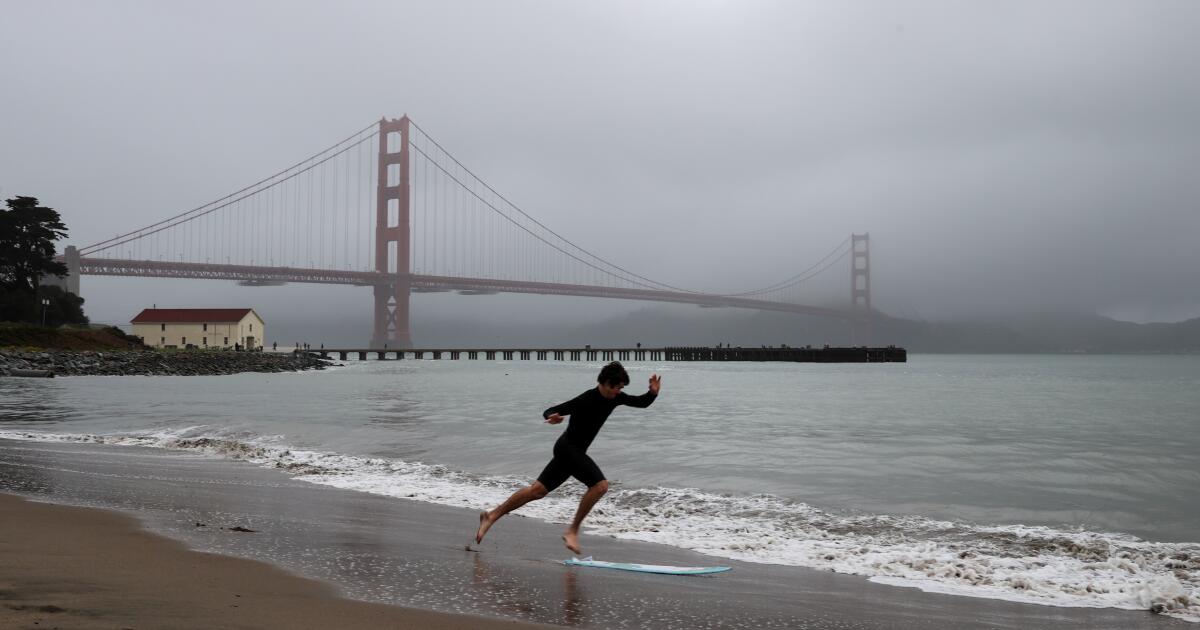
The Supreme Court justices sounded closely split Wednesday on San Francisco’s dispute with the Environmental Protection Agency over how to stop polluted water from flowing into the Pacific Ocean during heavy storms.
At issue was a technical dispute over the language used in permits issued by EPA.
The case poses the question: Can regulators punish a city if it broadly “contributes” to water pollution or instead must they focus narrowly on the city’s actual discharges of pollutants?
A ruling on the issue could sharply limit the EPA’s power to enforce clean-water standards.
Lawyers for San Francisco told the court it was “unfair and unworkable” to hold the city potentially liable for huge fines because of polluted water along Pacific beaches near the city.
This pollution may have originated other sources around the bay, they said.
“San Francisco can control its own discharges, not the water quality conditions,” said Tara Steeley, a deputy city attorney. “We want to understand our limitations. This permit doesn’t tell us what we need to do.”
She said Los Angeles has had the same problem in Southern California. She said a major city can be held liable for polluted ocean water even though the pollutants may have come from dozens of other municipalities.
The court’s liberals were quick to disagree.
The law “says you have to meet water quality standards. What could be clearer than that?” asked Justice Elena Kagan.
“You are being asked to be responsible,” said Justice Sonia Sotomayor.
But Chief Justice John G. Roberts Jr. and Justice Brett M. Kavanaugh said the EPA should tell cities more specifically what they must do to comply with the law.
“You are on the hook for tens of millions of dollars, and you don’t know your obligations,” Kavanaugh said, looking at the issue from the city’s perspective.
A Justice Department attorney representing the EPA sharply disagreed.
“San Francisco knows what it needs to do. Its old sewer system is failing,” said Frederick Liu, an assistant to the solicitor general.
During heavy rains, the city’s Oceanside plant cannot handle storm runoff, and sewage and polluted water are discharged into the Pacific.
He agreed the city could face fines of tens of millions dollars for discharging pollutants in violation of its permit.
The city’s attorneys said the actual number could be billions of dollars.
The city and county of San Francisco had challenged the EPA’s permit as going beyond federal law, but lost in the 9th Circuit in a 2-1 decision.
The Supreme Court will likely hand down a decision early next year.
Environmentalists sharply criticized the San Francisco city attorneys for bringing the appeal.
“The Clean Water Act does not contain the limitation that San Francisco is asking the court to insert — one that would prevent EPA from ensuring that polluters do not threaten public health and safety,” said Sanjay Narayan, counsel for the Sierra Club.
“That is a profoundly irresponsible decision, and a disservice to San Francisco residents and the country at large.”

The Supreme Court justices sounded closely split Wednesday on San Francisco’s dispute with the Environmental Protection Agency over how to stop polluted water from flowing into the Pacific Ocean during heavy storms.
At issue was a technical dispute over the language used in permits issued by EPA.
The case poses the question: Can regulators punish a city if it broadly “contributes” to water pollution or instead must they focus narrowly on the city’s actual discharges of pollutants?
A ruling on the issue could sharply limit the EPA’s power to enforce clean-water standards.
Lawyers for San Francisco told the court it was “unfair and unworkable” to hold the city potentially liable for huge fines because of polluted water along Pacific beaches near the city.
This pollution may have originated other sources around the bay, they said.
“San Francisco can control its own discharges, not the water quality conditions,” said Tara Steeley, a deputy city attorney. “We want to understand our limitations. This permit doesn’t tell us what we need to do.”
She said Los Angeles has had the same problem in Southern California. She said a major city can be held liable for polluted ocean water even though the pollutants may have come from dozens of other municipalities.
The court’s liberals were quick to disagree.
The law “says you have to meet water quality standards. What could be clearer than that?” asked Justice Elena Kagan.
“You are being asked to be responsible,” said Justice Sonia Sotomayor.
But Chief Justice John G. Roberts Jr. and Justice Brett M. Kavanaugh said the EPA should tell cities more specifically what they must do to comply with the law.
“You are on the hook for tens of millions of dollars, and you don’t know your obligations,” Kavanaugh said, looking at the issue from the city’s perspective.
A Justice Department attorney representing the EPA sharply disagreed.
“San Francisco knows what it needs to do. Its old sewer system is failing,” said Frederick Liu, an assistant to the solicitor general.
During heavy rains, the city’s Oceanside plant cannot handle storm runoff, and sewage and polluted water are discharged into the Pacific.
He agreed the city could face fines of tens of millions dollars for discharging pollutants in violation of its permit.
The city’s attorneys said the actual number could be billions of dollars.
The city and county of San Francisco had challenged the EPA’s permit as going beyond federal law, but lost in the 9th Circuit in a 2-1 decision.
The Supreme Court will likely hand down a decision early next year.
Environmentalists sharply criticized the San Francisco city attorneys for bringing the appeal.
“The Clean Water Act does not contain the limitation that San Francisco is asking the court to insert — one that would prevent EPA from ensuring that polluters do not threaten public health and safety,” said Sanjay Narayan, counsel for the Sierra Club.
“That is a profoundly irresponsible decision, and a disservice to San Francisco residents and the country at large.”

The Supreme Court justices sounded closely split Wednesday on San Francisco’s dispute with the Environmental Protection Agency over how to stop polluted water from flowing into the Pacific Ocean during heavy storms.
At issue was a technical dispute over the language used in permits issued by EPA.
The case poses the question: Can regulators punish a city if it broadly “contributes” to water pollution or instead must they focus narrowly on the city’s actual discharges of pollutants?
A ruling on the issue could sharply limit the EPA’s power to enforce clean-water standards.
Lawyers for San Francisco told the court it was “unfair and unworkable” to hold the city potentially liable for huge fines because of polluted water along Pacific beaches near the city.
This pollution may have originated other sources around the bay, they said.
“San Francisco can control its own discharges, not the water quality conditions,” said Tara Steeley, a deputy city attorney. “We want to understand our limitations. This permit doesn’t tell us what we need to do.”
She said Los Angeles has had the same problem in Southern California. She said a major city can be held liable for polluted ocean water even though the pollutants may have come from dozens of other municipalities.
The court’s liberals were quick to disagree.
The law “says you have to meet water quality standards. What could be clearer than that?” asked Justice Elena Kagan.
“You are being asked to be responsible,” said Justice Sonia Sotomayor.
But Chief Justice John G. Roberts Jr. and Justice Brett M. Kavanaugh said the EPA should tell cities more specifically what they must do to comply with the law.
“You are on the hook for tens of millions of dollars, and you don’t know your obligations,” Kavanaugh said, looking at the issue from the city’s perspective.
A Justice Department attorney representing the EPA sharply disagreed.
“San Francisco knows what it needs to do. Its old sewer system is failing,” said Frederick Liu, an assistant to the solicitor general.
During heavy rains, the city’s Oceanside plant cannot handle storm runoff, and sewage and polluted water are discharged into the Pacific.
He agreed the city could face fines of tens of millions dollars for discharging pollutants in violation of its permit.
The city’s attorneys said the actual number could be billions of dollars.
The city and county of San Francisco had challenged the EPA’s permit as going beyond federal law, but lost in the 9th Circuit in a 2-1 decision.
The Supreme Court will likely hand down a decision early next year.
Environmentalists sharply criticized the San Francisco city attorneys for bringing the appeal.
“The Clean Water Act does not contain the limitation that San Francisco is asking the court to insert — one that would prevent EPA from ensuring that polluters do not threaten public health and safety,” said Sanjay Narayan, counsel for the Sierra Club.
“That is a profoundly irresponsible decision, and a disservice to San Francisco residents and the country at large.”

The Supreme Court justices sounded closely split Wednesday on San Francisco’s dispute with the Environmental Protection Agency over how to stop polluted water from flowing into the Pacific Ocean during heavy storms.
At issue was a technical dispute over the language used in permits issued by EPA.
The case poses the question: Can regulators punish a city if it broadly “contributes” to water pollution or instead must they focus narrowly on the city’s actual discharges of pollutants?
A ruling on the issue could sharply limit the EPA’s power to enforce clean-water standards.
Lawyers for San Francisco told the court it was “unfair and unworkable” to hold the city potentially liable for huge fines because of polluted water along Pacific beaches near the city.
This pollution may have originated other sources around the bay, they said.
“San Francisco can control its own discharges, not the water quality conditions,” said Tara Steeley, a deputy city attorney. “We want to understand our limitations. This permit doesn’t tell us what we need to do.”
She said Los Angeles has had the same problem in Southern California. She said a major city can be held liable for polluted ocean water even though the pollutants may have come from dozens of other municipalities.
The court’s liberals were quick to disagree.
The law “says you have to meet water quality standards. What could be clearer than that?” asked Justice Elena Kagan.
“You are being asked to be responsible,” said Justice Sonia Sotomayor.
But Chief Justice John G. Roberts Jr. and Justice Brett M. Kavanaugh said the EPA should tell cities more specifically what they must do to comply with the law.
“You are on the hook for tens of millions of dollars, and you don’t know your obligations,” Kavanaugh said, looking at the issue from the city’s perspective.
A Justice Department attorney representing the EPA sharply disagreed.
“San Francisco knows what it needs to do. Its old sewer system is failing,” said Frederick Liu, an assistant to the solicitor general.
During heavy rains, the city’s Oceanside plant cannot handle storm runoff, and sewage and polluted water are discharged into the Pacific.
He agreed the city could face fines of tens of millions dollars for discharging pollutants in violation of its permit.
The city’s attorneys said the actual number could be billions of dollars.
The city and county of San Francisco had challenged the EPA’s permit as going beyond federal law, but lost in the 9th Circuit in a 2-1 decision.
The Supreme Court will likely hand down a decision early next year.
Environmentalists sharply criticized the San Francisco city attorneys for bringing the appeal.
“The Clean Water Act does not contain the limitation that San Francisco is asking the court to insert — one that would prevent EPA from ensuring that polluters do not threaten public health and safety,” said Sanjay Narayan, counsel for the Sierra Club.
“That is a profoundly irresponsible decision, and a disservice to San Francisco residents and the country at large.”

The Supreme Court justices sounded closely split Wednesday on San Francisco’s dispute with the Environmental Protection Agency over how to stop polluted water from flowing into the Pacific Ocean during heavy storms.
At issue was a technical dispute over the language used in permits issued by EPA.
The case poses the question: Can regulators punish a city if it broadly “contributes” to water pollution or instead must they focus narrowly on the city’s actual discharges of pollutants?
A ruling on the issue could sharply limit the EPA’s power to enforce clean-water standards.
Lawyers for San Francisco told the court it was “unfair and unworkable” to hold the city potentially liable for huge fines because of polluted water along Pacific beaches near the city.
This pollution may have originated other sources around the bay, they said.
“San Francisco can control its own discharges, not the water quality conditions,” said Tara Steeley, a deputy city attorney. “We want to understand our limitations. This permit doesn’t tell us what we need to do.”
She said Los Angeles has had the same problem in Southern California. She said a major city can be held liable for polluted ocean water even though the pollutants may have come from dozens of other municipalities.
The court’s liberals were quick to disagree.
The law “says you have to meet water quality standards. What could be clearer than that?” asked Justice Elena Kagan.
“You are being asked to be responsible,” said Justice Sonia Sotomayor.
But Chief Justice John G. Roberts Jr. and Justice Brett M. Kavanaugh said the EPA should tell cities more specifically what they must do to comply with the law.
“You are on the hook for tens of millions of dollars, and you don’t know your obligations,” Kavanaugh said, looking at the issue from the city’s perspective.
A Justice Department attorney representing the EPA sharply disagreed.
“San Francisco knows what it needs to do. Its old sewer system is failing,” said Frederick Liu, an assistant to the solicitor general.
During heavy rains, the city’s Oceanside plant cannot handle storm runoff, and sewage and polluted water are discharged into the Pacific.
He agreed the city could face fines of tens of millions dollars for discharging pollutants in violation of its permit.
The city’s attorneys said the actual number could be billions of dollars.
The city and county of San Francisco had challenged the EPA’s permit as going beyond federal law, but lost in the 9th Circuit in a 2-1 decision.
The Supreme Court will likely hand down a decision early next year.
Environmentalists sharply criticized the San Francisco city attorneys for bringing the appeal.
“The Clean Water Act does not contain the limitation that San Francisco is asking the court to insert — one that would prevent EPA from ensuring that polluters do not threaten public health and safety,” said Sanjay Narayan, counsel for the Sierra Club.
“That is a profoundly irresponsible decision, and a disservice to San Francisco residents and the country at large.”