

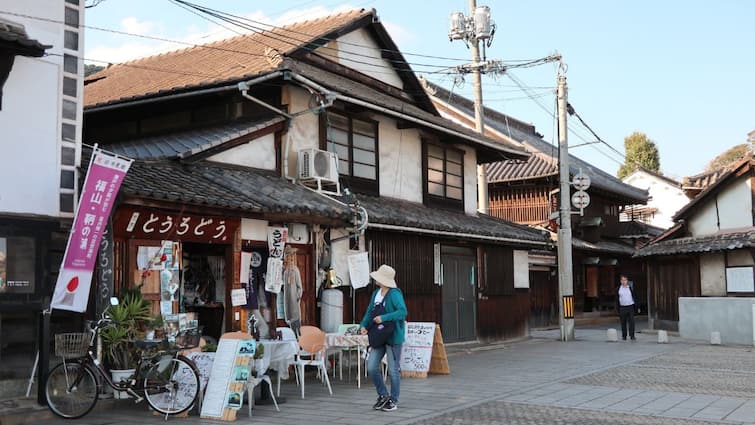

Japan, which is in the middle of a demographic imbalance, has launched a new initiative to support single women who would relocate to rural areas from capital Tokyo.
The move is aimed at addressing the shrinking population of women in the rural areas of Japan as there are fewer single women than single men in the countryside, according to a report in The Japan Times.
The initiative covers the travel costs for matchmaking events and financial incentives for those who relocate to rural areas. The government will come up with the details like the amounts to be paid during the budget compilation process.
The government believes that the project would counter the trend of young women remaining in Tokyo for education or work.
As per reports, more women than men have migrated to the greater Tokyo area in recent years for education or work. However, most of the women did not returned back to rural areas after living in the country’s capital, resulting in fewer single women compared to single men in the countryside.
According to the Japanese government data, the total number of single women between the ages of 15 and 49 in Japanese districts, excluding Tokyo, was 9.1 million against 11.1 million men in 2020.
There was an approximate gap of 20 per cent between the population of women against men, reaching 30 per cent in some districts.
The government’s initiative will expand an existing subsidy program, which would offer up to $7,000 to the women if they relocate to the countryside from Tokyo’s 23 wards.
Apart from the latest initiative, the government, to address the declining population, has launched other schemes like financial incentives for couples to have children, childcare facilities and even a dating app in Tokyo that uses AI to match singles.
Japan is in the middle of a significant demographic challenge as the birth rate hit an all-time low, with only 7,27,277 births recorded in 2023.
The fertility rate is at 1.20, which is far below the replacement rate of 2.1, required for a stable population.
Earlier this year, the government said that the population of children under the age of 15 was 14 million as of April 2024, 3.3 lakh less than the previous year. There were 7.2 million boys and 6.8 million girls born this year.
The population of children has been falling in Japan for the forty-third straight year since 1982. The country is actively working to encourage marriage and family growth to counterbalance the demographic decline.

Japan, which is in the middle of a demographic imbalance, has launched a new initiative to support single women who would relocate to rural areas from capital Tokyo.
The move is aimed at addressing the shrinking population of women in the rural areas of Japan as there are fewer single women than single men in the countryside, according to a report in The Japan Times.
The initiative covers the travel costs for matchmaking events and financial incentives for those who relocate to rural areas. The government will come up with the details like the amounts to be paid during the budget compilation process.
The government believes that the project would counter the trend of young women remaining in Tokyo for education or work.
As per reports, more women than men have migrated to the greater Tokyo area in recent years for education or work. However, most of the women did not returned back to rural areas after living in the country’s capital, resulting in fewer single women compared to single men in the countryside.
According to the Japanese government data, the total number of single women between the ages of 15 and 49 in Japanese districts, excluding Tokyo, was 9.1 million against 11.1 million men in 2020.
There was an approximate gap of 20 per cent between the population of women against men, reaching 30 per cent in some districts.
The government’s initiative will expand an existing subsidy program, which would offer up to $7,000 to the women if they relocate to the countryside from Tokyo’s 23 wards.
Apart from the latest initiative, the government, to address the declining population, has launched other schemes like financial incentives for couples to have children, childcare facilities and even a dating app in Tokyo that uses AI to match singles.
Japan is in the middle of a significant demographic challenge as the birth rate hit an all-time low, with only 7,27,277 births recorded in 2023.
The fertility rate is at 1.20, which is far below the replacement rate of 2.1, required for a stable population.
Earlier this year, the government said that the population of children under the age of 15 was 14 million as of April 2024, 3.3 lakh less than the previous year. There were 7.2 million boys and 6.8 million girls born this year.
The population of children has been falling in Japan for the forty-third straight year since 1982. The country is actively working to encourage marriage and family growth to counterbalance the demographic decline.

Japan, which is in the middle of a demographic imbalance, has launched a new initiative to support single women who would relocate to rural areas from capital Tokyo.
The move is aimed at addressing the shrinking population of women in the rural areas of Japan as there are fewer single women than single men in the countryside, according to a report in The Japan Times.
The initiative covers the travel costs for matchmaking events and financial incentives for those who relocate to rural areas. The government will come up with the details like the amounts to be paid during the budget compilation process.
The government believes that the project would counter the trend of young women remaining in Tokyo for education or work.
As per reports, more women than men have migrated to the greater Tokyo area in recent years for education or work. However, most of the women did not returned back to rural areas after living in the country’s capital, resulting in fewer single women compared to single men in the countryside.
According to the Japanese government data, the total number of single women between the ages of 15 and 49 in Japanese districts, excluding Tokyo, was 9.1 million against 11.1 million men in 2020.
There was an approximate gap of 20 per cent between the population of women against men, reaching 30 per cent in some districts.
The government’s initiative will expand an existing subsidy program, which would offer up to $7,000 to the women if they relocate to the countryside from Tokyo’s 23 wards.
Apart from the latest initiative, the government, to address the declining population, has launched other schemes like financial incentives for couples to have children, childcare facilities and even a dating app in Tokyo that uses AI to match singles.
Japan is in the middle of a significant demographic challenge as the birth rate hit an all-time low, with only 7,27,277 births recorded in 2023.
The fertility rate is at 1.20, which is far below the replacement rate of 2.1, required for a stable population.
Earlier this year, the government said that the population of children under the age of 15 was 14 million as of April 2024, 3.3 lakh less than the previous year. There were 7.2 million boys and 6.8 million girls born this year.
The population of children has been falling in Japan for the forty-third straight year since 1982. The country is actively working to encourage marriage and family growth to counterbalance the demographic decline.
Japan, which is in the middle of a demographic imbalance, has launched a new initiative to support single women who would relocate to rural areas from capital Tokyo.
The move is aimed at addressing the shrinking population of women in the rural areas of Japan as there are fewer single women than single men in the countryside, according to a report in The Japan Times.
The initiative covers the travel costs for matchmaking events and financial incentives for those who relocate to rural areas. The government will come up with the details like the amounts to be paid during the budget compilation process.
The government believes that the project would counter the trend of young women remaining in Tokyo for education or work.
As per reports, more women than men have migrated to the greater Tokyo area in recent years for education or work. However, most of the women did not returned back to rural areas after living in the country’s capital, resulting in fewer single women compared to single men in the countryside.
According to the Japanese government data, the total number of single women between the ages of 15 and 49 in Japanese districts, excluding Tokyo, was 9.1 million against 11.1 million men in 2020.
There was an approximate gap of 20 per cent between the population of women against men, reaching 30 per cent in some districts.
The government’s initiative will expand an existing subsidy program, which would offer up to $7,000 to the women if they relocate to the countryside from Tokyo’s 23 wards.
Apart from the latest initiative, the government, to address the declining population, has launched other schemes like financial incentives for couples to have children, childcare facilities and even a dating app in Tokyo that uses AI to match singles.
Japan is in the middle of a significant demographic challenge as the birth rate hit an all-time low, with only 7,27,277 births recorded in 2023.
The fertility rate is at 1.20, which is far below the replacement rate of 2.1, required for a stable population.
Earlier this year, the government said that the population of children under the age of 15 was 14 million as of April 2024, 3.3 lakh less than the previous year. There were 7.2 million boys and 6.8 million girls born this year.
The population of children has been falling in Japan for the forty-third straight year since 1982. The country is actively working to encourage marriage and family growth to counterbalance the demographic decline.

Japan, which is in the middle of a demographic imbalance, has launched a new initiative to support single women who would relocate to rural areas from capital Tokyo.
The move is aimed at addressing the shrinking population of women in the rural areas of Japan as there are fewer single women than single men in the countryside, according to a report in The Japan Times.
The initiative covers the travel costs for matchmaking events and financial incentives for those who relocate to rural areas. The government will come up with the details like the amounts to be paid during the budget compilation process.
The government believes that the project would counter the trend of young women remaining in Tokyo for education or work.
As per reports, more women than men have migrated to the greater Tokyo area in recent years for education or work. However, most of the women did not returned back to rural areas after living in the country’s capital, resulting in fewer single women compared to single men in the countryside.
According to the Japanese government data, the total number of single women between the ages of 15 and 49 in Japanese districts, excluding Tokyo, was 9.1 million against 11.1 million men in 2020.
There was an approximate gap of 20 per cent between the population of women against men, reaching 30 per cent in some districts.
The government’s initiative will expand an existing subsidy program, which would offer up to $7,000 to the women if they relocate to the countryside from Tokyo’s 23 wards.
Apart from the latest initiative, the government, to address the declining population, has launched other schemes like financial incentives for couples to have children, childcare facilities and even a dating app in Tokyo that uses AI to match singles.
Japan is in the middle of a significant demographic challenge as the birth rate hit an all-time low, with only 7,27,277 births recorded in 2023.
The fertility rate is at 1.20, which is far below the replacement rate of 2.1, required for a stable population.
Earlier this year, the government said that the population of children under the age of 15 was 14 million as of April 2024, 3.3 lakh less than the previous year. There were 7.2 million boys and 6.8 million girls born this year.
The population of children has been falling in Japan for the forty-third straight year since 1982. The country is actively working to encourage marriage and family growth to counterbalance the demographic decline.
Japan, which is in the middle of a demographic imbalance, has launched a new initiative to support single women who would relocate to rural areas from capital Tokyo.
The move is aimed at addressing the shrinking population of women in the rural areas of Japan as there are fewer single women than single men in the countryside, according to a report in The Japan Times.
The initiative covers the travel costs for matchmaking events and financial incentives for those who relocate to rural areas. The government will come up with the details like the amounts to be paid during the budget compilation process.
The government believes that the project would counter the trend of young women remaining in Tokyo for education or work.
As per reports, more women than men have migrated to the greater Tokyo area in recent years for education or work. However, most of the women did not returned back to rural areas after living in the country’s capital, resulting in fewer single women compared to single men in the countryside.
According to the Japanese government data, the total number of single women between the ages of 15 and 49 in Japanese districts, excluding Tokyo, was 9.1 million against 11.1 million men in 2020.
There was an approximate gap of 20 per cent between the population of women against men, reaching 30 per cent in some districts.
The government’s initiative will expand an existing subsidy program, which would offer up to $7,000 to the women if they relocate to the countryside from Tokyo’s 23 wards.
Apart from the latest initiative, the government, to address the declining population, has launched other schemes like financial incentives for couples to have children, childcare facilities and even a dating app in Tokyo that uses AI to match singles.
Japan is in the middle of a significant demographic challenge as the birth rate hit an all-time low, with only 7,27,277 births recorded in 2023.
The fertility rate is at 1.20, which is far below the replacement rate of 2.1, required for a stable population.
Earlier this year, the government said that the population of children under the age of 15 was 14 million as of April 2024, 3.3 lakh less than the previous year. There were 7.2 million boys and 6.8 million girls born this year.
The population of children has been falling in Japan for the forty-third straight year since 1982. The country is actively working to encourage marriage and family growth to counterbalance the demographic decline.
Japan, which is in the middle of a demographic imbalance, has launched a new initiative to support single women who would relocate to rural areas from capital Tokyo.
The move is aimed at addressing the shrinking population of women in the rural areas of Japan as there are fewer single women than single men in the countryside, according to a report in The Japan Times.
The initiative covers the travel costs for matchmaking events and financial incentives for those who relocate to rural areas. The government will come up with the details like the amounts to be paid during the budget compilation process.
The government believes that the project would counter the trend of young women remaining in Tokyo for education or work.
As per reports, more women than men have migrated to the greater Tokyo area in recent years for education or work. However, most of the women did not returned back to rural areas after living in the country’s capital, resulting in fewer single women compared to single men in the countryside.
According to the Japanese government data, the total number of single women between the ages of 15 and 49 in Japanese districts, excluding Tokyo, was 9.1 million against 11.1 million men in 2020.
There was an approximate gap of 20 per cent between the population of women against men, reaching 30 per cent in some districts.
The government’s initiative will expand an existing subsidy program, which would offer up to $7,000 to the women if they relocate to the countryside from Tokyo’s 23 wards.
Apart from the latest initiative, the government, to address the declining population, has launched other schemes like financial incentives for couples to have children, childcare facilities and even a dating app in Tokyo that uses AI to match singles.
Japan is in the middle of a significant demographic challenge as the birth rate hit an all-time low, with only 7,27,277 births recorded in 2023.
The fertility rate is at 1.20, which is far below the replacement rate of 2.1, required for a stable population.
Earlier this year, the government said that the population of children under the age of 15 was 14 million as of April 2024, 3.3 lakh less than the previous year. There were 7.2 million boys and 6.8 million girls born this year.
The population of children has been falling in Japan for the forty-third straight year since 1982. The country is actively working to encourage marriage and family growth to counterbalance the demographic decline.
Japan, which is in the middle of a demographic imbalance, has launched a new initiative to support single women who would relocate to rural areas from capital Tokyo.
The move is aimed at addressing the shrinking population of women in the rural areas of Japan as there are fewer single women than single men in the countryside, according to a report in The Japan Times.
The initiative covers the travel costs for matchmaking events and financial incentives for those who relocate to rural areas. The government will come up with the details like the amounts to be paid during the budget compilation process.
The government believes that the project would counter the trend of young women remaining in Tokyo for education or work.
As per reports, more women than men have migrated to the greater Tokyo area in recent years for education or work. However, most of the women did not returned back to rural areas after living in the country’s capital, resulting in fewer single women compared to single men in the countryside.
According to the Japanese government data, the total number of single women between the ages of 15 and 49 in Japanese districts, excluding Tokyo, was 9.1 million against 11.1 million men in 2020.
There was an approximate gap of 20 per cent between the population of women against men, reaching 30 per cent in some districts.
The government’s initiative will expand an existing subsidy program, which would offer up to $7,000 to the women if they relocate to the countryside from Tokyo’s 23 wards.
Apart from the latest initiative, the government, to address the declining population, has launched other schemes like financial incentives for couples to have children, childcare facilities and even a dating app in Tokyo that uses AI to match singles.
Japan is in the middle of a significant demographic challenge as the birth rate hit an all-time low, with only 7,27,277 births recorded in 2023.
The fertility rate is at 1.20, which is far below the replacement rate of 2.1, required for a stable population.
Earlier this year, the government said that the population of children under the age of 15 was 14 million as of April 2024, 3.3 lakh less than the previous year. There were 7.2 million boys and 6.8 million girls born this year.
The population of children has been falling in Japan for the forty-third straight year since 1982. The country is actively working to encourage marriage and family growth to counterbalance the demographic decline.

