

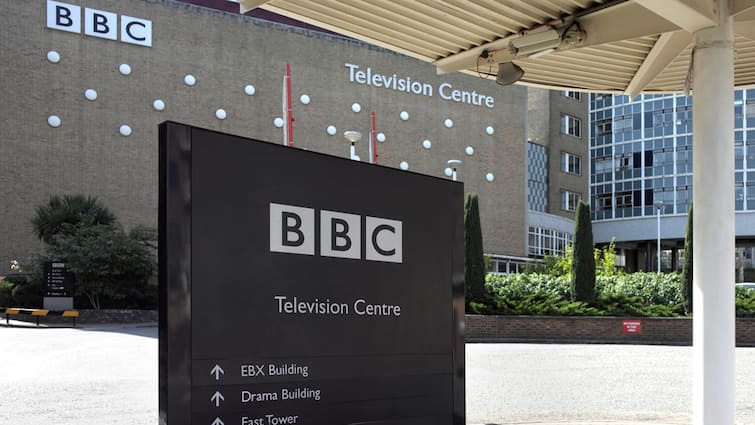
The BBC has undertaken an overhaul of its largest overseas news bureau in response to regulatory inquiries from Indian authorities. Under the new arrangement, the British public broadcaster is segregating its news operations and establishing a separate production company, which will function autonomously from the BBC while maintaining the corporation as its primary client, the Financial Times reported.
This restructuring aims to address regulatory concerns raised by Indian authorities regarding tax compliance and ownership structure. FT’s report cited an unnamed BBC journalist as noting that this marks the first instance in the corporation’s history where content has been outsourced to an external company formed by its own employees.
The newly formed independent media entity, Collective Newsroom, will be owned and operated by Indian BBC journalists who have opted to leave the corporation. This entity will provide news and other programming under a service contract with the BBC, which serves as its principal business partner, the report stated.
Rupa Jha, Chief Executive of Collective Newsroom, confirmed that the BBC remains their primary client, as per the FT.
Previously, the BBC had approximately 300 journalists in India, with 80 expected to continue working directly for the BBC’s news operation, the report stated.
The restructuring follows regulatory actions taken against the BBC by central authorities, including income tax searches at the BBC’s Delhi and Mumbai offices in February 2023. The BBC garnered flak in India following the release of “India: The Modi Question.” This documentary covered Prime Minister Narendra Modi’s tenure as Chief Minister during the 2002 Gujarat riots. It faced criticism from the Union government and was blocked from online streaming in the country.
ALSO READ | How Bitcoin Halving May Impact India: Tracking The Nation’s Cultural View & How It Can Shape Crypto Adoption
BBC To Apply For Stake Of Less Than 26% In Spun-Off Media Company
Jonathan Munro, BBC News Deputy Chief Executive, affirmed the corporation’s commitment to addressing regulatory concerns and stated that the BBC would apply for a stake of less than 26 per cent in the spun-off media company once the split is formalised.
“Everywhere in the world we will pay every tax that is legally due against the BBC, and where there are issues in any area, whether it’s underpayment or overpayment, it’s our job to make sure that we’re putting that right,” he told FT while declining to comment on the tax probe.
Despite challenges to press freedom in India, Munro reiterated the BBC’s dedication to journalistic integrity and independence, FT reported.

The BBC has undertaken an overhaul of its largest overseas news bureau in response to regulatory inquiries from Indian authorities. Under the new arrangement, the British public broadcaster is segregating its news operations and establishing a separate production company, which will function autonomously from the BBC while maintaining the corporation as its primary client, the Financial Times reported.
This restructuring aims to address regulatory concerns raised by Indian authorities regarding tax compliance and ownership structure. FT’s report cited an unnamed BBC journalist as noting that this marks the first instance in the corporation’s history where content has been outsourced to an external company formed by its own employees.
The newly formed independent media entity, Collective Newsroom, will be owned and operated by Indian BBC journalists who have opted to leave the corporation. This entity will provide news and other programming under a service contract with the BBC, which serves as its principal business partner, the report stated.
Rupa Jha, Chief Executive of Collective Newsroom, confirmed that the BBC remains their primary client, as per the FT.
Previously, the BBC had approximately 300 journalists in India, with 80 expected to continue working directly for the BBC’s news operation, the report stated.
The restructuring follows regulatory actions taken against the BBC by central authorities, including income tax searches at the BBC’s Delhi and Mumbai offices in February 2023. The BBC garnered flak in India following the release of “India: The Modi Question.” This documentary covered Prime Minister Narendra Modi’s tenure as Chief Minister during the 2002 Gujarat riots. It faced criticism from the Union government and was blocked from online streaming in the country.
ALSO READ | How Bitcoin Halving May Impact India: Tracking The Nation’s Cultural View & How It Can Shape Crypto Adoption
BBC To Apply For Stake Of Less Than 26% In Spun-Off Media Company
Jonathan Munro, BBC News Deputy Chief Executive, affirmed the corporation’s commitment to addressing regulatory concerns and stated that the BBC would apply for a stake of less than 26 per cent in the spun-off media company once the split is formalised.
“Everywhere in the world we will pay every tax that is legally due against the BBC, and where there are issues in any area, whether it’s underpayment or overpayment, it’s our job to make sure that we’re putting that right,” he told FT while declining to comment on the tax probe.
Despite challenges to press freedom in India, Munro reiterated the BBC’s dedication to journalistic integrity and independence, FT reported.

The BBC has undertaken an overhaul of its largest overseas news bureau in response to regulatory inquiries from Indian authorities. Under the new arrangement, the British public broadcaster is segregating its news operations and establishing a separate production company, which will function autonomously from the BBC while maintaining the corporation as its primary client, the Financial Times reported.
This restructuring aims to address regulatory concerns raised by Indian authorities regarding tax compliance and ownership structure. FT’s report cited an unnamed BBC journalist as noting that this marks the first instance in the corporation’s history where content has been outsourced to an external company formed by its own employees.
The newly formed independent media entity, Collective Newsroom, will be owned and operated by Indian BBC journalists who have opted to leave the corporation. This entity will provide news and other programming under a service contract with the BBC, which serves as its principal business partner, the report stated.
Rupa Jha, Chief Executive of Collective Newsroom, confirmed that the BBC remains their primary client, as per the FT.
Previously, the BBC had approximately 300 journalists in India, with 80 expected to continue working directly for the BBC’s news operation, the report stated.
The restructuring follows regulatory actions taken against the BBC by central authorities, including income tax searches at the BBC’s Delhi and Mumbai offices in February 2023. The BBC garnered flak in India following the release of “India: The Modi Question.” This documentary covered Prime Minister Narendra Modi’s tenure as Chief Minister during the 2002 Gujarat riots. It faced criticism from the Union government and was blocked from online streaming in the country.
ALSO READ | How Bitcoin Halving May Impact India: Tracking The Nation’s Cultural View & How It Can Shape Crypto Adoption
BBC To Apply For Stake Of Less Than 26% In Spun-Off Media Company
Jonathan Munro, BBC News Deputy Chief Executive, affirmed the corporation’s commitment to addressing regulatory concerns and stated that the BBC would apply for a stake of less than 26 per cent in the spun-off media company once the split is formalised.
“Everywhere in the world we will pay every tax that is legally due against the BBC, and where there are issues in any area, whether it’s underpayment or overpayment, it’s our job to make sure that we’re putting that right,” he told FT while declining to comment on the tax probe.
Despite challenges to press freedom in India, Munro reiterated the BBC’s dedication to journalistic integrity and independence, FT reported.
The BBC has undertaken an overhaul of its largest overseas news bureau in response to regulatory inquiries from Indian authorities. Under the new arrangement, the British public broadcaster is segregating its news operations and establishing a separate production company, which will function autonomously from the BBC while maintaining the corporation as its primary client, the Financial Times reported.
This restructuring aims to address regulatory concerns raised by Indian authorities regarding tax compliance and ownership structure. FT’s report cited an unnamed BBC journalist as noting that this marks the first instance in the corporation’s history where content has been outsourced to an external company formed by its own employees.
The newly formed independent media entity, Collective Newsroom, will be owned and operated by Indian BBC journalists who have opted to leave the corporation. This entity will provide news and other programming under a service contract with the BBC, which serves as its principal business partner, the report stated.
Rupa Jha, Chief Executive of Collective Newsroom, confirmed that the BBC remains their primary client, as per the FT.
Previously, the BBC had approximately 300 journalists in India, with 80 expected to continue working directly for the BBC’s news operation, the report stated.
The restructuring follows regulatory actions taken against the BBC by central authorities, including income tax searches at the BBC’s Delhi and Mumbai offices in February 2023. The BBC garnered flak in India following the release of “India: The Modi Question.” This documentary covered Prime Minister Narendra Modi’s tenure as Chief Minister during the 2002 Gujarat riots. It faced criticism from the Union government and was blocked from online streaming in the country.
ALSO READ | How Bitcoin Halving May Impact India: Tracking The Nation’s Cultural View & How It Can Shape Crypto Adoption
BBC To Apply For Stake Of Less Than 26% In Spun-Off Media Company
Jonathan Munro, BBC News Deputy Chief Executive, affirmed the corporation’s commitment to addressing regulatory concerns and stated that the BBC would apply for a stake of less than 26 per cent in the spun-off media company once the split is formalised.
“Everywhere in the world we will pay every tax that is legally due against the BBC, and where there are issues in any area, whether it’s underpayment or overpayment, it’s our job to make sure that we’re putting that right,” he told FT while declining to comment on the tax probe.
Despite challenges to press freedom in India, Munro reiterated the BBC’s dedication to journalistic integrity and independence, FT reported.

The BBC has undertaken an overhaul of its largest overseas news bureau in response to regulatory inquiries from Indian authorities. Under the new arrangement, the British public broadcaster is segregating its news operations and establishing a separate production company, which will function autonomously from the BBC while maintaining the corporation as its primary client, the Financial Times reported.
This restructuring aims to address regulatory concerns raised by Indian authorities regarding tax compliance and ownership structure. FT’s report cited an unnamed BBC journalist as noting that this marks the first instance in the corporation’s history where content has been outsourced to an external company formed by its own employees.
The newly formed independent media entity, Collective Newsroom, will be owned and operated by Indian BBC journalists who have opted to leave the corporation. This entity will provide news and other programming under a service contract with the BBC, which serves as its principal business partner, the report stated.
Rupa Jha, Chief Executive of Collective Newsroom, confirmed that the BBC remains their primary client, as per the FT.
Previously, the BBC had approximately 300 journalists in India, with 80 expected to continue working directly for the BBC’s news operation, the report stated.
The restructuring follows regulatory actions taken against the BBC by central authorities, including income tax searches at the BBC’s Delhi and Mumbai offices in February 2023. The BBC garnered flak in India following the release of “India: The Modi Question.” This documentary covered Prime Minister Narendra Modi’s tenure as Chief Minister during the 2002 Gujarat riots. It faced criticism from the Union government and was blocked from online streaming in the country.
ALSO READ | How Bitcoin Halving May Impact India: Tracking The Nation’s Cultural View & How It Can Shape Crypto Adoption
BBC To Apply For Stake Of Less Than 26% In Spun-Off Media Company
Jonathan Munro, BBC News Deputy Chief Executive, affirmed the corporation’s commitment to addressing regulatory concerns and stated that the BBC would apply for a stake of less than 26 per cent in the spun-off media company once the split is formalised.
“Everywhere in the world we will pay every tax that is legally due against the BBC, and where there are issues in any area, whether it’s underpayment or overpayment, it’s our job to make sure that we’re putting that right,” he told FT while declining to comment on the tax probe.
Despite challenges to press freedom in India, Munro reiterated the BBC’s dedication to journalistic integrity and independence, FT reported.
The BBC has undertaken an overhaul of its largest overseas news bureau in response to regulatory inquiries from Indian authorities. Under the new arrangement, the British public broadcaster is segregating its news operations and establishing a separate production company, which will function autonomously from the BBC while maintaining the corporation as its primary client, the Financial Times reported.
This restructuring aims to address regulatory concerns raised by Indian authorities regarding tax compliance and ownership structure. FT’s report cited an unnamed BBC journalist as noting that this marks the first instance in the corporation’s history where content has been outsourced to an external company formed by its own employees.
The newly formed independent media entity, Collective Newsroom, will be owned and operated by Indian BBC journalists who have opted to leave the corporation. This entity will provide news and other programming under a service contract with the BBC, which serves as its principal business partner, the report stated.
Rupa Jha, Chief Executive of Collective Newsroom, confirmed that the BBC remains their primary client, as per the FT.
Previously, the BBC had approximately 300 journalists in India, with 80 expected to continue working directly for the BBC’s news operation, the report stated.
The restructuring follows regulatory actions taken against the BBC by central authorities, including income tax searches at the BBC’s Delhi and Mumbai offices in February 2023. The BBC garnered flak in India following the release of “India: The Modi Question.” This documentary covered Prime Minister Narendra Modi’s tenure as Chief Minister during the 2002 Gujarat riots. It faced criticism from the Union government and was blocked from online streaming in the country.
ALSO READ | How Bitcoin Halving May Impact India: Tracking The Nation’s Cultural View & How It Can Shape Crypto Adoption
BBC To Apply For Stake Of Less Than 26% In Spun-Off Media Company
Jonathan Munro, BBC News Deputy Chief Executive, affirmed the corporation’s commitment to addressing regulatory concerns and stated that the BBC would apply for a stake of less than 26 per cent in the spun-off media company once the split is formalised.
“Everywhere in the world we will pay every tax that is legally due against the BBC, and where there are issues in any area, whether it’s underpayment or overpayment, it’s our job to make sure that we’re putting that right,” he told FT while declining to comment on the tax probe.
Despite challenges to press freedom in India, Munro reiterated the BBC’s dedication to journalistic integrity and independence, FT reported.
The BBC has undertaken an overhaul of its largest overseas news bureau in response to regulatory inquiries from Indian authorities. Under the new arrangement, the British public broadcaster is segregating its news operations and establishing a separate production company, which will function autonomously from the BBC while maintaining the corporation as its primary client, the Financial Times reported.
This restructuring aims to address regulatory concerns raised by Indian authorities regarding tax compliance and ownership structure. FT’s report cited an unnamed BBC journalist as noting that this marks the first instance in the corporation’s history where content has been outsourced to an external company formed by its own employees.
The newly formed independent media entity, Collective Newsroom, will be owned and operated by Indian BBC journalists who have opted to leave the corporation. This entity will provide news and other programming under a service contract with the BBC, which serves as its principal business partner, the report stated.
Rupa Jha, Chief Executive of Collective Newsroom, confirmed that the BBC remains their primary client, as per the FT.
Previously, the BBC had approximately 300 journalists in India, with 80 expected to continue working directly for the BBC’s news operation, the report stated.
The restructuring follows regulatory actions taken against the BBC by central authorities, including income tax searches at the BBC’s Delhi and Mumbai offices in February 2023. The BBC garnered flak in India following the release of “India: The Modi Question.” This documentary covered Prime Minister Narendra Modi’s tenure as Chief Minister during the 2002 Gujarat riots. It faced criticism from the Union government and was blocked from online streaming in the country.
ALSO READ | How Bitcoin Halving May Impact India: Tracking The Nation’s Cultural View & How It Can Shape Crypto Adoption
BBC To Apply For Stake Of Less Than 26% In Spun-Off Media Company
Jonathan Munro, BBC News Deputy Chief Executive, affirmed the corporation’s commitment to addressing regulatory concerns and stated that the BBC would apply for a stake of less than 26 per cent in the spun-off media company once the split is formalised.
“Everywhere in the world we will pay every tax that is legally due against the BBC, and where there are issues in any area, whether it’s underpayment or overpayment, it’s our job to make sure that we’re putting that right,” he told FT while declining to comment on the tax probe.
Despite challenges to press freedom in India, Munro reiterated the BBC’s dedication to journalistic integrity and independence, FT reported.
The BBC has undertaken an overhaul of its largest overseas news bureau in response to regulatory inquiries from Indian authorities. Under the new arrangement, the British public broadcaster is segregating its news operations and establishing a separate production company, which will function autonomously from the BBC while maintaining the corporation as its primary client, the Financial Times reported.
This restructuring aims to address regulatory concerns raised by Indian authorities regarding tax compliance and ownership structure. FT’s report cited an unnamed BBC journalist as noting that this marks the first instance in the corporation’s history where content has been outsourced to an external company formed by its own employees.
The newly formed independent media entity, Collective Newsroom, will be owned and operated by Indian BBC journalists who have opted to leave the corporation. This entity will provide news and other programming under a service contract with the BBC, which serves as its principal business partner, the report stated.
Rupa Jha, Chief Executive of Collective Newsroom, confirmed that the BBC remains their primary client, as per the FT.
Previously, the BBC had approximately 300 journalists in India, with 80 expected to continue working directly for the BBC’s news operation, the report stated.
The restructuring follows regulatory actions taken against the BBC by central authorities, including income tax searches at the BBC’s Delhi and Mumbai offices in February 2023. The BBC garnered flak in India following the release of “India: The Modi Question.” This documentary covered Prime Minister Narendra Modi’s tenure as Chief Minister during the 2002 Gujarat riots. It faced criticism from the Union government and was blocked from online streaming in the country.
ALSO READ | How Bitcoin Halving May Impact India: Tracking The Nation’s Cultural View & How It Can Shape Crypto Adoption
BBC To Apply For Stake Of Less Than 26% In Spun-Off Media Company
Jonathan Munro, BBC News Deputy Chief Executive, affirmed the corporation’s commitment to addressing regulatory concerns and stated that the BBC would apply for a stake of less than 26 per cent in the spun-off media company once the split is formalised.
“Everywhere in the world we will pay every tax that is legally due against the BBC, and where there are issues in any area, whether it’s underpayment or overpayment, it’s our job to make sure that we’re putting that right,” he told FT while declining to comment on the tax probe.
Despite challenges to press freedom in India, Munro reiterated the BBC’s dedication to journalistic integrity and independence, FT reported.

The BBC has undertaken an overhaul of its largest overseas news bureau in response to regulatory inquiries from Indian authorities. Under the new arrangement, the British public broadcaster is segregating its news operations and establishing a separate production company, which will function autonomously from the BBC while maintaining the corporation as its primary client, the Financial Times reported.
This restructuring aims to address regulatory concerns raised by Indian authorities regarding tax compliance and ownership structure. FT’s report cited an unnamed BBC journalist as noting that this marks the first instance in the corporation’s history where content has been outsourced to an external company formed by its own employees.
The newly formed independent media entity, Collective Newsroom, will be owned and operated by Indian BBC journalists who have opted to leave the corporation. This entity will provide news and other programming under a service contract with the BBC, which serves as its principal business partner, the report stated.
Rupa Jha, Chief Executive of Collective Newsroom, confirmed that the BBC remains their primary client, as per the FT.
Previously, the BBC had approximately 300 journalists in India, with 80 expected to continue working directly for the BBC’s news operation, the report stated.
The restructuring follows regulatory actions taken against the BBC by central authorities, including income tax searches at the BBC’s Delhi and Mumbai offices in February 2023. The BBC garnered flak in India following the release of “India: The Modi Question.” This documentary covered Prime Minister Narendra Modi’s tenure as Chief Minister during the 2002 Gujarat riots. It faced criticism from the Union government and was blocked from online streaming in the country.
ALSO READ | How Bitcoin Halving May Impact India: Tracking The Nation’s Cultural View & How It Can Shape Crypto Adoption
BBC To Apply For Stake Of Less Than 26% In Spun-Off Media Company
Jonathan Munro, BBC News Deputy Chief Executive, affirmed the corporation’s commitment to addressing regulatory concerns and stated that the BBC would apply for a stake of less than 26 per cent in the spun-off media company once the split is formalised.
“Everywhere in the world we will pay every tax that is legally due against the BBC, and where there are issues in any area, whether it’s underpayment or overpayment, it’s our job to make sure that we’re putting that right,” he told FT while declining to comment on the tax probe.
Despite challenges to press freedom in India, Munro reiterated the BBC’s dedication to journalistic integrity and independence, FT reported.
The BBC has undertaken an overhaul of its largest overseas news bureau in response to regulatory inquiries from Indian authorities. Under the new arrangement, the British public broadcaster is segregating its news operations and establishing a separate production company, which will function autonomously from the BBC while maintaining the corporation as its primary client, the Financial Times reported.
This restructuring aims to address regulatory concerns raised by Indian authorities regarding tax compliance and ownership structure. FT’s report cited an unnamed BBC journalist as noting that this marks the first instance in the corporation’s history where content has been outsourced to an external company formed by its own employees.
The newly formed independent media entity, Collective Newsroom, will be owned and operated by Indian BBC journalists who have opted to leave the corporation. This entity will provide news and other programming under a service contract with the BBC, which serves as its principal business partner, the report stated.
Rupa Jha, Chief Executive of Collective Newsroom, confirmed that the BBC remains their primary client, as per the FT.
Previously, the BBC had approximately 300 journalists in India, with 80 expected to continue working directly for the BBC’s news operation, the report stated.
The restructuring follows regulatory actions taken against the BBC by central authorities, including income tax searches at the BBC’s Delhi and Mumbai offices in February 2023. The BBC garnered flak in India following the release of “India: The Modi Question.” This documentary covered Prime Minister Narendra Modi’s tenure as Chief Minister during the 2002 Gujarat riots. It faced criticism from the Union government and was blocked from online streaming in the country.
ALSO READ | How Bitcoin Halving May Impact India: Tracking The Nation’s Cultural View & How It Can Shape Crypto Adoption
BBC To Apply For Stake Of Less Than 26% In Spun-Off Media Company
Jonathan Munro, BBC News Deputy Chief Executive, affirmed the corporation’s commitment to addressing regulatory concerns and stated that the BBC would apply for a stake of less than 26 per cent in the spun-off media company once the split is formalised.
“Everywhere in the world we will pay every tax that is legally due against the BBC, and where there are issues in any area, whether it’s underpayment or overpayment, it’s our job to make sure that we’re putting that right,” he told FT while declining to comment on the tax probe.
Despite challenges to press freedom in India, Munro reiterated the BBC’s dedication to journalistic integrity and independence, FT reported.
The BBC has undertaken an overhaul of its largest overseas news bureau in response to regulatory inquiries from Indian authorities. Under the new arrangement, the British public broadcaster is segregating its news operations and establishing a separate production company, which will function autonomously from the BBC while maintaining the corporation as its primary client, the Financial Times reported.
This restructuring aims to address regulatory concerns raised by Indian authorities regarding tax compliance and ownership structure. FT’s report cited an unnamed BBC journalist as noting that this marks the first instance in the corporation’s history where content has been outsourced to an external company formed by its own employees.
The newly formed independent media entity, Collective Newsroom, will be owned and operated by Indian BBC journalists who have opted to leave the corporation. This entity will provide news and other programming under a service contract with the BBC, which serves as its principal business partner, the report stated.
Rupa Jha, Chief Executive of Collective Newsroom, confirmed that the BBC remains their primary client, as per the FT.
Previously, the BBC had approximately 300 journalists in India, with 80 expected to continue working directly for the BBC’s news operation, the report stated.
The restructuring follows regulatory actions taken against the BBC by central authorities, including income tax searches at the BBC’s Delhi and Mumbai offices in February 2023. The BBC garnered flak in India following the release of “India: The Modi Question.” This documentary covered Prime Minister Narendra Modi’s tenure as Chief Minister during the 2002 Gujarat riots. It faced criticism from the Union government and was blocked from online streaming in the country.
ALSO READ | How Bitcoin Halving May Impact India: Tracking The Nation’s Cultural View & How It Can Shape Crypto Adoption
BBC To Apply For Stake Of Less Than 26% In Spun-Off Media Company
Jonathan Munro, BBC News Deputy Chief Executive, affirmed the corporation’s commitment to addressing regulatory concerns and stated that the BBC would apply for a stake of less than 26 per cent in the spun-off media company once the split is formalised.
“Everywhere in the world we will pay every tax that is legally due against the BBC, and where there are issues in any area, whether it’s underpayment or overpayment, it’s our job to make sure that we’re putting that right,” he told FT while declining to comment on the tax probe.
Despite challenges to press freedom in India, Munro reiterated the BBC’s dedication to journalistic integrity and independence, FT reported.
The BBC has undertaken an overhaul of its largest overseas news bureau in response to regulatory inquiries from Indian authorities. Under the new arrangement, the British public broadcaster is segregating its news operations and establishing a separate production company, which will function autonomously from the BBC while maintaining the corporation as its primary client, the Financial Times reported.
This restructuring aims to address regulatory concerns raised by Indian authorities regarding tax compliance and ownership structure. FT’s report cited an unnamed BBC journalist as noting that this marks the first instance in the corporation’s history where content has been outsourced to an external company formed by its own employees.
The newly formed independent media entity, Collective Newsroom, will be owned and operated by Indian BBC journalists who have opted to leave the corporation. This entity will provide news and other programming under a service contract with the BBC, which serves as its principal business partner, the report stated.
Rupa Jha, Chief Executive of Collective Newsroom, confirmed that the BBC remains their primary client, as per the FT.
Previously, the BBC had approximately 300 journalists in India, with 80 expected to continue working directly for the BBC’s news operation, the report stated.
The restructuring follows regulatory actions taken against the BBC by central authorities, including income tax searches at the BBC’s Delhi and Mumbai offices in February 2023. The BBC garnered flak in India following the release of “India: The Modi Question.” This documentary covered Prime Minister Narendra Modi’s tenure as Chief Minister during the 2002 Gujarat riots. It faced criticism from the Union government and was blocked from online streaming in the country.
ALSO READ | How Bitcoin Halving May Impact India: Tracking The Nation’s Cultural View & How It Can Shape Crypto Adoption
BBC To Apply For Stake Of Less Than 26% In Spun-Off Media Company
Jonathan Munro, BBC News Deputy Chief Executive, affirmed the corporation’s commitment to addressing regulatory concerns and stated that the BBC would apply for a stake of less than 26 per cent in the spun-off media company once the split is formalised.
“Everywhere in the world we will pay every tax that is legally due against the BBC, and where there are issues in any area, whether it’s underpayment or overpayment, it’s our job to make sure that we’re putting that right,” he told FT while declining to comment on the tax probe.
Despite challenges to press freedom in India, Munro reiterated the BBC’s dedication to journalistic integrity and independence, FT reported.
The BBC has undertaken an overhaul of its largest overseas news bureau in response to regulatory inquiries from Indian authorities. Under the new arrangement, the British public broadcaster is segregating its news operations and establishing a separate production company, which will function autonomously from the BBC while maintaining the corporation as its primary client, the Financial Times reported.
This restructuring aims to address regulatory concerns raised by Indian authorities regarding tax compliance and ownership structure. FT’s report cited an unnamed BBC journalist as noting that this marks the first instance in the corporation’s history where content has been outsourced to an external company formed by its own employees.
The newly formed independent media entity, Collective Newsroom, will be owned and operated by Indian BBC journalists who have opted to leave the corporation. This entity will provide news and other programming under a service contract with the BBC, which serves as its principal business partner, the report stated.
Rupa Jha, Chief Executive of Collective Newsroom, confirmed that the BBC remains their primary client, as per the FT.
Previously, the BBC had approximately 300 journalists in India, with 80 expected to continue working directly for the BBC’s news operation, the report stated.
The restructuring follows regulatory actions taken against the BBC by central authorities, including income tax searches at the BBC’s Delhi and Mumbai offices in February 2023. The BBC garnered flak in India following the release of “India: The Modi Question.” This documentary covered Prime Minister Narendra Modi’s tenure as Chief Minister during the 2002 Gujarat riots. It faced criticism from the Union government and was blocked from online streaming in the country.
ALSO READ | How Bitcoin Halving May Impact India: Tracking The Nation’s Cultural View & How It Can Shape Crypto Adoption
BBC To Apply For Stake Of Less Than 26% In Spun-Off Media Company
Jonathan Munro, BBC News Deputy Chief Executive, affirmed the corporation’s commitment to addressing regulatory concerns and stated that the BBC would apply for a stake of less than 26 per cent in the spun-off media company once the split is formalised.
“Everywhere in the world we will pay every tax that is legally due against the BBC, and where there are issues in any area, whether it’s underpayment or overpayment, it’s our job to make sure that we’re putting that right,” he told FT while declining to comment on the tax probe.
Despite challenges to press freedom in India, Munro reiterated the BBC’s dedication to journalistic integrity and independence, FT reported.
The BBC has undertaken an overhaul of its largest overseas news bureau in response to regulatory inquiries from Indian authorities. Under the new arrangement, the British public broadcaster is segregating its news operations and establishing a separate production company, which will function autonomously from the BBC while maintaining the corporation as its primary client, the Financial Times reported.
This restructuring aims to address regulatory concerns raised by Indian authorities regarding tax compliance and ownership structure. FT’s report cited an unnamed BBC journalist as noting that this marks the first instance in the corporation’s history where content has been outsourced to an external company formed by its own employees.
The newly formed independent media entity, Collective Newsroom, will be owned and operated by Indian BBC journalists who have opted to leave the corporation. This entity will provide news and other programming under a service contract with the BBC, which serves as its principal business partner, the report stated.
Rupa Jha, Chief Executive of Collective Newsroom, confirmed that the BBC remains their primary client, as per the FT.
Previously, the BBC had approximately 300 journalists in India, with 80 expected to continue working directly for the BBC’s news operation, the report stated.
The restructuring follows regulatory actions taken against the BBC by central authorities, including income tax searches at the BBC’s Delhi and Mumbai offices in February 2023. The BBC garnered flak in India following the release of “India: The Modi Question.” This documentary covered Prime Minister Narendra Modi’s tenure as Chief Minister during the 2002 Gujarat riots. It faced criticism from the Union government and was blocked from online streaming in the country.
ALSO READ | How Bitcoin Halving May Impact India: Tracking The Nation’s Cultural View & How It Can Shape Crypto Adoption
BBC To Apply For Stake Of Less Than 26% In Spun-Off Media Company
Jonathan Munro, BBC News Deputy Chief Executive, affirmed the corporation’s commitment to addressing regulatory concerns and stated that the BBC would apply for a stake of less than 26 per cent in the spun-off media company once the split is formalised.
“Everywhere in the world we will pay every tax that is legally due against the BBC, and where there are issues in any area, whether it’s underpayment or overpayment, it’s our job to make sure that we’re putting that right,” he told FT while declining to comment on the tax probe.
Despite challenges to press freedom in India, Munro reiterated the BBC’s dedication to journalistic integrity and independence, FT reported.
The BBC has undertaken an overhaul of its largest overseas news bureau in response to regulatory inquiries from Indian authorities. Under the new arrangement, the British public broadcaster is segregating its news operations and establishing a separate production company, which will function autonomously from the BBC while maintaining the corporation as its primary client, the Financial Times reported.
This restructuring aims to address regulatory concerns raised by Indian authorities regarding tax compliance and ownership structure. FT’s report cited an unnamed BBC journalist as noting that this marks the first instance in the corporation’s history where content has been outsourced to an external company formed by its own employees.
The newly formed independent media entity, Collective Newsroom, will be owned and operated by Indian BBC journalists who have opted to leave the corporation. This entity will provide news and other programming under a service contract with the BBC, which serves as its principal business partner, the report stated.
Rupa Jha, Chief Executive of Collective Newsroom, confirmed that the BBC remains their primary client, as per the FT.
Previously, the BBC had approximately 300 journalists in India, with 80 expected to continue working directly for the BBC’s news operation, the report stated.
The restructuring follows regulatory actions taken against the BBC by central authorities, including income tax searches at the BBC’s Delhi and Mumbai offices in February 2023. The BBC garnered flak in India following the release of “India: The Modi Question.” This documentary covered Prime Minister Narendra Modi’s tenure as Chief Minister during the 2002 Gujarat riots. It faced criticism from the Union government and was blocked from online streaming in the country.
ALSO READ | How Bitcoin Halving May Impact India: Tracking The Nation’s Cultural View & How It Can Shape Crypto Adoption
BBC To Apply For Stake Of Less Than 26% In Spun-Off Media Company
Jonathan Munro, BBC News Deputy Chief Executive, affirmed the corporation’s commitment to addressing regulatory concerns and stated that the BBC would apply for a stake of less than 26 per cent in the spun-off media company once the split is formalised.
“Everywhere in the world we will pay every tax that is legally due against the BBC, and where there are issues in any area, whether it’s underpayment or overpayment, it’s our job to make sure that we’re putting that right,” he told FT while declining to comment on the tax probe.
Despite challenges to press freedom in India, Munro reiterated the BBC’s dedication to journalistic integrity and independence, FT reported.
The BBC has undertaken an overhaul of its largest overseas news bureau in response to regulatory inquiries from Indian authorities. Under the new arrangement, the British public broadcaster is segregating its news operations and establishing a separate production company, which will function autonomously from the BBC while maintaining the corporation as its primary client, the Financial Times reported.
This restructuring aims to address regulatory concerns raised by Indian authorities regarding tax compliance and ownership structure. FT’s report cited an unnamed BBC journalist as noting that this marks the first instance in the corporation’s history where content has been outsourced to an external company formed by its own employees.
The newly formed independent media entity, Collective Newsroom, will be owned and operated by Indian BBC journalists who have opted to leave the corporation. This entity will provide news and other programming under a service contract with the BBC, which serves as its principal business partner, the report stated.
Rupa Jha, Chief Executive of Collective Newsroom, confirmed that the BBC remains their primary client, as per the FT.
Previously, the BBC had approximately 300 journalists in India, with 80 expected to continue working directly for the BBC’s news operation, the report stated.
The restructuring follows regulatory actions taken against the BBC by central authorities, including income tax searches at the BBC’s Delhi and Mumbai offices in February 2023. The BBC garnered flak in India following the release of “India: The Modi Question.” This documentary covered Prime Minister Narendra Modi’s tenure as Chief Minister during the 2002 Gujarat riots. It faced criticism from the Union government and was blocked from online streaming in the country.
ALSO READ | How Bitcoin Halving May Impact India: Tracking The Nation’s Cultural View & How It Can Shape Crypto Adoption
BBC To Apply For Stake Of Less Than 26% In Spun-Off Media Company
Jonathan Munro, BBC News Deputy Chief Executive, affirmed the corporation’s commitment to addressing regulatory concerns and stated that the BBC would apply for a stake of less than 26 per cent in the spun-off media company once the split is formalised.
“Everywhere in the world we will pay every tax that is legally due against the BBC, and where there are issues in any area, whether it’s underpayment or overpayment, it’s our job to make sure that we’re putting that right,” he told FT while declining to comment on the tax probe.
Despite challenges to press freedom in India, Munro reiterated the BBC’s dedication to journalistic integrity and independence, FT reported.

