


Washington DC
New York
Toronto
Distribution: (800) 510 9863
Press ID
  • Login
Binghamton Herald
Advertisement
Tuesday, April 21, 2026
  • Home
  • World
  • Politics
  • Business
  • Technology
  • Culture
  • Health
  • Entertainment
  • Trending
No Result
View All Result
Binghamton Herald
No Result
View All Result
Home Trending

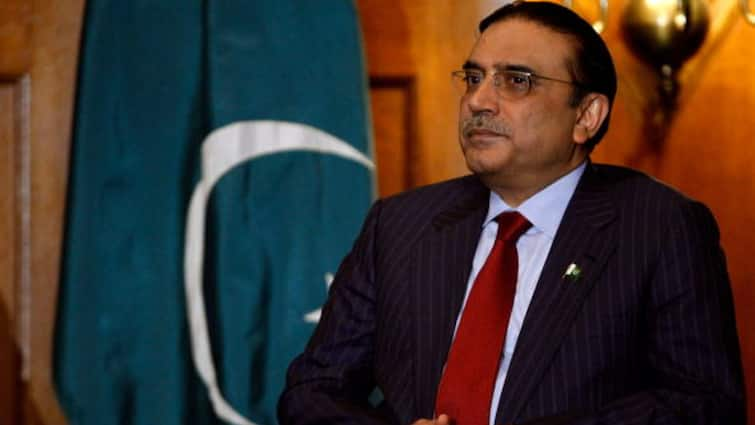
From ‘Mr. 10%’ To ‘Artful Dodger’: Who Is Asif Ali Zardari, Elected Pakistan’s President For Second Term

by Binghamton Herald Report
March 9, 2024
in Trending
Share on FacebookShare on Twitter

New Delhi: Renowned for his adeptness in forging unexpected political coalitions and winning over erstwhile adversaries through a “policy of reconciliation”, Asif Ali Zardari emerged from the shadow of his late spouse, Benazir Bhutto, to cement his position as one of Pakistan’s most resilient political figures.

At the age of 68, Zardari clinched the presidency of the nation for the second time on Saturday, setting a record for any civilian leader, having previously served in the same capacity from 2008 to 2013.

Hailing from Karachi, Asif Ali Zardari was born in 1955 to Hakim Ali Zardari, a prominent Sindhi landlord, businessman, and politician. His prominence surged in 1987 following his marriage to Benazir Bhutto, the daughter of former President Zulfiqar Ali Bhutto, who was executed in 1979 under the regime of military ruler Ziaul Haq on charges of alleged involvement in a murder.

Zardari had long operated in the imposing shadow of his illustrious spouse, Benazir, until her assassination in a terrorist attack in 2007.

Amid heightened tensions following the assassination of Benazir in a gun and bomb assault in Rawalpindi, particularly in her native province of Sindh where grievances against Pakistan were voiced, Zardari rose to the limelight.

In a timely response to the outcry, he rallied supporters with his resounding slogan, ‘Pakistan Khapay’ (Long live Pakistan), countering the dissenting chants of ‘Pakistan na khapay’ (Down with Pakistan).

Following Benazir’s demise, Zardari confronted the dual challenge of preserving the unity and allegiance of the dynastic Pakistan Peoples Party (PPP) while also carving out a distinct space for himself within Pakistan’s politically turbulent landscape.

To pre-empt any potential challenges from other members of the Bhutto family, Zardari made a strategic move by announcing the addition of the Bhutto surname to the names of his son Bilawal and daughters Bakhtawar and Aseefa.

Opting for a statesman-like role, Zardari embarked on a path of reconciliation within the political arena. Under his guidance, his son Bilawal Zardari, subsequently known as Bilawal Bhutto-Zardari, adopted a different approach to reconciliatory politics, championing the slogan “democracy is the best revenge”.

Following the assassination of Benazir, the PPP garnered a sympathy vote and ascended to power in 2008, with Zardari assuming the presidency.

During his tenure, Zardari initiated significant reforms, bolstering Parliament by reinstating the essence of the 1973 Constitution through the 18th Amendment. This amendment also devolved powers from the Centre to the provinces, empowering elected prime ministers and provincial governments alike.

Despite his post-Benazir transformation, Zardari’s past lingered, overshadowed by allegations of corruption during his wife’s terms as prime minister. Dubbed “Mr. 10 per cent” for purportedly receiving kickbacks in development projects, Zardari faced numerous corruption charges and endured imprisonment, reportedly enduring custodial violence. However, he maintained his characteristic smile throughout and was ultimately acquitted of all accusations.

In 2009, The New York Times described Zardari’s adeptness at “artful dodging,” highlighting his ability to navigate out of challenging situations.

New Delhi: Renowned for his adeptness in forging unexpected political coalitions and winning over erstwhile adversaries through a “policy of reconciliation”, Asif Ali Zardari emerged from the shadow of his late spouse, Benazir Bhutto, to cement his position as one of Pakistan’s most resilient political figures.

At the age of 68, Zardari clinched the presidency of the nation for the second time on Saturday, setting a record for any civilian leader, having previously served in the same capacity from 2008 to 2013.

Hailing from Karachi, Asif Ali Zardari was born in 1955 to Hakim Ali Zardari, a prominent Sindhi landlord, businessman, and politician. His prominence surged in 1987 following his marriage to Benazir Bhutto, the daughter of former President Zulfiqar Ali Bhutto, who was executed in 1979 under the regime of military ruler Ziaul Haq on charges of alleged involvement in a murder.

Zardari had long operated in the imposing shadow of his illustrious spouse, Benazir, until her assassination in a terrorist attack in 2007.

Amid heightened tensions following the assassination of Benazir in a gun and bomb assault in Rawalpindi, particularly in her native province of Sindh where grievances against Pakistan were voiced, Zardari rose to the limelight.

In a timely response to the outcry, he rallied supporters with his resounding slogan, ‘Pakistan Khapay’ (Long live Pakistan), countering the dissenting chants of ‘Pakistan na khapay’ (Down with Pakistan).

Following Benazir’s demise, Zardari confronted the dual challenge of preserving the unity and allegiance of the dynastic Pakistan Peoples Party (PPP) while also carving out a distinct space for himself within Pakistan’s politically turbulent landscape.

To pre-empt any potential challenges from other members of the Bhutto family, Zardari made a strategic move by announcing the addition of the Bhutto surname to the names of his son Bilawal and daughters Bakhtawar and Aseefa.

Opting for a statesman-like role, Zardari embarked on a path of reconciliation within the political arena. Under his guidance, his son Bilawal Zardari, subsequently known as Bilawal Bhutto-Zardari, adopted a different approach to reconciliatory politics, championing the slogan “democracy is the best revenge”.

Following the assassination of Benazir, the PPP garnered a sympathy vote and ascended to power in 2008, with Zardari assuming the presidency.

During his tenure, Zardari initiated significant reforms, bolstering Parliament by reinstating the essence of the 1973 Constitution through the 18th Amendment. This amendment also devolved powers from the Centre to the provinces, empowering elected prime ministers and provincial governments alike.

Despite his post-Benazir transformation, Zardari’s past lingered, overshadowed by allegations of corruption during his wife’s terms as prime minister. Dubbed “Mr. 10 per cent” for purportedly receiving kickbacks in development projects, Zardari faced numerous corruption charges and endured imprisonment, reportedly enduring custodial violence. However, he maintained his characteristic smile throughout and was ultimately acquitted of all accusations.

In 2009, The New York Times described Zardari’s adeptness at “artful dodging,” highlighting his ability to navigate out of challenging situations.

New Delhi: Renowned for his adeptness in forging unexpected political coalitions and winning over erstwhile adversaries through a “policy of reconciliation”, Asif Ali Zardari emerged from the shadow of his late spouse, Benazir Bhutto, to cement his position as one of Pakistan’s most resilient political figures.

At the age of 68, Zardari clinched the presidency of the nation for the second time on Saturday, setting a record for any civilian leader, having previously served in the same capacity from 2008 to 2013.

Hailing from Karachi, Asif Ali Zardari was born in 1955 to Hakim Ali Zardari, a prominent Sindhi landlord, businessman, and politician. His prominence surged in 1987 following his marriage to Benazir Bhutto, the daughter of former President Zulfiqar Ali Bhutto, who was executed in 1979 under the regime of military ruler Ziaul Haq on charges of alleged involvement in a murder.

Zardari had long operated in the imposing shadow of his illustrious spouse, Benazir, until her assassination in a terrorist attack in 2007.

Amid heightened tensions following the assassination of Benazir in a gun and bomb assault in Rawalpindi, particularly in her native province of Sindh where grievances against Pakistan were voiced, Zardari rose to the limelight.

In a timely response to the outcry, he rallied supporters with his resounding slogan, ‘Pakistan Khapay’ (Long live Pakistan), countering the dissenting chants of ‘Pakistan na khapay’ (Down with Pakistan).

Following Benazir’s demise, Zardari confronted the dual challenge of preserving the unity and allegiance of the dynastic Pakistan Peoples Party (PPP) while also carving out a distinct space for himself within Pakistan’s politically turbulent landscape.

To pre-empt any potential challenges from other members of the Bhutto family, Zardari made a strategic move by announcing the addition of the Bhutto surname to the names of his son Bilawal and daughters Bakhtawar and Aseefa.

Opting for a statesman-like role, Zardari embarked on a path of reconciliation within the political arena. Under his guidance, his son Bilawal Zardari, subsequently known as Bilawal Bhutto-Zardari, adopted a different approach to reconciliatory politics, championing the slogan “democracy is the best revenge”.

Following the assassination of Benazir, the PPP garnered a sympathy vote and ascended to power in 2008, with Zardari assuming the presidency.

During his tenure, Zardari initiated significant reforms, bolstering Parliament by reinstating the essence of the 1973 Constitution through the 18th Amendment. This amendment also devolved powers from the Centre to the provinces, empowering elected prime ministers and provincial governments alike.

Despite his post-Benazir transformation, Zardari’s past lingered, overshadowed by allegations of corruption during his wife’s terms as prime minister. Dubbed “Mr. 10 per cent” for purportedly receiving kickbacks in development projects, Zardari faced numerous corruption charges and endured imprisonment, reportedly enduring custodial violence. However, he maintained his characteristic smile throughout and was ultimately acquitted of all accusations.

In 2009, The New York Times described Zardari’s adeptness at “artful dodging,” highlighting his ability to navigate out of challenging situations.

New Delhi: Renowned for his adeptness in forging unexpected political coalitions and winning over erstwhile adversaries through a “policy of reconciliation”, Asif Ali Zardari emerged from the shadow of his late spouse, Benazir Bhutto, to cement his position as one of Pakistan’s most resilient political figures.

At the age of 68, Zardari clinched the presidency of the nation for the second time on Saturday, setting a record for any civilian leader, having previously served in the same capacity from 2008 to 2013.

Hailing from Karachi, Asif Ali Zardari was born in 1955 to Hakim Ali Zardari, a prominent Sindhi landlord, businessman, and politician. His prominence surged in 1987 following his marriage to Benazir Bhutto, the daughter of former President Zulfiqar Ali Bhutto, who was executed in 1979 under the regime of military ruler Ziaul Haq on charges of alleged involvement in a murder.

Zardari had long operated in the imposing shadow of his illustrious spouse, Benazir, until her assassination in a terrorist attack in 2007.

Amid heightened tensions following the assassination of Benazir in a gun and bomb assault in Rawalpindi, particularly in her native province of Sindh where grievances against Pakistan were voiced, Zardari rose to the limelight.

In a timely response to the outcry, he rallied supporters with his resounding slogan, ‘Pakistan Khapay’ (Long live Pakistan), countering the dissenting chants of ‘Pakistan na khapay’ (Down with Pakistan).

Following Benazir’s demise, Zardari confronted the dual challenge of preserving the unity and allegiance of the dynastic Pakistan Peoples Party (PPP) while also carving out a distinct space for himself within Pakistan’s politically turbulent landscape.

To pre-empt any potential challenges from other members of the Bhutto family, Zardari made a strategic move by announcing the addition of the Bhutto surname to the names of his son Bilawal and daughters Bakhtawar and Aseefa.

Opting for a statesman-like role, Zardari embarked on a path of reconciliation within the political arena. Under his guidance, his son Bilawal Zardari, subsequently known as Bilawal Bhutto-Zardari, adopted a different approach to reconciliatory politics, championing the slogan “democracy is the best revenge”.

Following the assassination of Benazir, the PPP garnered a sympathy vote and ascended to power in 2008, with Zardari assuming the presidency.

During his tenure, Zardari initiated significant reforms, bolstering Parliament by reinstating the essence of the 1973 Constitution through the 18th Amendment. This amendment also devolved powers from the Centre to the provinces, empowering elected prime ministers and provincial governments alike.

Despite his post-Benazir transformation, Zardari’s past lingered, overshadowed by allegations of corruption during his wife’s terms as prime minister. Dubbed “Mr. 10 per cent” for purportedly receiving kickbacks in development projects, Zardari faced numerous corruption charges and endured imprisonment, reportedly enduring custodial violence. However, he maintained his characteristic smile throughout and was ultimately acquitted of all accusations.

In 2009, The New York Times described Zardari’s adeptness at “artful dodging,” highlighting his ability to navigate out of challenging situations.


New Delhi: Renowned for his adeptness in forging unexpected political coalitions and winning over erstwhile adversaries through a “policy of reconciliation”, Asif Ali Zardari emerged from the shadow of his late spouse, Benazir Bhutto, to cement his position as one of Pakistan’s most resilient political figures.

At the age of 68, Zardari clinched the presidency of the nation for the second time on Saturday, setting a record for any civilian leader, having previously served in the same capacity from 2008 to 2013.

Hailing from Karachi, Asif Ali Zardari was born in 1955 to Hakim Ali Zardari, a prominent Sindhi landlord, businessman, and politician. His prominence surged in 1987 following his marriage to Benazir Bhutto, the daughter of former President Zulfiqar Ali Bhutto, who was executed in 1979 under the regime of military ruler Ziaul Haq on charges of alleged involvement in a murder.

Zardari had long operated in the imposing shadow of his illustrious spouse, Benazir, until her assassination in a terrorist attack in 2007.

Amid heightened tensions following the assassination of Benazir in a gun and bomb assault in Rawalpindi, particularly in her native province of Sindh where grievances against Pakistan were voiced, Zardari rose to the limelight.

In a timely response to the outcry, he rallied supporters with his resounding slogan, ‘Pakistan Khapay’ (Long live Pakistan), countering the dissenting chants of ‘Pakistan na khapay’ (Down with Pakistan).

Following Benazir’s demise, Zardari confronted the dual challenge of preserving the unity and allegiance of the dynastic Pakistan Peoples Party (PPP) while also carving out a distinct space for himself within Pakistan’s politically turbulent landscape.

To pre-empt any potential challenges from other members of the Bhutto family, Zardari made a strategic move by announcing the addition of the Bhutto surname to the names of his son Bilawal and daughters Bakhtawar and Aseefa.

Opting for a statesman-like role, Zardari embarked on a path of reconciliation within the political arena. Under his guidance, his son Bilawal Zardari, subsequently known as Bilawal Bhutto-Zardari, adopted a different approach to reconciliatory politics, championing the slogan “democracy is the best revenge”.

Following the assassination of Benazir, the PPP garnered a sympathy vote and ascended to power in 2008, with Zardari assuming the presidency.

During his tenure, Zardari initiated significant reforms, bolstering Parliament by reinstating the essence of the 1973 Constitution through the 18th Amendment. This amendment also devolved powers from the Centre to the provinces, empowering elected prime ministers and provincial governments alike.

Despite his post-Benazir transformation, Zardari’s past lingered, overshadowed by allegations of corruption during his wife’s terms as prime minister. Dubbed “Mr. 10 per cent” for purportedly receiving kickbacks in development projects, Zardari faced numerous corruption charges and endured imprisonment, reportedly enduring custodial violence. However, he maintained his characteristic smile throughout and was ultimately acquitted of all accusations.

In 2009, The New York Times described Zardari’s adeptness at “artful dodging,” highlighting his ability to navigate out of challenging situations.

New Delhi: Renowned for his adeptness in forging unexpected political coalitions and winning over erstwhile adversaries through a “policy of reconciliation”, Asif Ali Zardari emerged from the shadow of his late spouse, Benazir Bhutto, to cement his position as one of Pakistan’s most resilient political figures.

At the age of 68, Zardari clinched the presidency of the nation for the second time on Saturday, setting a record for any civilian leader, having previously served in the same capacity from 2008 to 2013.

Hailing from Karachi, Asif Ali Zardari was born in 1955 to Hakim Ali Zardari, a prominent Sindhi landlord, businessman, and politician. His prominence surged in 1987 following his marriage to Benazir Bhutto, the daughter of former President Zulfiqar Ali Bhutto, who was executed in 1979 under the regime of military ruler Ziaul Haq on charges of alleged involvement in a murder.

Zardari had long operated in the imposing shadow of his illustrious spouse, Benazir, until her assassination in a terrorist attack in 2007.

Amid heightened tensions following the assassination of Benazir in a gun and bomb assault in Rawalpindi, particularly in her native province of Sindh where grievances against Pakistan were voiced, Zardari rose to the limelight.

In a timely response to the outcry, he rallied supporters with his resounding slogan, ‘Pakistan Khapay’ (Long live Pakistan), countering the dissenting chants of ‘Pakistan na khapay’ (Down with Pakistan).

Following Benazir’s demise, Zardari confronted the dual challenge of preserving the unity and allegiance of the dynastic Pakistan Peoples Party (PPP) while also carving out a distinct space for himself within Pakistan’s politically turbulent landscape.

To pre-empt any potential challenges from other members of the Bhutto family, Zardari made a strategic move by announcing the addition of the Bhutto surname to the names of his son Bilawal and daughters Bakhtawar and Aseefa.

Opting for a statesman-like role, Zardari embarked on a path of reconciliation within the political arena. Under his guidance, his son Bilawal Zardari, subsequently known as Bilawal Bhutto-Zardari, adopted a different approach to reconciliatory politics, championing the slogan “democracy is the best revenge”.

Following the assassination of Benazir, the PPP garnered a sympathy vote and ascended to power in 2008, with Zardari assuming the presidency.

During his tenure, Zardari initiated significant reforms, bolstering Parliament by reinstating the essence of the 1973 Constitution through the 18th Amendment. This amendment also devolved powers from the Centre to the provinces, empowering elected prime ministers and provincial governments alike.

Despite his post-Benazir transformation, Zardari’s past lingered, overshadowed by allegations of corruption during his wife’s terms as prime minister. Dubbed “Mr. 10 per cent” for purportedly receiving kickbacks in development projects, Zardari faced numerous corruption charges and endured imprisonment, reportedly enduring custodial violence. However, he maintained his characteristic smile throughout and was ultimately acquitted of all accusations.

In 2009, The New York Times described Zardari’s adeptness at “artful dodging,” highlighting his ability to navigate out of challenging situations.

New Delhi: Renowned for his adeptness in forging unexpected political coalitions and winning over erstwhile adversaries through a “policy of reconciliation”, Asif Ali Zardari emerged from the shadow of his late spouse, Benazir Bhutto, to cement his position as one of Pakistan’s most resilient political figures.

At the age of 68, Zardari clinched the presidency of the nation for the second time on Saturday, setting a record for any civilian leader, having previously served in the same capacity from 2008 to 2013.

Hailing from Karachi, Asif Ali Zardari was born in 1955 to Hakim Ali Zardari, a prominent Sindhi landlord, businessman, and politician. His prominence surged in 1987 following his marriage to Benazir Bhutto, the daughter of former President Zulfiqar Ali Bhutto, who was executed in 1979 under the regime of military ruler Ziaul Haq on charges of alleged involvement in a murder.

Zardari had long operated in the imposing shadow of his illustrious spouse, Benazir, until her assassination in a terrorist attack in 2007.

Amid heightened tensions following the assassination of Benazir in a gun and bomb assault in Rawalpindi, particularly in her native province of Sindh where grievances against Pakistan were voiced, Zardari rose to the limelight.

In a timely response to the outcry, he rallied supporters with his resounding slogan, ‘Pakistan Khapay’ (Long live Pakistan), countering the dissenting chants of ‘Pakistan na khapay’ (Down with Pakistan).

Following Benazir’s demise, Zardari confronted the dual challenge of preserving the unity and allegiance of the dynastic Pakistan Peoples Party (PPP) while also carving out a distinct space for himself within Pakistan’s politically turbulent landscape.

To pre-empt any potential challenges from other members of the Bhutto family, Zardari made a strategic move by announcing the addition of the Bhutto surname to the names of his son Bilawal and daughters Bakhtawar and Aseefa.

Opting for a statesman-like role, Zardari embarked on a path of reconciliation within the political arena. Under his guidance, his son Bilawal Zardari, subsequently known as Bilawal Bhutto-Zardari, adopted a different approach to reconciliatory politics, championing the slogan “democracy is the best revenge”.

Following the assassination of Benazir, the PPP garnered a sympathy vote and ascended to power in 2008, with Zardari assuming the presidency.

During his tenure, Zardari initiated significant reforms, bolstering Parliament by reinstating the essence of the 1973 Constitution through the 18th Amendment. This amendment also devolved powers from the Centre to the provinces, empowering elected prime ministers and provincial governments alike.

Despite his post-Benazir transformation, Zardari’s past lingered, overshadowed by allegations of corruption during his wife’s terms as prime minister. Dubbed “Mr. 10 per cent” for purportedly receiving kickbacks in development projects, Zardari faced numerous corruption charges and endured imprisonment, reportedly enduring custodial violence. However, he maintained his characteristic smile throughout and was ultimately acquitted of all accusations.

In 2009, The New York Times described Zardari’s adeptness at “artful dodging,” highlighting his ability to navigate out of challenging situations.

New Delhi: Renowned for his adeptness in forging unexpected political coalitions and winning over erstwhile adversaries through a “policy of reconciliation”, Asif Ali Zardari emerged from the shadow of his late spouse, Benazir Bhutto, to cement his position as one of Pakistan’s most resilient political figures.

At the age of 68, Zardari clinched the presidency of the nation for the second time on Saturday, setting a record for any civilian leader, having previously served in the same capacity from 2008 to 2013.

Hailing from Karachi, Asif Ali Zardari was born in 1955 to Hakim Ali Zardari, a prominent Sindhi landlord, businessman, and politician. His prominence surged in 1987 following his marriage to Benazir Bhutto, the daughter of former President Zulfiqar Ali Bhutto, who was executed in 1979 under the regime of military ruler Ziaul Haq on charges of alleged involvement in a murder.

Zardari had long operated in the imposing shadow of his illustrious spouse, Benazir, until her assassination in a terrorist attack in 2007.

Amid heightened tensions following the assassination of Benazir in a gun and bomb assault in Rawalpindi, particularly in her native province of Sindh where grievances against Pakistan were voiced, Zardari rose to the limelight.

In a timely response to the outcry, he rallied supporters with his resounding slogan, ‘Pakistan Khapay’ (Long live Pakistan), countering the dissenting chants of ‘Pakistan na khapay’ (Down with Pakistan).

Following Benazir’s demise, Zardari confronted the dual challenge of preserving the unity and allegiance of the dynastic Pakistan Peoples Party (PPP) while also carving out a distinct space for himself within Pakistan’s politically turbulent landscape.

To pre-empt any potential challenges from other members of the Bhutto family, Zardari made a strategic move by announcing the addition of the Bhutto surname to the names of his son Bilawal and daughters Bakhtawar and Aseefa.

Opting for a statesman-like role, Zardari embarked on a path of reconciliation within the political arena. Under his guidance, his son Bilawal Zardari, subsequently known as Bilawal Bhutto-Zardari, adopted a different approach to reconciliatory politics, championing the slogan “democracy is the best revenge”.

Following the assassination of Benazir, the PPP garnered a sympathy vote and ascended to power in 2008, with Zardari assuming the presidency.

During his tenure, Zardari initiated significant reforms, bolstering Parliament by reinstating the essence of the 1973 Constitution through the 18th Amendment. This amendment also devolved powers from the Centre to the provinces, empowering elected prime ministers and provincial governments alike.

Despite his post-Benazir transformation, Zardari’s past lingered, overshadowed by allegations of corruption during his wife’s terms as prime minister. Dubbed “Mr. 10 per cent” for purportedly receiving kickbacks in development projects, Zardari faced numerous corruption charges and endured imprisonment, reportedly enduring custodial violence. However, he maintained his characteristic smile throughout and was ultimately acquitted of all accusations.

In 2009, The New York Times described Zardari’s adeptness at “artful dodging,” highlighting his ability to navigate out of challenging situations.

New Delhi: Renowned for his adeptness in forging unexpected political coalitions and winning over erstwhile adversaries through a “policy of reconciliation”, Asif Ali Zardari emerged from the shadow of his late spouse, Benazir Bhutto, to cement his position as one of Pakistan’s most resilient political figures.

At the age of 68, Zardari clinched the presidency of the nation for the second time on Saturday, setting a record for any civilian leader, having previously served in the same capacity from 2008 to 2013.

Hailing from Karachi, Asif Ali Zardari was born in 1955 to Hakim Ali Zardari, a prominent Sindhi landlord, businessman, and politician. His prominence surged in 1987 following his marriage to Benazir Bhutto, the daughter of former President Zulfiqar Ali Bhutto, who was executed in 1979 under the regime of military ruler Ziaul Haq on charges of alleged involvement in a murder.

Zardari had long operated in the imposing shadow of his illustrious spouse, Benazir, until her assassination in a terrorist attack in 2007.

Amid heightened tensions following the assassination of Benazir in a gun and bomb assault in Rawalpindi, particularly in her native province of Sindh where grievances against Pakistan were voiced, Zardari rose to the limelight.

In a timely response to the outcry, he rallied supporters with his resounding slogan, ‘Pakistan Khapay’ (Long live Pakistan), countering the dissenting chants of ‘Pakistan na khapay’ (Down with Pakistan).

Following Benazir’s demise, Zardari confronted the dual challenge of preserving the unity and allegiance of the dynastic Pakistan Peoples Party (PPP) while also carving out a distinct space for himself within Pakistan’s politically turbulent landscape.

To pre-empt any potential challenges from other members of the Bhutto family, Zardari made a strategic move by announcing the addition of the Bhutto surname to the names of his son Bilawal and daughters Bakhtawar and Aseefa.

Opting for a statesman-like role, Zardari embarked on a path of reconciliation within the political arena. Under his guidance, his son Bilawal Zardari, subsequently known as Bilawal Bhutto-Zardari, adopted a different approach to reconciliatory politics, championing the slogan “democracy is the best revenge”.

Following the assassination of Benazir, the PPP garnered a sympathy vote and ascended to power in 2008, with Zardari assuming the presidency.

During his tenure, Zardari initiated significant reforms, bolstering Parliament by reinstating the essence of the 1973 Constitution through the 18th Amendment. This amendment also devolved powers from the Centre to the provinces, empowering elected prime ministers and provincial governments alike.

Despite his post-Benazir transformation, Zardari’s past lingered, overshadowed by allegations of corruption during his wife’s terms as prime minister. Dubbed “Mr. 10 per cent” for purportedly receiving kickbacks in development projects, Zardari faced numerous corruption charges and endured imprisonment, reportedly enduring custodial violence. However, he maintained his characteristic smile throughout and was ultimately acquitted of all accusations.

In 2009, The New York Times described Zardari’s adeptness at “artful dodging,” highlighting his ability to navigate out of challenging situations.

New Delhi: Renowned for his adeptness in forging unexpected political coalitions and winning over erstwhile adversaries through a “policy of reconciliation”, Asif Ali Zardari emerged from the shadow of his late spouse, Benazir Bhutto, to cement his position as one of Pakistan’s most resilient political figures.

At the age of 68, Zardari clinched the presidency of the nation for the second time on Saturday, setting a record for any civilian leader, having previously served in the same capacity from 2008 to 2013.

Hailing from Karachi, Asif Ali Zardari was born in 1955 to Hakim Ali Zardari, a prominent Sindhi landlord, businessman, and politician. His prominence surged in 1987 following his marriage to Benazir Bhutto, the daughter of former President Zulfiqar Ali Bhutto, who was executed in 1979 under the regime of military ruler Ziaul Haq on charges of alleged involvement in a murder.

Zardari had long operated in the imposing shadow of his illustrious spouse, Benazir, until her assassination in a terrorist attack in 2007.

Amid heightened tensions following the assassination of Benazir in a gun and bomb assault in Rawalpindi, particularly in her native province of Sindh where grievances against Pakistan were voiced, Zardari rose to the limelight.

In a timely response to the outcry, he rallied supporters with his resounding slogan, ‘Pakistan Khapay’ (Long live Pakistan), countering the dissenting chants of ‘Pakistan na khapay’ (Down with Pakistan).

Following Benazir’s demise, Zardari confronted the dual challenge of preserving the unity and allegiance of the dynastic Pakistan Peoples Party (PPP) while also carving out a distinct space for himself within Pakistan’s politically turbulent landscape.

To pre-empt any potential challenges from other members of the Bhutto family, Zardari made a strategic move by announcing the addition of the Bhutto surname to the names of his son Bilawal and daughters Bakhtawar and Aseefa.

Opting for a statesman-like role, Zardari embarked on a path of reconciliation within the political arena. Under his guidance, his son Bilawal Zardari, subsequently known as Bilawal Bhutto-Zardari, adopted a different approach to reconciliatory politics, championing the slogan “democracy is the best revenge”.

Following the assassination of Benazir, the PPP garnered a sympathy vote and ascended to power in 2008, with Zardari assuming the presidency.

During his tenure, Zardari initiated significant reforms, bolstering Parliament by reinstating the essence of the 1973 Constitution through the 18th Amendment. This amendment also devolved powers from the Centre to the provinces, empowering elected prime ministers and provincial governments alike.

Despite his post-Benazir transformation, Zardari’s past lingered, overshadowed by allegations of corruption during his wife’s terms as prime minister. Dubbed “Mr. 10 per cent” for purportedly receiving kickbacks in development projects, Zardari faced numerous corruption charges and endured imprisonment, reportedly enduring custodial violence. However, he maintained his characteristic smile throughout and was ultimately acquitted of all accusations.

In 2009, The New York Times described Zardari’s adeptness at “artful dodging,” highlighting his ability to navigate out of challenging situations.

New Delhi: Renowned for his adeptness in forging unexpected political coalitions and winning over erstwhile adversaries through a “policy of reconciliation”, Asif Ali Zardari emerged from the shadow of his late spouse, Benazir Bhutto, to cement his position as one of Pakistan’s most resilient political figures.

At the age of 68, Zardari clinched the presidency of the nation for the second time on Saturday, setting a record for any civilian leader, having previously served in the same capacity from 2008 to 2013.

Hailing from Karachi, Asif Ali Zardari was born in 1955 to Hakim Ali Zardari, a prominent Sindhi landlord, businessman, and politician. His prominence surged in 1987 following his marriage to Benazir Bhutto, the daughter of former President Zulfiqar Ali Bhutto, who was executed in 1979 under the regime of military ruler Ziaul Haq on charges of alleged involvement in a murder.

Zardari had long operated in the imposing shadow of his illustrious spouse, Benazir, until her assassination in a terrorist attack in 2007.

Amid heightened tensions following the assassination of Benazir in a gun and bomb assault in Rawalpindi, particularly in her native province of Sindh where grievances against Pakistan were voiced, Zardari rose to the limelight.

In a timely response to the outcry, he rallied supporters with his resounding slogan, ‘Pakistan Khapay’ (Long live Pakistan), countering the dissenting chants of ‘Pakistan na khapay’ (Down with Pakistan).

Following Benazir’s demise, Zardari confronted the dual challenge of preserving the unity and allegiance of the dynastic Pakistan Peoples Party (PPP) while also carving out a distinct space for himself within Pakistan’s politically turbulent landscape.

To pre-empt any potential challenges from other members of the Bhutto family, Zardari made a strategic move by announcing the addition of the Bhutto surname to the names of his son Bilawal and daughters Bakhtawar and Aseefa.

Opting for a statesman-like role, Zardari embarked on a path of reconciliation within the political arena. Under his guidance, his son Bilawal Zardari, subsequently known as Bilawal Bhutto-Zardari, adopted a different approach to reconciliatory politics, championing the slogan “democracy is the best revenge”.

Following the assassination of Benazir, the PPP garnered a sympathy vote and ascended to power in 2008, with Zardari assuming the presidency.

During his tenure, Zardari initiated significant reforms, bolstering Parliament by reinstating the essence of the 1973 Constitution through the 18th Amendment. This amendment also devolved powers from the Centre to the provinces, empowering elected prime ministers and provincial governments alike.

Despite his post-Benazir transformation, Zardari’s past lingered, overshadowed by allegations of corruption during his wife’s terms as prime minister. Dubbed “Mr. 10 per cent” for purportedly receiving kickbacks in development projects, Zardari faced numerous corruption charges and endured imprisonment, reportedly enduring custodial violence. However, he maintained his characteristic smile throughout and was ultimately acquitted of all accusations.

In 2009, The New York Times described Zardari’s adeptness at “artful dodging,” highlighting his ability to navigate out of challenging situations.

New Delhi: Renowned for his adeptness in forging unexpected political coalitions and winning over erstwhile adversaries through a “policy of reconciliation”, Asif Ali Zardari emerged from the shadow of his late spouse, Benazir Bhutto, to cement his position as one of Pakistan’s most resilient political figures.

At the age of 68, Zardari clinched the presidency of the nation for the second time on Saturday, setting a record for any civilian leader, having previously served in the same capacity from 2008 to 2013.

Hailing from Karachi, Asif Ali Zardari was born in 1955 to Hakim Ali Zardari, a prominent Sindhi landlord, businessman, and politician. His prominence surged in 1987 following his marriage to Benazir Bhutto, the daughter of former President Zulfiqar Ali Bhutto, who was executed in 1979 under the regime of military ruler Ziaul Haq on charges of alleged involvement in a murder.

Zardari had long operated in the imposing shadow of his illustrious spouse, Benazir, until her assassination in a terrorist attack in 2007.

Amid heightened tensions following the assassination of Benazir in a gun and bomb assault in Rawalpindi, particularly in her native province of Sindh where grievances against Pakistan were voiced, Zardari rose to the limelight.

In a timely response to the outcry, he rallied supporters with his resounding slogan, ‘Pakistan Khapay’ (Long live Pakistan), countering the dissenting chants of ‘Pakistan na khapay’ (Down with Pakistan).

Following Benazir’s demise, Zardari confronted the dual challenge of preserving the unity and allegiance of the dynastic Pakistan Peoples Party (PPP) while also carving out a distinct space for himself within Pakistan’s politically turbulent landscape.

To pre-empt any potential challenges from other members of the Bhutto family, Zardari made a strategic move by announcing the addition of the Bhutto surname to the names of his son Bilawal and daughters Bakhtawar and Aseefa.

Opting for a statesman-like role, Zardari embarked on a path of reconciliation within the political arena. Under his guidance, his son Bilawal Zardari, subsequently known as Bilawal Bhutto-Zardari, adopted a different approach to reconciliatory politics, championing the slogan “democracy is the best revenge”.

Following the assassination of Benazir, the PPP garnered a sympathy vote and ascended to power in 2008, with Zardari assuming the presidency.

During his tenure, Zardari initiated significant reforms, bolstering Parliament by reinstating the essence of the 1973 Constitution through the 18th Amendment. This amendment also devolved powers from the Centre to the provinces, empowering elected prime ministers and provincial governments alike.

Despite his post-Benazir transformation, Zardari’s past lingered, overshadowed by allegations of corruption during his wife’s terms as prime minister. Dubbed “Mr. 10 per cent” for purportedly receiving kickbacks in development projects, Zardari faced numerous corruption charges and endured imprisonment, reportedly enduring custodial violence. However, he maintained his characteristic smile throughout and was ultimately acquitted of all accusations.

In 2009, The New York Times described Zardari’s adeptness at “artful dodging,” highlighting his ability to navigate out of challenging situations.

New Delhi: Renowned for his adeptness in forging unexpected political coalitions and winning over erstwhile adversaries through a “policy of reconciliation”, Asif Ali Zardari emerged from the shadow of his late spouse, Benazir Bhutto, to cement his position as one of Pakistan’s most resilient political figures.

At the age of 68, Zardari clinched the presidency of the nation for the second time on Saturday, setting a record for any civilian leader, having previously served in the same capacity from 2008 to 2013.

Hailing from Karachi, Asif Ali Zardari was born in 1955 to Hakim Ali Zardari, a prominent Sindhi landlord, businessman, and politician. His prominence surged in 1987 following his marriage to Benazir Bhutto, the daughter of former President Zulfiqar Ali Bhutto, who was executed in 1979 under the regime of military ruler Ziaul Haq on charges of alleged involvement in a murder.

Zardari had long operated in the imposing shadow of his illustrious spouse, Benazir, until her assassination in a terrorist attack in 2007.

Amid heightened tensions following the assassination of Benazir in a gun and bomb assault in Rawalpindi, particularly in her native province of Sindh where grievances against Pakistan were voiced, Zardari rose to the limelight.

In a timely response to the outcry, he rallied supporters with his resounding slogan, ‘Pakistan Khapay’ (Long live Pakistan), countering the dissenting chants of ‘Pakistan na khapay’ (Down with Pakistan).

Following Benazir’s demise, Zardari confronted the dual challenge of preserving the unity and allegiance of the dynastic Pakistan Peoples Party (PPP) while also carving out a distinct space for himself within Pakistan’s politically turbulent landscape.

To pre-empt any potential challenges from other members of the Bhutto family, Zardari made a strategic move by announcing the addition of the Bhutto surname to the names of his son Bilawal and daughters Bakhtawar and Aseefa.

Opting for a statesman-like role, Zardari embarked on a path of reconciliation within the political arena. Under his guidance, his son Bilawal Zardari, subsequently known as Bilawal Bhutto-Zardari, adopted a different approach to reconciliatory politics, championing the slogan “democracy is the best revenge”.

Following the assassination of Benazir, the PPP garnered a sympathy vote and ascended to power in 2008, with Zardari assuming the presidency.

During his tenure, Zardari initiated significant reforms, bolstering Parliament by reinstating the essence of the 1973 Constitution through the 18th Amendment. This amendment also devolved powers from the Centre to the provinces, empowering elected prime ministers and provincial governments alike.

Despite his post-Benazir transformation, Zardari’s past lingered, overshadowed by allegations of corruption during his wife’s terms as prime minister. Dubbed “Mr. 10 per cent” for purportedly receiving kickbacks in development projects, Zardari faced numerous corruption charges and endured imprisonment, reportedly enduring custodial violence. However, he maintained his characteristic smile throughout and was ultimately acquitted of all accusations.

In 2009, The New York Times described Zardari’s adeptness at “artful dodging,” highlighting his ability to navigate out of challenging situations.

New Delhi: Renowned for his adeptness in forging unexpected political coalitions and winning over erstwhile adversaries through a “policy of reconciliation”, Asif Ali Zardari emerged from the shadow of his late spouse, Benazir Bhutto, to cement his position as one of Pakistan’s most resilient political figures.

At the age of 68, Zardari clinched the presidency of the nation for the second time on Saturday, setting a record for any civilian leader, having previously served in the same capacity from 2008 to 2013.

Hailing from Karachi, Asif Ali Zardari was born in 1955 to Hakim Ali Zardari, a prominent Sindhi landlord, businessman, and politician. His prominence surged in 1987 following his marriage to Benazir Bhutto, the daughter of former President Zulfiqar Ali Bhutto, who was executed in 1979 under the regime of military ruler Ziaul Haq on charges of alleged involvement in a murder.

Zardari had long operated in the imposing shadow of his illustrious spouse, Benazir, until her assassination in a terrorist attack in 2007.

Amid heightened tensions following the assassination of Benazir in a gun and bomb assault in Rawalpindi, particularly in her native province of Sindh where grievances against Pakistan were voiced, Zardari rose to the limelight.

In a timely response to the outcry, he rallied supporters with his resounding slogan, ‘Pakistan Khapay’ (Long live Pakistan), countering the dissenting chants of ‘Pakistan na khapay’ (Down with Pakistan).

Following Benazir’s demise, Zardari confronted the dual challenge of preserving the unity and allegiance of the dynastic Pakistan Peoples Party (PPP) while also carving out a distinct space for himself within Pakistan’s politically turbulent landscape.

To pre-empt any potential challenges from other members of the Bhutto family, Zardari made a strategic move by announcing the addition of the Bhutto surname to the names of his son Bilawal and daughters Bakhtawar and Aseefa.

Opting for a statesman-like role, Zardari embarked on a path of reconciliation within the political arena. Under his guidance, his son Bilawal Zardari, subsequently known as Bilawal Bhutto-Zardari, adopted a different approach to reconciliatory politics, championing the slogan “democracy is the best revenge”.

Following the assassination of Benazir, the PPP garnered a sympathy vote and ascended to power in 2008, with Zardari assuming the presidency.

During his tenure, Zardari initiated significant reforms, bolstering Parliament by reinstating the essence of the 1973 Constitution through the 18th Amendment. This amendment also devolved powers from the Centre to the provinces, empowering elected prime ministers and provincial governments alike.

Despite his post-Benazir transformation, Zardari’s past lingered, overshadowed by allegations of corruption during his wife’s terms as prime minister. Dubbed “Mr. 10 per cent” for purportedly receiving kickbacks in development projects, Zardari faced numerous corruption charges and endured imprisonment, reportedly enduring custodial violence. However, he maintained his characteristic smile throughout and was ultimately acquitted of all accusations.

In 2009, The New York Times described Zardari’s adeptness at “artful dodging,” highlighting his ability to navigate out of challenging situations.

New Delhi: Renowned for his adeptness in forging unexpected political coalitions and winning over erstwhile adversaries through a “policy of reconciliation”, Asif Ali Zardari emerged from the shadow of his late spouse, Benazir Bhutto, to cement his position as one of Pakistan’s most resilient political figures.

At the age of 68, Zardari clinched the presidency of the nation for the second time on Saturday, setting a record for any civilian leader, having previously served in the same capacity from 2008 to 2013.

Hailing from Karachi, Asif Ali Zardari was born in 1955 to Hakim Ali Zardari, a prominent Sindhi landlord, businessman, and politician. His prominence surged in 1987 following his marriage to Benazir Bhutto, the daughter of former President Zulfiqar Ali Bhutto, who was executed in 1979 under the regime of military ruler Ziaul Haq on charges of alleged involvement in a murder.

Zardari had long operated in the imposing shadow of his illustrious spouse, Benazir, until her assassination in a terrorist attack in 2007.

Amid heightened tensions following the assassination of Benazir in a gun and bomb assault in Rawalpindi, particularly in her native province of Sindh where grievances against Pakistan were voiced, Zardari rose to the limelight.

In a timely response to the outcry, he rallied supporters with his resounding slogan, ‘Pakistan Khapay’ (Long live Pakistan), countering the dissenting chants of ‘Pakistan na khapay’ (Down with Pakistan).

Following Benazir’s demise, Zardari confronted the dual challenge of preserving the unity and allegiance of the dynastic Pakistan Peoples Party (PPP) while also carving out a distinct space for himself within Pakistan’s politically turbulent landscape.

To pre-empt any potential challenges from other members of the Bhutto family, Zardari made a strategic move by announcing the addition of the Bhutto surname to the names of his son Bilawal and daughters Bakhtawar and Aseefa.

Opting for a statesman-like role, Zardari embarked on a path of reconciliation within the political arena. Under his guidance, his son Bilawal Zardari, subsequently known as Bilawal Bhutto-Zardari, adopted a different approach to reconciliatory politics, championing the slogan “democracy is the best revenge”.

Following the assassination of Benazir, the PPP garnered a sympathy vote and ascended to power in 2008, with Zardari assuming the presidency.

During his tenure, Zardari initiated significant reforms, bolstering Parliament by reinstating the essence of the 1973 Constitution through the 18th Amendment. This amendment also devolved powers from the Centre to the provinces, empowering elected prime ministers and provincial governments alike.

Despite his post-Benazir transformation, Zardari’s past lingered, overshadowed by allegations of corruption during his wife’s terms as prime minister. Dubbed “Mr. 10 per cent” for purportedly receiving kickbacks in development projects, Zardari faced numerous corruption charges and endured imprisonment, reportedly enduring custodial violence. However, he maintained his characteristic smile throughout and was ultimately acquitted of all accusations.

In 2009, The New York Times described Zardari’s adeptness at “artful dodging,” highlighting his ability to navigate out of challenging situations.

New Delhi: Renowned for his adeptness in forging unexpected political coalitions and winning over erstwhile adversaries through a “policy of reconciliation”, Asif Ali Zardari emerged from the shadow of his late spouse, Benazir Bhutto, to cement his position as one of Pakistan’s most resilient political figures.

At the age of 68, Zardari clinched the presidency of the nation for the second time on Saturday, setting a record for any civilian leader, having previously served in the same capacity from 2008 to 2013.

Hailing from Karachi, Asif Ali Zardari was born in 1955 to Hakim Ali Zardari, a prominent Sindhi landlord, businessman, and politician. His prominence surged in 1987 following his marriage to Benazir Bhutto, the daughter of former President Zulfiqar Ali Bhutto, who was executed in 1979 under the regime of military ruler Ziaul Haq on charges of alleged involvement in a murder.

Zardari had long operated in the imposing shadow of his illustrious spouse, Benazir, until her assassination in a terrorist attack in 2007.

Amid heightened tensions following the assassination of Benazir in a gun and bomb assault in Rawalpindi, particularly in her native province of Sindh where grievances against Pakistan were voiced, Zardari rose to the limelight.

In a timely response to the outcry, he rallied supporters with his resounding slogan, ‘Pakistan Khapay’ (Long live Pakistan), countering the dissenting chants of ‘Pakistan na khapay’ (Down with Pakistan).

Following Benazir’s demise, Zardari confronted the dual challenge of preserving the unity and allegiance of the dynastic Pakistan Peoples Party (PPP) while also carving out a distinct space for himself within Pakistan’s politically turbulent landscape.

To pre-empt any potential challenges from other members of the Bhutto family, Zardari made a strategic move by announcing the addition of the Bhutto surname to the names of his son Bilawal and daughters Bakhtawar and Aseefa.

Opting for a statesman-like role, Zardari embarked on a path of reconciliation within the political arena. Under his guidance, his son Bilawal Zardari, subsequently known as Bilawal Bhutto-Zardari, adopted a different approach to reconciliatory politics, championing the slogan “democracy is the best revenge”.

Following the assassination of Benazir, the PPP garnered a sympathy vote and ascended to power in 2008, with Zardari assuming the presidency.

During his tenure, Zardari initiated significant reforms, bolstering Parliament by reinstating the essence of the 1973 Constitution through the 18th Amendment. This amendment also devolved powers from the Centre to the provinces, empowering elected prime ministers and provincial governments alike.

Despite his post-Benazir transformation, Zardari’s past lingered, overshadowed by allegations of corruption during his wife’s terms as prime minister. Dubbed “Mr. 10 per cent” for purportedly receiving kickbacks in development projects, Zardari faced numerous corruption charges and endured imprisonment, reportedly enduring custodial violence. However, he maintained his characteristic smile throughout and was ultimately acquitted of all accusations.

In 2009, The New York Times described Zardari’s adeptness at “artful dodging,” highlighting his ability to navigate out of challenging situations.

Tags: Asif Ali Zardaribenazir bhuttobilawal bhuttoPakistanPakistan electionsPakistan PresidentPPP
Previous Post

Pakistan: PPP’s Asif Ali Zardari Elected President With Overwhelming Majority

Next Post

PML-N & PPP Reach Consensus To Abolish Caretaker System In Pakistan: Report

Leave a Reply Cancel reply

Your email address will not be published. Required fields are marked *

BROWSE BY CATEGORIES

  • Business
  • Culture
  • Entertainment
  • Health
  • Politics
  • Technology
  • Trending
  • Uncategorized
  • World
Binghamton Herald

© 2024 Binghamton Herald or its affiliated companies.

Navigate Site

  • About
  • Advertise
  • Terms & Conditions
  • Privacy Policy
  • Disclaimer
  • Contact

Follow Us

No Result
View All Result
  • Home
  • World
  • Politics
  • Business
  • Technology
  • Culture
  • Health
  • Entertainment
  • Trending

© 2024 Binghamton Herald or its affiliated companies.

Welcome Back!

Login to your account below

Forgotten Password?

Retrieve your password

Please enter your username or email address to reset your password.

Log In