

The California Legislature passed a bill earlier this month to require human safety drivers in heavy-duty robot trucks for at least the next five years.
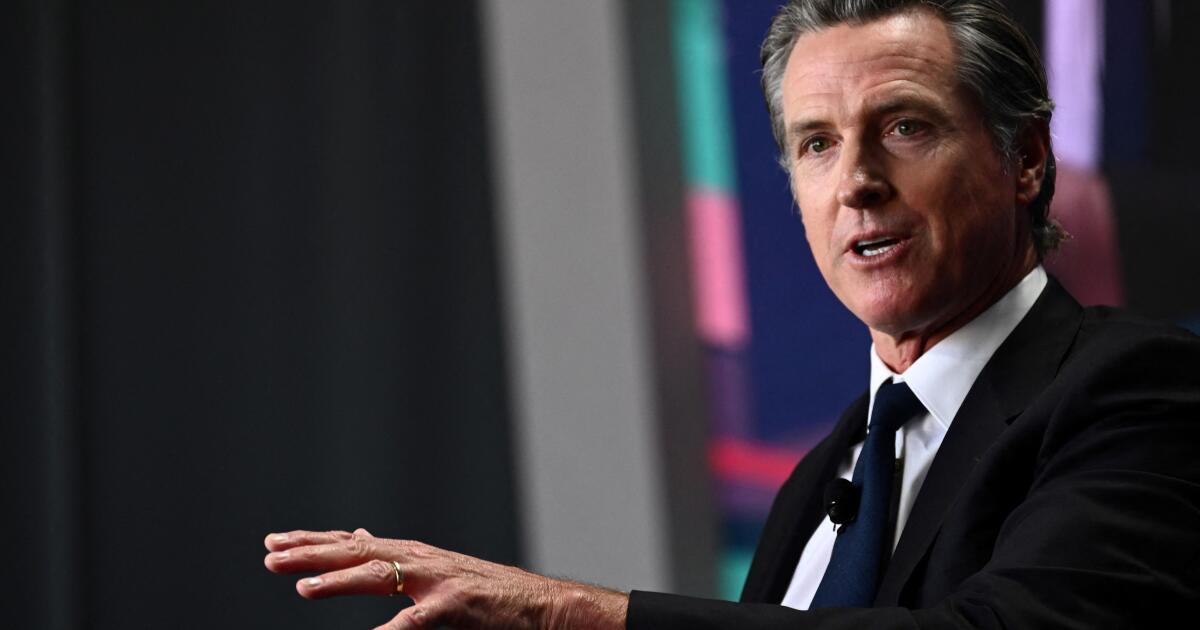
On Friday, Gov. Gavin Newsom killed it.
“Considering… the existing regulatory framework that presently and sufficiently governs this particular technology, this bill is not needed at this time,” the governor said in a veto message.
The bill was sponsored by the Teamsters union and backed by highway safety advocates. Opposed: driverless technology companies, Silicon Valley lobbyists, and various chambers of commerce and business leadership groups. Supporters focused on safety and jobs, opponents on business growth and technological progress.
Even with strong business backing, the Legislature passed the bill with bipartisan support: 105 legislators voted in favor, six voted no and nine members sat it out.
With the Legislature out of the picture, at least for now, the California Department of Motor Vehicles will decide when self-driving trucks weighing 10,000 to 80,000 pounds when full can hit the road in California with no human aboard.
Legislative dissatisfaction with the DMV played a big role in the debate. “The DMV has not done a great job of regulating this space,” Assembly transportation committee chair Laura Friedman (D-Glendale) said at bill hearing in May.
Legislators and city officials in Los Angeles, San Francisco and Santa Monica have complained about lax enforcement of autonomous vehicles by the DMV, which they believe puts business interests ahead of traffic flow and public safety. The issue came to a head earlier this year when San Francisco’s fire chief and other emergency responders raised an alarm about robot taxis interfering with emergency responders, and the failure of the companies to move them out of the way in timely fashion.
The Legislature itself in 2021 put all power over autonomous vehicle safety in the hands of the DMV. Robotaxi fares are regulated by the California Public Utility Commission. Newsom appointed DMV head Steve Gordon, a Silicon Valley businessman, to his post. Newsom also appointed all five California Public Utility Commission members, including John Reynolds, formerly chief counsel for Cruise, one of the robotaxi companies that has drawn emergency responder ire.
DMV regulations require human safety drivers in experimental robot vehicles, and the DMV decides when the experiment is over and the vehicles are ready for deployment. Tesla is using its own customers to experiment on public roads with its Full Self-Driving technology, but the DMV has said that’s OK, because the Tesla customers are legally required to pay attention.
The DMV also bans a company from falsely marketing autonomous technology to customers. The department began an investigation into whether the name Full Self-Driving violates that rule. The investigation is now in its 28th month, and the DMV has declined to say how many more months or years it is expected to take.
Newsom rarely speaks about the DMV. Asked by a reporter in May whether he was concerned about legislator criticisms of the agency, Newsom said he has “great confidence” in Gordon and his team.

The California Legislature passed a bill earlier this month to require human safety drivers in heavy-duty robot trucks for at least the next five years.
On Friday, Gov. Gavin Newsom killed it.
“Considering… the existing regulatory framework that presently and sufficiently governs this particular technology, this bill is not needed at this time,” the governor said in a veto message.
The bill was sponsored by the Teamsters union and backed by highway safety advocates. Opposed: driverless technology companies, Silicon Valley lobbyists, and various chambers of commerce and business leadership groups. Supporters focused on safety and jobs, opponents on business growth and technological progress.
Even with strong business backing, the Legislature passed the bill with bipartisan support: 105 legislators voted in favor, six voted no and nine members sat it out.
With the Legislature out of the picture, at least for now, the California Department of Motor Vehicles will decide when self-driving trucks weighing 10,000 to 80,000 pounds when full can hit the road in California with no human aboard.
Legislative dissatisfaction with the DMV played a big role in the debate. “The DMV has not done a great job of regulating this space,” Assembly transportation committee chair Laura Friedman (D-Glendale) said at bill hearing in May.
Legislators and city officials in Los Angeles, San Francisco and Santa Monica have complained about lax enforcement of autonomous vehicles by the DMV, which they believe puts business interests ahead of traffic flow and public safety. The issue came to a head earlier this year when San Francisco’s fire chief and other emergency responders raised an alarm about robot taxis interfering with emergency responders, and the failure of the companies to move them out of the way in timely fashion.
The Legislature itself in 2021 put all power over autonomous vehicle safety in the hands of the DMV. Robotaxi fares are regulated by the California Public Utility Commission. Newsom appointed DMV head Steve Gordon, a Silicon Valley businessman, to his post. Newsom also appointed all five California Public Utility Commission members, including John Reynolds, formerly chief counsel for Cruise, one of the robotaxi companies that has drawn emergency responder ire.
DMV regulations require human safety drivers in experimental robot vehicles, and the DMV decides when the experiment is over and the vehicles are ready for deployment. Tesla is using its own customers to experiment on public roads with its Full Self-Driving technology, but the DMV has said that’s OK, because the Tesla customers are legally required to pay attention.
The DMV also bans a company from falsely marketing autonomous technology to customers. The department began an investigation into whether the name Full Self-Driving violates that rule. The investigation is now in its 28th month, and the DMV has declined to say how many more months or years it is expected to take.
Newsom rarely speaks about the DMV. Asked by a reporter in May whether he was concerned about legislator criticisms of the agency, Newsom said he has “great confidence” in Gordon and his team.

The California Legislature passed a bill earlier this month to require human safety drivers in heavy-duty robot trucks for at least the next five years.
On Friday, Gov. Gavin Newsom killed it.
“Considering… the existing regulatory framework that presently and sufficiently governs this particular technology, this bill is not needed at this time,” the governor said in a veto message.
The bill was sponsored by the Teamsters union and backed by highway safety advocates. Opposed: driverless technology companies, Silicon Valley lobbyists, and various chambers of commerce and business leadership groups. Supporters focused on safety and jobs, opponents on business growth and technological progress.
Even with strong business backing, the Legislature passed the bill with bipartisan support: 105 legislators voted in favor, six voted no and nine members sat it out.
With the Legislature out of the picture, at least for now, the California Department of Motor Vehicles will decide when self-driving trucks weighing 10,000 to 80,000 pounds when full can hit the road in California with no human aboard.
Legislative dissatisfaction with the DMV played a big role in the debate. “The DMV has not done a great job of regulating this space,” Assembly transportation committee chair Laura Friedman (D-Glendale) said at bill hearing in May.
Legislators and city officials in Los Angeles, San Francisco and Santa Monica have complained about lax enforcement of autonomous vehicles by the DMV, which they believe puts business interests ahead of traffic flow and public safety. The issue came to a head earlier this year when San Francisco’s fire chief and other emergency responders raised an alarm about robot taxis interfering with emergency responders, and the failure of the companies to move them out of the way in timely fashion.
The Legislature itself in 2021 put all power over autonomous vehicle safety in the hands of the DMV. Robotaxi fares are regulated by the California Public Utility Commission. Newsom appointed DMV head Steve Gordon, a Silicon Valley businessman, to his post. Newsom also appointed all five California Public Utility Commission members, including John Reynolds, formerly chief counsel for Cruise, one of the robotaxi companies that has drawn emergency responder ire.
DMV regulations require human safety drivers in experimental robot vehicles, and the DMV decides when the experiment is over and the vehicles are ready for deployment. Tesla is using its own customers to experiment on public roads with its Full Self-Driving technology, but the DMV has said that’s OK, because the Tesla customers are legally required to pay attention.
The DMV also bans a company from falsely marketing autonomous technology to customers. The department began an investigation into whether the name Full Self-Driving violates that rule. The investigation is now in its 28th month, and the DMV has declined to say how many more months or years it is expected to take.
Newsom rarely speaks about the DMV. Asked by a reporter in May whether he was concerned about legislator criticisms of the agency, Newsom said he has “great confidence” in Gordon and his team.
The California Legislature passed a bill earlier this month to require human safety drivers in heavy-duty robot trucks for at least the next five years.
On Friday, Gov. Gavin Newsom killed it.
“Considering… the existing regulatory framework that presently and sufficiently governs this particular technology, this bill is not needed at this time,” the governor said in a veto message.
The bill was sponsored by the Teamsters union and backed by highway safety advocates. Opposed: driverless technology companies, Silicon Valley lobbyists, and various chambers of commerce and business leadership groups. Supporters focused on safety and jobs, opponents on business growth and technological progress.
Even with strong business backing, the Legislature passed the bill with bipartisan support: 105 legislators voted in favor, six voted no and nine members sat it out.
With the Legislature out of the picture, at least for now, the California Department of Motor Vehicles will decide when self-driving trucks weighing 10,000 to 80,000 pounds when full can hit the road in California with no human aboard.
Legislative dissatisfaction with the DMV played a big role in the debate. “The DMV has not done a great job of regulating this space,” Assembly transportation committee chair Laura Friedman (D-Glendale) said at bill hearing in May.
Legislators and city officials in Los Angeles, San Francisco and Santa Monica have complained about lax enforcement of autonomous vehicles by the DMV, which they believe puts business interests ahead of traffic flow and public safety. The issue came to a head earlier this year when San Francisco’s fire chief and other emergency responders raised an alarm about robot taxis interfering with emergency responders, and the failure of the companies to move them out of the way in timely fashion.
The Legislature itself in 2021 put all power over autonomous vehicle safety in the hands of the DMV. Robotaxi fares are regulated by the California Public Utility Commission. Newsom appointed DMV head Steve Gordon, a Silicon Valley businessman, to his post. Newsom also appointed all five California Public Utility Commission members, including John Reynolds, formerly chief counsel for Cruise, one of the robotaxi companies that has drawn emergency responder ire.
DMV regulations require human safety drivers in experimental robot vehicles, and the DMV decides when the experiment is over and the vehicles are ready for deployment. Tesla is using its own customers to experiment on public roads with its Full Self-Driving technology, but the DMV has said that’s OK, because the Tesla customers are legally required to pay attention.
The DMV also bans a company from falsely marketing autonomous technology to customers. The department began an investigation into whether the name Full Self-Driving violates that rule. The investigation is now in its 28th month, and the DMV has declined to say how many more months or years it is expected to take.
Newsom rarely speaks about the DMV. Asked by a reporter in May whether he was concerned about legislator criticisms of the agency, Newsom said he has “great confidence” in Gordon and his team.

The California Legislature passed a bill earlier this month to require human safety drivers in heavy-duty robot trucks for at least the next five years.
On Friday, Gov. Gavin Newsom killed it.
“Considering… the existing regulatory framework that presently and sufficiently governs this particular technology, this bill is not needed at this time,” the governor said in a veto message.
The bill was sponsored by the Teamsters union and backed by highway safety advocates. Opposed: driverless technology companies, Silicon Valley lobbyists, and various chambers of commerce and business leadership groups. Supporters focused on safety and jobs, opponents on business growth and technological progress.
Even with strong business backing, the Legislature passed the bill with bipartisan support: 105 legislators voted in favor, six voted no and nine members sat it out.
With the Legislature out of the picture, at least for now, the California Department of Motor Vehicles will decide when self-driving trucks weighing 10,000 to 80,000 pounds when full can hit the road in California with no human aboard.
Legislative dissatisfaction with the DMV played a big role in the debate. “The DMV has not done a great job of regulating this space,” Assembly transportation committee chair Laura Friedman (D-Glendale) said at bill hearing in May.
Legislators and city officials in Los Angeles, San Francisco and Santa Monica have complained about lax enforcement of autonomous vehicles by the DMV, which they believe puts business interests ahead of traffic flow and public safety. The issue came to a head earlier this year when San Francisco’s fire chief and other emergency responders raised an alarm about robot taxis interfering with emergency responders, and the failure of the companies to move them out of the way in timely fashion.
The Legislature itself in 2021 put all power over autonomous vehicle safety in the hands of the DMV. Robotaxi fares are regulated by the California Public Utility Commission. Newsom appointed DMV head Steve Gordon, a Silicon Valley businessman, to his post. Newsom also appointed all five California Public Utility Commission members, including John Reynolds, formerly chief counsel for Cruise, one of the robotaxi companies that has drawn emergency responder ire.
DMV regulations require human safety drivers in experimental robot vehicles, and the DMV decides when the experiment is over and the vehicles are ready for deployment. Tesla is using its own customers to experiment on public roads with its Full Self-Driving technology, but the DMV has said that’s OK, because the Tesla customers are legally required to pay attention.
The DMV also bans a company from falsely marketing autonomous technology to customers. The department began an investigation into whether the name Full Self-Driving violates that rule. The investigation is now in its 28th month, and the DMV has declined to say how many more months or years it is expected to take.
Newsom rarely speaks about the DMV. Asked by a reporter in May whether he was concerned about legislator criticisms of the agency, Newsom said he has “great confidence” in Gordon and his team.
The California Legislature passed a bill earlier this month to require human safety drivers in heavy-duty robot trucks for at least the next five years.
On Friday, Gov. Gavin Newsom killed it.
“Considering… the existing regulatory framework that presently and sufficiently governs this particular technology, this bill is not needed at this time,” the governor said in a veto message.
The bill was sponsored by the Teamsters union and backed by highway safety advocates. Opposed: driverless technology companies, Silicon Valley lobbyists, and various chambers of commerce and business leadership groups. Supporters focused on safety and jobs, opponents on business growth and technological progress.
Even with strong business backing, the Legislature passed the bill with bipartisan support: 105 legislators voted in favor, six voted no and nine members sat it out.
With the Legislature out of the picture, at least for now, the California Department of Motor Vehicles will decide when self-driving trucks weighing 10,000 to 80,000 pounds when full can hit the road in California with no human aboard.
Legislative dissatisfaction with the DMV played a big role in the debate. “The DMV has not done a great job of regulating this space,” Assembly transportation committee chair Laura Friedman (D-Glendale) said at bill hearing in May.
Legislators and city officials in Los Angeles, San Francisco and Santa Monica have complained about lax enforcement of autonomous vehicles by the DMV, which they believe puts business interests ahead of traffic flow and public safety. The issue came to a head earlier this year when San Francisco’s fire chief and other emergency responders raised an alarm about robot taxis interfering with emergency responders, and the failure of the companies to move them out of the way in timely fashion.
The Legislature itself in 2021 put all power over autonomous vehicle safety in the hands of the DMV. Robotaxi fares are regulated by the California Public Utility Commission. Newsom appointed DMV head Steve Gordon, a Silicon Valley businessman, to his post. Newsom also appointed all five California Public Utility Commission members, including John Reynolds, formerly chief counsel for Cruise, one of the robotaxi companies that has drawn emergency responder ire.
DMV regulations require human safety drivers in experimental robot vehicles, and the DMV decides when the experiment is over and the vehicles are ready for deployment. Tesla is using its own customers to experiment on public roads with its Full Self-Driving technology, but the DMV has said that’s OK, because the Tesla customers are legally required to pay attention.
The DMV also bans a company from falsely marketing autonomous technology to customers. The department began an investigation into whether the name Full Self-Driving violates that rule. The investigation is now in its 28th month, and the DMV has declined to say how many more months or years it is expected to take.
Newsom rarely speaks about the DMV. Asked by a reporter in May whether he was concerned about legislator criticisms of the agency, Newsom said he has “great confidence” in Gordon and his team.
The California Legislature passed a bill earlier this month to require human safety drivers in heavy-duty robot trucks for at least the next five years.
On Friday, Gov. Gavin Newsom killed it.
“Considering… the existing regulatory framework that presently and sufficiently governs this particular technology, this bill is not needed at this time,” the governor said in a veto message.
The bill was sponsored by the Teamsters union and backed by highway safety advocates. Opposed: driverless technology companies, Silicon Valley lobbyists, and various chambers of commerce and business leadership groups. Supporters focused on safety and jobs, opponents on business growth and technological progress.
Even with strong business backing, the Legislature passed the bill with bipartisan support: 105 legislators voted in favor, six voted no and nine members sat it out.
With the Legislature out of the picture, at least for now, the California Department of Motor Vehicles will decide when self-driving trucks weighing 10,000 to 80,000 pounds when full can hit the road in California with no human aboard.
Legislative dissatisfaction with the DMV played a big role in the debate. “The DMV has not done a great job of regulating this space,” Assembly transportation committee chair Laura Friedman (D-Glendale) said at bill hearing in May.
Legislators and city officials in Los Angeles, San Francisco and Santa Monica have complained about lax enforcement of autonomous vehicles by the DMV, which they believe puts business interests ahead of traffic flow and public safety. The issue came to a head earlier this year when San Francisco’s fire chief and other emergency responders raised an alarm about robot taxis interfering with emergency responders, and the failure of the companies to move them out of the way in timely fashion.
The Legislature itself in 2021 put all power over autonomous vehicle safety in the hands of the DMV. Robotaxi fares are regulated by the California Public Utility Commission. Newsom appointed DMV head Steve Gordon, a Silicon Valley businessman, to his post. Newsom also appointed all five California Public Utility Commission members, including John Reynolds, formerly chief counsel for Cruise, one of the robotaxi companies that has drawn emergency responder ire.
DMV regulations require human safety drivers in experimental robot vehicles, and the DMV decides when the experiment is over and the vehicles are ready for deployment. Tesla is using its own customers to experiment on public roads with its Full Self-Driving technology, but the DMV has said that’s OK, because the Tesla customers are legally required to pay attention.
The DMV also bans a company from falsely marketing autonomous technology to customers. The department began an investigation into whether the name Full Self-Driving violates that rule. The investigation is now in its 28th month, and the DMV has declined to say how many more months or years it is expected to take.
Newsom rarely speaks about the DMV. Asked by a reporter in May whether he was concerned about legislator criticisms of the agency, Newsom said he has “great confidence” in Gordon and his team.
The California Legislature passed a bill earlier this month to require human safety drivers in heavy-duty robot trucks for at least the next five years.
On Friday, Gov. Gavin Newsom killed it.
“Considering… the existing regulatory framework that presently and sufficiently governs this particular technology, this bill is not needed at this time,” the governor said in a veto message.
The bill was sponsored by the Teamsters union and backed by highway safety advocates. Opposed: driverless technology companies, Silicon Valley lobbyists, and various chambers of commerce and business leadership groups. Supporters focused on safety and jobs, opponents on business growth and technological progress.
Even with strong business backing, the Legislature passed the bill with bipartisan support: 105 legislators voted in favor, six voted no and nine members sat it out.
With the Legislature out of the picture, at least for now, the California Department of Motor Vehicles will decide when self-driving trucks weighing 10,000 to 80,000 pounds when full can hit the road in California with no human aboard.
Legislative dissatisfaction with the DMV played a big role in the debate. “The DMV has not done a great job of regulating this space,” Assembly transportation committee chair Laura Friedman (D-Glendale) said at bill hearing in May.
Legislators and city officials in Los Angeles, San Francisco and Santa Monica have complained about lax enforcement of autonomous vehicles by the DMV, which they believe puts business interests ahead of traffic flow and public safety. The issue came to a head earlier this year when San Francisco’s fire chief and other emergency responders raised an alarm about robot taxis interfering with emergency responders, and the failure of the companies to move them out of the way in timely fashion.
The Legislature itself in 2021 put all power over autonomous vehicle safety in the hands of the DMV. Robotaxi fares are regulated by the California Public Utility Commission. Newsom appointed DMV head Steve Gordon, a Silicon Valley businessman, to his post. Newsom also appointed all five California Public Utility Commission members, including John Reynolds, formerly chief counsel for Cruise, one of the robotaxi companies that has drawn emergency responder ire.
DMV regulations require human safety drivers in experimental robot vehicles, and the DMV decides when the experiment is over and the vehicles are ready for deployment. Tesla is using its own customers to experiment on public roads with its Full Self-Driving technology, but the DMV has said that’s OK, because the Tesla customers are legally required to pay attention.
The DMV also bans a company from falsely marketing autonomous technology to customers. The department began an investigation into whether the name Full Self-Driving violates that rule. The investigation is now in its 28th month, and the DMV has declined to say how many more months or years it is expected to take.
Newsom rarely speaks about the DMV. Asked by a reporter in May whether he was concerned about legislator criticisms of the agency, Newsom said he has “great confidence” in Gordon and his team.

The California Legislature passed a bill earlier this month to require human safety drivers in heavy-duty robot trucks for at least the next five years.
On Friday, Gov. Gavin Newsom killed it.
“Considering… the existing regulatory framework that presently and sufficiently governs this particular technology, this bill is not needed at this time,” the governor said in a veto message.
The bill was sponsored by the Teamsters union and backed by highway safety advocates. Opposed: driverless technology companies, Silicon Valley lobbyists, and various chambers of commerce and business leadership groups. Supporters focused on safety and jobs, opponents on business growth and technological progress.
Even with strong business backing, the Legislature passed the bill with bipartisan support: 105 legislators voted in favor, six voted no and nine members sat it out.
With the Legislature out of the picture, at least for now, the California Department of Motor Vehicles will decide when self-driving trucks weighing 10,000 to 80,000 pounds when full can hit the road in California with no human aboard.
Legislative dissatisfaction with the DMV played a big role in the debate. “The DMV has not done a great job of regulating this space,” Assembly transportation committee chair Laura Friedman (D-Glendale) said at bill hearing in May.
Legislators and city officials in Los Angeles, San Francisco and Santa Monica have complained about lax enforcement of autonomous vehicles by the DMV, which they believe puts business interests ahead of traffic flow and public safety. The issue came to a head earlier this year when San Francisco’s fire chief and other emergency responders raised an alarm about robot taxis interfering with emergency responders, and the failure of the companies to move them out of the way in timely fashion.
The Legislature itself in 2021 put all power over autonomous vehicle safety in the hands of the DMV. Robotaxi fares are regulated by the California Public Utility Commission. Newsom appointed DMV head Steve Gordon, a Silicon Valley businessman, to his post. Newsom also appointed all five California Public Utility Commission members, including John Reynolds, formerly chief counsel for Cruise, one of the robotaxi companies that has drawn emergency responder ire.
DMV regulations require human safety drivers in experimental robot vehicles, and the DMV decides when the experiment is over and the vehicles are ready for deployment. Tesla is using its own customers to experiment on public roads with its Full Self-Driving technology, but the DMV has said that’s OK, because the Tesla customers are legally required to pay attention.
The DMV also bans a company from falsely marketing autonomous technology to customers. The department began an investigation into whether the name Full Self-Driving violates that rule. The investigation is now in its 28th month, and the DMV has declined to say how many more months or years it is expected to take.
Newsom rarely speaks about the DMV. Asked by a reporter in May whether he was concerned about legislator criticisms of the agency, Newsom said he has “great confidence” in Gordon and his team.
The California Legislature passed a bill earlier this month to require human safety drivers in heavy-duty robot trucks for at least the next five years.
On Friday, Gov. Gavin Newsom killed it.
“Considering… the existing regulatory framework that presently and sufficiently governs this particular technology, this bill is not needed at this time,” the governor said in a veto message.
The bill was sponsored by the Teamsters union and backed by highway safety advocates. Opposed: driverless technology companies, Silicon Valley lobbyists, and various chambers of commerce and business leadership groups. Supporters focused on safety and jobs, opponents on business growth and technological progress.
Even with strong business backing, the Legislature passed the bill with bipartisan support: 105 legislators voted in favor, six voted no and nine members sat it out.
With the Legislature out of the picture, at least for now, the California Department of Motor Vehicles will decide when self-driving trucks weighing 10,000 to 80,000 pounds when full can hit the road in California with no human aboard.
Legislative dissatisfaction with the DMV played a big role in the debate. “The DMV has not done a great job of regulating this space,” Assembly transportation committee chair Laura Friedman (D-Glendale) said at bill hearing in May.
Legislators and city officials in Los Angeles, San Francisco and Santa Monica have complained about lax enforcement of autonomous vehicles by the DMV, which they believe puts business interests ahead of traffic flow and public safety. The issue came to a head earlier this year when San Francisco’s fire chief and other emergency responders raised an alarm about robot taxis interfering with emergency responders, and the failure of the companies to move them out of the way in timely fashion.
The Legislature itself in 2021 put all power over autonomous vehicle safety in the hands of the DMV. Robotaxi fares are regulated by the California Public Utility Commission. Newsom appointed DMV head Steve Gordon, a Silicon Valley businessman, to his post. Newsom also appointed all five California Public Utility Commission members, including John Reynolds, formerly chief counsel for Cruise, one of the robotaxi companies that has drawn emergency responder ire.
DMV regulations require human safety drivers in experimental robot vehicles, and the DMV decides when the experiment is over and the vehicles are ready for deployment. Tesla is using its own customers to experiment on public roads with its Full Self-Driving technology, but the DMV has said that’s OK, because the Tesla customers are legally required to pay attention.
The DMV also bans a company from falsely marketing autonomous technology to customers. The department began an investigation into whether the name Full Self-Driving violates that rule. The investigation is now in its 28th month, and the DMV has declined to say how many more months or years it is expected to take.
Newsom rarely speaks about the DMV. Asked by a reporter in May whether he was concerned about legislator criticisms of the agency, Newsom said he has “great confidence” in Gordon and his team.
The California Legislature passed a bill earlier this month to require human safety drivers in heavy-duty robot trucks for at least the next five years.
On Friday, Gov. Gavin Newsom killed it.
“Considering… the existing regulatory framework that presently and sufficiently governs this particular technology, this bill is not needed at this time,” the governor said in a veto message.
The bill was sponsored by the Teamsters union and backed by highway safety advocates. Opposed: driverless technology companies, Silicon Valley lobbyists, and various chambers of commerce and business leadership groups. Supporters focused on safety and jobs, opponents on business growth and technological progress.
Even with strong business backing, the Legislature passed the bill with bipartisan support: 105 legislators voted in favor, six voted no and nine members sat it out.
With the Legislature out of the picture, at least for now, the California Department of Motor Vehicles will decide when self-driving trucks weighing 10,000 to 80,000 pounds when full can hit the road in California with no human aboard.
Legislative dissatisfaction with the DMV played a big role in the debate. “The DMV has not done a great job of regulating this space,” Assembly transportation committee chair Laura Friedman (D-Glendale) said at bill hearing in May.
Legislators and city officials in Los Angeles, San Francisco and Santa Monica have complained about lax enforcement of autonomous vehicles by the DMV, which they believe puts business interests ahead of traffic flow and public safety. The issue came to a head earlier this year when San Francisco’s fire chief and other emergency responders raised an alarm about robot taxis interfering with emergency responders, and the failure of the companies to move them out of the way in timely fashion.
The Legislature itself in 2021 put all power over autonomous vehicle safety in the hands of the DMV. Robotaxi fares are regulated by the California Public Utility Commission. Newsom appointed DMV head Steve Gordon, a Silicon Valley businessman, to his post. Newsom also appointed all five California Public Utility Commission members, including John Reynolds, formerly chief counsel for Cruise, one of the robotaxi companies that has drawn emergency responder ire.
DMV regulations require human safety drivers in experimental robot vehicles, and the DMV decides when the experiment is over and the vehicles are ready for deployment. Tesla is using its own customers to experiment on public roads with its Full Self-Driving technology, but the DMV has said that’s OK, because the Tesla customers are legally required to pay attention.
The DMV also bans a company from falsely marketing autonomous technology to customers. The department began an investigation into whether the name Full Self-Driving violates that rule. The investigation is now in its 28th month, and the DMV has declined to say how many more months or years it is expected to take.
Newsom rarely speaks about the DMV. Asked by a reporter in May whether he was concerned about legislator criticisms of the agency, Newsom said he has “great confidence” in Gordon and his team.
The California Legislature passed a bill earlier this month to require human safety drivers in heavy-duty robot trucks for at least the next five years.
On Friday, Gov. Gavin Newsom killed it.
“Considering… the existing regulatory framework that presently and sufficiently governs this particular technology, this bill is not needed at this time,” the governor said in a veto message.
The bill was sponsored by the Teamsters union and backed by highway safety advocates. Opposed: driverless technology companies, Silicon Valley lobbyists, and various chambers of commerce and business leadership groups. Supporters focused on safety and jobs, opponents on business growth and technological progress.
Even with strong business backing, the Legislature passed the bill with bipartisan support: 105 legislators voted in favor, six voted no and nine members sat it out.
With the Legislature out of the picture, at least for now, the California Department of Motor Vehicles will decide when self-driving trucks weighing 10,000 to 80,000 pounds when full can hit the road in California with no human aboard.
Legislative dissatisfaction with the DMV played a big role in the debate. “The DMV has not done a great job of regulating this space,” Assembly transportation committee chair Laura Friedman (D-Glendale) said at bill hearing in May.
Legislators and city officials in Los Angeles, San Francisco and Santa Monica have complained about lax enforcement of autonomous vehicles by the DMV, which they believe puts business interests ahead of traffic flow and public safety. The issue came to a head earlier this year when San Francisco’s fire chief and other emergency responders raised an alarm about robot taxis interfering with emergency responders, and the failure of the companies to move them out of the way in timely fashion.
The Legislature itself in 2021 put all power over autonomous vehicle safety in the hands of the DMV. Robotaxi fares are regulated by the California Public Utility Commission. Newsom appointed DMV head Steve Gordon, a Silicon Valley businessman, to his post. Newsom also appointed all five California Public Utility Commission members, including John Reynolds, formerly chief counsel for Cruise, one of the robotaxi companies that has drawn emergency responder ire.
DMV regulations require human safety drivers in experimental robot vehicles, and the DMV decides when the experiment is over and the vehicles are ready for deployment. Tesla is using its own customers to experiment on public roads with its Full Self-Driving technology, but the DMV has said that’s OK, because the Tesla customers are legally required to pay attention.
The DMV also bans a company from falsely marketing autonomous technology to customers. The department began an investigation into whether the name Full Self-Driving violates that rule. The investigation is now in its 28th month, and the DMV has declined to say how many more months or years it is expected to take.
Newsom rarely speaks about the DMV. Asked by a reporter in May whether he was concerned about legislator criticisms of the agency, Newsom said he has “great confidence” in Gordon and his team.
The California Legislature passed a bill earlier this month to require human safety drivers in heavy-duty robot trucks for at least the next five years.
On Friday, Gov. Gavin Newsom killed it.
“Considering… the existing regulatory framework that presently and sufficiently governs this particular technology, this bill is not needed at this time,” the governor said in a veto message.
The bill was sponsored by the Teamsters union and backed by highway safety advocates. Opposed: driverless technology companies, Silicon Valley lobbyists, and various chambers of commerce and business leadership groups. Supporters focused on safety and jobs, opponents on business growth and technological progress.
Even with strong business backing, the Legislature passed the bill with bipartisan support: 105 legislators voted in favor, six voted no and nine members sat it out.
With the Legislature out of the picture, at least for now, the California Department of Motor Vehicles will decide when self-driving trucks weighing 10,000 to 80,000 pounds when full can hit the road in California with no human aboard.
Legislative dissatisfaction with the DMV played a big role in the debate. “The DMV has not done a great job of regulating this space,” Assembly transportation committee chair Laura Friedman (D-Glendale) said at bill hearing in May.
Legislators and city officials in Los Angeles, San Francisco and Santa Monica have complained about lax enforcement of autonomous vehicles by the DMV, which they believe puts business interests ahead of traffic flow and public safety. The issue came to a head earlier this year when San Francisco’s fire chief and other emergency responders raised an alarm about robot taxis interfering with emergency responders, and the failure of the companies to move them out of the way in timely fashion.
The Legislature itself in 2021 put all power over autonomous vehicle safety in the hands of the DMV. Robotaxi fares are regulated by the California Public Utility Commission. Newsom appointed DMV head Steve Gordon, a Silicon Valley businessman, to his post. Newsom also appointed all five California Public Utility Commission members, including John Reynolds, formerly chief counsel for Cruise, one of the robotaxi companies that has drawn emergency responder ire.
DMV regulations require human safety drivers in experimental robot vehicles, and the DMV decides when the experiment is over and the vehicles are ready for deployment. Tesla is using its own customers to experiment on public roads with its Full Self-Driving technology, but the DMV has said that’s OK, because the Tesla customers are legally required to pay attention.
The DMV also bans a company from falsely marketing autonomous technology to customers. The department began an investigation into whether the name Full Self-Driving violates that rule. The investigation is now in its 28th month, and the DMV has declined to say how many more months or years it is expected to take.
Newsom rarely speaks about the DMV. Asked by a reporter in May whether he was concerned about legislator criticisms of the agency, Newsom said he has “great confidence” in Gordon and his team.
The California Legislature passed a bill earlier this month to require human safety drivers in heavy-duty robot trucks for at least the next five years.
On Friday, Gov. Gavin Newsom killed it.
“Considering… the existing regulatory framework that presently and sufficiently governs this particular technology, this bill is not needed at this time,” the governor said in a veto message.
The bill was sponsored by the Teamsters union and backed by highway safety advocates. Opposed: driverless technology companies, Silicon Valley lobbyists, and various chambers of commerce and business leadership groups. Supporters focused on safety and jobs, opponents on business growth and technological progress.
Even with strong business backing, the Legislature passed the bill with bipartisan support: 105 legislators voted in favor, six voted no and nine members sat it out.
With the Legislature out of the picture, at least for now, the California Department of Motor Vehicles will decide when self-driving trucks weighing 10,000 to 80,000 pounds when full can hit the road in California with no human aboard.
Legislative dissatisfaction with the DMV played a big role in the debate. “The DMV has not done a great job of regulating this space,” Assembly transportation committee chair Laura Friedman (D-Glendale) said at bill hearing in May.
Legislators and city officials in Los Angeles, San Francisco and Santa Monica have complained about lax enforcement of autonomous vehicles by the DMV, which they believe puts business interests ahead of traffic flow and public safety. The issue came to a head earlier this year when San Francisco’s fire chief and other emergency responders raised an alarm about robot taxis interfering with emergency responders, and the failure of the companies to move them out of the way in timely fashion.
The Legislature itself in 2021 put all power over autonomous vehicle safety in the hands of the DMV. Robotaxi fares are regulated by the California Public Utility Commission. Newsom appointed DMV head Steve Gordon, a Silicon Valley businessman, to his post. Newsom also appointed all five California Public Utility Commission members, including John Reynolds, formerly chief counsel for Cruise, one of the robotaxi companies that has drawn emergency responder ire.
DMV regulations require human safety drivers in experimental robot vehicles, and the DMV decides when the experiment is over and the vehicles are ready for deployment. Tesla is using its own customers to experiment on public roads with its Full Self-Driving technology, but the DMV has said that’s OK, because the Tesla customers are legally required to pay attention.
The DMV also bans a company from falsely marketing autonomous technology to customers. The department began an investigation into whether the name Full Self-Driving violates that rule. The investigation is now in its 28th month, and the DMV has declined to say how many more months or years it is expected to take.
Newsom rarely speaks about the DMV. Asked by a reporter in May whether he was concerned about legislator criticisms of the agency, Newsom said he has “great confidence” in Gordon and his team.
The California Legislature passed a bill earlier this month to require human safety drivers in heavy-duty robot trucks for at least the next five years.
On Friday, Gov. Gavin Newsom killed it.
“Considering… the existing regulatory framework that presently and sufficiently governs this particular technology, this bill is not needed at this time,” the governor said in a veto message.
The bill was sponsored by the Teamsters union and backed by highway safety advocates. Opposed: driverless technology companies, Silicon Valley lobbyists, and various chambers of commerce and business leadership groups. Supporters focused on safety and jobs, opponents on business growth and technological progress.
Even with strong business backing, the Legislature passed the bill with bipartisan support: 105 legislators voted in favor, six voted no and nine members sat it out.
With the Legislature out of the picture, at least for now, the California Department of Motor Vehicles will decide when self-driving trucks weighing 10,000 to 80,000 pounds when full can hit the road in California with no human aboard.
Legislative dissatisfaction with the DMV played a big role in the debate. “The DMV has not done a great job of regulating this space,” Assembly transportation committee chair Laura Friedman (D-Glendale) said at bill hearing in May.
Legislators and city officials in Los Angeles, San Francisco and Santa Monica have complained about lax enforcement of autonomous vehicles by the DMV, which they believe puts business interests ahead of traffic flow and public safety. The issue came to a head earlier this year when San Francisco’s fire chief and other emergency responders raised an alarm about robot taxis interfering with emergency responders, and the failure of the companies to move them out of the way in timely fashion.
The Legislature itself in 2021 put all power over autonomous vehicle safety in the hands of the DMV. Robotaxi fares are regulated by the California Public Utility Commission. Newsom appointed DMV head Steve Gordon, a Silicon Valley businessman, to his post. Newsom also appointed all five California Public Utility Commission members, including John Reynolds, formerly chief counsel for Cruise, one of the robotaxi companies that has drawn emergency responder ire.
DMV regulations require human safety drivers in experimental robot vehicles, and the DMV decides when the experiment is over and the vehicles are ready for deployment. Tesla is using its own customers to experiment on public roads with its Full Self-Driving technology, but the DMV has said that’s OK, because the Tesla customers are legally required to pay attention.
The DMV also bans a company from falsely marketing autonomous technology to customers. The department began an investigation into whether the name Full Self-Driving violates that rule. The investigation is now in its 28th month, and the DMV has declined to say how many more months or years it is expected to take.
Newsom rarely speaks about the DMV. Asked by a reporter in May whether he was concerned about legislator criticisms of the agency, Newsom said he has “great confidence” in Gordon and his team.
The California Legislature passed a bill earlier this month to require human safety drivers in heavy-duty robot trucks for at least the next five years.
On Friday, Gov. Gavin Newsom killed it.
“Considering… the existing regulatory framework that presently and sufficiently governs this particular technology, this bill is not needed at this time,” the governor said in a veto message.
The bill was sponsored by the Teamsters union and backed by highway safety advocates. Opposed: driverless technology companies, Silicon Valley lobbyists, and various chambers of commerce and business leadership groups. Supporters focused on safety and jobs, opponents on business growth and technological progress.
Even with strong business backing, the Legislature passed the bill with bipartisan support: 105 legislators voted in favor, six voted no and nine members sat it out.
With the Legislature out of the picture, at least for now, the California Department of Motor Vehicles will decide when self-driving trucks weighing 10,000 to 80,000 pounds when full can hit the road in California with no human aboard.
Legislative dissatisfaction with the DMV played a big role in the debate. “The DMV has not done a great job of regulating this space,” Assembly transportation committee chair Laura Friedman (D-Glendale) said at bill hearing in May.
Legislators and city officials in Los Angeles, San Francisco and Santa Monica have complained about lax enforcement of autonomous vehicles by the DMV, which they believe puts business interests ahead of traffic flow and public safety. The issue came to a head earlier this year when San Francisco’s fire chief and other emergency responders raised an alarm about robot taxis interfering with emergency responders, and the failure of the companies to move them out of the way in timely fashion.
The Legislature itself in 2021 put all power over autonomous vehicle safety in the hands of the DMV. Robotaxi fares are regulated by the California Public Utility Commission. Newsom appointed DMV head Steve Gordon, a Silicon Valley businessman, to his post. Newsom also appointed all five California Public Utility Commission members, including John Reynolds, formerly chief counsel for Cruise, one of the robotaxi companies that has drawn emergency responder ire.
DMV regulations require human safety drivers in experimental robot vehicles, and the DMV decides when the experiment is over and the vehicles are ready for deployment. Tesla is using its own customers to experiment on public roads with its Full Self-Driving technology, but the DMV has said that’s OK, because the Tesla customers are legally required to pay attention.
The DMV also bans a company from falsely marketing autonomous technology to customers. The department began an investigation into whether the name Full Self-Driving violates that rule. The investigation is now in its 28th month, and the DMV has declined to say how many more months or years it is expected to take.
Newsom rarely speaks about the DMV. Asked by a reporter in May whether he was concerned about legislator criticisms of the agency, Newsom said he has “great confidence” in Gordon and his team.

