


Washington DC
New York
Toronto
Distribution: (800) 510 9863
Press ID
  • Login
Binghamton Herald
Advertisement
Monday, May 18, 2026
  • Home
  • World
  • Politics
  • Business
  • Technology
  • Culture
  • Health
  • Entertainment
  • Trending
No Result
View All Result
Binghamton Herald
No Result
View All Result
Home Health

Charles Namba’s Gyoza Two Ways

by Binghamton Herald Report
September 6, 2023
in Health
Share on FacebookShare on Twitter

Charles Namba is the chef and co-owner of Tsubaki and Ototo, a modern izakaya and its next-door sake bar, in Los Angeles. He grew up eating the Japanese dumplings gyoza. “It’s always been around throughout my life,” he says. “My dad still makes it, my mom makes every other week, basically.”

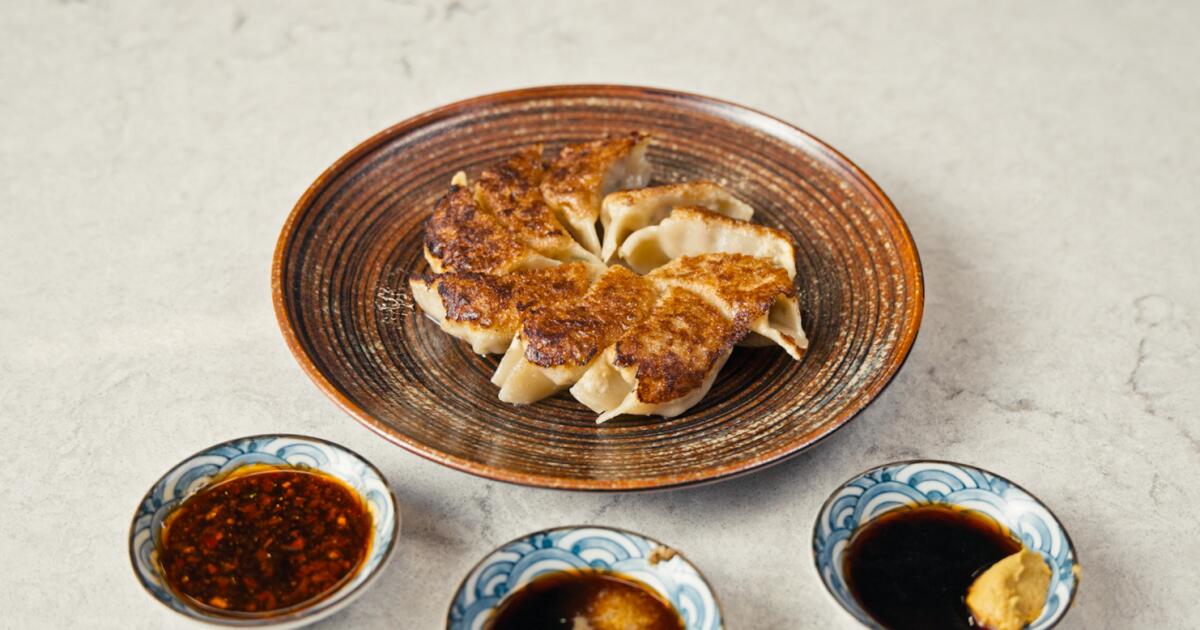
These gyoza can be pan-fried or boiled. “I always prefer the pan-sautéed because you get crispy and then you get a little bit of steamed” in each bite. For its dipping sauce — called “Boss Sauce” — he makes his own chile oil, mixed with rice vinegar, soy sauce, sansho pepper and broad bean paste. Or serve with soy sauce and Japanese hot mustard.

This recipe makes more Boss Sauce than you will need for the gyoza. Save for another use; store in a covered container in the refrigerator for up to 4 weeks.

Tsubaki and Ototo chef Charles Namba’s boiled or sui gyoza.

(Cody Long / Los Angeles Times)

Charles Namba is the chef and co-owner of Tsubaki and Ototo, a modern izakaya and its next-door sake bar, in Los Angeles. He grew up eating the Japanese dumplings gyoza. “It’s always been around throughout my life,” he says. “My dad still makes it, my mom makes every other week, basically.”

These gyoza can be pan-fried or boiled. “I always prefer the pan-sautéed because you get crispy and then you get a little bit of steamed” in each bite. For its dipping sauce — called “Boss Sauce” — he makes his own chile oil, mixed with rice vinegar, soy sauce, sansho pepper and broad bean paste. Or serve with soy sauce and Japanese hot mustard.

This recipe makes more Boss Sauce than you will need for the gyoza. Save for another use; store in a covered container in the refrigerator for up to 4 weeks.

Tsubaki and Ototo chef Charles Namba’s boiled or sui gyoza.

(Cody Long / Los Angeles Times)

Charles Namba is the chef and co-owner of Tsubaki and Ototo, a modern izakaya and its next-door sake bar, in Los Angeles. He grew up eating the Japanese dumplings gyoza. “It’s always been around throughout my life,” he says. “My dad still makes it, my mom makes every other week, basically.”

These gyoza can be pan-fried or boiled. “I always prefer the pan-sautéed because you get crispy and then you get a little bit of steamed” in each bite. For its dipping sauce — called “Boss Sauce” — he makes his own chile oil, mixed with rice vinegar, soy sauce, sansho pepper and broad bean paste. Or serve with soy sauce and Japanese hot mustard.

This recipe makes more Boss Sauce than you will need for the gyoza. Save for another use; store in a covered container in the refrigerator for up to 4 weeks.

Tsubaki and Ototo chef Charles Namba’s boiled or sui gyoza.

(Cody Long / Los Angeles Times)

Charles Namba is the chef and co-owner of Tsubaki and Ototo, a modern izakaya and its next-door sake bar, in Los Angeles. He grew up eating the Japanese dumplings gyoza. “It’s always been around throughout my life,” he says. “My dad still makes it, my mom makes every other week, basically.”

These gyoza can be pan-fried or boiled. “I always prefer the pan-sautéed because you get crispy and then you get a little bit of steamed” in each bite. For its dipping sauce — called “Boss Sauce” — he makes his own chile oil, mixed with rice vinegar, soy sauce, sansho pepper and broad bean paste. Or serve with soy sauce and Japanese hot mustard.

This recipe makes more Boss Sauce than you will need for the gyoza. Save for another use; store in a covered container in the refrigerator for up to 4 weeks.

Tsubaki and Ototo chef Charles Namba’s boiled or sui gyoza.

(Cody Long / Los Angeles Times)

Charles Namba is the chef and co-owner of Tsubaki and Ototo, a modern izakaya and its next-door sake bar, in Los Angeles. He grew up eating the Japanese dumplings gyoza. “It’s always been around throughout my life,” he says. “My dad still makes it, my mom makes every other week, basically.”

These gyoza can be pan-fried or boiled. “I always prefer the pan-sautéed because you get crispy and then you get a little bit of steamed” in each bite. For its dipping sauce — called “Boss Sauce” — he makes his own chile oil, mixed with rice vinegar, soy sauce, sansho pepper and broad bean paste. Or serve with soy sauce and Japanese hot mustard.

This recipe makes more Boss Sauce than you will need for the gyoza. Save for another use; store in a covered container in the refrigerator for up to 4 weeks.

Tsubaki and Ototo chef Charles Namba’s boiled or sui gyoza.

(Cody Long / Los Angeles Times)

Charles Namba is the chef and co-owner of Tsubaki and Ototo, a modern izakaya and its next-door sake bar, in Los Angeles. He grew up eating the Japanese dumplings gyoza. “It’s always been around throughout my life,” he says. “My dad still makes it, my mom makes every other week, basically.”

These gyoza can be pan-fried or boiled. “I always prefer the pan-sautéed because you get crispy and then you get a little bit of steamed” in each bite. For its dipping sauce — called “Boss Sauce” — he makes his own chile oil, mixed with rice vinegar, soy sauce, sansho pepper and broad bean paste. Or serve with soy sauce and Japanese hot mustard.

This recipe makes more Boss Sauce than you will need for the gyoza. Save for another use; store in a covered container in the refrigerator for up to 4 weeks.

Tsubaki and Ototo chef Charles Namba’s boiled or sui gyoza.

(Cody Long / Los Angeles Times)

Charles Namba is the chef and co-owner of Tsubaki and Ototo, a modern izakaya and its next-door sake bar, in Los Angeles. He grew up eating the Japanese dumplings gyoza. “It’s always been around throughout my life,” he says. “My dad still makes it, my mom makes every other week, basically.”

These gyoza can be pan-fried or boiled. “I always prefer the pan-sautéed because you get crispy and then you get a little bit of steamed” in each bite. For its dipping sauce — called “Boss Sauce” — he makes his own chile oil, mixed with rice vinegar, soy sauce, sansho pepper and broad bean paste. Or serve with soy sauce and Japanese hot mustard.

This recipe makes more Boss Sauce than you will need for the gyoza. Save for another use; store in a covered container in the refrigerator for up to 4 weeks.

Tsubaki and Ototo chef Charles Namba’s boiled or sui gyoza.

(Cody Long / Los Angeles Times)

Charles Namba is the chef and co-owner of Tsubaki and Ototo, a modern izakaya and its next-door sake bar, in Los Angeles. He grew up eating the Japanese dumplings gyoza. “It’s always been around throughout my life,” he says. “My dad still makes it, my mom makes every other week, basically.”

These gyoza can be pan-fried or boiled. “I always prefer the pan-sautéed because you get crispy and then you get a little bit of steamed” in each bite. For its dipping sauce — called “Boss Sauce” — he makes his own chile oil, mixed with rice vinegar, soy sauce, sansho pepper and broad bean paste. Or serve with soy sauce and Japanese hot mustard.

This recipe makes more Boss Sauce than you will need for the gyoza. Save for another use; store in a covered container in the refrigerator for up to 4 weeks.

Tsubaki and Ototo chef Charles Namba’s boiled or sui gyoza.

(Cody Long / Los Angeles Times)

Charles Namba is the chef and co-owner of Tsubaki and Ototo, a modern izakaya and its next-door sake bar, in Los Angeles. He grew up eating the Japanese dumplings gyoza. “It’s always been around throughout my life,” he says. “My dad still makes it, my mom makes every other week, basically.”

These gyoza can be pan-fried or boiled. “I always prefer the pan-sautéed because you get crispy and then you get a little bit of steamed” in each bite. For its dipping sauce — called “Boss Sauce” — he makes his own chile oil, mixed with rice vinegar, soy sauce, sansho pepper and broad bean paste. Or serve with soy sauce and Japanese hot mustard.

This recipe makes more Boss Sauce than you will need for the gyoza. Save for another use; store in a covered container in the refrigerator for up to 4 weeks.

Tsubaki and Ototo chef Charles Namba’s boiled or sui gyoza.

(Cody Long / Los Angeles Times)

Charles Namba is the chef and co-owner of Tsubaki and Ototo, a modern izakaya and its next-door sake bar, in Los Angeles. He grew up eating the Japanese dumplings gyoza. “It’s always been around throughout my life,” he says. “My dad still makes it, my mom makes every other week, basically.”

These gyoza can be pan-fried or boiled. “I always prefer the pan-sautéed because you get crispy and then you get a little bit of steamed” in each bite. For its dipping sauce — called “Boss Sauce” — he makes his own chile oil, mixed with rice vinegar, soy sauce, sansho pepper and broad bean paste. Or serve with soy sauce and Japanese hot mustard.

This recipe makes more Boss Sauce than you will need for the gyoza. Save for another use; store in a covered container in the refrigerator for up to 4 weeks.

Tsubaki and Ototo chef Charles Namba’s boiled or sui gyoza.

(Cody Long / Los Angeles Times)

Charles Namba is the chef and co-owner of Tsubaki and Ototo, a modern izakaya and its next-door sake bar, in Los Angeles. He grew up eating the Japanese dumplings gyoza. “It’s always been around throughout my life,” he says. “My dad still makes it, my mom makes every other week, basically.”

These gyoza can be pan-fried or boiled. “I always prefer the pan-sautéed because you get crispy and then you get a little bit of steamed” in each bite. For its dipping sauce — called “Boss Sauce” — he makes his own chile oil, mixed with rice vinegar, soy sauce, sansho pepper and broad bean paste. Or serve with soy sauce and Japanese hot mustard.

This recipe makes more Boss Sauce than you will need for the gyoza. Save for another use; store in a covered container in the refrigerator for up to 4 weeks.

Tsubaki and Ototo chef Charles Namba’s boiled or sui gyoza.

(Cody Long / Los Angeles Times)

Charles Namba is the chef and co-owner of Tsubaki and Ototo, a modern izakaya and its next-door sake bar, in Los Angeles. He grew up eating the Japanese dumplings gyoza. “It’s always been around throughout my life,” he says. “My dad still makes it, my mom makes every other week, basically.”

These gyoza can be pan-fried or boiled. “I always prefer the pan-sautéed because you get crispy and then you get a little bit of steamed” in each bite. For its dipping sauce — called “Boss Sauce” — he makes his own chile oil, mixed with rice vinegar, soy sauce, sansho pepper and broad bean paste. Or serve with soy sauce and Japanese hot mustard.

This recipe makes more Boss Sauce than you will need for the gyoza. Save for another use; store in a covered container in the refrigerator for up to 4 weeks.

Tsubaki and Ototo chef Charles Namba’s boiled or sui gyoza.

(Cody Long / Los Angeles Times)

Charles Namba is the chef and co-owner of Tsubaki and Ototo, a modern izakaya and its next-door sake bar, in Los Angeles. He grew up eating the Japanese dumplings gyoza. “It’s always been around throughout my life,” he says. “My dad still makes it, my mom makes every other week, basically.”

These gyoza can be pan-fried or boiled. “I always prefer the pan-sautéed because you get crispy and then you get a little bit of steamed” in each bite. For its dipping sauce — called “Boss Sauce” — he makes his own chile oil, mixed with rice vinegar, soy sauce, sansho pepper and broad bean paste. Or serve with soy sauce and Japanese hot mustard.

This recipe makes more Boss Sauce than you will need for the gyoza. Save for another use; store in a covered container in the refrigerator for up to 4 weeks.

Tsubaki and Ototo chef Charles Namba’s boiled or sui gyoza.

(Cody Long / Los Angeles Times)

Charles Namba is the chef and co-owner of Tsubaki and Ototo, a modern izakaya and its next-door sake bar, in Los Angeles. He grew up eating the Japanese dumplings gyoza. “It’s always been around throughout my life,” he says. “My dad still makes it, my mom makes every other week, basically.”

These gyoza can be pan-fried or boiled. “I always prefer the pan-sautéed because you get crispy and then you get a little bit of steamed” in each bite. For its dipping sauce — called “Boss Sauce” — he makes his own chile oil, mixed with rice vinegar, soy sauce, sansho pepper and broad bean paste. Or serve with soy sauce and Japanese hot mustard.

This recipe makes more Boss Sauce than you will need for the gyoza. Save for another use; store in a covered container in the refrigerator for up to 4 weeks.

Tsubaki and Ototo chef Charles Namba’s boiled or sui gyoza.

(Cody Long / Los Angeles Times)

Charles Namba is the chef and co-owner of Tsubaki and Ototo, a modern izakaya and its next-door sake bar, in Los Angeles. He grew up eating the Japanese dumplings gyoza. “It’s always been around throughout my life,” he says. “My dad still makes it, my mom makes every other week, basically.”

These gyoza can be pan-fried or boiled. “I always prefer the pan-sautéed because you get crispy and then you get a little bit of steamed” in each bite. For its dipping sauce — called “Boss Sauce” — he makes his own chile oil, mixed with rice vinegar, soy sauce, sansho pepper and broad bean paste. Or serve with soy sauce and Japanese hot mustard.

This recipe makes more Boss Sauce than you will need for the gyoza. Save for another use; store in a covered container in the refrigerator for up to 4 weeks.

Tsubaki and Ototo chef Charles Namba’s boiled or sui gyoza.

(Cody Long / Los Angeles Times)

Charles Namba is the chef and co-owner of Tsubaki and Ototo, a modern izakaya and its next-door sake bar, in Los Angeles. He grew up eating the Japanese dumplings gyoza. “It’s always been around throughout my life,” he says. “My dad still makes it, my mom makes every other week, basically.”

These gyoza can be pan-fried or boiled. “I always prefer the pan-sautéed because you get crispy and then you get a little bit of steamed” in each bite. For its dipping sauce — called “Boss Sauce” — he makes his own chile oil, mixed with rice vinegar, soy sauce, sansho pepper and broad bean paste. Or serve with soy sauce and Japanese hot mustard.

This recipe makes more Boss Sauce than you will need for the gyoza. Save for another use; store in a covered container in the refrigerator for up to 4 weeks.

Tsubaki and Ototo chef Charles Namba’s boiled or sui gyoza.

(Cody Long / Los Angeles Times)

Previous Post

Lili Reinhart and Sydney Sweeney feuding? Think again. They shut down rumors with a double date

Next Post

He was a fry cook with few restaurant ambitions. Then he smelled the lobster stock

Leave a Reply Cancel reply

Your email address will not be published. Required fields are marked *

BROWSE BY CATEGORIES

  • Business
  • Culture
  • Entertainment
  • Health
  • Politics
  • Technology
  • Trending
  • Uncategorized
  • World
Binghamton Herald

© 2024 Binghamton Herald or its affiliated companies.

Navigate Site

  • About
  • Advertise
  • Terms & Conditions
  • Privacy Policy
  • Disclaimer
  • Contact

Follow Us

No Result
View All Result
  • Home
  • World
  • Politics
  • Business
  • Technology
  • Culture
  • Health
  • Entertainment
  • Trending

© 2024 Binghamton Herald or its affiliated companies.

Welcome Back!

Login to your account below

Forgotten Password?

Retrieve your password

Please enter your username or email address to reset your password.

Log In