



Washington DC
New York
Toronto
Distribution: (800) 510 9863
Press ID
  • Login
Binghamton Herald
Advertisement
Tuesday, June 23, 2026
  • Home
  • World
  • Politics
  • Business
  • Technology
  • Culture
  • Health
  • Entertainment
  • Trending
No Result
View All Result
Binghamton Herald
No Result
View All Result
Home Trending

More Than Million People Flee Sudan As War Between RSF & Sudanese Army Continues: UN

by Binghamton Herald Report
August 16, 2023
in Trending
Share on FacebookShare on Twitter

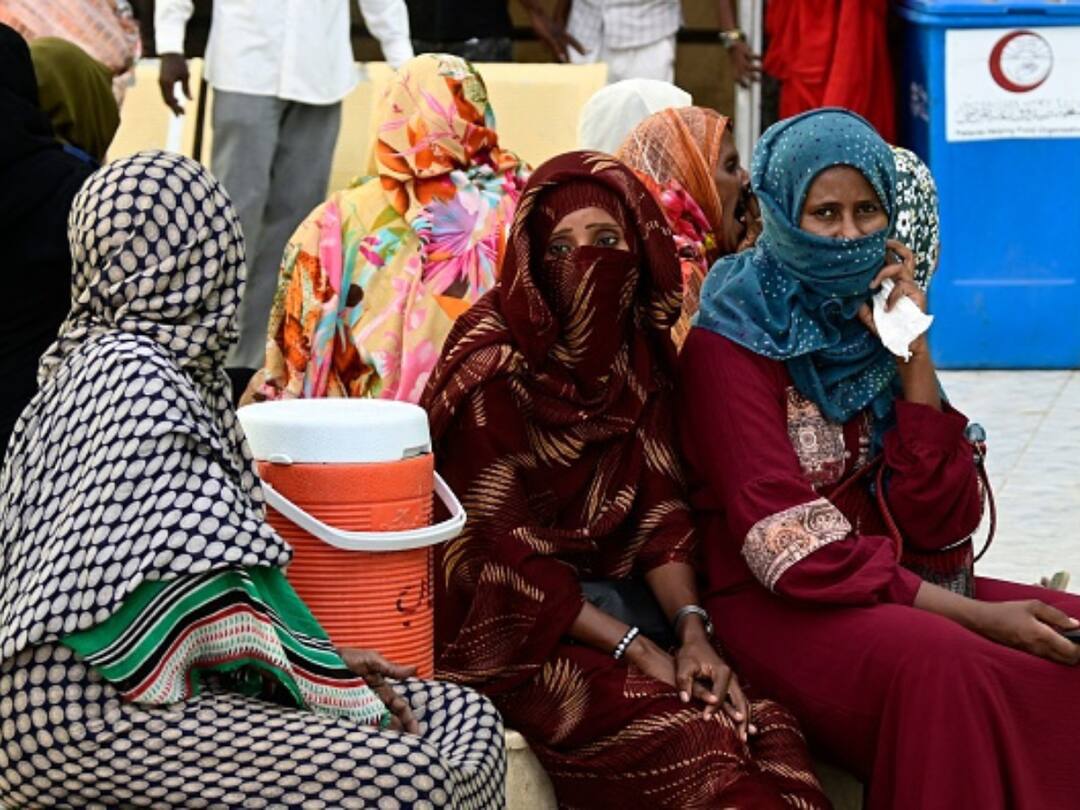
After four months of war with the Rapid Support Forces (RSF), more than a million Sudanese have fled Sudan and its neighbouring states as people inside the country are running out of food and dying due to lack of healthcare, warned the United Nations (UN) on Tuesday. The ongoing fight between the forces has left the capital Khartum devastated. Ethnically driven attacks have sparked in Darfur that threaten to plunge the war-hit nation into a protracted civil war and destabilise the region, reported news agency Reuters.

UN agencies in a joint statement said, “Time is running out for farmers to plant the crops that will feed them and their neighbours. Medical supplies are scarce. The situation is spiralling out of control.” Deputy Sovereign Council head Malik Agar while citing the hardships that the citizens have faced said, “At the end of the day, this war will end at a negotiating table.”

According to the latest weekly figures published by International Organization for Migration (IOM), the ongoing war has caused 1,017,449 people to cross from Sudan into neighbouring countries as many are already struggling with the impact of conflicts or economic crises. The number of people that have been displaced within Sudan is estimated to stand somewhere at 3,433,025.

The fighting that erupted on April 15 over tensions linked to a planned transition to civilian rule has left the people in the capital and beyond exposed to daily battles and attacks.

Millions of people who now remain in Khartoum and cities in the Darfur and Kordofan regions have faced rampant looting and long outages of power and communications. The people there have also faced severe water cuts. Spokesperson for the High Commissioner for Human Rights, Elizabeth Throssell, during a briefing in Geneva said, “The remains of many of those killed have not been collected, identified or buried.” She added that according to the UN, more than 4,000 have been killed.

Meanwhile, in a speech on Monday, army chief General Abdel Fattah al-Burhan accused the RSF of aiming “to take the country back to an era before the modern state” and “committing every crime that can be imagined.”

The RSF has accused the army of trying to seize full power under the direction of loyalists of Omar al-Bashir, the autocratic leader who was toppled during a popular uprising in 2019.

After four months of war with the Rapid Support Forces (RSF), more than a million Sudanese have fled Sudan and its neighbouring states as people inside the country are running out of food and dying due to lack of healthcare, warned the United Nations (UN) on Tuesday. The ongoing fight between the forces has left the capital Khartum devastated. Ethnically driven attacks have sparked in Darfur that threaten to plunge the war-hit nation into a protracted civil war and destabilise the region, reported news agency Reuters.

UN agencies in a joint statement said, “Time is running out for farmers to plant the crops that will feed them and their neighbours. Medical supplies are scarce. The situation is spiralling out of control.” Deputy Sovereign Council head Malik Agar while citing the hardships that the citizens have faced said, “At the end of the day, this war will end at a negotiating table.”

According to the latest weekly figures published by International Organization for Migration (IOM), the ongoing war has caused 1,017,449 people to cross from Sudan into neighbouring countries as many are already struggling with the impact of conflicts or economic crises. The number of people that have been displaced within Sudan is estimated to stand somewhere at 3,433,025.

The fighting that erupted on April 15 over tensions linked to a planned transition to civilian rule has left the people in the capital and beyond exposed to daily battles and attacks.

Millions of people who now remain in Khartoum and cities in the Darfur and Kordofan regions have faced rampant looting and long outages of power and communications. The people there have also faced severe water cuts. Spokesperson for the High Commissioner for Human Rights, Elizabeth Throssell, during a briefing in Geneva said, “The remains of many of those killed have not been collected, identified or buried.” She added that according to the UN, more than 4,000 have been killed.

Meanwhile, in a speech on Monday, army chief General Abdel Fattah al-Burhan accused the RSF of aiming “to take the country back to an era before the modern state” and “committing every crime that can be imagined.”

The RSF has accused the army of trying to seize full power under the direction of loyalists of Omar al-Bashir, the autocratic leader who was toppled during a popular uprising in 2019.

After four months of war with the Rapid Support Forces (RSF), more than a million Sudanese have fled Sudan and its neighbouring states as people inside the country are running out of food and dying due to lack of healthcare, warned the United Nations (UN) on Tuesday. The ongoing fight between the forces has left the capital Khartum devastated. Ethnically driven attacks have sparked in Darfur that threaten to plunge the war-hit nation into a protracted civil war and destabilise the region, reported news agency Reuters.

UN agencies in a joint statement said, “Time is running out for farmers to plant the crops that will feed them and their neighbours. Medical supplies are scarce. The situation is spiralling out of control.” Deputy Sovereign Council head Malik Agar while citing the hardships that the citizens have faced said, “At the end of the day, this war will end at a negotiating table.”

According to the latest weekly figures published by International Organization for Migration (IOM), the ongoing war has caused 1,017,449 people to cross from Sudan into neighbouring countries as many are already struggling with the impact of conflicts or economic crises. The number of people that have been displaced within Sudan is estimated to stand somewhere at 3,433,025.

The fighting that erupted on April 15 over tensions linked to a planned transition to civilian rule has left the people in the capital and beyond exposed to daily battles and attacks.

Millions of people who now remain in Khartoum and cities in the Darfur and Kordofan regions have faced rampant looting and long outages of power and communications. The people there have also faced severe water cuts. Spokesperson for the High Commissioner for Human Rights, Elizabeth Throssell, during a briefing in Geneva said, “The remains of many of those killed have not been collected, identified or buried.” She added that according to the UN, more than 4,000 have been killed.

Meanwhile, in a speech on Monday, army chief General Abdel Fattah al-Burhan accused the RSF of aiming “to take the country back to an era before the modern state” and “committing every crime that can be imagined.”

The RSF has accused the army of trying to seize full power under the direction of loyalists of Omar al-Bashir, the autocratic leader who was toppled during a popular uprising in 2019.

After four months of war with the Rapid Support Forces (RSF), more than a million Sudanese have fled Sudan and its neighbouring states as people inside the country are running out of food and dying due to lack of healthcare, warned the United Nations (UN) on Tuesday. The ongoing fight between the forces has left the capital Khartum devastated. Ethnically driven attacks have sparked in Darfur that threaten to plunge the war-hit nation into a protracted civil war and destabilise the region, reported news agency Reuters.

UN agencies in a joint statement said, “Time is running out for farmers to plant the crops that will feed them and their neighbours. Medical supplies are scarce. The situation is spiralling out of control.” Deputy Sovereign Council head Malik Agar while citing the hardships that the citizens have faced said, “At the end of the day, this war will end at a negotiating table.”

According to the latest weekly figures published by International Organization for Migration (IOM), the ongoing war has caused 1,017,449 people to cross from Sudan into neighbouring countries as many are already struggling with the impact of conflicts or economic crises. The number of people that have been displaced within Sudan is estimated to stand somewhere at 3,433,025.

The fighting that erupted on April 15 over tensions linked to a planned transition to civilian rule has left the people in the capital and beyond exposed to daily battles and attacks.

Millions of people who now remain in Khartoum and cities in the Darfur and Kordofan regions have faced rampant looting and long outages of power and communications. The people there have also faced severe water cuts. Spokesperson for the High Commissioner for Human Rights, Elizabeth Throssell, during a briefing in Geneva said, “The remains of many of those killed have not been collected, identified or buried.” She added that according to the UN, more than 4,000 have been killed.

Meanwhile, in a speech on Monday, army chief General Abdel Fattah al-Burhan accused the RSF of aiming “to take the country back to an era before the modern state” and “committing every crime that can be imagined.”

The RSF has accused the army of trying to seize full power under the direction of loyalists of Omar al-Bashir, the autocratic leader who was toppled during a popular uprising in 2019.

After four months of war with the Rapid Support Forces (RSF), more than a million Sudanese have fled Sudan and its neighbouring states as people inside the country are running out of food and dying due to lack of healthcare, warned the United Nations (UN) on Tuesday. The ongoing fight between the forces has left the capital Khartum devastated. Ethnically driven attacks have sparked in Darfur that threaten to plunge the war-hit nation into a protracted civil war and destabilise the region, reported news agency Reuters.

UN agencies in a joint statement said, “Time is running out for farmers to plant the crops that will feed them and their neighbours. Medical supplies are scarce. The situation is spiralling out of control.” Deputy Sovereign Council head Malik Agar while citing the hardships that the citizens have faced said, “At the end of the day, this war will end at a negotiating table.”

According to the latest weekly figures published by International Organization for Migration (IOM), the ongoing war has caused 1,017,449 people to cross from Sudan into neighbouring countries as many are already struggling with the impact of conflicts or economic crises. The number of people that have been displaced within Sudan is estimated to stand somewhere at 3,433,025.

The fighting that erupted on April 15 over tensions linked to a planned transition to civilian rule has left the people in the capital and beyond exposed to daily battles and attacks.

Millions of people who now remain in Khartoum and cities in the Darfur and Kordofan regions have faced rampant looting and long outages of power and communications. The people there have also faced severe water cuts. Spokesperson for the High Commissioner for Human Rights, Elizabeth Throssell, during a briefing in Geneva said, “The remains of many of those killed have not been collected, identified or buried.” She added that according to the UN, more than 4,000 have been killed.

Meanwhile, in a speech on Monday, army chief General Abdel Fattah al-Burhan accused the RSF of aiming “to take the country back to an era before the modern state” and “committing every crime that can be imagined.”

The RSF has accused the army of trying to seize full power under the direction of loyalists of Omar al-Bashir, the autocratic leader who was toppled during a popular uprising in 2019.

After four months of war with the Rapid Support Forces (RSF), more than a million Sudanese have fled Sudan and its neighbouring states as people inside the country are running out of food and dying due to lack of healthcare, warned the United Nations (UN) on Tuesday. The ongoing fight between the forces has left the capital Khartum devastated. Ethnically driven attacks have sparked in Darfur that threaten to plunge the war-hit nation into a protracted civil war and destabilise the region, reported news agency Reuters.

UN agencies in a joint statement said, “Time is running out for farmers to plant the crops that will feed them and their neighbours. Medical supplies are scarce. The situation is spiralling out of control.” Deputy Sovereign Council head Malik Agar while citing the hardships that the citizens have faced said, “At the end of the day, this war will end at a negotiating table.”

According to the latest weekly figures published by International Organization for Migration (IOM), the ongoing war has caused 1,017,449 people to cross from Sudan into neighbouring countries as many are already struggling with the impact of conflicts or economic crises. The number of people that have been displaced within Sudan is estimated to stand somewhere at 3,433,025.

The fighting that erupted on April 15 over tensions linked to a planned transition to civilian rule has left the people in the capital and beyond exposed to daily battles and attacks.

Millions of people who now remain in Khartoum and cities in the Darfur and Kordofan regions have faced rampant looting and long outages of power and communications. The people there have also faced severe water cuts. Spokesperson for the High Commissioner for Human Rights, Elizabeth Throssell, during a briefing in Geneva said, “The remains of many of those killed have not been collected, identified or buried.” She added that according to the UN, more than 4,000 have been killed.

Meanwhile, in a speech on Monday, army chief General Abdel Fattah al-Burhan accused the RSF of aiming “to take the country back to an era before the modern state” and “committing every crime that can be imagined.”

The RSF has accused the army of trying to seize full power under the direction of loyalists of Omar al-Bashir, the autocratic leader who was toppled during a popular uprising in 2019.

After four months of war with the Rapid Support Forces (RSF), more than a million Sudanese have fled Sudan and its neighbouring states as people inside the country are running out of food and dying due to lack of healthcare, warned the United Nations (UN) on Tuesday. The ongoing fight between the forces has left the capital Khartum devastated. Ethnically driven attacks have sparked in Darfur that threaten to plunge the war-hit nation into a protracted civil war and destabilise the region, reported news agency Reuters.

UN agencies in a joint statement said, “Time is running out for farmers to plant the crops that will feed them and their neighbours. Medical supplies are scarce. The situation is spiralling out of control.” Deputy Sovereign Council head Malik Agar while citing the hardships that the citizens have faced said, “At the end of the day, this war will end at a negotiating table.”

According to the latest weekly figures published by International Organization for Migration (IOM), the ongoing war has caused 1,017,449 people to cross from Sudan into neighbouring countries as many are already struggling with the impact of conflicts or economic crises. The number of people that have been displaced within Sudan is estimated to stand somewhere at 3,433,025.

The fighting that erupted on April 15 over tensions linked to a planned transition to civilian rule has left the people in the capital and beyond exposed to daily battles and attacks.

Millions of people who now remain in Khartoum and cities in the Darfur and Kordofan regions have faced rampant looting and long outages of power and communications. The people there have also faced severe water cuts. Spokesperson for the High Commissioner for Human Rights, Elizabeth Throssell, during a briefing in Geneva said, “The remains of many of those killed have not been collected, identified or buried.” She added that according to the UN, more than 4,000 have been killed.

Meanwhile, in a speech on Monday, army chief General Abdel Fattah al-Burhan accused the RSF of aiming “to take the country back to an era before the modern state” and “committing every crime that can be imagined.”

The RSF has accused the army of trying to seize full power under the direction of loyalists of Omar al-Bashir, the autocratic leader who was toppled during a popular uprising in 2019.

After four months of war with the Rapid Support Forces (RSF), more than a million Sudanese have fled Sudan and its neighbouring states as people inside the country are running out of food and dying due to lack of healthcare, warned the United Nations (UN) on Tuesday. The ongoing fight between the forces has left the capital Khartum devastated. Ethnically driven attacks have sparked in Darfur that threaten to plunge the war-hit nation into a protracted civil war and destabilise the region, reported news agency Reuters.

UN agencies in a joint statement said, “Time is running out for farmers to plant the crops that will feed them and their neighbours. Medical supplies are scarce. The situation is spiralling out of control.” Deputy Sovereign Council head Malik Agar while citing the hardships that the citizens have faced said, “At the end of the day, this war will end at a negotiating table.”

According to the latest weekly figures published by International Organization for Migration (IOM), the ongoing war has caused 1,017,449 people to cross from Sudan into neighbouring countries as many are already struggling with the impact of conflicts or economic crises. The number of people that have been displaced within Sudan is estimated to stand somewhere at 3,433,025.

The fighting that erupted on April 15 over tensions linked to a planned transition to civilian rule has left the people in the capital and beyond exposed to daily battles and attacks.

Millions of people who now remain in Khartoum and cities in the Darfur and Kordofan regions have faced rampant looting and long outages of power and communications. The people there have also faced severe water cuts. Spokesperson for the High Commissioner for Human Rights, Elizabeth Throssell, during a briefing in Geneva said, “The remains of many of those killed have not been collected, identified or buried.” She added that according to the UN, more than 4,000 have been killed.

Meanwhile, in a speech on Monday, army chief General Abdel Fattah al-Burhan accused the RSF of aiming “to take the country back to an era before the modern state” and “committing every crime that can be imagined.”

The RSF has accused the army of trying to seize full power under the direction of loyalists of Omar al-Bashir, the autocratic leader who was toppled during a popular uprising in 2019.

After four months of war with the Rapid Support Forces (RSF), more than a million Sudanese have fled Sudan and its neighbouring states as people inside the country are running out of food and dying due to lack of healthcare, warned the United Nations (UN) on Tuesday. The ongoing fight between the forces has left the capital Khartum devastated. Ethnically driven attacks have sparked in Darfur that threaten to plunge the war-hit nation into a protracted civil war and destabilise the region, reported news agency Reuters.

UN agencies in a joint statement said, “Time is running out for farmers to plant the crops that will feed them and their neighbours. Medical supplies are scarce. The situation is spiralling out of control.” Deputy Sovereign Council head Malik Agar while citing the hardships that the citizens have faced said, “At the end of the day, this war will end at a negotiating table.”

According to the latest weekly figures published by International Organization for Migration (IOM), the ongoing war has caused 1,017,449 people to cross from Sudan into neighbouring countries as many are already struggling with the impact of conflicts or economic crises. The number of people that have been displaced within Sudan is estimated to stand somewhere at 3,433,025.

The fighting that erupted on April 15 over tensions linked to a planned transition to civilian rule has left the people in the capital and beyond exposed to daily battles and attacks.

Millions of people who now remain in Khartoum and cities in the Darfur and Kordofan regions have faced rampant looting and long outages of power and communications. The people there have also faced severe water cuts. Spokesperson for the High Commissioner for Human Rights, Elizabeth Throssell, during a briefing in Geneva said, “The remains of many of those killed have not been collected, identified or buried.” She added that according to the UN, more than 4,000 have been killed.

Meanwhile, in a speech on Monday, army chief General Abdel Fattah al-Burhan accused the RSF of aiming “to take the country back to an era before the modern state” and “committing every crime that can be imagined.”

The RSF has accused the army of trying to seize full power under the direction of loyalists of Omar al-Bashir, the autocratic leader who was toppled during a popular uprising in 2019.

After four months of war with the Rapid Support Forces (RSF), more than a million Sudanese have fled Sudan and its neighbouring states as people inside the country are running out of food and dying due to lack of healthcare, warned the United Nations (UN) on Tuesday. The ongoing fight between the forces has left the capital Khartum devastated. Ethnically driven attacks have sparked in Darfur that threaten to plunge the war-hit nation into a protracted civil war and destabilise the region, reported news agency Reuters.

UN agencies in a joint statement said, “Time is running out for farmers to plant the crops that will feed them and their neighbours. Medical supplies are scarce. The situation is spiralling out of control.” Deputy Sovereign Council head Malik Agar while citing the hardships that the citizens have faced said, “At the end of the day, this war will end at a negotiating table.”

According to the latest weekly figures published by International Organization for Migration (IOM), the ongoing war has caused 1,017,449 people to cross from Sudan into neighbouring countries as many are already struggling with the impact of conflicts or economic crises. The number of people that have been displaced within Sudan is estimated to stand somewhere at 3,433,025.

The fighting that erupted on April 15 over tensions linked to a planned transition to civilian rule has left the people in the capital and beyond exposed to daily battles and attacks.

Millions of people who now remain in Khartoum and cities in the Darfur and Kordofan regions have faced rampant looting and long outages of power and communications. The people there have also faced severe water cuts. Spokesperson for the High Commissioner for Human Rights, Elizabeth Throssell, during a briefing in Geneva said, “The remains of many of those killed have not been collected, identified or buried.” She added that according to the UN, more than 4,000 have been killed.

Meanwhile, in a speech on Monday, army chief General Abdel Fattah al-Burhan accused the RSF of aiming “to take the country back to an era before the modern state” and “committing every crime that can be imagined.”

The RSF has accused the army of trying to seize full power under the direction of loyalists of Omar al-Bashir, the autocratic leader who was toppled during a popular uprising in 2019.

After four months of war with the Rapid Support Forces (RSF), more than a million Sudanese have fled Sudan and its neighbouring states as people inside the country are running out of food and dying due to lack of healthcare, warned the United Nations (UN) on Tuesday. The ongoing fight between the forces has left the capital Khartum devastated. Ethnically driven attacks have sparked in Darfur that threaten to plunge the war-hit nation into a protracted civil war and destabilise the region, reported news agency Reuters.

UN agencies in a joint statement said, “Time is running out for farmers to plant the crops that will feed them and their neighbours. Medical supplies are scarce. The situation is spiralling out of control.” Deputy Sovereign Council head Malik Agar while citing the hardships that the citizens have faced said, “At the end of the day, this war will end at a negotiating table.”

According to the latest weekly figures published by International Organization for Migration (IOM), the ongoing war has caused 1,017,449 people to cross from Sudan into neighbouring countries as many are already struggling with the impact of conflicts or economic crises. The number of people that have been displaced within Sudan is estimated to stand somewhere at 3,433,025.

The fighting that erupted on April 15 over tensions linked to a planned transition to civilian rule has left the people in the capital and beyond exposed to daily battles and attacks.

Millions of people who now remain in Khartoum and cities in the Darfur and Kordofan regions have faced rampant looting and long outages of power and communications. The people there have also faced severe water cuts. Spokesperson for the High Commissioner for Human Rights, Elizabeth Throssell, during a briefing in Geneva said, “The remains of many of those killed have not been collected, identified or buried.” She added that according to the UN, more than 4,000 have been killed.

Meanwhile, in a speech on Monday, army chief General Abdel Fattah al-Burhan accused the RSF of aiming “to take the country back to an era before the modern state” and “committing every crime that can be imagined.”

The RSF has accused the army of trying to seize full power under the direction of loyalists of Omar al-Bashir, the autocratic leader who was toppled during a popular uprising in 2019.

After four months of war with the Rapid Support Forces (RSF), more than a million Sudanese have fled Sudan and its neighbouring states as people inside the country are running out of food and dying due to lack of healthcare, warned the United Nations (UN) on Tuesday. The ongoing fight between the forces has left the capital Khartum devastated. Ethnically driven attacks have sparked in Darfur that threaten to plunge the war-hit nation into a protracted civil war and destabilise the region, reported news agency Reuters.

UN agencies in a joint statement said, “Time is running out for farmers to plant the crops that will feed them and their neighbours. Medical supplies are scarce. The situation is spiralling out of control.” Deputy Sovereign Council head Malik Agar while citing the hardships that the citizens have faced said, “At the end of the day, this war will end at a negotiating table.”

According to the latest weekly figures published by International Organization for Migration (IOM), the ongoing war has caused 1,017,449 people to cross from Sudan into neighbouring countries as many are already struggling with the impact of conflicts or economic crises. The number of people that have been displaced within Sudan is estimated to stand somewhere at 3,433,025.

The fighting that erupted on April 15 over tensions linked to a planned transition to civilian rule has left the people in the capital and beyond exposed to daily battles and attacks.

Millions of people who now remain in Khartoum and cities in the Darfur and Kordofan regions have faced rampant looting and long outages of power and communications. The people there have also faced severe water cuts. Spokesperson for the High Commissioner for Human Rights, Elizabeth Throssell, during a briefing in Geneva said, “The remains of many of those killed have not been collected, identified or buried.” She added that according to the UN, more than 4,000 have been killed.

Meanwhile, in a speech on Monday, army chief General Abdel Fattah al-Burhan accused the RSF of aiming “to take the country back to an era before the modern state” and “committing every crime that can be imagined.”

The RSF has accused the army of trying to seize full power under the direction of loyalists of Omar al-Bashir, the autocratic leader who was toppled during a popular uprising in 2019.

After four months of war with the Rapid Support Forces (RSF), more than a million Sudanese have fled Sudan and its neighbouring states as people inside the country are running out of food and dying due to lack of healthcare, warned the United Nations (UN) on Tuesday. The ongoing fight between the forces has left the capital Khartum devastated. Ethnically driven attacks have sparked in Darfur that threaten to plunge the war-hit nation into a protracted civil war and destabilise the region, reported news agency Reuters.

UN agencies in a joint statement said, “Time is running out for farmers to plant the crops that will feed them and their neighbours. Medical supplies are scarce. The situation is spiralling out of control.” Deputy Sovereign Council head Malik Agar while citing the hardships that the citizens have faced said, “At the end of the day, this war will end at a negotiating table.”

According to the latest weekly figures published by International Organization for Migration (IOM), the ongoing war has caused 1,017,449 people to cross from Sudan into neighbouring countries as many are already struggling with the impact of conflicts or economic crises. The number of people that have been displaced within Sudan is estimated to stand somewhere at 3,433,025.

The fighting that erupted on April 15 over tensions linked to a planned transition to civilian rule has left the people in the capital and beyond exposed to daily battles and attacks.

Millions of people who now remain in Khartoum and cities in the Darfur and Kordofan regions have faced rampant looting and long outages of power and communications. The people there have also faced severe water cuts. Spokesperson for the High Commissioner for Human Rights, Elizabeth Throssell, during a briefing in Geneva said, “The remains of many of those killed have not been collected, identified or buried.” She added that according to the UN, more than 4,000 have been killed.

Meanwhile, in a speech on Monday, army chief General Abdel Fattah al-Burhan accused the RSF of aiming “to take the country back to an era before the modern state” and “committing every crime that can be imagined.”

The RSF has accused the army of trying to seize full power under the direction of loyalists of Omar al-Bashir, the autocratic leader who was toppled during a popular uprising in 2019.

After four months of war with the Rapid Support Forces (RSF), more than a million Sudanese have fled Sudan and its neighbouring states as people inside the country are running out of food and dying due to lack of healthcare, warned the United Nations (UN) on Tuesday. The ongoing fight between the forces has left the capital Khartum devastated. Ethnically driven attacks have sparked in Darfur that threaten to plunge the war-hit nation into a protracted civil war and destabilise the region, reported news agency Reuters.

UN agencies in a joint statement said, “Time is running out for farmers to plant the crops that will feed them and their neighbours. Medical supplies are scarce. The situation is spiralling out of control.” Deputy Sovereign Council head Malik Agar while citing the hardships that the citizens have faced said, “At the end of the day, this war will end at a negotiating table.”

According to the latest weekly figures published by International Organization for Migration (IOM), the ongoing war has caused 1,017,449 people to cross from Sudan into neighbouring countries as many are already struggling with the impact of conflicts or economic crises. The number of people that have been displaced within Sudan is estimated to stand somewhere at 3,433,025.

The fighting that erupted on April 15 over tensions linked to a planned transition to civilian rule has left the people in the capital and beyond exposed to daily battles and attacks.

Millions of people who now remain in Khartoum and cities in the Darfur and Kordofan regions have faced rampant looting and long outages of power and communications. The people there have also faced severe water cuts. Spokesperson for the High Commissioner for Human Rights, Elizabeth Throssell, during a briefing in Geneva said, “The remains of many of those killed have not been collected, identified or buried.” She added that according to the UN, more than 4,000 have been killed.

Meanwhile, in a speech on Monday, army chief General Abdel Fattah al-Burhan accused the RSF of aiming “to take the country back to an era before the modern state” and “committing every crime that can be imagined.”

The RSF has accused the army of trying to seize full power under the direction of loyalists of Omar al-Bashir, the autocratic leader who was toppled during a popular uprising in 2019.

After four months of war with the Rapid Support Forces (RSF), more than a million Sudanese have fled Sudan and its neighbouring states as people inside the country are running out of food and dying due to lack of healthcare, warned the United Nations (UN) on Tuesday. The ongoing fight between the forces has left the capital Khartum devastated. Ethnically driven attacks have sparked in Darfur that threaten to plunge the war-hit nation into a protracted civil war and destabilise the region, reported news agency Reuters.

UN agencies in a joint statement said, “Time is running out for farmers to plant the crops that will feed them and their neighbours. Medical supplies are scarce. The situation is spiralling out of control.” Deputy Sovereign Council head Malik Agar while citing the hardships that the citizens have faced said, “At the end of the day, this war will end at a negotiating table.”

According to the latest weekly figures published by International Organization for Migration (IOM), the ongoing war has caused 1,017,449 people to cross from Sudan into neighbouring countries as many are already struggling with the impact of conflicts or economic crises. The number of people that have been displaced within Sudan is estimated to stand somewhere at 3,433,025.

The fighting that erupted on April 15 over tensions linked to a planned transition to civilian rule has left the people in the capital and beyond exposed to daily battles and attacks.

Millions of people who now remain in Khartoum and cities in the Darfur and Kordofan regions have faced rampant looting and long outages of power and communications. The people there have also faced severe water cuts. Spokesperson for the High Commissioner for Human Rights, Elizabeth Throssell, during a briefing in Geneva said, “The remains of many of those killed have not been collected, identified or buried.” She added that according to the UN, more than 4,000 have been killed.

Meanwhile, in a speech on Monday, army chief General Abdel Fattah al-Burhan accused the RSF of aiming “to take the country back to an era before the modern state” and “committing every crime that can be imagined.”

The RSF has accused the army of trying to seize full power under the direction of loyalists of Omar al-Bashir, the autocratic leader who was toppled during a popular uprising in 2019.

After four months of war with the Rapid Support Forces (RSF), more than a million Sudanese have fled Sudan and its neighbouring states as people inside the country are running out of food and dying due to lack of healthcare, warned the United Nations (UN) on Tuesday. The ongoing fight between the forces has left the capital Khartum devastated. Ethnically driven attacks have sparked in Darfur that threaten to plunge the war-hit nation into a protracted civil war and destabilise the region, reported news agency Reuters.

UN agencies in a joint statement said, “Time is running out for farmers to plant the crops that will feed them and their neighbours. Medical supplies are scarce. The situation is spiralling out of control.” Deputy Sovereign Council head Malik Agar while citing the hardships that the citizens have faced said, “At the end of the day, this war will end at a negotiating table.”

According to the latest weekly figures published by International Organization for Migration (IOM), the ongoing war has caused 1,017,449 people to cross from Sudan into neighbouring countries as many are already struggling with the impact of conflicts or economic crises. The number of people that have been displaced within Sudan is estimated to stand somewhere at 3,433,025.

The fighting that erupted on April 15 over tensions linked to a planned transition to civilian rule has left the people in the capital and beyond exposed to daily battles and attacks.

Millions of people who now remain in Khartoum and cities in the Darfur and Kordofan regions have faced rampant looting and long outages of power and communications. The people there have also faced severe water cuts. Spokesperson for the High Commissioner for Human Rights, Elizabeth Throssell, during a briefing in Geneva said, “The remains of many of those killed have not been collected, identified or buried.” She added that according to the UN, more than 4,000 have been killed.

Meanwhile, in a speech on Monday, army chief General Abdel Fattah al-Burhan accused the RSF of aiming “to take the country back to an era before the modern state” and “committing every crime that can be imagined.”

The RSF has accused the army of trying to seize full power under the direction of loyalists of Omar al-Bashir, the autocratic leader who was toppled during a popular uprising in 2019.

Tags: RSFSudan CrisisSudan NewsSudan warSudanese army
Previous Post

Water Scarcity, Sea Level Rise, Intensified Floods, Droughts, Heat – Climate Threats For India

Next Post

‘Not Here As PM, But As A Hindu’: British PM Sunak Attends Ram Katha At Cambridge University

Leave a Reply Cancel reply

Your email address will not be published. Required fields are marked *

BROWSE BY CATEGORIES

  • Business
  • Culture
  • Entertainment
  • Health
  • Politics
  • Technology
  • Trending
  • Uncategorized
  • World
Binghamton Herald

© 2024 Binghamton Herald or its affiliated companies.

Navigate Site

  • About
  • Advertise
  • Terms & Conditions
  • Privacy Policy
  • Disclaimer
  • Contact

Follow Us

No Result
View All Result
  • Home
  • World
  • Politics
  • Business
  • Technology
  • Culture
  • Health
  • Entertainment
  • Trending

© 2024 Binghamton Herald or its affiliated companies.

Welcome Back!

Login to your account below

Forgotten Password?

Retrieve your password

Please enter your username or email address to reset your password.

Log In