



As news of the missing submersible on an expedition to explore the wrecks of the Titanic became a global media obsession this week, there has been much curiosity around the vessel, named Titan, that undertook the journey.
The Titan is a submersible, or an underwater vehicle, and is different from a submarine that several media reports have been interchangeably using. It is operated by the privately owned US company OceanGate that organises underwater expeditions for both research and tourism purposes.
The voyage, which costs $250,000 per head, lasts 10 hours during which passengers have only about 20 minutes to view the Titanic wreckage.
Here is a look at all the details about the Titan, its features, how it operated and how it feels like to be inside the 22-foot long craft.
READ | Pakistan-Origin Tycoon To UK Businessman — The 5 Persons Aboard Missing Titanic Submarine
What Is The Titan Submersible?
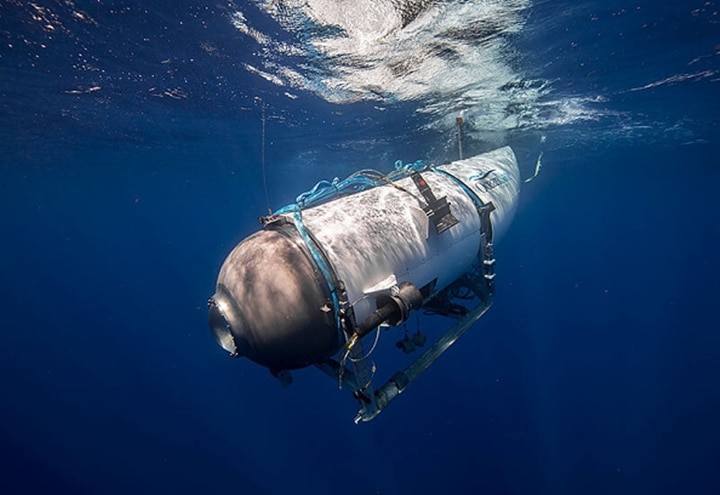
The Titan is a research and survey submersible that can carry five people and is made of “titanium and filament wound carbon fibre”, as per the company website.
The craft is 22 feet long and weighs 10,432 kg — similar to about six average-size cars. The Titan is capable of going down 4,000 meters, or 13,123 feet deep. The Titanic wreckage lies about 12,500 feet down.
The craft, which is piloted with a video game controller, uses four electric thrusters to move around, and has a battery of cameras, lights and scanners to aid in deep sea exploration. A dive by the submersible to the Titanic wreckage usually lasts about 10 to 11 hours.
While not much is known on the Titan’s communication system, these craft rely on sound waves (sonar) to communicate simple messages like location from the depths. This is so since radio waves don’t transmit through deep waters.
Is It Similar To A Submarine?
There is a big difference between a submersible and a submarine and both can’t be used interchangeably.
A submersible is not fully autonomous and doesn’t have enough power to launch itself into the ocean and return on its own. It depends upon a support ship to launch it and recover it. Submersibles function like hot air balloons, utilising weights to descend.
For example, the Titan submersible was dropped to a certain point in the North Atlantic ocean by the Polar Prince, a former Canadian Coast Guard icebreaker. But, the Titan lost contact with the support ship 1 hour 45 minutes into its dive.
However, a submarine has enough power to leave the port and return on its own. Submarines can be powered by diesel engines, or even nuclear reactors, and do not need a support ship to launch.
How It Feels Like To Be Inside The Titan?
Not great to be honest. Imagine, five people being cramped inside a minivan, without seats and no space to stand.
A metal sheet serves as the floor and the craft does not have sufficient space for standing or kneeling. Passengers have to sit very close to each other with their backs against a curved wall, sometimes even on top of each other. The vessel is equipped with basic amenities such as sandwiches, water, and a rudimentary toilet.
Being a small craft, the lights are switched off during descent and ascent to preserve energy. The descent and ascent takes approximately 2.5 hours. During this period, a fluorescent glow stick is used.
Who Owns And Operates The Titan Submersible? What Safety Precautions Are Taken?
A Washington-based private company named OceanGate Expeditions operated The Titan. The company, known for deep-sea tourism explorations, made its first trips to the site of the Titanic wreckage in 2021 and 2022.
In a May 2021 filing before a US court, the company said the Titan had undergone more than 50 test dives, including to the equivalent depth of the Titanic, off the Bahamas and in a pressure chamber, BBC reported.
The company has claimed that 46 people have successfully undertaken journeys in the submersible to the Titanic wreck site in 2021 and 2022.
Apart from the Titan, OceanGate has two other submersibles in its fleet — Antipodes, Cyclops 1. Antipodes and Cyclops 1 can travel just 1,000 and 1,640 feet below the surface respectively.
In the safety department, the company has claimed that the craft has mechanisms that facilitate its ascent to the surface in case of an emergency. The submersible had seven backup systems to facilitate resurfacing, including the deployment of sandbags, the shedding of lead pipes, and an inflatable balloon.
https://www.youtube.com/watch?v=UCwg2h7i4Ac
Has The Submersible Experienced Problems Before?
The company has faced criticism from experts about Titan’s safety. In 2022, the submersible encountered a battery issue on its initial dive and required a manual attachment to its lifting platform.
Moreover, way back in 2018, a former employee of OceanGate, David Lochridge, warned of potential safety problems with the vessel. Lochridge had filed a whistle-blower complaint on safety issues, following which he was fired.
According to court filings, he claimed the glass viewport of the submersible was only built to a certified pressure of 1,300 meters, although OceanGate intended to take passengers down to depths of 4,000 meters, a report in BBC said.
Moreover, the Titan was never certified or classed by marine organisations.
In 2022, a reporter aboard the Titan said people had to sign an undertaking before boarding stating it was “an experimental submersible vessel that has not been approved or certified by any regulatory body which could result in physical injury, emotional trauma or death”.

As news of the missing submersible on an expedition to explore the wrecks of the Titanic became a global media obsession this week, there has been much curiosity around the vessel, named Titan, that undertook the journey.
The Titan is a submersible, or an underwater vehicle, and is different from a submarine that several media reports have been interchangeably using. It is operated by the privately owned US company OceanGate that organises underwater expeditions for both research and tourism purposes.
The voyage, which costs $250,000 per head, lasts 10 hours during which passengers have only about 20 minutes to view the Titanic wreckage.
Here is a look at all the details about the Titan, its features, how it operated and how it feels like to be inside the 22-foot long craft.
READ | Pakistan-Origin Tycoon To UK Businessman — The 5 Persons Aboard Missing Titanic Submarine
What Is The Titan Submersible?
The Titan is a research and survey submersible that can carry five people and is made of “titanium and filament wound carbon fibre”, as per the company website.
The craft is 22 feet long and weighs 10,432 kg — similar to about six average-size cars. The Titan is capable of going down 4,000 meters, or 13,123 feet deep. The Titanic wreckage lies about 12,500 feet down.
The craft, which is piloted with a video game controller, uses four electric thrusters to move around, and has a battery of cameras, lights and scanners to aid in deep sea exploration. A dive by the submersible to the Titanic wreckage usually lasts about 10 to 11 hours.
While not much is known on the Titan’s communication system, these craft rely on sound waves (sonar) to communicate simple messages like location from the depths. This is so since radio waves don’t transmit through deep waters.
Is It Similar To A Submarine?
There is a big difference between a submersible and a submarine and both can’t be used interchangeably.
A submersible is not fully autonomous and doesn’t have enough power to launch itself into the ocean and return on its own. It depends upon a support ship to launch it and recover it. Submersibles function like hot air balloons, utilising weights to descend.
For example, the Titan submersible was dropped to a certain point in the North Atlantic ocean by the Polar Prince, a former Canadian Coast Guard icebreaker. But, the Titan lost contact with the support ship 1 hour 45 minutes into its dive.
However, a submarine has enough power to leave the port and return on its own. Submarines can be powered by diesel engines, or even nuclear reactors, and do not need a support ship to launch.
How It Feels Like To Be Inside The Titan?
Not great to be honest. Imagine, five people being cramped inside a minivan, without seats and no space to stand.
A metal sheet serves as the floor and the craft does not have sufficient space for standing or kneeling. Passengers have to sit very close to each other with their backs against a curved wall, sometimes even on top of each other. The vessel is equipped with basic amenities such as sandwiches, water, and a rudimentary toilet.
Being a small craft, the lights are switched off during descent and ascent to preserve energy. The descent and ascent takes approximately 2.5 hours. During this period, a fluorescent glow stick is used.
Who Owns And Operates The Titan Submersible? What Safety Precautions Are Taken?
A Washington-based private company named OceanGate Expeditions operated The Titan. The company, known for deep-sea tourism explorations, made its first trips to the site of the Titanic wreckage in 2021 and 2022.
In a May 2021 filing before a US court, the company said the Titan had undergone more than 50 test dives, including to the equivalent depth of the Titanic, off the Bahamas and in a pressure chamber, BBC reported.
The company has claimed that 46 people have successfully undertaken journeys in the submersible to the Titanic wreck site in 2021 and 2022.
Apart from the Titan, OceanGate has two other submersibles in its fleet — Antipodes, Cyclops 1. Antipodes and Cyclops 1 can travel just 1,000 and 1,640 feet below the surface respectively.
In the safety department, the company has claimed that the craft has mechanisms that facilitate its ascent to the surface in case of an emergency. The submersible had seven backup systems to facilitate resurfacing, including the deployment of sandbags, the shedding of lead pipes, and an inflatable balloon.
https://www.youtube.com/watch?v=UCwg2h7i4Ac
Has The Submersible Experienced Problems Before?
The company has faced criticism from experts about Titan’s safety. In 2022, the submersible encountered a battery issue on its initial dive and required a manual attachment to its lifting platform.
Moreover, way back in 2018, a former employee of OceanGate, David Lochridge, warned of potential safety problems with the vessel. Lochridge had filed a whistle-blower complaint on safety issues, following which he was fired.
According to court filings, he claimed the glass viewport of the submersible was only built to a certified pressure of 1,300 meters, although OceanGate intended to take passengers down to depths of 4,000 meters, a report in BBC said.
Moreover, the Titan was never certified or classed by marine organisations.
In 2022, a reporter aboard the Titan said people had to sign an undertaking before boarding stating it was “an experimental submersible vessel that has not been approved or certified by any regulatory body which could result in physical injury, emotional trauma or death”.

As news of the missing submersible on an expedition to explore the wrecks of the Titanic became a global media obsession this week, there has been much curiosity around the vessel, named Titan, that undertook the journey.
The Titan is a submersible, or an underwater vehicle, and is different from a submarine that several media reports have been interchangeably using. It is operated by the privately owned US company OceanGate that organises underwater expeditions for both research and tourism purposes.
The voyage, which costs $250,000 per head, lasts 10 hours during which passengers have only about 20 minutes to view the Titanic wreckage.
Here is a look at all the details about the Titan, its features, how it operated and how it feels like to be inside the 22-foot long craft.
READ | Pakistan-Origin Tycoon To UK Businessman — The 5 Persons Aboard Missing Titanic Submarine
What Is The Titan Submersible?
The Titan is a research and survey submersible that can carry five people and is made of “titanium and filament wound carbon fibre”, as per the company website.
The craft is 22 feet long and weighs 10,432 kg — similar to about six average-size cars. The Titan is capable of going down 4,000 meters, or 13,123 feet deep. The Titanic wreckage lies about 12,500 feet down.
The craft, which is piloted with a video game controller, uses four electric thrusters to move around, and has a battery of cameras, lights and scanners to aid in deep sea exploration. A dive by the submersible to the Titanic wreckage usually lasts about 10 to 11 hours.
While not much is known on the Titan’s communication system, these craft rely on sound waves (sonar) to communicate simple messages like location from the depths. This is so since radio waves don’t transmit through deep waters.
Is It Similar To A Submarine?
There is a big difference between a submersible and a submarine and both can’t be used interchangeably.
A submersible is not fully autonomous and doesn’t have enough power to launch itself into the ocean and return on its own. It depends upon a support ship to launch it and recover it. Submersibles function like hot air balloons, utilising weights to descend.
For example, the Titan submersible was dropped to a certain point in the North Atlantic ocean by the Polar Prince, a former Canadian Coast Guard icebreaker. But, the Titan lost contact with the support ship 1 hour 45 minutes into its dive.
However, a submarine has enough power to leave the port and return on its own. Submarines can be powered by diesel engines, or even nuclear reactors, and do not need a support ship to launch.
How It Feels Like To Be Inside The Titan?
Not great to be honest. Imagine, five people being cramped inside a minivan, without seats and no space to stand.
A metal sheet serves as the floor and the craft does not have sufficient space for standing or kneeling. Passengers have to sit very close to each other with their backs against a curved wall, sometimes even on top of each other. The vessel is equipped with basic amenities such as sandwiches, water, and a rudimentary toilet.
Being a small craft, the lights are switched off during descent and ascent to preserve energy. The descent and ascent takes approximately 2.5 hours. During this period, a fluorescent glow stick is used.
Who Owns And Operates The Titan Submersible? What Safety Precautions Are Taken?
A Washington-based private company named OceanGate Expeditions operated The Titan. The company, known for deep-sea tourism explorations, made its first trips to the site of the Titanic wreckage in 2021 and 2022.
In a May 2021 filing before a US court, the company said the Titan had undergone more than 50 test dives, including to the equivalent depth of the Titanic, off the Bahamas and in a pressure chamber, BBC reported.
The company has claimed that 46 people have successfully undertaken journeys in the submersible to the Titanic wreck site in 2021 and 2022.
Apart from the Titan, OceanGate has two other submersibles in its fleet — Antipodes, Cyclops 1. Antipodes and Cyclops 1 can travel just 1,000 and 1,640 feet below the surface respectively.
In the safety department, the company has claimed that the craft has mechanisms that facilitate its ascent to the surface in case of an emergency. The submersible had seven backup systems to facilitate resurfacing, including the deployment of sandbags, the shedding of lead pipes, and an inflatable balloon.
https://www.youtube.com/watch?v=UCwg2h7i4Ac
Has The Submersible Experienced Problems Before?
The company has faced criticism from experts about Titan’s safety. In 2022, the submersible encountered a battery issue on its initial dive and required a manual attachment to its lifting platform.
Moreover, way back in 2018, a former employee of OceanGate, David Lochridge, warned of potential safety problems with the vessel. Lochridge had filed a whistle-blower complaint on safety issues, following which he was fired.
According to court filings, he claimed the glass viewport of the submersible was only built to a certified pressure of 1,300 meters, although OceanGate intended to take passengers down to depths of 4,000 meters, a report in BBC said.
Moreover, the Titan was never certified or classed by marine organisations.
In 2022, a reporter aboard the Titan said people had to sign an undertaking before boarding stating it was “an experimental submersible vessel that has not been approved or certified by any regulatory body which could result in physical injury, emotional trauma or death”.
As news of the missing submersible on an expedition to explore the wrecks of the Titanic became a global media obsession this week, there has been much curiosity around the vessel, named Titan, that undertook the journey.
The Titan is a submersible, or an underwater vehicle, and is different from a submarine that several media reports have been interchangeably using. It is operated by the privately owned US company OceanGate that organises underwater expeditions for both research and tourism purposes.
The voyage, which costs $250,000 per head, lasts 10 hours during which passengers have only about 20 minutes to view the Titanic wreckage.
Here is a look at all the details about the Titan, its features, how it operated and how it feels like to be inside the 22-foot long craft.
READ | Pakistan-Origin Tycoon To UK Businessman — The 5 Persons Aboard Missing Titanic Submarine
What Is The Titan Submersible?
The Titan is a research and survey submersible that can carry five people and is made of “titanium and filament wound carbon fibre”, as per the company website.
The craft is 22 feet long and weighs 10,432 kg — similar to about six average-size cars. The Titan is capable of going down 4,000 meters, or 13,123 feet deep. The Titanic wreckage lies about 12,500 feet down.
The craft, which is piloted with a video game controller, uses four electric thrusters to move around, and has a battery of cameras, lights and scanners to aid in deep sea exploration. A dive by the submersible to the Titanic wreckage usually lasts about 10 to 11 hours.
While not much is known on the Titan’s communication system, these craft rely on sound waves (sonar) to communicate simple messages like location from the depths. This is so since radio waves don’t transmit through deep waters.
Is It Similar To A Submarine?
There is a big difference between a submersible and a submarine and both can’t be used interchangeably.
A submersible is not fully autonomous and doesn’t have enough power to launch itself into the ocean and return on its own. It depends upon a support ship to launch it and recover it. Submersibles function like hot air balloons, utilising weights to descend.
For example, the Titan submersible was dropped to a certain point in the North Atlantic ocean by the Polar Prince, a former Canadian Coast Guard icebreaker. But, the Titan lost contact with the support ship 1 hour 45 minutes into its dive.
However, a submarine has enough power to leave the port and return on its own. Submarines can be powered by diesel engines, or even nuclear reactors, and do not need a support ship to launch.
How It Feels Like To Be Inside The Titan?
Not great to be honest. Imagine, five people being cramped inside a minivan, without seats and no space to stand.
A metal sheet serves as the floor and the craft does not have sufficient space for standing or kneeling. Passengers have to sit very close to each other with their backs against a curved wall, sometimes even on top of each other. The vessel is equipped with basic amenities such as sandwiches, water, and a rudimentary toilet.
Being a small craft, the lights are switched off during descent and ascent to preserve energy. The descent and ascent takes approximately 2.5 hours. During this period, a fluorescent glow stick is used.
Who Owns And Operates The Titan Submersible? What Safety Precautions Are Taken?
A Washington-based private company named OceanGate Expeditions operated The Titan. The company, known for deep-sea tourism explorations, made its first trips to the site of the Titanic wreckage in 2021 and 2022.
In a May 2021 filing before a US court, the company said the Titan had undergone more than 50 test dives, including to the equivalent depth of the Titanic, off the Bahamas and in a pressure chamber, BBC reported.
The company has claimed that 46 people have successfully undertaken journeys in the submersible to the Titanic wreck site in 2021 and 2022.
Apart from the Titan, OceanGate has two other submersibles in its fleet — Antipodes, Cyclops 1. Antipodes and Cyclops 1 can travel just 1,000 and 1,640 feet below the surface respectively.
In the safety department, the company has claimed that the craft has mechanisms that facilitate its ascent to the surface in case of an emergency. The submersible had seven backup systems to facilitate resurfacing, including the deployment of sandbags, the shedding of lead pipes, and an inflatable balloon.
https://www.youtube.com/watch?v=UCwg2h7i4Ac
Has The Submersible Experienced Problems Before?
The company has faced criticism from experts about Titan’s safety. In 2022, the submersible encountered a battery issue on its initial dive and required a manual attachment to its lifting platform.
Moreover, way back in 2018, a former employee of OceanGate, David Lochridge, warned of potential safety problems with the vessel. Lochridge had filed a whistle-blower complaint on safety issues, following which he was fired.
According to court filings, he claimed the glass viewport of the submersible was only built to a certified pressure of 1,300 meters, although OceanGate intended to take passengers down to depths of 4,000 meters, a report in BBC said.
Moreover, the Titan was never certified or classed by marine organisations.
In 2022, a reporter aboard the Titan said people had to sign an undertaking before boarding stating it was “an experimental submersible vessel that has not been approved or certified by any regulatory body which could result in physical injury, emotional trauma or death”.

As news of the missing submersible on an expedition to explore the wrecks of the Titanic became a global media obsession this week, there has been much curiosity around the vessel, named Titan, that undertook the journey.
The Titan is a submersible, or an underwater vehicle, and is different from a submarine that several media reports have been interchangeably using. It is operated by the privately owned US company OceanGate that organises underwater expeditions for both research and tourism purposes.
The voyage, which costs $250,000 per head, lasts 10 hours during which passengers have only about 20 minutes to view the Titanic wreckage.
Here is a look at all the details about the Titan, its features, how it operated and how it feels like to be inside the 22-foot long craft.
READ | Pakistan-Origin Tycoon To UK Businessman — The 5 Persons Aboard Missing Titanic Submarine
What Is The Titan Submersible?
The Titan is a research and survey submersible that can carry five people and is made of “titanium and filament wound carbon fibre”, as per the company website.
The craft is 22 feet long and weighs 10,432 kg — similar to about six average-size cars. The Titan is capable of going down 4,000 meters, or 13,123 feet deep. The Titanic wreckage lies about 12,500 feet down.
The craft, which is piloted with a video game controller, uses four electric thrusters to move around, and has a battery of cameras, lights and scanners to aid in deep sea exploration. A dive by the submersible to the Titanic wreckage usually lasts about 10 to 11 hours.
While not much is known on the Titan’s communication system, these craft rely on sound waves (sonar) to communicate simple messages like location from the depths. This is so since radio waves don’t transmit through deep waters.
Is It Similar To A Submarine?
There is a big difference between a submersible and a submarine and both can’t be used interchangeably.
A submersible is not fully autonomous and doesn’t have enough power to launch itself into the ocean and return on its own. It depends upon a support ship to launch it and recover it. Submersibles function like hot air balloons, utilising weights to descend.
For example, the Titan submersible was dropped to a certain point in the North Atlantic ocean by the Polar Prince, a former Canadian Coast Guard icebreaker. But, the Titan lost contact with the support ship 1 hour 45 minutes into its dive.
However, a submarine has enough power to leave the port and return on its own. Submarines can be powered by diesel engines, or even nuclear reactors, and do not need a support ship to launch.
How It Feels Like To Be Inside The Titan?
Not great to be honest. Imagine, five people being cramped inside a minivan, without seats and no space to stand.
A metal sheet serves as the floor and the craft does not have sufficient space for standing or kneeling. Passengers have to sit very close to each other with their backs against a curved wall, sometimes even on top of each other. The vessel is equipped with basic amenities such as sandwiches, water, and a rudimentary toilet.
Being a small craft, the lights are switched off during descent and ascent to preserve energy. The descent and ascent takes approximately 2.5 hours. During this period, a fluorescent glow stick is used.
Who Owns And Operates The Titan Submersible? What Safety Precautions Are Taken?
A Washington-based private company named OceanGate Expeditions operated The Titan. The company, known for deep-sea tourism explorations, made its first trips to the site of the Titanic wreckage in 2021 and 2022.
In a May 2021 filing before a US court, the company said the Titan had undergone more than 50 test dives, including to the equivalent depth of the Titanic, off the Bahamas and in a pressure chamber, BBC reported.
The company has claimed that 46 people have successfully undertaken journeys in the submersible to the Titanic wreck site in 2021 and 2022.
Apart from the Titan, OceanGate has two other submersibles in its fleet — Antipodes, Cyclops 1. Antipodes and Cyclops 1 can travel just 1,000 and 1,640 feet below the surface respectively.
In the safety department, the company has claimed that the craft has mechanisms that facilitate its ascent to the surface in case of an emergency. The submersible had seven backup systems to facilitate resurfacing, including the deployment of sandbags, the shedding of lead pipes, and an inflatable balloon.
https://www.youtube.com/watch?v=UCwg2h7i4Ac
Has The Submersible Experienced Problems Before?
The company has faced criticism from experts about Titan’s safety. In 2022, the submersible encountered a battery issue on its initial dive and required a manual attachment to its lifting platform.
Moreover, way back in 2018, a former employee of OceanGate, David Lochridge, warned of potential safety problems with the vessel. Lochridge had filed a whistle-blower complaint on safety issues, following which he was fired.
According to court filings, he claimed the glass viewport of the submersible was only built to a certified pressure of 1,300 meters, although OceanGate intended to take passengers down to depths of 4,000 meters, a report in BBC said.
Moreover, the Titan was never certified or classed by marine organisations.
In 2022, a reporter aboard the Titan said people had to sign an undertaking before boarding stating it was “an experimental submersible vessel that has not been approved or certified by any regulatory body which could result in physical injury, emotional trauma or death”.
As news of the missing submersible on an expedition to explore the wrecks of the Titanic became a global media obsession this week, there has been much curiosity around the vessel, named Titan, that undertook the journey.
The Titan is a submersible, or an underwater vehicle, and is different from a submarine that several media reports have been interchangeably using. It is operated by the privately owned US company OceanGate that organises underwater expeditions for both research and tourism purposes.
The voyage, which costs $250,000 per head, lasts 10 hours during which passengers have only about 20 minutes to view the Titanic wreckage.
Here is a look at all the details about the Titan, its features, how it operated and how it feels like to be inside the 22-foot long craft.
READ | Pakistan-Origin Tycoon To UK Businessman — The 5 Persons Aboard Missing Titanic Submarine
What Is The Titan Submersible?
The Titan is a research and survey submersible that can carry five people and is made of “titanium and filament wound carbon fibre”, as per the company website.
The craft is 22 feet long and weighs 10,432 kg — similar to about six average-size cars. The Titan is capable of going down 4,000 meters, or 13,123 feet deep. The Titanic wreckage lies about 12,500 feet down.
The craft, which is piloted with a video game controller, uses four electric thrusters to move around, and has a battery of cameras, lights and scanners to aid in deep sea exploration. A dive by the submersible to the Titanic wreckage usually lasts about 10 to 11 hours.
While not much is known on the Titan’s communication system, these craft rely on sound waves (sonar) to communicate simple messages like location from the depths. This is so since radio waves don’t transmit through deep waters.
Is It Similar To A Submarine?
There is a big difference between a submersible and a submarine and both can’t be used interchangeably.
A submersible is not fully autonomous and doesn’t have enough power to launch itself into the ocean and return on its own. It depends upon a support ship to launch it and recover it. Submersibles function like hot air balloons, utilising weights to descend.
For example, the Titan submersible was dropped to a certain point in the North Atlantic ocean by the Polar Prince, a former Canadian Coast Guard icebreaker. But, the Titan lost contact with the support ship 1 hour 45 minutes into its dive.
However, a submarine has enough power to leave the port and return on its own. Submarines can be powered by diesel engines, or even nuclear reactors, and do not need a support ship to launch.
How It Feels Like To Be Inside The Titan?
Not great to be honest. Imagine, five people being cramped inside a minivan, without seats and no space to stand.
A metal sheet serves as the floor and the craft does not have sufficient space for standing or kneeling. Passengers have to sit very close to each other with their backs against a curved wall, sometimes even on top of each other. The vessel is equipped with basic amenities such as sandwiches, water, and a rudimentary toilet.
Being a small craft, the lights are switched off during descent and ascent to preserve energy. The descent and ascent takes approximately 2.5 hours. During this period, a fluorescent glow stick is used.
Who Owns And Operates The Titan Submersible? What Safety Precautions Are Taken?
A Washington-based private company named OceanGate Expeditions operated The Titan. The company, known for deep-sea tourism explorations, made its first trips to the site of the Titanic wreckage in 2021 and 2022.
In a May 2021 filing before a US court, the company said the Titan had undergone more than 50 test dives, including to the equivalent depth of the Titanic, off the Bahamas and in a pressure chamber, BBC reported.
The company has claimed that 46 people have successfully undertaken journeys in the submersible to the Titanic wreck site in 2021 and 2022.
Apart from the Titan, OceanGate has two other submersibles in its fleet — Antipodes, Cyclops 1. Antipodes and Cyclops 1 can travel just 1,000 and 1,640 feet below the surface respectively.
In the safety department, the company has claimed that the craft has mechanisms that facilitate its ascent to the surface in case of an emergency. The submersible had seven backup systems to facilitate resurfacing, including the deployment of sandbags, the shedding of lead pipes, and an inflatable balloon.
https://www.youtube.com/watch?v=UCwg2h7i4Ac
Has The Submersible Experienced Problems Before?
The company has faced criticism from experts about Titan’s safety. In 2022, the submersible encountered a battery issue on its initial dive and required a manual attachment to its lifting platform.
Moreover, way back in 2018, a former employee of OceanGate, David Lochridge, warned of potential safety problems with the vessel. Lochridge had filed a whistle-blower complaint on safety issues, following which he was fired.
According to court filings, he claimed the glass viewport of the submersible was only built to a certified pressure of 1,300 meters, although OceanGate intended to take passengers down to depths of 4,000 meters, a report in BBC said.
Moreover, the Titan was never certified or classed by marine organisations.
In 2022, a reporter aboard the Titan said people had to sign an undertaking before boarding stating it was “an experimental submersible vessel that has not been approved or certified by any regulatory body which could result in physical injury, emotional trauma or death”.
As news of the missing submersible on an expedition to explore the wrecks of the Titanic became a global media obsession this week, there has been much curiosity around the vessel, named Titan, that undertook the journey.
The Titan is a submersible, or an underwater vehicle, and is different from a submarine that several media reports have been interchangeably using. It is operated by the privately owned US company OceanGate that organises underwater expeditions for both research and tourism purposes.
The voyage, which costs $250,000 per head, lasts 10 hours during which passengers have only about 20 minutes to view the Titanic wreckage.
Here is a look at all the details about the Titan, its features, how it operated and how it feels like to be inside the 22-foot long craft.
READ | Pakistan-Origin Tycoon To UK Businessman — The 5 Persons Aboard Missing Titanic Submarine
What Is The Titan Submersible?
The Titan is a research and survey submersible that can carry five people and is made of “titanium and filament wound carbon fibre”, as per the company website.
The craft is 22 feet long and weighs 10,432 kg — similar to about six average-size cars. The Titan is capable of going down 4,000 meters, or 13,123 feet deep. The Titanic wreckage lies about 12,500 feet down.
The craft, which is piloted with a video game controller, uses four electric thrusters to move around, and has a battery of cameras, lights and scanners to aid in deep sea exploration. A dive by the submersible to the Titanic wreckage usually lasts about 10 to 11 hours.
While not much is known on the Titan’s communication system, these craft rely on sound waves (sonar) to communicate simple messages like location from the depths. This is so since radio waves don’t transmit through deep waters.
Is It Similar To A Submarine?
There is a big difference between a submersible and a submarine and both can’t be used interchangeably.
A submersible is not fully autonomous and doesn’t have enough power to launch itself into the ocean and return on its own. It depends upon a support ship to launch it and recover it. Submersibles function like hot air balloons, utilising weights to descend.
For example, the Titan submersible was dropped to a certain point in the North Atlantic ocean by the Polar Prince, a former Canadian Coast Guard icebreaker. But, the Titan lost contact with the support ship 1 hour 45 minutes into its dive.
However, a submarine has enough power to leave the port and return on its own. Submarines can be powered by diesel engines, or even nuclear reactors, and do not need a support ship to launch.
How It Feels Like To Be Inside The Titan?
Not great to be honest. Imagine, five people being cramped inside a minivan, without seats and no space to stand.
A metal sheet serves as the floor and the craft does not have sufficient space for standing or kneeling. Passengers have to sit very close to each other with their backs against a curved wall, sometimes even on top of each other. The vessel is equipped with basic amenities such as sandwiches, water, and a rudimentary toilet.
Being a small craft, the lights are switched off during descent and ascent to preserve energy. The descent and ascent takes approximately 2.5 hours. During this period, a fluorescent glow stick is used.
Who Owns And Operates The Titan Submersible? What Safety Precautions Are Taken?
A Washington-based private company named OceanGate Expeditions operated The Titan. The company, known for deep-sea tourism explorations, made its first trips to the site of the Titanic wreckage in 2021 and 2022.
In a May 2021 filing before a US court, the company said the Titan had undergone more than 50 test dives, including to the equivalent depth of the Titanic, off the Bahamas and in a pressure chamber, BBC reported.
The company has claimed that 46 people have successfully undertaken journeys in the submersible to the Titanic wreck site in 2021 and 2022.
Apart from the Titan, OceanGate has two other submersibles in its fleet — Antipodes, Cyclops 1. Antipodes and Cyclops 1 can travel just 1,000 and 1,640 feet below the surface respectively.
In the safety department, the company has claimed that the craft has mechanisms that facilitate its ascent to the surface in case of an emergency. The submersible had seven backup systems to facilitate resurfacing, including the deployment of sandbags, the shedding of lead pipes, and an inflatable balloon.
https://www.youtube.com/watch?v=UCwg2h7i4Ac
Has The Submersible Experienced Problems Before?
The company has faced criticism from experts about Titan’s safety. In 2022, the submersible encountered a battery issue on its initial dive and required a manual attachment to its lifting platform.
Moreover, way back in 2018, a former employee of OceanGate, David Lochridge, warned of potential safety problems with the vessel. Lochridge had filed a whistle-blower complaint on safety issues, following which he was fired.
According to court filings, he claimed the glass viewport of the submersible was only built to a certified pressure of 1,300 meters, although OceanGate intended to take passengers down to depths of 4,000 meters, a report in BBC said.
Moreover, the Titan was never certified or classed by marine organisations.
In 2022, a reporter aboard the Titan said people had to sign an undertaking before boarding stating it was “an experimental submersible vessel that has not been approved or certified by any regulatory body which could result in physical injury, emotional trauma or death”.
As news of the missing submersible on an expedition to explore the wrecks of the Titanic became a global media obsession this week, there has been much curiosity around the vessel, named Titan, that undertook the journey.
The Titan is a submersible, or an underwater vehicle, and is different from a submarine that several media reports have been interchangeably using. It is operated by the privately owned US company OceanGate that organises underwater expeditions for both research and tourism purposes.
The voyage, which costs $250,000 per head, lasts 10 hours during which passengers have only about 20 minutes to view the Titanic wreckage.
Here is a look at all the details about the Titan, its features, how it operated and how it feels like to be inside the 22-foot long craft.
READ | Pakistan-Origin Tycoon To UK Businessman — The 5 Persons Aboard Missing Titanic Submarine
What Is The Titan Submersible?
The Titan is a research and survey submersible that can carry five people and is made of “titanium and filament wound carbon fibre”, as per the company website.
The craft is 22 feet long and weighs 10,432 kg — similar to about six average-size cars. The Titan is capable of going down 4,000 meters, or 13,123 feet deep. The Titanic wreckage lies about 12,500 feet down.
The craft, which is piloted with a video game controller, uses four electric thrusters to move around, and has a battery of cameras, lights and scanners to aid in deep sea exploration. A dive by the submersible to the Titanic wreckage usually lasts about 10 to 11 hours.
While not much is known on the Titan’s communication system, these craft rely on sound waves (sonar) to communicate simple messages like location from the depths. This is so since radio waves don’t transmit through deep waters.
Is It Similar To A Submarine?
There is a big difference between a submersible and a submarine and both can’t be used interchangeably.
A submersible is not fully autonomous and doesn’t have enough power to launch itself into the ocean and return on its own. It depends upon a support ship to launch it and recover it. Submersibles function like hot air balloons, utilising weights to descend.
For example, the Titan submersible was dropped to a certain point in the North Atlantic ocean by the Polar Prince, a former Canadian Coast Guard icebreaker. But, the Titan lost contact with the support ship 1 hour 45 minutes into its dive.
However, a submarine has enough power to leave the port and return on its own. Submarines can be powered by diesel engines, or even nuclear reactors, and do not need a support ship to launch.
How It Feels Like To Be Inside The Titan?
Not great to be honest. Imagine, five people being cramped inside a minivan, without seats and no space to stand.
A metal sheet serves as the floor and the craft does not have sufficient space for standing or kneeling. Passengers have to sit very close to each other with their backs against a curved wall, sometimes even on top of each other. The vessel is equipped with basic amenities such as sandwiches, water, and a rudimentary toilet.
Being a small craft, the lights are switched off during descent and ascent to preserve energy. The descent and ascent takes approximately 2.5 hours. During this period, a fluorescent glow stick is used.
Who Owns And Operates The Titan Submersible? What Safety Precautions Are Taken?
A Washington-based private company named OceanGate Expeditions operated The Titan. The company, known for deep-sea tourism explorations, made its first trips to the site of the Titanic wreckage in 2021 and 2022.
In a May 2021 filing before a US court, the company said the Titan had undergone more than 50 test dives, including to the equivalent depth of the Titanic, off the Bahamas and in a pressure chamber, BBC reported.
The company has claimed that 46 people have successfully undertaken journeys in the submersible to the Titanic wreck site in 2021 and 2022.
Apart from the Titan, OceanGate has two other submersibles in its fleet — Antipodes, Cyclops 1. Antipodes and Cyclops 1 can travel just 1,000 and 1,640 feet below the surface respectively.
In the safety department, the company has claimed that the craft has mechanisms that facilitate its ascent to the surface in case of an emergency. The submersible had seven backup systems to facilitate resurfacing, including the deployment of sandbags, the shedding of lead pipes, and an inflatable balloon.
https://www.youtube.com/watch?v=UCwg2h7i4Ac
Has The Submersible Experienced Problems Before?
The company has faced criticism from experts about Titan’s safety. In 2022, the submersible encountered a battery issue on its initial dive and required a manual attachment to its lifting platform.
Moreover, way back in 2018, a former employee of OceanGate, David Lochridge, warned of potential safety problems with the vessel. Lochridge had filed a whistle-blower complaint on safety issues, following which he was fired.
According to court filings, he claimed the glass viewport of the submersible was only built to a certified pressure of 1,300 meters, although OceanGate intended to take passengers down to depths of 4,000 meters, a report in BBC said.
Moreover, the Titan was never certified or classed by marine organisations.
In 2022, a reporter aboard the Titan said people had to sign an undertaking before boarding stating it was “an experimental submersible vessel that has not been approved or certified by any regulatory body which could result in physical injury, emotional trauma or death”.

