

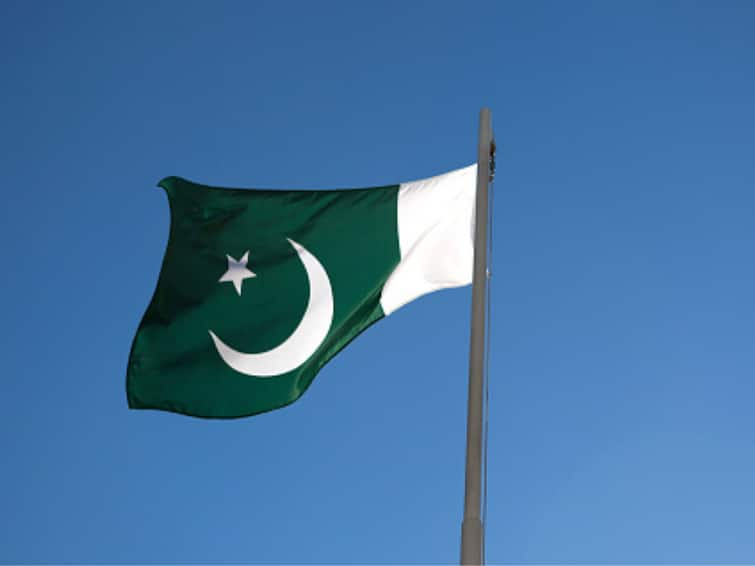
The Pakistan government on Tuesday night tabled a bill in the parliament that provides to curtail the discretionary powers of the Chief Justice of the country, after the bill was approved by the cabinet, reported news agency PTI.
Notably, shortly before introducing the bill in the Parliament, Prime Minister Shehbaz Sharif said that “history would not forgive us” if parliament did not enact laws to curtail the powers of the country’s top judge.
The development came a day after two judges of the apex court questioned the suo-motu powers of the country’s top judge.
ALSO READ: Karnataka Elections 2023: Single-Phase Polling On May 10, Results On May 13 — Check Full Schedule
‘The Supreme Court (Practice and Procedure) Act, 2023’, which received the nod from cabinet, was introduced in the parliament by Law Minister Azam Nazeer Tarar.
Elaborating on the details of the bill, the minister said, “that the bill ensures that “every cause, appeal or matter before the Supreme Court shall be heard and disposed of by a bench constituted by the Committee comprising the Chief Justice of Pakistan and two senior-most judges, in order of seniority” and the decisions of such a committee shall be by majority.
ALSO READ: Taiwan’s Takes Defiant Stand After China Threatens Retaliation For US Trip
Regarding suo motu powers, the draft states that any matter invoking exercise of original jurisdiction under Article 184 (3) shall be first placed before the committee of three senior-most judges.
“..If the Committee is of the view that a question of public importance with reference to enforcement of any of the fundamental rights conferred by Chapter I of Part II of the Constitution is involved, it shall constitute a bench comprising not less than three judges of the Supreme Court of Pakistan which may also include the members of the Committee, for adjudication of the matter,” it adds.

The Pakistan government on Tuesday night tabled a bill in the parliament that provides to curtail the discretionary powers of the Chief Justice of the country, after the bill was approved by the cabinet, reported news agency PTI.
Notably, shortly before introducing the bill in the Parliament, Prime Minister Shehbaz Sharif said that “history would not forgive us” if parliament did not enact laws to curtail the powers of the country’s top judge.
The development came a day after two judges of the apex court questioned the suo-motu powers of the country’s top judge.
ALSO READ: Karnataka Elections 2023: Single-Phase Polling On May 10, Results On May 13 — Check Full Schedule
‘The Supreme Court (Practice and Procedure) Act, 2023’, which received the nod from cabinet, was introduced in the parliament by Law Minister Azam Nazeer Tarar.
Elaborating on the details of the bill, the minister said, “that the bill ensures that “every cause, appeal or matter before the Supreme Court shall be heard and disposed of by a bench constituted by the Committee comprising the Chief Justice of Pakistan and two senior-most judges, in order of seniority” and the decisions of such a committee shall be by majority.
ALSO READ: Taiwan’s Takes Defiant Stand After China Threatens Retaliation For US Trip
Regarding suo motu powers, the draft states that any matter invoking exercise of original jurisdiction under Article 184 (3) shall be first placed before the committee of three senior-most judges.
“..If the Committee is of the view that a question of public importance with reference to enforcement of any of the fundamental rights conferred by Chapter I of Part II of the Constitution is involved, it shall constitute a bench comprising not less than three judges of the Supreme Court of Pakistan which may also include the members of the Committee, for adjudication of the matter,” it adds.

The Pakistan government on Tuesday night tabled a bill in the parliament that provides to curtail the discretionary powers of the Chief Justice of the country, after the bill was approved by the cabinet, reported news agency PTI.
Notably, shortly before introducing the bill in the Parliament, Prime Minister Shehbaz Sharif said that “history would not forgive us” if parliament did not enact laws to curtail the powers of the country’s top judge.
The development came a day after two judges of the apex court questioned the suo-motu powers of the country’s top judge.
ALSO READ: Karnataka Elections 2023: Single-Phase Polling On May 10, Results On May 13 — Check Full Schedule
‘The Supreme Court (Practice and Procedure) Act, 2023’, which received the nod from cabinet, was introduced in the parliament by Law Minister Azam Nazeer Tarar.
Elaborating on the details of the bill, the minister said, “that the bill ensures that “every cause, appeal or matter before the Supreme Court shall be heard and disposed of by a bench constituted by the Committee comprising the Chief Justice of Pakistan and two senior-most judges, in order of seniority” and the decisions of such a committee shall be by majority.
ALSO READ: Taiwan’s Takes Defiant Stand After China Threatens Retaliation For US Trip
Regarding suo motu powers, the draft states that any matter invoking exercise of original jurisdiction under Article 184 (3) shall be first placed before the committee of three senior-most judges.
“..If the Committee is of the view that a question of public importance with reference to enforcement of any of the fundamental rights conferred by Chapter I of Part II of the Constitution is involved, it shall constitute a bench comprising not less than three judges of the Supreme Court of Pakistan which may also include the members of the Committee, for adjudication of the matter,” it adds.
The Pakistan government on Tuesday night tabled a bill in the parliament that provides to curtail the discretionary powers of the Chief Justice of the country, after the bill was approved by the cabinet, reported news agency PTI.
Notably, shortly before introducing the bill in the Parliament, Prime Minister Shehbaz Sharif said that “history would not forgive us” if parliament did not enact laws to curtail the powers of the country’s top judge.
The development came a day after two judges of the apex court questioned the suo-motu powers of the country’s top judge.
ALSO READ: Karnataka Elections 2023: Single-Phase Polling On May 10, Results On May 13 — Check Full Schedule
‘The Supreme Court (Practice and Procedure) Act, 2023’, which received the nod from cabinet, was introduced in the parliament by Law Minister Azam Nazeer Tarar.
Elaborating on the details of the bill, the minister said, “that the bill ensures that “every cause, appeal or matter before the Supreme Court shall be heard and disposed of by a bench constituted by the Committee comprising the Chief Justice of Pakistan and two senior-most judges, in order of seniority” and the decisions of such a committee shall be by majority.
ALSO READ: Taiwan’s Takes Defiant Stand After China Threatens Retaliation For US Trip
Regarding suo motu powers, the draft states that any matter invoking exercise of original jurisdiction under Article 184 (3) shall be first placed before the committee of three senior-most judges.
“..If the Committee is of the view that a question of public importance with reference to enforcement of any of the fundamental rights conferred by Chapter I of Part II of the Constitution is involved, it shall constitute a bench comprising not less than three judges of the Supreme Court of Pakistan which may also include the members of the Committee, for adjudication of the matter,” it adds.

The Pakistan government on Tuesday night tabled a bill in the parliament that provides to curtail the discretionary powers of the Chief Justice of the country, after the bill was approved by the cabinet, reported news agency PTI.
Notably, shortly before introducing the bill in the Parliament, Prime Minister Shehbaz Sharif said that “history would not forgive us” if parliament did not enact laws to curtail the powers of the country’s top judge.
The development came a day after two judges of the apex court questioned the suo-motu powers of the country’s top judge.
ALSO READ: Karnataka Elections 2023: Single-Phase Polling On May 10, Results On May 13 — Check Full Schedule
‘The Supreme Court (Practice and Procedure) Act, 2023’, which received the nod from cabinet, was introduced in the parliament by Law Minister Azam Nazeer Tarar.
Elaborating on the details of the bill, the minister said, “that the bill ensures that “every cause, appeal or matter before the Supreme Court shall be heard and disposed of by a bench constituted by the Committee comprising the Chief Justice of Pakistan and two senior-most judges, in order of seniority” and the decisions of such a committee shall be by majority.
ALSO READ: Taiwan’s Takes Defiant Stand After China Threatens Retaliation For US Trip
Regarding suo motu powers, the draft states that any matter invoking exercise of original jurisdiction under Article 184 (3) shall be first placed before the committee of three senior-most judges.
“..If the Committee is of the view that a question of public importance with reference to enforcement of any of the fundamental rights conferred by Chapter I of Part II of the Constitution is involved, it shall constitute a bench comprising not less than three judges of the Supreme Court of Pakistan which may also include the members of the Committee, for adjudication of the matter,” it adds.
The Pakistan government on Tuesday night tabled a bill in the parliament that provides to curtail the discretionary powers of the Chief Justice of the country, after the bill was approved by the cabinet, reported news agency PTI.
Notably, shortly before introducing the bill in the Parliament, Prime Minister Shehbaz Sharif said that “history would not forgive us” if parliament did not enact laws to curtail the powers of the country’s top judge.
The development came a day after two judges of the apex court questioned the suo-motu powers of the country’s top judge.
ALSO READ: Karnataka Elections 2023: Single-Phase Polling On May 10, Results On May 13 — Check Full Schedule
‘The Supreme Court (Practice and Procedure) Act, 2023’, which received the nod from cabinet, was introduced in the parliament by Law Minister Azam Nazeer Tarar.
Elaborating on the details of the bill, the minister said, “that the bill ensures that “every cause, appeal or matter before the Supreme Court shall be heard and disposed of by a bench constituted by the Committee comprising the Chief Justice of Pakistan and two senior-most judges, in order of seniority” and the decisions of such a committee shall be by majority.
ALSO READ: Taiwan’s Takes Defiant Stand After China Threatens Retaliation For US Trip
Regarding suo motu powers, the draft states that any matter invoking exercise of original jurisdiction under Article 184 (3) shall be first placed before the committee of three senior-most judges.
“..If the Committee is of the view that a question of public importance with reference to enforcement of any of the fundamental rights conferred by Chapter I of Part II of the Constitution is involved, it shall constitute a bench comprising not less than three judges of the Supreme Court of Pakistan which may also include the members of the Committee, for adjudication of the matter,” it adds.
The Pakistan government on Tuesday night tabled a bill in the parliament that provides to curtail the discretionary powers of the Chief Justice of the country, after the bill was approved by the cabinet, reported news agency PTI.
Notably, shortly before introducing the bill in the Parliament, Prime Minister Shehbaz Sharif said that “history would not forgive us” if parliament did not enact laws to curtail the powers of the country’s top judge.
The development came a day after two judges of the apex court questioned the suo-motu powers of the country’s top judge.
ALSO READ: Karnataka Elections 2023: Single-Phase Polling On May 10, Results On May 13 — Check Full Schedule
‘The Supreme Court (Practice and Procedure) Act, 2023’, which received the nod from cabinet, was introduced in the parliament by Law Minister Azam Nazeer Tarar.
Elaborating on the details of the bill, the minister said, “that the bill ensures that “every cause, appeal or matter before the Supreme Court shall be heard and disposed of by a bench constituted by the Committee comprising the Chief Justice of Pakistan and two senior-most judges, in order of seniority” and the decisions of such a committee shall be by majority.
ALSO READ: Taiwan’s Takes Defiant Stand After China Threatens Retaliation For US Trip
Regarding suo motu powers, the draft states that any matter invoking exercise of original jurisdiction under Article 184 (3) shall be first placed before the committee of three senior-most judges.
“..If the Committee is of the view that a question of public importance with reference to enforcement of any of the fundamental rights conferred by Chapter I of Part II of the Constitution is involved, it shall constitute a bench comprising not less than three judges of the Supreme Court of Pakistan which may also include the members of the Committee, for adjudication of the matter,” it adds.
The Pakistan government on Tuesday night tabled a bill in the parliament that provides to curtail the discretionary powers of the Chief Justice of the country, after the bill was approved by the cabinet, reported news agency PTI.
Notably, shortly before introducing the bill in the Parliament, Prime Minister Shehbaz Sharif said that “history would not forgive us” if parliament did not enact laws to curtail the powers of the country’s top judge.
The development came a day after two judges of the apex court questioned the suo-motu powers of the country’s top judge.
ALSO READ: Karnataka Elections 2023: Single-Phase Polling On May 10, Results On May 13 — Check Full Schedule
‘The Supreme Court (Practice and Procedure) Act, 2023’, which received the nod from cabinet, was introduced in the parliament by Law Minister Azam Nazeer Tarar.
Elaborating on the details of the bill, the minister said, “that the bill ensures that “every cause, appeal or matter before the Supreme Court shall be heard and disposed of by a bench constituted by the Committee comprising the Chief Justice of Pakistan and two senior-most judges, in order of seniority” and the decisions of such a committee shall be by majority.
ALSO READ: Taiwan’s Takes Defiant Stand After China Threatens Retaliation For US Trip
Regarding suo motu powers, the draft states that any matter invoking exercise of original jurisdiction under Article 184 (3) shall be first placed before the committee of three senior-most judges.
“..If the Committee is of the view that a question of public importance with reference to enforcement of any of the fundamental rights conferred by Chapter I of Part II of the Constitution is involved, it shall constitute a bench comprising not less than three judges of the Supreme Court of Pakistan which may also include the members of the Committee, for adjudication of the matter,” it adds.

The Pakistan government on Tuesday night tabled a bill in the parliament that provides to curtail the discretionary powers of the Chief Justice of the country, after the bill was approved by the cabinet, reported news agency PTI.
Notably, shortly before introducing the bill in the Parliament, Prime Minister Shehbaz Sharif said that “history would not forgive us” if parliament did not enact laws to curtail the powers of the country’s top judge.
The development came a day after two judges of the apex court questioned the suo-motu powers of the country’s top judge.
ALSO READ: Karnataka Elections 2023: Single-Phase Polling On May 10, Results On May 13 — Check Full Schedule
‘The Supreme Court (Practice and Procedure) Act, 2023’, which received the nod from cabinet, was introduced in the parliament by Law Minister Azam Nazeer Tarar.
Elaborating on the details of the bill, the minister said, “that the bill ensures that “every cause, appeal or matter before the Supreme Court shall be heard and disposed of by a bench constituted by the Committee comprising the Chief Justice of Pakistan and two senior-most judges, in order of seniority” and the decisions of such a committee shall be by majority.
ALSO READ: Taiwan’s Takes Defiant Stand After China Threatens Retaliation For US Trip
Regarding suo motu powers, the draft states that any matter invoking exercise of original jurisdiction under Article 184 (3) shall be first placed before the committee of three senior-most judges.
“..If the Committee is of the view that a question of public importance with reference to enforcement of any of the fundamental rights conferred by Chapter I of Part II of the Constitution is involved, it shall constitute a bench comprising not less than three judges of the Supreme Court of Pakistan which may also include the members of the Committee, for adjudication of the matter,” it adds.
The Pakistan government on Tuesday night tabled a bill in the parliament that provides to curtail the discretionary powers of the Chief Justice of the country, after the bill was approved by the cabinet, reported news agency PTI.
Notably, shortly before introducing the bill in the Parliament, Prime Minister Shehbaz Sharif said that “history would not forgive us” if parliament did not enact laws to curtail the powers of the country’s top judge.
The development came a day after two judges of the apex court questioned the suo-motu powers of the country’s top judge.
ALSO READ: Karnataka Elections 2023: Single-Phase Polling On May 10, Results On May 13 — Check Full Schedule
‘The Supreme Court (Practice and Procedure) Act, 2023’, which received the nod from cabinet, was introduced in the parliament by Law Minister Azam Nazeer Tarar.
Elaborating on the details of the bill, the minister said, “that the bill ensures that “every cause, appeal or matter before the Supreme Court shall be heard and disposed of by a bench constituted by the Committee comprising the Chief Justice of Pakistan and two senior-most judges, in order of seniority” and the decisions of such a committee shall be by majority.
ALSO READ: Taiwan’s Takes Defiant Stand After China Threatens Retaliation For US Trip
Regarding suo motu powers, the draft states that any matter invoking exercise of original jurisdiction under Article 184 (3) shall be first placed before the committee of three senior-most judges.
“..If the Committee is of the view that a question of public importance with reference to enforcement of any of the fundamental rights conferred by Chapter I of Part II of the Constitution is involved, it shall constitute a bench comprising not less than three judges of the Supreme Court of Pakistan which may also include the members of the Committee, for adjudication of the matter,” it adds.
The Pakistan government on Tuesday night tabled a bill in the parliament that provides to curtail the discretionary powers of the Chief Justice of the country, after the bill was approved by the cabinet, reported news agency PTI.
Notably, shortly before introducing the bill in the Parliament, Prime Minister Shehbaz Sharif said that “history would not forgive us” if parliament did not enact laws to curtail the powers of the country’s top judge.
The development came a day after two judges of the apex court questioned the suo-motu powers of the country’s top judge.
ALSO READ: Karnataka Elections 2023: Single-Phase Polling On May 10, Results On May 13 — Check Full Schedule
‘The Supreme Court (Practice and Procedure) Act, 2023’, which received the nod from cabinet, was introduced in the parliament by Law Minister Azam Nazeer Tarar.
Elaborating on the details of the bill, the minister said, “that the bill ensures that “every cause, appeal or matter before the Supreme Court shall be heard and disposed of by a bench constituted by the Committee comprising the Chief Justice of Pakistan and two senior-most judges, in order of seniority” and the decisions of such a committee shall be by majority.
ALSO READ: Taiwan’s Takes Defiant Stand After China Threatens Retaliation For US Trip
Regarding suo motu powers, the draft states that any matter invoking exercise of original jurisdiction under Article 184 (3) shall be first placed before the committee of three senior-most judges.
“..If the Committee is of the view that a question of public importance with reference to enforcement of any of the fundamental rights conferred by Chapter I of Part II of the Constitution is involved, it shall constitute a bench comprising not less than three judges of the Supreme Court of Pakistan which may also include the members of the Committee, for adjudication of the matter,” it adds.
The Pakistan government on Tuesday night tabled a bill in the parliament that provides to curtail the discretionary powers of the Chief Justice of the country, after the bill was approved by the cabinet, reported news agency PTI.
Notably, shortly before introducing the bill in the Parliament, Prime Minister Shehbaz Sharif said that “history would not forgive us” if parliament did not enact laws to curtail the powers of the country’s top judge.
The development came a day after two judges of the apex court questioned the suo-motu powers of the country’s top judge.
ALSO READ: Karnataka Elections 2023: Single-Phase Polling On May 10, Results On May 13 — Check Full Schedule
‘The Supreme Court (Practice and Procedure) Act, 2023’, which received the nod from cabinet, was introduced in the parliament by Law Minister Azam Nazeer Tarar.
Elaborating on the details of the bill, the minister said, “that the bill ensures that “every cause, appeal or matter before the Supreme Court shall be heard and disposed of by a bench constituted by the Committee comprising the Chief Justice of Pakistan and two senior-most judges, in order of seniority” and the decisions of such a committee shall be by majority.
ALSO READ: Taiwan’s Takes Defiant Stand After China Threatens Retaliation For US Trip
Regarding suo motu powers, the draft states that any matter invoking exercise of original jurisdiction under Article 184 (3) shall be first placed before the committee of three senior-most judges.
“..If the Committee is of the view that a question of public importance with reference to enforcement of any of the fundamental rights conferred by Chapter I of Part II of the Constitution is involved, it shall constitute a bench comprising not less than three judges of the Supreme Court of Pakistan which may also include the members of the Committee, for adjudication of the matter,” it adds.
The Pakistan government on Tuesday night tabled a bill in the parliament that provides to curtail the discretionary powers of the Chief Justice of the country, after the bill was approved by the cabinet, reported news agency PTI.
Notably, shortly before introducing the bill in the Parliament, Prime Minister Shehbaz Sharif said that “history would not forgive us” if parliament did not enact laws to curtail the powers of the country’s top judge.
The development came a day after two judges of the apex court questioned the suo-motu powers of the country’s top judge.
ALSO READ: Karnataka Elections 2023: Single-Phase Polling On May 10, Results On May 13 — Check Full Schedule
‘The Supreme Court (Practice and Procedure) Act, 2023’, which received the nod from cabinet, was introduced in the parliament by Law Minister Azam Nazeer Tarar.
Elaborating on the details of the bill, the minister said, “that the bill ensures that “every cause, appeal or matter before the Supreme Court shall be heard and disposed of by a bench constituted by the Committee comprising the Chief Justice of Pakistan and two senior-most judges, in order of seniority” and the decisions of such a committee shall be by majority.
ALSO READ: Taiwan’s Takes Defiant Stand After China Threatens Retaliation For US Trip
Regarding suo motu powers, the draft states that any matter invoking exercise of original jurisdiction under Article 184 (3) shall be first placed before the committee of three senior-most judges.
“..If the Committee is of the view that a question of public importance with reference to enforcement of any of the fundamental rights conferred by Chapter I of Part II of the Constitution is involved, it shall constitute a bench comprising not less than three judges of the Supreme Court of Pakistan which may also include the members of the Committee, for adjudication of the matter,” it adds.
The Pakistan government on Tuesday night tabled a bill in the parliament that provides to curtail the discretionary powers of the Chief Justice of the country, after the bill was approved by the cabinet, reported news agency PTI.
Notably, shortly before introducing the bill in the Parliament, Prime Minister Shehbaz Sharif said that “history would not forgive us” if parliament did not enact laws to curtail the powers of the country’s top judge.
The development came a day after two judges of the apex court questioned the suo-motu powers of the country’s top judge.
ALSO READ: Karnataka Elections 2023: Single-Phase Polling On May 10, Results On May 13 — Check Full Schedule
‘The Supreme Court (Practice and Procedure) Act, 2023’, which received the nod from cabinet, was introduced in the parliament by Law Minister Azam Nazeer Tarar.
Elaborating on the details of the bill, the minister said, “that the bill ensures that “every cause, appeal or matter before the Supreme Court shall be heard and disposed of by a bench constituted by the Committee comprising the Chief Justice of Pakistan and two senior-most judges, in order of seniority” and the decisions of such a committee shall be by majority.
ALSO READ: Taiwan’s Takes Defiant Stand After China Threatens Retaliation For US Trip
Regarding suo motu powers, the draft states that any matter invoking exercise of original jurisdiction under Article 184 (3) shall be first placed before the committee of three senior-most judges.
“..If the Committee is of the view that a question of public importance with reference to enforcement of any of the fundamental rights conferred by Chapter I of Part II of the Constitution is involved, it shall constitute a bench comprising not less than three judges of the Supreme Court of Pakistan which may also include the members of the Committee, for adjudication of the matter,” it adds.
The Pakistan government on Tuesday night tabled a bill in the parliament that provides to curtail the discretionary powers of the Chief Justice of the country, after the bill was approved by the cabinet, reported news agency PTI.
Notably, shortly before introducing the bill in the Parliament, Prime Minister Shehbaz Sharif said that “history would not forgive us” if parliament did not enact laws to curtail the powers of the country’s top judge.
The development came a day after two judges of the apex court questioned the suo-motu powers of the country’s top judge.
ALSO READ: Karnataka Elections 2023: Single-Phase Polling On May 10, Results On May 13 — Check Full Schedule
‘The Supreme Court (Practice and Procedure) Act, 2023’, which received the nod from cabinet, was introduced in the parliament by Law Minister Azam Nazeer Tarar.
Elaborating on the details of the bill, the minister said, “that the bill ensures that “every cause, appeal or matter before the Supreme Court shall be heard and disposed of by a bench constituted by the Committee comprising the Chief Justice of Pakistan and two senior-most judges, in order of seniority” and the decisions of such a committee shall be by majority.
ALSO READ: Taiwan’s Takes Defiant Stand After China Threatens Retaliation For US Trip
Regarding suo motu powers, the draft states that any matter invoking exercise of original jurisdiction under Article 184 (3) shall be first placed before the committee of three senior-most judges.
“..If the Committee is of the view that a question of public importance with reference to enforcement of any of the fundamental rights conferred by Chapter I of Part II of the Constitution is involved, it shall constitute a bench comprising not less than three judges of the Supreme Court of Pakistan which may also include the members of the Committee, for adjudication of the matter,” it adds.
The Pakistan government on Tuesday night tabled a bill in the parliament that provides to curtail the discretionary powers of the Chief Justice of the country, after the bill was approved by the cabinet, reported news agency PTI.
Notably, shortly before introducing the bill in the Parliament, Prime Minister Shehbaz Sharif said that “history would not forgive us” if parliament did not enact laws to curtail the powers of the country’s top judge.
The development came a day after two judges of the apex court questioned the suo-motu powers of the country’s top judge.
ALSO READ: Karnataka Elections 2023: Single-Phase Polling On May 10, Results On May 13 — Check Full Schedule
‘The Supreme Court (Practice and Procedure) Act, 2023’, which received the nod from cabinet, was introduced in the parliament by Law Minister Azam Nazeer Tarar.
Elaborating on the details of the bill, the minister said, “that the bill ensures that “every cause, appeal or matter before the Supreme Court shall be heard and disposed of by a bench constituted by the Committee comprising the Chief Justice of Pakistan and two senior-most judges, in order of seniority” and the decisions of such a committee shall be by majority.
ALSO READ: Taiwan’s Takes Defiant Stand After China Threatens Retaliation For US Trip
Regarding suo motu powers, the draft states that any matter invoking exercise of original jurisdiction under Article 184 (3) shall be first placed before the committee of three senior-most judges.
“..If the Committee is of the view that a question of public importance with reference to enforcement of any of the fundamental rights conferred by Chapter I of Part II of the Constitution is involved, it shall constitute a bench comprising not less than three judges of the Supreme Court of Pakistan which may also include the members of the Committee, for adjudication of the matter,” it adds.

