


Washington DC
New York
Toronto
Distribution: (800) 510 9863
Press ID
  • Login
Binghamton Herald
Advertisement
Thursday, April 30, 2026
  • Home
  • World
  • Politics
  • Business
  • Technology
  • Culture
  • Health
  • Entertainment
  • Trending
No Result
View All Result
Binghamton Herald
No Result
View All Result
Home Trending

Bangladesh Expresses Concern Over West Bengal Projects To Divert Teesta Water

by Binghamton Herald Report
March 16, 2023
in Trending
Share on FacebookShare on Twitter

New Delhi: Amid the ongoing dispute over sharing waters of the transboundary Teesta River, Bangladesh has decided to seek an explanation from India on the West Bengal government’s reported proposed projects on the Teesta reducing its flow, the foreign ministry said on Thursday, reported news agency PTI.

The foreign ministry’s comments came in response to a recent Indian media report suggesting that the West Bengal government has decided in principle to dig two new canals to divert the Teesta waters for irrigation purposes in Jalpaiguri and Cooch Behar districts. 

“We will prepare a paper on the issue with the consultation of our water resource ministry and JRC (Joint River Commission) . . . (then) we will ask the Indian side on the issue,” Bangladesh’s foreign ministry spokesperson Seheli Sabrin told a news briefing, quoted PTI.

She went on to say that Dhaka was looking at “the situation with caution” and that the foreign office was currently in contact with the JRC and the ministry of water resources to get information about the projects that were proposed.

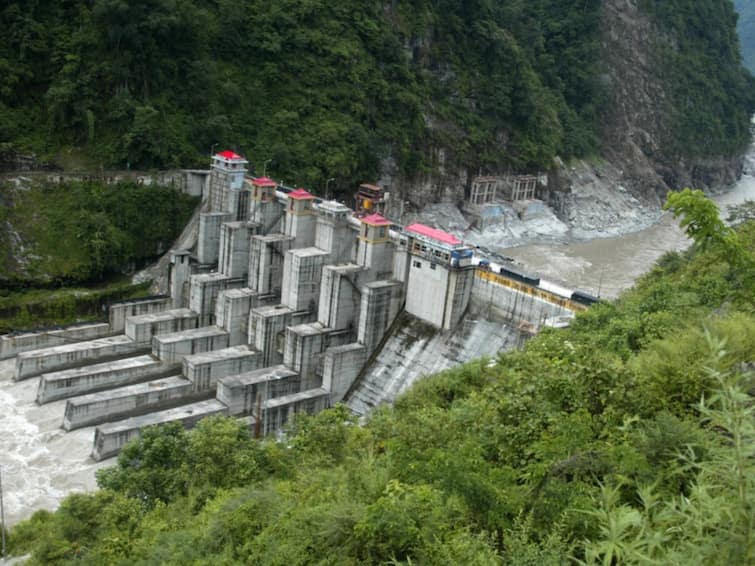
The media report said that the Bengal government has decided in principle to build three hydropower projects in the Darjeeling hills. This could upset Dhaka, which has been waiting for a treaty to share the waters of the Teesta for more than a decade.

Dhaka would decide how to resolve the problem, according to the Bangladesh foreign office, once New Delhi responded.

According to PTI, the spokesperson stated, “We will (however) keep on our efforts to resolve any emerging dispute with New Delhi through dialogue in view of the excellent bilateral relations.”

Additionally, she stated that the topic might be brought up at the UN Water Conference in New York next month.

She stated that Dhaka remained engaged with New Delhi to sign the Teesta water-sharing treaty for a considerable amount of time.

Bangladesh and India were set to ink the Teesta Understanding during former Prime Minister Manmohan Singh’s visit in 2011, yet West Bengal Chief Minister Mamata Banerjee blocked her from his company without a second to spare contradicting the arrangement, baffling the arrangement and generally disturbing the Indian head’s quite advertised visit around then.

Later, Banerjee stated that she was eager to meet “Bangladesh’s expectations” and repeatedly assured Bangladesh that she would assist in resolving the long-standing issue of sharing water from the Teesta River.

Bangladesh has attempted to resolve the issue ever since the setback in 2011, bringing it up in virtually every political and official bilateral meeting, and Delhi has repeatedly stated that the central government wants to reach an “internal consensus” with West Bengal.

Prior to this, Prime Minister Sheikh Hasina criticised Banerjee for her “unfortunate” opposition to the water-sharing agreement.

During Hasina’s previous tenure as premier in 1997, when Deve Gowda was her counterpart in New Delhi and Jyoti Basu was the West Bengal chief minister, the two nations had previously signed a landmark 30-year agreement on the sharing of water in the Ganges. This resolved a long-standing issue in bilateral ties.

The agreement guaranteed that the Ganges River would have little water flow during the dry season.

Also Read: Russia’s Forced Deportation Of Ukrainian Children A War Crime, Says UN Probe: Report

New Delhi: Amid the ongoing dispute over sharing waters of the transboundary Teesta River, Bangladesh has decided to seek an explanation from India on the West Bengal government’s reported proposed projects on the Teesta reducing its flow, the foreign ministry said on Thursday, reported news agency PTI.

The foreign ministry’s comments came in response to a recent Indian media report suggesting that the West Bengal government has decided in principle to dig two new canals to divert the Teesta waters for irrigation purposes in Jalpaiguri and Cooch Behar districts. 

“We will prepare a paper on the issue with the consultation of our water resource ministry and JRC (Joint River Commission) . . . (then) we will ask the Indian side on the issue,” Bangladesh’s foreign ministry spokesperson Seheli Sabrin told a news briefing, quoted PTI.

She went on to say that Dhaka was looking at “the situation with caution” and that the foreign office was currently in contact with the JRC and the ministry of water resources to get information about the projects that were proposed.

The media report said that the Bengal government has decided in principle to build three hydropower projects in the Darjeeling hills. This could upset Dhaka, which has been waiting for a treaty to share the waters of the Teesta for more than a decade.

Dhaka would decide how to resolve the problem, according to the Bangladesh foreign office, once New Delhi responded.

According to PTI, the spokesperson stated, “We will (however) keep on our efforts to resolve any emerging dispute with New Delhi through dialogue in view of the excellent bilateral relations.”

Additionally, she stated that the topic might be brought up at the UN Water Conference in New York next month.

She stated that Dhaka remained engaged with New Delhi to sign the Teesta water-sharing treaty for a considerable amount of time.

Bangladesh and India were set to ink the Teesta Understanding during former Prime Minister Manmohan Singh’s visit in 2011, yet West Bengal Chief Minister Mamata Banerjee blocked her from his company without a second to spare contradicting the arrangement, baffling the arrangement and generally disturbing the Indian head’s quite advertised visit around then.

Later, Banerjee stated that she was eager to meet “Bangladesh’s expectations” and repeatedly assured Bangladesh that she would assist in resolving the long-standing issue of sharing water from the Teesta River.

Bangladesh has attempted to resolve the issue ever since the setback in 2011, bringing it up in virtually every political and official bilateral meeting, and Delhi has repeatedly stated that the central government wants to reach an “internal consensus” with West Bengal.

Prior to this, Prime Minister Sheikh Hasina criticised Banerjee for her “unfortunate” opposition to the water-sharing agreement.

During Hasina’s previous tenure as premier in 1997, when Deve Gowda was her counterpart in New Delhi and Jyoti Basu was the West Bengal chief minister, the two nations had previously signed a landmark 30-year agreement on the sharing of water in the Ganges. This resolved a long-standing issue in bilateral ties.

The agreement guaranteed that the Ganges River would have little water flow during the dry season.

Also Read: Russia’s Forced Deportation Of Ukrainian Children A War Crime, Says UN Probe: Report

New Delhi: Amid the ongoing dispute over sharing waters of the transboundary Teesta River, Bangladesh has decided to seek an explanation from India on the West Bengal government’s reported proposed projects on the Teesta reducing its flow, the foreign ministry said on Thursday, reported news agency PTI.

The foreign ministry’s comments came in response to a recent Indian media report suggesting that the West Bengal government has decided in principle to dig two new canals to divert the Teesta waters for irrigation purposes in Jalpaiguri and Cooch Behar districts. 

“We will prepare a paper on the issue with the consultation of our water resource ministry and JRC (Joint River Commission) . . . (then) we will ask the Indian side on the issue,” Bangladesh’s foreign ministry spokesperson Seheli Sabrin told a news briefing, quoted PTI.

She went on to say that Dhaka was looking at “the situation with caution” and that the foreign office was currently in contact with the JRC and the ministry of water resources to get information about the projects that were proposed.

The media report said that the Bengal government has decided in principle to build three hydropower projects in the Darjeeling hills. This could upset Dhaka, which has been waiting for a treaty to share the waters of the Teesta for more than a decade.

Dhaka would decide how to resolve the problem, according to the Bangladesh foreign office, once New Delhi responded.

According to PTI, the spokesperson stated, “We will (however) keep on our efforts to resolve any emerging dispute with New Delhi through dialogue in view of the excellent bilateral relations.”

Additionally, she stated that the topic might be brought up at the UN Water Conference in New York next month.

She stated that Dhaka remained engaged with New Delhi to sign the Teesta water-sharing treaty for a considerable amount of time.

Bangladesh and India were set to ink the Teesta Understanding during former Prime Minister Manmohan Singh’s visit in 2011, yet West Bengal Chief Minister Mamata Banerjee blocked her from his company without a second to spare contradicting the arrangement, baffling the arrangement and generally disturbing the Indian head’s quite advertised visit around then.

Later, Banerjee stated that she was eager to meet “Bangladesh’s expectations” and repeatedly assured Bangladesh that she would assist in resolving the long-standing issue of sharing water from the Teesta River.

Bangladesh has attempted to resolve the issue ever since the setback in 2011, bringing it up in virtually every political and official bilateral meeting, and Delhi has repeatedly stated that the central government wants to reach an “internal consensus” with West Bengal.

Prior to this, Prime Minister Sheikh Hasina criticised Banerjee for her “unfortunate” opposition to the water-sharing agreement.

During Hasina’s previous tenure as premier in 1997, when Deve Gowda was her counterpart in New Delhi and Jyoti Basu was the West Bengal chief minister, the two nations had previously signed a landmark 30-year agreement on the sharing of water in the Ganges. This resolved a long-standing issue in bilateral ties.

The agreement guaranteed that the Ganges River would have little water flow during the dry season.

Also Read: Russia’s Forced Deportation Of Ukrainian Children A War Crime, Says UN Probe: Report

New Delhi: Amid the ongoing dispute over sharing waters of the transboundary Teesta River, Bangladesh has decided to seek an explanation from India on the West Bengal government’s reported proposed projects on the Teesta reducing its flow, the foreign ministry said on Thursday, reported news agency PTI.

The foreign ministry’s comments came in response to a recent Indian media report suggesting that the West Bengal government has decided in principle to dig two new canals to divert the Teesta waters for irrigation purposes in Jalpaiguri and Cooch Behar districts. 

“We will prepare a paper on the issue with the consultation of our water resource ministry and JRC (Joint River Commission) . . . (then) we will ask the Indian side on the issue,” Bangladesh’s foreign ministry spokesperson Seheli Sabrin told a news briefing, quoted PTI.

She went on to say that Dhaka was looking at “the situation with caution” and that the foreign office was currently in contact with the JRC and the ministry of water resources to get information about the projects that were proposed.

The media report said that the Bengal government has decided in principle to build three hydropower projects in the Darjeeling hills. This could upset Dhaka, which has been waiting for a treaty to share the waters of the Teesta for more than a decade.

Dhaka would decide how to resolve the problem, according to the Bangladesh foreign office, once New Delhi responded.

According to PTI, the spokesperson stated, “We will (however) keep on our efforts to resolve any emerging dispute with New Delhi through dialogue in view of the excellent bilateral relations.”

Additionally, she stated that the topic might be brought up at the UN Water Conference in New York next month.

She stated that Dhaka remained engaged with New Delhi to sign the Teesta water-sharing treaty for a considerable amount of time.

Bangladesh and India were set to ink the Teesta Understanding during former Prime Minister Manmohan Singh’s visit in 2011, yet West Bengal Chief Minister Mamata Banerjee blocked her from his company without a second to spare contradicting the arrangement, baffling the arrangement and generally disturbing the Indian head’s quite advertised visit around then.

Later, Banerjee stated that she was eager to meet “Bangladesh’s expectations” and repeatedly assured Bangladesh that she would assist in resolving the long-standing issue of sharing water from the Teesta River.

Bangladesh has attempted to resolve the issue ever since the setback in 2011, bringing it up in virtually every political and official bilateral meeting, and Delhi has repeatedly stated that the central government wants to reach an “internal consensus” with West Bengal.

Prior to this, Prime Minister Sheikh Hasina criticised Banerjee for her “unfortunate” opposition to the water-sharing agreement.

During Hasina’s previous tenure as premier in 1997, when Deve Gowda was her counterpart in New Delhi and Jyoti Basu was the West Bengal chief minister, the two nations had previously signed a landmark 30-year agreement on the sharing of water in the Ganges. This resolved a long-standing issue in bilateral ties.

The agreement guaranteed that the Ganges River would have little water flow during the dry season.

Also Read: Russia’s Forced Deportation Of Ukrainian Children A War Crime, Says UN Probe: Report

New Delhi: Amid the ongoing dispute over sharing waters of the transboundary Teesta River, Bangladesh has decided to seek an explanation from India on the West Bengal government’s reported proposed projects on the Teesta reducing its flow, the foreign ministry said on Thursday, reported news agency PTI.

The foreign ministry’s comments came in response to a recent Indian media report suggesting that the West Bengal government has decided in principle to dig two new canals to divert the Teesta waters for irrigation purposes in Jalpaiguri and Cooch Behar districts. 

“We will prepare a paper on the issue with the consultation of our water resource ministry and JRC (Joint River Commission) . . . (then) we will ask the Indian side on the issue,” Bangladesh’s foreign ministry spokesperson Seheli Sabrin told a news briefing, quoted PTI.

She went on to say that Dhaka was looking at “the situation with caution” and that the foreign office was currently in contact with the JRC and the ministry of water resources to get information about the projects that were proposed.

The media report said that the Bengal government has decided in principle to build three hydropower projects in the Darjeeling hills. This could upset Dhaka, which has been waiting for a treaty to share the waters of the Teesta for more than a decade.

Dhaka would decide how to resolve the problem, according to the Bangladesh foreign office, once New Delhi responded.

According to PTI, the spokesperson stated, “We will (however) keep on our efforts to resolve any emerging dispute with New Delhi through dialogue in view of the excellent bilateral relations.”

Additionally, she stated that the topic might be brought up at the UN Water Conference in New York next month.

She stated that Dhaka remained engaged with New Delhi to sign the Teesta water-sharing treaty for a considerable amount of time.

Bangladesh and India were set to ink the Teesta Understanding during former Prime Minister Manmohan Singh’s visit in 2011, yet West Bengal Chief Minister Mamata Banerjee blocked her from his company without a second to spare contradicting the arrangement, baffling the arrangement and generally disturbing the Indian head’s quite advertised visit around then.

Later, Banerjee stated that she was eager to meet “Bangladesh’s expectations” and repeatedly assured Bangladesh that she would assist in resolving the long-standing issue of sharing water from the Teesta River.

Bangladesh has attempted to resolve the issue ever since the setback in 2011, bringing it up in virtually every political and official bilateral meeting, and Delhi has repeatedly stated that the central government wants to reach an “internal consensus” with West Bengal.

Prior to this, Prime Minister Sheikh Hasina criticised Banerjee for her “unfortunate” opposition to the water-sharing agreement.

During Hasina’s previous tenure as premier in 1997, when Deve Gowda was her counterpart in New Delhi and Jyoti Basu was the West Bengal chief minister, the two nations had previously signed a landmark 30-year agreement on the sharing of water in the Ganges. This resolved a long-standing issue in bilateral ties.

The agreement guaranteed that the Ganges River would have little water flow during the dry season.

Also Read: Russia’s Forced Deportation Of Ukrainian Children A War Crime, Says UN Probe: Report

New Delhi: Amid the ongoing dispute over sharing waters of the transboundary Teesta River, Bangladesh has decided to seek an explanation from India on the West Bengal government’s reported proposed projects on the Teesta reducing its flow, the foreign ministry said on Thursday, reported news agency PTI.

The foreign ministry’s comments came in response to a recent Indian media report suggesting that the West Bengal government has decided in principle to dig two new canals to divert the Teesta waters for irrigation purposes in Jalpaiguri and Cooch Behar districts. 

“We will prepare a paper on the issue with the consultation of our water resource ministry and JRC (Joint River Commission) . . . (then) we will ask the Indian side on the issue,” Bangladesh’s foreign ministry spokesperson Seheli Sabrin told a news briefing, quoted PTI.

She went on to say that Dhaka was looking at “the situation with caution” and that the foreign office was currently in contact with the JRC and the ministry of water resources to get information about the projects that were proposed.

The media report said that the Bengal government has decided in principle to build three hydropower projects in the Darjeeling hills. This could upset Dhaka, which has been waiting for a treaty to share the waters of the Teesta for more than a decade.

Dhaka would decide how to resolve the problem, according to the Bangladesh foreign office, once New Delhi responded.

According to PTI, the spokesperson stated, “We will (however) keep on our efforts to resolve any emerging dispute with New Delhi through dialogue in view of the excellent bilateral relations.”

Additionally, she stated that the topic might be brought up at the UN Water Conference in New York next month.

She stated that Dhaka remained engaged with New Delhi to sign the Teesta water-sharing treaty for a considerable amount of time.

Bangladesh and India were set to ink the Teesta Understanding during former Prime Minister Manmohan Singh’s visit in 2011, yet West Bengal Chief Minister Mamata Banerjee blocked her from his company without a second to spare contradicting the arrangement, baffling the arrangement and generally disturbing the Indian head’s quite advertised visit around then.

Later, Banerjee stated that she was eager to meet “Bangladesh’s expectations” and repeatedly assured Bangladesh that she would assist in resolving the long-standing issue of sharing water from the Teesta River.

Bangladesh has attempted to resolve the issue ever since the setback in 2011, bringing it up in virtually every political and official bilateral meeting, and Delhi has repeatedly stated that the central government wants to reach an “internal consensus” with West Bengal.

Prior to this, Prime Minister Sheikh Hasina criticised Banerjee for her “unfortunate” opposition to the water-sharing agreement.

During Hasina’s previous tenure as premier in 1997, when Deve Gowda was her counterpart in New Delhi and Jyoti Basu was the West Bengal chief minister, the two nations had previously signed a landmark 30-year agreement on the sharing of water in the Ganges. This resolved a long-standing issue in bilateral ties.

The agreement guaranteed that the Ganges River would have little water flow during the dry season.

Also Read: Russia’s Forced Deportation Of Ukrainian Children A War Crime, Says UN Probe: Report

New Delhi: Amid the ongoing dispute over sharing waters of the transboundary Teesta River, Bangladesh has decided to seek an explanation from India on the West Bengal government’s reported proposed projects on the Teesta reducing its flow, the foreign ministry said on Thursday, reported news agency PTI.

The foreign ministry’s comments came in response to a recent Indian media report suggesting that the West Bengal government has decided in principle to dig two new canals to divert the Teesta waters for irrigation purposes in Jalpaiguri and Cooch Behar districts. 

“We will prepare a paper on the issue with the consultation of our water resource ministry and JRC (Joint River Commission) . . . (then) we will ask the Indian side on the issue,” Bangladesh’s foreign ministry spokesperson Seheli Sabrin told a news briefing, quoted PTI.

She went on to say that Dhaka was looking at “the situation with caution” and that the foreign office was currently in contact with the JRC and the ministry of water resources to get information about the projects that were proposed.

The media report said that the Bengal government has decided in principle to build three hydropower projects in the Darjeeling hills. This could upset Dhaka, which has been waiting for a treaty to share the waters of the Teesta for more than a decade.

Dhaka would decide how to resolve the problem, according to the Bangladesh foreign office, once New Delhi responded.

According to PTI, the spokesperson stated, “We will (however) keep on our efforts to resolve any emerging dispute with New Delhi through dialogue in view of the excellent bilateral relations.”

Additionally, she stated that the topic might be brought up at the UN Water Conference in New York next month.

She stated that Dhaka remained engaged with New Delhi to sign the Teesta water-sharing treaty for a considerable amount of time.

Bangladesh and India were set to ink the Teesta Understanding during former Prime Minister Manmohan Singh’s visit in 2011, yet West Bengal Chief Minister Mamata Banerjee blocked her from his company without a second to spare contradicting the arrangement, baffling the arrangement and generally disturbing the Indian head’s quite advertised visit around then.

Later, Banerjee stated that she was eager to meet “Bangladesh’s expectations” and repeatedly assured Bangladesh that she would assist in resolving the long-standing issue of sharing water from the Teesta River.

Bangladesh has attempted to resolve the issue ever since the setback in 2011, bringing it up in virtually every political and official bilateral meeting, and Delhi has repeatedly stated that the central government wants to reach an “internal consensus” with West Bengal.

Prior to this, Prime Minister Sheikh Hasina criticised Banerjee for her “unfortunate” opposition to the water-sharing agreement.

During Hasina’s previous tenure as premier in 1997, when Deve Gowda was her counterpart in New Delhi and Jyoti Basu was the West Bengal chief minister, the two nations had previously signed a landmark 30-year agreement on the sharing of water in the Ganges. This resolved a long-standing issue in bilateral ties.

The agreement guaranteed that the Ganges River would have little water flow during the dry season.

Also Read: Russia’s Forced Deportation Of Ukrainian Children A War Crime, Says UN Probe: Report

New Delhi: Amid the ongoing dispute over sharing waters of the transboundary Teesta River, Bangladesh has decided to seek an explanation from India on the West Bengal government’s reported proposed projects on the Teesta reducing its flow, the foreign ministry said on Thursday, reported news agency PTI.

The foreign ministry’s comments came in response to a recent Indian media report suggesting that the West Bengal government has decided in principle to dig two new canals to divert the Teesta waters for irrigation purposes in Jalpaiguri and Cooch Behar districts. 

“We will prepare a paper on the issue with the consultation of our water resource ministry and JRC (Joint River Commission) . . . (then) we will ask the Indian side on the issue,” Bangladesh’s foreign ministry spokesperson Seheli Sabrin told a news briefing, quoted PTI.

She went on to say that Dhaka was looking at “the situation with caution” and that the foreign office was currently in contact with the JRC and the ministry of water resources to get information about the projects that were proposed.

The media report said that the Bengal government has decided in principle to build three hydropower projects in the Darjeeling hills. This could upset Dhaka, which has been waiting for a treaty to share the waters of the Teesta for more than a decade.

Dhaka would decide how to resolve the problem, according to the Bangladesh foreign office, once New Delhi responded.

According to PTI, the spokesperson stated, “We will (however) keep on our efforts to resolve any emerging dispute with New Delhi through dialogue in view of the excellent bilateral relations.”

Additionally, she stated that the topic might be brought up at the UN Water Conference in New York next month.

She stated that Dhaka remained engaged with New Delhi to sign the Teesta water-sharing treaty for a considerable amount of time.

Bangladesh and India were set to ink the Teesta Understanding during former Prime Minister Manmohan Singh’s visit in 2011, yet West Bengal Chief Minister Mamata Banerjee blocked her from his company without a second to spare contradicting the arrangement, baffling the arrangement and generally disturbing the Indian head’s quite advertised visit around then.

Later, Banerjee stated that she was eager to meet “Bangladesh’s expectations” and repeatedly assured Bangladesh that she would assist in resolving the long-standing issue of sharing water from the Teesta River.

Bangladesh has attempted to resolve the issue ever since the setback in 2011, bringing it up in virtually every political and official bilateral meeting, and Delhi has repeatedly stated that the central government wants to reach an “internal consensus” with West Bengal.

Prior to this, Prime Minister Sheikh Hasina criticised Banerjee for her “unfortunate” opposition to the water-sharing agreement.

During Hasina’s previous tenure as premier in 1997, when Deve Gowda was her counterpart in New Delhi and Jyoti Basu was the West Bengal chief minister, the two nations had previously signed a landmark 30-year agreement on the sharing of water in the Ganges. This resolved a long-standing issue in bilateral ties.

The agreement guaranteed that the Ganges River would have little water flow during the dry season.

Also Read: Russia’s Forced Deportation Of Ukrainian Children A War Crime, Says UN Probe: Report

New Delhi: Amid the ongoing dispute over sharing waters of the transboundary Teesta River, Bangladesh has decided to seek an explanation from India on the West Bengal government’s reported proposed projects on the Teesta reducing its flow, the foreign ministry said on Thursday, reported news agency PTI.

The foreign ministry’s comments came in response to a recent Indian media report suggesting that the West Bengal government has decided in principle to dig two new canals to divert the Teesta waters for irrigation purposes in Jalpaiguri and Cooch Behar districts. 

“We will prepare a paper on the issue with the consultation of our water resource ministry and JRC (Joint River Commission) . . . (then) we will ask the Indian side on the issue,” Bangladesh’s foreign ministry spokesperson Seheli Sabrin told a news briefing, quoted PTI.

She went on to say that Dhaka was looking at “the situation with caution” and that the foreign office was currently in contact with the JRC and the ministry of water resources to get information about the projects that were proposed.

The media report said that the Bengal government has decided in principle to build three hydropower projects in the Darjeeling hills. This could upset Dhaka, which has been waiting for a treaty to share the waters of the Teesta for more than a decade.

Dhaka would decide how to resolve the problem, according to the Bangladesh foreign office, once New Delhi responded.

According to PTI, the spokesperson stated, “We will (however) keep on our efforts to resolve any emerging dispute with New Delhi through dialogue in view of the excellent bilateral relations.”

Additionally, she stated that the topic might be brought up at the UN Water Conference in New York next month.

She stated that Dhaka remained engaged with New Delhi to sign the Teesta water-sharing treaty for a considerable amount of time.

Bangladesh and India were set to ink the Teesta Understanding during former Prime Minister Manmohan Singh’s visit in 2011, yet West Bengal Chief Minister Mamata Banerjee blocked her from his company without a second to spare contradicting the arrangement, baffling the arrangement and generally disturbing the Indian head’s quite advertised visit around then.

Later, Banerjee stated that she was eager to meet “Bangladesh’s expectations” and repeatedly assured Bangladesh that she would assist in resolving the long-standing issue of sharing water from the Teesta River.

Bangladesh has attempted to resolve the issue ever since the setback in 2011, bringing it up in virtually every political and official bilateral meeting, and Delhi has repeatedly stated that the central government wants to reach an “internal consensus” with West Bengal.

Prior to this, Prime Minister Sheikh Hasina criticised Banerjee for her “unfortunate” opposition to the water-sharing agreement.

During Hasina’s previous tenure as premier in 1997, when Deve Gowda was her counterpart in New Delhi and Jyoti Basu was the West Bengal chief minister, the two nations had previously signed a landmark 30-year agreement on the sharing of water in the Ganges. This resolved a long-standing issue in bilateral ties.

The agreement guaranteed that the Ganges River would have little water flow during the dry season.

Also Read: Russia’s Forced Deportation Of Ukrainian Children A War Crime, Says UN Probe: Report

New Delhi: Amid the ongoing dispute over sharing waters of the transboundary Teesta River, Bangladesh has decided to seek an explanation from India on the West Bengal government’s reported proposed projects on the Teesta reducing its flow, the foreign ministry said on Thursday, reported news agency PTI.

The foreign ministry’s comments came in response to a recent Indian media report suggesting that the West Bengal government has decided in principle to dig two new canals to divert the Teesta waters for irrigation purposes in Jalpaiguri and Cooch Behar districts. 

“We will prepare a paper on the issue with the consultation of our water resource ministry and JRC (Joint River Commission) . . . (then) we will ask the Indian side on the issue,” Bangladesh’s foreign ministry spokesperson Seheli Sabrin told a news briefing, quoted PTI.

She went on to say that Dhaka was looking at “the situation with caution” and that the foreign office was currently in contact with the JRC and the ministry of water resources to get information about the projects that were proposed.

The media report said that the Bengal government has decided in principle to build three hydropower projects in the Darjeeling hills. This could upset Dhaka, which has been waiting for a treaty to share the waters of the Teesta for more than a decade.

Dhaka would decide how to resolve the problem, according to the Bangladesh foreign office, once New Delhi responded.

According to PTI, the spokesperson stated, “We will (however) keep on our efforts to resolve any emerging dispute with New Delhi through dialogue in view of the excellent bilateral relations.”

Additionally, she stated that the topic might be brought up at the UN Water Conference in New York next month.

She stated that Dhaka remained engaged with New Delhi to sign the Teesta water-sharing treaty for a considerable amount of time.

Bangladesh and India were set to ink the Teesta Understanding during former Prime Minister Manmohan Singh’s visit in 2011, yet West Bengal Chief Minister Mamata Banerjee blocked her from his company without a second to spare contradicting the arrangement, baffling the arrangement and generally disturbing the Indian head’s quite advertised visit around then.

Later, Banerjee stated that she was eager to meet “Bangladesh’s expectations” and repeatedly assured Bangladesh that she would assist in resolving the long-standing issue of sharing water from the Teesta River.

Bangladesh has attempted to resolve the issue ever since the setback in 2011, bringing it up in virtually every political and official bilateral meeting, and Delhi has repeatedly stated that the central government wants to reach an “internal consensus” with West Bengal.

Prior to this, Prime Minister Sheikh Hasina criticised Banerjee for her “unfortunate” opposition to the water-sharing agreement.

During Hasina’s previous tenure as premier in 1997, when Deve Gowda was her counterpart in New Delhi and Jyoti Basu was the West Bengal chief minister, the two nations had previously signed a landmark 30-year agreement on the sharing of water in the Ganges. This resolved a long-standing issue in bilateral ties.

The agreement guaranteed that the Ganges River would have little water flow during the dry season.

Also Read: Russia’s Forced Deportation Of Ukrainian Children A War Crime, Says UN Probe: Report

New Delhi: Amid the ongoing dispute over sharing waters of the transboundary Teesta River, Bangladesh has decided to seek an explanation from India on the West Bengal government’s reported proposed projects on the Teesta reducing its flow, the foreign ministry said on Thursday, reported news agency PTI.

The foreign ministry’s comments came in response to a recent Indian media report suggesting that the West Bengal government has decided in principle to dig two new canals to divert the Teesta waters for irrigation purposes in Jalpaiguri and Cooch Behar districts. 

“We will prepare a paper on the issue with the consultation of our water resource ministry and JRC (Joint River Commission) . . . (then) we will ask the Indian side on the issue,” Bangladesh’s foreign ministry spokesperson Seheli Sabrin told a news briefing, quoted PTI.

She went on to say that Dhaka was looking at “the situation with caution” and that the foreign office was currently in contact with the JRC and the ministry of water resources to get information about the projects that were proposed.

The media report said that the Bengal government has decided in principle to build three hydropower projects in the Darjeeling hills. This could upset Dhaka, which has been waiting for a treaty to share the waters of the Teesta for more than a decade.

Dhaka would decide how to resolve the problem, according to the Bangladesh foreign office, once New Delhi responded.

According to PTI, the spokesperson stated, “We will (however) keep on our efforts to resolve any emerging dispute with New Delhi through dialogue in view of the excellent bilateral relations.”

Additionally, she stated that the topic might be brought up at the UN Water Conference in New York next month.

She stated that Dhaka remained engaged with New Delhi to sign the Teesta water-sharing treaty for a considerable amount of time.

Bangladesh and India were set to ink the Teesta Understanding during former Prime Minister Manmohan Singh’s visit in 2011, yet West Bengal Chief Minister Mamata Banerjee blocked her from his company without a second to spare contradicting the arrangement, baffling the arrangement and generally disturbing the Indian head’s quite advertised visit around then.

Later, Banerjee stated that she was eager to meet “Bangladesh’s expectations” and repeatedly assured Bangladesh that she would assist in resolving the long-standing issue of sharing water from the Teesta River.

Bangladesh has attempted to resolve the issue ever since the setback in 2011, bringing it up in virtually every political and official bilateral meeting, and Delhi has repeatedly stated that the central government wants to reach an “internal consensus” with West Bengal.

Prior to this, Prime Minister Sheikh Hasina criticised Banerjee for her “unfortunate” opposition to the water-sharing agreement.

During Hasina’s previous tenure as premier in 1997, when Deve Gowda was her counterpart in New Delhi and Jyoti Basu was the West Bengal chief minister, the two nations had previously signed a landmark 30-year agreement on the sharing of water in the Ganges. This resolved a long-standing issue in bilateral ties.

The agreement guaranteed that the Ganges River would have little water flow during the dry season.

Also Read: Russia’s Forced Deportation Of Ukrainian Children A War Crime, Says UN Probe: Report

New Delhi: Amid the ongoing dispute over sharing waters of the transboundary Teesta River, Bangladesh has decided to seek an explanation from India on the West Bengal government’s reported proposed projects on the Teesta reducing its flow, the foreign ministry said on Thursday, reported news agency PTI.

The foreign ministry’s comments came in response to a recent Indian media report suggesting that the West Bengal government has decided in principle to dig two new canals to divert the Teesta waters for irrigation purposes in Jalpaiguri and Cooch Behar districts. 

“We will prepare a paper on the issue with the consultation of our water resource ministry and JRC (Joint River Commission) . . . (then) we will ask the Indian side on the issue,” Bangladesh’s foreign ministry spokesperson Seheli Sabrin told a news briefing, quoted PTI.

She went on to say that Dhaka was looking at “the situation with caution” and that the foreign office was currently in contact with the JRC and the ministry of water resources to get information about the projects that were proposed.

The media report said that the Bengal government has decided in principle to build three hydropower projects in the Darjeeling hills. This could upset Dhaka, which has been waiting for a treaty to share the waters of the Teesta for more than a decade.

Dhaka would decide how to resolve the problem, according to the Bangladesh foreign office, once New Delhi responded.

According to PTI, the spokesperson stated, “We will (however) keep on our efforts to resolve any emerging dispute with New Delhi through dialogue in view of the excellent bilateral relations.”

Additionally, she stated that the topic might be brought up at the UN Water Conference in New York next month.

She stated that Dhaka remained engaged with New Delhi to sign the Teesta water-sharing treaty for a considerable amount of time.

Bangladesh and India were set to ink the Teesta Understanding during former Prime Minister Manmohan Singh’s visit in 2011, yet West Bengal Chief Minister Mamata Banerjee blocked her from his company without a second to spare contradicting the arrangement, baffling the arrangement and generally disturbing the Indian head’s quite advertised visit around then.

Later, Banerjee stated that she was eager to meet “Bangladesh’s expectations” and repeatedly assured Bangladesh that she would assist in resolving the long-standing issue of sharing water from the Teesta River.

Bangladesh has attempted to resolve the issue ever since the setback in 2011, bringing it up in virtually every political and official bilateral meeting, and Delhi has repeatedly stated that the central government wants to reach an “internal consensus” with West Bengal.

Prior to this, Prime Minister Sheikh Hasina criticised Banerjee for her “unfortunate” opposition to the water-sharing agreement.

During Hasina’s previous tenure as premier in 1997, when Deve Gowda was her counterpart in New Delhi and Jyoti Basu was the West Bengal chief minister, the two nations had previously signed a landmark 30-year agreement on the sharing of water in the Ganges. This resolved a long-standing issue in bilateral ties.

The agreement guaranteed that the Ganges River would have little water flow during the dry season.

Also Read: Russia’s Forced Deportation Of Ukrainian Children A War Crime, Says UN Probe: Report

New Delhi: Amid the ongoing dispute over sharing waters of the transboundary Teesta River, Bangladesh has decided to seek an explanation from India on the West Bengal government’s reported proposed projects on the Teesta reducing its flow, the foreign ministry said on Thursday, reported news agency PTI.

The foreign ministry’s comments came in response to a recent Indian media report suggesting that the West Bengal government has decided in principle to dig two new canals to divert the Teesta waters for irrigation purposes in Jalpaiguri and Cooch Behar districts. 

“We will prepare a paper on the issue with the consultation of our water resource ministry and JRC (Joint River Commission) . . . (then) we will ask the Indian side on the issue,” Bangladesh’s foreign ministry spokesperson Seheli Sabrin told a news briefing, quoted PTI.

She went on to say that Dhaka was looking at “the situation with caution” and that the foreign office was currently in contact with the JRC and the ministry of water resources to get information about the projects that were proposed.

The media report said that the Bengal government has decided in principle to build three hydropower projects in the Darjeeling hills. This could upset Dhaka, which has been waiting for a treaty to share the waters of the Teesta for more than a decade.

Dhaka would decide how to resolve the problem, according to the Bangladesh foreign office, once New Delhi responded.

According to PTI, the spokesperson stated, “We will (however) keep on our efforts to resolve any emerging dispute with New Delhi through dialogue in view of the excellent bilateral relations.”

Additionally, she stated that the topic might be brought up at the UN Water Conference in New York next month.

She stated that Dhaka remained engaged with New Delhi to sign the Teesta water-sharing treaty for a considerable amount of time.

Bangladesh and India were set to ink the Teesta Understanding during former Prime Minister Manmohan Singh’s visit in 2011, yet West Bengal Chief Minister Mamata Banerjee blocked her from his company without a second to spare contradicting the arrangement, baffling the arrangement and generally disturbing the Indian head’s quite advertised visit around then.

Later, Banerjee stated that she was eager to meet “Bangladesh’s expectations” and repeatedly assured Bangladesh that she would assist in resolving the long-standing issue of sharing water from the Teesta River.

Bangladesh has attempted to resolve the issue ever since the setback in 2011, bringing it up in virtually every political and official bilateral meeting, and Delhi has repeatedly stated that the central government wants to reach an “internal consensus” with West Bengal.

Prior to this, Prime Minister Sheikh Hasina criticised Banerjee for her “unfortunate” opposition to the water-sharing agreement.

During Hasina’s previous tenure as premier in 1997, when Deve Gowda was her counterpart in New Delhi and Jyoti Basu was the West Bengal chief minister, the two nations had previously signed a landmark 30-year agreement on the sharing of water in the Ganges. This resolved a long-standing issue in bilateral ties.

The agreement guaranteed that the Ganges River would have little water flow during the dry season.

Also Read: Russia’s Forced Deportation Of Ukrainian Children A War Crime, Says UN Probe: Report

New Delhi: Amid the ongoing dispute over sharing waters of the transboundary Teesta River, Bangladesh has decided to seek an explanation from India on the West Bengal government’s reported proposed projects on the Teesta reducing its flow, the foreign ministry said on Thursday, reported news agency PTI.

The foreign ministry’s comments came in response to a recent Indian media report suggesting that the West Bengal government has decided in principle to dig two new canals to divert the Teesta waters for irrigation purposes in Jalpaiguri and Cooch Behar districts. 

“We will prepare a paper on the issue with the consultation of our water resource ministry and JRC (Joint River Commission) . . . (then) we will ask the Indian side on the issue,” Bangladesh’s foreign ministry spokesperson Seheli Sabrin told a news briefing, quoted PTI.

She went on to say that Dhaka was looking at “the situation with caution” and that the foreign office was currently in contact with the JRC and the ministry of water resources to get information about the projects that were proposed.

The media report said that the Bengal government has decided in principle to build three hydropower projects in the Darjeeling hills. This could upset Dhaka, which has been waiting for a treaty to share the waters of the Teesta for more than a decade.

Dhaka would decide how to resolve the problem, according to the Bangladesh foreign office, once New Delhi responded.

According to PTI, the spokesperson stated, “We will (however) keep on our efforts to resolve any emerging dispute with New Delhi through dialogue in view of the excellent bilateral relations.”

Additionally, she stated that the topic might be brought up at the UN Water Conference in New York next month.

She stated that Dhaka remained engaged with New Delhi to sign the Teesta water-sharing treaty for a considerable amount of time.

Bangladesh and India were set to ink the Teesta Understanding during former Prime Minister Manmohan Singh’s visit in 2011, yet West Bengal Chief Minister Mamata Banerjee blocked her from his company without a second to spare contradicting the arrangement, baffling the arrangement and generally disturbing the Indian head’s quite advertised visit around then.

Later, Banerjee stated that she was eager to meet “Bangladesh’s expectations” and repeatedly assured Bangladesh that she would assist in resolving the long-standing issue of sharing water from the Teesta River.

Bangladesh has attempted to resolve the issue ever since the setback in 2011, bringing it up in virtually every political and official bilateral meeting, and Delhi has repeatedly stated that the central government wants to reach an “internal consensus” with West Bengal.

Prior to this, Prime Minister Sheikh Hasina criticised Banerjee for her “unfortunate” opposition to the water-sharing agreement.

During Hasina’s previous tenure as premier in 1997, when Deve Gowda was her counterpart in New Delhi and Jyoti Basu was the West Bengal chief minister, the two nations had previously signed a landmark 30-year agreement on the sharing of water in the Ganges. This resolved a long-standing issue in bilateral ties.

The agreement guaranteed that the Ganges River would have little water flow during the dry season.

Also Read: Russia’s Forced Deportation Of Ukrainian Children A War Crime, Says UN Probe: Report

New Delhi: Amid the ongoing dispute over sharing waters of the transboundary Teesta River, Bangladesh has decided to seek an explanation from India on the West Bengal government’s reported proposed projects on the Teesta reducing its flow, the foreign ministry said on Thursday, reported news agency PTI.

The foreign ministry’s comments came in response to a recent Indian media report suggesting that the West Bengal government has decided in principle to dig two new canals to divert the Teesta waters for irrigation purposes in Jalpaiguri and Cooch Behar districts. 

“We will prepare a paper on the issue with the consultation of our water resource ministry and JRC (Joint River Commission) . . . (then) we will ask the Indian side on the issue,” Bangladesh’s foreign ministry spokesperson Seheli Sabrin told a news briefing, quoted PTI.

She went on to say that Dhaka was looking at “the situation with caution” and that the foreign office was currently in contact with the JRC and the ministry of water resources to get information about the projects that were proposed.

The media report said that the Bengal government has decided in principle to build three hydropower projects in the Darjeeling hills. This could upset Dhaka, which has been waiting for a treaty to share the waters of the Teesta for more than a decade.

Dhaka would decide how to resolve the problem, according to the Bangladesh foreign office, once New Delhi responded.

According to PTI, the spokesperson stated, “We will (however) keep on our efforts to resolve any emerging dispute with New Delhi through dialogue in view of the excellent bilateral relations.”

Additionally, she stated that the topic might be brought up at the UN Water Conference in New York next month.

She stated that Dhaka remained engaged with New Delhi to sign the Teesta water-sharing treaty for a considerable amount of time.

Bangladesh and India were set to ink the Teesta Understanding during former Prime Minister Manmohan Singh’s visit in 2011, yet West Bengal Chief Minister Mamata Banerjee blocked her from his company without a second to spare contradicting the arrangement, baffling the arrangement and generally disturbing the Indian head’s quite advertised visit around then.

Later, Banerjee stated that she was eager to meet “Bangladesh’s expectations” and repeatedly assured Bangladesh that she would assist in resolving the long-standing issue of sharing water from the Teesta River.

Bangladesh has attempted to resolve the issue ever since the setback in 2011, bringing it up in virtually every political and official bilateral meeting, and Delhi has repeatedly stated that the central government wants to reach an “internal consensus” with West Bengal.

Prior to this, Prime Minister Sheikh Hasina criticised Banerjee for her “unfortunate” opposition to the water-sharing agreement.

During Hasina’s previous tenure as premier in 1997, when Deve Gowda was her counterpart in New Delhi and Jyoti Basu was the West Bengal chief minister, the two nations had previously signed a landmark 30-year agreement on the sharing of water in the Ganges. This resolved a long-standing issue in bilateral ties.

The agreement guaranteed that the Ganges River would have little water flow during the dry season.

Also Read: Russia’s Forced Deportation Of Ukrainian Children A War Crime, Says UN Probe: Report

New Delhi: Amid the ongoing dispute over sharing waters of the transboundary Teesta River, Bangladesh has decided to seek an explanation from India on the West Bengal government’s reported proposed projects on the Teesta reducing its flow, the foreign ministry said on Thursday, reported news agency PTI.

The foreign ministry’s comments came in response to a recent Indian media report suggesting that the West Bengal government has decided in principle to dig two new canals to divert the Teesta waters for irrigation purposes in Jalpaiguri and Cooch Behar districts. 

“We will prepare a paper on the issue with the consultation of our water resource ministry and JRC (Joint River Commission) . . . (then) we will ask the Indian side on the issue,” Bangladesh’s foreign ministry spokesperson Seheli Sabrin told a news briefing, quoted PTI.

She went on to say that Dhaka was looking at “the situation with caution” and that the foreign office was currently in contact with the JRC and the ministry of water resources to get information about the projects that were proposed.

The media report said that the Bengal government has decided in principle to build three hydropower projects in the Darjeeling hills. This could upset Dhaka, which has been waiting for a treaty to share the waters of the Teesta for more than a decade.

Dhaka would decide how to resolve the problem, according to the Bangladesh foreign office, once New Delhi responded.

According to PTI, the spokesperson stated, “We will (however) keep on our efforts to resolve any emerging dispute with New Delhi through dialogue in view of the excellent bilateral relations.”

Additionally, she stated that the topic might be brought up at the UN Water Conference in New York next month.

She stated that Dhaka remained engaged with New Delhi to sign the Teesta water-sharing treaty for a considerable amount of time.

Bangladesh and India were set to ink the Teesta Understanding during former Prime Minister Manmohan Singh’s visit in 2011, yet West Bengal Chief Minister Mamata Banerjee blocked her from his company without a second to spare contradicting the arrangement, baffling the arrangement and generally disturbing the Indian head’s quite advertised visit around then.

Later, Banerjee stated that she was eager to meet “Bangladesh’s expectations” and repeatedly assured Bangladesh that she would assist in resolving the long-standing issue of sharing water from the Teesta River.

Bangladesh has attempted to resolve the issue ever since the setback in 2011, bringing it up in virtually every political and official bilateral meeting, and Delhi has repeatedly stated that the central government wants to reach an “internal consensus” with West Bengal.

Prior to this, Prime Minister Sheikh Hasina criticised Banerjee for her “unfortunate” opposition to the water-sharing agreement.

During Hasina’s previous tenure as premier in 1997, when Deve Gowda was her counterpart in New Delhi and Jyoti Basu was the West Bengal chief minister, the two nations had previously signed a landmark 30-year agreement on the sharing of water in the Ganges. This resolved a long-standing issue in bilateral ties.

The agreement guaranteed that the Ganges River would have little water flow during the dry season.

Also Read: Russia’s Forced Deportation Of Ukrainian Children A War Crime, Says UN Probe: Report

Tags: BangladeshIndo Bangladesh RelationsSeheli SabrinTeesta projectsWest BengalWest Bengal government
Previous Post

For St. Patrick’s Day, it’s easy corned beef hash

Next Post

The FCC is cracking down on scammy robotexts. What that means for you

Leave a Reply Cancel reply

Your email address will not be published. Required fields are marked *

BROWSE BY CATEGORIES

  • Business
  • Culture
  • Entertainment
  • Health
  • Politics
  • Technology
  • Trending
  • Uncategorized
  • World
Binghamton Herald

© 2024 Binghamton Herald or its affiliated companies.

Navigate Site

  • About
  • Advertise
  • Terms & Conditions
  • Privacy Policy
  • Disclaimer
  • Contact

Follow Us

No Result
View All Result
  • Home
  • World
  • Politics
  • Business
  • Technology
  • Culture
  • Health
  • Entertainment
  • Trending

© 2024 Binghamton Herald or its affiliated companies.

Welcome Back!

Login to your account below

Forgotten Password?

Retrieve your password

Please enter your username or email address to reset your password.

Log In