


Washington DC
New York
Toronto
Distribution: (800) 510 9863
Press ID
  • Login
Binghamton Herald
Advertisement
Sunday, April 19, 2026
  • Home
  • World
  • Politics
  • Business
  • Technology
  • Culture
  • Health
  • Entertainment
  • Trending
No Result
View All Result
Binghamton Herald
No Result
View All Result
Home Trending

Mediterranean Diet Rich In Seafood, Fruits & Nuts May Reduce Dementia Risk By Up To 23%: Study

by Binghamton Herald Report
March 14, 2023
in Trending
Share on FacebookShare on Twitter

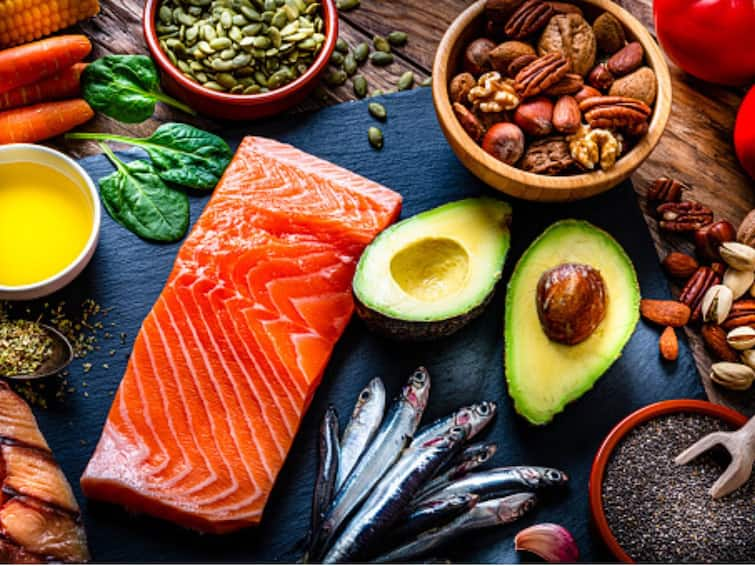
Consumption of a Mediterranean-like diet rich in foods such as seafood, fruit and nuts may help lower the risk of dementia by up to 23 per cent, according to a new study published in the BMC Medicine. The study, led by experts at Newcastle University, found that people who consumed a Mediterranean-like diet had up to 23 per cent lower risk for dementia than those who did not. 

The research is one of the biggest studies of its kind because previous studies have typically been limited to small sample sizes and low numbers of dementia cases. 

Due to the enormous and growing societal cost of dementia, the identification of effective dementia prevention strategies is a major public health priority, the authors stated. 

How the study was conducted

As part of the study, scientists analysed data from 60,298 individuals from the UK Biobank. This is a large cohort including individuals from across the United Kingdom, who had completed a dietary assessment. 

The individuals were given scores based on how closely their diet matched the key features of a Mediterranean diet. The individuals from the UK Biobank were followed for almost a decade. When the process of following began, there were 882 cases of dementia. 

What is polygenic risk?

The researchers estimated the individuals’ polygenic risk, or a measure of all the different genes that are related to the risk of dementia, in order to determine their genetic risk for dementia. 

In a statement released by Newcastle University, Dr Oliver Shannon, who led the study with Professor Emma Stevenson and Professor David Llewellyn, said dementia impacts the lives of millions of individuals throughout the world, and there are currently limited options for treating this condition. He also said finding ways to reduce the risk of developing dementia is therefore a major priority for researchers and clinicians. 

Shannon said the study suggests that eating a more Mediterranean-like diet could be one strategy to help individuals lower their risk of dementia. 

John Mathers, one of the authors on the paper, said the study suggests that even for those with higher genetic risk, having a better diet reduced the likelihood of developing dementia. 

The analysis is limited to individuals who self-reported their ethnic background as white, British or Irish, the authors noted in the paper. This is because genetic data was only available based on European ancestry. They also said further research is needed in a range of populations to determine the potential benefit. 

Significance of the study

A Mediterranean diet that has a high intake of healthy plant-based foods may be an important intervention to incorporate into future strategies to reduce dementia risk, the authors concluded.

Dr Janice Ranson, joint lead author on the paper, said the findings from the large population-based study underscore the long-term brain health benefits of consuming a Mediterranean diet, which is rich in fruits, vegetables, whole grains and healthy fats. 

She said the protective effect of a Mediterranean diet against dementia was evident regardless of a person’s genetic risk, and so this is likely to be a beneficial lifestyle choice for people looking to make healthy dietary choices and reduce their risk of dementia. 

Janice said future dementia prevention efforts could go beyond generic healthy diet advice and focus on supporting people to increase consumption of specific foods and nutrients that are essential for brain health. 

The authors concluded that higher adherence to a Mediterranean diet was associated with lower dementia risk, independent of genetic risk, underlining the importance of diet in dementia prevention interventions.

Check out below Health Tools-
Calculate Your Body Mass Index ( BMI )

Calculate The Age Through Age Calculator

Consumption of a Mediterranean-like diet rich in foods such as seafood, fruit and nuts may help lower the risk of dementia by up to 23 per cent, according to a new study published in the BMC Medicine. The study, led by experts at Newcastle University, found that people who consumed a Mediterranean-like diet had up to 23 per cent lower risk for dementia than those who did not. 

The research is one of the biggest studies of its kind because previous studies have typically been limited to small sample sizes and low numbers of dementia cases. 

Due to the enormous and growing societal cost of dementia, the identification of effective dementia prevention strategies is a major public health priority, the authors stated. 

How the study was conducted

As part of the study, scientists analysed data from 60,298 individuals from the UK Biobank. This is a large cohort including individuals from across the United Kingdom, who had completed a dietary assessment. 

The individuals were given scores based on how closely their diet matched the key features of a Mediterranean diet. The individuals from the UK Biobank were followed for almost a decade. When the process of following began, there were 882 cases of dementia. 

What is polygenic risk?

The researchers estimated the individuals’ polygenic risk, or a measure of all the different genes that are related to the risk of dementia, in order to determine their genetic risk for dementia. 

In a statement released by Newcastle University, Dr Oliver Shannon, who led the study with Professor Emma Stevenson and Professor David Llewellyn, said dementia impacts the lives of millions of individuals throughout the world, and there are currently limited options for treating this condition. He also said finding ways to reduce the risk of developing dementia is therefore a major priority for researchers and clinicians. 

Shannon said the study suggests that eating a more Mediterranean-like diet could be one strategy to help individuals lower their risk of dementia. 

John Mathers, one of the authors on the paper, said the study suggests that even for those with higher genetic risk, having a better diet reduced the likelihood of developing dementia. 

The analysis is limited to individuals who self-reported their ethnic background as white, British or Irish, the authors noted in the paper. This is because genetic data was only available based on European ancestry. They also said further research is needed in a range of populations to determine the potential benefit. 

Significance of the study

A Mediterranean diet that has a high intake of healthy plant-based foods may be an important intervention to incorporate into future strategies to reduce dementia risk, the authors concluded.

Dr Janice Ranson, joint lead author on the paper, said the findings from the large population-based study underscore the long-term brain health benefits of consuming a Mediterranean diet, which is rich in fruits, vegetables, whole grains and healthy fats. 

She said the protective effect of a Mediterranean diet against dementia was evident regardless of a person’s genetic risk, and so this is likely to be a beneficial lifestyle choice for people looking to make healthy dietary choices and reduce their risk of dementia. 

Janice said future dementia prevention efforts could go beyond generic healthy diet advice and focus on supporting people to increase consumption of specific foods and nutrients that are essential for brain health. 

The authors concluded that higher adherence to a Mediterranean diet was associated with lower dementia risk, independent of genetic risk, underlining the importance of diet in dementia prevention interventions.

Check out below Health Tools-
Calculate Your Body Mass Index ( BMI )

Calculate The Age Through Age Calculator

Consumption of a Mediterranean-like diet rich in foods such as seafood, fruit and nuts may help lower the risk of dementia by up to 23 per cent, according to a new study published in the BMC Medicine. The study, led by experts at Newcastle University, found that people who consumed a Mediterranean-like diet had up to 23 per cent lower risk for dementia than those who did not. 

The research is one of the biggest studies of its kind because previous studies have typically been limited to small sample sizes and low numbers of dementia cases. 

Due to the enormous and growing societal cost of dementia, the identification of effective dementia prevention strategies is a major public health priority, the authors stated. 

How the study was conducted

As part of the study, scientists analysed data from 60,298 individuals from the UK Biobank. This is a large cohort including individuals from across the United Kingdom, who had completed a dietary assessment. 

The individuals were given scores based on how closely their diet matched the key features of a Mediterranean diet. The individuals from the UK Biobank were followed for almost a decade. When the process of following began, there were 882 cases of dementia. 

What is polygenic risk?

The researchers estimated the individuals’ polygenic risk, or a measure of all the different genes that are related to the risk of dementia, in order to determine their genetic risk for dementia. 

In a statement released by Newcastle University, Dr Oliver Shannon, who led the study with Professor Emma Stevenson and Professor David Llewellyn, said dementia impacts the lives of millions of individuals throughout the world, and there are currently limited options for treating this condition. He also said finding ways to reduce the risk of developing dementia is therefore a major priority for researchers and clinicians. 

Shannon said the study suggests that eating a more Mediterranean-like diet could be one strategy to help individuals lower their risk of dementia. 

John Mathers, one of the authors on the paper, said the study suggests that even for those with higher genetic risk, having a better diet reduced the likelihood of developing dementia. 

The analysis is limited to individuals who self-reported their ethnic background as white, British or Irish, the authors noted in the paper. This is because genetic data was only available based on European ancestry. They also said further research is needed in a range of populations to determine the potential benefit. 

Significance of the study

A Mediterranean diet that has a high intake of healthy plant-based foods may be an important intervention to incorporate into future strategies to reduce dementia risk, the authors concluded.

Dr Janice Ranson, joint lead author on the paper, said the findings from the large population-based study underscore the long-term brain health benefits of consuming a Mediterranean diet, which is rich in fruits, vegetables, whole grains and healthy fats. 

She said the protective effect of a Mediterranean diet against dementia was evident regardless of a person’s genetic risk, and so this is likely to be a beneficial lifestyle choice for people looking to make healthy dietary choices and reduce their risk of dementia. 

Janice said future dementia prevention efforts could go beyond generic healthy diet advice and focus on supporting people to increase consumption of specific foods and nutrients that are essential for brain health. 

The authors concluded that higher adherence to a Mediterranean diet was associated with lower dementia risk, independent of genetic risk, underlining the importance of diet in dementia prevention interventions.

Check out below Health Tools-
Calculate Your Body Mass Index ( BMI )

Calculate The Age Through Age Calculator

Consumption of a Mediterranean-like diet rich in foods such as seafood, fruit and nuts may help lower the risk of dementia by up to 23 per cent, according to a new study published in the BMC Medicine. The study, led by experts at Newcastle University, found that people who consumed a Mediterranean-like diet had up to 23 per cent lower risk for dementia than those who did not. 

The research is one of the biggest studies of its kind because previous studies have typically been limited to small sample sizes and low numbers of dementia cases. 

Due to the enormous and growing societal cost of dementia, the identification of effective dementia prevention strategies is a major public health priority, the authors stated. 

How the study was conducted

As part of the study, scientists analysed data from 60,298 individuals from the UK Biobank. This is a large cohort including individuals from across the United Kingdom, who had completed a dietary assessment. 

The individuals were given scores based on how closely their diet matched the key features of a Mediterranean diet. The individuals from the UK Biobank were followed for almost a decade. When the process of following began, there were 882 cases of dementia. 

What is polygenic risk?

The researchers estimated the individuals’ polygenic risk, or a measure of all the different genes that are related to the risk of dementia, in order to determine their genetic risk for dementia. 

In a statement released by Newcastle University, Dr Oliver Shannon, who led the study with Professor Emma Stevenson and Professor David Llewellyn, said dementia impacts the lives of millions of individuals throughout the world, and there are currently limited options for treating this condition. He also said finding ways to reduce the risk of developing dementia is therefore a major priority for researchers and clinicians. 

Shannon said the study suggests that eating a more Mediterranean-like diet could be one strategy to help individuals lower their risk of dementia. 

John Mathers, one of the authors on the paper, said the study suggests that even for those with higher genetic risk, having a better diet reduced the likelihood of developing dementia. 

The analysis is limited to individuals who self-reported their ethnic background as white, British or Irish, the authors noted in the paper. This is because genetic data was only available based on European ancestry. They also said further research is needed in a range of populations to determine the potential benefit. 

Significance of the study

A Mediterranean diet that has a high intake of healthy plant-based foods may be an important intervention to incorporate into future strategies to reduce dementia risk, the authors concluded.

Dr Janice Ranson, joint lead author on the paper, said the findings from the large population-based study underscore the long-term brain health benefits of consuming a Mediterranean diet, which is rich in fruits, vegetables, whole grains and healthy fats. 

She said the protective effect of a Mediterranean diet against dementia was evident regardless of a person’s genetic risk, and so this is likely to be a beneficial lifestyle choice for people looking to make healthy dietary choices and reduce their risk of dementia. 

Janice said future dementia prevention efforts could go beyond generic healthy diet advice and focus on supporting people to increase consumption of specific foods and nutrients that are essential for brain health. 

The authors concluded that higher adherence to a Mediterranean diet was associated with lower dementia risk, independent of genetic risk, underlining the importance of diet in dementia prevention interventions.

Check out below Health Tools-
Calculate Your Body Mass Index ( BMI )

Calculate The Age Through Age Calculator

Consumption of a Mediterranean-like diet rich in foods such as seafood, fruit and nuts may help lower the risk of dementia by up to 23 per cent, according to a new study published in the BMC Medicine. The study, led by experts at Newcastle University, found that people who consumed a Mediterranean-like diet had up to 23 per cent lower risk for dementia than those who did not. 

The research is one of the biggest studies of its kind because previous studies have typically been limited to small sample sizes and low numbers of dementia cases. 

Due to the enormous and growing societal cost of dementia, the identification of effective dementia prevention strategies is a major public health priority, the authors stated. 

How the study was conducted

As part of the study, scientists analysed data from 60,298 individuals from the UK Biobank. This is a large cohort including individuals from across the United Kingdom, who had completed a dietary assessment. 

The individuals were given scores based on how closely their diet matched the key features of a Mediterranean diet. The individuals from the UK Biobank were followed for almost a decade. When the process of following began, there were 882 cases of dementia. 

What is polygenic risk?

The researchers estimated the individuals’ polygenic risk, or a measure of all the different genes that are related to the risk of dementia, in order to determine their genetic risk for dementia. 

In a statement released by Newcastle University, Dr Oliver Shannon, who led the study with Professor Emma Stevenson and Professor David Llewellyn, said dementia impacts the lives of millions of individuals throughout the world, and there are currently limited options for treating this condition. He also said finding ways to reduce the risk of developing dementia is therefore a major priority for researchers and clinicians. 

Shannon said the study suggests that eating a more Mediterranean-like diet could be one strategy to help individuals lower their risk of dementia. 

John Mathers, one of the authors on the paper, said the study suggests that even for those with higher genetic risk, having a better diet reduced the likelihood of developing dementia. 

The analysis is limited to individuals who self-reported their ethnic background as white, British or Irish, the authors noted in the paper. This is because genetic data was only available based on European ancestry. They also said further research is needed in a range of populations to determine the potential benefit. 

Significance of the study

A Mediterranean diet that has a high intake of healthy plant-based foods may be an important intervention to incorporate into future strategies to reduce dementia risk, the authors concluded.

Dr Janice Ranson, joint lead author on the paper, said the findings from the large population-based study underscore the long-term brain health benefits of consuming a Mediterranean diet, which is rich in fruits, vegetables, whole grains and healthy fats. 

She said the protective effect of a Mediterranean diet against dementia was evident regardless of a person’s genetic risk, and so this is likely to be a beneficial lifestyle choice for people looking to make healthy dietary choices and reduce their risk of dementia. 

Janice said future dementia prevention efforts could go beyond generic healthy diet advice and focus on supporting people to increase consumption of specific foods and nutrients that are essential for brain health. 

The authors concluded that higher adherence to a Mediterranean diet was associated with lower dementia risk, independent of genetic risk, underlining the importance of diet in dementia prevention interventions.

Check out below Health Tools-
Calculate Your Body Mass Index ( BMI )

Calculate The Age Through Age Calculator

Consumption of a Mediterranean-like diet rich in foods such as seafood, fruit and nuts may help lower the risk of dementia by up to 23 per cent, according to a new study published in the BMC Medicine. The study, led by experts at Newcastle University, found that people who consumed a Mediterranean-like diet had up to 23 per cent lower risk for dementia than those who did not. 

The research is one of the biggest studies of its kind because previous studies have typically been limited to small sample sizes and low numbers of dementia cases. 

Due to the enormous and growing societal cost of dementia, the identification of effective dementia prevention strategies is a major public health priority, the authors stated. 

How the study was conducted

As part of the study, scientists analysed data from 60,298 individuals from the UK Biobank. This is a large cohort including individuals from across the United Kingdom, who had completed a dietary assessment. 

The individuals were given scores based on how closely their diet matched the key features of a Mediterranean diet. The individuals from the UK Biobank were followed for almost a decade. When the process of following began, there were 882 cases of dementia. 

What is polygenic risk?

The researchers estimated the individuals’ polygenic risk, or a measure of all the different genes that are related to the risk of dementia, in order to determine their genetic risk for dementia. 

In a statement released by Newcastle University, Dr Oliver Shannon, who led the study with Professor Emma Stevenson and Professor David Llewellyn, said dementia impacts the lives of millions of individuals throughout the world, and there are currently limited options for treating this condition. He also said finding ways to reduce the risk of developing dementia is therefore a major priority for researchers and clinicians. 

Shannon said the study suggests that eating a more Mediterranean-like diet could be one strategy to help individuals lower their risk of dementia. 

John Mathers, one of the authors on the paper, said the study suggests that even for those with higher genetic risk, having a better diet reduced the likelihood of developing dementia. 

The analysis is limited to individuals who self-reported their ethnic background as white, British or Irish, the authors noted in the paper. This is because genetic data was only available based on European ancestry. They also said further research is needed in a range of populations to determine the potential benefit. 

Significance of the study

A Mediterranean diet that has a high intake of healthy plant-based foods may be an important intervention to incorporate into future strategies to reduce dementia risk, the authors concluded.

Dr Janice Ranson, joint lead author on the paper, said the findings from the large population-based study underscore the long-term brain health benefits of consuming a Mediterranean diet, which is rich in fruits, vegetables, whole grains and healthy fats. 

She said the protective effect of a Mediterranean diet against dementia was evident regardless of a person’s genetic risk, and so this is likely to be a beneficial lifestyle choice for people looking to make healthy dietary choices and reduce their risk of dementia. 

Janice said future dementia prevention efforts could go beyond generic healthy diet advice and focus on supporting people to increase consumption of specific foods and nutrients that are essential for brain health. 

The authors concluded that higher adherence to a Mediterranean diet was associated with lower dementia risk, independent of genetic risk, underlining the importance of diet in dementia prevention interventions.

Check out below Health Tools-
Calculate Your Body Mass Index ( BMI )

Calculate The Age Through Age Calculator

Consumption of a Mediterranean-like diet rich in foods such as seafood, fruit and nuts may help lower the risk of dementia by up to 23 per cent, according to a new study published in the BMC Medicine. The study, led by experts at Newcastle University, found that people who consumed a Mediterranean-like diet had up to 23 per cent lower risk for dementia than those who did not. 

The research is one of the biggest studies of its kind because previous studies have typically been limited to small sample sizes and low numbers of dementia cases. 

Due to the enormous and growing societal cost of dementia, the identification of effective dementia prevention strategies is a major public health priority, the authors stated. 

How the study was conducted

As part of the study, scientists analysed data from 60,298 individuals from the UK Biobank. This is a large cohort including individuals from across the United Kingdom, who had completed a dietary assessment. 

The individuals were given scores based on how closely their diet matched the key features of a Mediterranean diet. The individuals from the UK Biobank were followed for almost a decade. When the process of following began, there were 882 cases of dementia. 

What is polygenic risk?

The researchers estimated the individuals’ polygenic risk, or a measure of all the different genes that are related to the risk of dementia, in order to determine their genetic risk for dementia. 

In a statement released by Newcastle University, Dr Oliver Shannon, who led the study with Professor Emma Stevenson and Professor David Llewellyn, said dementia impacts the lives of millions of individuals throughout the world, and there are currently limited options for treating this condition. He also said finding ways to reduce the risk of developing dementia is therefore a major priority for researchers and clinicians. 

Shannon said the study suggests that eating a more Mediterranean-like diet could be one strategy to help individuals lower their risk of dementia. 

John Mathers, one of the authors on the paper, said the study suggests that even for those with higher genetic risk, having a better diet reduced the likelihood of developing dementia. 

The analysis is limited to individuals who self-reported their ethnic background as white, British or Irish, the authors noted in the paper. This is because genetic data was only available based on European ancestry. They also said further research is needed in a range of populations to determine the potential benefit. 

Significance of the study

A Mediterranean diet that has a high intake of healthy plant-based foods may be an important intervention to incorporate into future strategies to reduce dementia risk, the authors concluded.

Dr Janice Ranson, joint lead author on the paper, said the findings from the large population-based study underscore the long-term brain health benefits of consuming a Mediterranean diet, which is rich in fruits, vegetables, whole grains and healthy fats. 

She said the protective effect of a Mediterranean diet against dementia was evident regardless of a person’s genetic risk, and so this is likely to be a beneficial lifestyle choice for people looking to make healthy dietary choices and reduce their risk of dementia. 

Janice said future dementia prevention efforts could go beyond generic healthy diet advice and focus on supporting people to increase consumption of specific foods and nutrients that are essential for brain health. 

The authors concluded that higher adherence to a Mediterranean diet was associated with lower dementia risk, independent of genetic risk, underlining the importance of diet in dementia prevention interventions.

Check out below Health Tools-
Calculate Your Body Mass Index ( BMI )

Calculate The Age Through Age Calculator

Consumption of a Mediterranean-like diet rich in foods such as seafood, fruit and nuts may help lower the risk of dementia by up to 23 per cent, according to a new study published in the BMC Medicine. The study, led by experts at Newcastle University, found that people who consumed a Mediterranean-like diet had up to 23 per cent lower risk for dementia than those who did not. 

The research is one of the biggest studies of its kind because previous studies have typically been limited to small sample sizes and low numbers of dementia cases. 

Due to the enormous and growing societal cost of dementia, the identification of effective dementia prevention strategies is a major public health priority, the authors stated. 

How the study was conducted

As part of the study, scientists analysed data from 60,298 individuals from the UK Biobank. This is a large cohort including individuals from across the United Kingdom, who had completed a dietary assessment. 

The individuals were given scores based on how closely their diet matched the key features of a Mediterranean diet. The individuals from the UK Biobank were followed for almost a decade. When the process of following began, there were 882 cases of dementia. 

What is polygenic risk?

The researchers estimated the individuals’ polygenic risk, or a measure of all the different genes that are related to the risk of dementia, in order to determine their genetic risk for dementia. 

In a statement released by Newcastle University, Dr Oliver Shannon, who led the study with Professor Emma Stevenson and Professor David Llewellyn, said dementia impacts the lives of millions of individuals throughout the world, and there are currently limited options for treating this condition. He also said finding ways to reduce the risk of developing dementia is therefore a major priority for researchers and clinicians. 

Shannon said the study suggests that eating a more Mediterranean-like diet could be one strategy to help individuals lower their risk of dementia. 

John Mathers, one of the authors on the paper, said the study suggests that even for those with higher genetic risk, having a better diet reduced the likelihood of developing dementia. 

The analysis is limited to individuals who self-reported their ethnic background as white, British or Irish, the authors noted in the paper. This is because genetic data was only available based on European ancestry. They also said further research is needed in a range of populations to determine the potential benefit. 

Significance of the study

A Mediterranean diet that has a high intake of healthy plant-based foods may be an important intervention to incorporate into future strategies to reduce dementia risk, the authors concluded.

Dr Janice Ranson, joint lead author on the paper, said the findings from the large population-based study underscore the long-term brain health benefits of consuming a Mediterranean diet, which is rich in fruits, vegetables, whole grains and healthy fats. 

She said the protective effect of a Mediterranean diet against dementia was evident regardless of a person’s genetic risk, and so this is likely to be a beneficial lifestyle choice for people looking to make healthy dietary choices and reduce their risk of dementia. 

Janice said future dementia prevention efforts could go beyond generic healthy diet advice and focus on supporting people to increase consumption of specific foods and nutrients that are essential for brain health. 

The authors concluded that higher adherence to a Mediterranean diet was associated with lower dementia risk, independent of genetic risk, underlining the importance of diet in dementia prevention interventions.

Check out below Health Tools-
Calculate Your Body Mass Index ( BMI )

Calculate The Age Through Age Calculator

Consumption of a Mediterranean-like diet rich in foods such as seafood, fruit and nuts may help lower the risk of dementia by up to 23 per cent, according to a new study published in the BMC Medicine. The study, led by experts at Newcastle University, found that people who consumed a Mediterranean-like diet had up to 23 per cent lower risk for dementia than those who did not. 

The research is one of the biggest studies of its kind because previous studies have typically been limited to small sample sizes and low numbers of dementia cases. 

Due to the enormous and growing societal cost of dementia, the identification of effective dementia prevention strategies is a major public health priority, the authors stated. 

How the study was conducted

As part of the study, scientists analysed data from 60,298 individuals from the UK Biobank. This is a large cohort including individuals from across the United Kingdom, who had completed a dietary assessment. 

The individuals were given scores based on how closely their diet matched the key features of a Mediterranean diet. The individuals from the UK Biobank were followed for almost a decade. When the process of following began, there were 882 cases of dementia. 

What is polygenic risk?

The researchers estimated the individuals’ polygenic risk, or a measure of all the different genes that are related to the risk of dementia, in order to determine their genetic risk for dementia. 

In a statement released by Newcastle University, Dr Oliver Shannon, who led the study with Professor Emma Stevenson and Professor David Llewellyn, said dementia impacts the lives of millions of individuals throughout the world, and there are currently limited options for treating this condition. He also said finding ways to reduce the risk of developing dementia is therefore a major priority for researchers and clinicians. 

Shannon said the study suggests that eating a more Mediterranean-like diet could be one strategy to help individuals lower their risk of dementia. 

John Mathers, one of the authors on the paper, said the study suggests that even for those with higher genetic risk, having a better diet reduced the likelihood of developing dementia. 

The analysis is limited to individuals who self-reported their ethnic background as white, British or Irish, the authors noted in the paper. This is because genetic data was only available based on European ancestry. They also said further research is needed in a range of populations to determine the potential benefit. 

Significance of the study

A Mediterranean diet that has a high intake of healthy plant-based foods may be an important intervention to incorporate into future strategies to reduce dementia risk, the authors concluded.

Dr Janice Ranson, joint lead author on the paper, said the findings from the large population-based study underscore the long-term brain health benefits of consuming a Mediterranean diet, which is rich in fruits, vegetables, whole grains and healthy fats. 

She said the protective effect of a Mediterranean diet against dementia was evident regardless of a person’s genetic risk, and so this is likely to be a beneficial lifestyle choice for people looking to make healthy dietary choices and reduce their risk of dementia. 

Janice said future dementia prevention efforts could go beyond generic healthy diet advice and focus on supporting people to increase consumption of specific foods and nutrients that are essential for brain health. 

The authors concluded that higher adherence to a Mediterranean diet was associated with lower dementia risk, independent of genetic risk, underlining the importance of diet in dementia prevention interventions.

Check out below Health Tools-
Calculate Your Body Mass Index ( BMI )

Calculate The Age Through Age Calculator

Consumption of a Mediterranean-like diet rich in foods such as seafood, fruit and nuts may help lower the risk of dementia by up to 23 per cent, according to a new study published in the BMC Medicine. The study, led by experts at Newcastle University, found that people who consumed a Mediterranean-like diet had up to 23 per cent lower risk for dementia than those who did not. 

The research is one of the biggest studies of its kind because previous studies have typically been limited to small sample sizes and low numbers of dementia cases. 

Due to the enormous and growing societal cost of dementia, the identification of effective dementia prevention strategies is a major public health priority, the authors stated. 

How the study was conducted

As part of the study, scientists analysed data from 60,298 individuals from the UK Biobank. This is a large cohort including individuals from across the United Kingdom, who had completed a dietary assessment. 

The individuals were given scores based on how closely their diet matched the key features of a Mediterranean diet. The individuals from the UK Biobank were followed for almost a decade. When the process of following began, there were 882 cases of dementia. 

What is polygenic risk?

The researchers estimated the individuals’ polygenic risk, or a measure of all the different genes that are related to the risk of dementia, in order to determine their genetic risk for dementia. 

In a statement released by Newcastle University, Dr Oliver Shannon, who led the study with Professor Emma Stevenson and Professor David Llewellyn, said dementia impacts the lives of millions of individuals throughout the world, and there are currently limited options for treating this condition. He also said finding ways to reduce the risk of developing dementia is therefore a major priority for researchers and clinicians. 

Shannon said the study suggests that eating a more Mediterranean-like diet could be one strategy to help individuals lower their risk of dementia. 

John Mathers, one of the authors on the paper, said the study suggests that even for those with higher genetic risk, having a better diet reduced the likelihood of developing dementia. 

The analysis is limited to individuals who self-reported their ethnic background as white, British or Irish, the authors noted in the paper. This is because genetic data was only available based on European ancestry. They also said further research is needed in a range of populations to determine the potential benefit. 

Significance of the study

A Mediterranean diet that has a high intake of healthy plant-based foods may be an important intervention to incorporate into future strategies to reduce dementia risk, the authors concluded.

Dr Janice Ranson, joint lead author on the paper, said the findings from the large population-based study underscore the long-term brain health benefits of consuming a Mediterranean diet, which is rich in fruits, vegetables, whole grains and healthy fats. 

She said the protective effect of a Mediterranean diet against dementia was evident regardless of a person’s genetic risk, and so this is likely to be a beneficial lifestyle choice for people looking to make healthy dietary choices and reduce their risk of dementia. 

Janice said future dementia prevention efforts could go beyond generic healthy diet advice and focus on supporting people to increase consumption of specific foods and nutrients that are essential for brain health. 

The authors concluded that higher adherence to a Mediterranean diet was associated with lower dementia risk, independent of genetic risk, underlining the importance of diet in dementia prevention interventions.

Check out below Health Tools-
Calculate Your Body Mass Index ( BMI )

Calculate The Age Through Age Calculator

Consumption of a Mediterranean-like diet rich in foods such as seafood, fruit and nuts may help lower the risk of dementia by up to 23 per cent, according to a new study published in the BMC Medicine. The study, led by experts at Newcastle University, found that people who consumed a Mediterranean-like diet had up to 23 per cent lower risk for dementia than those who did not. 

The research is one of the biggest studies of its kind because previous studies have typically been limited to small sample sizes and low numbers of dementia cases. 

Due to the enormous and growing societal cost of dementia, the identification of effective dementia prevention strategies is a major public health priority, the authors stated. 

How the study was conducted

As part of the study, scientists analysed data from 60,298 individuals from the UK Biobank. This is a large cohort including individuals from across the United Kingdom, who had completed a dietary assessment. 

The individuals were given scores based on how closely their diet matched the key features of a Mediterranean diet. The individuals from the UK Biobank were followed for almost a decade. When the process of following began, there were 882 cases of dementia. 

What is polygenic risk?

The researchers estimated the individuals’ polygenic risk, or a measure of all the different genes that are related to the risk of dementia, in order to determine their genetic risk for dementia. 

In a statement released by Newcastle University, Dr Oliver Shannon, who led the study with Professor Emma Stevenson and Professor David Llewellyn, said dementia impacts the lives of millions of individuals throughout the world, and there are currently limited options for treating this condition. He also said finding ways to reduce the risk of developing dementia is therefore a major priority for researchers and clinicians. 

Shannon said the study suggests that eating a more Mediterranean-like diet could be one strategy to help individuals lower their risk of dementia. 

John Mathers, one of the authors on the paper, said the study suggests that even for those with higher genetic risk, having a better diet reduced the likelihood of developing dementia. 

The analysis is limited to individuals who self-reported their ethnic background as white, British or Irish, the authors noted in the paper. This is because genetic data was only available based on European ancestry. They also said further research is needed in a range of populations to determine the potential benefit. 

Significance of the study

A Mediterranean diet that has a high intake of healthy plant-based foods may be an important intervention to incorporate into future strategies to reduce dementia risk, the authors concluded.

Dr Janice Ranson, joint lead author on the paper, said the findings from the large population-based study underscore the long-term brain health benefits of consuming a Mediterranean diet, which is rich in fruits, vegetables, whole grains and healthy fats. 

She said the protective effect of a Mediterranean diet against dementia was evident regardless of a person’s genetic risk, and so this is likely to be a beneficial lifestyle choice for people looking to make healthy dietary choices and reduce their risk of dementia. 

Janice said future dementia prevention efforts could go beyond generic healthy diet advice and focus on supporting people to increase consumption of specific foods and nutrients that are essential for brain health. 

The authors concluded that higher adherence to a Mediterranean diet was associated with lower dementia risk, independent of genetic risk, underlining the importance of diet in dementia prevention interventions.

Check out below Health Tools-
Calculate Your Body Mass Index ( BMI )

Calculate The Age Through Age Calculator

Consumption of a Mediterranean-like diet rich in foods such as seafood, fruit and nuts may help lower the risk of dementia by up to 23 per cent, according to a new study published in the BMC Medicine. The study, led by experts at Newcastle University, found that people who consumed a Mediterranean-like diet had up to 23 per cent lower risk for dementia than those who did not. 

The research is one of the biggest studies of its kind because previous studies have typically been limited to small sample sizes and low numbers of dementia cases. 

Due to the enormous and growing societal cost of dementia, the identification of effective dementia prevention strategies is a major public health priority, the authors stated. 

How the study was conducted

As part of the study, scientists analysed data from 60,298 individuals from the UK Biobank. This is a large cohort including individuals from across the United Kingdom, who had completed a dietary assessment. 

The individuals were given scores based on how closely their diet matched the key features of a Mediterranean diet. The individuals from the UK Biobank were followed for almost a decade. When the process of following began, there were 882 cases of dementia. 

What is polygenic risk?

The researchers estimated the individuals’ polygenic risk, or a measure of all the different genes that are related to the risk of dementia, in order to determine their genetic risk for dementia. 

In a statement released by Newcastle University, Dr Oliver Shannon, who led the study with Professor Emma Stevenson and Professor David Llewellyn, said dementia impacts the lives of millions of individuals throughout the world, and there are currently limited options for treating this condition. He also said finding ways to reduce the risk of developing dementia is therefore a major priority for researchers and clinicians. 

Shannon said the study suggests that eating a more Mediterranean-like diet could be one strategy to help individuals lower their risk of dementia. 

John Mathers, one of the authors on the paper, said the study suggests that even for those with higher genetic risk, having a better diet reduced the likelihood of developing dementia. 

The analysis is limited to individuals who self-reported their ethnic background as white, British or Irish, the authors noted in the paper. This is because genetic data was only available based on European ancestry. They also said further research is needed in a range of populations to determine the potential benefit. 

Significance of the study

A Mediterranean diet that has a high intake of healthy plant-based foods may be an important intervention to incorporate into future strategies to reduce dementia risk, the authors concluded.

Dr Janice Ranson, joint lead author on the paper, said the findings from the large population-based study underscore the long-term brain health benefits of consuming a Mediterranean diet, which is rich in fruits, vegetables, whole grains and healthy fats. 

She said the protective effect of a Mediterranean diet against dementia was evident regardless of a person’s genetic risk, and so this is likely to be a beneficial lifestyle choice for people looking to make healthy dietary choices and reduce their risk of dementia. 

Janice said future dementia prevention efforts could go beyond generic healthy diet advice and focus on supporting people to increase consumption of specific foods and nutrients that are essential for brain health. 

The authors concluded that higher adherence to a Mediterranean diet was associated with lower dementia risk, independent of genetic risk, underlining the importance of diet in dementia prevention interventions.

Check out below Health Tools-
Calculate Your Body Mass Index ( BMI )

Calculate The Age Through Age Calculator

Consumption of a Mediterranean-like diet rich in foods such as seafood, fruit and nuts may help lower the risk of dementia by up to 23 per cent, according to a new study published in the BMC Medicine. The study, led by experts at Newcastle University, found that people who consumed a Mediterranean-like diet had up to 23 per cent lower risk for dementia than those who did not. 

The research is one of the biggest studies of its kind because previous studies have typically been limited to small sample sizes and low numbers of dementia cases. 

Due to the enormous and growing societal cost of dementia, the identification of effective dementia prevention strategies is a major public health priority, the authors stated. 

How the study was conducted

As part of the study, scientists analysed data from 60,298 individuals from the UK Biobank. This is a large cohort including individuals from across the United Kingdom, who had completed a dietary assessment. 

The individuals were given scores based on how closely their diet matched the key features of a Mediterranean diet. The individuals from the UK Biobank were followed for almost a decade. When the process of following began, there were 882 cases of dementia. 

What is polygenic risk?

The researchers estimated the individuals’ polygenic risk, or a measure of all the different genes that are related to the risk of dementia, in order to determine their genetic risk for dementia. 

In a statement released by Newcastle University, Dr Oliver Shannon, who led the study with Professor Emma Stevenson and Professor David Llewellyn, said dementia impacts the lives of millions of individuals throughout the world, and there are currently limited options for treating this condition. He also said finding ways to reduce the risk of developing dementia is therefore a major priority for researchers and clinicians. 

Shannon said the study suggests that eating a more Mediterranean-like diet could be one strategy to help individuals lower their risk of dementia. 

John Mathers, one of the authors on the paper, said the study suggests that even for those with higher genetic risk, having a better diet reduced the likelihood of developing dementia. 

The analysis is limited to individuals who self-reported their ethnic background as white, British or Irish, the authors noted in the paper. This is because genetic data was only available based on European ancestry. They also said further research is needed in a range of populations to determine the potential benefit. 

Significance of the study

A Mediterranean diet that has a high intake of healthy plant-based foods may be an important intervention to incorporate into future strategies to reduce dementia risk, the authors concluded.

Dr Janice Ranson, joint lead author on the paper, said the findings from the large population-based study underscore the long-term brain health benefits of consuming a Mediterranean diet, which is rich in fruits, vegetables, whole grains and healthy fats. 

She said the protective effect of a Mediterranean diet against dementia was evident regardless of a person’s genetic risk, and so this is likely to be a beneficial lifestyle choice for people looking to make healthy dietary choices and reduce their risk of dementia. 

Janice said future dementia prevention efforts could go beyond generic healthy diet advice and focus on supporting people to increase consumption of specific foods and nutrients that are essential for brain health. 

The authors concluded that higher adherence to a Mediterranean diet was associated with lower dementia risk, independent of genetic risk, underlining the importance of diet in dementia prevention interventions.

Check out below Health Tools-
Calculate Your Body Mass Index ( BMI )

Calculate The Age Through Age Calculator

Consumption of a Mediterranean-like diet rich in foods such as seafood, fruit and nuts may help lower the risk of dementia by up to 23 per cent, according to a new study published in the BMC Medicine. The study, led by experts at Newcastle University, found that people who consumed a Mediterranean-like diet had up to 23 per cent lower risk for dementia than those who did not. 

The research is one of the biggest studies of its kind because previous studies have typically been limited to small sample sizes and low numbers of dementia cases. 

Due to the enormous and growing societal cost of dementia, the identification of effective dementia prevention strategies is a major public health priority, the authors stated. 

How the study was conducted

As part of the study, scientists analysed data from 60,298 individuals from the UK Biobank. This is a large cohort including individuals from across the United Kingdom, who had completed a dietary assessment. 

The individuals were given scores based on how closely their diet matched the key features of a Mediterranean diet. The individuals from the UK Biobank were followed for almost a decade. When the process of following began, there were 882 cases of dementia. 

What is polygenic risk?

The researchers estimated the individuals’ polygenic risk, or a measure of all the different genes that are related to the risk of dementia, in order to determine their genetic risk for dementia. 

In a statement released by Newcastle University, Dr Oliver Shannon, who led the study with Professor Emma Stevenson and Professor David Llewellyn, said dementia impacts the lives of millions of individuals throughout the world, and there are currently limited options for treating this condition. He also said finding ways to reduce the risk of developing dementia is therefore a major priority for researchers and clinicians. 

Shannon said the study suggests that eating a more Mediterranean-like diet could be one strategy to help individuals lower their risk of dementia. 

John Mathers, one of the authors on the paper, said the study suggests that even for those with higher genetic risk, having a better diet reduced the likelihood of developing dementia. 

The analysis is limited to individuals who self-reported their ethnic background as white, British or Irish, the authors noted in the paper. This is because genetic data was only available based on European ancestry. They also said further research is needed in a range of populations to determine the potential benefit. 

Significance of the study

A Mediterranean diet that has a high intake of healthy plant-based foods may be an important intervention to incorporate into future strategies to reduce dementia risk, the authors concluded.

Dr Janice Ranson, joint lead author on the paper, said the findings from the large population-based study underscore the long-term brain health benefits of consuming a Mediterranean diet, which is rich in fruits, vegetables, whole grains and healthy fats. 

She said the protective effect of a Mediterranean diet against dementia was evident regardless of a person’s genetic risk, and so this is likely to be a beneficial lifestyle choice for people looking to make healthy dietary choices and reduce their risk of dementia. 

Janice said future dementia prevention efforts could go beyond generic healthy diet advice and focus on supporting people to increase consumption of specific foods and nutrients that are essential for brain health. 

The authors concluded that higher adherence to a Mediterranean diet was associated with lower dementia risk, independent of genetic risk, underlining the importance of diet in dementia prevention interventions.

Check out below Health Tools-
Calculate Your Body Mass Index ( BMI )

Calculate The Age Through Age Calculator

Consumption of a Mediterranean-like diet rich in foods such as seafood, fruit and nuts may help lower the risk of dementia by up to 23 per cent, according to a new study published in the BMC Medicine. The study, led by experts at Newcastle University, found that people who consumed a Mediterranean-like diet had up to 23 per cent lower risk for dementia than those who did not. 

The research is one of the biggest studies of its kind because previous studies have typically been limited to small sample sizes and low numbers of dementia cases. 

Due to the enormous and growing societal cost of dementia, the identification of effective dementia prevention strategies is a major public health priority, the authors stated. 

How the study was conducted

As part of the study, scientists analysed data from 60,298 individuals from the UK Biobank. This is a large cohort including individuals from across the United Kingdom, who had completed a dietary assessment. 

The individuals were given scores based on how closely their diet matched the key features of a Mediterranean diet. The individuals from the UK Biobank were followed for almost a decade. When the process of following began, there were 882 cases of dementia. 

What is polygenic risk?

The researchers estimated the individuals’ polygenic risk, or a measure of all the different genes that are related to the risk of dementia, in order to determine their genetic risk for dementia. 

In a statement released by Newcastle University, Dr Oliver Shannon, who led the study with Professor Emma Stevenson and Professor David Llewellyn, said dementia impacts the lives of millions of individuals throughout the world, and there are currently limited options for treating this condition. He also said finding ways to reduce the risk of developing dementia is therefore a major priority for researchers and clinicians. 

Shannon said the study suggests that eating a more Mediterranean-like diet could be one strategy to help individuals lower their risk of dementia. 

John Mathers, one of the authors on the paper, said the study suggests that even for those with higher genetic risk, having a better diet reduced the likelihood of developing dementia. 

The analysis is limited to individuals who self-reported their ethnic background as white, British or Irish, the authors noted in the paper. This is because genetic data was only available based on European ancestry. They also said further research is needed in a range of populations to determine the potential benefit. 

Significance of the study

A Mediterranean diet that has a high intake of healthy plant-based foods may be an important intervention to incorporate into future strategies to reduce dementia risk, the authors concluded.

Dr Janice Ranson, joint lead author on the paper, said the findings from the large population-based study underscore the long-term brain health benefits of consuming a Mediterranean diet, which is rich in fruits, vegetables, whole grains and healthy fats. 

She said the protective effect of a Mediterranean diet against dementia was evident regardless of a person’s genetic risk, and so this is likely to be a beneficial lifestyle choice for people looking to make healthy dietary choices and reduce their risk of dementia. 

Janice said future dementia prevention efforts could go beyond generic healthy diet advice and focus on supporting people to increase consumption of specific foods and nutrients that are essential for brain health. 

The authors concluded that higher adherence to a Mediterranean diet was associated with lower dementia risk, independent of genetic risk, underlining the importance of diet in dementia prevention interventions.

Check out below Health Tools-
Calculate Your Body Mass Index ( BMI )

Calculate The Age Through Age Calculator

Consumption of a Mediterranean-like diet rich in foods such as seafood, fruit and nuts may help lower the risk of dementia by up to 23 per cent, according to a new study published in the BMC Medicine. The study, led by experts at Newcastle University, found that people who consumed a Mediterranean-like diet had up to 23 per cent lower risk for dementia than those who did not. 

The research is one of the biggest studies of its kind because previous studies have typically been limited to small sample sizes and low numbers of dementia cases. 

Due to the enormous and growing societal cost of dementia, the identification of effective dementia prevention strategies is a major public health priority, the authors stated. 

How the study was conducted

As part of the study, scientists analysed data from 60,298 individuals from the UK Biobank. This is a large cohort including individuals from across the United Kingdom, who had completed a dietary assessment. 

The individuals were given scores based on how closely their diet matched the key features of a Mediterranean diet. The individuals from the UK Biobank were followed for almost a decade. When the process of following began, there were 882 cases of dementia. 

What is polygenic risk?

The researchers estimated the individuals’ polygenic risk, or a measure of all the different genes that are related to the risk of dementia, in order to determine their genetic risk for dementia. 

In a statement released by Newcastle University, Dr Oliver Shannon, who led the study with Professor Emma Stevenson and Professor David Llewellyn, said dementia impacts the lives of millions of individuals throughout the world, and there are currently limited options for treating this condition. He also said finding ways to reduce the risk of developing dementia is therefore a major priority for researchers and clinicians. 

Shannon said the study suggests that eating a more Mediterranean-like diet could be one strategy to help individuals lower their risk of dementia. 

John Mathers, one of the authors on the paper, said the study suggests that even for those with higher genetic risk, having a better diet reduced the likelihood of developing dementia. 

The analysis is limited to individuals who self-reported their ethnic background as white, British or Irish, the authors noted in the paper. This is because genetic data was only available based on European ancestry. They also said further research is needed in a range of populations to determine the potential benefit. 

Significance of the study

A Mediterranean diet that has a high intake of healthy plant-based foods may be an important intervention to incorporate into future strategies to reduce dementia risk, the authors concluded.

Dr Janice Ranson, joint lead author on the paper, said the findings from the large population-based study underscore the long-term brain health benefits of consuming a Mediterranean diet, which is rich in fruits, vegetables, whole grains and healthy fats. 

She said the protective effect of a Mediterranean diet against dementia was evident regardless of a person’s genetic risk, and so this is likely to be a beneficial lifestyle choice for people looking to make healthy dietary choices and reduce their risk of dementia. 

Janice said future dementia prevention efforts could go beyond generic healthy diet advice and focus on supporting people to increase consumption of specific foods and nutrients that are essential for brain health. 

The authors concluded that higher adherence to a Mediterranean diet was associated with lower dementia risk, independent of genetic risk, underlining the importance of diet in dementia prevention interventions.

Check out below Health Tools-
Calculate Your Body Mass Index ( BMI )

Calculate The Age Through Age Calculator

Tags: dementiafruitsMediterranean DietnutsScience newsseafood
Previous Post

‘We will not be squashed’: L.A.’s queer community speaks out against Tennessee drag ban

Next Post

Biden consoles Monterey Park over mass shooting, signs order to curb gun violence

Leave a Reply Cancel reply

Your email address will not be published. Required fields are marked *

BROWSE BY CATEGORIES

  • Business
  • Culture
  • Entertainment
  • Health
  • Politics
  • Technology
  • Trending
  • Uncategorized
  • World
Binghamton Herald

© 2024 Binghamton Herald or its affiliated companies.

Navigate Site

  • About
  • Advertise
  • Terms & Conditions
  • Privacy Policy
  • Disclaimer
  • Contact

Follow Us

No Result
View All Result
  • Home
  • World
  • Politics
  • Business
  • Technology
  • Culture
  • Health
  • Entertainment
  • Trending

© 2024 Binghamton Herald or its affiliated companies.

Welcome Back!

Login to your account below

Forgotten Password?

Retrieve your password

Please enter your username or email address to reset your password.

Log In